
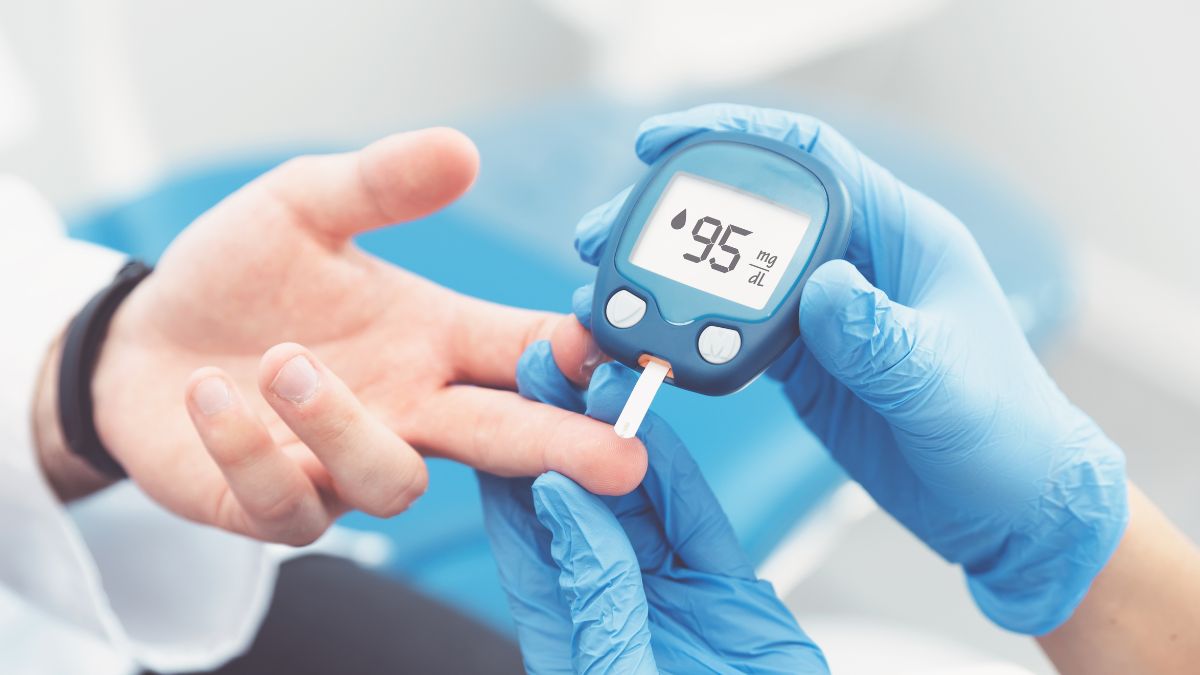
Breakfast can send blood sugar climbing before the day has even begun.
A bowl of sweet cereal, juice, toast, or flavored oatmeal may look harmless. Yet for someone with insulin resistance or diabetes, that fast wave of carbohydrate can cause a sharp rise, followed by hunger, fatigue, or another craving before lunch.
The best breakfast for flattening that curve is not one magical food. It is a savory, protein rich breakfast bowl built with vegetables, tofu or another lean protein, a small serving of beans, and healthy fat.
That combination attacks the glucose spike from several directions at once.
Before changing your usual carbohydrate intake, insulin dose, or diabetes medication schedule, speak with your doctor. A lower carbohydrate breakfast can increase the risk of low blood sugar in people using insulin or certain glucose lowering medicines.
The Winning Breakfast Formula
Here is the basic meal:
A vegetable tofu scramble bowl with black beans and avocado
A practical serving might include:
- Four to six ounces of firm tofu
- One to two cups of nonstarchy vegetables
- One third cup of black beans
- One quarter of an avocado
- Herbs, spices, salsa, or lemon juice
- An optional small portion of intact whole grain, based on glucose response
This breakfast supplies protein, fiber, unsaturated fat, and a controlled amount of slowly digested carbohydrate.
Current American Diabetes Association guidance emphasizes individualized eating patterns rather than one universal diet. It also recommends choosing nutrient dense carbohydrate sources that contain fiber and limiting refined grains and added sugars.
What Each Ingredient Does
| Breakfast component | Example portion | Main benefit for blood sugar |
|---|---|---|
| Firm tofu | 4 to 6 ounces | Adds protein with little rapidly available carbohydrate |
| Nonstarchy vegetables | 1 to 2 cups | Adds food volume, fiber, and slower digestion |
| Black beans | 1 third cup | Supplies fiber, plant protein, and slowly digested starch |
| Avocado | 1 quarter fruit | Adds unsaturated fat and may slow stomach emptying |
| Salsa or herbs | 1 to 2 tablespoons | Adds flavor without sugary syrup or sweetened sauce |
| Intact whole grain, optional | 1 quarter to 1 half cup cooked | Offers a measured carbohydrate source with more structure and fiber |
Why This Breakfast Flattens the Blood Sugar Curve

Blood sugar does not respond only to the amount of carbohydrate on the plate.
The form of that carbohydrate matters. The protein, fiber, and fat eaten with it matter too. Meal timing, sleep, medication, stress, activity, and the morning rise in hormones can also influence the result.
Carbohydrates generally have the largest immediate effect on blood glucose because the digestive system breaks starches and sugars into glucose. Refined bread, sweetened cereal, pastries, and juice are usually absorbed faster than beans, vegetables, or intact whole grains.
The tofu scramble bowl works because it replaces a large load of refined morning carbohydrate with a balanced mixture.
Protein Slows Down the Meal
Protein has a much smaller direct effect on blood glucose than refined carbohydrate.
It also stimulates gut hormones and insulin release, increases fullness, and can change how the glucose from a mixed meal appears in the bloodstream.
A controlled study in people with type 2 diabetes found that a higher protein breakfast reduced glucose after breakfast. The researchers also observed lower glucose responses after later meals, although the study design does not prove that every high protein breakfast will create the same result.
Another trial found that consuming 15 grams of whey protein shortly before mixed meals improved post meal glucose and increased satiety in men with type 2 diabetes. Whey is not required, but the study supports the broader principle that protein can reshape the glucose response to a meal.
Tofu offers a plant based way to apply that principle.
Fiber Creates a Slower Glucose Release
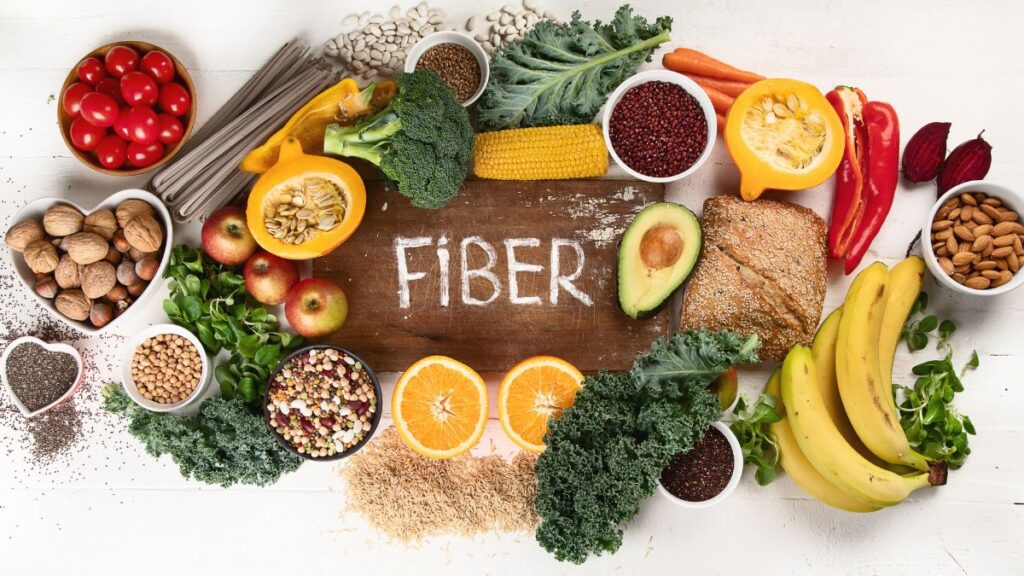
Fiber is the part of plant food that the body does not fully digest.
Soluble fiber can form a thicker mixture inside the digestive tract. This slows the movement and absorption of nutrients, which may produce a gentler rise in blood glucose.
Beans, vegetables, oats, flaxseed, and certain whole grains contain useful amounts of soluble or fermentable fiber. Mayo Clinic guidance notes that fiber can slow sugar absorption and support better glucose management in people with diabetes.
Black beans are especially useful because they provide both carbohydrate and fiber.
They are not carbohydrate free. Portion size still matters. However, their intact plant structure usually produces a different response than an equal carbohydrate amount from juice, white toast, or sweet cereal.
Healthy Fat Can Make the Curve Less Steep
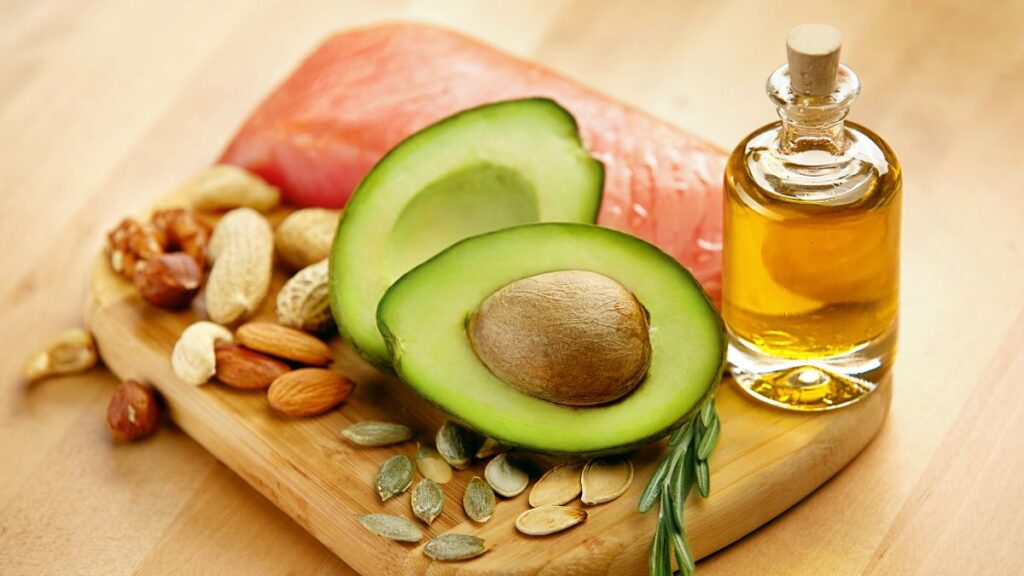
Avocado contributes mostly unsaturated fat, along with fiber.
Fat can slow gastric emptying, meaning food may leave the stomach more gradually. When carbohydrate reaches the small intestine more slowly, glucose may enter the blood at a less abrupt pace.
This does not mean adding unlimited fat will improve diabetes control.
Large amounts of fat are calorie dense, and high fat meals may cause a delayed glucose rise in some people, especially those using insulin. The goal is a measured serving, such as one quarter of an avocado or a tablespoon of seeds.
Research comparing meal composition also shows that fat and protein can influence post meal glucose patterns. Current diabetes standards recognize that carbohydrate, protein, and fat all affect glucose excursions and insulin needs.
Why a Savory Breakfast Often Beats a Sweet One
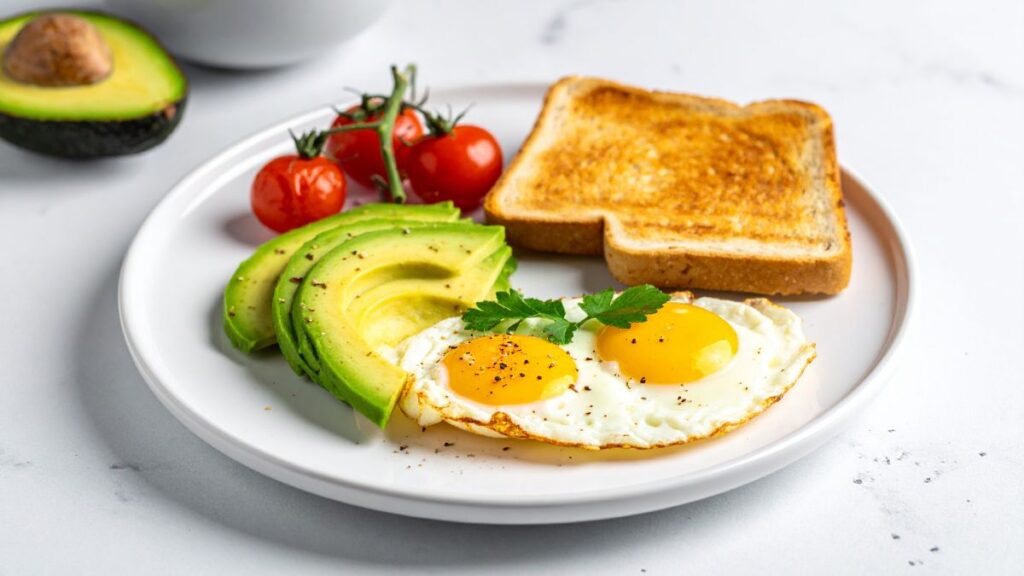
“Savory” is not automatically healthy.
A breakfast sandwich made with refined bread, processed meat, and fried potatoes may still deliver a large carbohydrate and saturated fat load.
The advantage comes from what a savory meal makes easier to include: vegetables, legumes, tofu, eggs, fish, plain yogurt, nuts, seeds, and controlled portions of whole grains.
Sweet breakfasts often begin with cereal, granola, flavored yogurt, syrup, juice, dried fruit, or sweetened coffee. Several of those foods can appear in the same meal, creating a much larger carbohydrate total than expected.
A Typical Breakfast Compared With the Winning Bowl
| Common breakfast | Main concern | More balanced change |
|---|---|---|
| Sweet cereal with milk | Refined starch and added sugar, often low in protein | Tofu scramble with vegetables and beans |
| White toast with jam | Fast starch combined with concentrated sugar | Whole grain toast with tofu and avocado |
| Fruit juice and pastry | Liquid sugar plus refined flour | Whole fruit beside a protein rich meal |
| Flavored instant oatmeal | Oats may be finely processed and heavily sweetened | Steel cut oats with chia and unsweetened soy yogurt |
| Large fruit smoothie | Several fruit servings can be consumed quickly | Smaller berry smoothie with protein and seeds |
| Granola with flavored yogurt | Granola and yogurt may both contain added sugar | Plain yogurt or soy yogurt with berries, nuts, and chia |
The Exact Recipe
Vegetable Tofu Scramble Bowl
Ingredients
- Five ounces of firm tofu, drained and crumbled
- One teaspoon of olive oil, or a splash of water for cooking
- One half cup of sliced mushrooms
- One half cup of chopped bell pepper
- One cup of spinach
- One third cup of rinsed black beans
- One quarter of an avocado
- One tablespoon of salsa
- Turmeric, black pepper, paprika, and garlic to taste
Cook the mushrooms and pepper until tender.
Add the tofu and seasonings. Cook until heated through, then fold in the spinach.
Place the scramble in a bowl with the beans, avocado, and salsa.
Depending on the products used, this meal commonly provides roughly 20 to 30 grams of protein and a meaningful amount of fiber. Exact nutrition varies by tofu brand, vegetable quantity, bean portion, and cooking method.
Individual carbohydrate and protein needs vary. People with kidney disease, digestive disorders, gastroparesis, or prescribed protein restrictions should ask a qualified clinician or dietitian how to modify this meal.
What About Oatmeal?
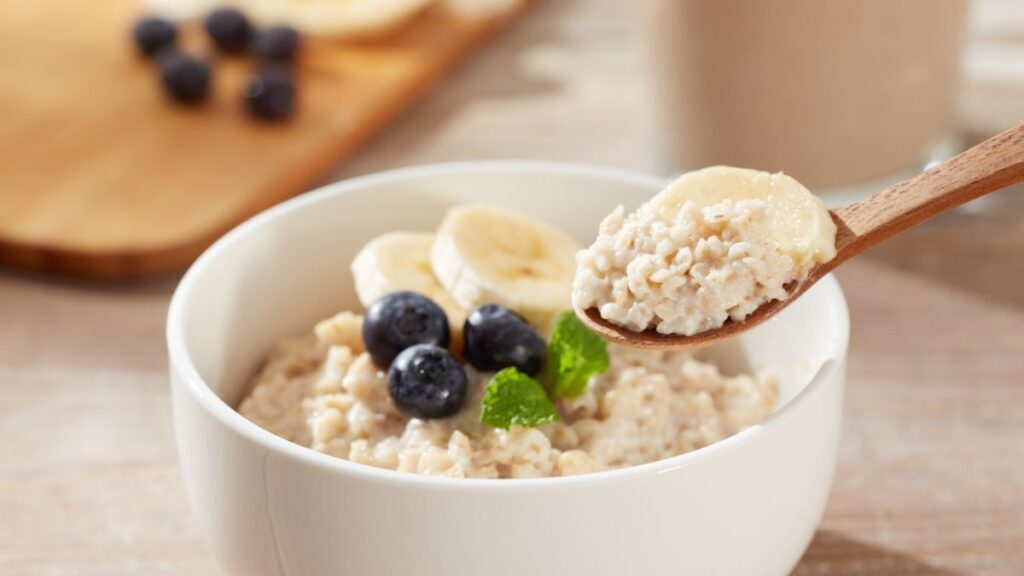
Oatmeal can fit into a blood sugar friendly breakfast.
The problem is that oatmeal is often served as a mostly carbohydrate meal. A large bowl topped with banana, honey, raisins, and sweetened milk can produce a substantial glucose rise.
Processing also matters.
Instant oats are broken into smaller pieces and tend to digest faster than steel cut or minimally processed oats. A randomized crossover trial in adults with type 2 diabetes found that less processed whole grain foods produced better glucose outcomes than finely milled versions.
A better oatmeal bowl uses a smaller portion of steel cut oats, plus chia seeds, unsweetened soy yogurt, nuts, and a modest serving of berries.
Still, personal glucose data should decide which breakfast performs better.
Try the Two Hour Breakfast Check
A glucose meter or continuous glucose monitor can reveal more than a list of “good” and “bad” foods.
Test the same breakfast on two or three separate mornings. Keep the serving size, medication timing, and activity as consistent as reasonably possible.
Check glucose immediately before eating and again at the time recommended by your diabetes care team, often one or two hours after the meal begins.
How to Interpret the Pattern
| Glucose pattern | What it may suggest | Practical next step |
|---|---|---|
| Small gradual rise | The portion and meal balance may suit you | Repeat the meal and confirm the pattern |
| Large early spike | Carbohydrate may be too concentrated or rapidly digested | Reduce refined starch or add protein and vegetables |
| Rise that stays high for hours | Meal size, fat content, insulin resistance, or medication timing may be involved | Record the result and discuss it with your clinician |
| Glucose drops below target | Medication and carbohydrate may be mismatched | Treat low glucose as directed and contact your care team |
| Different result each day | Sleep, stress, illness, activity, or hormone changes may be influencing glucose | Compare several days rather than one reading |
The ADA commonly uses post meal glucose targets as part of individualized diabetes care, but the correct target depends on age, pregnancy, medication, hypoglycemia risk, and other health conditions. A personal goal from a clinician matters more than a number found online.