

Feeling tired by midday? Worried those afternoon energy crashes might signal a shorter life ahead? Most people assume living longer requires massive lifestyle overhauls and complicated health routines.
The truth is, longevity researchers have discovered something far simpler: tiny daily habits yield enormous results.
These science-backed micro-habits take minutes to implement but can potentially add a decade to your life. They work by targeting the biological mechanisms of aging at the cellular level.
Want the secret to living not just longer but better? These 10 small changes might be the most valuable health information you’ll ever read.
1. 10-Minute Movement Snacks

Breaking up long periods of sitting with short bursts of activity reduces mortality risk substantially. These quick movement sessions activate your muscles and cardiovascular system when they need it most.
Your body responds rapidly to brief activity—blood sugar levels improve, inflammation markers drop, and metabolism fires up.
A brisk walk, a quick stretching session, or climbing stairs all deliver benefits. The key lies in frequency rather than duration.
Aim for 3-5 movement snacks daily. Link them to existing habits for easier adoption: after phone calls, before meals, or when switching tasks.
Your cells receive immediate signals to repair and regenerate during these activity bursts, making them surprisingly powerful despite their brevity.
2. Sleep Consistency Ritual

Maintaining regular sleep and wake times may matter even more than total sleep duration. Your body operates on biological rhythms that function best with consistency.
Irregular sleep patterns speed up cellular aging processes and strain your cardiovascular system. Setting a fixed bedtime and wake time—even on weekends—helps synchronize your internal clock.
Creating the right environment matters too: a dark room, cool temperature, and a calming pre-sleep routine. Morning sunlight exposure upon waking strengthens this rhythm.
Your brain registers daylight as a crucial timing signal, setting hormonal patterns for the entire day. This consistency allows repair processes to function optimally during sleep, literally rebuilding your body each night.
3. Plant-Forward Plate

Structuring meals around plants transforms your nutrition without complicated rules. Simply filling half your plate with vegetables, legumes, or whole grains creates the right balance automatically.
People in longevity hotspots worldwide eat this way naturally. Their meals feature abundant plant foods with smaller amounts of animal products.
This approach delivers fiber that feeds beneficial gut bacteria while providing thousands of plant compounds that combat oxidative damage.
Start by adding one extra vegetable to each meal. Leafy greens offer particularly powerful benefits, but variety matters most.
Different colored plants provide distinct beneficial compounds. Your cells receive an array of protective nutrients with each bite, supporting DNA repair and reducing chronic inflammation.
4. Stress-Reduction Micro-Sessions

Small moments of mindfulness scattered throughout your day help manage cortisol levels. These hormones, while necessary in short bursts, cause widespread damage when chronically elevated.
Your body cannot distinguish between physical danger and psychological stress—it responds with the same biological cascade either way.
Brief stress-management practices interrupt this process. Just 5 minutes of deep breathing or meditation creates measurable physiological changes.
Try square breathing during transition moments: inhale for four counts, hold for four, exhale for four, hold for four.
Another option: pause for three conscious breaths whenever you wash your hands. These tiny interventions accumulate, reducing the cellular damage associated with chronic stress.
5. Hydration Strategy

Water serves as the medium for virtually every biochemical reaction in your body. Starting each meal with a glass ensures consistent hydration levels throughout the day.
Most people remain slightly dehydrated without realizing it. This subtle water deficit forces your kidneys to work harder and stresses cellular processes.
By drinking before eating, you also help regulate appetite naturally—thirst often masquerades as hunger.
Morning hydration works particularly well since you wake up naturally dehydrated after hours without water. Adding citrus, cucumber, or herbs makes plain water more appealing without adding calories.
This simple habit supports organ function, improves skin elasticity, and enhances cellular communication throughout your body.
6. Mediterranean-Style Eating Pattern
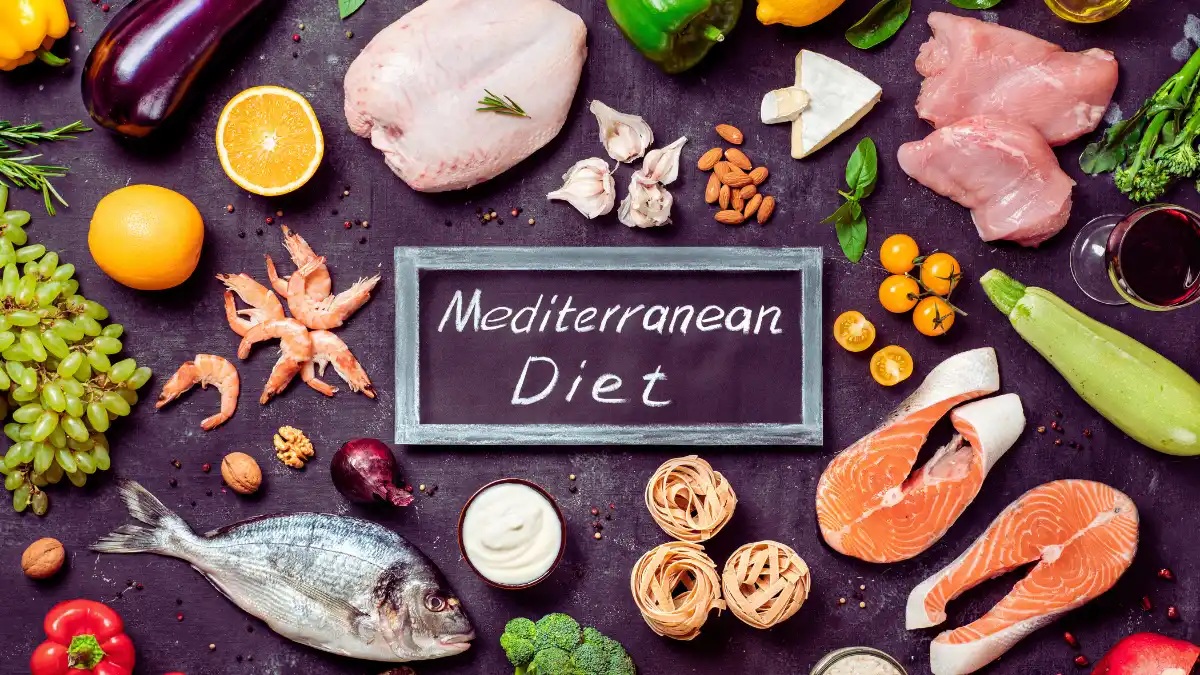
Focusing on olive oil, fish, nuts, vegetables, and moderate wine consumption creates powerful anti-aging effects. This eating pattern reduces inflammation at the cellular level while supporting cardiovascular health.
A 2023 study in Nature Food found this approach can add up to 10.8 years to men’s lives and 10.4 years to women’s.
Researchers tracked over 467,000 participants and discovered that transitioning to this eating style in midlife still provided substantial benefits, adding approximately 5 years to life expectancy, even when started at age 60.
Fish twice weekly delivers omega-3 fatty acids that protect brain cells. Olive oil contains unique compounds that reduce arterial inflammation.
Nuts provide plant sterols and minerals that support heart function. Together, these foods create synergistic effects far beyond what isolated supplements could provide.
7. Social Micro-Connections

Brief but meaningful human interactions boost immune function and reduce stress on a physiological level. Your body registers social connection as a safety signal, allowing regenerative processes to function optimally.
Quality matters more than quantity here. A genuine five-minute conversation provides more benefit than hours of superficial contact.
These meaningful exchanges trigger oxytocin release, reducing inflammation markers and supporting immune function throughout the body.
Call a friend instead of texting. Chat with neighbors while collecting mail. Ask genuine questions of service workers.
These small connections create a protective social network that directly impacts health outcomes. Your brain interprets social bonds as indicators of safety, reducing stress hormones that accelerate aging processes.
8. Intermittent Fasting Window

Restricting eating to a 10-12 hour window each day triggers profound cellular cleanup mechanisms. This pattern works with your circadian rhythms to optimize metabolic health.
Research published in Cell Metabolism showed time-restricted eating improves insulin sensitivity while activating autophagy—your cells’ self-cleaning process.
Multiple studies suggest this habit alone can extend healthy lifespan by 3-7 years. The timing matters less than the consistent fasting period—eating from 8 am to 6 pm works well for most people.
During fasting hours, your body shifts from growth mode to repair mode. Cells recycle damaged components and remove dysfunctional mitochondria.
Start with a 12-hour window and gradually shorten it if comfortable. Water, black coffee, and plain tea during fasting hours maintain hydration without disrupting these beneficial processes.
9. Environmental Optimization

Your surroundings directly influence your biology at the genetic level. Creating a clean, nature-rich living space reduces toxic burden while supporting natural healing processes.
Indoor air typically contains more pollutants than outdoor air. Houseplants help filter these contaminants while providing visual calm that reduces stress hormones.
Natural light exposure regulates your circadian rhythm, supporting sleep quality and hormone production.
Open windows when possible to improve air exchange. Minimize household chemicals and synthetic fragrances. Use air purifiers in closed spaces.
Your environment constantly influences cellular function, either supporting or hindering longevity pathways. Small changes to your immediate surroundings yield significant health benefits over time.
10. Gratitude Anchoring

Writing down one thing you appreciate daily creates lasting changes in brain function. This brief practice reduces stress hormones while enhancing emotional resilience.
Your thoughts generate real physical changes in your body—positive thinking reduces inflammatory markers and supports immune function.
The act of writing makes this practice more effective than mental gratitude alone, helping cement neural pathways.
Keep a small notebook by your bed or use your phone’s notes app. Each morning or evening, record something specific from that day that you appreciated.
Focus on experiences rather than possessions for stronger effects. This tiny habit requires less than a minute but gradually rewires how your brain processes daily events, creating cumulative health benefits.