
Feeling your heart race, mind spinning, and breath shallow? Anxiety strikes fast, but what if you could stop it just as quickly? Most people struggle with anxiety but don’t know how to escape its grip when it hits.
They try to push through, only making things worse. The good news? Therapists have identified 10 simple mindfulness practices that can calm your nervous system in minutes.
These techniques work by triggering your body’s natural relaxation response and no medication needed. Even better, by recognizing 3 common habits that secretly fuel anxiety, you can prevent many attacks before they start.
10 Mindfulness Practices to Reduce Anxiety Quickly
Anxiety can strike at any moment, leaving you feeling overwhelmed and out of control. These ten quick mindfulness techniques can help you regain your calm in minutes.
Based on therapist recommendations and scientific research, these practices activate your body’s natural relaxation response, bringing you back to the present moment and reducing stress hormones. Try these methods when you need fast relief from anxiety symptoms.
1. Box Breathing (4-4-4-4 Technique)
Your breath is a powerful tool for calming your nervous system. With box breathing, you create a rhythm that helps regulate your stress response.
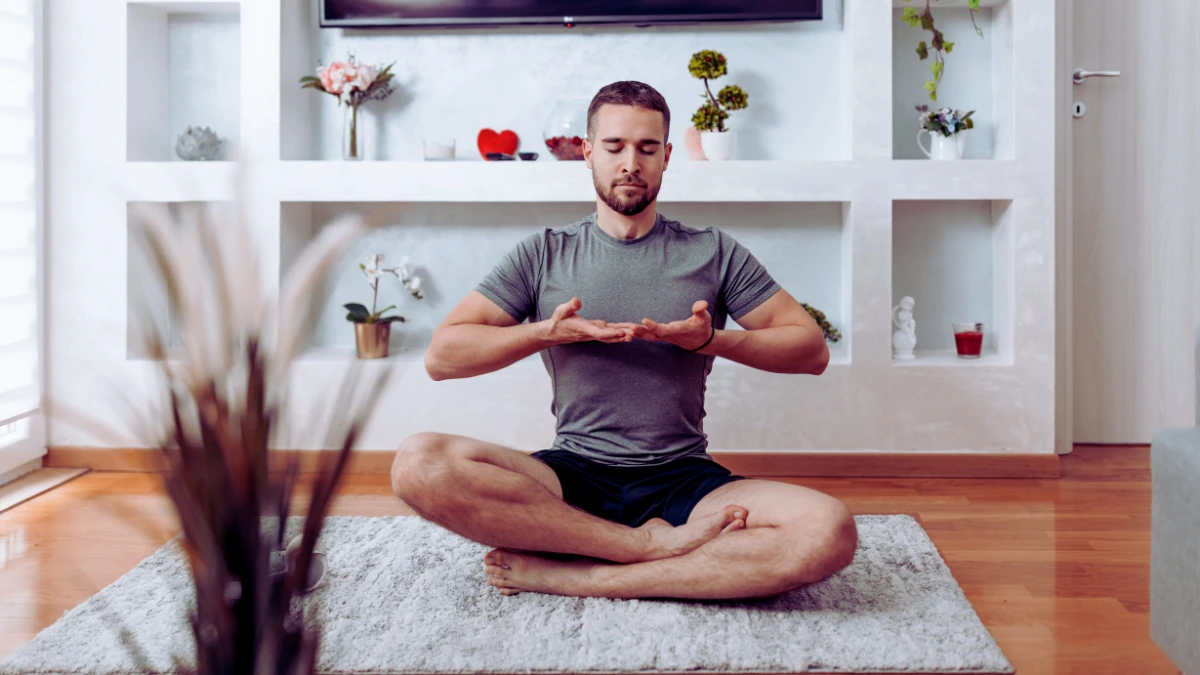
Start by sitting comfortably with your back straight. Breathe in slowly through your nose for 4 seconds, feeling your lungs fill. Hold this breath for 4 seconds, noticing the sensation of fullness.
Exhale gradually through your mouth for 4 seconds, releasing tension with each breath out. Pause again for 4 seconds before starting the next cycle.
This pattern activates your parasympathetic nervous system, which counteracts the fight-or-flight response triggered by anxiety.
Regular practice strengthens your ability to use this technique effectively during stressful situations. Many military personnel, first responders, and athletes use box breathing to maintain focus under pressure.
Try this for just two minutes (about 7-8 cycles) to experience noticeable calming effects on both mind and body.
2. Body Scan Meditation
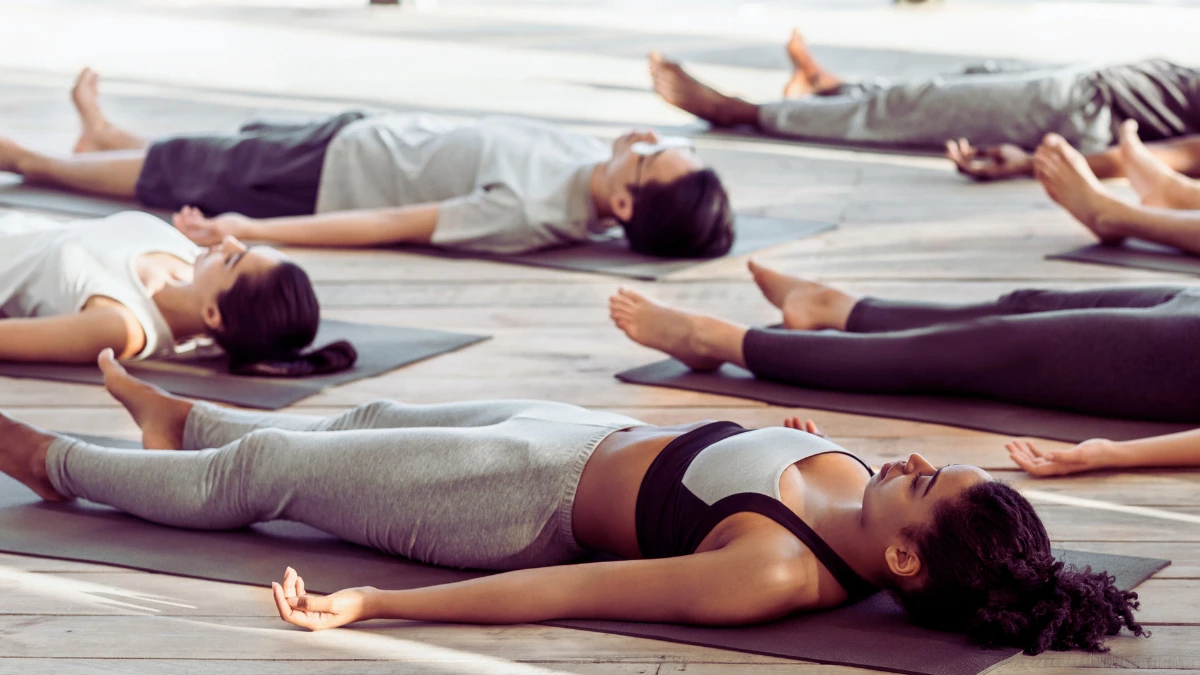
A body scan helps you reconnect with physical sensations while releasing tension you might not realize you’re holding. Find a comfortable position, either sitting or lying down.
Close your eyes and bring awareness to your toes, noticing any sensations without judgment. Gradually move your attention upward through each part of your body.
Pay attention to areas that feel tight or uncomfortable, breathing into these spaces with gentle awareness. As you progress from feet to head, observe how sensations shift and change.
Many people store anxiety in specific areas—common spots include the jaw, shoulders, and stomach. Identifying these tension patterns helps you address them directly.
This practice teaches you to notice physical manifestations of anxiety before they intensify. The body scan creates a brief pause between sensation and reaction, giving you valuable space to respond more calmly.
Just 5-10 minutes of this practice can significantly reduce physical symptoms of anxiety while building greater body awareness.
3. 5-4-3-2-1 Grounding Exercise

When anxiety pulls you into worry about the future or past, this sensory technique anchors you firmly in the present moment.
Start by naming five things you can see around you, paying close attention to details you might normally overlook. Next, identify four things you can physically feel—your feet on the floor, clothes against skin, or air temperature.
Continue by noting three things you can hear, from obvious sounds to subtle background noises. Then acknowledge two things you can smell (or would like to smell if nothing is apparent).
Finally, name one thing you can taste, or imagine a favorite taste. This exercise works by engaging all your senses, which naturally interrupts anxious thought patterns.
The brain cannot fully focus on both sensory input and anxious thoughts simultaneously. This makes the 5-4-3-2-1 technique particularly effective during panic attacks or moments of intense worry.
You can practice this anywhere—at work, in public, or at home—without anyone noticing you’re using an anxiety management strategy.
4. Mindful Walking

Walking mindfully transforms a simple activity into a powerful anxiety-reducing practice. Unlike regular walking, the focus shifts to experiencing each step fully.
Begin by walking slowly, feeling your heel touch the ground first, followed by the ball of your foot, and then your toes. Notice the shifting of weight between feet and the subtle movements in your ankles, knees, and hips.
Pay attention to the rhythm of your steps and how your arms naturally swing. When your mind wanders to anxious thoughts, gently redirect your focus to physical sensations.
The repetitive nature of walking creates a natural meditation that calms your nervous system. This practice is especially helpful when sitting still feels impossible due to restlessness.
You can practice mindful walking anywhere—around your home, in a park, or even walking down a hallway at work.
The combination of gentle physical movement and focused attention creates a dual benefit for anxiety reduction. Mindful walking for just 10 minutes can significantly lower stress hormones and improve mood.
5. Guided Meditation Apps
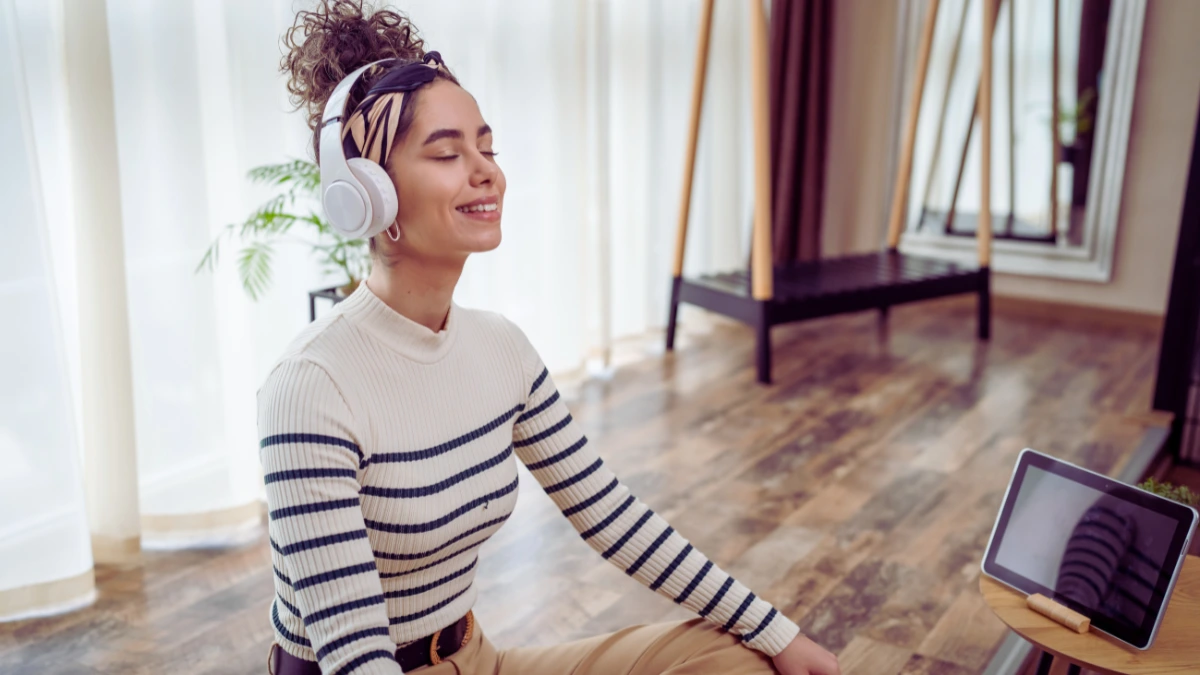
Meditation apps offer structured guidance that makes mindfulness accessible even during intense anxiety. Popular options like Calm, Headspace, and Insight Timer provide short sessions specifically designed for anxiety relief.
These apps feature professional narration that walks you through proven techniques step by step, removing the guesswork from meditation practice.
Most apps offer sessions as short as 3-5 minutes, making them practical tools for quick anxiety management. The guidance helps maintain focus when anxious thoughts make concentration difficult.
Many apps also track your progress and offer courses that gradually build your mindfulness skills over time. Another benefit is portability—having these tools on your phone means anxiety support is always within reach.
Many users find that listening to the same guided meditation repeatedly creates a conditioned relaxation response.
Your brain begins to associate certain voices or sounds with calmness, making each practice more effective than the last.
6. Loving-Kindness Meditation (Metta)
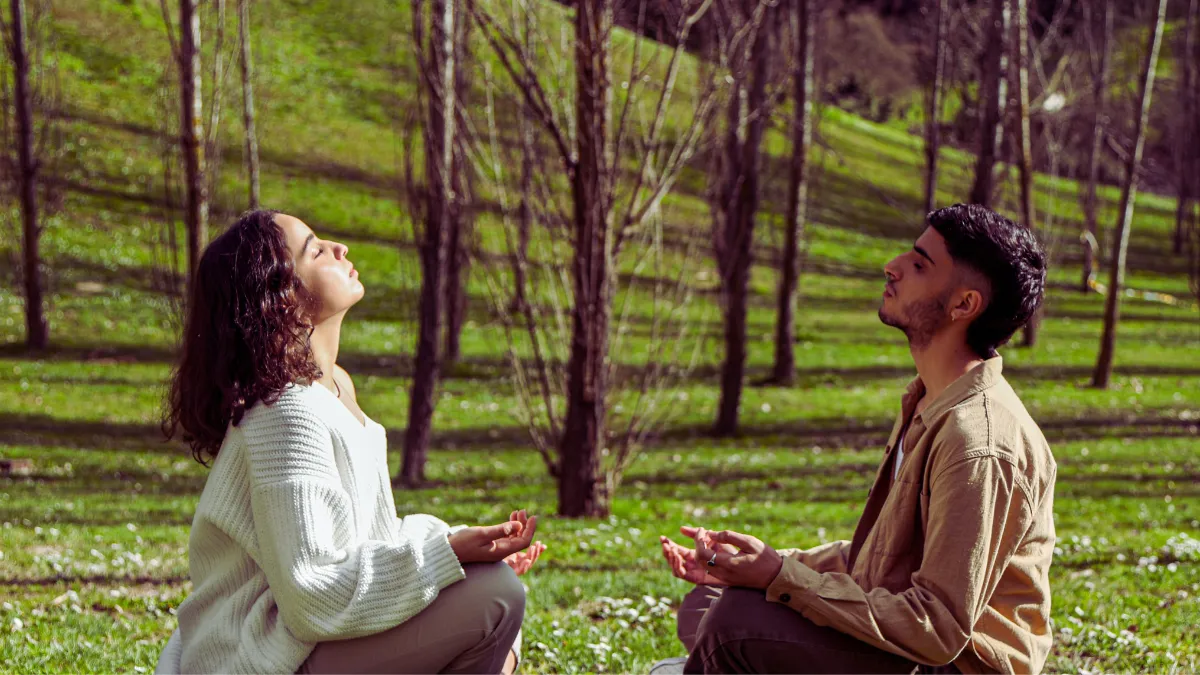
This practice targets anxiety by cultivating feelings of warmth and compassion toward yourself and others. Begin by sitting comfortably and bringing to mind someone you care about deeply.
Silently repeat phrases like “May you be happy. May you be healthy. May you be safe.” Feel the genuine wish for their well-being.
Next, direct these same wishes toward yourself: “May I be happy. May I be healthy. May I be safe?” This often proves the most challenging and powerful part of the practice.
Finally, extend these wishes to increasingly wider circles—from loved ones to neutral acquaintances, difficult people, and eventually all beings.
Loving-kindness meditation works by countering the isolation and self-criticism often accompanying anxiety. This practice activates brain regions associated with empathy and positive emotions.
The physiological effects include reduced cortisol levels and decreased activity in the amygdala, the brain’s fear center. Regular practice can transform your relationship with yourself and others while reducing anxiety’s grip.
7. Self-Compassion Mantras
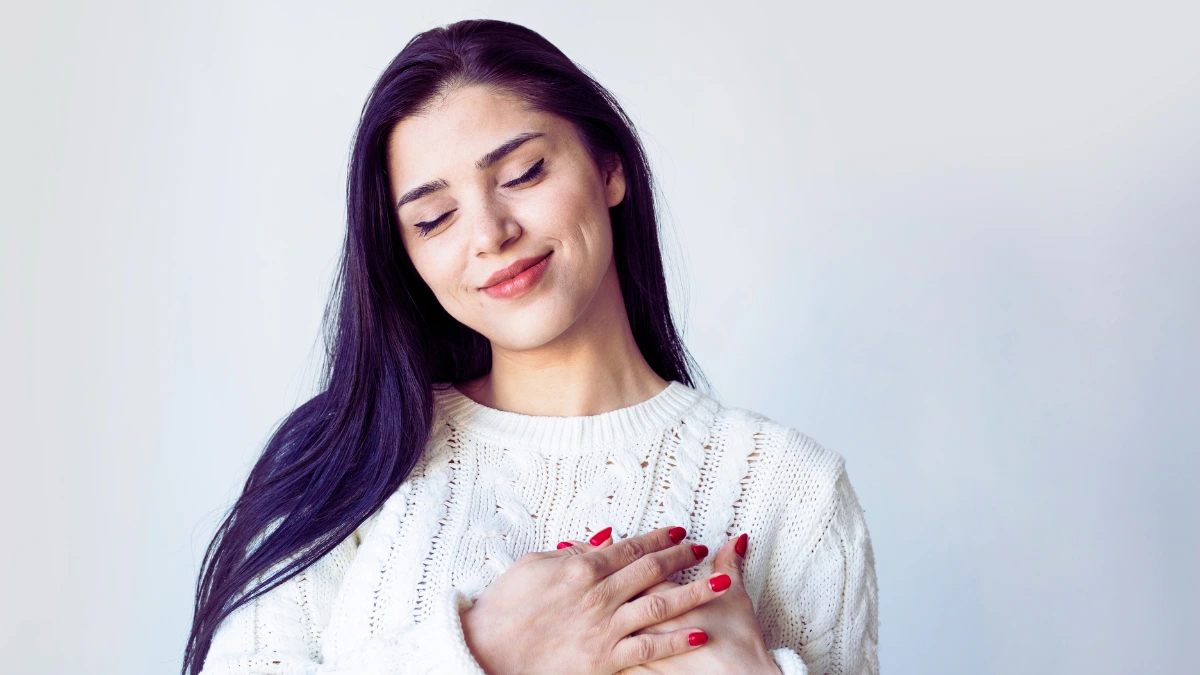
Treating yourself with kindness during anxious moments can break the cycle of stress and self-criticism. Self-compassion mantras are short phrases that remind you to be gentle with yourself when anxiety strikes.
Common examples include “This is a moment of suffering, and I’m being kind to myself” or “I accept this feeling without judgment.” These phrases acknowledge difficulty without adding layers of self-blame.
A 2023 study published in Scientific Reports found that participants who practiced self-compassion techniques experienced significant reductions in anxiety symptoms.
The research showed that just 20 minutes of self-compassion practice reduced anxiety markers more effectively than equivalent periods of distraction or relaxation. This approach works because it addresses a core driver of anxiety—internal criticism.
Try creating personal mantras that resonate with your specific situation. Keep them short and meaningful so they’re easy to remember during stressful moments.
Repeating these phrases while placing a hand on your heart adds physical comfort to the practice. With regular use, these mantras can become automatic responses to anxiety, creating psychological safety during difficult experiences.
8. Progressive Muscle Relaxation
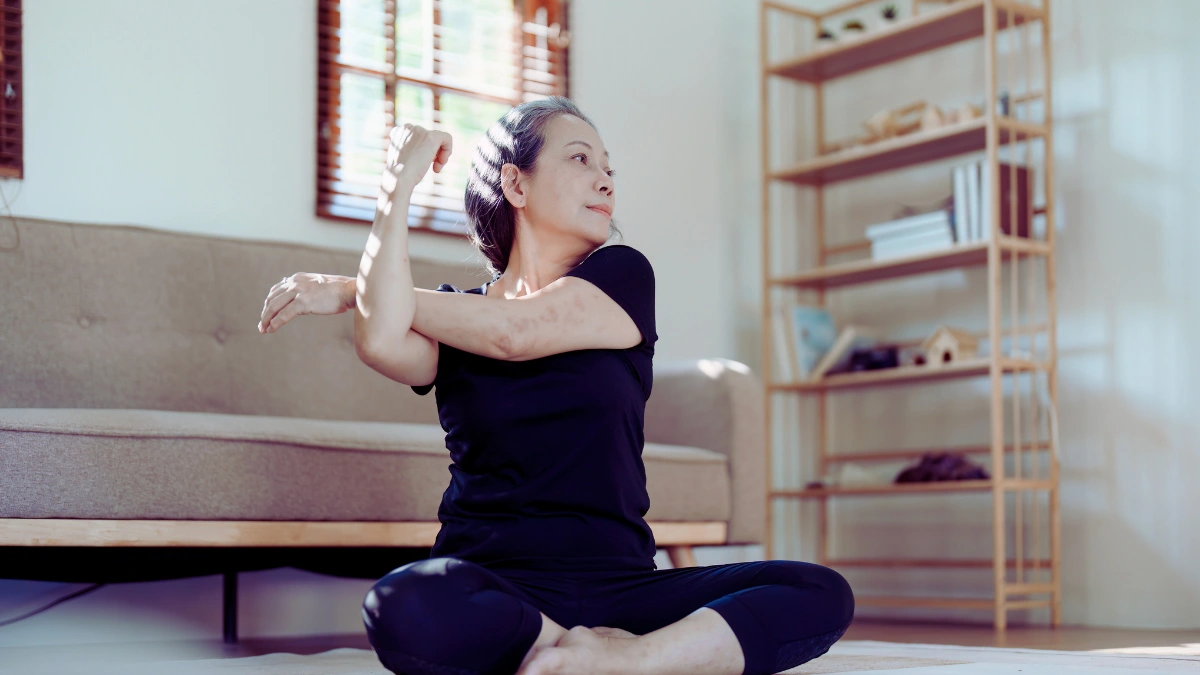
This systematic relaxation technique helps release physical tension that both causes and results from anxiety. Start by tensing muscle groups for about 5-7 seconds each, then releasing them completely.
The contrast between tension and relaxation helps you identify and release hidden stress. Begin with your feet, curling your toes tightly, then releasing.
Work your way up through each muscle group—calves, thighs, abdomen, hands, arms, shoulders, neck, and face.
Pay special attention to areas where you typically hold tension. For many people, the jaw, neck, and shoulders store significant stress.
Focus on the sensation of warmth and heaviness that comes with each release. This practice creates body awareness that helps you recognize early signs of tension before they escalate to full anxiety.
The effectiveness of progressive muscle relaxation comes from its direct impact on your autonomic nervous system. By deliberately releasing physical tension, you signal your body that it’s safe to relax.
This technique proves especially helpful for anxiety that manifests physically through symptoms like muscle tightness, headaches, or digestive issues. With practice, you’ll be able to scan your body and release tension before it intensifies.
9. Mindful Journaling
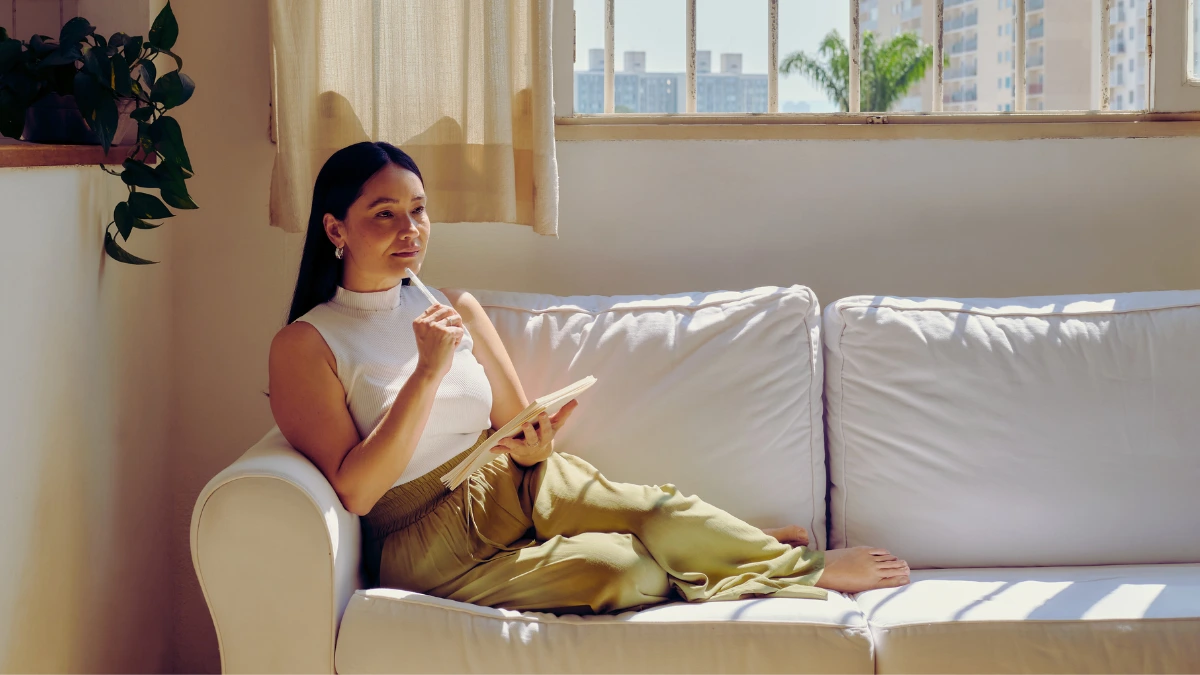
Putting anxious thoughts on paper creates valuable distance between you and your worries. Start by writing without filtering—allow all thoughts to flow freely onto the page.
Describe physical sensations, thoughts, and emotions with simple, clear language. After expressing everything, read what you’ve written with curiosity rather than judgment.
A compelling 2019 meta-analysis found that journaling reduced anxiety symptoms by approximately 35% among regular practitioners. The researchers noted that the act of writing externalized worries, making them seem more manageable.
The study also found that participants who practiced mindful journaling developed greater cognitive flexibility, allowing them to consider alternative perspectives during anxious moments.
Try adding a reframing component to your journaling practice. After documenting anxious thoughts, write alternative viewpoints that might be equally or more accurate.
This creates mental flexibility that counters the rigid thinking patterns common in anxiety. Just 5-10 minutes of mindful journaling can provide clarity during overwhelm and reduce the intensity of anxious feelings.
10. Single-Minute Focus

This micro-meditation delivers anxiety relief in just sixty seconds. Choose any object near you—a plant, paperclip, or coffee cup will work.
Examine this object with complete attention, noticing colors, textures, shapes, and any other details. If your mind drifts into anxious thoughts, gently guide your attention back to your chosen focal point.
This practice works by temporarily narrowing your attentional spotlight, which prevents the mind from engaging with anxious rumination.
The simplicity makes it accessible even during intense anxiety when longer practices feel impossible. The brief nature of this exercise means you can use it multiple times throughout the day without disrupting your schedule.
Single-minute focus serves as an entry point to longer meditation practices. It builds the attentional muscle that helps manage anxious thoughts more effectively.
You can practice this technique anywhere—during a stressful meeting, while waiting in line, or before important conversations. The discrete nature of the practice means no one needs to know you’re using an anxiety management strategy.
3 Habits That Fuel Anxiety
While mindfulness practices can help reduce anxiety, certain habits can unknowingly increase it. These common behaviors often operate below our conscious awareness, creating cycles that intensify worry and stress.
Therapists consistently identify these patterns as major contributors to anxiety. Recognizing these habits is the first step toward breaking free from their influence and creating space for more balanced thinking.
1. Catastrophizing
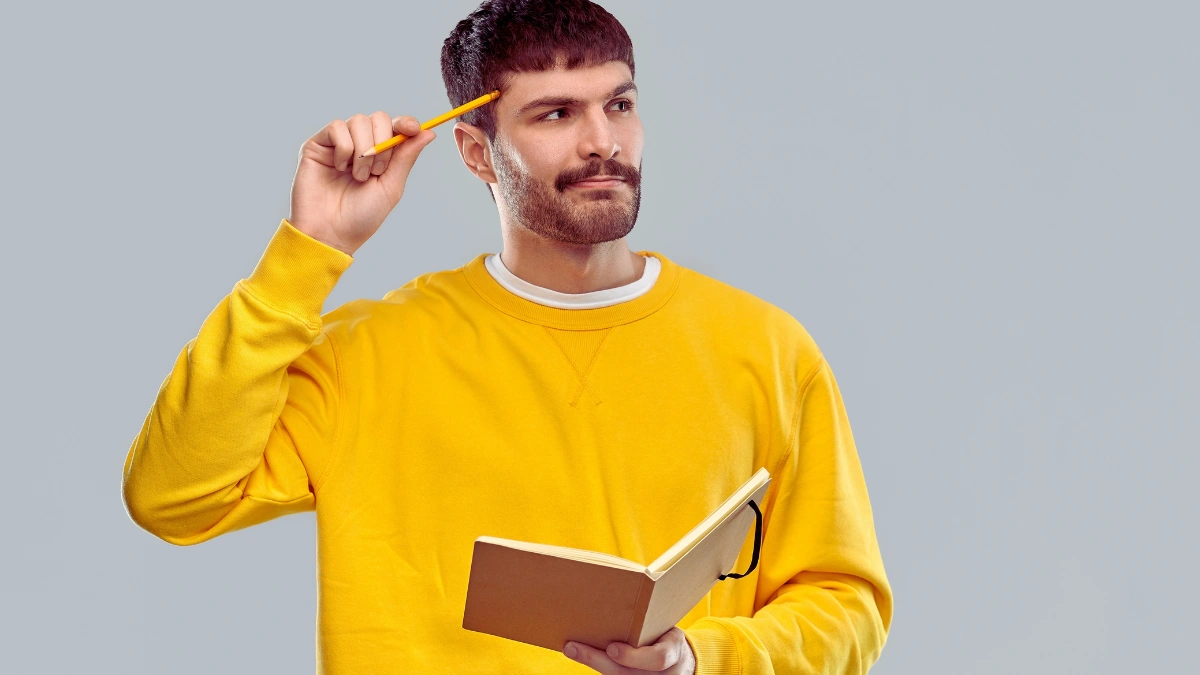
Jumping to worst-case scenarios happens almost automatically for many people with anxiety. Your brain quickly transforms small concerns into potential disasters. A mild headache becomes a possible brain tumor.
A friend not responding becomes proof that they hate you. Your mind races through terrible outcomes without pausing to consider more likely explanations.
This habit creates a false sense of preparation, as if imagining the worst somehow protects you from it. In reality, catastrophizing triggers your body’s stress response repeatedly throughout the day.
Your nervous system can’t distinguish between real and imagined threats, so each catastrophic thought produces the same flood of stress hormones. Over time, this wears down your resilience and reinforces the anxiety cycle.
Breaking this pattern starts with catching yourself in the act. When worried thoughts appear, ask: “What’s the actual evidence for this outcome? What’s more likely to happen?” Creating this pause interrupts the automatic spiral.
Tracking catastrophic thoughts in a journal helps reveal patterns and triggers. Most people notice their worst-case scenarios rarely materialize, weakening catastrophizing’s hold over time.
2. Avoidance Behaviors

Sidestepping situations that make you anxious offers immediate relief but creates long-term problems. Skipping social events, putting off challenging conversations, or refusing to try new things might feel protective.
Your anxiety temporarily subsides, which your brain registers as a reward. This sets up a powerful reinforcement cycle that gradually shrinks your comfort zone.
Each avoidance strengthens the belief that you can’t handle discomfort. Your confidence erodes with every situation you sidestep.
What starts as avoiding one specific scenario often expands to include similar situations, creating an increasingly restricted life.
The less you face challenging experiences, the more threatening they appear, building anxiety around more and more aspects of daily life.
Reversing avoidance works best through gradual exposure. Small steps build confidence without overwhelming your system. Start with slightly uncomfortable situations rather than your biggest fears.
Bring mindfulness tools into these moments to manage the discomfort. Each time you face anxiety instead of fleeing, you teach your nervous system that you can handle more than you thought. This builds genuine confidence based on experience rather than temporary escape.
3. Negative Self-Talk

The running commentary in your head shapes your emotional landscape. Harsh internal criticism acts as an anxiety accelerator, turning normal nervousness into deep distress.
Comments like “I never get anything right” or “Everyone thinks I’m incompetent” generate feelings of shame and inadequacy. These thoughts often feel like objective truth rather than the distorted perspectives they are.
Your brain tends to believe what you repeatedly tell it. Constant self-criticism creates neural pathways that automatically generate anxious responses.
This internal dialogue influences how you interpret events around you, creating a filter that catches evidence of your inadequacy while missing signs of your competence.
The more entrenched these thought patterns become, the more natural they feel, making them particularly difficult to recognize.
Changing this habit requires compassionate awareness. Notice your self-talk without immediate judgment. Ask whether you would speak this way to someone you care about.
Practice replacing absolute statements (“I always fail”) with more accurate observations (“This particular task is challenging for me”).
Even small shifts in language can interrupt anxiety cycles. With practice, more balanced self-talk becomes your new default, reducing anxiety from the inside out.