

You eat “healthy” foods every day, but do you know that they are secretly making your arthritis worse? Many common items, even ones you think are good for you, are packed with hidden compounds that fuel inflammation. For adults over 50, this effect is often stronger and harder to pinpoint.
You don’t have to guess any longer. We’ve built a science-backed list of 16 everyday foods that can worsen arthritis symptoms. We will explain why they hurt and give you simple, actionable swaps to help you take control of your joint pain, starting today.
The Science: Why Your Food Impacts Arthritis After 50
Diagnostic: Inflammation
The Hidden Villain: AGEs
Advanced Glycation End Products form when food is cooked at high heat (grilling/frying). Over 50, your body cannot clear them easily.
⚠ High Temperature RiskThe answer is almost always one thing: inflammation. But this isn’t the “good” inflammation you get when you sprain an ankle—that’s your body’s way of healing. For arthritis, the problem is chronic, low-grade inflammation. It’s a quiet, steady fire inside your joints that never fully goes out. The food you eat can either fan those flames or help put them out.
One big flame-fanner, especially after 50, is something called Advanced Glycation End Products, or AGEs. This is a key idea most people miss. AGES are harmful compounds that form when foods are cooked at high temperatures.
Think grilling, frying, or toasting. That crispy, brown crust on grilled steak or toast? It’s loaded with AGES. As you get older, your body has a much harder time clearing these compounds. They build up in your joints and can cause damage and inflammation.
The most critical part of your diet is an imbalance most people have. It’s the Omega-6 vs. Omega-3 ratio. Both are fatty acids we need. But they do very different jobs. Think of Omega-6 fatty acids as the “gas pedal” for inflammation and Omega-3s as the “brake.”
The modern diet is flooded with Omega-6s, which are found in cheap vegetable oils (like corn, soy, and sunflower oil). This means our diet has us flooring the gas pedal with almost no brakes.
1. “Healthy” Vegetable Oils (Corn, Soy, Sunflower)
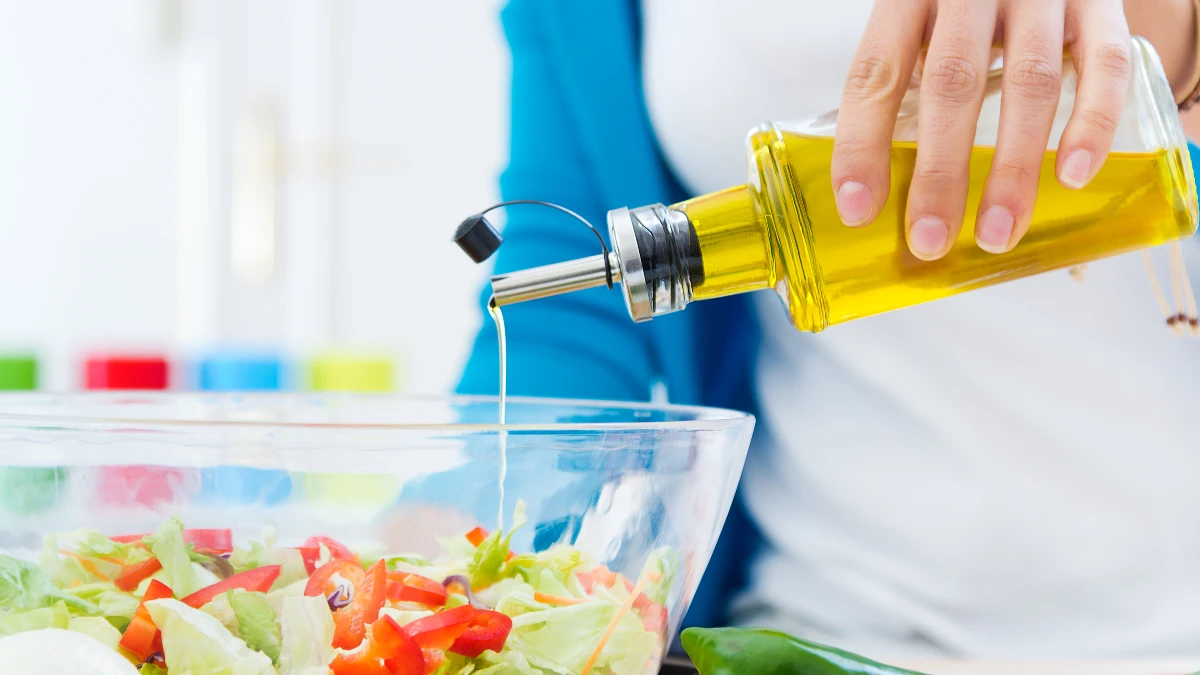
This is the #1 offender hiding in plain sight. You probably have a bottle of corn, soybean, sunflower, or safflower oil in your pantry right now. It’s marketed as “heart-healthy” and “low in saturated fat.” It’s in almost every processed food, from crackers to granola bars.
The problem is what we just discussed: the Omega-6 ratio. These oils are the single biggest source of pro-inflammatory Omega-6 fatty acids in our diet. For example, corn oil has an Omega-6 to Omega-3 ratio of about 46:1. This isn’t a “gas pedal”; it’s a rocket engine for inflammation.
When your body is already dealing with arthritis inflammation, flooding it with more Omega-6s is like pouring gasoline on that fire. It directly tells your body to create more inflammatory compounds, which can settle in your joints, making them stiff and sore.
This is an easy fix. Throw those oils out. For all high-heat cooking (like searing or roasting), use avocado oil. For low-heat cooking and dressings, use extra virgin olive oil. Olive oil is rich in oleocanthal, a compound that works a lot like ibuprofen to reduce inflammation.
2. Margarine and Shortening

For decades, we were told to swap butter for margarine to “save our hearts.” Many bakers also rely on shortening for flaky pastries. But these processed spreads are one of the worst things you can eat for joint pain.
Many margarines, especially the “stick” kind, still contain trans fats, even if the label says “0g” (they can legally say this if it’s under 0.5g per serving). Trans fats are intensely inflammatory. Even worse, most margarines and shortenings are made from the high-Omega-6 vegetable oils we just mentioned, like soybean and corn oil.
For someone over 50, trans fats are a double-whammy. They not only raise your bad (LDL) cholesterol but also trigger systemic inflammation, which directly affects your joints. If you’re eating toast with margarine every morning, you’re starting your day with a dose of inflammation.
Go back to real, high-quality fats. Use a small amount of grass-fed butter (which has a better fatty acid profile). Use avocado as a spread on toast. For baking, use coconut oil or even grass-fed butter instead of shortening.
3. “Healthy” Breakfast Cereals and Granola
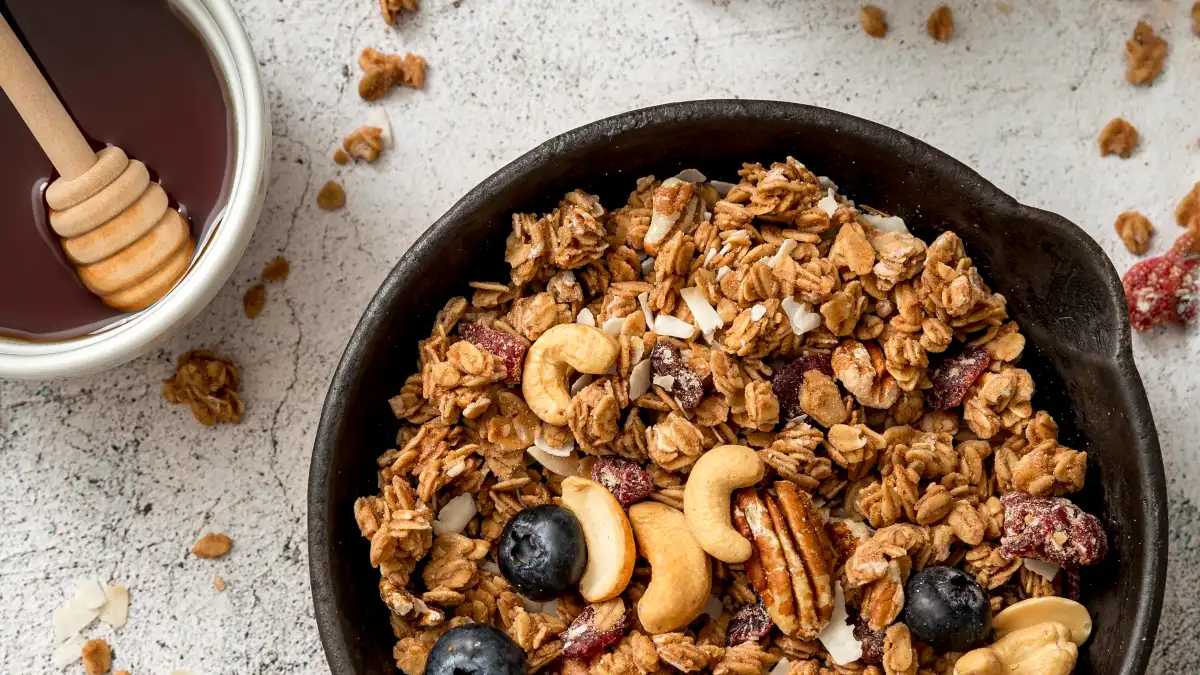
You walk down the cereal aisle and see boxes shouting about “Whole Grains!” “High Fiber!” and “Heart Healthy!” Granola, in particular, has a health halo. But if you read the label, you’ll find a different story.
Most of these products are packed with hidden added sugars and refined grains. That “Honey Nut” or “Frosted” cereal is basically dessert. Even “healthy” granolas are often held together with syrups and sugar, sometimes containing 15-20 grams of sugar per serving.
This high-sugar load spikes your blood sugar. Your body releases insulin to manage it, and this process also triggers the release of inflammatory cytokines—the chemical messengers that cause joint pain.
As we age, our insulin sensitivity decreases, so this inflammatory spike is even more severe. You’re setting yourself up for a mid-morning crash and a painful afternoon.
Read the label. If sugar is one of the first three ingredients, put it back. Switch to plain, steel-cut oats (not the instant packets). Add your own anti-inflammatory toppings like fresh berries, walnuts (high in Omega-3s), and a sprinkle of chia seeds.
4. Canned Soups and Broths
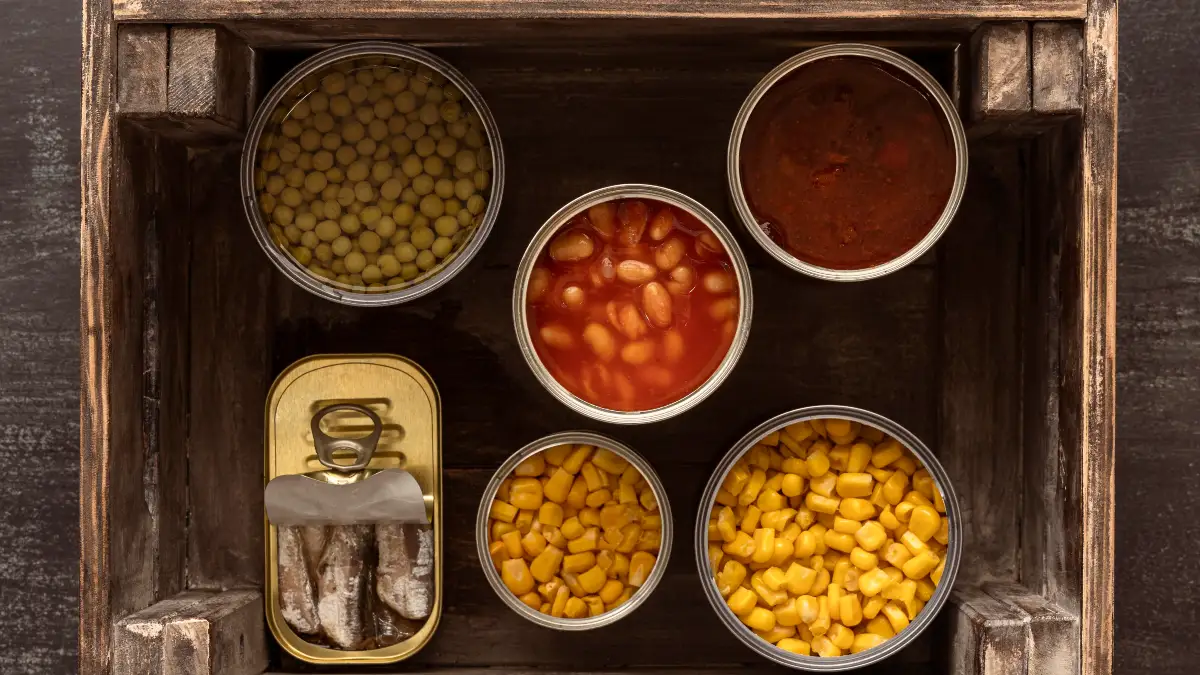
On a cold, stiff day, a warm bowl of soup sounds perfect. Grabbing a can of chicken noodle or tomato soup seems like an easy, healthy lunch. But these convenience foods are often sodium bombs.
Salt is an inflammatory trigger. High sodium intake causes your body to retain water. Think of a sponge soaking up water—it swells. The same thing happens to the tissues in your joints. This water retention puts extra pressure on your already sensitive joints, leading to more pain and stiffness.
A single serving of canned soup (which is often half the can) can have over 800mg of sodium. That’s more than a third of your entire 2,300mg daily limit. As we age, our kidneys become less efficient at filtering out excess sodium, making us more prone to this salt-induced swelling.
Always buy “low-sodium” or “no-salt-added” broth and soups. Better yet, make a big batch of your own soup on the weekend and freeze it in portions. This way, you control the salt, and you can add anti-inflammatory ingredients like turmeric, ginger, and garlic.
5. Most Bottled Salad Dressings
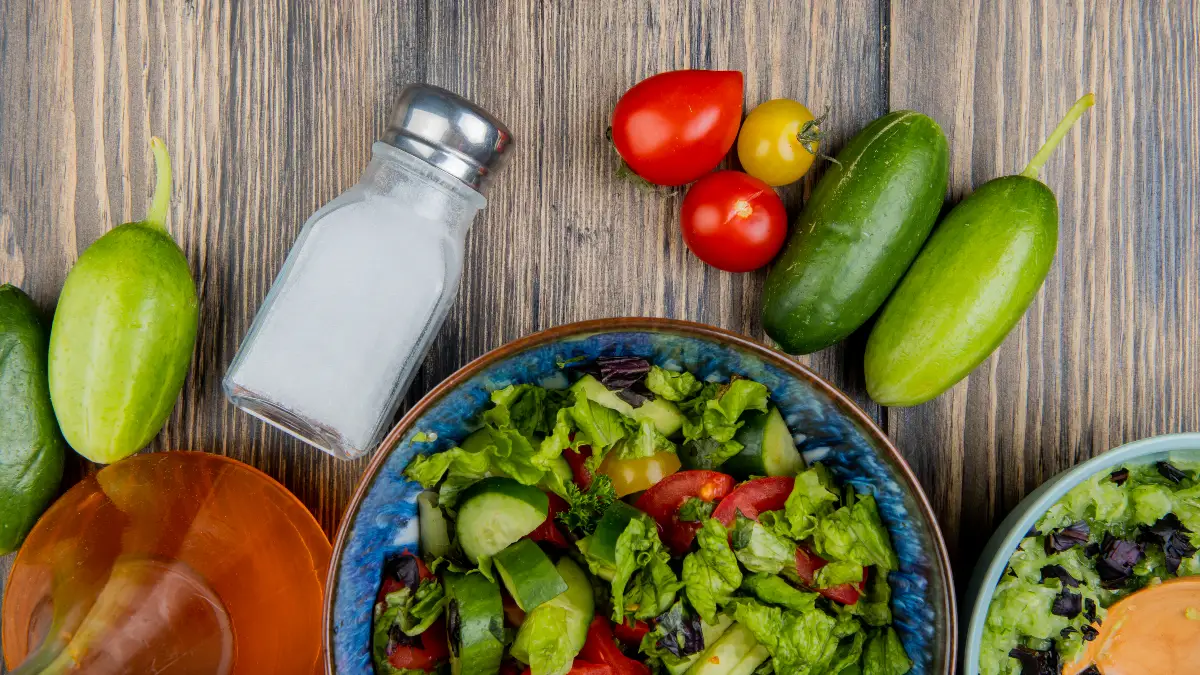
You do the right thing. You make a big, healthy salad. Then, you cover it in a dressing that completely undoes all your good work. Bottled dressings are one of the sneakiest sources of inflammation.
Read the ingredients. The first ingredient in most dressings (even “healthy” vinaigrettes) is almost always soybean oil or canola oil. As you now know, these are loaded with inflammatory Omega-6s. The second or third ingredient is often sugar, high-fructose corn syrup, or other sweeteners.
You are pouring the #1 inflammatory ingredient (Omega-6 oil) all over your anti-inflammatory greens. It’s a huge missed opportunity. You could be dressing your salad with a “brake,” but instead, you’re using the “gas pedal.”
Make your own dressing. It’s fast and cheap. Just whisk 3 parts extra virgin olive oil (the “brake”) with 1 part lemon juice or apple cider vinegar. Add a dash of mustard, salt, and pepper. Make a jar of it and keep it in the fridge for the week.
6. High-Fat Dairy (Cheese and Whole Milk)
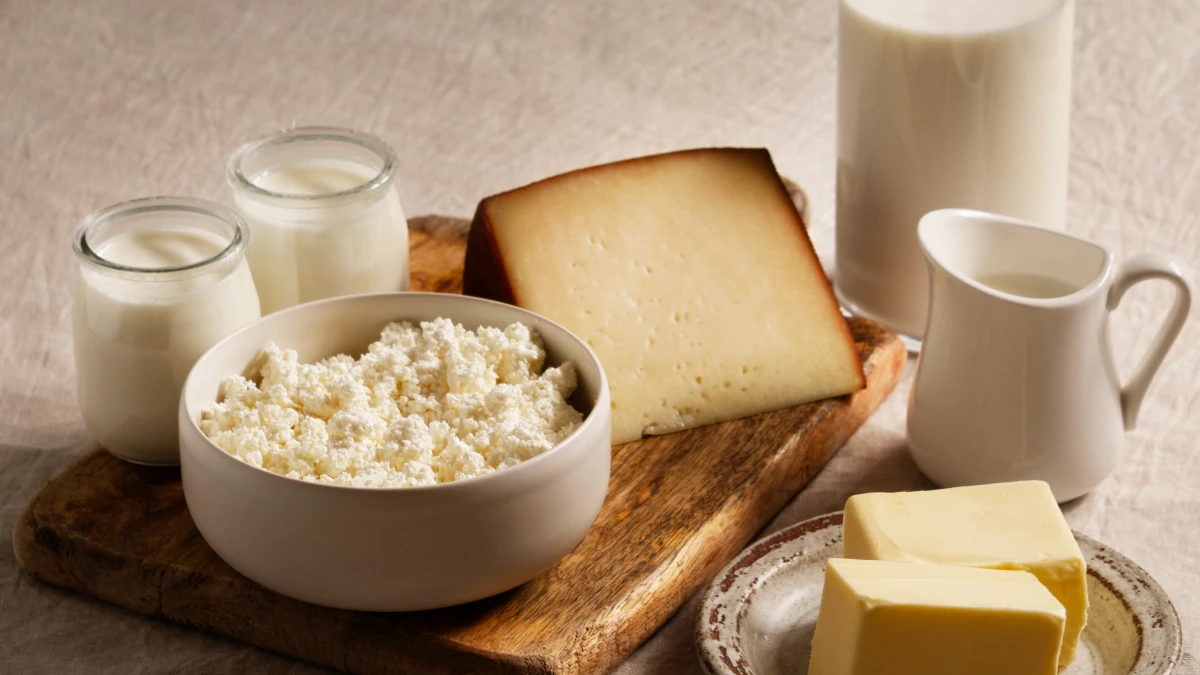
This one is tricky. For some people, dairy is fine. But for many, it’s a major trigger. If you’ve cut out other foods and still have pain, dairy is a prime suspect. This often includes cheese, whole milk, and ice cream.
The issue is a protein in dairy called casein. For people with a sensitivity, the body can mistake casein for a foreign invader. This triggers an immune response, which means… you guessed it, inflammation. Dairy is also high in saturated fats, which can worsen inflammation.
This is a personal trigger. The only way to know if is dairy inflammatory for joints for you is to test it. This sensitivity can also develop as you age, even if you drank milk your whole life without issues.
Try an elimination test. Cut out all dairy for 3 weeks and see how you feel. Many people report a huge reduction in pain. Swap cow’s milk for unsweetened almond milk or oat milk. There are many great nut-based “cheeses” on the market now, but check their sodium levels.
7. Alcohol (Especially Beer)

A glass of wine at night to relax or a beer with friends seems harmless. But alcohol can have a direct and negative impact on your joints.
First, beer is very high in purines. Your body breaks purines down into uric acid. For many people, this isn’t a problem. But if you’re prone to it, that uric acid can form sharp crystals in your joints, causing gout—a very painful form of arthritis.
All alcohol, not just beer, can also disrupt your gut health. It can damage the lining of your intestines, leading to a “leaky gut.” This allows inflammatory particles to escape your gut and travel to other parts of your body, including your joints.
The best advice is to cut back significantly or stop completely. If you do drink, choose a small glass of red wine, which at least contains some resveratrol, an antioxidant. But if you have gout, all alcohol should be avoided.
8. Artificial Sweeteners (in “Diet” Foods)

You’re trying to cut sugar, so you switch to “diet” sodas, “sugar-free” yogurt, and “zero-sugar” snacks. But the artificial sweeteners (like aspartame, sucralose, and saccharin) may have their own problems.
Emerging research shows these sweeteners can wreck your gut microbiome. Your gut is filled with trillions of good bacteria that help control inflammation. Artificial sweeteners can kill off these good bacteria, allowing bad, pro-inflammatory bacteria to take over.
This creates a state of inflammation that starts in your gut and spreads everywhere. Many people also report that artificial sweeteners act as a direct chemical trigger for their joint pain or migraines.
The best swap is to cut them out. Drink sparkling water with a squeeze of lemon or lime. If you need a sweetener, use a small amount of a natural one, like a tiny bit of pure maple syrup or date paste. But the goal should be to retrain your taste buds to enjoy less sweetness overall.
9. Gluten (Wheat, Barley, Rye)
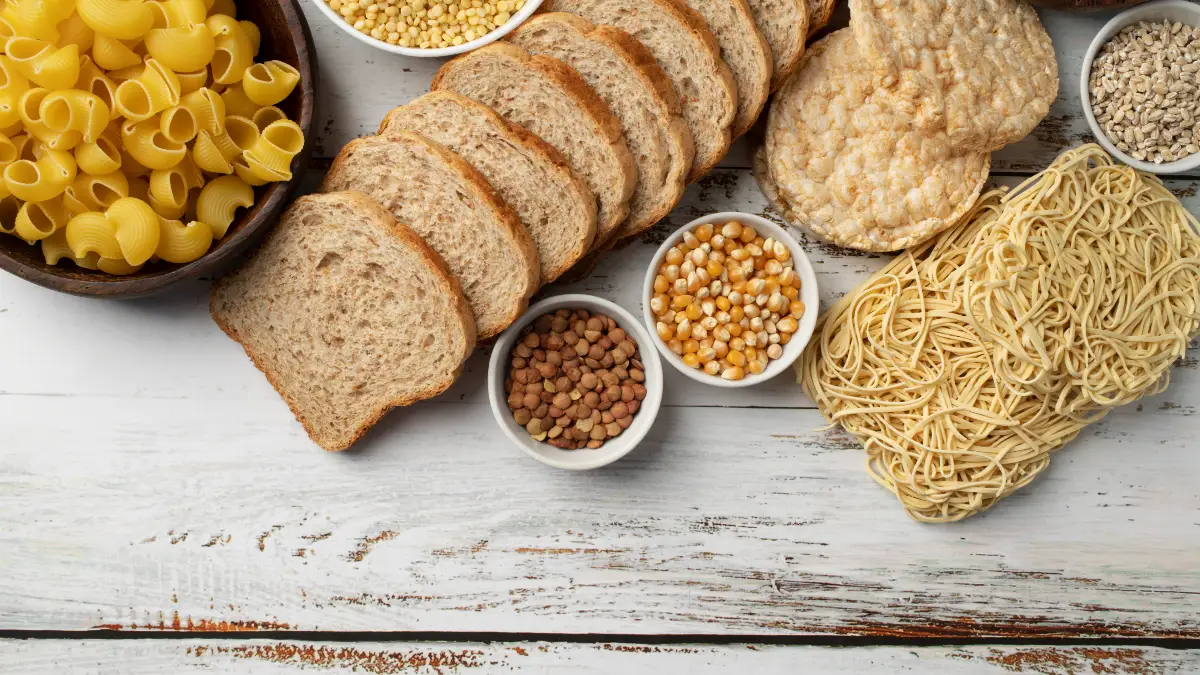
Gluten is a protein found in wheat, barley, and rye. It’s in bread, pasta, cereal, and many sauces. For people with Celiac disease, it’s poison. But you don’t need to have Celiac to have a problem with it.
Gluten is a protein found in wheat, barley, and rye. It’s in bread, pasta, cereal, and many sauces. For people with Celiac disease, it’s poison. But you don’t need to have Celiac to have a problem with it.
Many people have what’s called “non-celiac gluten sensitivity.” For these people, eating gluten triggers an inflammatory response. The body sees it as a threat and mounts an attack, causing widespread inflammation that can make arthritis symptoms much worse.
Just like dairy, this is a personal trigger. If you have “mystery” inflammation and pain, gluten is a top food to investigate. Many people over 50 find their digestion is more sensitive, and a new-found gluten sensitivity could be the cause.
Try a strict 3-week elimination. Cut out all gluten (read labels carefully!). See if your pain and bloating improve. Swap regular pasta for chickpea or lentil pasta (which also has more protein). Use almond flour for baking or buy bread made from gluten-free grains like rice or buckwheat.
10. Nightshade Vegetables (Tomatoes, Bell Peppers, Eggplant)
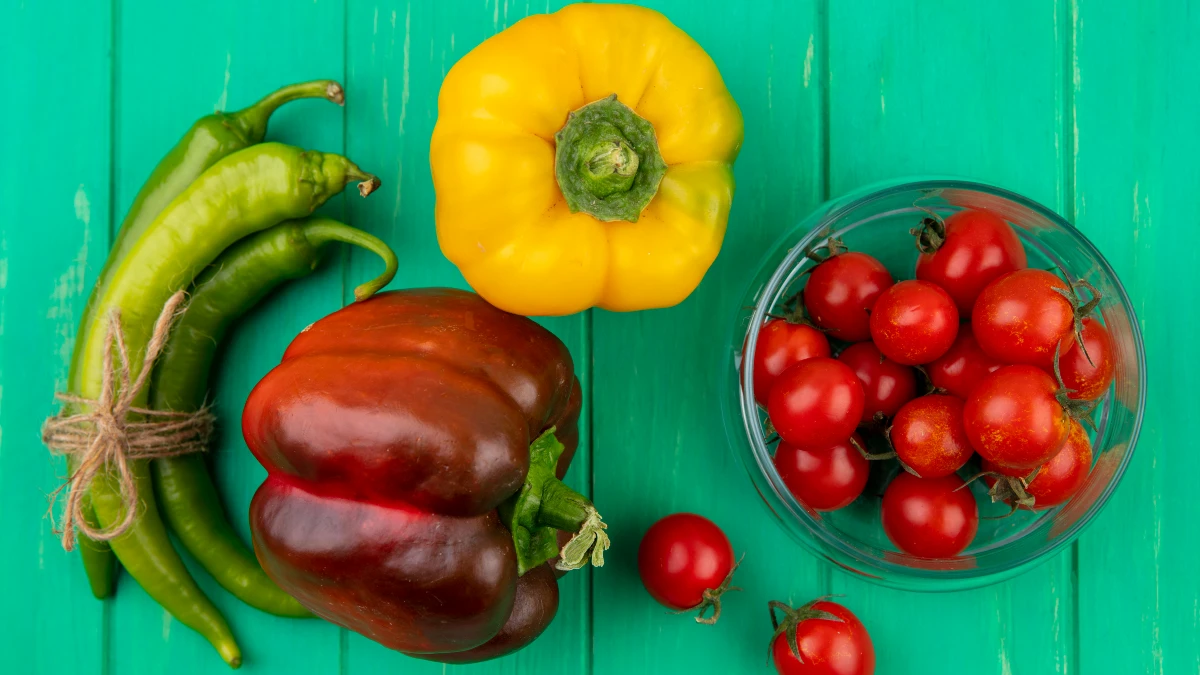
This is the most controversial one. Tomatoes, bell peppers, potatoes, and eggplants are healthy foods full of vitamins. But for a small group of people, they are a major pain trigger.
These vegetables are all part of the nightshade family. They contain a chemical called solanine. Most people process solanine just fine. But for those with a nightshades arthritis Sensitivity, this chemical can cause joint pain and inflammation.
This is the last thing you should try. If you have cut out sugar, oils, and gluten and still have pain, it’s time to test nightshades. Because these are healthy foods, you don’t want to cut them out unless they are truly a problem for you.
Do a 3-week elimination. It’s hard, as tomatoes are in everything. Swap tomato sauce for a “nomato” sauce (made from carrots, beets, and pumpkin). Swap bell peppers for cucumbers or celery in salads. Swap potatoes for sweet potatoes (which are not nightshades).
11. Foods with MSG (Monosodium Glutamate)
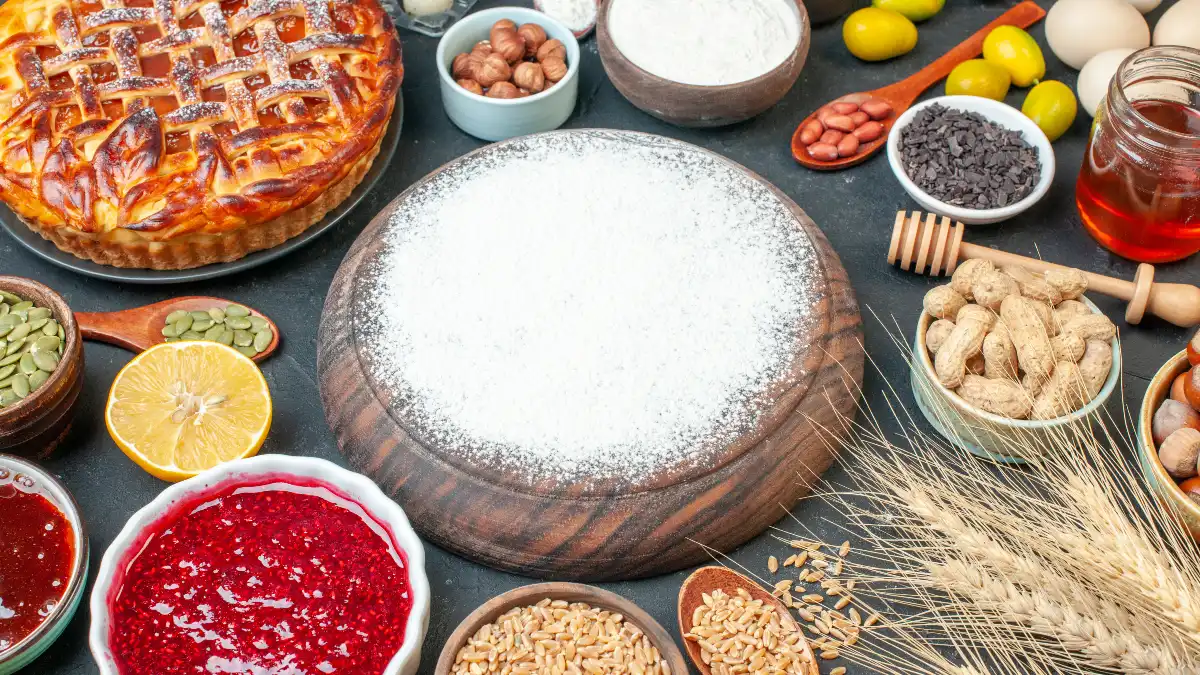
MSG is a flavor enhancer found in many restaurant foods (especially fast food), soy sauce, frozen meals, snack chips, and “flavor packets.”
MSG is an “excitotoxin,” meaning it can over-stimulate cells. For people who are sensitive, it can act as a direct trigger for two things: pain and inflammation. It can set off inflammatory pathways in the body.
If you find your joints ache after eating out or having a processed snack, MSG could be the culprit. It’s often hidden on labels under names like “hydrolyzed vegetable protein” or “autolyzed yeast.”
The best swap is to cook at home with fresh ingredients. When you buy sauces, look for labels that clearly state “No MSG Added.” Use coconut aminos as a soy-sauce alternative. Season your food with natural anti-inflammatories like turmeric, ginger, garlic, and black pepper.
Conclusion
Avoiding these 16 everyday foods isn’t about restriction; it’s about empowerment. You now know why food can cause pain. By shifting your diet away from high-Omega-6 oils, hidden sugars, and compounds like AGES, you can take active control of your body’s inflammation. You have the power to calm the fire in your joints.
This list can feel like a lot. Don’t try to change everything at once. Start small. Pick just one food from this list to swap out this week. Maybe it’s swapping your vegetable oil for olive oil. That one change can make a big difference.