
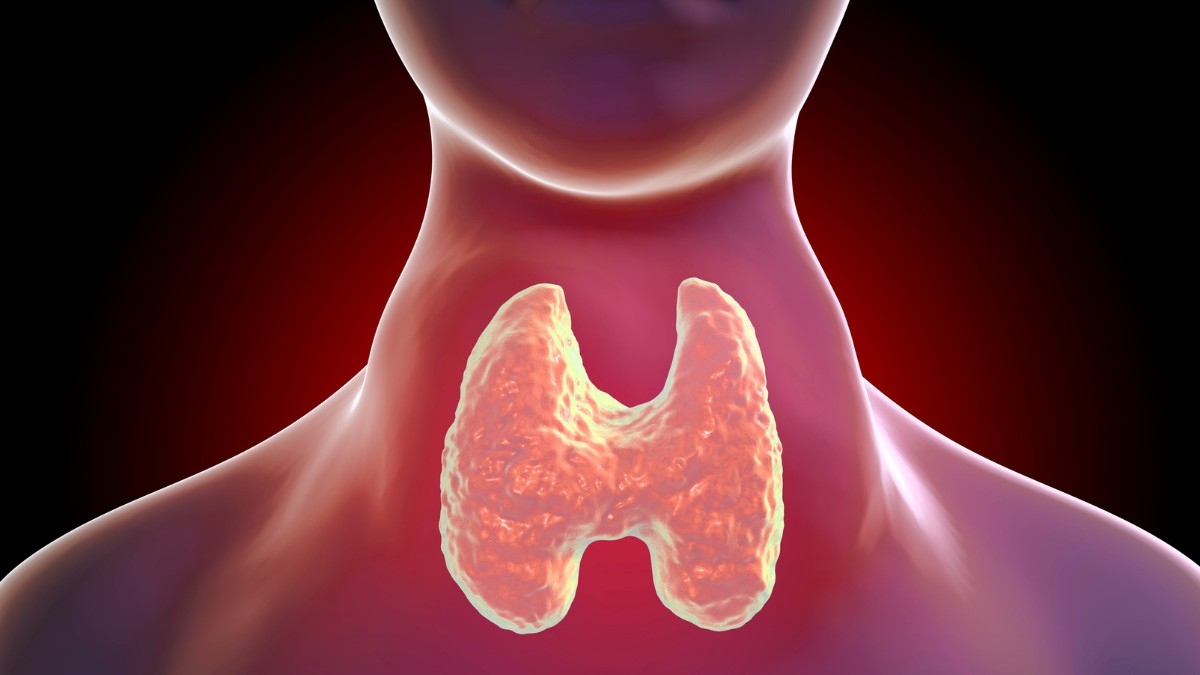
Struggling with thyroid issues that won’t go away despite medication? Your body might be missing crucial nutrients that no one told you about.
Millions with thyroid conditions take their pills faithfully but still battle fatigue, weight gain, and brain fog. The problem?
Standard treatment overlooks the specific nutrients your thyroid desperately needs to function. The solution is simpler than you might think.
These 11 nutrients can help restore your thyroid health when added to your daily routine. Your doctor probably never mentioned #7, but it could be the missing piece in your thyroid puzzle.
1. Selenium
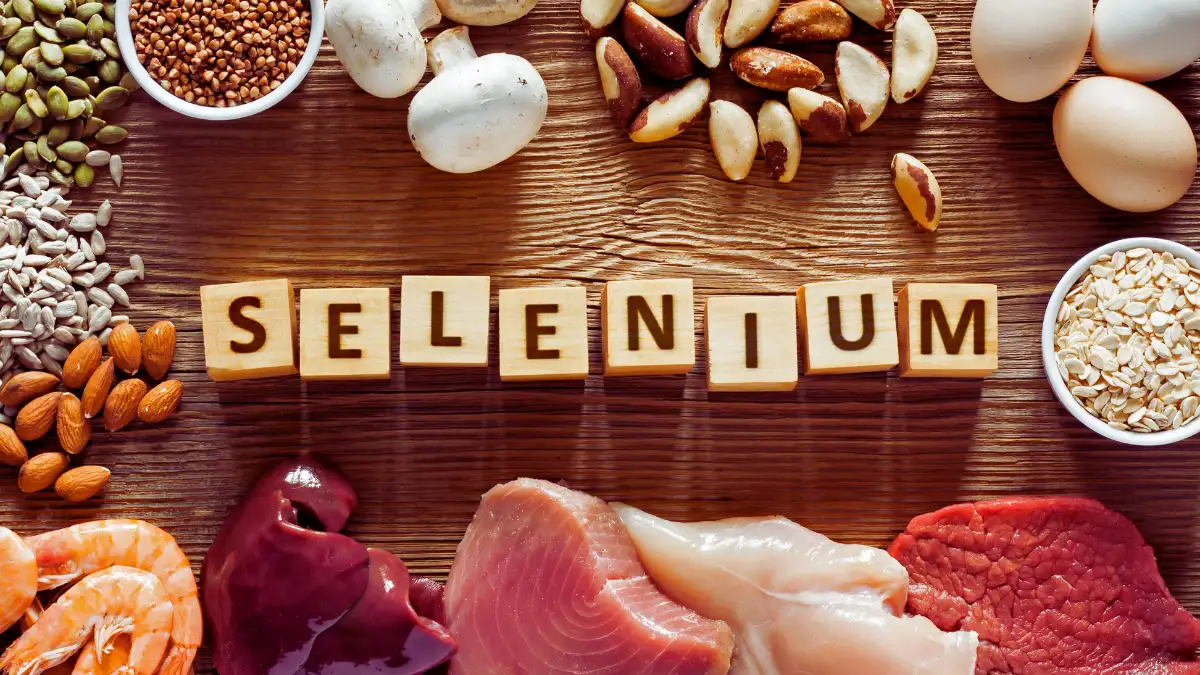
This trace mineral plays a critical role in thyroid function by helping convert the T4 hormone to the active T3 form. Without enough selenium, your thyroid can’t work properly, leaving you feeling tired and sluggish.
The thyroid gland contains more selenium by weight than any other organ, showing just how important it is.
Your body uses selenium to create antioxidant enzymes that protect the thyroid from damage during hormone production.
Brazil nuts are the richest source—just one or two nuts daily can provide all you need. Other good sources include seafood (especially tuna and shrimp), eggs, and meat.
Be careful not to take too much, though. Staying under 400 mcg daily is best since excess can cause problems like hair loss and brittle nails. Many people with thyroid issues run low on selenium without knowing it.
2. Iodine

Your thyroid can’t make hormones without iodine. This mineral serves as a building block for both T3 and T4 hormones that control metabolism throughout your body.
Low iodine levels can lead to an enlarged thyroid (goiter) and hypothyroidism. Most people get iodine from iodized salt, but many have switched to sea salt or pink salt, which contains very little.
Seaweed offers the highest natural concentration—just one sheet of nori provides a substantial amount. Dairy products, eggs, and fish also contain decent amounts.
The tricky part with iodine is balance. Too little causes problems, but too much can worsen autoimmune thyroid conditions like Hashimoto’s.
This makes iodine unique among nutrients—both deficiency and excess can harm thyroid function. Check with your doctor before taking supplements, as most people need just 150 mcg daily.
3. Zinc
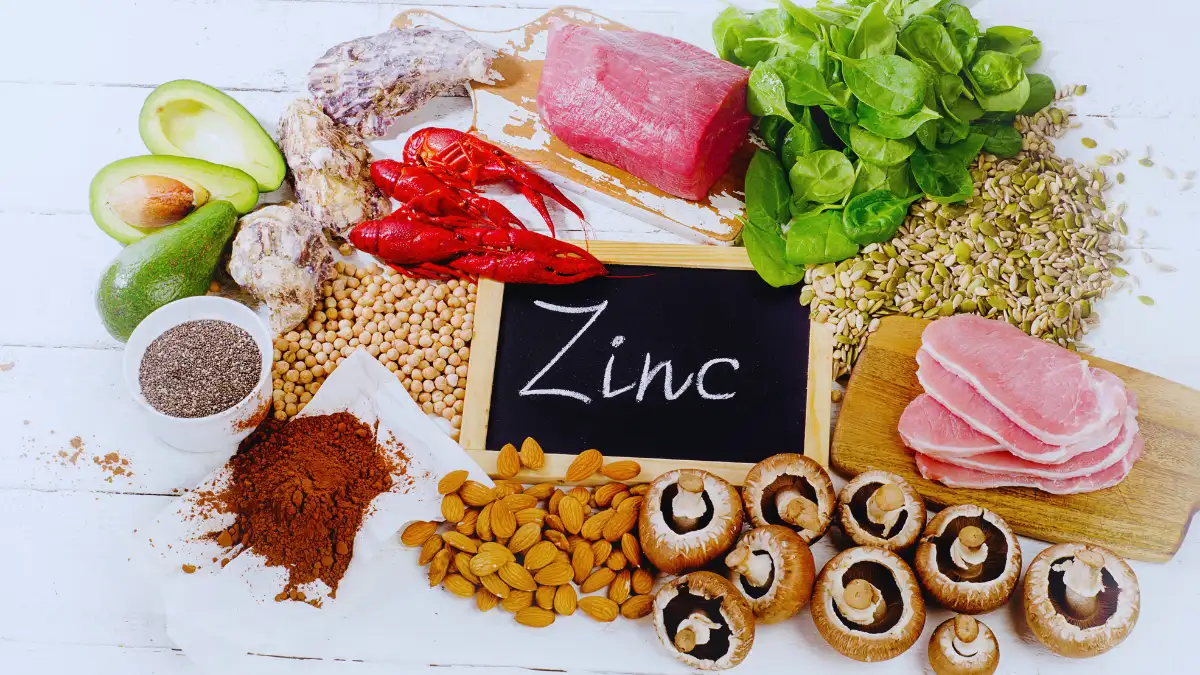
This mineral supports multiple aspects of thyroid health, from hormone production to helping receptors in your body respond to those hormones.
Zinc deficiency can mimic hypothyroid symptoms, causing fatigue, hair loss, and poor wound healing. Your body doesn’t store zinc well, so you need to consume it regularly.
Oysters provide more zinc than any other food by far—just six medium oysters supply more than your daily needs. Other good sources include beef, crab, pork, chicken, pumpkin seeds, and yogurt.
Zinc works closely with other nutrients like copper and iron, creating a delicate balance. Taking high doses of one can deplete others. Many thyroid patients have trouble absorbing zinc due to gut issues.
A liquid zinc supplement might work better for those with absorption problems. Vegetarians typically need more zinc since plant sources aren’t absorbed as well as animal sources.
4. Iron
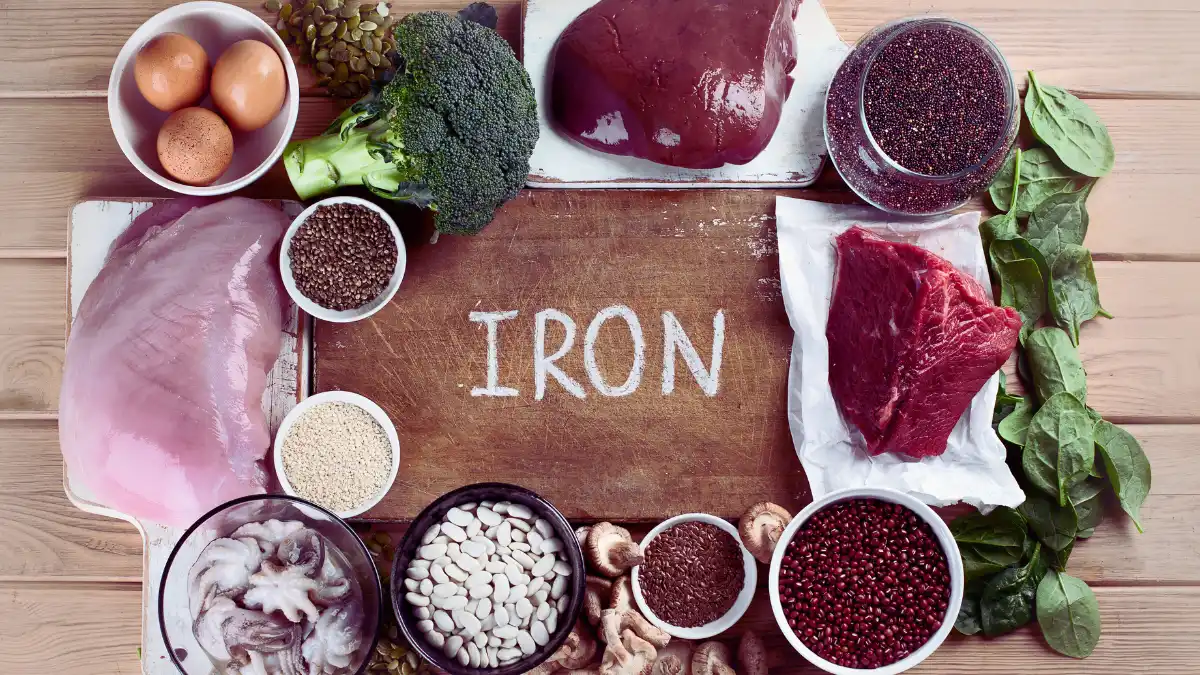
Iron deficiency often goes hand-in-hand with thyroid problems, especially in women. The connection works both ways—iron deficiency can worsen thyroid function, and thyroid issues can reduce iron absorption.
This mineral helps create thyroid peroxidase, an enzyme needed for hormone production. The symptoms overlap considerably: fatigue, weakness, cold intolerance, and hair loss can stem from either condition.
Red meat provides the most absorbable form of iron (heme iron). Plant sources like spinach and lentils contain non-heme iron, which your body absorbs less efficiently.
You can boost absorption by eating vitamin C-rich foods alongside iron-rich meals. Orange juice with breakfast or bell peppers in your spinach salad works well.
Avoid drinking coffee or tea with meals, as they can block iron absorption. Some thyroid medications also affect how your body processes iron, so spacing them apart by at least 4 hours helps maximize both.
5. Vitamin D
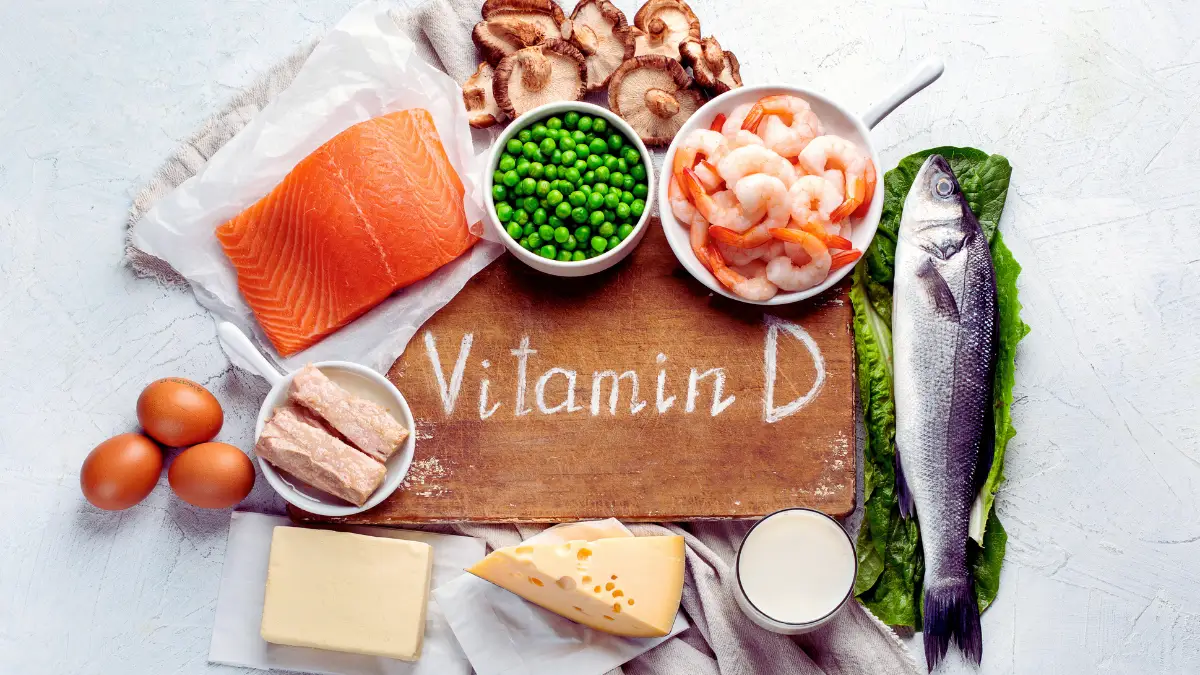
The sunshine vitamin plays a crucial role in immune function and thyroid health. Low levels strongly correlate with autoimmune thyroid conditions like Hashimoto’s and Graves’ disease.
Vitamin D receptors exist in thyroid tissue, suggesting a direct relationship. Your skin makes vitamin D when exposed to sunlight, but many factors limit this process: living in northern latitudes, wearing sunscreen, spending time indoors, and having darker skin.
Few foods naturally contain much vitamin D—fatty fish like salmon and mackerel, egg yolks, and mushrooms provide small amounts.
Testing blood levels gives you the best insight into your status. Most thyroid specialists now check vitamin D routinely. Optimal levels for thyroid patients may be higher than standard ranges suggest.
Supplementation often requires higher initial doses to correct deficiency, followed by a lower maintenance dose. Fat-soluble vitamin D absorbs best when taken with a meal containing some fat.
6. Magnesium
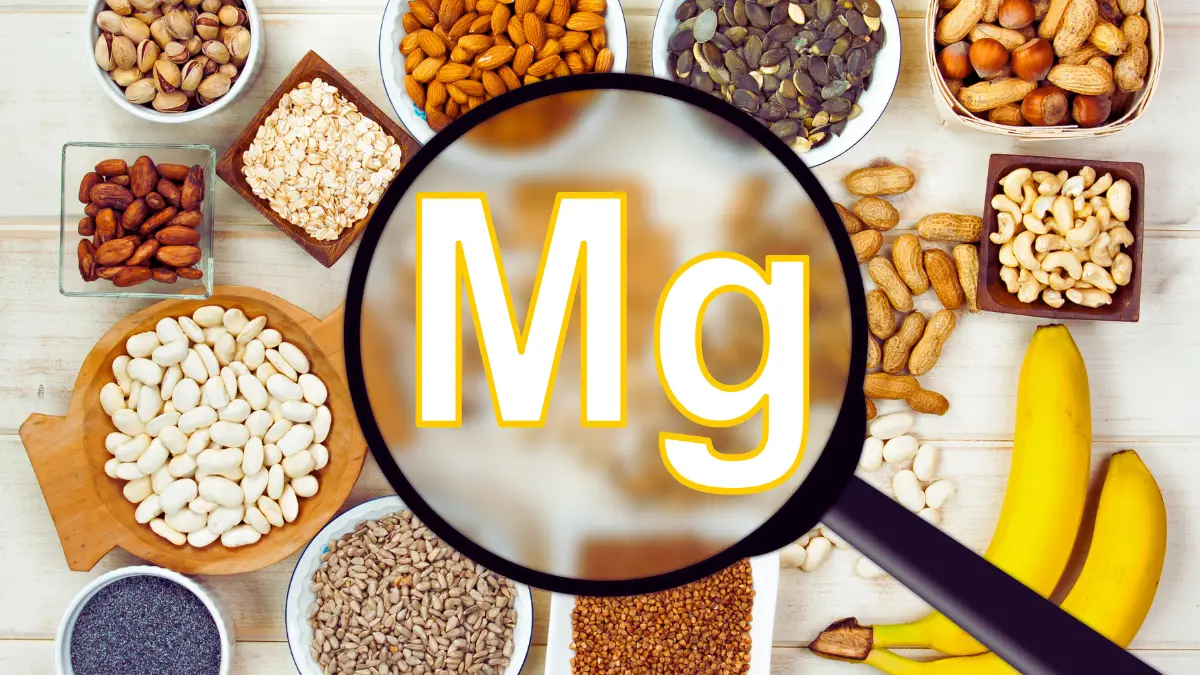
This mineral participates in over 300 enzymatic reactions in your body, including several that regulate thyroid function. Stress depletes magnesium quickly, creating a vicious cycle since thyroid problems increase stress response.
Modern farming and food processing have reduced magnesium content in many foods. The most reliable sources include dark leafy greens, nuts, seeds, beans, and whole grains.
Chocolate lovers will be happy to know that dark chocolate contains good amounts too. Epsom salt baths provide another way to boost levels through skin absorption.
Magnesium helps calm nervous system activity, which can ease anxiety and sleep problems common with thyroid disorders. It works closely with vitamin D and calcium—all three need proper balance.
The glycinate form causes less digestive upset than other supplements. Most thyroid patients benefit from 300-400 mg daily, split into smaller doses. Start with a small amount and increase gradually to avoid digestive discomfort.
7. Tyrosine
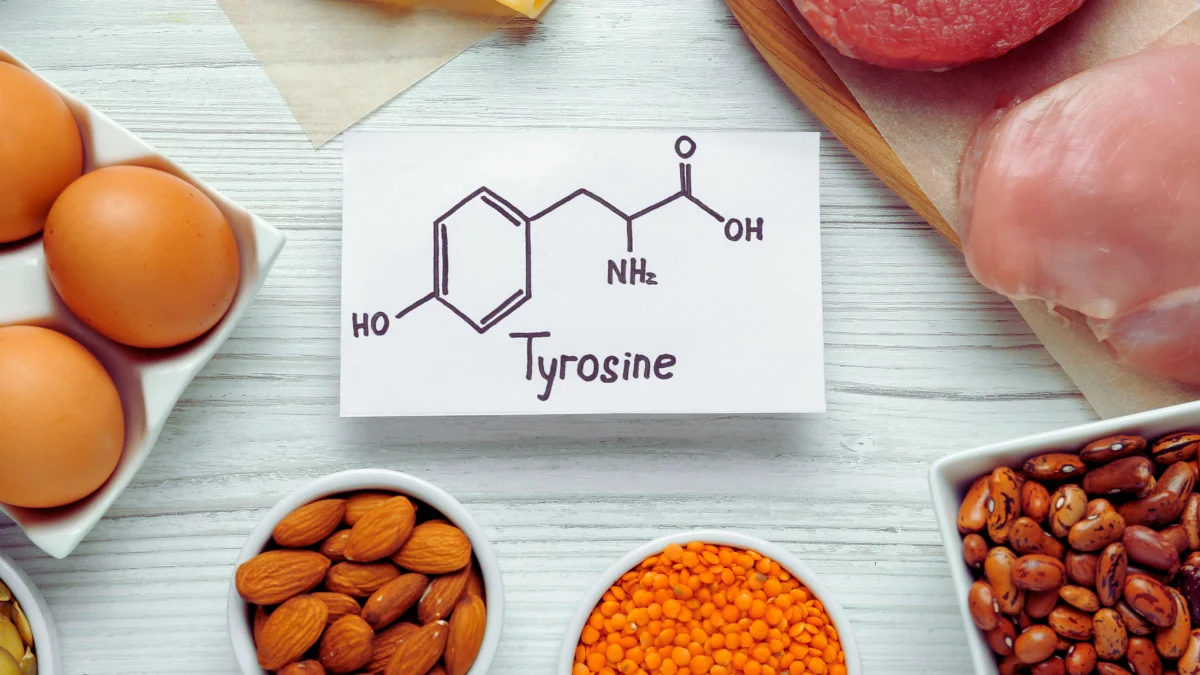
This essential amino acid serves as a fundamental building block for thyroid hormones. Without enough tyrosine, your body struggles to produce adequate T3 and T4, even if you have sufficient iodine. The two work together like puzzle pieces to create functioning hormones.
Researchers from the European Journal of Endocrinology found that tyrosine phosphorylation plays a crucial role in thyroid cell signaling and hormone regulation, highlighting its biochemical necessity beyond simple hormone production. This 2002 finding showed how tyrosine affects multiple aspects of thyroid function at the cellular level.
Your diet supplies tyrosine mainly through protein-rich foods such as chicken, turkey, fish, eggs, and dairy products. Plant sources include almonds, avocados, and bananas.
Stress and certain medications can increase your body’s demand for this amino acid. People with underactive thyroids often benefit from ensuring adequate protein intake throughout the day.
Morning protein consumption seems particularly helpful for stabilizing thyroid function for the day ahead.
8. Vitamin A
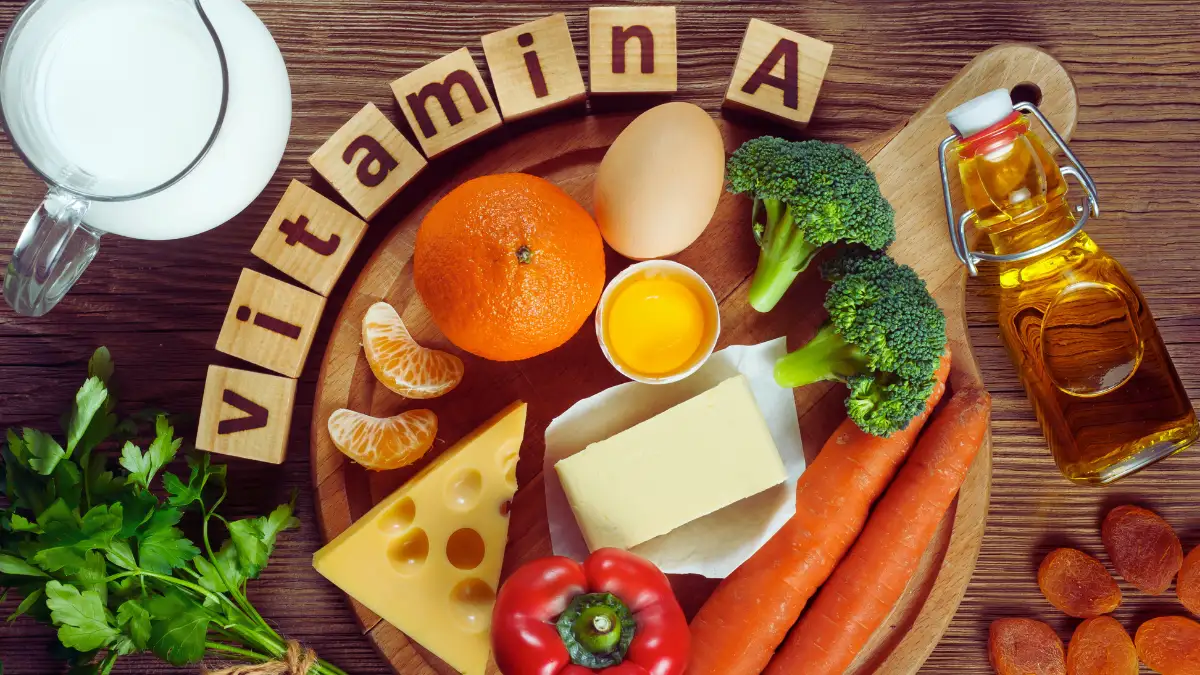
Often overlooked in thyroid care, vitamin A regulates TSH secretion from your pituitary gland and supports proper thyroid receptor function.
Low levels make your cells less responsive to thyroid hormones, creating a situation where blood tests might look normal despite ongoing symptoms.
Your body needs vitamin A for thyroid hormone activation within your cells. The retinol form (from animal sources) works better for thyroid support than beta-carotene from plants.
Liver contains the highest concentration by far—just one ounce provides several days’ worth. Egg yolks, grass-fed butter, and full-fat dairy supply smaller but significant amounts.
Plant sources like sweet potatoes, carrots, and leafy greens provide beta-carotene, which your body converts to vitamin A, though much less efficiently than previously thought.
This conversion becomes even less effective in people with thyroid issues, creating hidden deficiencies. Supplementation requires careful monitoring since vitamin A can accumulate in fat tissue. Testing levels before supplementing helps avoid both deficiency and excess.
9. Omega-3 Fatty Acids

These essential fats help tame the inflammation often associated with thyroid disorders, especially autoimmune conditions like Hashimoto’s.
They support cell membrane flexibility, allowing thyroid hormones to enter cells more easily and function properly once inside.
Cold-water fish like salmon, mackerel, sardines, and herring provide the most usable forms (EPA and DHA). Plant sources such as flaxseeds, chia seeds, and walnuts contain ALA, which your body must convert to active forms—a process that becomes less efficient with thyroid dysfunction.
Adding both animal and plant sources creates the best balance. Beyond direct thyroid benefits, omega-3s help normalize cholesterol levels and reduce cardiovascular risks associated with thyroid disorders.
They support brain health and mood regulation too, addressing symptoms like brain fog and depression common in thyroid patients.
Quality matters tremendously with omega-3 supplements—rancid oils cause more harm than good. Freshness, third-party testing, and proper storage in dark, cool places ensure you get actual benefits.
10. B Vitamins (B12 and Folate)

These two B vitamins work as a team for energy production and genetic processes vital to thyroid function. A compelling 2009 investigation published in the Journal discovered that 40% of Hashimoto’s patients had significant B12 deficiency, suggesting routine screening would benefit many patients struggling with persistent symptoms.
B12 requires proper stomach acid and intrinsic factor for absorption—both commonly impaired in thyroid patients due to associated autoimmune gastritis.
Methylation, a biochemical process dependent on these vitamins, affects how your body activates and deactivates hormones.
Poor methylation can worsen thyroid symptoms even when hormone levels appear normal on standard tests. Animal foods exclusively contain B12—meat, fish, eggs, and dairy provide the most absorbable forms.
Folate comes primarily from leafy greens, legumes, and liver. The active forms (methylcobalamin for B12 and methylfolate) work better for many thyroid patients than standard supplements.
Certain medications, including acid blockers and metformin, deplete B12 levels over time, creating additional risk for deficiency.
11. Copper

This trace mineral maintains the delicate balance with zinc necessary for proper thyroid function. Your thyroid needs copper to produce adequate hormones and convert T4 to the active T3 form.
The ratio between copper and zinc matters more than the absolute amounts of either mineral. High zinc intake without corresponding copper can disrupt thyroid function just as severely as deficiencies.
This happens frequently with supplement use, as many people take zinc without considering its impact on copper levels.
The resulting imbalance disrupts the enzymes responsible for thyroid hormone synthesis and activation. Food sources include shellfish, organ meats, nuts, seeds, and dark chocolate.
Copper pipes can contribute small amounts through drinking water. Testing both copper and zinc levels provides a clearer picture than assessing either alone.
Optimal thyroid function typically requires a zinc-to-copper ratio between 8:1 and 12:1. Tracking symptoms while adjusting intake helps fine-tune this balance.
Hair loss, fatigue, and poor wound healing can signal either excess or deficiency, making proper testing essential.