

Feeling stressed and moody but can’t figure out why? Your snack choices might be sabotaging your emotional health without you knowing it.
As we hit our 30s, certain foods impact our brain chemistry more dramatically, blocking serotonin, our natural “feel good” hormone.
Those convenient comfort foods promising quick energy trigger mood crashes, anxiety spikes, and chronic stress.
Simple swaps can transform your mood naturally. Discover the 11 worst offenders lurking in your kitchen and learn what to eat instead for balanced emotions, steady energy, and natural stress relief, no medication required.
1. Sugary Snacks (Candy, Pastries)

Your brain might crave that candy bar during stressful moments, but it’s working against you. When you eat sugary treats, your blood sugar rockets up quickly, giving you a temporary energy boost.
This spike doesn’t last long though. The crash that follows can make you feel worse than before—irritable, tired, and even more stressed. What’s happening inside your body is particularly concerning for those over 30.
The inflammation triggered by excess sugar consumption interferes with your body’s natural serotonin production, the key hormone that regulates mood.
Try reaching for a banana or handful of berries next time stress hits. These natural sweets provide fiber that slows sugar absorption, preventing the harsh crash.
Dark chocolate with at least 70% cocoa offers both satisfaction and antioxidants that benefit your brain without the mood-wrecking aftermath of processed sugary snacks.
2. Artificial Sweeteners (Aspartame, Saccharin)
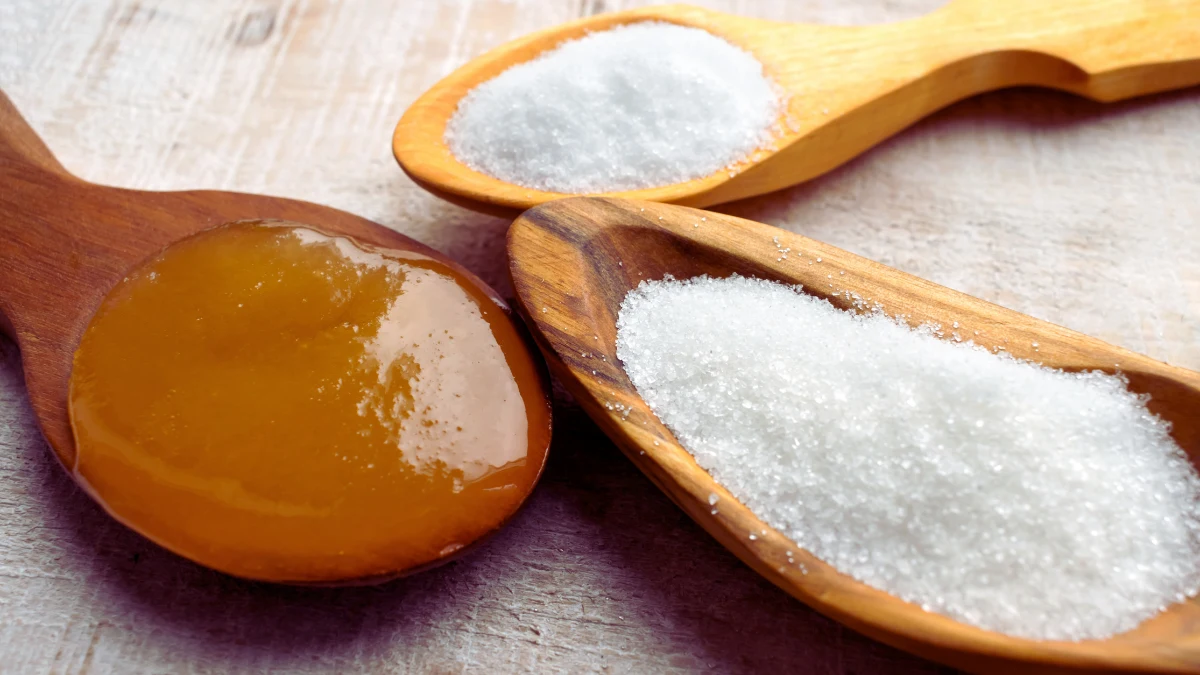
Those little pink, blue, and yellow packets might seem like smart alternatives to sugar, but they could be sabotaging your mood.
Artificial sweeteners trick your taste buds without providing actual nutrition, creating confusion in your body’s metabolic systems and potentially affecting how you handle stress.
The gut-brain connection plays a crucial role in how you feel each day. Artificial sweeteners can disrupt the balance of beneficial bacteria in your digestive system.
Since your gut produces about 90% of your body’s serotonin, this disruption directly impacts your mood regulation capabilities, especially important for adults navigating the increased stress of their 30s and beyond.
Raw honey offers natural sweetness with additional benefits like small amounts of vitamins and minerals. Stevia, derived from plant leaves, provides sweetness without the chemical processing of artificial options.
Both can satisfy your sweet tooth without the potential mood disturbances linked to artificial substitutes.
3. Trans Fats (Fried Snacks, Margarine)
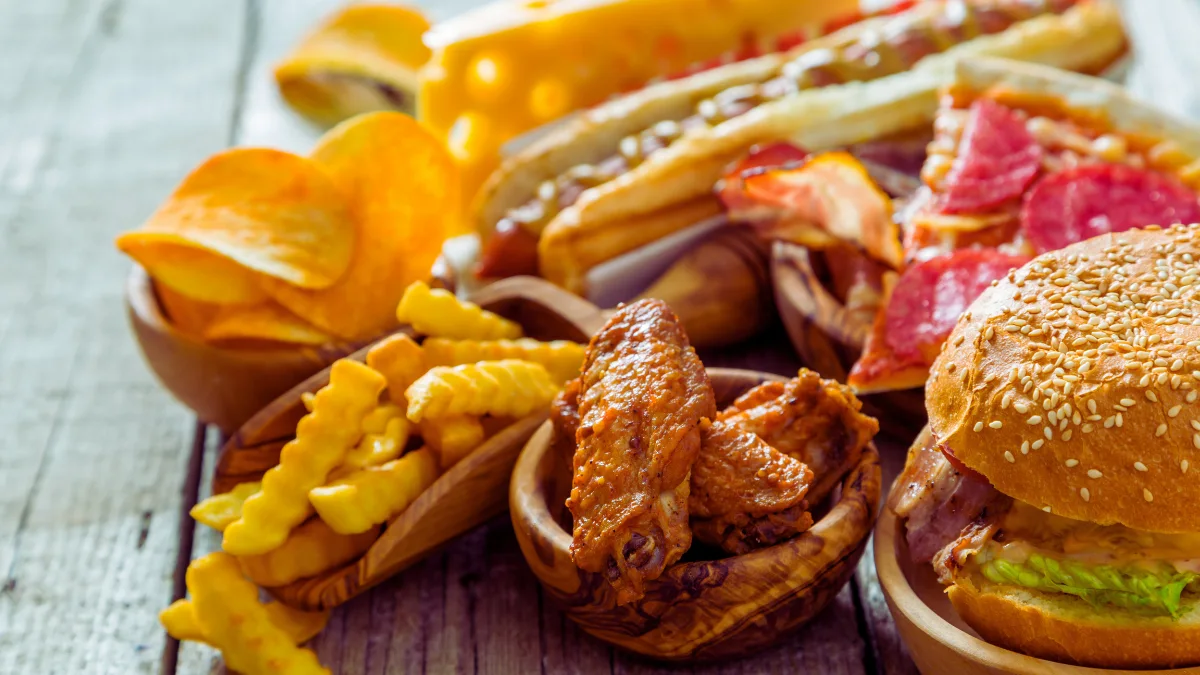
Hidden in many processed comfort foods, trans fats pack a double punch against your mood. These modified fats don’t just expand your waistline—they trigger system-wide inflammation that reaches your brain.
The resulting cognitive fog and reduced neural function directly impact how well you can produce and use serotonin.
Your body doesn’t recognize these laboratory-created fats as natural nutrients. When consumed regularly, trans fats can change the composition of your cell membranes, including those in your brain.
This alteration makes it harder for mood-regulating neurotransmitters to function properly, leaving you more vulnerable to stress effects as you age.
Swap out trans fat-laden snacks for nutrient-rich alternatives. Avocados contain healthy monounsaturated fats that support brain health.
A small handful of walnuts or almonds provides satisfying crunchiness plus essential fatty acids that help combat inflammation rather than cause it. Your brain—and mood—will notice the difference within weeks of making this switch.
4. Energy Drinks

That slim can promising hours of boundless energy comes with consequences far worse than the afternoon slump it claims to prevent.
Energy drinks combine extreme caffeine levels with sugar amounts that exceed daily recommendations in just one serving. This powerful stimulant cocktail immediately triggers your stress response system.
Your heart rate increases, blood pressure rises, and stress hormones flood your system—all physiological changes that mimic anxiety.
For adults over 30 whose stress-response systems are already working overtime, this artificial stimulation depletes precious resources your body needs to maintain emotional balance. The sleep disruption that follows creates a vicious cycle of fatigue and increased stress.
Green tea offers a gentler alternative when you need a boost. It contains moderate caffeine plus L-theanine, an amino acid that promotes calm alertness instead of jittery energy.
Your body can process this natural stimulant without the crash, keeping your stress hormones balanced rather than wildly fluctuating throughout the day.
5. Alcohol

Many adults reach for a drink to “take the edge off” after a stressful day, but this common habit backfires on your mood.
Alcohol initially seems to reduce anxiety as it suppresses your central nervous system, creating temporary relaxation. This short-term relief masks the long-term effects on your brain chemistry.
Regular alcohol consumption depletes serotonin stores over time, gradually diminishing your natural ability to maintain emotional balance.
Your brain adapts to alcohol’s presence by altering neurotransmitter production, making you more vulnerable to mood swings and anxiety between drinks. Past age 30, your body becomes less efficient at processing alcohol, amplifying these negative effects.
Sparkling water with fresh lime can satisfy the ritual of having a special drink without the mood-disrupting aftermath.
Various herbal teas support your nervous system instead of depleting it. Chamomile reduces anxiety naturally, while rooibos provides antioxidants that protect brain cells from stress damage.
6. High-Sodium Snacks (Chips, Pretzels)
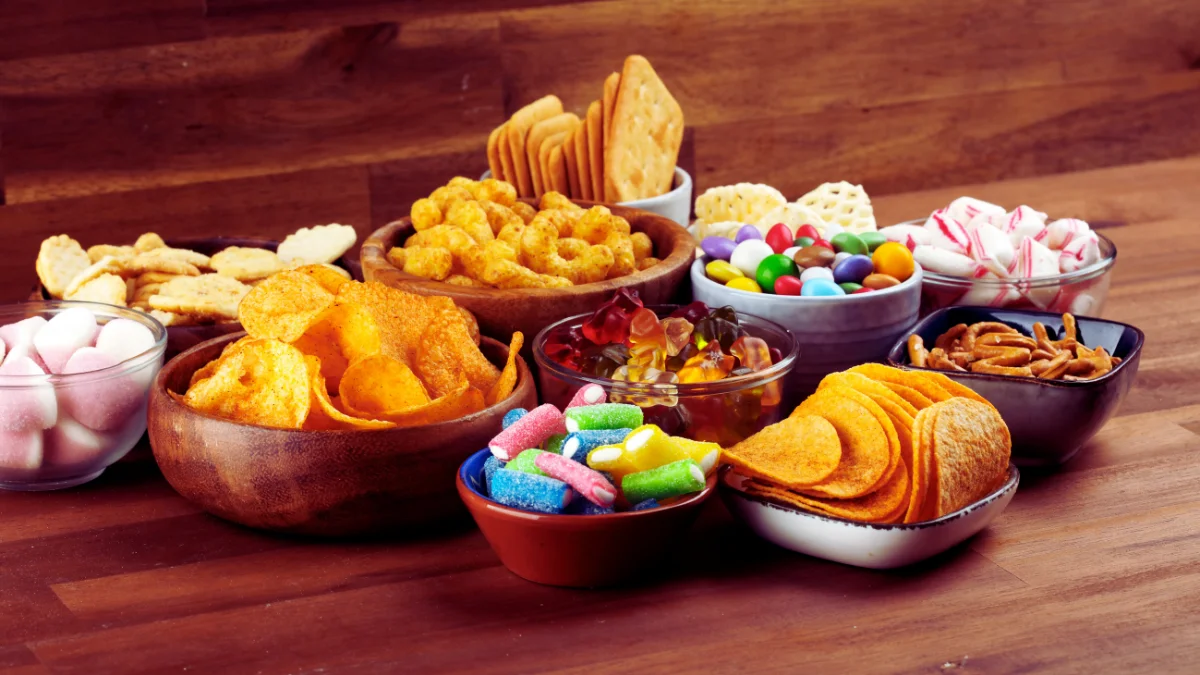
Crunchy, salty snacks often become go-to stress relievers, but they create physiological changes that intensify anxiety.
The excessive sodium in chips and pretzels forces your body to retain water, raising blood pressure and putting strain on your cardiovascular system.
This physical stress triggers cortisol release—the very hormone you’re trying to reduce. Your body maintains a delicate balance of electrolytes to function properly. High sodium intake disrupts this balance, affecting nerve impulse transmission and muscle function.
These disruptions can manifest as irritability, fatigue, and headaches—all symptoms that compound existing stress, particularly problematic for adults over 30 whose bodies are becoming more sensitive to dietary influences.
Air-popped popcorn provides a satisfying crunch without the sodium overload. Adding anti-inflammatory seasonings like turmeric or mineral-rich nutritional yeast creates flavor without stress-inducing salt.
Cucumber slices with a light sprinkle of sea salt deliver crispness along with hydration benefits, satisfying the salt craving without overwhelming your system with sodium.
7. Diet Sodas (Aspartame)
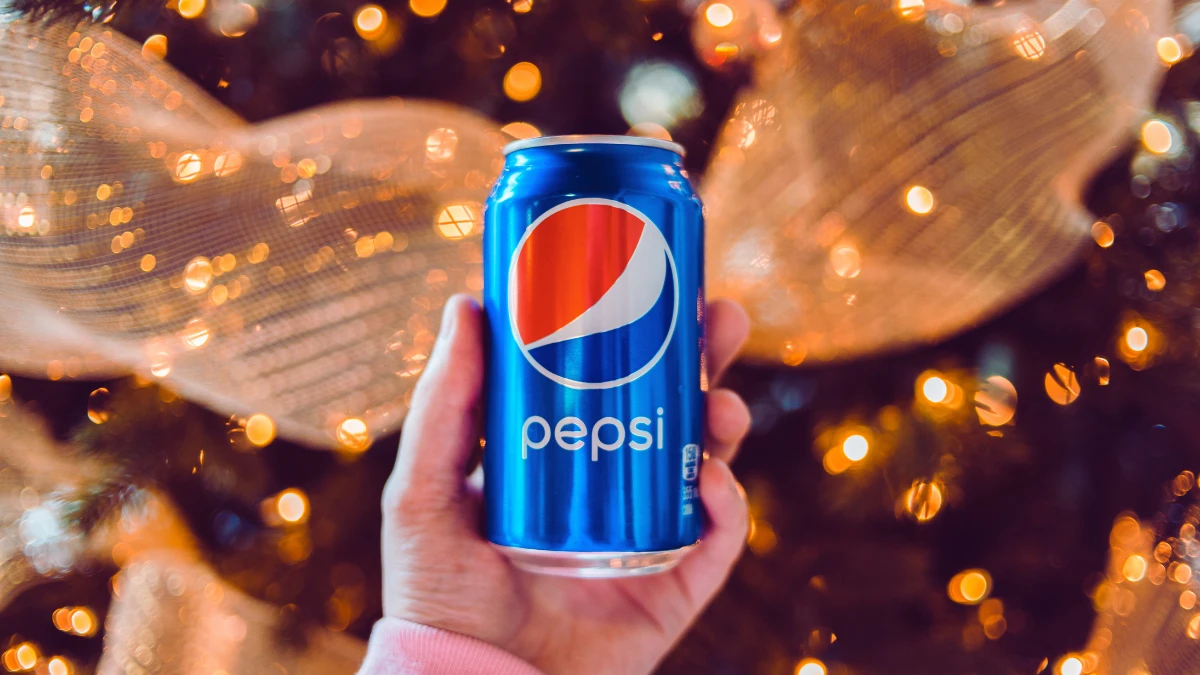
Those zero-calorie sodas might save you from sugar consumption, but they introduce a different problem for your mood.
Aspartame, the common sweetener in diet drinks, can lower serotonin production by reducing tryptophan availability in your brain. This disruption directly impacts your emotional stability, particularly noticeable during stressful periods.
Research shows links between aspartame and mood problems. A significant 2014 study published in PLoS ONE found mice fed aspartame exhibited depression-like behaviors compared to control groups.
Human studies have shown similar patterns, with participants reporting increased irritability and anxiety after consuming aspartame-sweetened products regularly.
Switching to infused water can satisfy your craving for flavored drinks without the mood-altering chemicals. Adding citrus slices, cucumber, or mint to plain water creates refreshing options that hydrate your body properly.
Your brain function improves with adequate hydration, naturally supporting stress management without the serotonin-disrupting effects of artificial sweeteners.
8. Processed Meats (Jerky, Sausages)
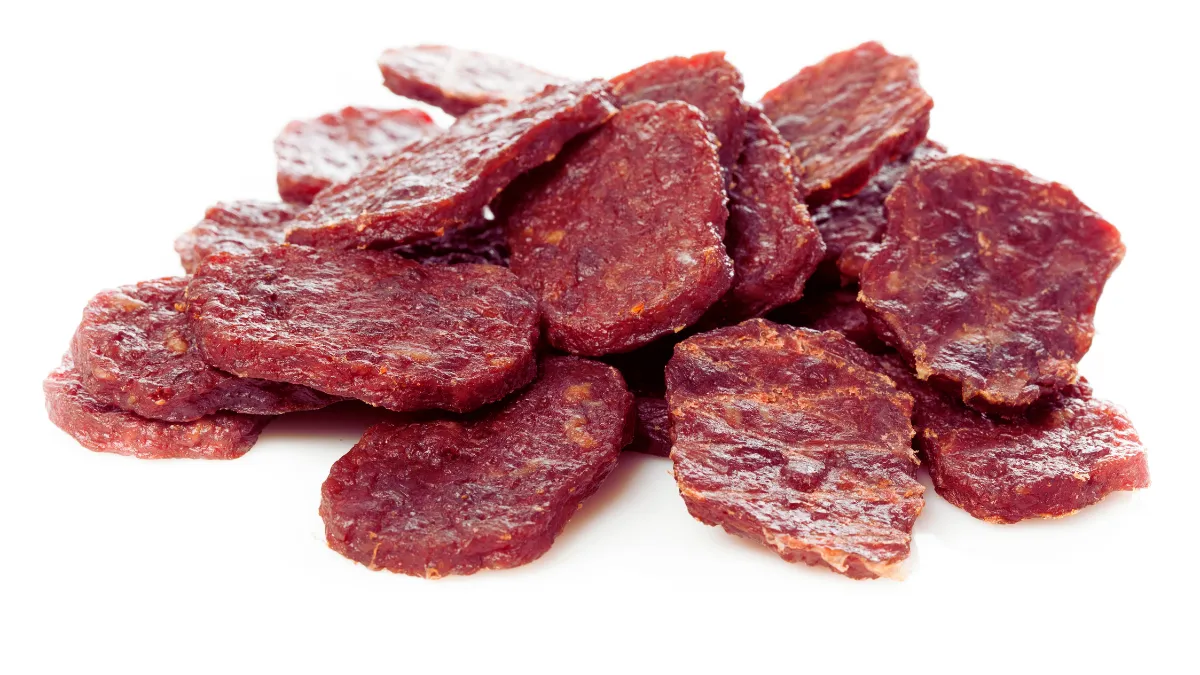
The convenient protein found in jerky, salami, and hot dogs carries hidden costs for your emotional well-being.
Loaded with nitrates and other preservatives, these processed meats harm the beneficial bacteria in your digestive tract that play crucial roles in serotonin production. This gut damage directly translates to mood instability.
Your gut microbiome communicates constantly with your brain through the vagus nerve. When processed meat preservatives alter this bacterial balance, the signals sent to your brain change too.
The resulting inflammation disrupts neurotransmitter function, leaving you more vulnerable to stress reactions and mood dips—a particular concern as your digestive system becomes more sensitive after age 30.
Fresh turkey slices offer protein without preservatives, plus natural tryptophan that supports serotonin production.
Roasted chickpeas provide portable protein with fiber that feeds beneficial gut bacteria instead of harming them.
These alternatives satisfy hunger while supporting your mood regulation systems rather than undermining them during stressful times.
9. Refined Carbs (White Bread, Crackers)

White bread, pretzels, and crackers might seem harmless, but they affect your mood similarly to pure sugar. These refined carbohydrates lack the fiber that would normally slow digestion, causing rapid absorption that spikes blood sugar quickly.
Your energy rises fast but crashes equally hard. The roller coaster of blood sugar fluctuations creates unstable energy throughout your day.
Each crash triggers stress hormones as your body attempts to correct low blood sugar, adding to your overall stress burden.
After 30, your metabolism becomes less forgiving of these sharp fluctuations, making mood stability harder to maintain when refined carbs dominate your snack choices.
Whole grains like quinoa, oats, and brown rice contain complex carbohydrates that digest slowly, releasing steady energy without the dramatic peaks and valleys.
The fiber in these grains feeds beneficial gut bacteria that help produce serotonin. Your mood stays more stable throughout the day when fueled by these nutrient-rich alternatives rather than their processed counterparts.
10. High-Mercury Fish (Tuna, Swordfish)

Fish normally ranks among the best brain foods, but certain varieties contain concerning levels of mercury that can harm your nervous system.
Larger predatory fish like tuna, swordfish, and king mackerel accumulate mercury throughout their lives. This neurotoxin builds up in your body over time, potentially impairing the very systems that regulate mood.
Mercury exposure disrupts normal neurotransmitter function, including serotonin synthesis pathways. The resulting cognitive fog, irritability, and anxiety can be subtle at first but compound over time with regular consumption.
For adults over 30 already managing increasing stress levels, these neurological effects add an unnecessary burden to your mood regulation capacity.
Wild-caught salmon provides the brain-boosting benefits of omega-3 fatty acids without significant mercury concerns.
Smaller fish like sardines deliver impressive nutrition while containing minimal toxins. Incorporating these lower-mercury options gives you the brain-supporting benefits of seafood without undermining your neurological health and mood stability in the process.
11. Fried Foods (French Fries, Doughnuts)
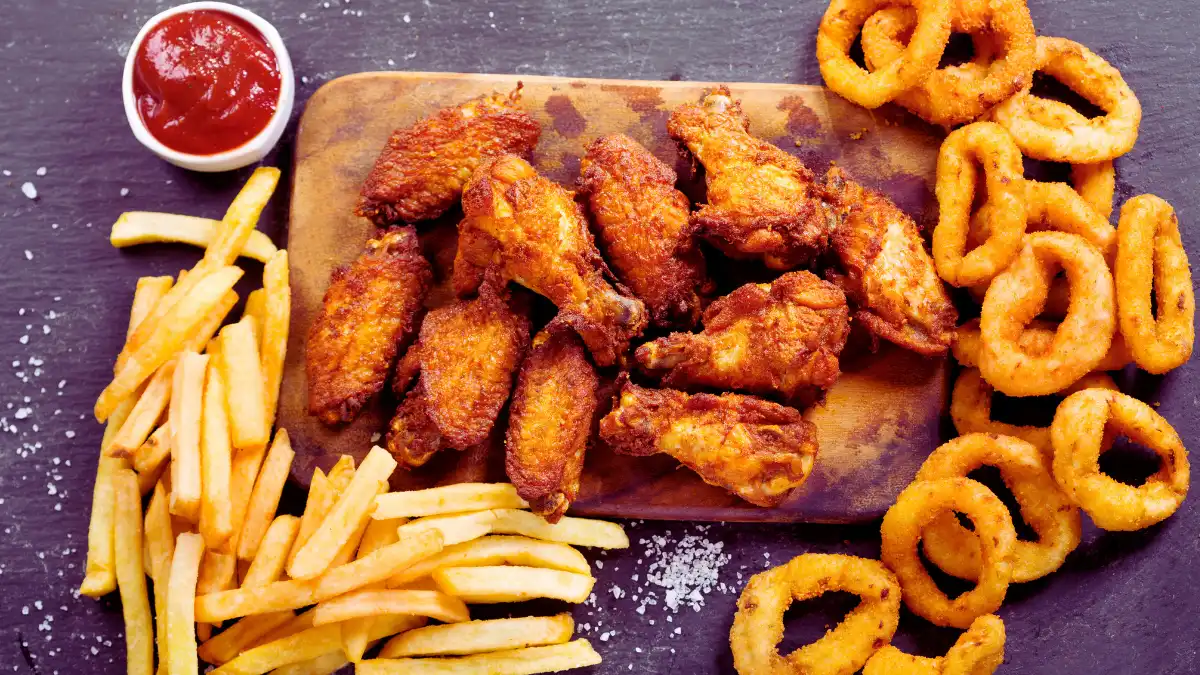
The comfort and satisfaction of biting into crispy fried foods mask their serious impact on your emotional health.
Heating oils to high temperatures creates compounds that trigger inflammation throughout your body, including your brain. This neuroinflammation directly affects how well your mood-regulating neurotransmitters function.
Research confirms the connection between fried food consumption and depression risk. A landmark 2011 study published in Public Health Nutrition followed over 12,000 participants and found those with higher trans fat intake from fried foods had a 48% increased risk of depression compared to those who avoided these foods. The evidence suggests these foods actively work against your emotional resilience.
Baked sweet potato fries deliver satisfying crispness when tossed with a small amount of olive oil and roasted. Nuts roasted with spices provide crunch and flavor satisfaction without the inflammatory effects of deep frying.
Your brain responds positively to these alternatives, maintaining better serotonin function and stress resilience than when regularly exposed to fried food compounds.