

Are you worried about getting sick more often now that you’re over 45? Your immune system naturally weakens with age, leaving you vulnerable to common colds and serious infections.
Most people reach for orange juice or expensive supplements, but they’re missing out on true immune powerhouses hiding in plain sight.
The solution lies in everyday foods you probably walk past in the grocery store without a second glance. These 11 surprising immune boosters work better than the overhyped options everyone talks about – and research shows they’re especially effective for bodies over 50.
1. Red Bell Peppers
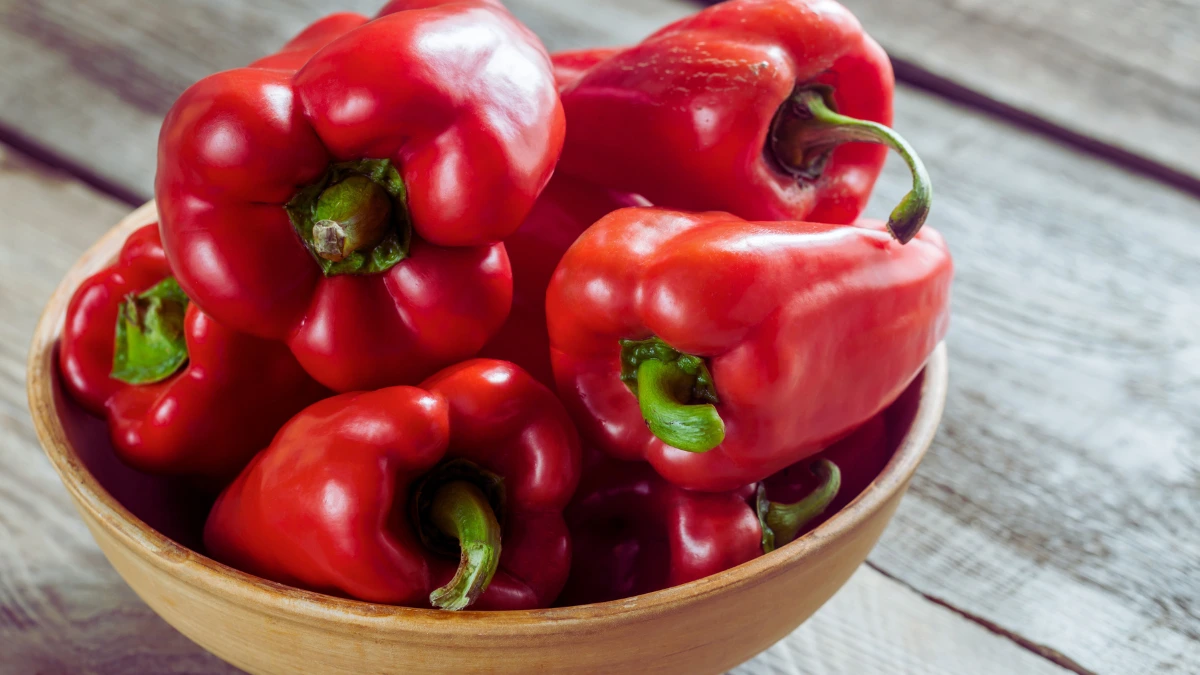
Most people think of oranges when they need vitamin C, but red bell peppers pack nearly triple the amount found in citrus fruits.
These colorful vegetables supply your body with what it needs to maintain a strong immune response, especially as you age past 40.
Adding these to your meals gives you beta-carotene too, which your body converts to vitamin A. This nutrient helps keep your skin and mucous membranes healthy—your first defense against germs trying to enter your system.
The combination of nutrients in red peppers works together to boost your overall immunity. You can eat them raw with hummus, roast them to bring out their natural sweetness or add them to stir-fries.
Their versatility makes them easy to include in your daily meals, giving your immune system constant support.
2. Fermented Foods

Your gut houses about 70% of your immune system, which explains why fermented foods like yogurt, kefir, kimchi, and sauerkraut can significantly boost your body’s defenses.
They contain probiotics—beneficial bacteria that strengthen your gut microbiome. As you age beyond 40, your gut bacteria naturally change, often reducing the beneficial microbes that help fight off harmful pathogens.
Consuming fermented foods regularly helps restore this balance by introducing good bacteria that crowd out the bad ones.
These foods also produce short-chain fatty acids that reduce inflammation throughout your body. Many fermented options fit every taste preference.
You might enjoy tangy yogurt for breakfast, spicy kimchi with lunch, or cool kefir as an afternoon drink. Eating just a small amount each day can significantly reduce your frequency of illness.
3. Garlic
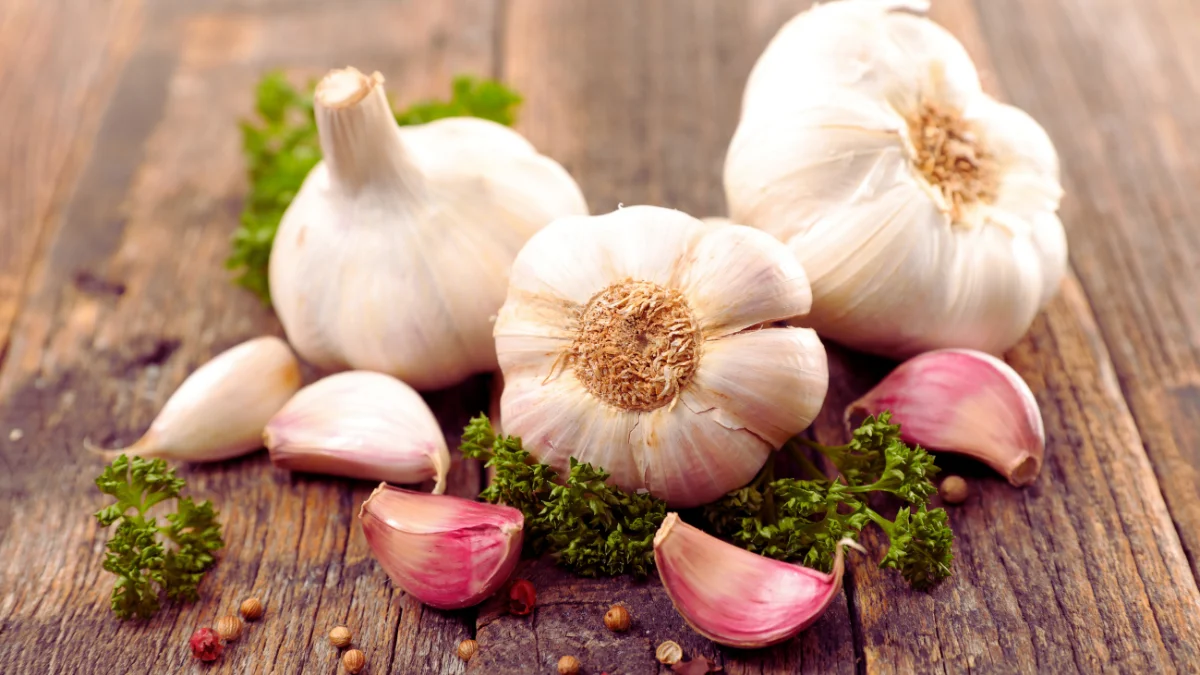
Garlic has earned its reputation as a powerful immune booster thanks to allicin, a compound that forms when fresh cloves are crushed or chopped.
This natural antibiotic fights off infections and helps your body defend against bacteria and viruses, something particularly important after age 40.
The benefits come from raw or lightly cooked garlic, as high heat can destroy some of its medicinal properties. Let crushed garlic sit for about 10 minutes before cooking to allow the allicin to fully develop.
Regular consumption has been shown to reduce the frequency of colds and help you recover faster when you do get sick.
You can add garlic to almost any savory dish. Mince it into salad dressings, stir it into soups near the end of cooking, or mix it with olive oil for a simple bread dip. The strong flavor means a little goes a long way toward better health.
4. Ginger
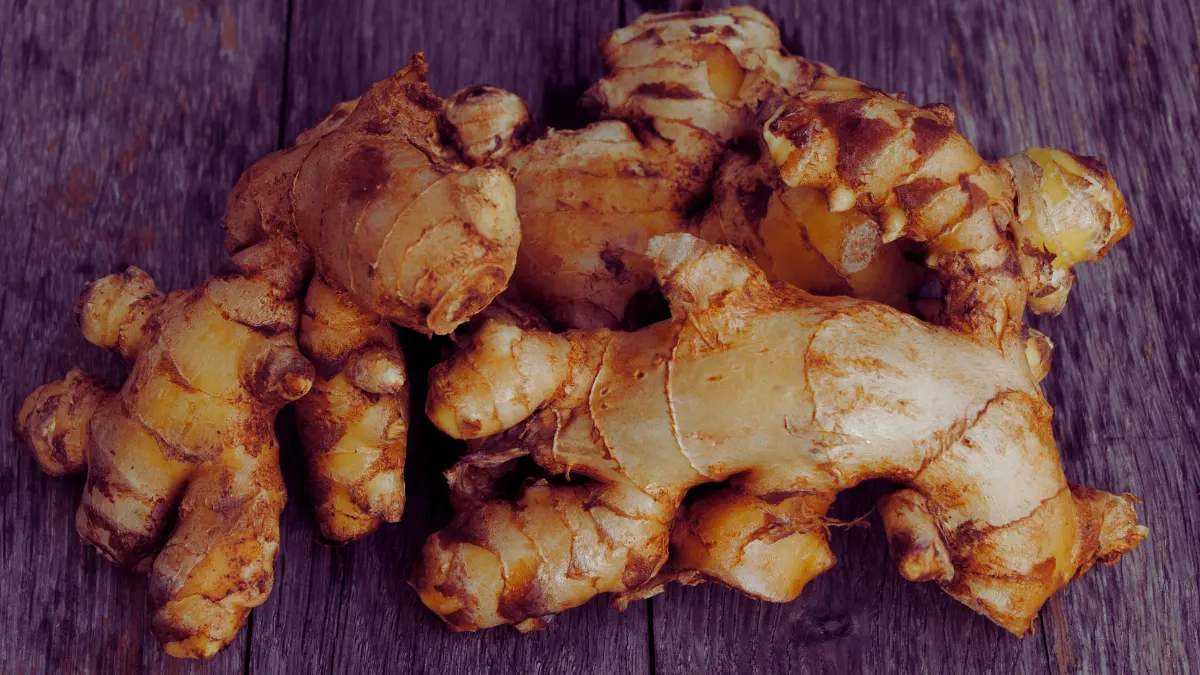
This knobby root contains gingerol, a substance with powerful anti-inflammatory and antioxidant properties that can strengthen your immune response.
Your immune system naturally weakens after 45, making ginger an excellent addition to your diet for fighting off illness.
Ginger helps by reducing inflammation, which otherwise can become chronic with age and weaken immune function.
It also promotes good circulation, helping immune cells move more efficiently through your body to spot and eliminate threats.
Many people notice fewer digestive problems too, which supports overall health. You can steep fresh ginger slices in hot water for tea, grate it into stir-fries, or blend it into smoothies.
Some enjoy candied ginger as a snack that doubles as immune support. Its warming properties make it especially welcome during cold months when immunity needs extra help.
5. Spinach
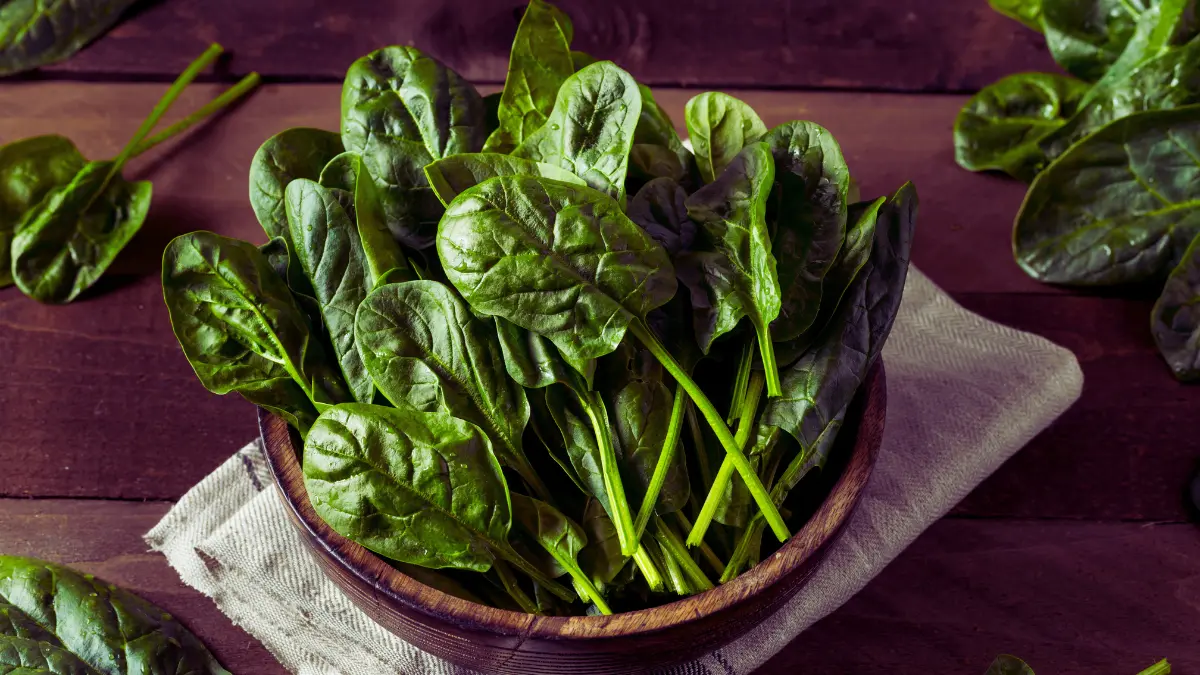
Spinach gives your immune system exactly what it needs with its rich combination of vitamins A and C, plus numerous antioxidants.
Your body uses these nutrients to produce and activate immune cells that fight infection more effectively.
Light-cooking spinach increases your absorption of certain nutrients by breaking down compounds that would otherwise block them.
Steaming or sautéing briefly works best, preserving the vitamin C while making more vitamin A available. The antioxidants in spinach also help reduce the cellular damage that accelerates with age.
Many people find spinach easy to incorporate into meals throughout the day. Add it to morning omelets, blend it into fruit smoothies where the taste disappears, or use it as a base for salads with other immune-boosting foods. Even a small portion several times weekly makes a difference in your health.
6. Green Tea

A warm cup of green tea does far more than just relax you—it actively boosts your immune system through powerful compounds called catechins.
The most notable is epigallocatechin-3-gallate (EGCG), which fights inflammation and supports overall immune function as your body ages.
Research published in “Green tea EGCG, T-cell function, and T-cell-mediated autoimmune encephalomyelitis” found that EGCG can regulate immune responses by inhibiting CD4+ T-cells from expanding too rapidly.
This modulation helps prevent overactive immune responses while still maintaining protection against pathogens.
The study suggests EGCG could have therapeutic applications for autoimmune conditions that become more common.
Try drinking 2-3 cups daily for maximum benefits. Cold brewing preserves more antioxidants than hot water methods.
You can also add lemon to increase the absorption of catechins or enjoy it with honey during the cold season. Many people find switching one daily coffee for green tea makes a noticeable difference in how often they get sick.
7. Almonds
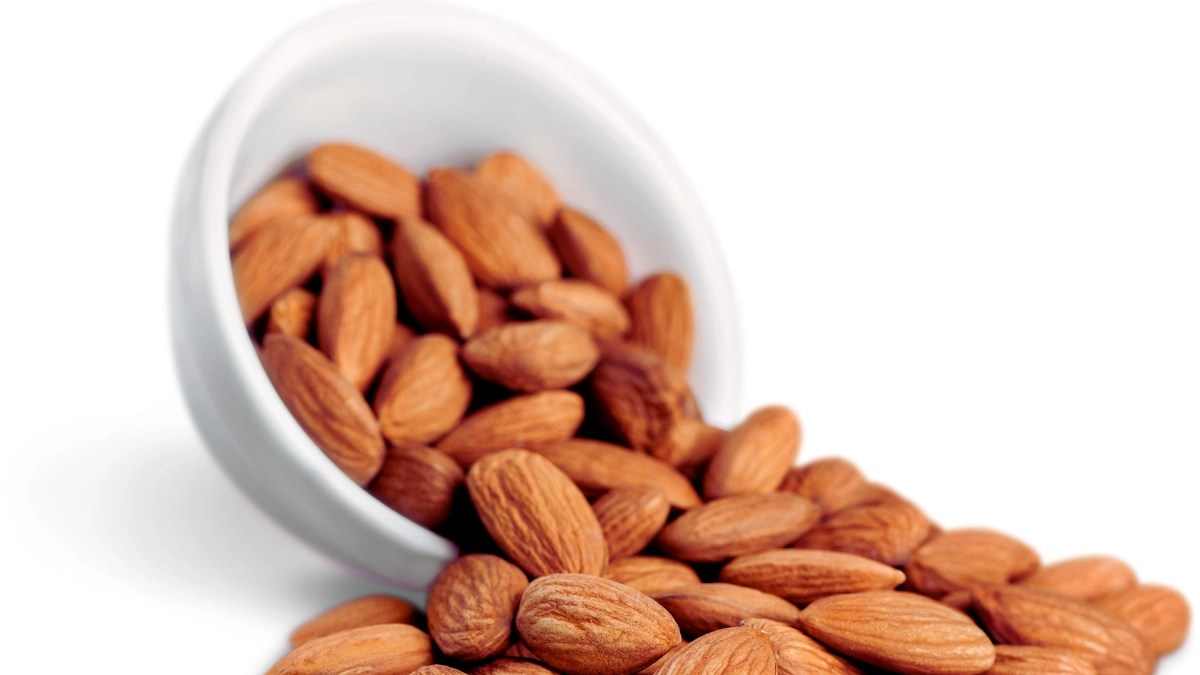
These crunchy nuts pack an impressive amount of vitamin E, a nutrient crucial for immune function that many adults over 45 don’t get enough of.
Just a small handful provides nearly 50% of your daily needs, helping your body create antibodies that fight infection.
Unlike many immune-boosting foods that focus on vitamin C, almonds contribute healthy fats that help absorb this fat-soluble vitamin E.
This makes the nutrient more available to strengthen cell membranes throughout your body, including those of your immune cells. The protein in almonds also supplies the building blocks your body needs to create immune components.
You can enjoy them as a convenient snack, sprinkle slivered almonds on salads, or blend them into smoothies. Soaking them overnight makes nutrients more bioavailable and easier to digest.
Some people even make almond milk at home as an alternative way to get these benefits daily with minimal effort.
8. Turmeric
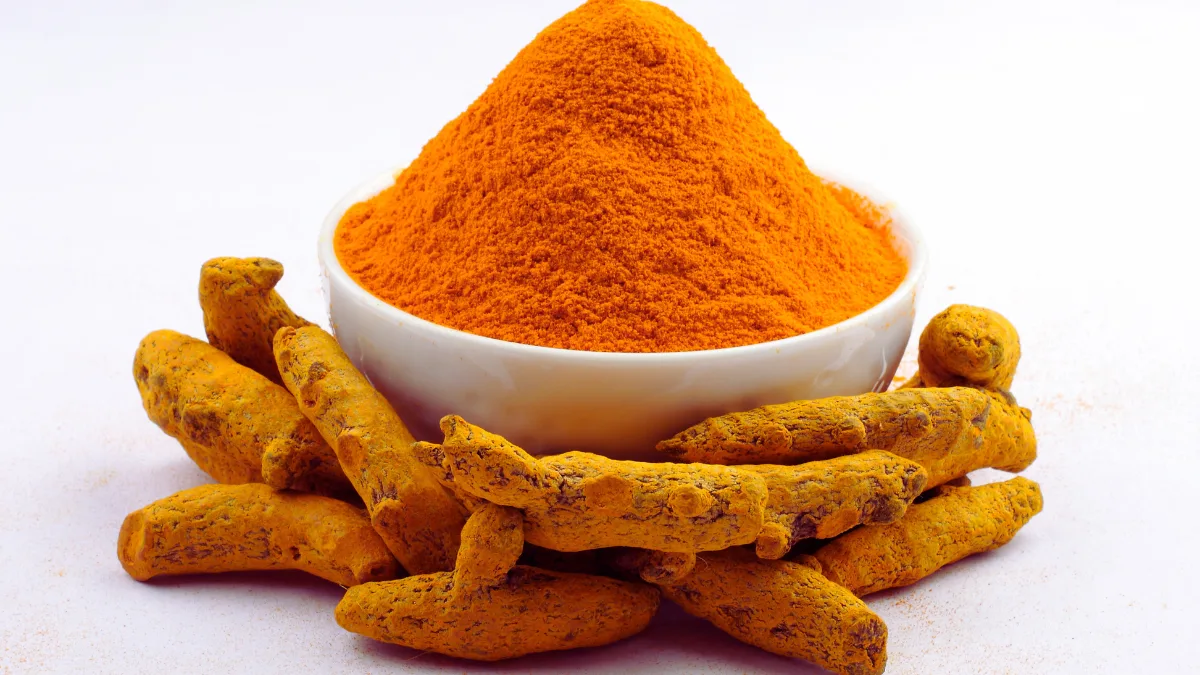
The vibrant yellow spice that gives curry its color contains curcumin, a compound with remarkable anti-inflammatory abilities.
For adults experiencing age-related inflammation, turmeric offers natural immune support without medication side effects.
Curcumin works by blocking NF-kB, a molecule that travels into cell nuclei and triggers genes related to inflammation.
This action helps regulate immune responses that might otherwise become overactive with age. The compound also increases antioxidant enzymes in your body, providing dual protection for immune cells.
The body absorbs curcumin poorly on its own, so pair turmeric with black pepper to enhance absorption by up to 2,000%.
Many people add it to scrambled eggs, mix it into smoothies, or stir it into warm milk with honey for a soothing bedtime drink. Even small daily amounts build up protective effects over time.
9. Sunflower Seeds
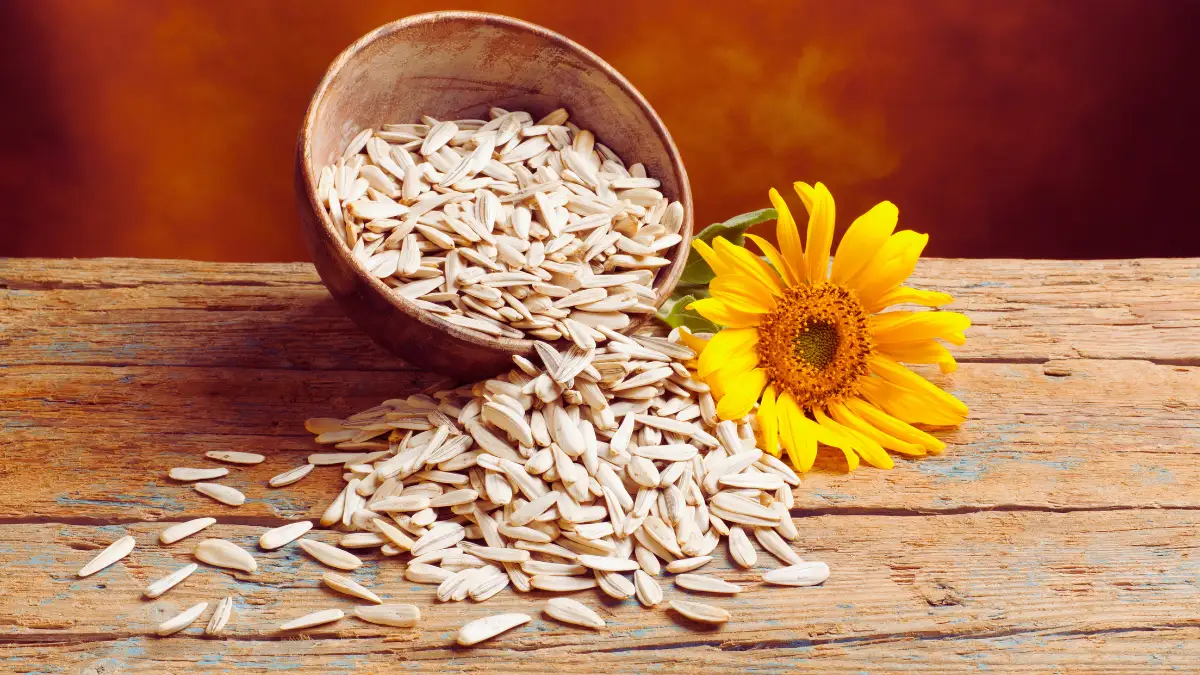
These small seeds offer a powerful combination of selenium and vitamin E that works together to strengthen immune responses.
Selenium helps lower oxidative stress in your body, reducing inflammation and enhancing immunity as you age.
The vitamin E in sunflower seeds acts as an antioxidant, protecting the membranes of immune cells from damage.
This protection becomes increasingly important after 45 when cellular repair mechanisms naturally slow down. Just a quarter cup provides nearly all the vitamin E you need daily plus beneficial phytochemicals that support overall health.
Sprinkle them on salads, blend them into homemade energy bars, or simply keep a small container in your bag for snacking. Roasting brings out their flavor, though raw seeds preserve more nutrients.
Many people find alternating between various seeds provides a wider spectrum of immune-supporting compounds.
10. Kiwi
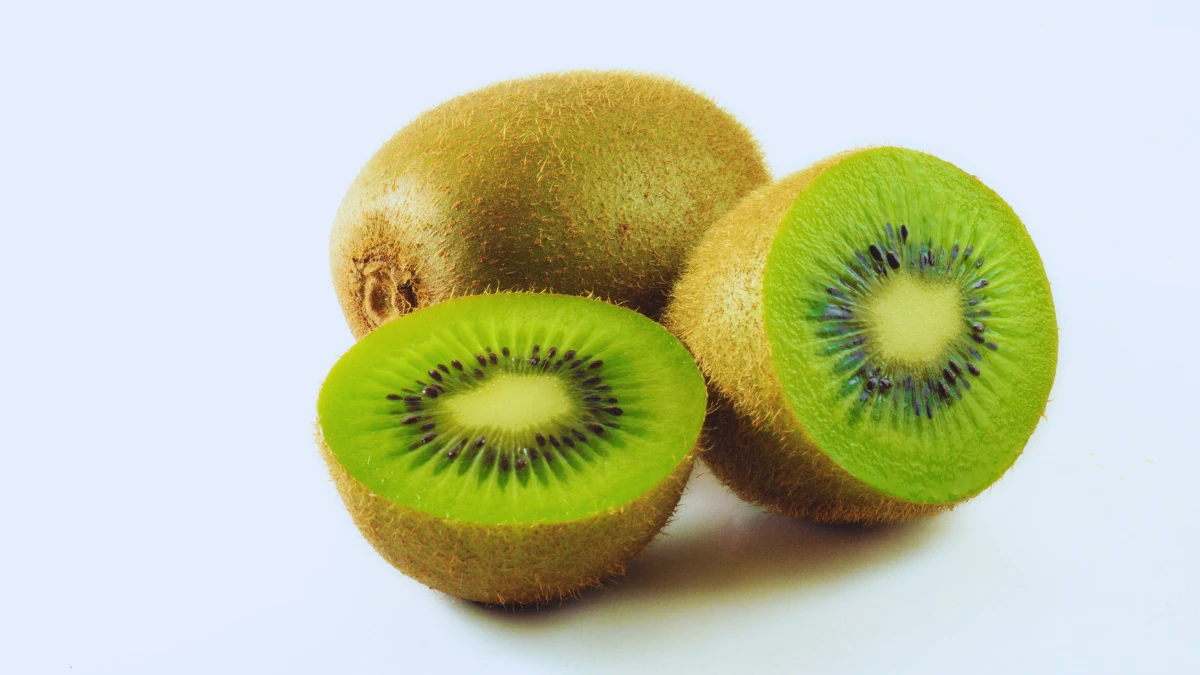
This fuzzy fruit packs more vitamin C than oranges in a smaller package, making it an efficient immune booster.
Your body cannot store this essential vitamin, so regular consumption becomes increasingly important after 50 when absorption naturally decreases.
Kiwis also provide folate, potassium, and vitamin K alongside numerous antioxidants that work synergistically to support immune function.
The fiber in kiwi feeds beneficial gut bacteria, strengthening the gut-immune connection that often weakens with age. People who eat kiwi regularly report fewer respiratory symptoms and shorter illness duration.
You can slice kiwi into morning yogurt, add it to fruit salads, or eat it on its own as a quick snack. The entire fruit, including the skin, is edible and nutritious if thoroughly washed.
Some people freeze kiwi chunks for smoothies or as refreshing treats during hot weather when immunity often needs extra support.
11. Elderberry
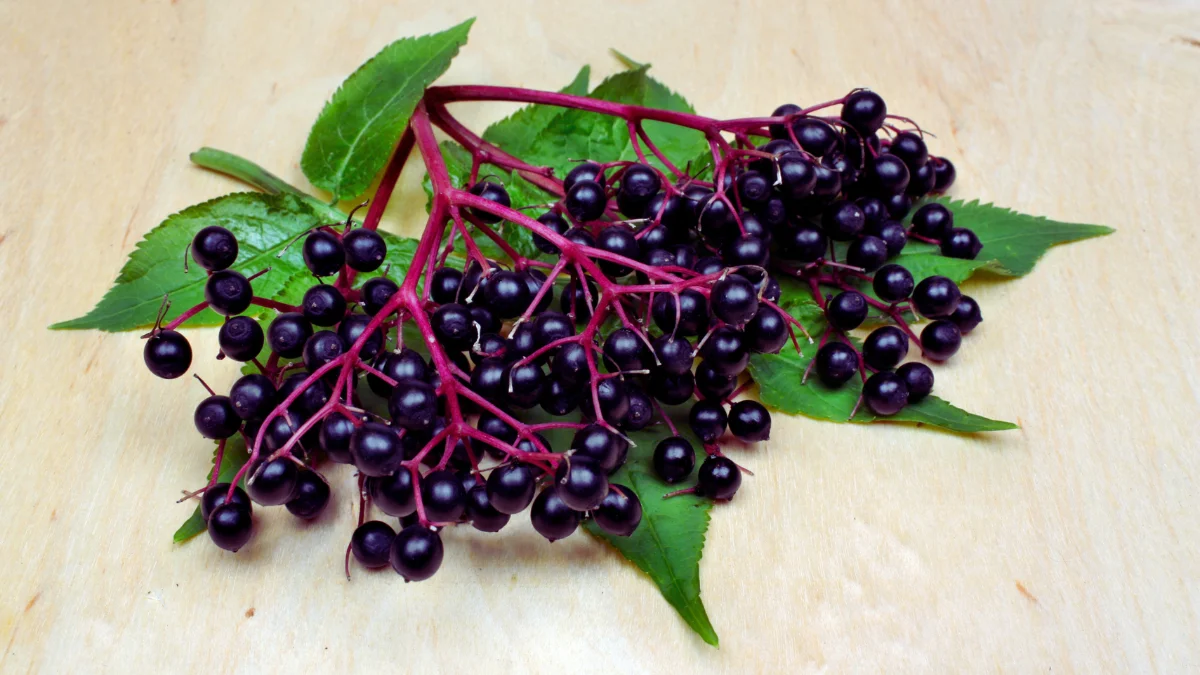
Ancient healers knew what modern science now confirms: elderberries significantly boost immune function through their unique flavonoid compounds.
These dark purple berries contain anthocyanins that have antiviral properties particularly beneficial for adults.
A comprehensive review titled “Elderberry for Prevention and Treatment of Viral Respiratory Illnesses” examined numerous clinical studies on elderberry supplementation.
The research found that elderberry extract can block virus entry into cells and inhibit viral replication without overstimulating the immune system.
This balanced approach makes it especially suitable for older adults whose immune systems may already be prone to inflammation.
Look for standardized elderberry syrup or capsules during cold and flu season. Some people take it preventatively when exposure risk is high, while others use it at the first sign of illness.
The research suggests starting elderberry early in an illness provides better results than waiting until symptoms are severe.