
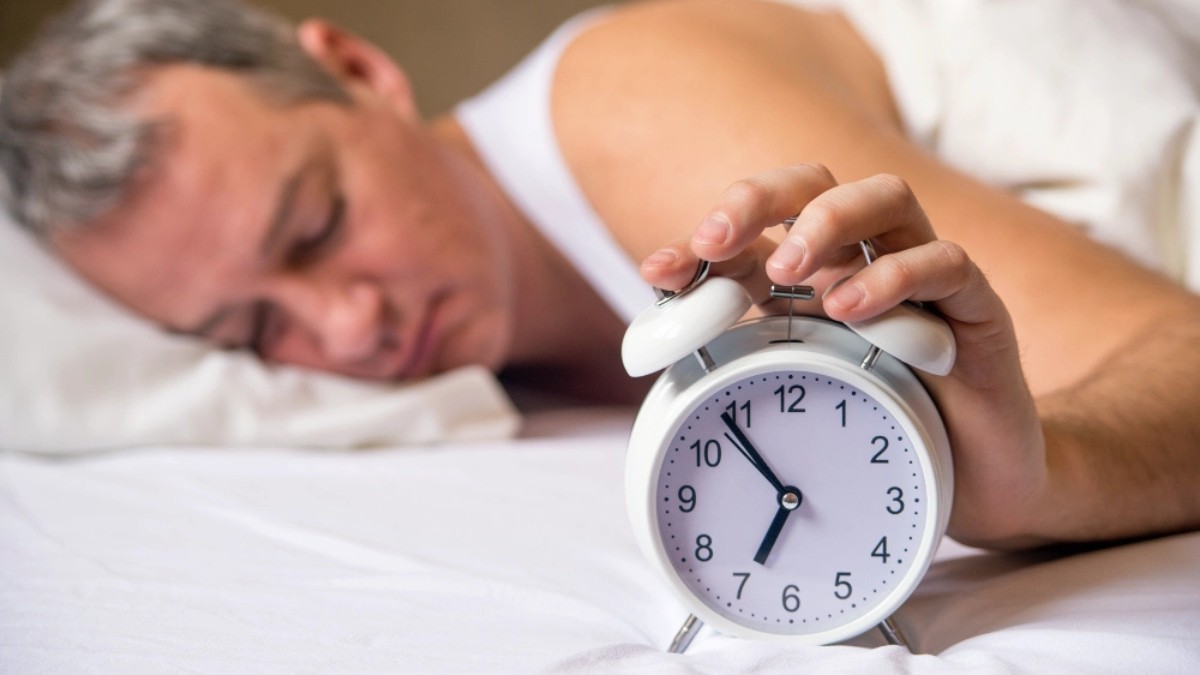
Can’t sleep? You’re not alone. Millions toss and turn nightly, blaming stress on their mattress. But what if the real culprits are hiding in your kitchen?
Those innocent-looking snacks and drinks silently sabotage your sleep cycle. Your body’s natural rhythm gets thrown off by common foods you’d never suspect.
Sleep scientists have identified 11 sneaky pantry items that wreck your circadian rhythm. These everyday culprits disrupt your body’s sleep-wake signals, leaving you exhausted despite spending hours in bed.
Once you know what they are, you can make simple swaps to restore your natural sleep patterns.
1. Caffeinated Beverages

Your afternoon coffee might be sabotaging your sleep without you realizing it. Coffee, tea, and sodas contain caffeine that blocks adenosine receptors in your brain.
Adenosine naturally builds up throughout the day to make you sleepy, but caffeine prevents this process. What makes these drinks particularly sneaky is their long-lasting effect.
Caffeine has a half-life of 5-6 hours, meaning that the cup you enjoyed at 3 PM still affects you at bedtime. Even small amounts found in decaf coffee can impact sensitive sleepers.
Try avoiding these beverages at least 6 hours before bed. Replace your afternoon pick-me-ups with herbal teas like chamomile or plain water. Your body will thank you when you fall asleep faster and enjoy deeper rest throughout the night.
2. Dark Chocolate
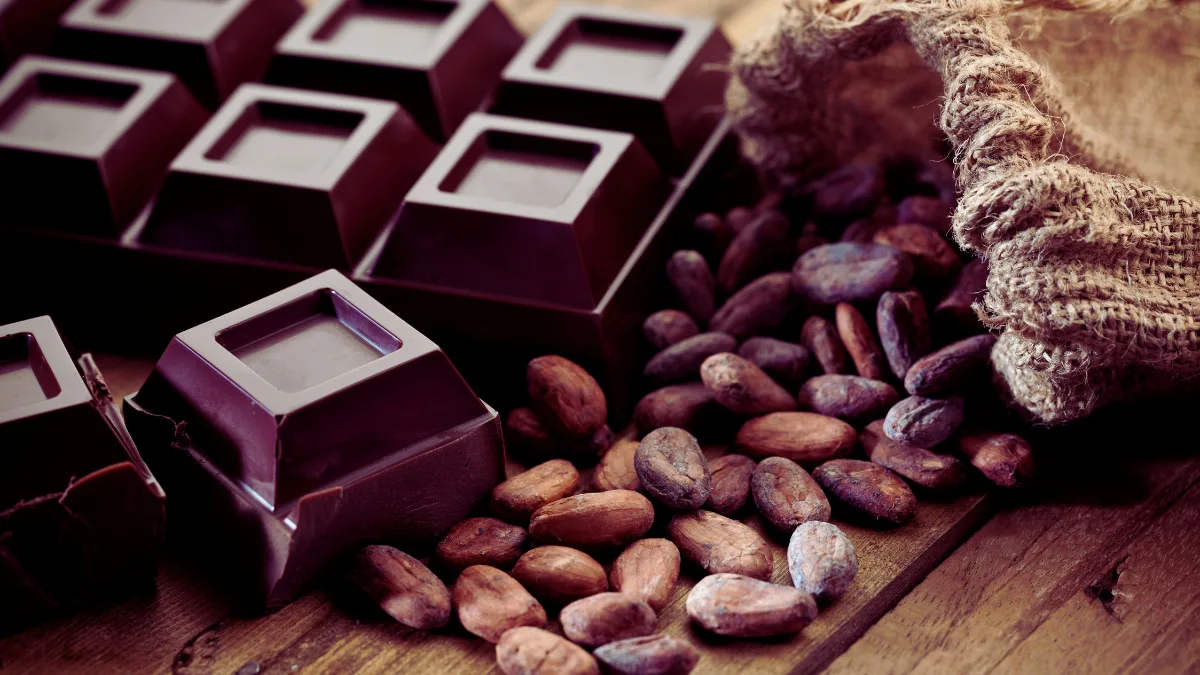
That late-night chocolate craving might cost you valuable sleep. Dark chocolate contains both caffeine and theobromine, a mild stimulant that increases heart rate and makes relaxation harder to achieve.
Most people don’t realize their healthy treatment choice works against their sleep quality. A single ounce of dark chocolate contains between 12-25mg of caffeine, enough to disrupt sleep in sensitive individuals.
The darker the chocolate, the higher the stimulant content, with some premium varieties containing significant amounts.
Switch to white or milk chocolate in the evening if you must satisfy your sweet tooth, as they contain lower levels of stimulants.
Better yet, try a small banana with almond butter for a sleep-friendly alternative that won’t keep you counting sheep all night.
3. Alcohol

Many people reach for a nightcap thinking alcohol helps them sleep, but this common belief is misleading. While alcohol initially makes falling asleep easier due to its sedative effects, what happens next ruins your night.
As your body metabolizes alcohol, sleep becomes fragmented and restless. Alcohol significantly reduces REM sleep, the phase critical for memory consolidation and cognitive function.
You might stay asleep, but the quality suffers dramatically. Dehydration from alcohol also increases middle-of-the-night wakings for bathroom trips.
Limit your intake and avoid drinking within three hours of bedtime. If you choose to have a drink in the evening, balance it with plenty of water and stop well before heading to bed. Your morning self will appreciate the better sleep quality.
4. Sugary Snacks and Desserts

That bowl of ice cream or cookies before bed seems harmless but wreaks havoc on your sleep cycle. Sugary foods cause rapid blood glucose spikes followed by crashes that can wake you in the middle of the night.
Your body responds to these crashes by releasing cortisol, a stress hormone that keeps you alert when you should be sleeping deeply.
Evening sugar consumption also increases inflammation and can trigger feelings of hunger later in the night. Many people find themselves in a cycle of nighttime eating that perpetuates poor sleep quality.
Consider pairing any carbohydrates with protein or fiber to stabilize blood sugar if you need a bedtime snack. An apple with a small spoonful of almond butter or a small bowl of plain Greek yogurt with berries provides satisfaction without the sleep-disrupting spike and crash.
5. High-Fat Foods

Late-night pizza, burgers, or fried foods slow digestion and keep your body working when it should be resting. Your digestive system keeps churning for hours after consuming high-fat meals, delaying the natural production of melatonin that signals your body it’s time to sleep.
These heavy foods often trigger acid reflux when you lie down, creating discomfort that makes falling asleep nearly impossible.
The heartburn can wake you repeatedly throughout the night, fragmenting sleep cycles and reducing overall sleep quality. Focus on lighter dinners featuring lean proteins and vegetables.
If you must eat later in the evening, choose foods that digest easily like a small portion of turkey breast with steamed vegetables or a light soup. Allow at least three hours between your last bite and bedtime for optimal sleep.
6. Spicy Foods

Hot sauce enthusiasts might want to rethink their dinner choices. Capsaicin in chili peppers boosts metabolism and raises body temperature, directly opposing the natural cooling process your body needs for sleep. This temperature interference becomes a major obstacle to falling asleep.
A 2022 study in the International Journal of Psychophysiology found consuming spicy meals 3 hours before bed increased wakefulness and reduced slow-wave sleep in participants.
The research showed elevated core body temperature from capsaicin disrupted circadian thermoregulation. Many people also experience uncomfortable heartburn when lying down after spicy meals.
Enjoy your spicy dishes earlier in the day, leaving at least 3 hours before bedtime. Evening meals work better with milder seasonings like herbs or small amounts of black pepper.
Your sleep cycles can normalize when your body properly cools down and transitions into restorative sleep phases without the capsaicin interference.
7. Processed Carbohydrates

White bread, pastries, and other refined carbs seem harmless but act as surprising sleep saboteurs. These foods digest rapidly, causing quick blood sugar spikes followed by crashes that can jolt you awake throughout the night.
Your pancreas pumps out insulin in response, creating a roller coaster effect. Your body counters these blood sugar crashes by releasing stress hormones like cortisol.
This stress response kicks in exactly when you should be experiencing your deepest sleep phases. The result often manifests as fragmented, shallow sleep that leaves you exhausted despite spending adequate time in bed.
Switch to whole-grain options that release glucose more gradually into your bloodstream. A small portion of steel-cut oats or quinoa with dinner provides steady energy without dramatic peaks and valleys.
Stable blood sugar throughout the night helps maintain uninterrupted sleep architecture and proper sleep stage progression.
8. Aged Cheeses

That fancy cheese board might explain your tossing and turning. Aged varieties like cheddar, parmesan, and blue cheese contain high levels of tyramine, a compound that stimulates brain activity at precisely the wrong time.
Few people connect their cheese choice with sleep troubles. Tyramine triggers norepinephrine release, a brain stimulant that increases alertness and heart rate.
This subtle but powerful effect delays sleep onset and reduces overall sleep quality. The more aged the cheese, the higher the tyramine content, with some varieties containing substantial amounts.
Fresh cheeses like mozzarella, ricotta, or cream cheese make better evening choices since they contain minimal tyramine.
A small serving of cottage cheese with fruit can support sleep by providing slow-digesting protein and sleep-friendly carbohydrates without the stimulating effects of aged varieties.
9. Energy Drinks

Those colorful cans promising vitality deliver a potent mix of compounds that wreck sleep for hours. Beyond obvious caffeine, energy drinks often contain guarana (another caffeine-like stimulant), excessive sugar, and various herbal boosters with extended stimulant effects.
The combined impact of these ingredients typically lasts much longer than regular coffee. Some people remain sensitive to a single energy drink up to 12 hours after consumption.
The inevitable sugar crash triggers stress hormone release, creating additional disruptions to sleep architecture and preventing proper sleep cycle progression.
Eliminate these drinks after noon. Water remains your best hydration option, especially approaching bedtime.
A short walk, some stretching, or a few minutes of fresh air provides a better afternoon boost without chemical interference. Your sleep quality will improve dramatically once these powerful stimulants leave your routine.
10. Salty Snacks
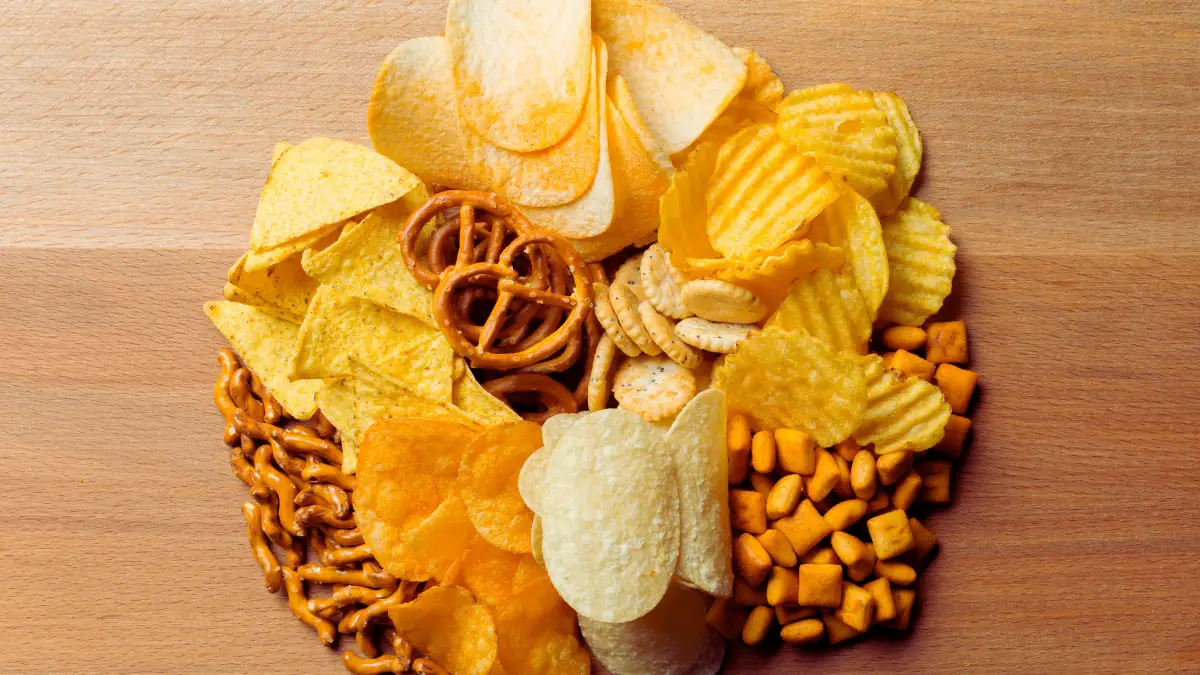
Chips and pretzels can sabotage sleep through surprising mechanisms. High sodium foods cause water retention and disrupt your body’s carefully balanced hydration levels, often resulting in midnight thirst and bathroom trips that fragment sleep cycles and prevent deep sleep phases.
Salt temporarily elevates blood pressure, making relaxation more difficult during the crucial wind-down period before sleep.
The combination of physical discomfort from dehydration and physiological arousal from increased blood pressure creates a poor foundation for quality sleep maintenance throughout the night.
Unsalted nuts, plain popcorn, or fresh vegetables satisfy crunchy cravings without the sleep-disrupting effects. Monitor your overall sodium intake throughout the day, particularly with dinner.
Regular hydration throughout daytime hours, rather than large amounts before bed, helps maintain the balance your body needs for uninterrupted sleep progression.
11. Hidden Caffeine Sources
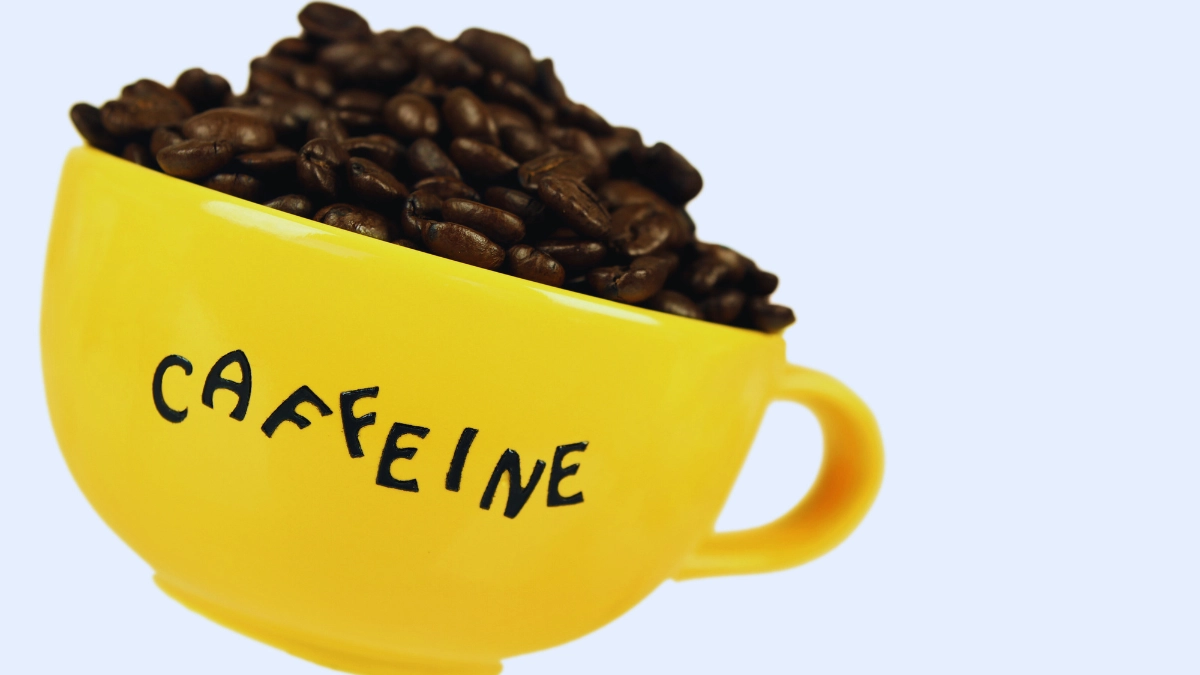
Caffeine lurks in unexpected places beyond your morning coffee. Many over-the-counter medications, including pain relievers and cold medicines, contain significant amounts that affect sleep quality.
Even foods like chocolate-flavored cereals and ice cream pack enough caffeine to disrupt sensitive sleepers.
A Clinical Sleep Medicine research found that low-dose caffeine (15–30 mg) consumed 6 hours before bedtime significantly reduced sleep efficiency and total sleep time in adults, even when they didn’t consciously feel alert.
The study identified decaf coffee (2–15 mg caffeine per cup) as a common culprit often overlooked by poor sleepers.
Review medication labels carefully, especially for nighttime doses. Be cautious with products marketed for “energy” or “focus,” as these terms frequently signal hidden caffeine.
Herbal supplements containing kola nut, guarana, or yerba mate can disrupt sleep through their stimulant properties that mimic caffeine’s effects on your brain and nervous system.