
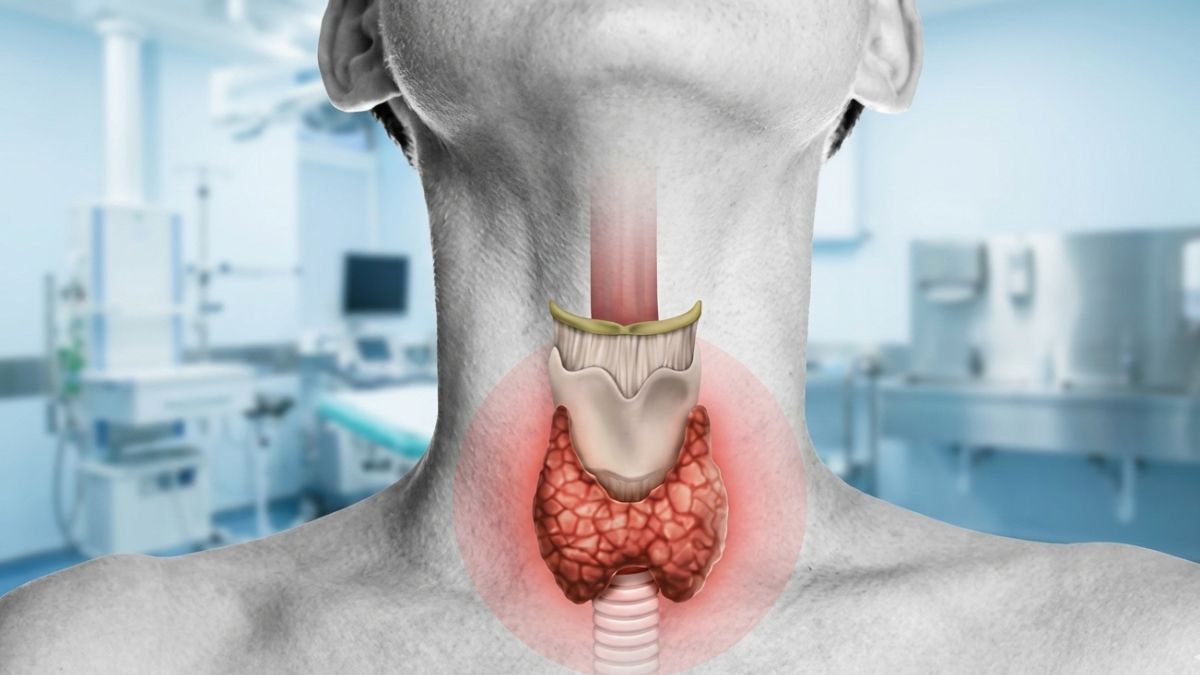
Are you on thyroid medication but still feel exhausted? Still struggling with brain fog, stubborn weight, or hair falling out? Sound familiar?
You’ve probably done the basics. You know iodine is crucial. You’ve heard about selenium and maybe even added a few Brazil nuts to your diet. But your symptoms persist.
Your thyroid doesn’t work in a vacuum.
You could say your thyroid medication (like levothyroxine) is the gas for your car, but what if you’re missing the spark plugs, the oil, and the engine coolant? The car won’t run right.
These 11 surprising nutrients are those essential cofactors. They are the workers needed for your thyroid to manufacture hormones, convert them into their active form, and get them into your cells.
1. Iron: The Overlooked Partner for Thyroid Enzymes

When you think iron, you think anemia. But iron’s role in thyroid health is much more direct.
Here’s what I mean: The enzyme that actually builds your thyroid hormone, thyroid peroxidase (TPO), is iron-dependent. No iron, no TPO function. Period.
Iron is also required to convert the inactive T4 hormone (storage form) into the active T3 hormone (energy form).
This is a huge deal. Research has shown that up to 60% of people with hypothyroidism are also anemic.
What’s worse is that iron deficiency, even without full-blown anemia, can cause hypothyroid symptoms like fatigue and hair loss.
The Action Plan:
- Don’t just take an iron pill; it can interfere with your thyroid medication.
- Test, Don’t Guess: Ask your doctor for a full iron panel, especially serum ferritin (your iron storage). Optimal ferritin for thyroid function is often cited by experts as being over 70 ng/mL.
- Food First: Get heme iron from red meat, poultry, and fish.
- Smart Supplementing: If you need to supplement, take it at least 3-4 hours apart from your thyroid medication. Always take it with Vitamin C to boost absorption.
2. Magnesium: The “Relaxation” Mineral for T4 Conversion
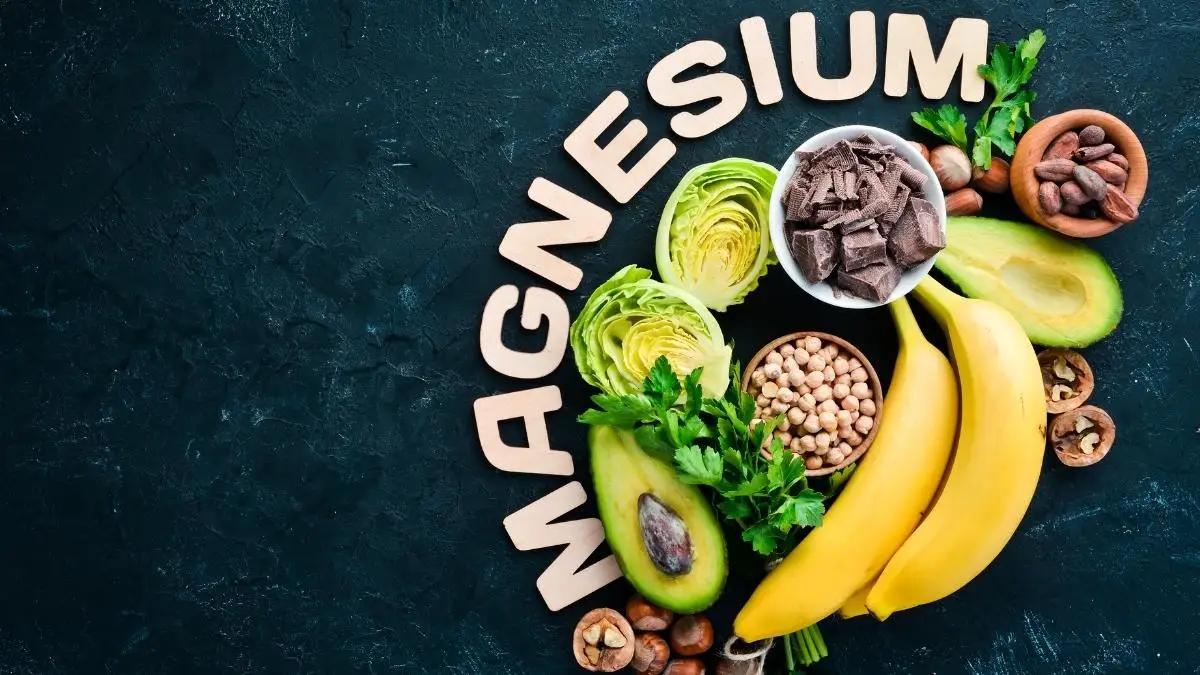
Magnesium is the master “relaxation” mineral, involved in over 300 enzyme reactions. One of its most overlooked jobs? Thyroid hormone conversion.
Like iron, magnesium is a key cofactor for the enzyme that turns T4 into active T3.
A deficiency—which is incredibly common—can slow this conversion down, leaving you with plenty of T4 but not enough active T3 to feel good.
Research from Paloma Health, a clinic specializing in hypothyroidism, highlights that magnesium deficiency is frequently seen in people with Hashimoto’s and is linked to higher thyroid antibody levels.
The Action Plan:
- Food First: Think dark leafy greens (spinach, Swiss chard), pumpkin seeds, almonds, and avocados.
- Supplement Wisely: A highly absorbable form like magnesium glycinate or malate is often recommended before bed.
- Quick Fix: Try an Epsom salt (magnesium sulfate) bath. It’s a great way to boost levels and reduce stress.
3. Vitamin B12: The Energy Nutrient You Can’t Absorb
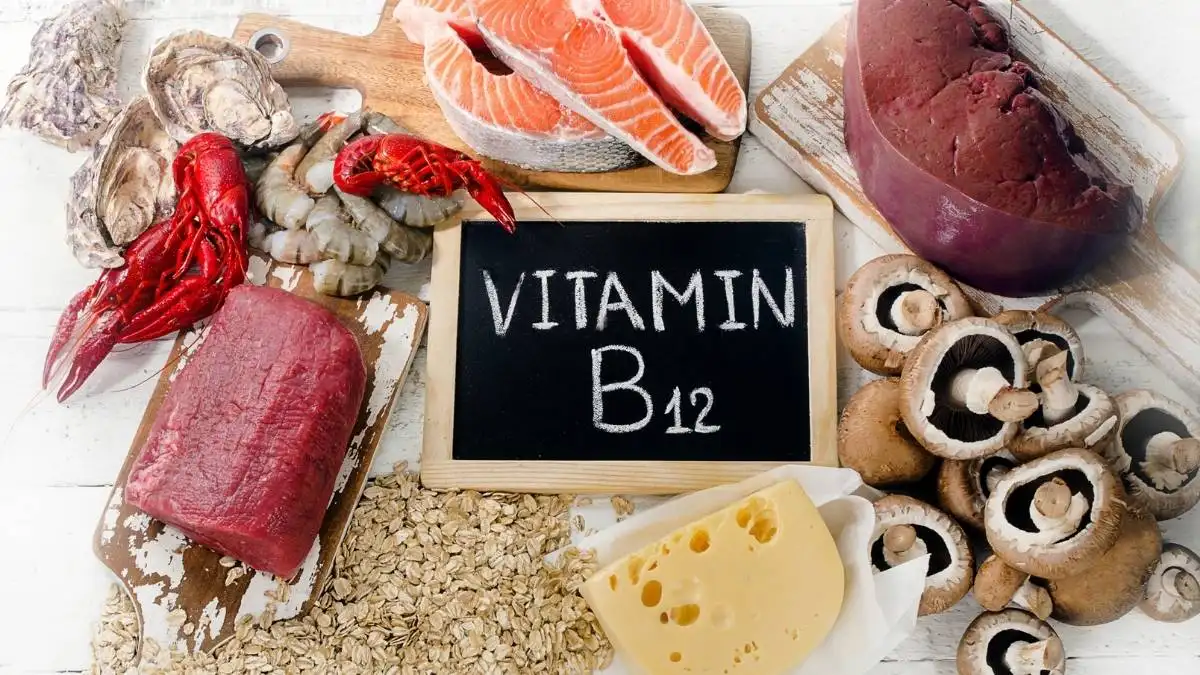
This is one of the most common deficiencies found in people with Hashimoto’s. The reason is surprising.
It’s not just about diet. Many people with Hashimoto’s also develop a related autoimmune condition called atrophic gastritis, which attacks the stomach lining.
This damage destroys “intrinsic factor,” a protein you need to absorb B12 from your food.
The symptoms of B12 deficiency—crippling fatigue, brain fog, memory problems, numbness, and depression—are almost identical to the symptoms of hypothyroidism.
You may be blaming your thyroid for symptoms that are actually from a B12 deficiency.
The Action Plan:
- Get Tested: Ask for a B12 test. Experts suggest an optimal level is well over 500 pg/mL.
- Supplement: If you are deficient, especially if you have Hashimoto’s, you may not be able to absorb oral B12. You might need a sublingual (under the tongue) liquid or even B12 injections to bypass your digestive system.
4. L-Tyrosine: The Actual “Building Block” of Thyroid Hormones
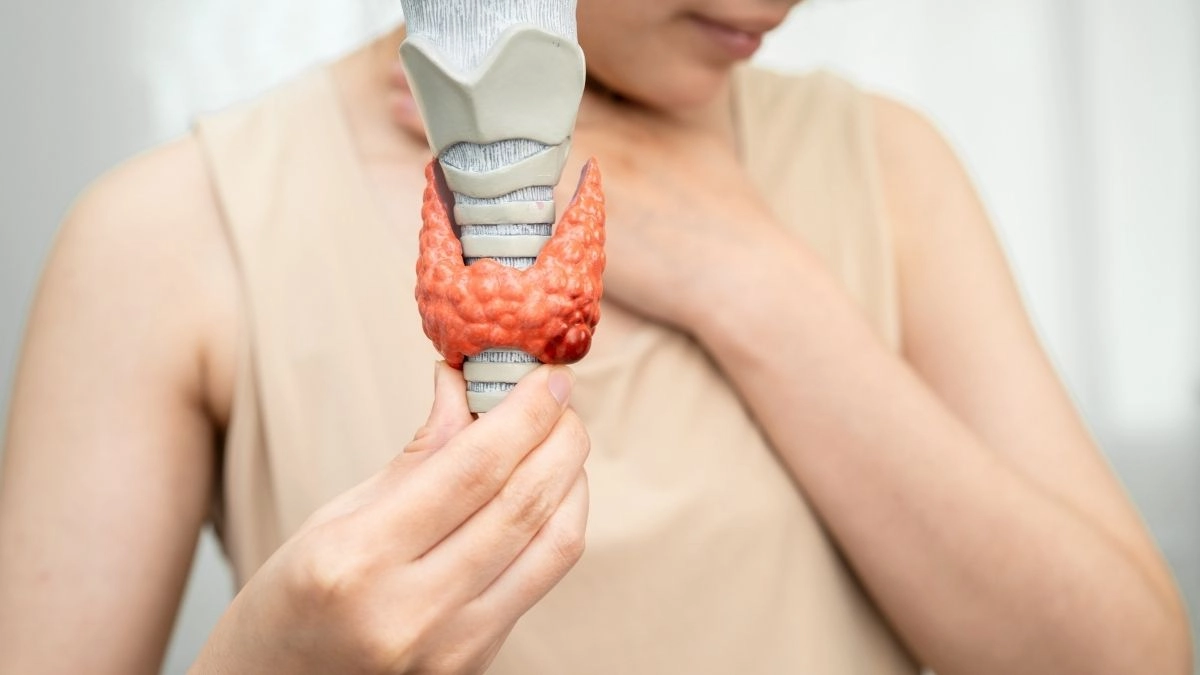
This one is a true “aha!” moment. Ever wonder what the “T” in T4 and T3 stands for? It stands for Tyrosine.
Tyrosine is an amino acid. Your thyroid gland takes tyrosine, combines it with iodine, and creates thyroglobulin, which is the precursor to all your thyroid hormones.
If you don’t have enough of this fundamental building block, your thyroid simply cannot manufacture its hormones, no matter how much iodine it has.
While outright deficiency is rare, low levels can occur during times of high stress, as your body also uses tyrosine to make stress hormones like adrenaline.
The Action Plan:
- Food First: Ensure you’re eating enough high-quality protein. Tyrosine is abundant in chicken, turkey, fish, tofu, beans, and dairy products.
- Supplement Caution: Tyrosine supplements are available, but talk to your doctor. Because it impacts stress hormones, it’s not for everyone.
5. Vitamin A (Retinol): The Hormone Receptor Activator
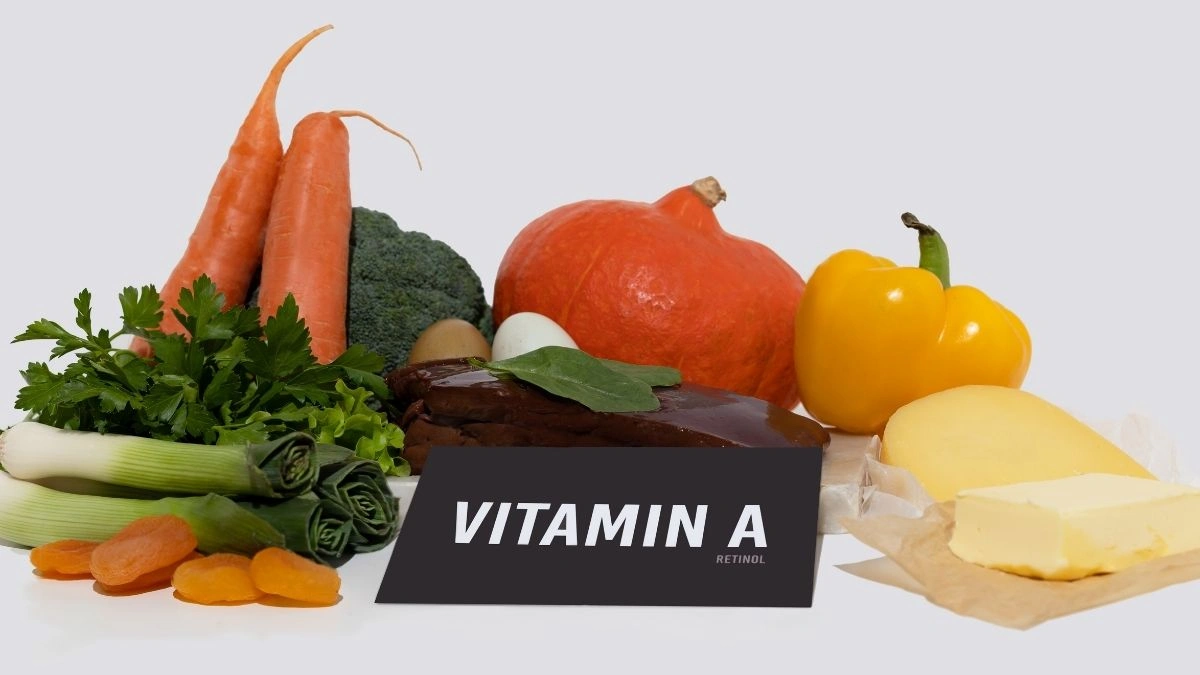
You might think of Vitamin A for eyesight. But for your thyroid, it’s all about receptors.
Here’s how it works: Active T3 hormone has to dock with a receptor inside your cell to deliver its message (e.g., “boost metabolism!”). Vitamin A is essential for making these receptors sensitive.
You can have perfect T3 levels, but if your cell receptors are “deaf,” nothing happens.
Research published in the Journal of the American College of Nutrition showed that Vitamin A supplementation could help improve TSH levels and thyroid function.
The Action Plan:
- Get the Right Kind: You need active Vitamin A (retinol), found in animal products like beef liver, cod liver oil, eggs, and dairy.
- Beta-Carotene: Your body can convert beta-carotene (from carrots, sweet potatoes) into Vitamin A, but this conversion can be very inefficient, especially in people with thyroid issues.
6. Vitamin E: The Gland’s Antioxidant Protector
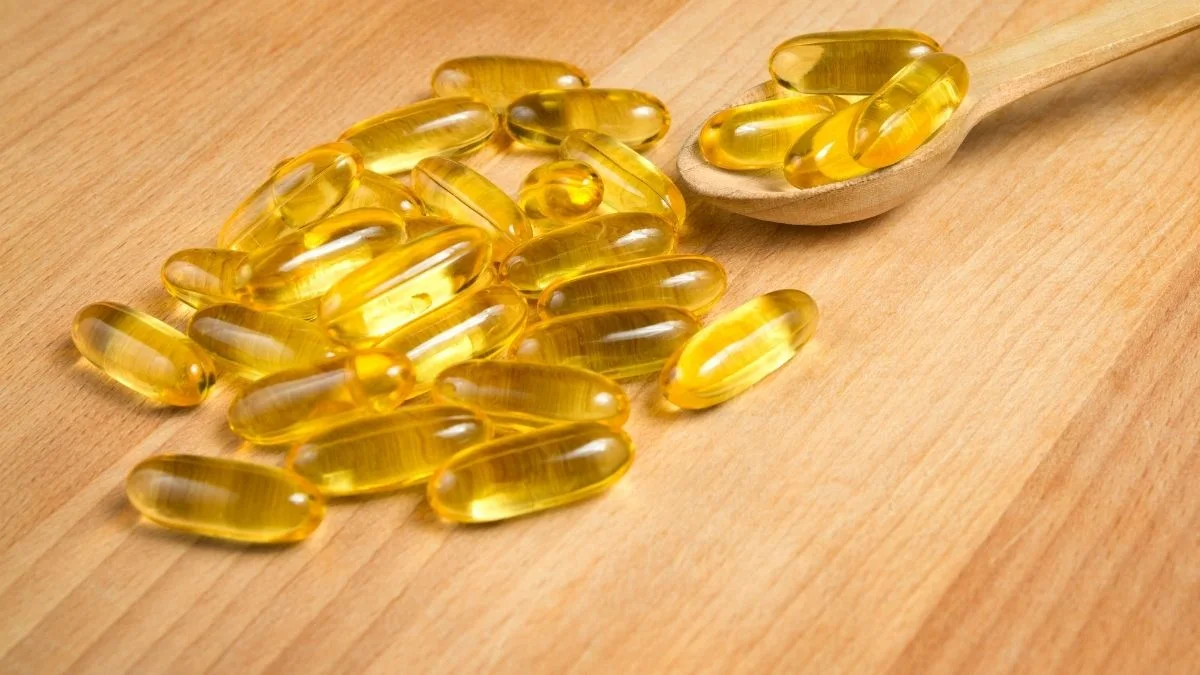
Your thyroid gland is a hotbed of oxidative stress. The process of making thyroid hormone creates hydrogen peroxide, a powerful free radical.
This is where Vitamin E comes in. It’s a potent, fat-soluble antioxidant that embeds itself in your thyroid’s cell membranes, protecting them from this oxidative damage. It works as a team with selenium.
For people with Hashimoto’s, this is critical. It helps protect the gland from the inflammatory damage caused by the autoimmune attack.
The Action Plan:
- Food First: Get Vitamin E from sunflower seeds, almonds, hazelnuts, and avocado.
- Supplement Form: If you supplement, look for a “mixed tocopherols” form, not just alpha-tocopherol, to get the full spectrum of benefits.
7. Omega-3s: The Anti-Inflammatory for Autoimmune Fire
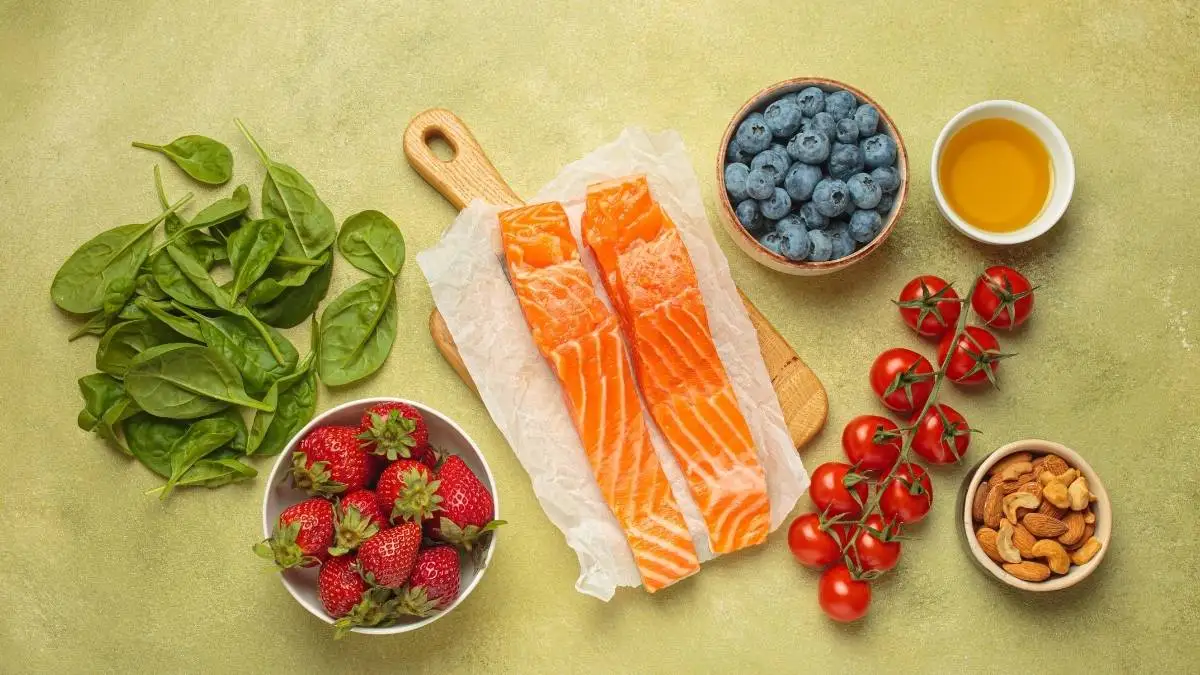
This isn’t a vitamin or a mineral, but it’s absolutely essential. Most thyroid problems in the modern world (like Hashimoto’s and Graves’ disease) are autoimmune. This means your core problem is inflammation.
Omega-3 fatty acids (EPA and DHA) are the body’s most powerful natural anti-inflammatories. They help “cool down” the autoimmune attack on your thyroid.
They also play a structural role, helping to keep your cell membranes fluid and responsive so thyroid hormones can get in and do their job.
The Action Plan:
- Food First: Eat fatty fish (salmon, mackerel, anchovies, sardines) 2-3 times a week.
- Supplement: A high-quality fish oil or algae-based (vegan) Omega-3 supplement is one of the safest and most beneficial things most people with thyroid issues can take. Look for one high in EPA, which is particularly anti-inflammatory.
8. Vitamin B6: The Mood and Hormone Balancer
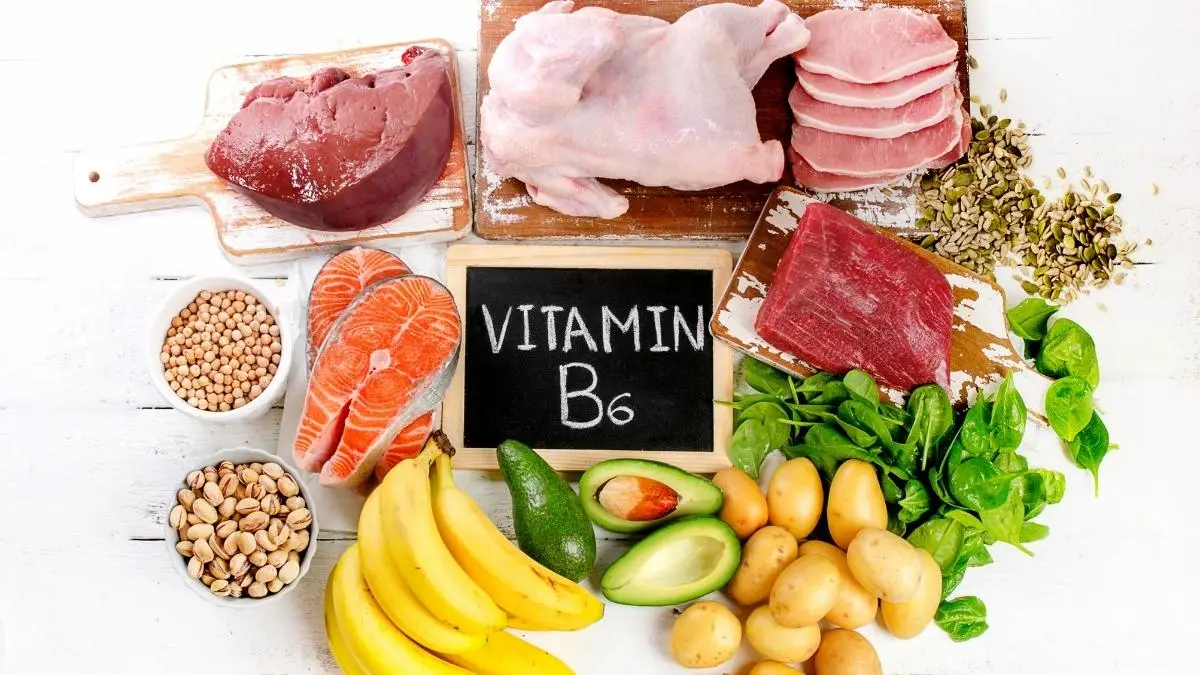
If you have thyroid issues and also suffer from PMS, low moods, or irritability, listen up.
Vitamin B6 (pyridoxine) is a workhorse. It’s needed to make serotonin (your “happy” neurotransmitter), which is often low in people with hypothyroidism.
It also plays a direct role in thyroid function. B6 is needed by the liver to process hormones effectively and is involved in the production of thyroid-stimulating hormone (TSH) itself.
It’s a key supporting nutrient for both your brain and your thyroid.
The Action Plan:
- Food First: Found in chickpeas, bananas, potatoes, and chicken breast.
- Supplement Form: Look for the active “P-5-P” (pyridoxal-5-phosphate) form in a B-complex vitamin, as some people can’t convert the standard form.
9. Folate (Vitamin B9): The Cellular Energy Cofactor
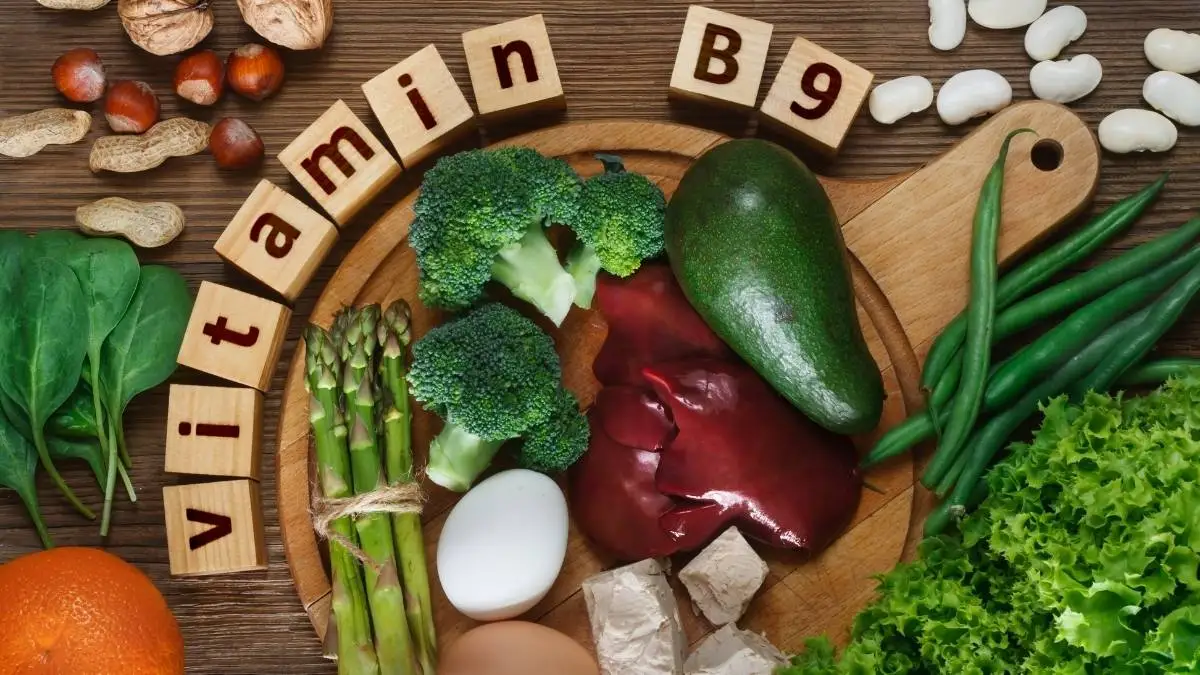
Folate works hand-in-hand with Vitamin B12. Together, they are essential for a process called methylation, which is critical for creating energy, processing hormones, and detoxifying.
When you’re low in folate and B12 (a common pair of deficiencies), symptoms like fatigue and sluggishness get much worse.
Research in 2024 continues to link low folate and B12 levels to higher TSH and an increased risk of hypothyroidism.
The Action Plan:
- Food First: Get folate from leafy greens (spinach, kale), lentils, and asparagus.
- Folic Acid vs. Folate: Avoid “folic acid” in fortified foods and cheap supplements. This is a synthetic form. Look for “L-methylfolate” or “folinic acid,” which are the active, readily usable forms.
10. Vitamin C: The Key to Iron Absorption and Adrenals
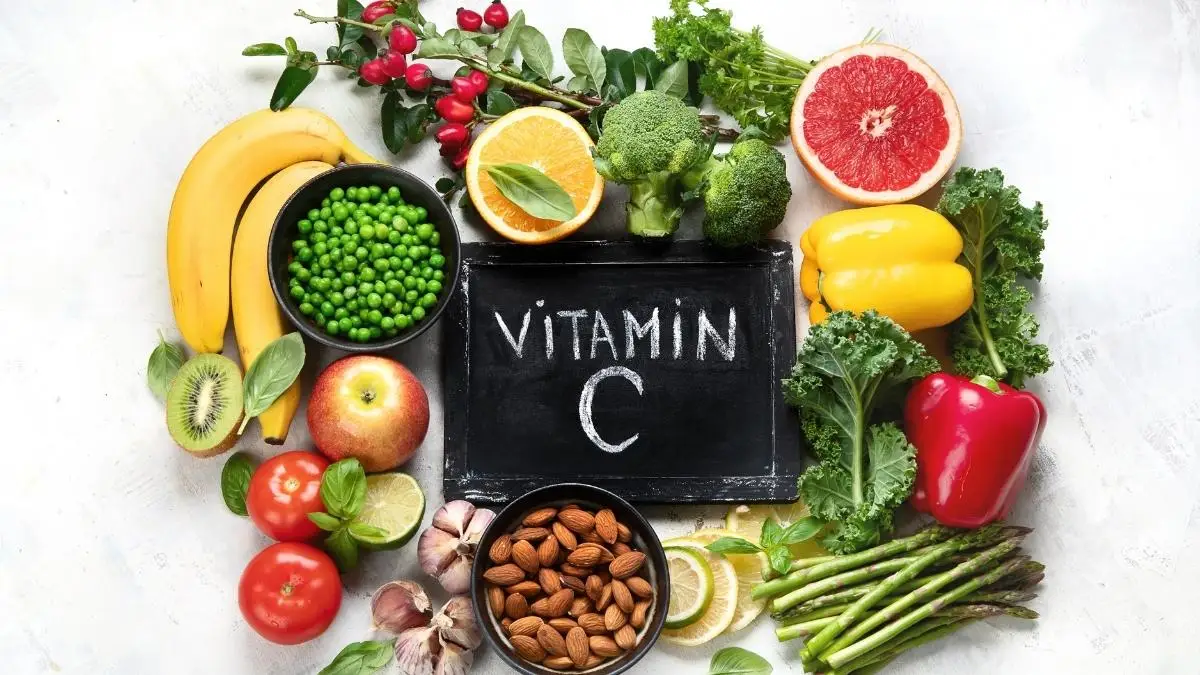
This one is surprising because its biggest benefit is indirect.
Remember that iron deficiency we talked about? Vitamin C is the single best way to increase the absorption of non-heme iron (the kind from plants and most supplements).
Taking your iron pill with a glass of orange juice or a Vitamin C capsule can boost its absorption dramatically.
Furthermore, your adrenal glands (which manage stress) have the highest concentration of Vitamin C in the body.
Since adrenal stress and thyroid health are deeply connected, supporting your adrenals with C is a smart move.
The Action Plan:
- Time it Right: Take 500mg of Vitamin C with your iron supplement (hours away from your thyroid meds).
- Food First: Eat citrus fruits, bell peppers, strawberries, and broccoli.
11. Probiotics: The “Gut-Thyroid Axis” Manager

This might be the biggest “nutrient” of all. You’re not what you eat; you’re what you absorb.
A growing body of research confirms the “Gut-Thyroid Axis.” This means your gut health directly controls your thyroid. An inflamed gut (or “leaky gut”) is a primary trigger for autoimmune conditions like Hashimoto’s.
More importantly, your gut bacteria help you absorb minerals like iodine, selenium, and iron.
They even help with the T4-to-T3 conversion process. You can take all the supplements in the world, but if your gut is a mess, you won’t absorb them.
The Action Plan:
- Food First: Add fermented foods to your diet. Think sauerkraut, kimchi, kefir (if you tolerate dairy), or kombucha.
- Consider a Probiotic: Look for a high-quality, multi-strain probiotic. Studies have shown strains like Lactiplantibacillus plantarum and Bifidobacterium longum can be particularly beneficial for gut and thyroid health.
Conclusion
Feeling better isn’t just about one pill or one nutrient. Thyroid health is a team effort.
Your thyroid medication is the star player, but it can’t win the game alone. It needs this essential supporting cast—iron, magnesium, B12, and all the others—to do its job properly.
So, what’s your next step?
Don’t guess. Test. Stop wondering and start knowing.
Take this list to your doctor and ask for a comprehensive nutrient panel. At a minimum, request serum ferritin, Vitamin B12, RBC Magnesium, and Vitamin D (25-hydroxy).
Targeting these hidden deficiencies and getting the right nutrients for thyroid issues is often the missing piece of the puzzle that finally helps you get your energy and your life back.