

Do you feel like your stomach has its weather system? Bloating strikes without warning, leaving you uncomfortable and self-conscious in your favorite clothes.
This common problem affects millions daily, but most people reach for temporary fixes that mask symptoms without addressing the root cause.
What if simple foods in your kitchen could naturally flatten your stomach from within? These 12 powerful foods work with your body’s systems to reduce inflammation, balance gut bacteria, and flush excess water.
1. Avocado
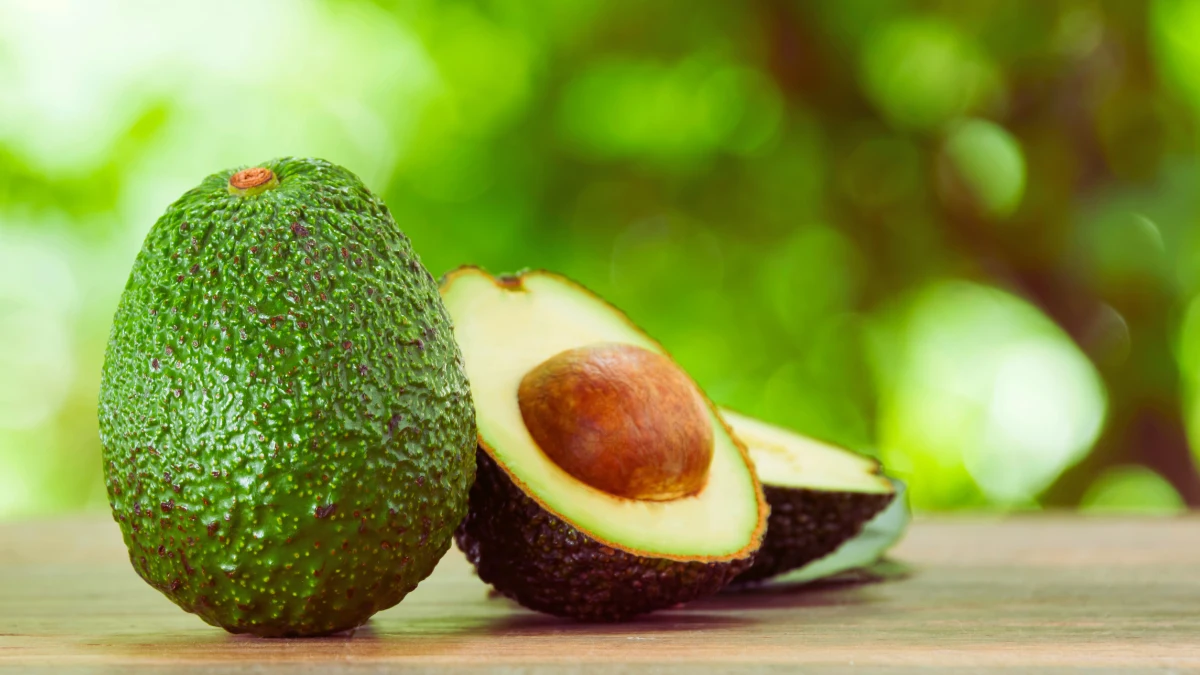
Potassium-rich avocados help regulate sodium levels in your body, fighting water retention that often causes bloating.
This creamy fruit also contains substantial fiber, which supports regular bowel movements and prevents constipation-related stomach distension.
The healthy monounsaturated fats in avocados reduce inflammation throughout your digestive system. Eating half an avocado daily can significantly improve gut health and decrease discomfort.
Try adding slices to your morning toast or incorporating them into salads. For best results, pair avocados with whole grains and leafy greens.
The combination creates a balanced meal that keeps your digestive system running smoothly. Most people notice reduced bloating within days of adding this nutritious fruit to their regular diet.
2. Cucumber

Cucumbers contain about 95% water, making them excellent natural diuretics that help flush excess fluids from your body.
They work quickly to reduce water retention and bloating, especially around your midsection. These crisp vegetables contain quercetin, an antioxidant that actively reduces swelling in your intestinal lining.
Eating cucumbers regularly helps maintain proper digestive function and prevents gas buildup. Many people enjoy adding cucumber slices to water or eating them with a light dip as a snack.
The cooling effect of cucumbers also soothes an irritated digestive tract. You can eat them daily without worry, as they’re low in calories but high in beneficial nutrients. Their gentle action makes them suitable even for sensitive stomachs experiencing discomfort.
3. Yogurt

Probiotic cultures in yogurt help restore balance to your gut microbiome, directly addressing many causes of bloating.
Strains like Lactobacillus and Bifidobacterium work to improve digestion and reduce gas production in your intestines.
Plain, unsweetened yogurt varieties offer the most benefits without adding sugar that can feed harmful bacteria.
A small bowl each morning can establish healthy bacterial colonies in your gut. Your digestive system functions better when these beneficial microorganisms thrive.
People with irritable bowel syndrome often see significant improvement in symptoms after adding yogurt to their diet.
The protein content also helps you feel full longer, preventing overeating that can lead to bloating. Greek yogurt provides even more protein with similar probiotic benefits.
4. Ginger

Ginger contains zingiber, a powerful enzyme that breaks down proteins in your food faster and improves overall digestion.
This root speeds up gastric emptying, reducing the time food spends in your stomach where it can ferment and cause gas.
The anti-inflammatory compounds in ginger relax your digestive tract muscles, easing cramping and allowing trapped gas to move through your system.
Fresh ginger tea works particularly well after meals. Brewing a cup takes just minutes and provides immediate comfort.
Regular consumption helps train your digestive system to process food more efficiently. Grated ginger can easily be added to stir-fries, smoothies, or soups for daily benefits.
Many people report that ginger provides faster relief than over-the-counter bloating remedies without side effects.
5. Bananas

Bananas combat sodium-induced water retention with their high potassium content, helping your body maintain proper fluid balance.
They also contain resistant starch that feeds beneficial gut bacteria without causing gas production. The fiber in bananas helps move waste through your digestive tract more efficiently, preventing the buildup that leads to bloating and discomfort.
Slightly underripe bananas contain more resistant starch and may provide greater benefits for some people. The natural sugars provide energy without causing digestive upset.
Your body absorbs bananas easily, making them gentle on sensitive stomachs. Eating one banana daily, preferably between meals, gives your digestive system consistent support. The portable nature of this fruit makes it convenient to include in your daily routine.
6. Papaya
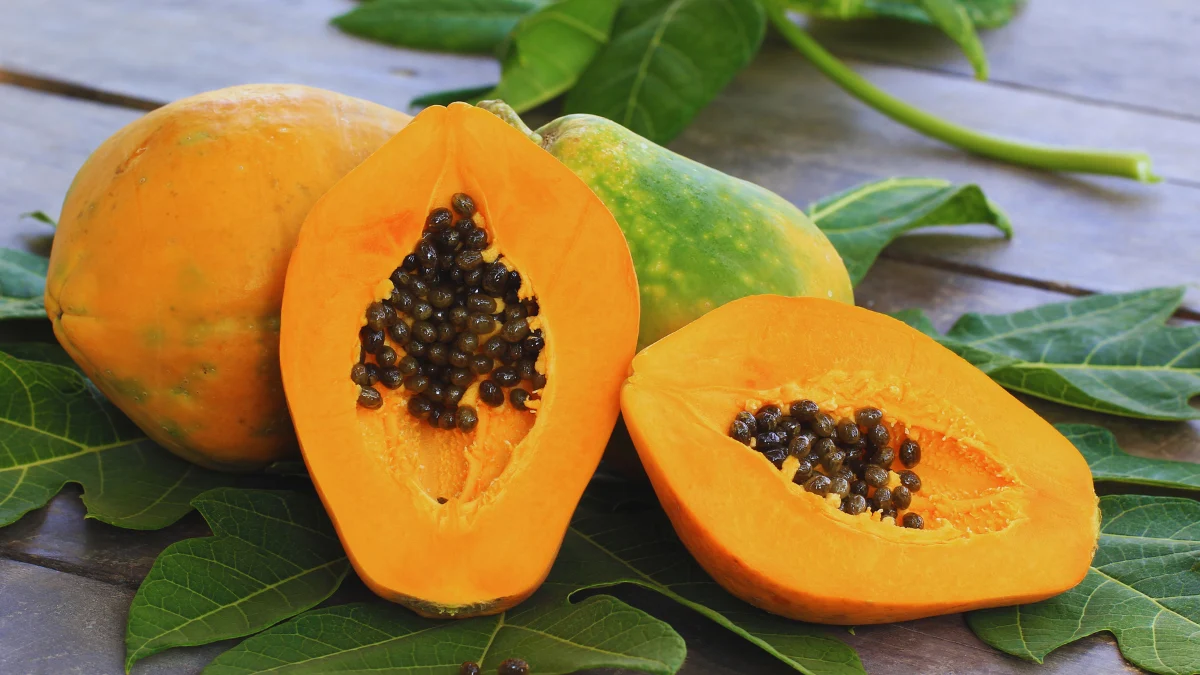
Papaya contains papain, an enzyme specifically designed to break down protein molecules in your digestive tract.
This tropical fruit helps your body process heavy meals more efficiently, reducing the fullness and bloating that often follows eating.
The fiber content in papaya promotes regular bowel movements while supporting healthy gut bacteria. Eating papaya before or after protein-rich meals maximizes its digestive benefits.
The naturally sweet taste makes it an enjoyable addition to your diet. Your gut microbiome thrives when fed with the nutrients in papaya. Even a small serving a few times weekly can improve digestive function.
Fresh papaya works best, but dried versions still provide some benefits when fresh isn’t available. The unique enzyme combination makes this fruit stand out among anti-bloating foods.
7. Pineapple

Bromelain, a powerful enzyme found in pineapple, actively breaks down proteins and speeds up digestion. This tropical fruit helps food move through your system more efficiently, reducing the time it sits in your gut fermenting and causing gas.
The enzyme also fights inflammation throughout your digestive tract, soothing irritated tissues and calming an upset stomach.
Just one cup of fresh pineapple chunks after a heavy meal can prevent that stuffed, uncomfortable feeling. Many people notice the benefits within 30 minutes of eating this juicy fruit.
Your body responds particularly well to pineapple on an empty stomach or between meals. The natural acids work alongside bromelain to create a cleansing effect on your digestive system.
Fresh pineapple provides the most potent enzyme activity, though canned varieties still offer some benefits. Consider adding pineapple to your morning routine for all-day bloat protection.
8. Fermented Foods (Kefir, Kombucha)

These probiotic powerhouses introduce beneficial bacteria directly into your gut ecosystem. The live cultures immediately go to work balancing your microbiome, crowding out gas-producing bacteria that cause bloating and discomfort.
A 2023 study published in the Journal of Functional Foods found that women who consumed kombucha daily for just 10 days experienced a significant reduction in constipation and bloating symptoms.
The fermentation process pre-digests sugars that often cause gas, making these foods easier on your system than their unfermented counterparts.
Your gut health improves steadily with regular consumption of fermented foods. Start with small amounts—a few ounces of kefir or kombucha daily—and gradually increase as your body adjusts.
The tangy flavor might take some getting used to, but your stomach will thank you. Many people report less bloating within a week of adding these foods to their daily routine.
9. Fennel
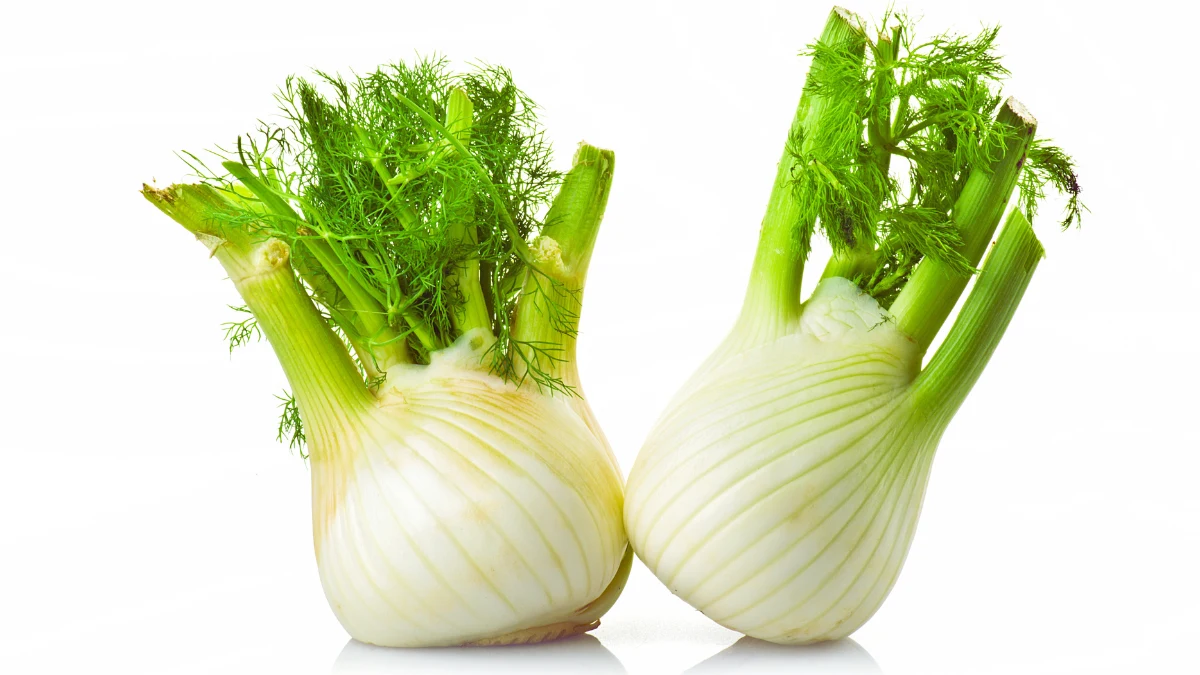
The compound anethole gives fennel its distinctive licorice-like flavor and works wonders on your digestive system.
This natural chemical relaxes intestinal muscles, allowing trapped gas to move through and escape your body naturally.
Chewing a teaspoon of fennel seeds after meals has been a traditional remedy for bloating for centuries across many cultures.
The seeds stimulate the production of gastric enzymes, improving your overall digestion efficiency. Fennel tea offers similar benefits and makes a soothing end to any meal.
Your digestive tract responds quickly to fennel’s calming properties. The gentle fiber content supports healthy bowel movements without causing additional gas.
Many people carry fennel seeds as a portable solution for unexpected digestive discomfort. The versatile herb can also be added to salads, soups, and roasted vegetables for both flavor and function.
10. Oats
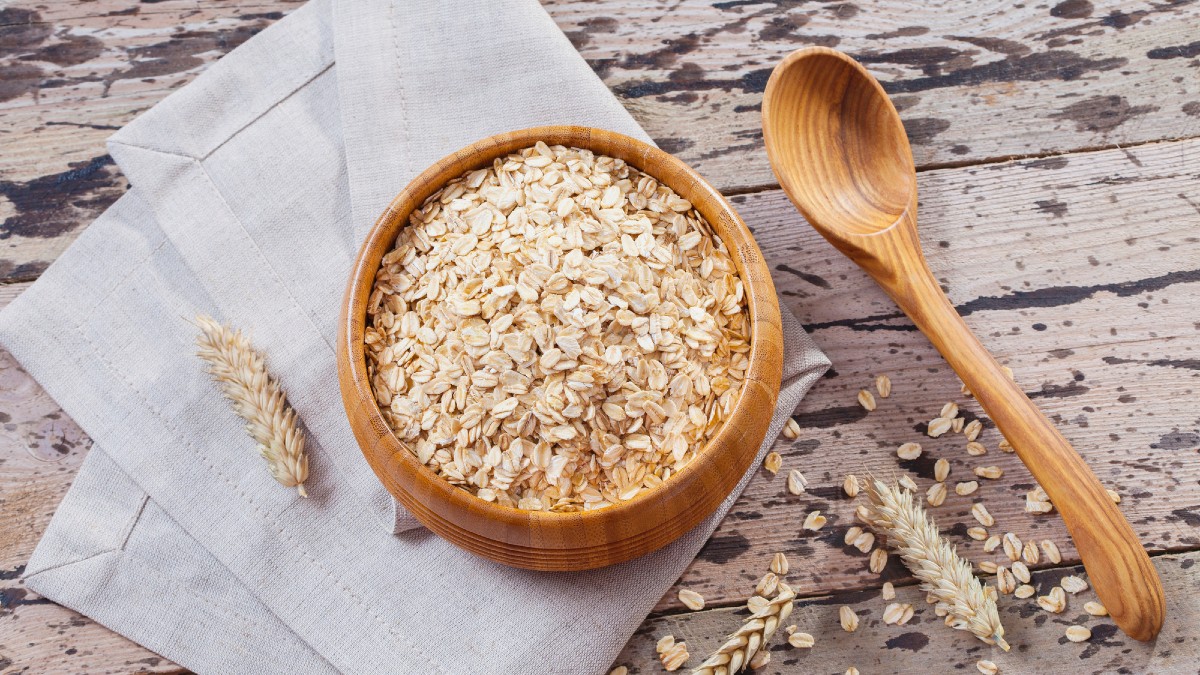
Soluble fiber in oats absorbs water and forms a gel-like substance that moves smoothly through your digestive tract.
This action prevents both constipation and diarrhea, two common causes of abdominal bloating and discomfort.
A 2022 double-blind trial published in the American Journal of Gastroenterology found that IBS patients following specialized diets including oats showed significant bloating reduction compared to control groups.
Oats stand out among grains because they’re low in FODMAPs, fermentable carbohydrates that often trigger gas and bloating in sensitive individuals.
Your morning routine can set the stage for comfortable digestion all day. Steel-cut or rolled oats make a filling breakfast that stabilizes blood sugar and provides steady energy.
Try soaking oats overnight to make them even gentler in your system. The simple addition of cinnamon or berries turns this functional food into a delicious meal that actively fights bloating.
11. Asparagus
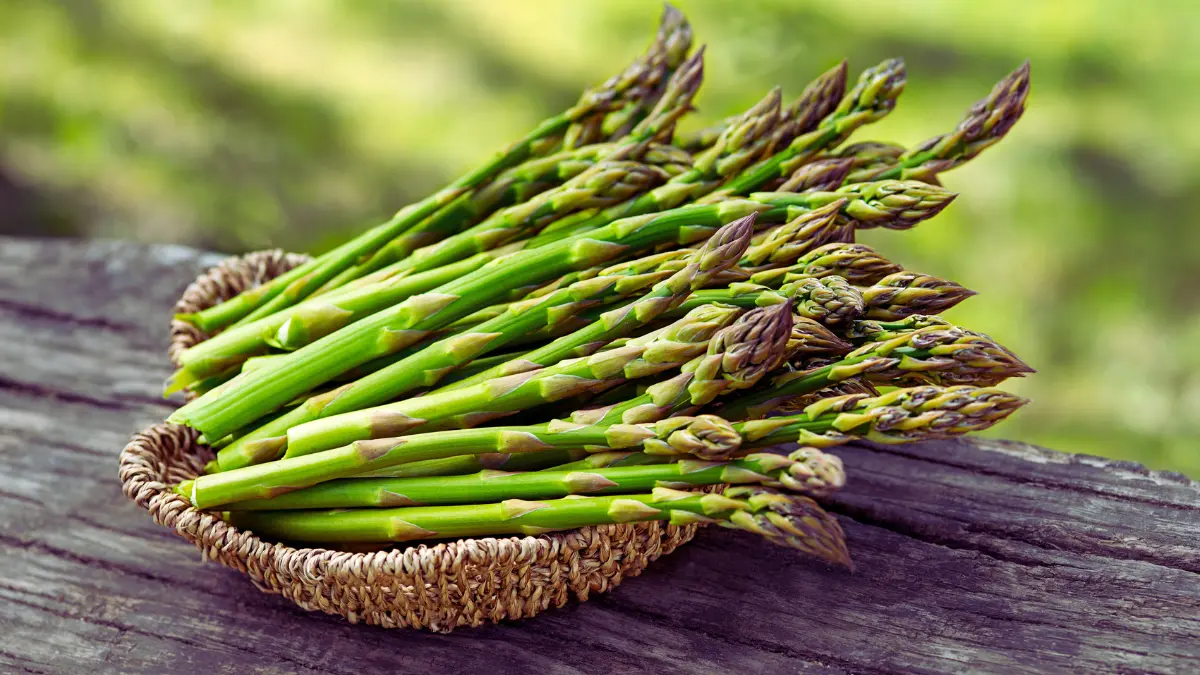
This slender vegetable contains asparagine, a natural diuretic compound that helps your body shed excess water.
The effect can be noticed within hours of eating asparagus, making it a quick solution for temporary bloating and puffiness.
Inulin, a prebiotic fiber abundant in asparagus, feeds beneficial bacteria in your gut without causing gas. This specialized fiber improves your overall digestive health while supporting regular bowel movements.
Lightly steamed asparagus preserves both the diuretic compounds and the fiber integrity. Your body processes asparagus efficiently, leaving you feeling lighter and less bloated.
The combination of diuretic action and prebiotic support makes this vegetable uniquely effective against multiple causes of bloating.
Four to six spears daily provide noticeable benefits for most people. Try adding asparagus to your lunch or dinner several times weekly for consistent results.
12. Kiwi

Actinidin, an enzyme unique to kiwi, accelerates protein digestion and helps prevent the heavy feeling that often follows protein-rich meals.
This fuzzy fruit works especially well when eaten after meals containing meat, dairy, or legumes. The tiny seeds provide gentle fiber that sweeps through your digestive tract, clearing buildup that can cause bloating.
Eating two kiwis daily improves bowel movement frequency and consistency for most people. The green variety contains more actinidin, while gold kiwis offer slightly higher fiber content.
Your gut motility improves with regular kiwi consumption, meaning food moves through your system at an optimal pace.
This prevents both constipation and the bacterial overgrowth that leads to bloating. The small fruit packs a powerful punch against digestive discomfort. Many people find that adding kiwi to their diet creates noticeable improvements in just a few days.