Ever hit the gym full of motivation only to feel your energy tank halfway through? That mid-workout crash can turn a promising session into a frustrating struggle.
Your pre-exercise food choices might be sabotaging your results without you knowing it. What if you could maintain steady energy throughout your entire workout?
Sports nutritionists have identified 12 powerful foods that provide sustained fuel for maximum performance—and 3 common choices that practically guarantee an energy crash.
Here’s what to eat (and what to avoid) before your next workout for the stamina to crush your fitness goals.
12 Pre-Workout Foods for Sustained Energy
What you eat before hitting the gym directly impacts your workout performance. The right foods can boost your energy, improve endurance, and help you get more from each session.
Here are s12 top choices that sports nutritionists recommend for fueling your body properly before exercise.
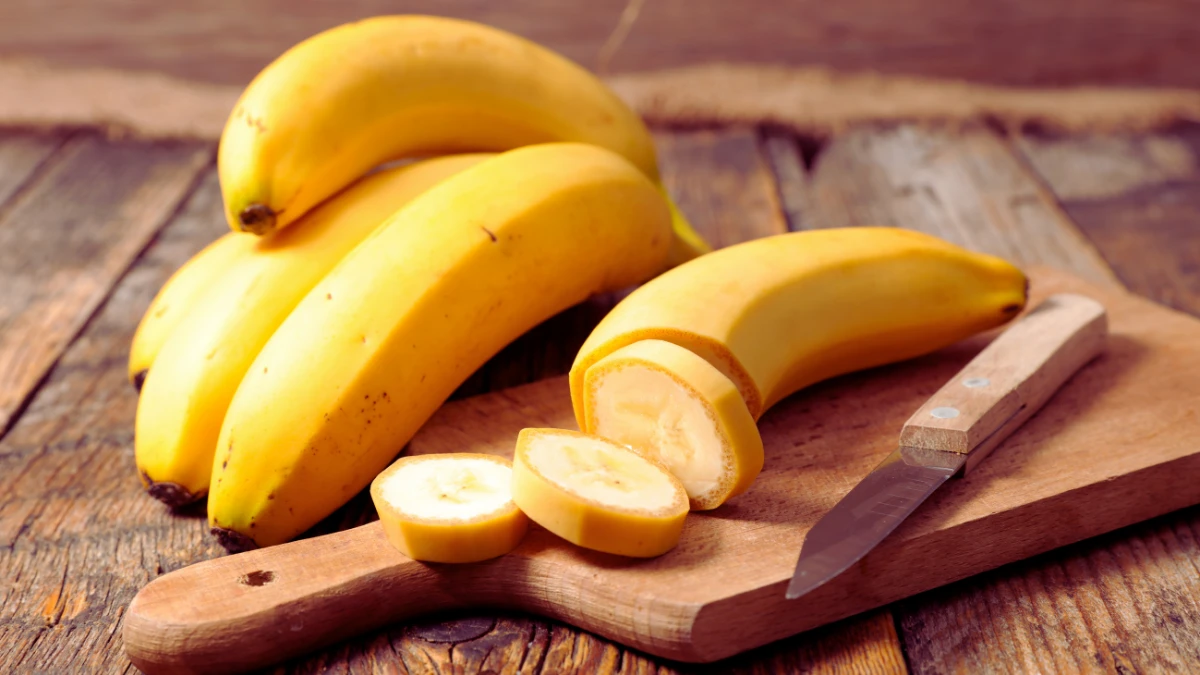
1. Bananas
Photo Credit: Depositphotos
These yellow powerhouses pack a serious nutritional punch before workouts. They contain about 15g of natural sugars per medium fruit, giving you quick energy without the crash.
A single banana provides around 450mg of potassium, which helps prevent muscle cramps during intense sessions.
Their natural packaging makes them convenient to grab on your way to the gym. You can eat them whole or blend them into smoothies about 30-60 minutes before training.
Many athletes prefer bananas because they’re gentle on the stomach while still providing enough fuel for both cardio and strength training. They work especially well for morning workouts when you need something light yet effective.
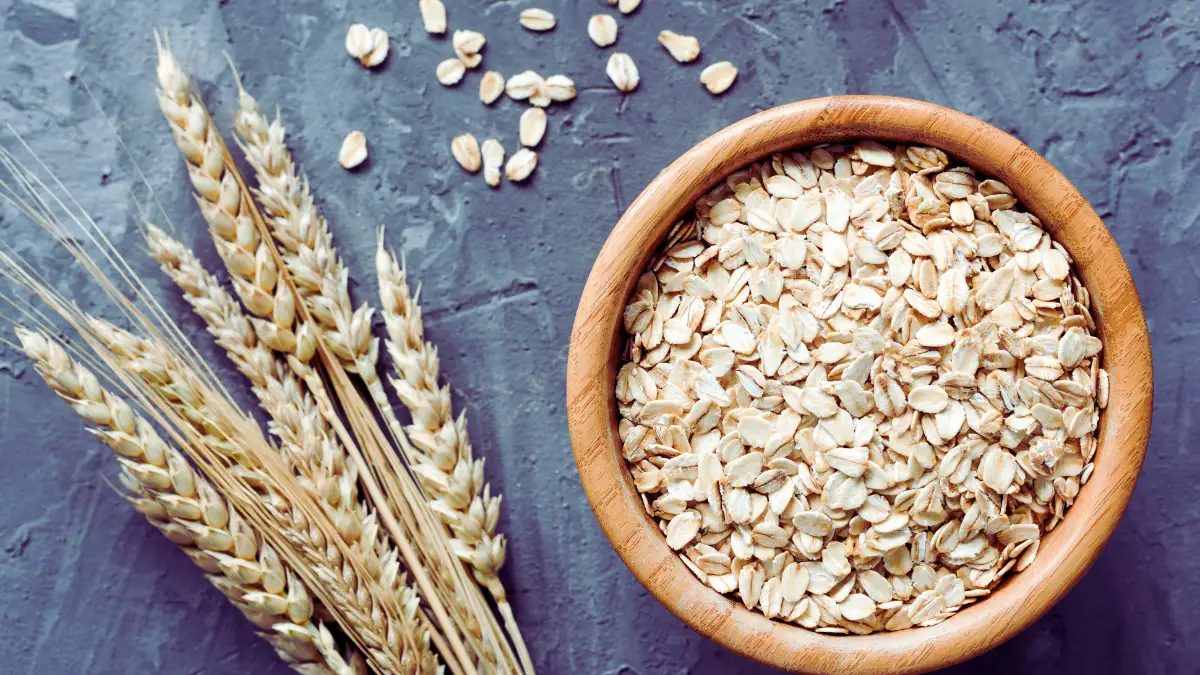
2. Oats
Photo Credit: Depositphotos
This breakfast staple works wonders as pre-workout fuel. The complex carbohydrates in oats release energy gradually, keeping your stamina up throughout your entire session.
Steel-cut or old-fashioned varieties offer the most sustained energy compared to instant options. Oats contain beta-glucan fiber that helps stabilize blood sugar levels during exercise.
Try eating a small bowl about 2-3 hours before working out for best results. Adding protein like peanut butter creates a complete pre-workout meal that supports both energy and muscle function.
For longer training sessions, oats provide the staying power your body needs without feeling heavy in your stomach.
Their versatility lets you customize with fruits, nuts, or protein powders to match your specific workout needs.
3. Greek Yogurt with Berries
Photo Credit: Depositphotos
This combo offers both immediate and sustained energy sources in one simple meal. The Greek yogurt provides 10-20g of protein per cup, supporting muscle repair and recovery even before you start exercising.
Meanwhile, berries deliver quick-acting carbohydrates along with powerful antioxidants. Consuming this pairing about 1-2 hours before your workout gives your body time to digest the protein while keeping the berry-based energy readily available.
The balanced macronutrient profile works particularly well for strength training or circuit workouts. Yogurt’s probiotics may also help with gut health, reducing the chance of stomach discomfort during exercise.
The cooling, refreshing nature of this snack makes it especially appealing before hot-weather workouts or intense indoor sessions where heavy foods might cause discomfort.
4. Whole Grain Toast with Peanut Butter
Photo Credit: Depositphotos
This classic combination balances carbs and protein beautifully for pre-workout nutrition. The whole grain toast offers complex carbohydrates that fuel your muscles steadily, while the peanut butter adds staying power through healthy fats and protein.
Eat this snack about 1-2 hours before training to allow proper digestion. The body breaks down the toast into glycogen, which muscles use as their primary energy source during workouts.
Meanwhile, the peanut butter slows digestion just enough to prevent hunger from returning mid-exercise. This combo works particularly well before morning workouts or strength training sessions.
Two slices with a tablespoon of peanut butter hit the sweet spot for most people. You’ll notice sustained energy without feeling too full or experiencing the dreaded energy crash halfway through your routine.
5. Beetroot or Beet Juice
Photo Credit: Depositphotos
The bright red color signals the potent compounds inside this root vegetable. Beets contain natural nitrates that improve how efficiently your body uses oxygen during exercise.
This translates to better endurance and potentially longer workouts before fatigue sets in. Drinking about 8 ounces of beetroot juice or eating a cup of cooked beets 60-90 minutes before exercise seems to work best.
The nitrate content expands blood vessels, improving circulation and oxygen delivery to working muscles. Athletes report being able to maintain higher intensities for longer periods after consuming beets regularly.
The effects appear strongest for endurance activities like running, cycling, or swimming. Some people notice a slight performance boost even after the first use, though the benefits accumulate with regular consumption.
6. Chia Seeds
Photo Credit: Depositphotos
These tiny seeds punch way above their weight class for pre-workout nutrition. When mixed with liquid, chia seeds form a gel that provides slow-release energy during exercise.
Just a tablespoon contains substantial fiber, protein, and omega-3 fatty acids that support endurance. Try adding chia seeds to water, juice, or sports drinks about 30 minutes before working out.
The resulting gel moves through your digestive system gradually, providing consistent energy without spikes or crashes.
Athletes who consume chia-based drinks report feeling fuller longer while maintaining good energy levels throughout their workouts.
The seeds work exceptionally well for longer training sessions where endurance matters more than explosive power. Their mild taste makes them easy to add to almost any pre-workout beverage without affecting palatability.
7. Sweet Potatoes
Photo Credit: Depositphotos
These orange tubers stand out as excellent pre-workout fuel. They’re packed with complex carbohydrates that break down gradually, providing steady energy throughout your exercise session.
A medium sweet potato contains roughly 26 grams of carbs, which helps maximize glycogen storage in your muscles before intense activity.
The natural sweetness comes without the blood sugar roller coaster of processed foods. You can prepare them baked, mashed, or even as homemade fries about 2-3 hours before training.
Many athletes pair sweet potatoes with a protein source like chicken or turkey to create a complete pre-workout meal.
The beta-carotene in these root vegetables supports overall health while you focus on performance. Their fiber content keeps you feeling satisfied without weighing you down during movement.
For longer training sessions or endurance workouts, sweet potatoes provide the sustained energy release that helps you maintain intensity when it counts most.
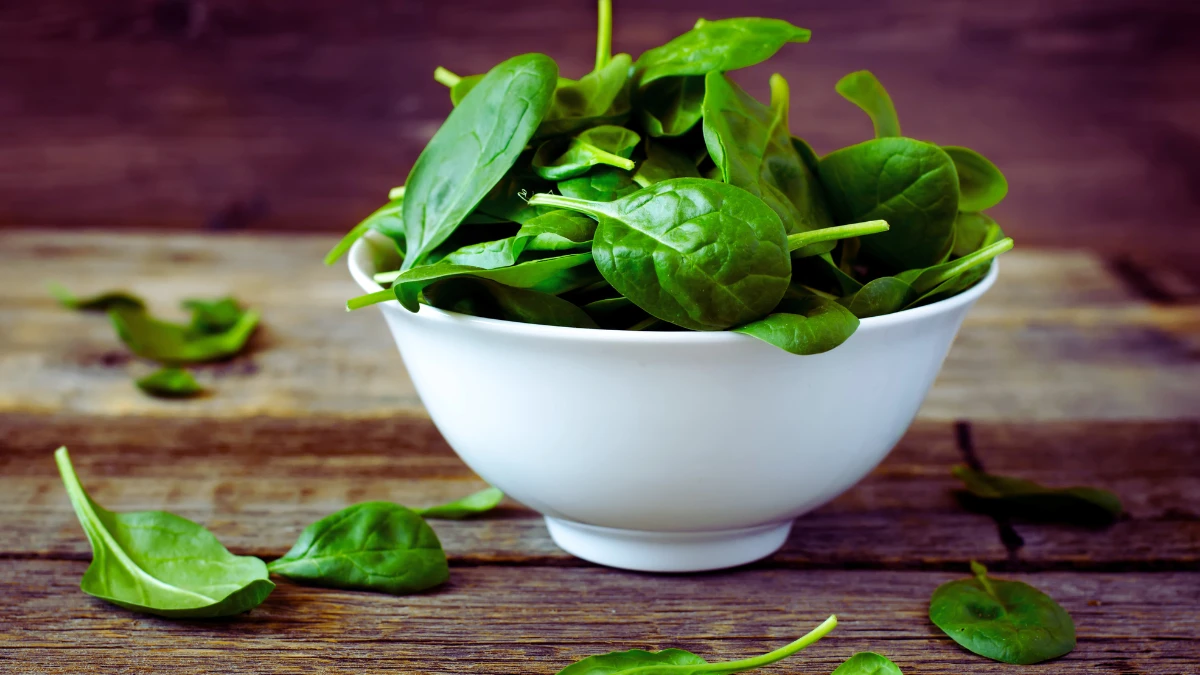
8. Spinach
Photo Credit: Depositphotos
This leafy green supercharges your workout potential through compounds you might not expect. The dietary nitrates in spinach boost mitochondrial function, enhancing how efficiently your cells produce energy during exercise. Your muscles can work harder with less oxygen when you consume nitrate-rich foods regularly.
A 2020 study published in the Journal of Applied Physiology found that athletes who consumed nitrate-rich greens like spinach improved their exercise efficiency by reducing oxygen demand during endurance activities.
This means your body works more efficiently, potentially extending how long you can maintain intensity before fatigue sets in.
You can easily add spinach to pre-workout smoothies, omelets, or salads. For best results, eat it 1-3 hours before training.
The iron content also supports oxygen transport through your bloodstream, a crucial factor during high-intensity exercise. Unlike heavier foods, spinach digests easily without causing stomach discomfort during movement.
9. Coconut Water
Photo Credit: Depositphotos
This natural beverage offers hydration with benefits beyond plain water. Each cup provides about 600mg of potassium plus other electrolytes that help maintain proper muscle function during exercise.
The electrolyte balance closely mimics what your body loses through sweat, making it particularly effective for longer sessions.
Coconut water contains natural carbohydrates that provide quick energy without artificial ingredients. You can drink it straight or use it as a base for smoothies.
Many athletes consume 8-16 ounces about 30-60 minutes before working out to ensure proper hydration status at the start of exercise.
The light, refreshing taste makes it easy to drink enough to stay hydrated without the heavy feeling of some sports drinks.
For hot weather workouts or particularly sweaty sessions, coconut water helps prevent the performance decline that comes with even mild dehydration. Your muscles function better when properly hydrated with balanced electrolytes.
10. Applesauce
Photo Credit: Depositphotos
This often-overlooked option serves as a gentle yet effective pre-workout fuel. With approximately 27 grams of easily digestible carbohydrates per cup, unsweetened applesauce provides quick energy without the stomach discomfort that sometimes accompanies whole fruits with higher fiber content.
The smooth texture and mild acidity make it stomach-friendly even when nerves or intensity levels are high. You can consume it as little as 15-30 minutes before exercise for a quick energy boost.
Many endurance athletes include applesauce in their pre-competition routine because it’s unlikely to cause digestive issues during movement.
Applesauce travels well in portable containers and doesn’t require refrigeration for short periods. This convenience factor makes it practical for on-the-go athletes.
The natural sugars from the apples enter your bloodstream relatively quickly, providing accessible fuel for high-intensity training sessions without artificial ingredients or preservatives that might cause digestive distress.
11. Fruit and Grain Bars
Photo Credit: Depositphotos
These portable powerhouses combine quick and sustained energy sources in one convenient package. The dried fruits provide readily available carbohydrates while the whole grains offer slower-releasing energy that maintains blood glucose levels throughout your workout.
A 2014 study published in the Journal of the International Society of Sports Nutrition demonstrated that grain-fruit combinations helped maintain steady blood glucose levels during endurance exercise compared to simple sugar options.
This balanced approach prevents the energy spikes and crashes that can derail your training session. Look for bars with minimal added sugars and recognizable ingredients.
Consuming one about 30-60 minutes before exercise gives your body access to multiple energy pathways. The combination of different carbohydrate sources may improve total carbohydrate absorption and utilization.
For athletes training on busy schedules, these bars offer nutrient-dense fuel without preparation time.
12. Protein Shakes (Whey or Plant-Based)
Photo Credit: Depositphotos
These liquid nutrients offer customizable pre-workout nutrition with minimal digestive demands. A well-formulated shake delivers 20-30 grams of fast-absorbing protein alongside carbohydrates that fuel immediate energy needs.
The liquid format speeds nutrient delivery to muscles compared to whole foods. Whey protein digests particularly quickly, making it suitable for consumption closer to workout time.
Plant-based alternatives like pea, rice, or hemp protein work well for those avoiding animal products. Adding fruit, oats, or a carbohydrate source creates a complete pre-workout meal in drinkable form.
Consuming a protein shake 30-60 minutes before exercise supports both performance and recovery. The amino acids begin circulating in your bloodstream during your workout, potentially reducing muscle breakdown during intense sessions.
For morning exercisers or those training after long periods without eating, shakes provide critical nutrients without the heaviness of solid food.
3 Foods That Cause Energy Crashes
What you eat before exercise can make or break your workout. While some foods fuel your body properly, others can sabotage your efforts.
These three common pre-workout choices might seem harmless, but often lead to sudden energy drops, sluggish performance, and disappointing results.
1. High-Fat Foods (e.g., Fried Foods, Cheese)
Photo Credit: Depositphotos
Consuming greasy burgers, fries, or cheese-heavy meals before hitting the gym sets you up for trouble. Your digestive system must work overtime to process high-fat foods, diverting blood flow away from your muscles when they need it most.
This redirection creates an immediate energy deficit right when you start exercising. Fat takes hours to digest fully, making it a poor choice for quick pre-workout fuel.
Many athletes report feeling unusually heavy and lethargic after fatty pre-workout meals. Your body also shifts into a different metabolic state when processing large amounts of fat, which can impair how effectively you use carbohydrates during high-intensity exercise.
The combination of slowed digestion and altered metabolism can reduce your power output by up to 20% during training. Skip the fatty foods at least 3-4 hours before workouts.
Save these foods for recovery meals when your body has time to properly digest them without hampering performance.
2. Refined Sugars (e.g., Candy, Pastries)
Photo Credit: Depositphotos
That pre-workout candy bar or donut creates a temporary energy surge followed by a dramatic crash. Your blood sugar spikes rapidly after eating refined sugars, triggering a large insulin response.
This hormone flood works too well, often pulling your blood sugar down below baseline levels within 30-45 minutes.
The crash typically hits hardest during the middle of your workout, precisely when you need sustained energy most.
Your brain registers this blood sugar drop as an emergency, making you feel suddenly fatigued, weak, and sometimes even dizzy or irritable. Focus and coordination suffer dramatically during these crashes.
Sports nutritionists recommend avoiding sugary foods within 60 minutes of exercise. The quick energy burst never lasts long enough to sustain even moderate-intensity workouts.
Your performance capacity drops significantly once the crash begins, and recovery takes time that cuts into your effective training window. Opt for complex carbohydrates instead to maintain steady energy throughout your session.
3. Alcohol
Photo Credit: Depositphotos
Even moderate alcohol consumption before workouts severely undermines performance. Alcoholic beverages act as diuretics, increasing urine production and leading to dehydration before you even begin sweating.
Starting a workout already dehydrated immediately limits your capability and increases injury risk. Alcohol disrupts normal glucose metabolism, reducing how effectively your muscles can access and use their primary fuel source.
Many people don’t realize that alcohol continues affecting performance for up to 24 hours after drinking. The compound interferes with normal sleep patterns, further reducing energy availability and recovery capacity.
The cardiovascular system also functions less efficiently after alcohol consumption. Heart rate increases while stroke volume decreases, meaning your heart works harder to deliver less oxygenated blood to working muscles.
This inefficiency shows up clearly in diminished endurance capacity, reduced power output, and compromised coordination.
For optimal performance, avoid alcohol completely for at least 12-24 hours before any significant training session.