

Are you feeling more tired than usual, struggling with blurry vision, or noticing that small cuts take forever to heal?
With more than one in three adult Americans, or 98 million, having prediabetes and over 80% of them unaware they have the condition, these could be more than random health niggles.
They might be warning signs that your glucose levels are excessive, potentially leading to type 2 diabetes if ignored.
This article will guide you through 11 potential warning signs of prediabetes and provide practical steps to take control of your health immediately.
From making dietary adjustments to overhauling your lifestyle, you’ll discover how to respond to your body’s signals and potentially turn back the tide on prediabetes.
1. Blurry Vision

When your blood sugar is too high, it can make your eye lens swell, changing your ability to see clearly. Have you noticed your vision becoming foggy, as if looking through a dirty window? This might be a sign that you’re prediabetic. High blood sugar can mess with your eyes like this because it draws more water into your lens.
2. Cold Hands and Feet

Do your hands and feet feel cold often? Perhaps because elevated blood sugar alters blood flow, that is. It damages the blood vessels and nerves, making it hard for blood to reach the far parts of your body like your hands and feet. It is a common clue that you might have prediabetes.
3. Dry Mouth

A dry mouth isn’t just annoying; it can also be a sign of prediabetes. When your sugar levels are high, your body tries to get rid of the extra sugar by making you pee more. You can experience excessive water loss as a result, drying your mouth. If you’re reaching for a drink often because your mouth feels like cotton, it might be time to check your blood sugar.
4. Excessive Thirst

Feeling thirsty all the time? When you have too much sugar in your blood, your body removes it through urine, making you pee more and leading to dehydration. To fix this, your body asks for additional water, making you feel very thirsty. Your body’s attempt to maintain equilibrium is manifested in this abnormal thirst.
5. Frequent Urination

If you find yourself going to the bathroom a lot, it might be a bigger problem than just drinking lots of water. High blood sugar forces your kidneys to work overtime to filter and get rid of the sugar. This process makes you pee more often. If your bathroom visits have increased, it could be a sign of prediabetes.
6. Increase in Urinary Tract Infections

Have you been getting more urinary tract infections lately? Prediabetes might be to blame. When your blood sugar is high, your body’s defense against infections drops. Because bacteria love sugar, these conditions allow them to grow and cause additional infections. It’s like leaving out food for unwanted guests—bacteria flock to the sugar and cause trouble.
7. Increased Irritability, Nervousness, or Anxiety

Swings in your blood sugar can mess with your mood. This happens because high sugar levels can disrupt brain chemicals that help keep us calm and happy. So, if you’re feeling unusually cranky or anxious, it might not just be stress; it could be a sugar issue.
8. Itchy Skin

In high sugar levels, it can dry out your skin, making it itchy. Your skin experiences the same cracking and roughness of a dry riverbed. It’s another clue that your body is having trouble managing sugar, leading to annoying itchiness.
9. Odd Sensations
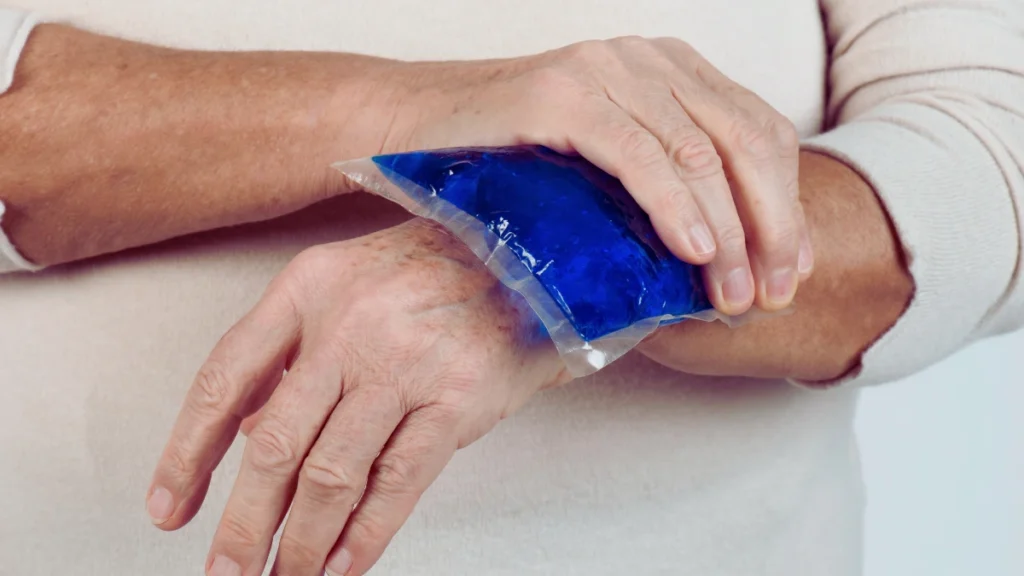
Ever felt tingling or numbness in your hands or feet? These odd sensations can be because of nerve damage from high blood sugar, a condition known as diabetic neuropathy. It’s like when a phone line gets fuzzy; similarly, damaged nerves send mixed signals to your body, causing these strange feelings.
10. Unusual Fatigue

Unusual Fatigue can happen when your body can’t use glucose properly for energy. It’s like having a full tank of gas but a broken engine—you have the fuel but can’t convert it into useful energy. A prominent indicator of prediabetes is this kind of exhaustion.
11. Wounds that Won’t Heal Fast

Noticing that cuts or bruises take longer to heal? Poor blood flow and nerve damage from high sugar levels can slow your body’s repair system. It’s like a construction crew working without the right tools; the job gets done slower. This delayed healing is a warning that sugar might be harming your blood vessels and nerves.
What To Do ASAP After Having Sure Signs Of Prediabetes?
Prediabetes is a wake-up call indicating that your blood sugar levels are higher than normal. Here’s what you can do right away to manage and possibly reverse prediabetes, starting with getting diagnosed and making impactful lifestyle changes.
1. Get a Proper Diagnosis
If you see signs of prediabetes, visit a doctor for a check-up. Like taking a car to a mechanic when it’s acting up, your doctor can test your blood sugar to see what’s going on. They might use a fasting glucose test, an oral glucose tolerance test, or an A1C test to figure out your sugar levels.
2. Make Lifestyle Changes
Managing prediabetes often involves lifestyle changes. To maintain your car operating well, envision it as a regular tune-up. Eating healthier, exercising more, and maintaining a good weight can make a big difference. Incorporate more fruits, vegetables, and whole grains into your diet. Make an effort to engage in 150 minutes of moderate or 75 minutes of intense aerobic activity per week.
3. Monitor Your Blood Sugar Levels
Watching your blood sugar is like checking the weather—it helps you prepare for the day. Using a glucose meter at home can show you what affects your blood sugar and help you control it better.
4. Consider Medication
Sometimes, you might need medicine to manage your blood sugar, just like wearing glasses for better vision. Always follow your doctor’s instructions on how to take your medication.
5. Manage Other Health Issues
Prediabetes often comes with other issues like hypertension and high cholesterol. Managing these can help control your prediabetes too. Consider it as sorting issues to prevent them from getting worse.
6. Get Support
Dealing with prediabetes can be challenging, like a difficult puzzle. Don’t hesitate to seek support from your healthcare team, family, or friends. Joining a support group or consulting with a dietitian or diabetes educator can also provide helpful guidance on lifestyle changes.
Read more from: