

You’re doing everything right. You eat healthy. You exercise. You get decent sleep. Yet the scale keeps creeping up, and your energy keeps dropping.
Your morning routine is probably wrecking your metabolism.
After 40, your body doesn’t forgive mistakes like it used to. Small habits you never thought twice about are now working against you. They’re slowing your metabolism, storing fat around your belly, and making you tired all day.
This article shows you exactly which morning habits are causing the damage. More importantly, you’ll learn what to do instead. These aren’t complicated fixes. They’re simple changes that can restart your metabolism starting tomorrow morning.
Let’s fix what’s broken.
1. Skipping Breakfast (The Cortisol Catastrophe)
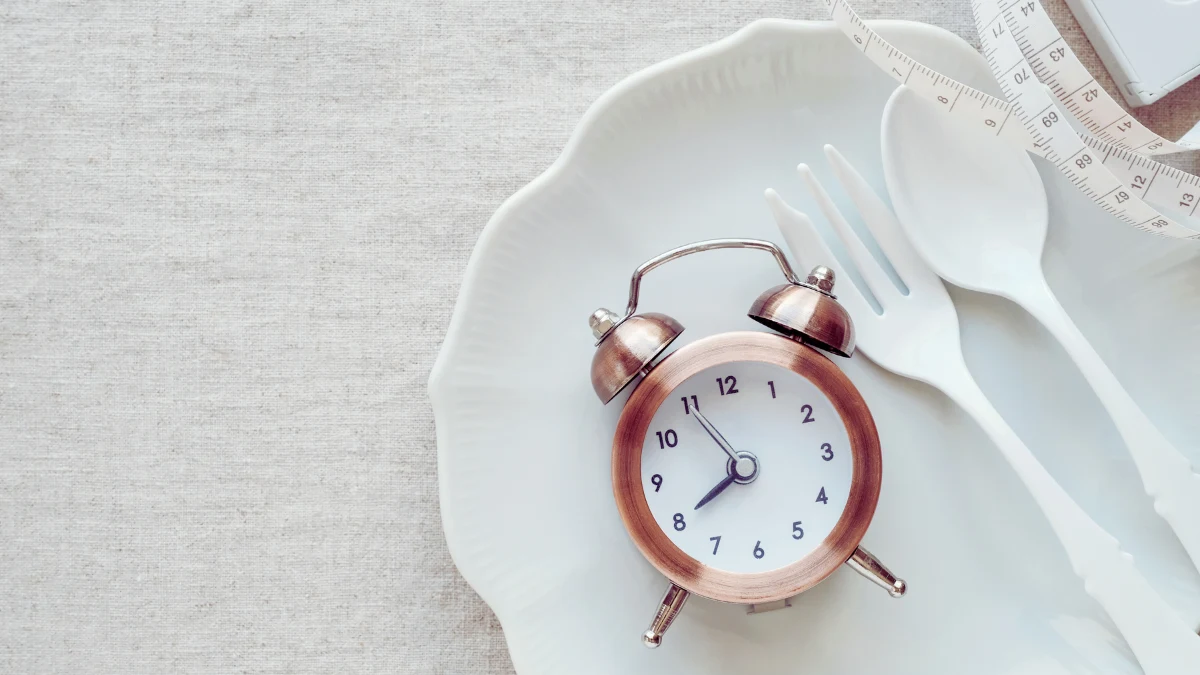
You think skipping breakfast saves calories. You’re wrong.
A study published in Physiology & Behavior examined 65 women aged 18-45 and found that habitual breakfast skippers had significantly higher circulating cortisol levels from arrival to mid-afternoon compared to breakfast eaters, along with elevated diastolic and systolic blood pressure.
The study concluded that skipping breakfast is associated with stress-independent overactivity in the hypothalamic-pituitary-adrenal (HPA) axis, which may increase risk for cardiometabolic disease.
Here’s what happens inside your body. After 8-10 hours without food, your body wakes up looking for fuel. When you don’t feed it, stress hormones spike. Your body thinks you’re in danger. It holds onto every calorie it can.
This isn’t just about one morning. Do this every day, and your body learns to store fat instead of burning it. Your metabolism slows down to protect you from what it thinks is starvation.
The cortisol spike does something else, too. It makes you crave sugar and carbs all day. By lunchtime, you’re starving. You eat way more than you would have if you’d just eaten breakfast.
After 40, this pattern gets worse. Your body already makes less of the hormones that keep your metabolism fast. Skipping breakfast and you’re making the problem ten times worse.
The Solution: Eat within 90 minutes of waking up. Get 25-30 grams of protein in that meal. Add some healthy fats like avocado or nuts. Include fiber from vegetables or berries. This combination tells your body it’s safe to burn calories all day.
2. Drinking Coffee on an Empty Stomach

Your morning coffee ritual is killing your metabolism.
Coffee on an empty stomach dumps 200-250mg of caffeine straight into your system. No food to slow it down. No buffer to protect your stomach. Just pure caffeine hitting your bloodstream.
This spikes your cortisol even higher than it already is in the morning. Remember, cortisol is your stress hormone. Too much of it makes your body store fat, especially around your belly.
Here’s the part that really matters. That morning coffee without food messes up your blood sugar for the entire day. Your blood sugar drops too low. Then it spikes too high when you finally eat. This rollercoaster makes you tired, hungry, and cranky.
Do this every single day, and you’re training your body to be terrible at managing blood sugar. After 40, your body already struggles more with blood sugar control. Adding coffee on an empty stomach and you’re setting yourself up for insulin problems.
Functional nutrition experts warn that this habit can weaken your immune system over time. High cortisol all the time means your body can’t fight off illness as well.
The Solution: Always eat something before your coffee. Protein and healthy fats work best. Wait 30-60 minutes after waking before you drink coffee. This lets your natural cortisol rhythm do its job first. When you do drink coffee, have it with or after a meal that includes protein.
3. Not Drinking Water First Thing

You lose 1-2 pounds of water every night just by breathing and sweating. You wake up dehydrated. Most people don’t realize this.
Even mild dehydration slows your metabolism. When you’re just 1-2% dehydrated, your body starts conserving energy. It burns fewer calories. Everything slows down.
Water does something amazing for your metabolism. Drinking water can increase your metabolic rate by 24-30% for up to 60 minutes. Your body has to work to warm up that cold water and process it. That work burns calories.
Think about it this way. If you drink 16 ounces of water first thing every morning, you’re giving your metabolism a jumpstart before you even get out of bed. Do this every day for a year, and it adds up to real fat loss.
After 40, your body doesn’t signal thirst as well as it used to. You might be dehydrated and not even feel thirsty. This is why so many people over 40 walk around slightly dehydrated all the time. Their metabolism runs slowly all day because of it.
Chronic low water intake is linked to metabolic syndrome. This means higher blood pressure, higher blood sugar, and more belly fat.
The Solution: Keep 16-24 ounces of water by your bed. Drink it all within 30 minutes of waking up. Do this before your coffee. Before you check your phone. Make it automatic. This one habit can change how you feel all day.
4. Hitting Snooze Multiple Times

Every time you hit snooze, you’re damaging your metabolism.
Here’s why. When you hit snooze, you fall back into a light sleep. Your body starts a new sleep cycle. Then the alarm goes off again and interrupts it. This broken sleep is worse than just getting up the first time.
Your body has a natural cortisol awakening response. Cortisol should rise smoothly in the morning to wake you up. When you keep hitting snooze, you mess this up. Your hormones get confused. Your metabolism doesn’t know what to do.
A groundbreaking 2010 study in Annals of Internal Medicine found that when dieters got adequate sleep (8.5 hours), they lost equal amounts of fat and lean mass.
However, when the same individuals had their sleep restricted to 5.5 hours while following the identical diet, they lost 55% less body fat and 60% more lean muscle mass. This demonstrates that insufficient sleep doesn’t just slow metabolism—it fundamentally changes what type of weight you lose, favoring muscle loss over fat loss.
The snooze button creates sleep inertia. This is that foggy feeling that can last for hours after you wake up. You feel tired all morning. You eat more to try to get energy. You skip your workout because you’re too tired.
After 40, your sleep is already more fragmented. You wake up more during the night. Hit snooze in the morning, and you’re making your sleep quality even worse. This shows up as a slower metabolism and more fat storage.
The Solution: Set your alarm for the time you actually need to get up. Not 30 minutes earlier. Put your alarm across the room so you have to get out of bed. When it goes off, stand up and turn on a bright light. This tells your body it’s time to wake up for real.
5. Scrolling Social Media Immediately

You open your eyes and reach for your phone. Bad move.
The blue light from your phone tells your brain it’s noon, not morning. This confuses your circadian rhythm. Your body doesn’t know what time it is. When your circadian rhythm is off, your metabolism slows down.
But the light is just part of the problem. Scrolling through social media first thing creates stress. You see other people’s perfect lives. You read bad news. You compare yourself to others. This stress response dumps cortisol into your system.
Remember what cortisol does? It tells your body to store fat and slow down your metabolism.
Social media also steals time from better habits. Instead of drinking water, eating breakfast, or moving your body, you’re lying in bed scrolling. Every minute you scroll is a minute you could spend doing something that actually helps your metabolism.
The dopamine hit from social media feels good in the moment. But it sets up your brain to want easy rewards all day. This makes it harder to stick to healthy habits like exercise and eating right.
The Solution: Leave your phone in another room overnight. Buy a real alarm clock. Don’t touch your phone for the first 30-60 minutes after waking up. Use that time to hydrate, move, and eat instead. Check social media after you’ve taken care of your body, not before.
6. Exercising Too Hard While Fasted

Fasted cardio sounds like a great idea. Burn fat first thing in the morning. But if you’re over 40, this can backfire.
When you do intense exercise on an empty stomach, your body doesn’t have glucose to burn. So it releases a ton of cortisol to free up energy. That cortisol spike tells your body to hold onto fat and break down muscle instead.
After 40, you can’t recover like you used to. That intense, fast workout might leave you exhausted all day. You move less the rest of the day. You eat more because you’re so hungry. In the end, you don’t lose any extra fat.
You burn slightly more fat during fasted exercise. But here’s the catch. Your body compensates later in the day by burning less fat. Over 24 hours, it all evens out. You don’t actually lose more fat.
The real problem is muscle loss. When you exercise hard without fuel, your body breaks down muscle for energy. After 40, you’re already losing muscle mass every year. Speed up that loss with fasted workouts, and your metabolism gets even slower.
The Solution: If you want to exercise in the morning before eating, keep it light. Go for a walk. Do gentle yoga. Save the intense workouts for after you’ve eaten. If you must do hard exercise fasted, keep it under 30 minutes and eat protein right after.
7. Not Exercising At All

Skipping morning movement is just as bad as doing too much.
Your body is most insulin sensitive in the morning. This means it’s better at using the food you eat for energy instead of storing it as fat. Morning exercise takes advantage of this window. You burn more fat and build more muscle than you would by exercising later.
When you exercise in the morning, you get something called the afterburn effect. Your metabolism stays elevated for hours after you finish. You burn extra calories all day just sitting at your desk.
People who exercise in the morning are more consistent. They get it done before life gets in the way. They have fewer excuses. After 40, consistency matters more than intensity.
A sedentary morning sets the tone for a sedentary day. You sit for breakfast. You sit in your car. You sit at work. By the end of the day, you’ve barely moved. Your metabolism slows to match your activity level.
After 40, you lose about half a pound of muscle every year if you’re not strength training. Less muscle means slower metabolism. Morning exercise, especially if it includes some resistance, fights this muscle loss.
The Solution: You don’t need an hour at the gym. Just 10-15 minutes of movement makes a difference. Do 10 squats, 10 pushups, and a 5-minute walk. That’s it. Make it so easy you can’t say no. Once it’s a habit, you can do more.
8. Loading Up on Sugary Foods

That muffin and orange juice breakfast is destroying your metabolism.
When you eat a high-sugar breakfast, your blood sugar spikes fast. Your pancreas dumps out insulin to bring it back down. But after 40, your body often overshoots. Your blood sugar crashes. You’re hungry again in two hours.
This cycle tells your body to store fat. High insulin levels signal fat storage mode. Your body packs away calories instead of burning them. Do this every morning, and you train your body to be a fat storage machine.
Sugary breakfasts also cause inflammation. Inflammation slows your metabolism. It makes you tired. It creates brain fog. After 40, your body already has more inflammation than when you were younger. Adding sugar every morning and you’re making it worse.
Here’s what most people don’t know. After 40, your insulin sensitivity naturally decreases. Your body doesn’t respond to insulin as well. This means eating sugar has a bigger impact now than it did in your 30s. The same muffin that used to be fine now causes problems.
The blood sugar crash makes you crave more sugar and carbs all day. You’re fighting cravings constantly. Your willpower runs out. You end up eating way more calories than you planned.
The Solution: Eat protein first at breakfast. At least 25 grams. Then add healthy fats. Finally, add some fiber. If you want fruit, eat it last after you’ve had protein. This order keeps your blood sugar stable and your metabolism burning hot.
9. Starting Your Day in Stress Mode

You wake up thinking about everything you need to do. Your heart rate picks up before you even get out of bed.
This morning, stress is a metabolism killer. When you’re stressed, your body makes cortisol. We’ve talked about cortisol a lot because it matters that much for your metabolism. Too much cortisol, especially in the morning, slows everything down.
Chronic stress does something worse. It changes where your body stores fat. You get more belly fat. This isn’t just about how you look. Belly fat is dangerous. It increases your risk for diabetes, heart disease, and metabolic syndrome.
Morning stress also affects your thyroid. Your thyroid controls your metabolism. Stress makes it work less effectively. You feel cold. You feel tired. You gain weight even when you eat the same amount.
After 40, your body handles stress worse than it used to. You don’t bounce back as fast. Morning stress affects you all day. It’s not just that one stressful moment. It sets your nervous system on edge for hours.
The Solution: Take 5-10 minutes every morning for calm. Sit quietly. Breathe deeply. Think of three things you’re grateful for. Don’t check your email. Don’t think about your to-do list. Just breathe. This tells your nervous system you’re safe. Your cortisol stays in check. Your metabolism can work properly.
10. Waking Up at Different Times Every Day

You wake up at 6 am on weekdays. You sleep until 9 am on weekends. Your body hates this.
Your metabolism runs on a 24-hour clock. It likes consistency. When you wake up at different times, you confuse this clock. Your body doesn’t know when to be hungry. It doesn’t know when to burn calories. Everything gets mixed up.
Scientists call this social jet lag. You’re basically flying to a different time zone every weekend, then flying back on Monday. This messes with your leptin and ghrelin. These hormones control hunger and fullness. When they’re off, you eat more without realizing it.
Inconsistent wake times also hurt your insulin sensitivity. Your body doesn’t process sugar as well. More sugar gets stored as fat instead of being burned for energy.
After 40, your circadian rhythm is already more fragile. It takes less to throw it off. That weekend sleep-in that used to be fine now affects your metabolism for days.
Your cortisol awakening response needs consistency, too. This is the natural rise in cortisol that wakes you up. When you wake at different times, this response gets weaker. You feel groggy. You need coffee to function. Your metabolism stays sluggish.
The Solution: Pick a wake time and stick to it seven days a week. Give yourself a 30-minute window. If you wake up at 6 am on weekdays, wake up by 6:30 am on weekends. Yes, even Saturday. Your metabolism will thank you with more energy and easier weight management.
11. Skipping Morning Sunlight

You wake up, and you stay inside. You get ready in artificial light. You drive to work. You might not see real sunlight until lunch.
This is killing your metabolism. Natural light in the morning sets your circadian clock. This clock controls when your body makes hormones, burns fat, and builds muscle. Without morning light, your clock runs slow. Everything gets out of sync.
Morning sunlight tells your body to stop making melatonin. Melatonin makes you sleepy. If your body keeps making it because you haven’t seen sunlight, you feel tired all day. You eat more to try to get energy. You skip exercise because you’re too tired.
Sunlight also affects your insulin sensitivity. People who get morning light have better blood sugar control. Their bodies use carbs for energy instead of storing them as fat.
After 40, you need more light exposure to get the same effect. Your eyes don’t respond to light as well. This means that morning sunlight becomes even more important as you age.
Morning sun also supports vitamin D production. Low vitamin D slows your metabolism. It makes you tired. It makes weight loss harder. Most people over 40 are low in vitamin D, especially if they work inside all day.
The Solution: Get outside within 1-2 hours of waking up. Stay out for 10-15 minutes. No sunglasses. Let the light hit your eyes. Cloudy day? Still go out. You still get the benefits. Can’t go outside? Sit by a window with natural light. It’s not as good, but it’s better than nothing.
12. Eating Inflammatory Foods

Your breakfast is supposed to give you energy. Instead, it’s starting a fire inside your body.
Processed breakfast meats, fried foods, and pastries made with cheap oils. These foods trigger inflammation. Your body sees them as threats. It sends out inflammatory signals to fight them off.
Chronic inflammation slows your metabolism. It makes your cells less responsive to insulin. More of what you eat gets stored as fat. Less gets burned for energy.
After 40, your body already has more inflammation. It’s part of aging. Scientists even have a name for it: inflammaging. Every inflammatory meal makes this worse. Your morning meal sets the tone for the whole day’s inflammation.
Inflammation also affects your thyroid. Your thyroid needs low inflammation to work right. When inflammation is high, your thyroid slows down. You feel cold, tired, and your metabolism crawls.
Trans fats and refined oils are the worst offenders. They damage your cell membranes. They make it harder for your cells to burn fat. After 40, your body can’t repair this damage as fast as it used to.
The Solution: Build your breakfast around anti-inflammatory foods. Omega-3-rich eggs or salmon. Berries are packed with antioxidants. Leafy greens. Nuts and seeds. Olive oil or avocado oil instead of vegetable oil. These foods calm inflammation. They let your metabolism burn hot.
13. Rushing Through Your Morning

Your alarm goes off. You jump out of bed. You rush through everything. You’re stressed before you even leave the house.
This frantic pace creates a stress response. Your body releases cortisol and adrenaline. These stress hormones are supposed to be for emergencies. When you trigger them every single morning, they work against you.
Rushing means you skip the habits that boost metabolism. No time for water. No time for a real breakfast. No time for movement. You grab whatever is quick and easy. Usually, that’s not healthy.
This rushed state affects your entire day. You start stressed. You stay stressed. Stress hormones stay high. Your metabolism stays slow. You store fat instead of burning it.
After 40, your body needs more time to wake up. Your metabolism doesn’t kick into high gear as fast as it used to. When you rush, you’re fighting against what your body needs. You’re forcing it to work faster than it’s ready to.
A rushed morning also means poor decisions. You eat fast food. You skip your workout. You drink extra coffee to stay alert. All of these choices slow your metabolism more.
The Solution: Wake up 30-45 minutes earlier. Give yourself time. Time to drink water slowly. Time to make a real breakfast. Time to move your body. Time to breathe. This isn’t wasted time. This is metabolism-boosting time. These 30 minutes will change how you feel all day.