

Feeling stuck in a fog of low energy and “blahs” that you just can’t shake. You’re eating “healthy” but still feel down. You’ve heard that foods like turkey can make you happy, but it never seems to work.
You’re tired of feeling blue and want a natural solution that actually delivers. This article goes beyond the myths. You won’t just get a list of 13 foods. You’ll learn the real science of how to combine them, a key method involving tryptophan and carbs.
You will also see why your gut health is the true secret to boosting serotonin and finally beating the blues. We will show you the exact mood-boosting foods that work.
The “Happy Gut” Factor: Your Second Brain
90%
of Serotonin is made in the Gut.
— Dr. Uma Naidoo
🧱
The Blocks
Tryptophan Sources
Raw materials needed to build mood.
👷
The Workers
Gut Bacteria
(Bifido & Lacto) that process the materials.
A shocking fact: Up to 90% of your body’s serotonin is made in your gut, not your brain. This is why we need to talk about your gut-brain axis.
Think of it as a 2-way highway between your gut and your mind. A healthy gut microbiome is essential for a healthy mind. As nutritional psychiatrist Dr. Uma Naidoo says, “food’s most profound effect on the brain is through its impact on your gut bacteria.”
What does this mean? Specific good bacteria (like Bifidobacterium and Lactobacillus) help your gut cells make serotonin. To truly beat the blues, you must feed your gut. This guide splits the mood-boosting foods into two groups: tryptophan sources (the blocks) and gut helpers (the workers).
1. Salmon (The Omega-3 Powerhouse)
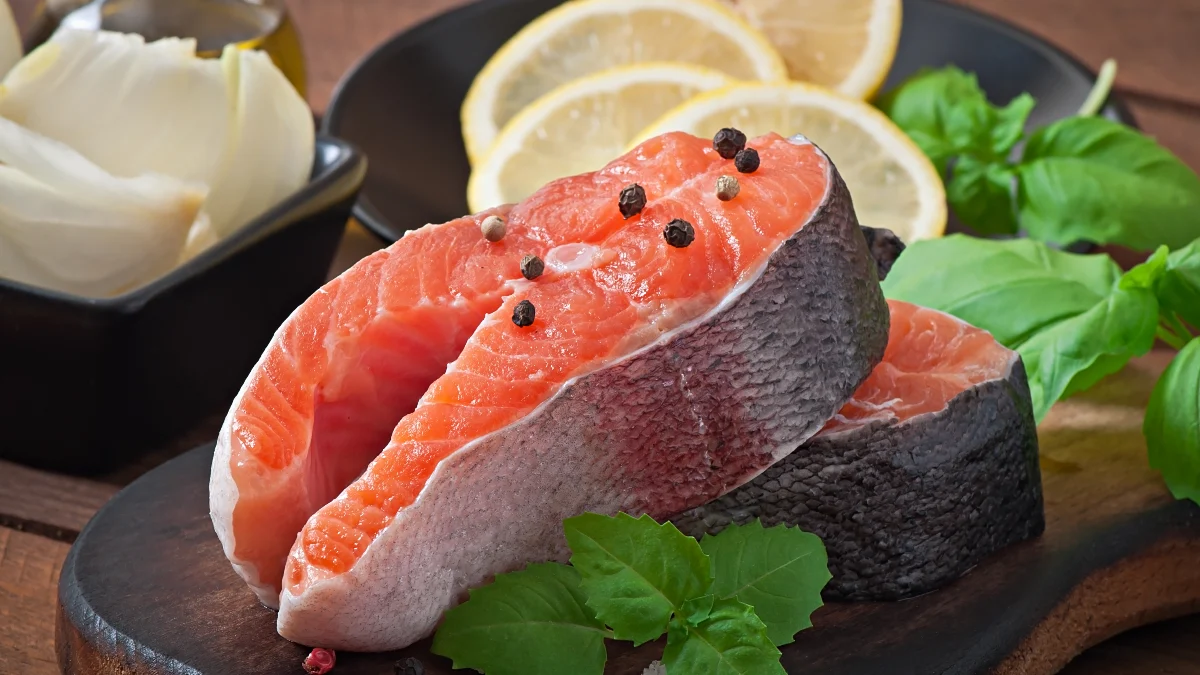
Salmon is one of the best mood-boosting foods you can eat because it tackles low mood from two different angles. First, it is a fantastic source of tryptophan. This is an essential amino acid, which means your body cannot make it on its own; you must get it from food.
Tryptophan is the direct “building block” your body uses to create serotonin, the “feel-good” neurotransmitter. Without enough tryptophan, your body simply does not have the raw materials to produce the serotonin you need to feel balanced and happy.
The second, and perhaps more powerful, benefit comes from salmon’s high content of Omega-3 fatty acids, specifically DHA and EPA. Your brain is nearly 60% fat, and DHA is a major structural component of your brain cells (neurons).
These healthy fats help keep your cell membranes fluid and flexible, which is critical for helping neurotransmitter signals—like serotonin—move more efficiently from one cell to the next. This can improve your brain’s “receptor sensitivity,” meaning the serotonin you do have works better.
Furthermore, these Omega-3s are powerful anti-inflammatories. A lot of modern research links depression and low moods to a state of chronic, low-grade inflammation in the body and brain (called neuroinflammation).
This inflammation can disrupt the production of neurotransmitters and damage brain cells. The DHA and EPA in salmon directly help to cool this inflammation, protecting your brain and allowing its mood-regulating systems to function normally.
This is why the Actionable Tip (pairing salmon with quinoa and asparagus) is so effective. The salmon provides the tryptophan building block. The quinoa acts as the essential complex carb, which helps transport that tryptophan to the brain.
And the asparagus provides prebiotic fiber, which feeds the “good” gut bacteria that produce even more serotonin. It’s a perfect combination that supports every part of the mood-boosting process.
2. Eggs (The Vitamin D & Choline Star)
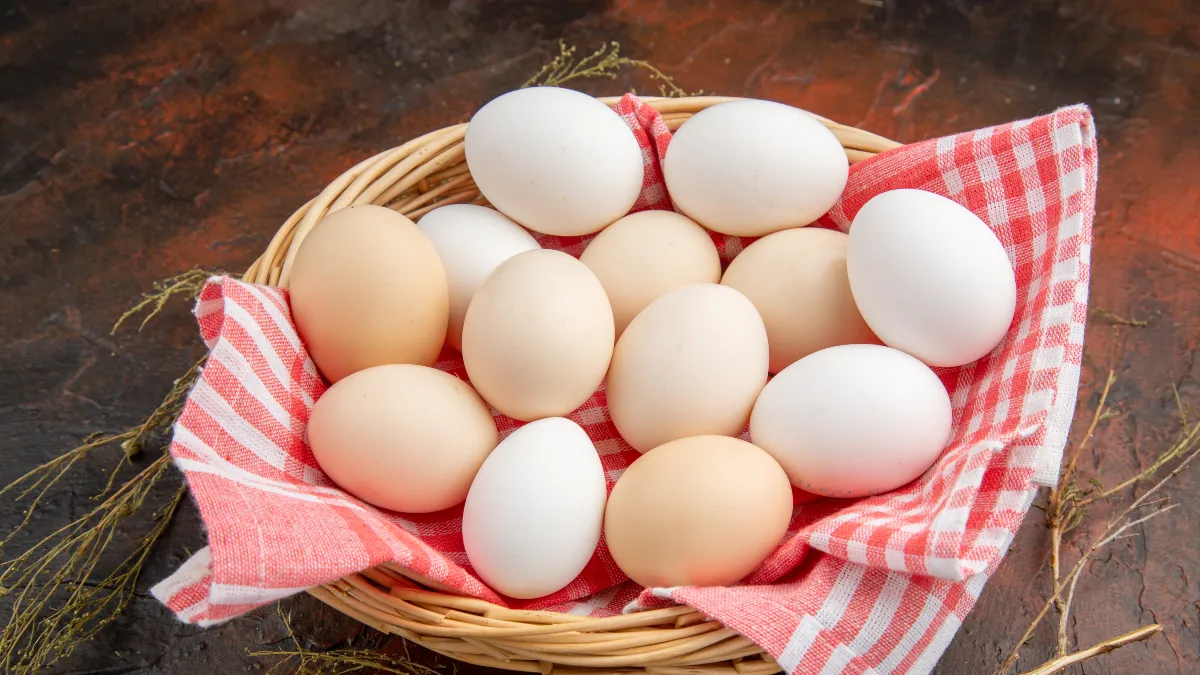
Eggs are a complete nutritional powerhouse, and their benefits for mood are stored right in the yolk. Like salmon, eggs are a complete protein, meaning they provide all nine essential amino acids, including the all-important tryptophan. This makes them a reliable and inexpensive source for the raw material your body needs to make serotonin.
The yolk’s first superpower is Vitamin D. Many people are very low in this “sunshine vitamin,” especially during darker winter months, which is a major reason for seasonal low moods. Your brain has Vitamin D receptors in the same areas that help regulate mood.
This vitamin is thought to help protect brain cells and support the production of both serotonin and dopamine. Eating eggs is one of the few reliable food ways to get this critical nutrient.
The yolk’s second superpower is choline. Choline is an essential nutrient that your brain uses to produce acetylcholine, a different neurotransmitter that is vital for memory, focus, and muscle control.
It also plays a key role in building healthy, strong cell membranes. A well-built brain with healthy cells is a brain that can function properly and regulate mood effectively.
When you follow the Actionable Tip and make a 2-egg omelet with spinach and whole-grain toast, you create a perfect “synergy.” The eggs provide the tryptophan. The whole-grain toast acts as the complex carb to transport it to your brain.
And the spinach provides two more key ingredients: prebiotic fiber (to feed your gut bacteria) and folate (a B-vitamin that is a helper nutrient for making serotonin).
3. Poultry (Turkey & Chicken)

Lean poultry like turkey and chicken is a staple for a reason: it’s one of the most reliable, easy-to-get, and lean sources of tryptophan. You have probably heard the “Thanksgiving myth” that eating turkey makes you sleepy. This is only half-true.
The sleepiness usually comes from eating a massive meal, especially all the carbohydrate-heavy side dishes. This carb-loading actually does help the tryptophan work, but it’s the sheer volume of food that makes you tired.
The real science is much more interesting. Tryptophan does not get to your brain automatically. It has to cross a protective barrier called the Blood-Brain Barrier (BBB). To do this, it has to “compete” for a ride on a limited number of “taxis” (transport molecules) with other, more common amino acids (like valine and leucine).
If you only eat protein, the tryptophan gets crowded out and very little of it reaches your brain. This is where the complex carb becomes the hero. When you follow the Actionable Tip and eat your turkey on sourdough bread or your chicken with brown rice, your body releases insulin.
This insulin tells your muscles to absorb all those other competing amino acids, but it doesn’t really affect the tryptophan. This clears the “traffic” at the BBB, allowing tryptophan to easily get its “taxi” and cross into your brain, where it can be turned into serotonin.
By choosing lean poultry, like a skinless chicken breast, you get this high-quality protein without a large amount of saturated fat. While fats are necessary, high amounts of certain fats can be linked to inflammation, so lean protein is a smart choice for a daily mood-boosting strategy.
4. Tofu & Edamame (The Plant-Based Solution)
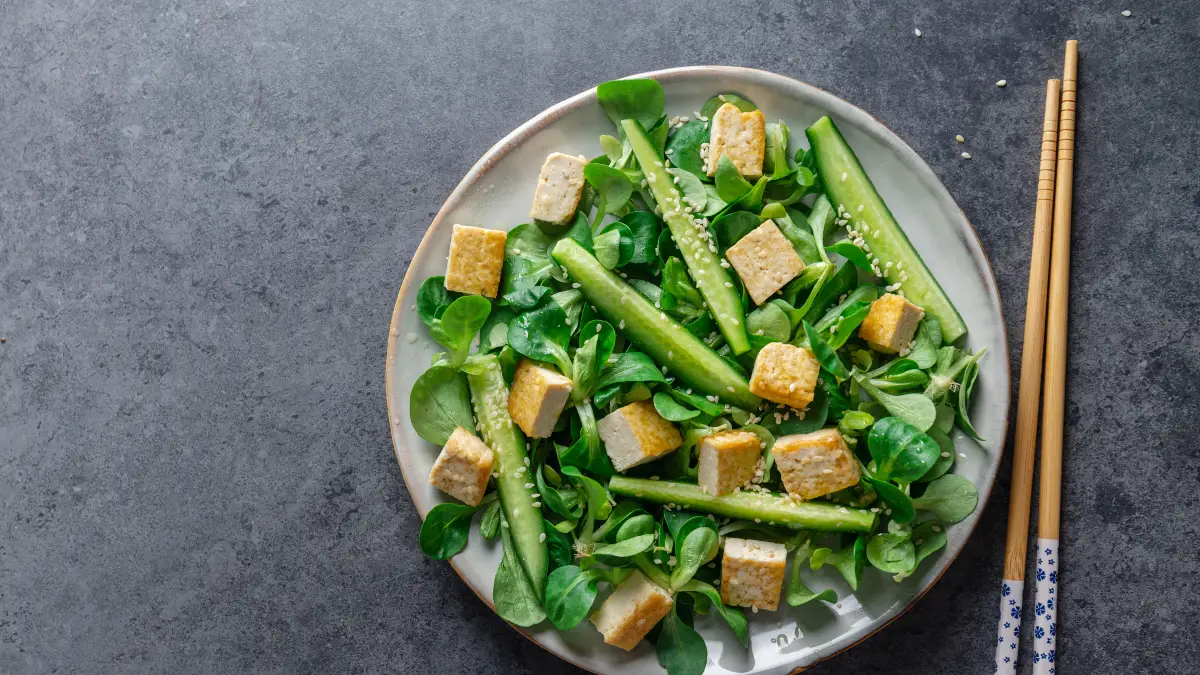
For anyone following a plant-based or vegetarian diet, soy products like tofu and edamame are the number one way to get the building blocks for serotonin. This is because they are one of the very few plant-based “complete proteins.”
This means, just like eggs or chicken, they contain all nine essential amino acids that your body cannot make on its own, including a healthy supply of tryptophan.
Beyond just being a protein source, soy products have other benefits. Tofu, for example, is rich in isoflavones. These are plant-based compounds that are being studied for their wide range of health benefits, including supporting brain health.
Edamame (which are young soybeans) are also a fantastic snack because they are high in both protein and prebiotic fiber. This fiber is essential for feeding the good bacteria in your gut—the “second brain” where most of your serotonin is made.
The Actionable Tip of adding crispy baked tofu to a soba noodle salad is a perfect plant-based meal. The tofu provides the tryptophan. The soba noodles, which are made from buckwheat, are an excellent complex carbohydrate. This pairing does the exact same job as the turkey and bread: the carbs help clear the path for the tryptophan to get to your brain effectively.
Tofu is also incredibly versatile. It’s like a “blank canvas” that soaks up the flavor of any sauce or seasoning, making it an easy addition to stir-fries, curries, or salads. This makes it simple to ensure you’re getting the raw materials for a good mood, even without eating meat.
5. Nuts & Seeds (The Magnesium Miracle)
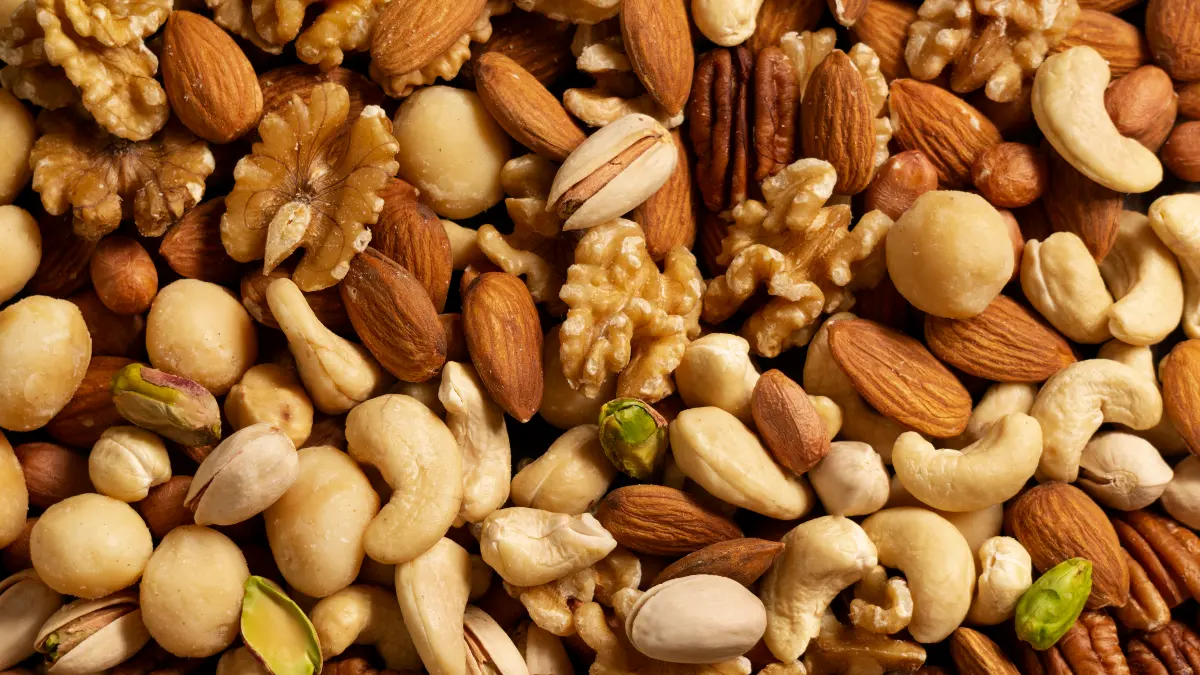
Nuts and seeds like walnuts, chia, flax, and pumpkin seeds are a non-negotiable part of a mood-boosting diet. Like other foods on this list, they provide a good plant-based source of tryptophan.
Walnuts are a special standout because they are one of the only plant foods that also contain a significant amount of Omega-3 fatty acids (in the plant form, ALA), which help fight inflammation.
However, the real superpower of nuts and seeds is their incredibly high magnesium content. You can think of magnesium as the “calming mineral” for your entire body. It plays a central role in relaxing your nervous system.
It works by stimulating your “rest and digest” (parasympathetic) system and binding to GABA receptors in your brain, which are the main “calm down” signals. Many people are low in magnesium, which can leave them feeling anxious, on edge, and unable to sleep well.
These nuts and seeds are also loaded with healthy fats and prebiotic fiber. This combination is key for stabilizing your blood sugar. When your blood sugar spikes from eating sugar or refined carbs and then crashes, it’s a major trigger for irritability, brain fog, and a sudden bad mood (the “hangry” feeling).
Snacking on a handful of almonds or adding chia seeds to your food prevents this crash, giving you steady, even energy.
The Actionable Tip to mix a handful of walnuts into your oatmeal is a perfect breakfast. The walnuts provide the tryptophan and magnesium. The oats provide the complex carb (for transport) and the prebiotic fiber (for the gut). This single meal provides sustained energy and multiple nutrients that support a calm, stable mood all morning.
6. Oats (The Slow-Burn Carb)
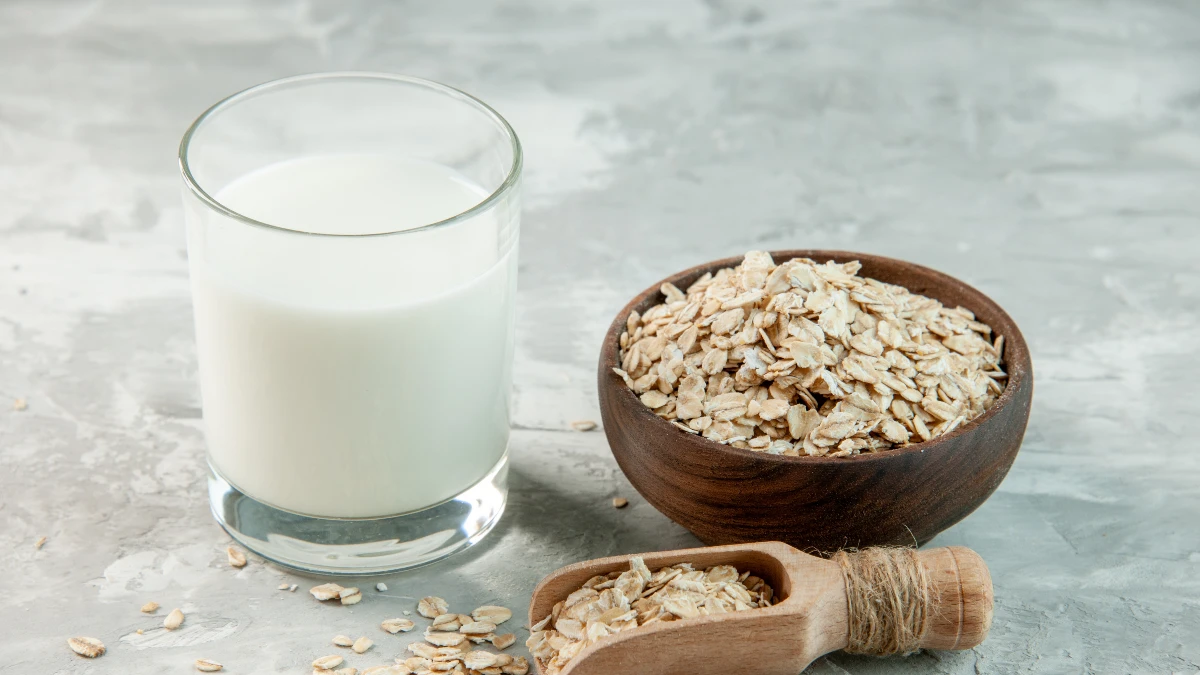
Oats are the ultimate complex carbohydrate and are essential for any mood-boosting diet. The most important difference between a complex carb like oats and a simple carb (like sugar or white bread) is how your body uses it. A simple carb causes a fast spike in your blood sugar, which is always followed by a crash, leaving you tired, foggy, and irritable.
Oats are a “slow-burn” fuel. They break down slowly, giving your brain a steady, stable supply of glucose (its main fuel) for hours. A stable blood sugar level is the foundation for a stable mood.
This slow release of energy is also what makes oats the perfect “transport” vehicle for tryptophan. As explained with poultry, you need a carb to help tryptophan get to the brain. Because oats release their energy slowly, they provide a gentle, sustained insulin release.
This is perfect for gradually clearing the other amino acids from your bloodstream, allowing the tryptophan from your other foods (like the walnuts you mix in) to get to your brain without competition.
Oats’ second job is just as important: they are a powerful prebiotic. Oats are full of a special type of soluble fiber called beta-glucan. This fiber is a “superfood” for the good bacteria in your gut (your “second brain”). When your gut bacteria feast on this fiber, they produce Short-Chain Fatty Acids (SCFAs) as a byproduct.
These SCFAs (like butyrate) are amazing molecules. They are the main fuel for the cells that line your gut, keeping your gut wall strong and healthy (which prevents “leaky gut”). They also powerfully lower inflammation.
Some research even shows these SCFAs can travel to the brain, where they may have direct anti-depressant effects. This means oats support your mood in at least three ways: stable energy, tryptophan transport, and feeding the gut factory.
7. Quinoa & Brown Rice (The Complete Grains)
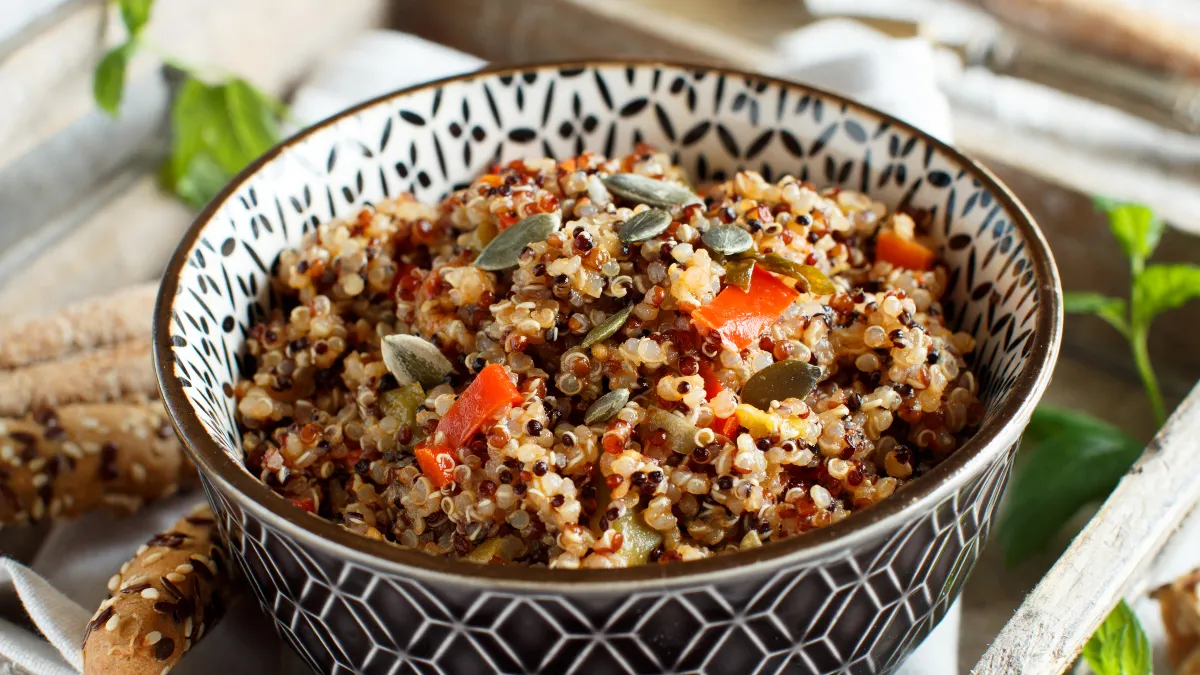
Quinoa and brown rice are, like oats, fantastic complex carbohydrates that provide the slow-burn energy your brain needs to avoid mood-crashing blood sugar spikes. They are the “transport” part of the equation. Creating the gentle insulin release that helps move tryptophan from your food (like salmon or chicken) across the blood-brain barrier.
Their second job is to provide the “tools” to build serotonin. You can’t just make serotonin from tryptophan alone; it’s a chemical conversion process. This process requires “co-factors,” or helper nutrients, to work. The most important helpers are B-vitamins, especially Vitamin B6, Vitamin B12, and Folate (B9).
Brown rice and quinoa are both good sources of these crucial B-vitamins. If you have all the tryptophan in the world but are low on B6, you can’t complete the conversion. It’s like having a pile of wood (tryptophan) but no matches (B6). Eating these whole grains helps ensure you have both the blocks and the tools.
Quinoa, in particular, has a special status. Like tofu, it is a rare plant-based “complete protein.” This means it also contains tryptophan and all the other essential amino acids. This makes it an incredible food, especially for vegans, because it provides the tryptophan and the carb transport all in one package.
To top it all off, quinoa is also a great source of the “calming mineral” magnesium, as well as prebiotic fiber to feed your gut. This makes it one of the most nutrient-dense and supportive foods you can add to your diet. Swapping white rice for brown rice or quinoa is an easy upgrade that gives your body so many more tools for a good mood.
8. Sourdough Bread (The Gut-Friendly Carb)
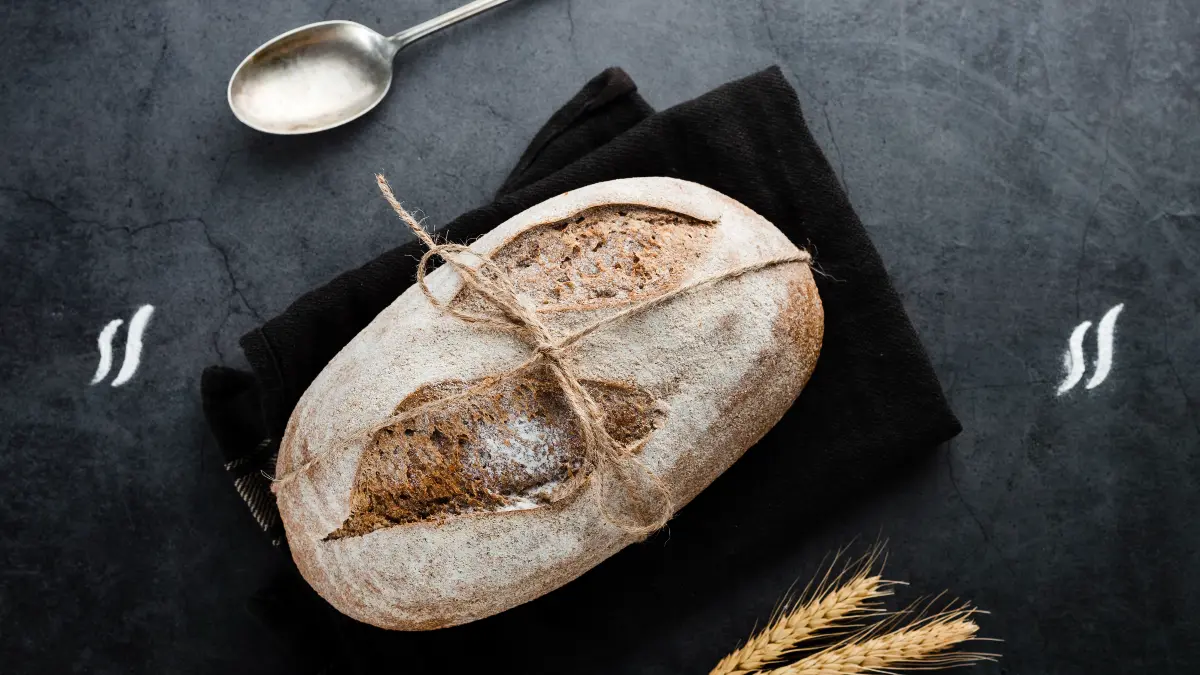
Not all bread is created equal, and sourdough is a truly unique food. While standard white bread is a “simple carb” that will spike your blood sugar and lead to a mood crash, and whole wheat bread is a better (but still basic) complex carb, traditional sourdough is in a league of its own. It’s a “gut-friendly” carb because it is a fermented food.
Real sourdough isn’t made with a packet of commercial yeast. It’s made with a “starter,” which is a living, symbiotic colony of wild yeasts and friendly Lactobacillus bacteria. As this starter “eats” the flour (a process that can take many hours), it transforms it.
This fermentation acts as a prebiotic, creating new compounds and fibers that are the perfect food for your own good gut bacteria. You are not just eating bread; you are eating food for your microbiome.
This long fermentation process also starts to “pre-digest” the flour. It breaks down some of the gluten and other hard-to-digest proteins. This is why many people who feel bloated or heavy after eating regular bread find that they can eat traditional sourdough with no problems.
A happy, calm digestive system is a core part of a healthy gut-brain axis. If your gut is inflamed or upset, it will send stress signals to your brain.
This makes sourdough the ideal complex carb to use for your Actionable Tips. When you make a turkey sandwich on sourdough or have a slice of sourdough toast with your eggs, you get the best of all worlds.
You get the complex carb you need to transport tryptophan to your brain, plus you are actively feeding and supporting your “second brain” (your gut) at the same time.
9. Pineapple (The Tryptophan Fruit)
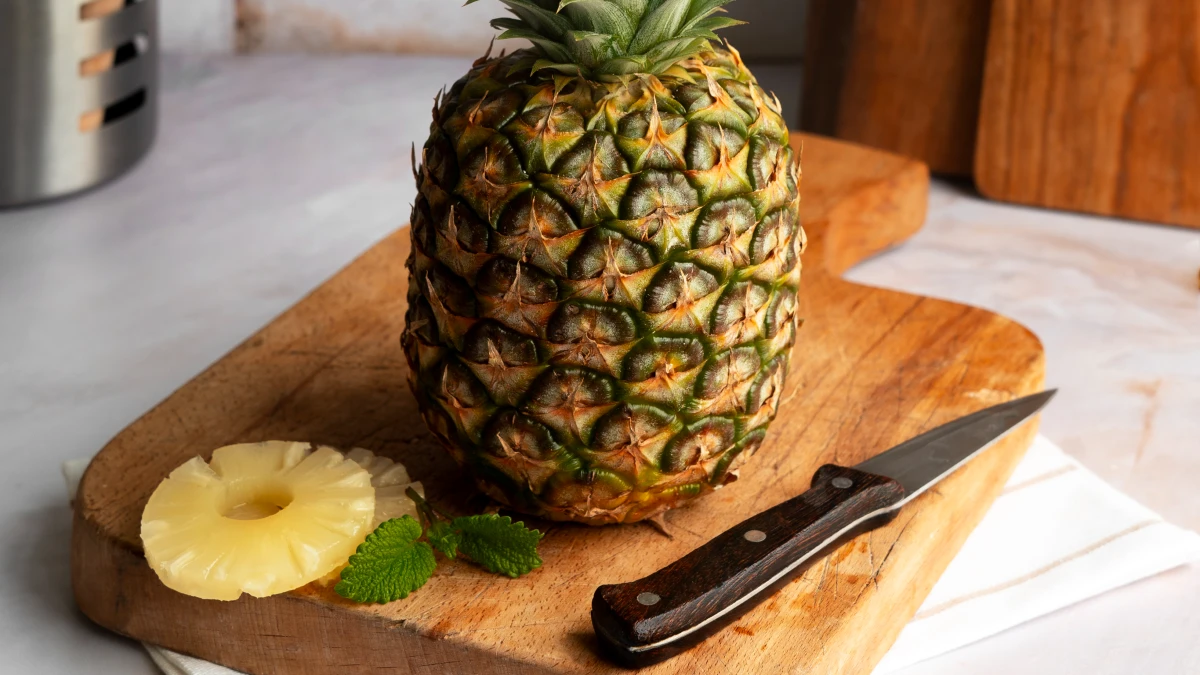
Pineapple is a fantastic addition to a mood-boosting diet for a very specific reason that goes beyond its vitamin content. While it does contain some tryptophan and the carbohydrates to help deliver it, its real superstar ingredient is bromelain. Bromelain is a powerful group of enzymes found almost exclusively in pineapple (especially in the core and stem).
This is important because we must understand that low mood is not just a “chemical imbalance.” For many people, it is a symptom of chronic, low-grade inflammation. This inflammation can be body-wide.
And it includes “neuroinflammation,” or inflammation in the brain. This inflammatory state can disrupt your brain’s ability to produce and use serotonin, leading to feelings of fog, low energy, and sadness.
Bromelain is a “systemic enzyme.” This means it doesn’t just help you digest the food in your stomach; it can be absorbed into your bloodstream, where it travels throughout your body and helps “clean up” and cool down these inflammatory processes. By helping to lower this chronic inflammation, bromelain may help clear the fog and allow your brain’s mood systems to function normally.
Pineapple is also packed with Vitamin C, a powerful antioxidant that your brain needs to protect itself from damage and to help produce other neurotransmitters like dopamine. A great way to eat it is to pair it with plain Greek yogurt. The yogurt provides tryptophan and probiotics, while the pineapple provides the carbs and the anti-inflammatory bromelain.
10. Dark Chocolate (70% Cacao or Higher)
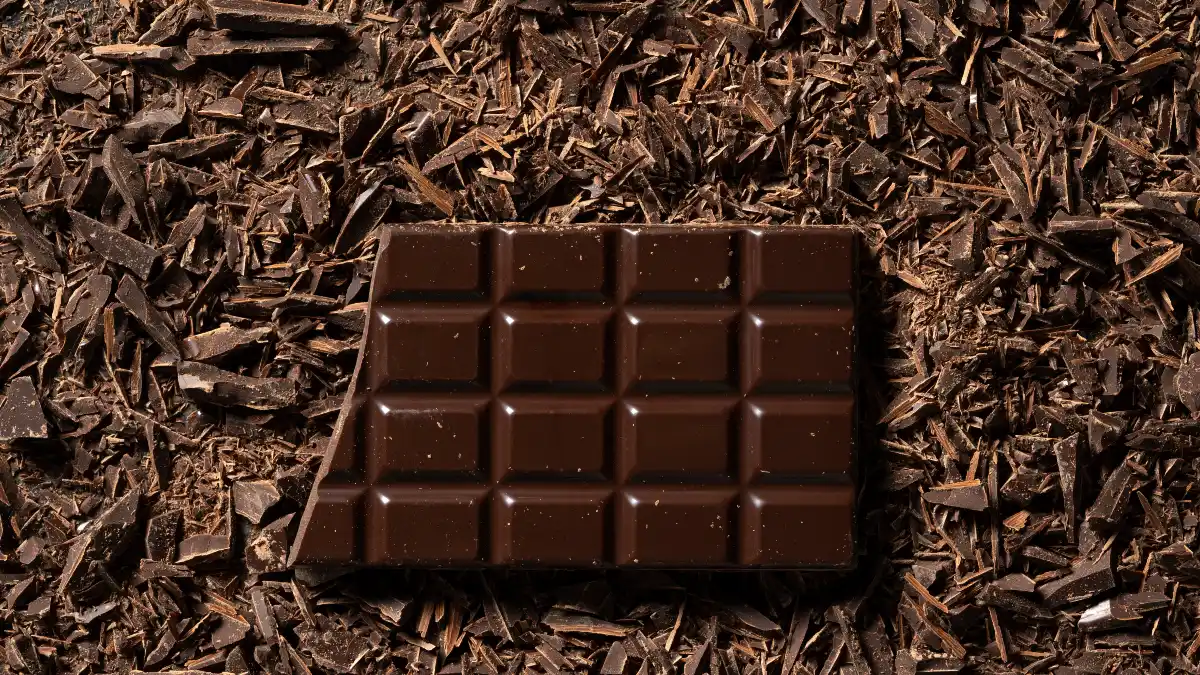
This is one of the most enjoyable ways to support your mood, but the type of chocolate is critical. Milk chocolate is mostly sugar and will cause a mood- crashing blood sugar spike. The benefits are all found in the cacao (the bean itself). You must choose a bar that is 70% cacao or higher; the darker, the better.
The first major benefit of dark chocolate is its high magnesium content. As we’ve covered, magnesium is the “calming mineral.” It helps relax your muscles and, more importantly, it helps calm your central nervous system by stimulating your “rest and digest” response. This can directly reduce feelings of anxiety and stress.
Second, dark chocolate is one of the world’s richest sources of flavonoids. These are powerful plant compounds that act as antioxidants, protecting your brain cells from damage.
But they also have a very specific, proven benefit: they increase blood flow to the brain. This increased circulation delivers more oxygen and more nutrients to your brain cells, helping you feel more focused, alert, and clear-headed.
Finally, chocolate contains a few unique compounds that may contribute to its “feel-good” reputation. It contains small amounts of anandamide, a neurotransmitter nicknamed the “bliss molecule” because it binds to the same receptors in your brain as THC.
While the amount is very small, it combines with the magnesium and flavonoids to make dark chocolate a powerful, multi-action food for supporting a better mood.
11. Fermented Foods (Kimchi, Sauerkraut, Miso)
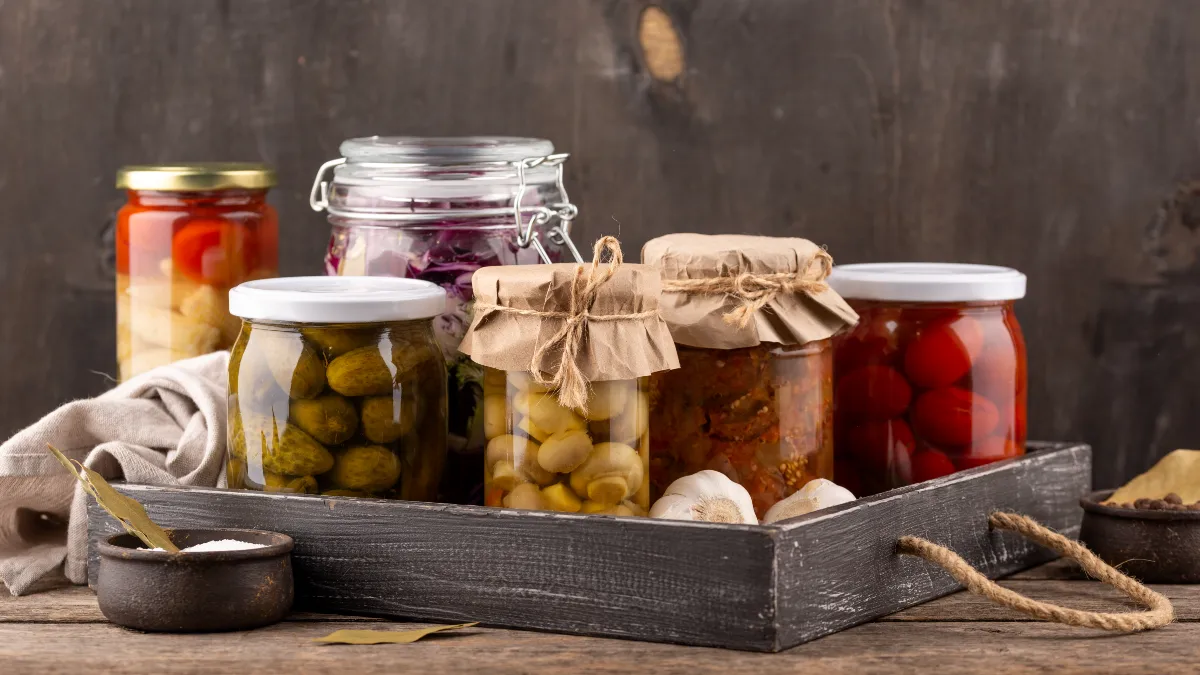
This category of foods is one of the most direct ways to support your gut-brain axis. These foods are probiotics, which means they contain the live, helpful bacteria themselves. When you eat a forkful of kimchi or sauerkraut, you are directly adding new, beneficial “workers” to the “factory” in your gut. This is different from a prebiotic, which is just the food for the bacteria you already have.
The research you read about in Current Nutrition Reports confirms this. Clinical studies where people were given these specific probiotic strains showed real, measurable reductions in symptoms of depression and anxiety.
This proves that the gut-brain connection is not just a theory; it’s a powerful and direct pathway to influencing your mood. You are, in a very real way, “eating happiness.”
You don’t need to eat a lot. Just a small serving as a side dish is all it takes. The most important rule is to buy “raw” or “unpasteurized” versions from the refrigerated section of the store. Heat kills these good bacteria, so canned sauerkraut or kimchi that has been cooked will not provide these probiotic benefits.
12. Yogurt & Kefir (The Probiotic Dairy)
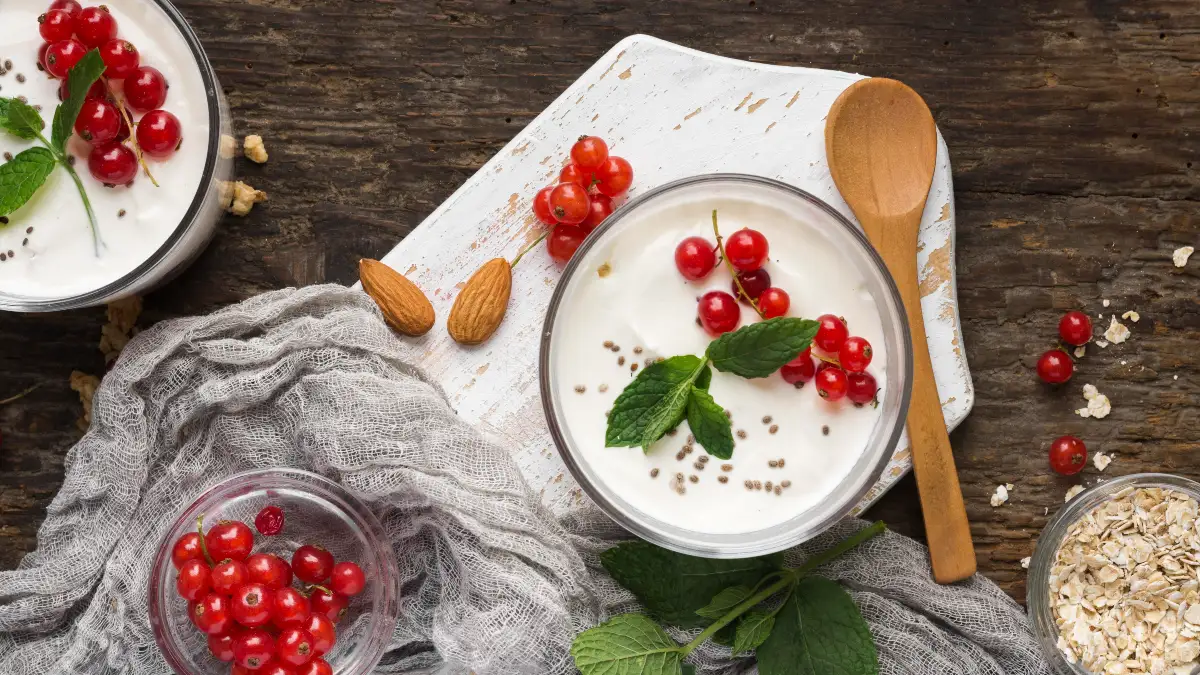
Yogurt and kefir are other excellent sources of probiotics, delivering live bacteria directly to your gut. When you buy them, you must look for the “live and active cultures” seal on the label. This is a regulated term that guarantees the product contains a high number of beneficial bacteria that survived the production process.
Kefir, a fermented milk drink, is often considered a “probiotic powerhouse” and even stronger than yogurt. This is because kefir is made from “grains,” which are not actually grains but a symbiotic culture of 30-60 different strains of good bacteria and yeasts.
Yogurt, by contrast, usually only has two or three strains. This massive diversity is fantastic for your microbiome. A gut with many different types of good bacteria is a healthier, stronger, and more resilient gut.
The most important rule for both yogurt and kefir is to always buy plain and unsweetened. Most flavored yogurts are a trap. They are loaded with sugar, often as much as a can of soda or a candy bar.
This sugar is the favorite food of the bad bacteria and yeasts (like Candida) in your gut. Eating sugary yogurt feeds the bad guys and can cause inflammation, completely undoing the benefits of the probiotics.
The best Actionable Tip is to buy plain Greek yogurt (which is also high in tryptophan) or plain kefir and add your own toppings. A perfect combination is a bowl of plain yogurt with a handful of berries (a prebiotic fiber source) and a sprinkle of walnuts (a tryptophan and magnesium source). This creates a “synbiotic” (a pro- and prebiotic together) and is one of the best snacks you can eat for your mood.
13. Leafy Greens (Spinach, Kale)
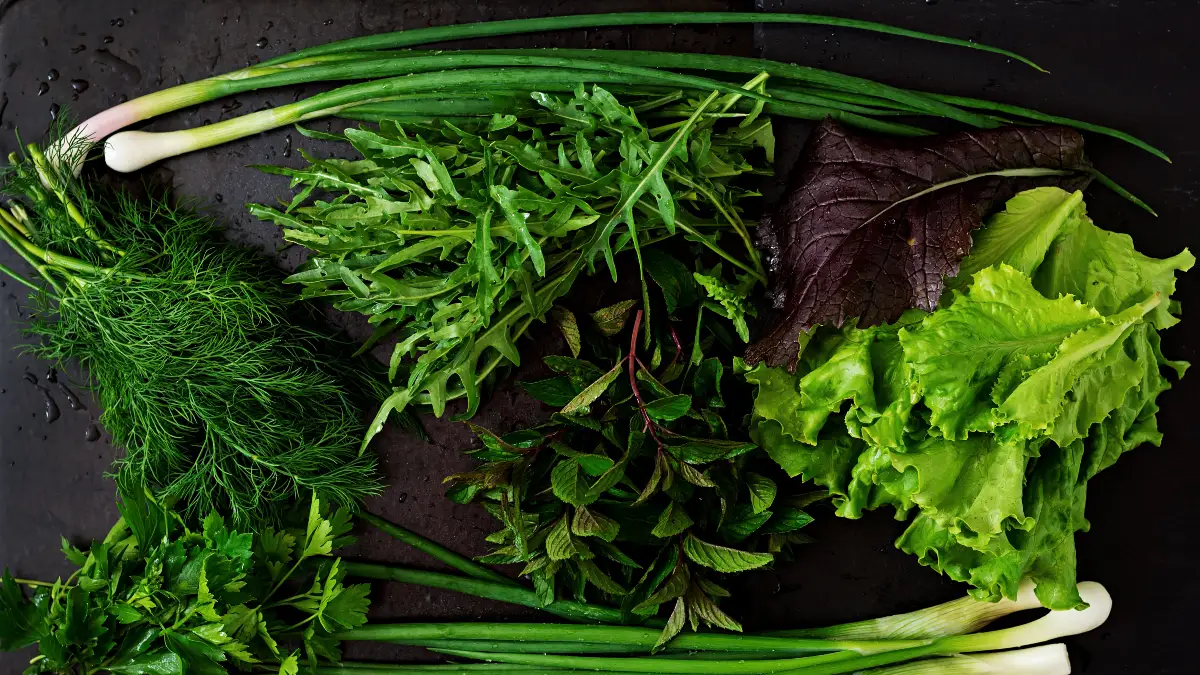
Leafy greens like spinach, kale, and Swiss chard are foundational for mood, and they work in two key ways. Their first and most obvious job is to be a prebiotic. If probiotics are the “workers,” prebiotics are the “groceries” they need to survive, thrive.
And do their jobs (like help make serotonin). The high-fiber content in these greens is not digestible by you, but it’s the perfect meal for your good gut bacteria.
Their second, equally important job is to provide folate, which is also known as Vitamin B9. As we’ve covered, your body needs a team of “helper nutrients” or “co-factors” to convert tryptophan into serotonin.
Folate is one of the most critical members of that team. You can eat all the tryptophan in the world, but if you are low on folate, you simply cannot complete the chemical reaction. Low folate levels are one of the most common nutritional deficiencies seen in people with depression.
This is why the Actionable Tip of adding spinach to your omelet is so smart. The eggs provide the tryptophan. The spinach provides both the prebiotic (to feed the gut factory) and the folate (to act as the helper nutrient). You are “stacking” your nutrients to make sure every step of the serotonin-production line is supported.
Leafy greens are also incredibly easy to add to almost any meal. You can wilt a giant handful of spinach into a soup, pasta sauce, or curry in the last minute of cooking. You can use kale as the base for a salad topped with salmon, or blend a handful of greens into a fruit smoothie (you won’t even taste it).
Conclusion
Beating the blues with food isn’t about one “magic” ingredient. As you’ve seen, it’s a three-part strategy that works together. You need the right building blocks, which means eating tryptophan-rich foods like salmon, eggs, and nuts.
But those blocks are useless without transport. You must pair them with a complex carb like oats or quinoa to help shuttle that tryptophan to your brain. This combination is the key that many people miss.
The most powerful part of this strategy is supporting your gut “factory.” By adding probiotics like yogurt or kimchi and prebiotics like leafy greens and oats, you are actively helping the place where 90% of your serotonin is made.