
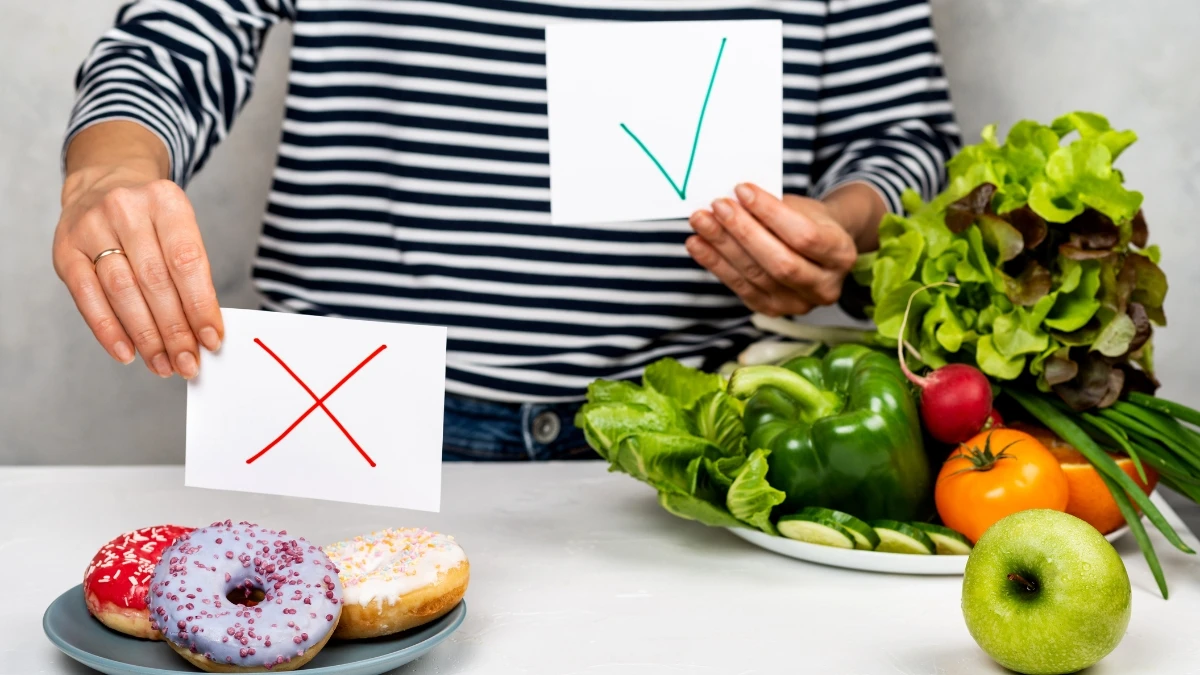
The “healthy” food you eat might seem to protect your heart, but doctors warn that many common foods are silent culprits, secretly sabotaging your efforts. Hitting 30 often marks a turning point for metabolic health.
Managing high cholesterol becomes a non-negotiable battle for your future. The rules have changed, and some items you believe are safe could be actively contributing to arterial plaque.
This isn’t just about numbers on a lab report; it’s about safeguarding your energy, vitality, and long-term well-being. We’ve consulted medical experts to pinpoint the 13 specific foods you must avoid like the plague. Identifying these dietary enemies is the first critical step to regaining control and protecting your cardiovascular health.
Why Your 30s Are a Tipping Point for Cholesterol
The 30s Shift
Why your body changes now
Hormonal Shifts
Changes in late 30s (especially for women) negatively impact lipid profiles.
Habits Accumulate
Small, poor choices that didn’t matter before now show up in bloodwork.
The Perfect Storm
High stress, less sleep, and rising BP combine to increase heart risks.
You might be wondering, “Why now?” It’s a fair question. Your body in your 30s is not the same as it was in your 20s.
First, your metabolism starts to slow down. Your body just doesn’t process fats and sugars as efficiently as it used to. Hormonal shifts also play a big part, especially for women in their late 30s and early 40s. These changes can negatively impact your lipid profile, which is the full panel of your cholesterol numbers.
This is also the decade when small, consistent habits start to add up. Those few poor choices each week, which never seemed to matter before, now start to show up in your bloodwork.
The risk is also compounded by other factors common after 30. You likely have higher stress, get less sleep, and may be dealing with rising blood pressure. This combination creates a perfect storm for heart health problems, making your LDL cholesterol number more important than ever.
1. Coconut Oil
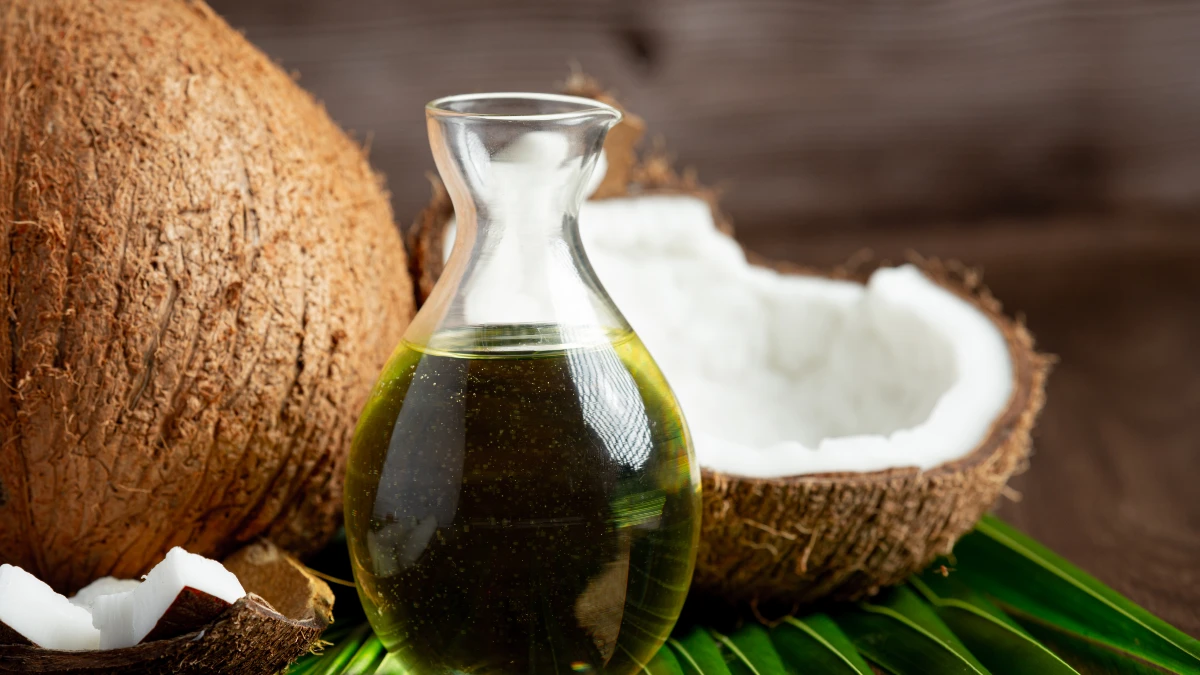
Coconut oil is the perfect example of a “health halo” food. It has been marketed as a weight-loss superfood and a “healthy” fat for years. The truth is that coconut oil is about 80-90% saturated fat.
This is a much higher percentage than butter (about 63%) or beef fat (about 50%). While some of this is lauric acid, which can also raise “good” HDL cholesterol, its powerful effect on “bad” LDL cholesterol is what truly worries doctors.
Here is the hard data: one single tablespoon of coconut oil has 11-12 grams of saturated fat. The American Heart Association (AHA) recommends a daily limit of only 13 grams for a 2,000-calorie diet.
This means one spoonful in your “healthy” smoothie or stir-fry takes up almost your entire day’s allowance. This high intake of saturated fat signals your liver to produce more LDL cholesterol, which gums up your arteries.
This fat doesn’t just hide in the jar. It’s a common ingredient in vegan and “paleo” baked goods, “healthy” granola, and even some non-dairy creamers. Because it’s solid at room temperature, it’s a cheap and easy replacement for butter in processed foods.
The bottom line from heart experts at Harvard and the AHA is clear: coconut oil is not a health food. For cooking, you are far better off using a liquid oil that is high in unsaturated fats, like olive oil. Use olive oil for low-heat cooking and salads, and a high-heat oil like avocado oil for searing.
2. “Healthy” Packaged Granola and Cereal Bars
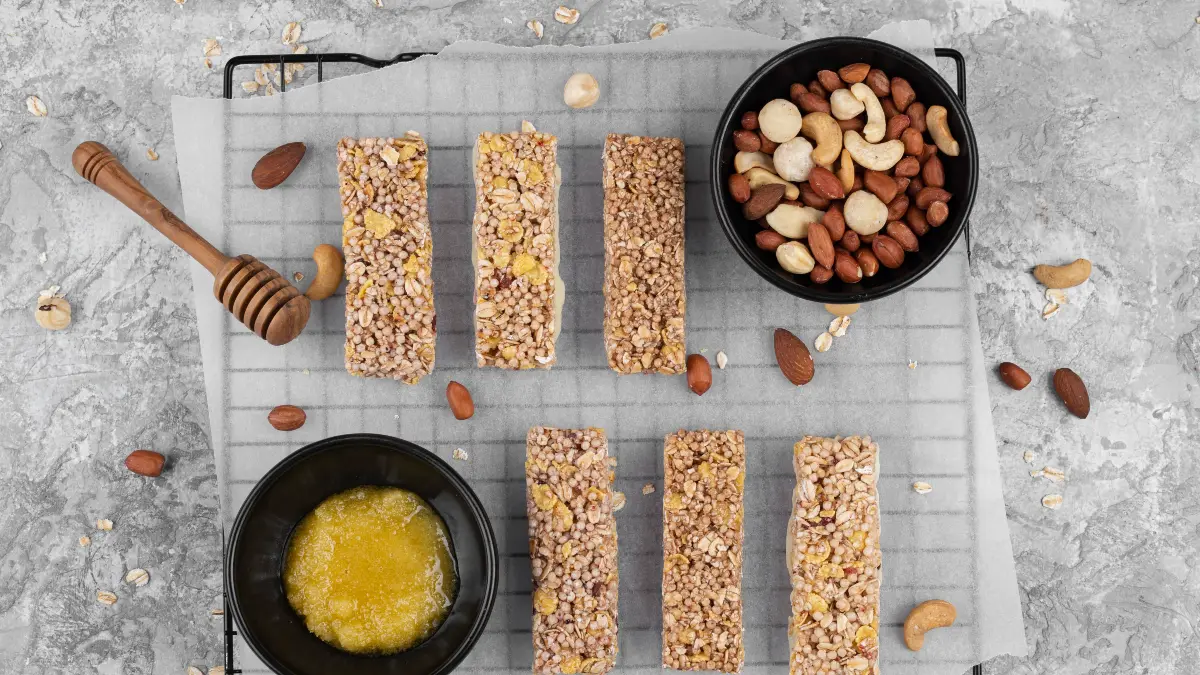
You are in a rush and grab a granola bar for a quick, healthy breakfast. You see pictures of whole oats and fresh fruit on the wrapper. But in reality, many of these bars are just candy bars with better marketing. They are often packed with sugar and saturated fats that work together to harm your cholesterol levels.
The first problem is sugar. To bind the oats and nuts together, companies use syrups like high-fructose corn syrup, honey, or agave nectar. When you eat this, your blood sugar spikes.
Your body’s response is to release insulin, and your liver gets a signal to convert all that excess sugar into triglycerides. Triglycerides are a type of fat that circulates in your blood, and high levels are a major risk factor for heart disease.
The second problem is the fat. The “chocolatey drizzle” or “yogurt coating” is rarely real chocolate or yogurt. It’s often a mix of sugar and palm kernel oil or palm oil. These are cheap, tropical oils that are loaded with saturated fat. This saturated fat, just like coconut oil, tells your liver to pump out more bad LDL cholesterol.
Before you buy another box, read the label. If sugar is one of the top three ingredients, or if you see “palm oil” or “partially hydrogenated oil” on the list, it’s a dessert, not a health food. Look for bars with whole nuts or seeds as the first ingredient and less than 5 grams of sugar.
3. Low-Fat Flavored Yogurt
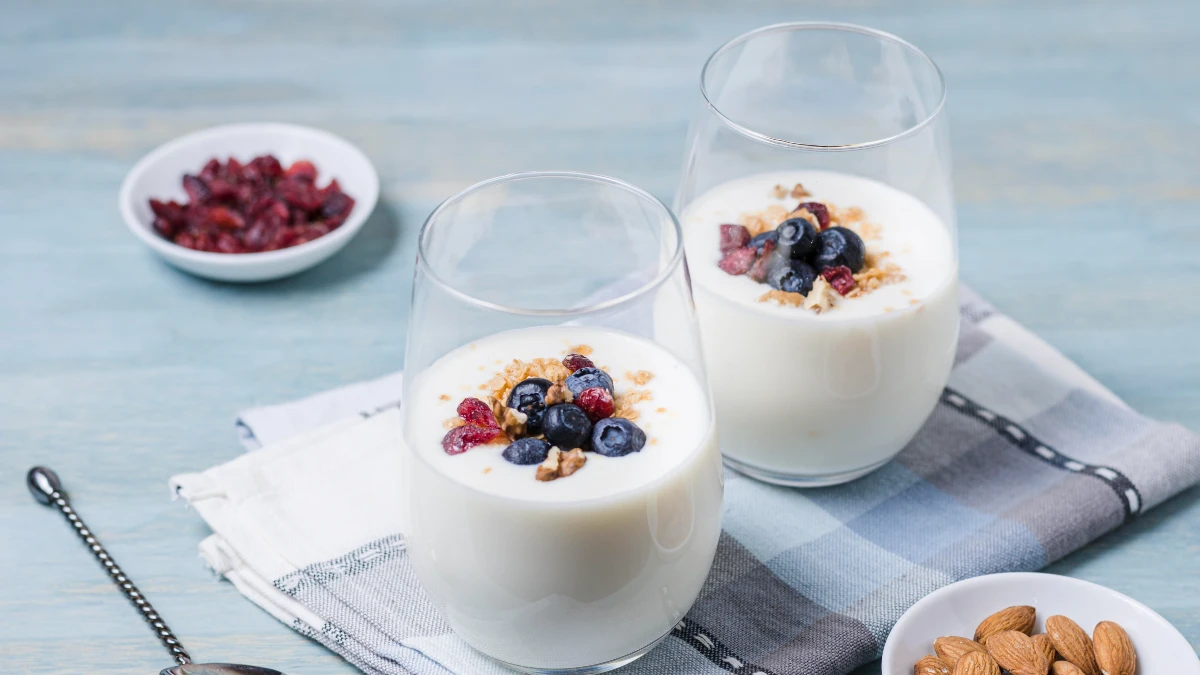
This is a classic health trap that started in the 1990s. We were all told that “fat is the enemy,” so food companies responded by removing it from everything, including yogurt. The problem is that when you remove fat, you also remove flavor and texture. The food tastes bland and watery.
To make it taste good again, they dumped in massive amounts of sugar. A small, single-serving cup of “fruit on the bottom” or “low-fat vanilla” yogurt can have 20, 25, or even 30 grams of added sugar. That is more sugar than a can of Coke or a frosted donut. Your body treats this processed sugar syrup exactly like it treats soda.
This sugar bomb does two terrible things for your heart health. First, as we just learned, it spikes your blood sugar and causes your liver to create triglycerides, a fat that is just as dangerous as LDL.
Second, studies show that high-sugar diets can actually lower your “good” HDL cholesterol. HDL is the “good guy” that helps remove bad cholesterol from your arteries, so you want it to be high, not low.
The fix is simple: buy plain Greek yogurt. It’s high in protein and has no added sugar. If you need sweetness, add a handful of fresh berries. That way, you get fiber, vitamins, and a fraction of the sugar.
4. Gourmet Coffee Drinks (Lattes, Frappuccinos)

Your daily trip to the coffee shop could be setting your cholesterol numbers back, and it has nothing to do with the coffee itself. Black coffee is fine. The problem is that many popular drinks are actually desserts masquerading as a morning pick-me-up. These drinks are loaded with whole milk, whipped cream, and sugary syrups.
Let’s break it down. A “grande” or large latte uses a lot of whole milk, which contains a significant amount of saturated fat. If you add whipped cream, you are adding even more saturated fat (whipped cream is made from heavy cream). Then, you add the pumps of vanilla, caramel, or mocha syrup, which are pure sugar. You are getting a double-whammy of saturated fat and high sugar.
The numbers are shocking. A large whole-milk mocha or a seasonal latte with whipped cream can contain over 10-15 grams of saturated fat. That is your entire daily limit in a single cup. This directly raises your LDL. At the same time, the 40-50+ grams of sugar send your triglycerides through the roof.
You don’t have to give up your coffee ritual. Just make it smarter. Order a black coffee, an Americano, or a cappuccino (which is mostly foam and less milk). If you need milk, ask for skim milk or an unsweetened almond or oat milk. And most important: skip the whip and the syrups.
5. Store-Bought Baked Goods (Muffins, Croissants)
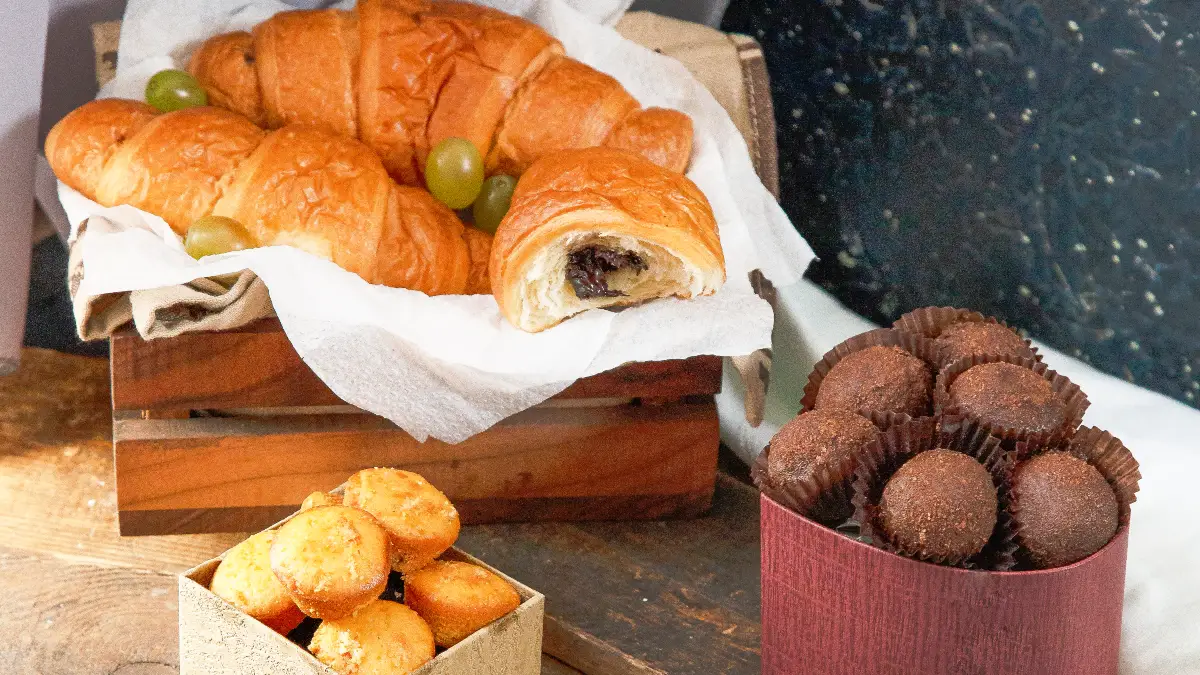
That “healthy” bran muffin at the coffee shop or the packaged croissants at the grocery store are a lot worse than you think. This is a rare point from Harvard experts that goes beyond just sugar. These items are often a primary source of the worst kinds of fats for your heart: saturated fats and, in some cases, hidden trans fats.
To get that flaky texture in a croissant or that moist, stable crumb in a packaged muffin, manufacturers use hard fats. This often means large amounts of butter, palm oil, or shortening.
All of these are loaded with saturated fat, which directly raises your LDL. Even a “healthy” muffin can be a trap—it’s often just a cupcake without the frosting, loaded with sugar and cheap vegetable oils.
The other problem is trans fat. While “partially hydrogenated oils” (the main source of industrial trans fats) are now banned in the U.S., they are still used in many parts of the world.
And even in the U.S., foods can contain small amounts (less than 0.5g per serving) and still be labeled “0g trans fat.” These tiny amounts add up, and trans fat is the single worst fat for your heart. It raises your bad LDL and lowers your good HDL.
If you want a baked good, it’s best to make it yourself at home. That way, you can control the ingredients. You can swap butter for applesauce or mashed bananas and use heart-healthy olive oil.
6. Processed Deli Meats (Turkey, Ham, Salami)
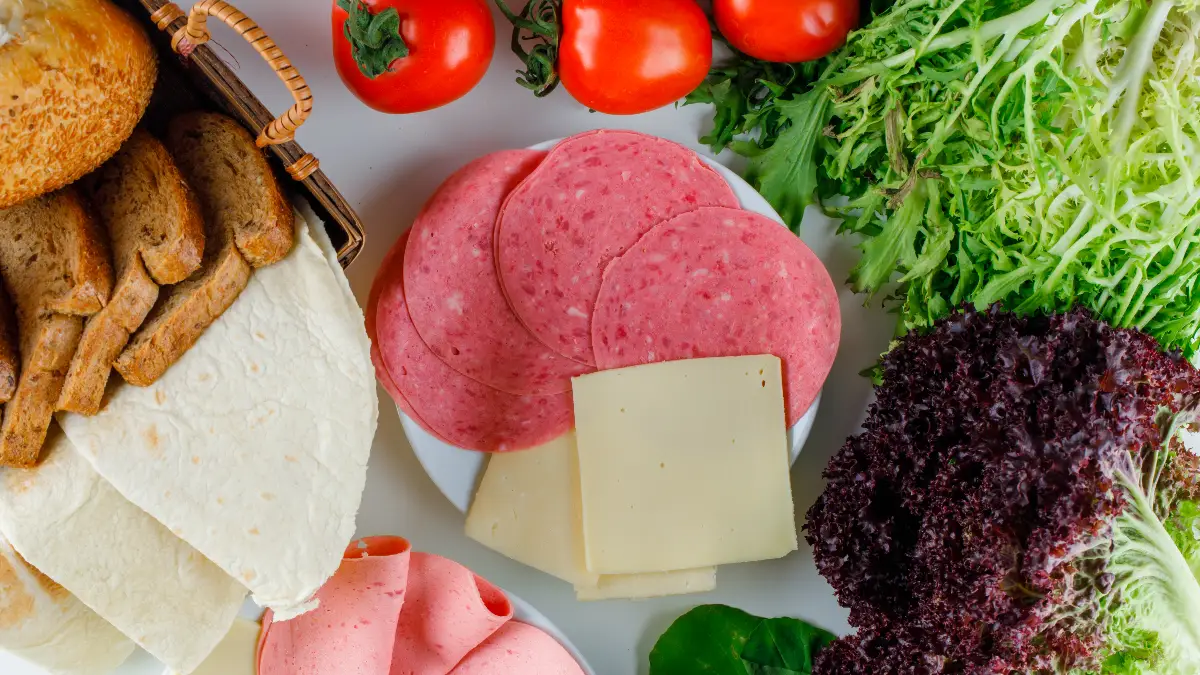
This one surprises people. You choose “lean” sliced turkey for your sandwich, thinking it’s a high-protein, low-fat, healthy choice. But the problem with processed deli meats isn’t just the fat content (which can be very high in salami and bologna). The real issues are the high sodium and the nitrates used as preservatives.
High sodium (salt) is a major driver of high blood pressure. High blood pressure and high cholesterol are a dangerous combination known as the “silent killers.” Together, they dramatically increase your risk of a heart attack or stroke. That “healthy” turkey sandwich can have over 1,000mg of sodium, which is nearly half your recommended daily limit.
The nitrates and nitrites used to cure the meat and give it that pink color are also a concern. In your body, they can form compounds that may damage your blood vessels, making them stiffer and more prone to plaque buildup.
Experts from Mass General Brigham and the AHA strongly advise limiting or avoiding all processed meats, including bacon, sausage, hot dogs, and deli meats.
7. Restaurant Soups (Especially Cream-Based)
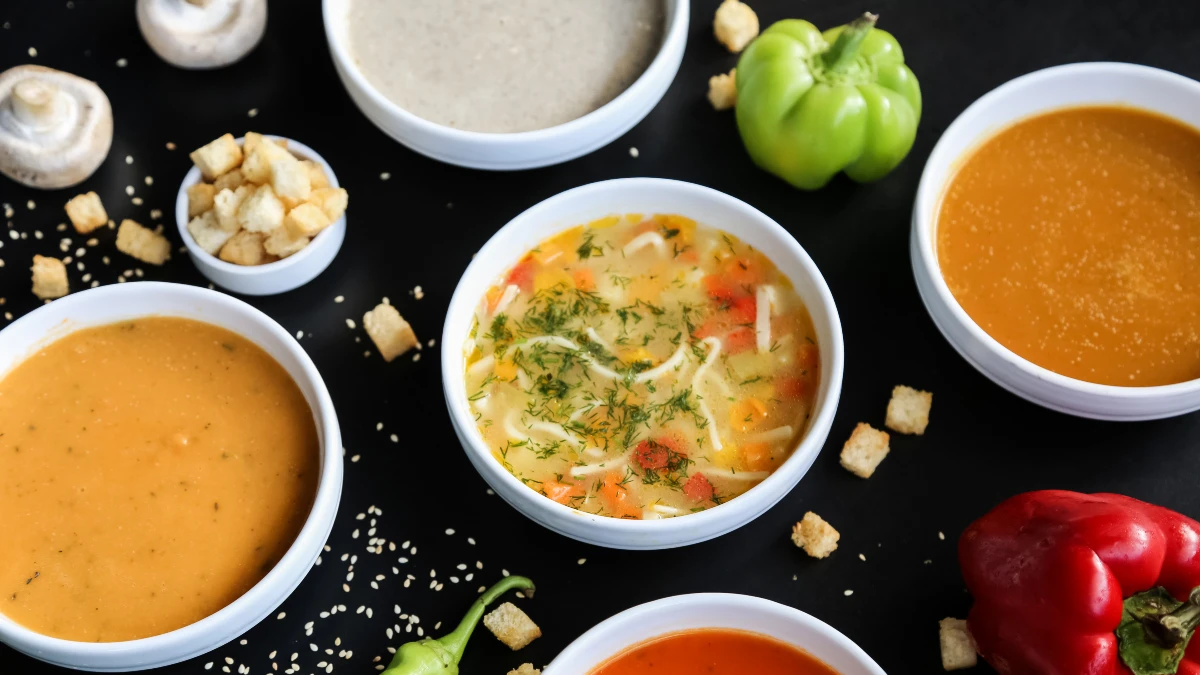
When you’re eating out, a bowl of soup seems like a light, healthy start to a meal. But unless it’s a clear, broth-based soup (like minestrone or chicken noodle), you are likely eating a saturated fat bomb. Cream-based soups like clam chowder, broccoli-cheddar, or lobster bisque are a trap.
To get that rich, velvety texture, restaurants don’t just add a splash of milk. They use heavy cream, butter, and sometimes cheese as the base. Heavy cream is almost pure saturated fat. A single bowl of New England clam chowder can have more saturated fat than a cheeseburger, sometimes clocking in at 15-20 grams.
On top of the fat, these soups are loaded with sodium. Restaurant chefs use salt to make flavors pop, and canned soup bases are notoriously high in sodium. A single bowl can easily contain over 1,000mg of sodium.
This combination of high saturated fat (raising your LDL) and high sodium (raising your blood pressure) is terrible for your heart.
If you want soup, always choose a broth-based option with plenty of vegetables. Or, better yet, make your own at home where you can use pureed vegetables, skim milk, or even a little plain Greek yogurt to create a creamy texture without the fat.
8. Non-Dairy Creamy Desserts (e.g., Coconut Milk Ice Cream)
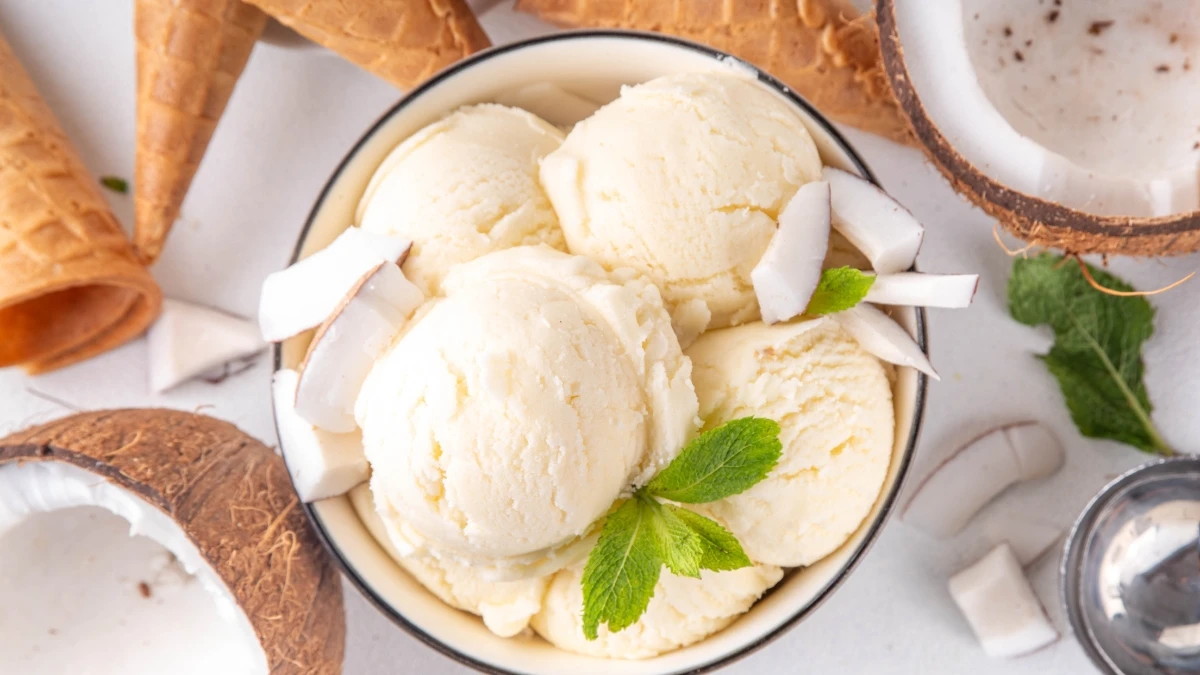
You’ve been diagnosed with high cholesterol, so you proudly skip the premium dairy ice cream and grab a “healthy” non-dairy pint from the freezer aisle. You think you’re making a smart choice, but you may have just swapped one bad fat for another.
Many of these creamy, “guilt-free” ice creams are made with a base of coconut cream or coconut oil. As we learned in point #1, coconut oil is one of the most potent sources of saturated fat on the planet. A small half-cup serving of coconut milk ice cream can have 10-15 grams of saturated fat—just as much, or even more, than the dairy ice cream you were trying to avoid.
Your liver doesn’t care if the saturated fat came from a cow or a coconut. It processes it the same way: by producing more LDL cholesterol. This is a classic “health halo” trap where the “vegan” or “non-dairy” label tricks you into thinking it’s heart-healthy.
If you’re looking for a frozen dessert, read the label carefully. Look for sorbets (which are just fruit and sugar, so eat them in moderation) or a non-dairy ice cream that uses a base of almond milk or oat milk, which are naturally low in saturated fat.
9. Microwave Popcorn
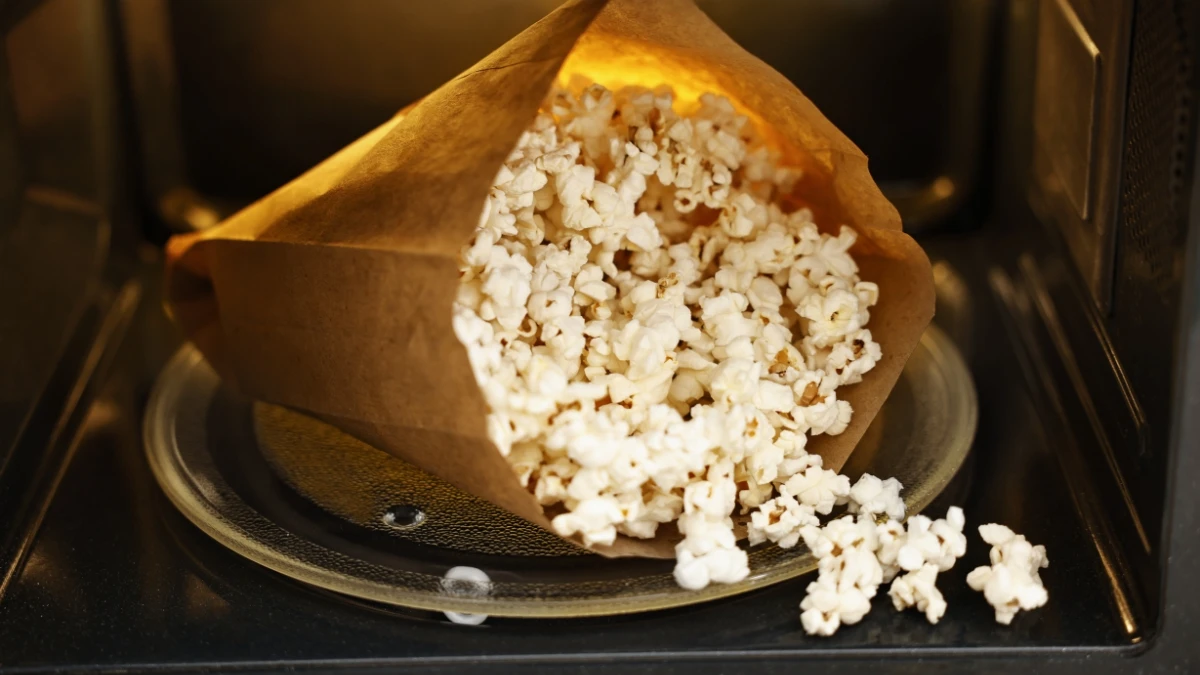
This is a “rare point” from experts at WebMD that few people know about. The problem here is not the popcorn itself. Air-popped popcorn is a fantastic, high-fiber, whole-grain snack. The problem is everything that’s in that microwavable bag.
First, the “butter” flavoring is often a mix of artificial flavors and high-saturated-fat palm oil. This oil is used to give it that movie-theater taste and texture. Second, some brands (especially “extra butter” varieties) used to contain trans fats, which are the worst possible fat for your heart.
But the danger isn’t just in the corn; it’s in the bag. The bags are lined with chemicals (like PFAS) to make them grease-proof and stop the oil from leaking out. These chemicals can break down when heated and get into your popcorn. Studies have linked them to a range of health problems, including—you guessed it—high cholesterol.
The fix is one of the easiest. Buy a bag of plain popcorn kernels. Put them in a pot on the stove with one teaspoon of olive oil, put the lid on, and shake it as it pops. You get a perfect, healthy snack with no saturated fat or added chemicals.
10. Packaged “Healthy” Juices and Smoothies
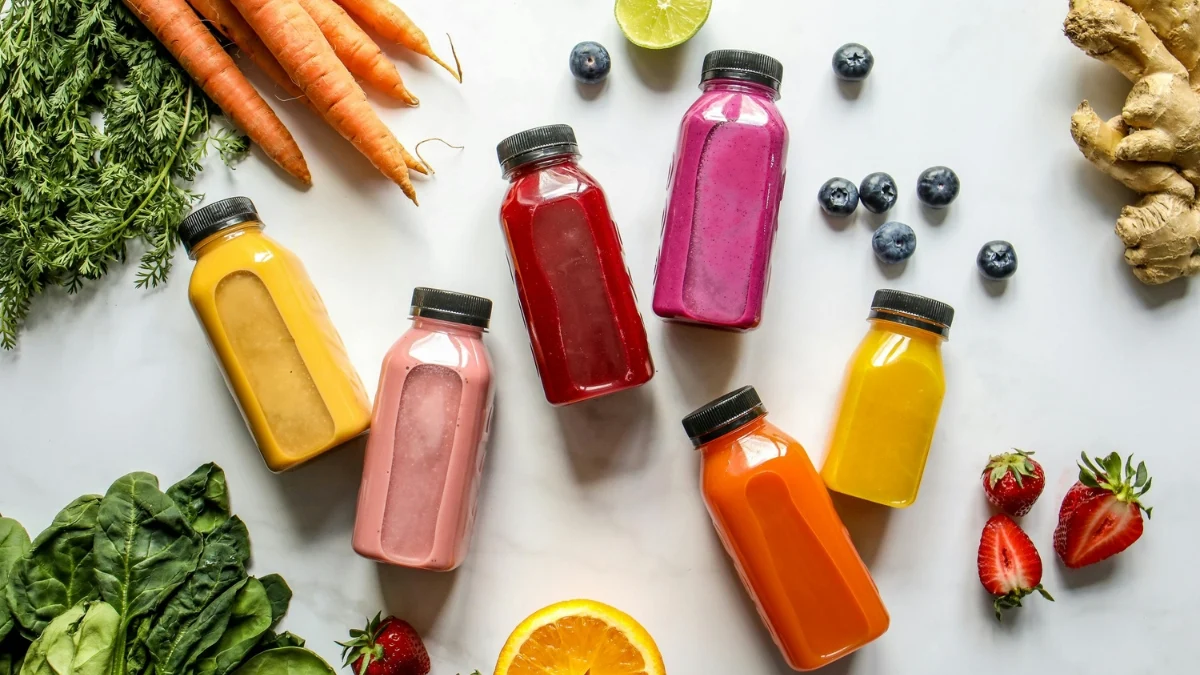
This is one of the biggest deceptions in the “wellness” industry. You see a bright green bottle labeled “Green Machine” or “Detox” and think you’re drinking pure health. But these bottles are often just liquid sugar, stripped of all the good stuff.
When you juice a fruit or vegetable, you throw away the most important part: the fiber. The skin, pulp, and membranes are all left behind. Fiber is what slows down digestion and, in the case of soluble fiber, actually helps lower your cholesterol by grabbing it and pulling it out of your body. Without the fiber, you are just drinking a glass of sugar water.
Your liver gets hit with a massive spike of fructose (fruit sugar) all at once. It can’t use all that sugar for energy, so it does the only thing it can: it converts the excess sugar into triglycerides. This is why a 16-ounce bottle of “healthy” juice, which can have 30-40 grams of sugar, is just as bad for your triglycerides as a can of soda.
If you want a smoothie, make it at home in a blender. A blender pulverizes the whole fruit, so you keep all the cholesterol-lowering fiber.
11. Instant Ramen Noodles
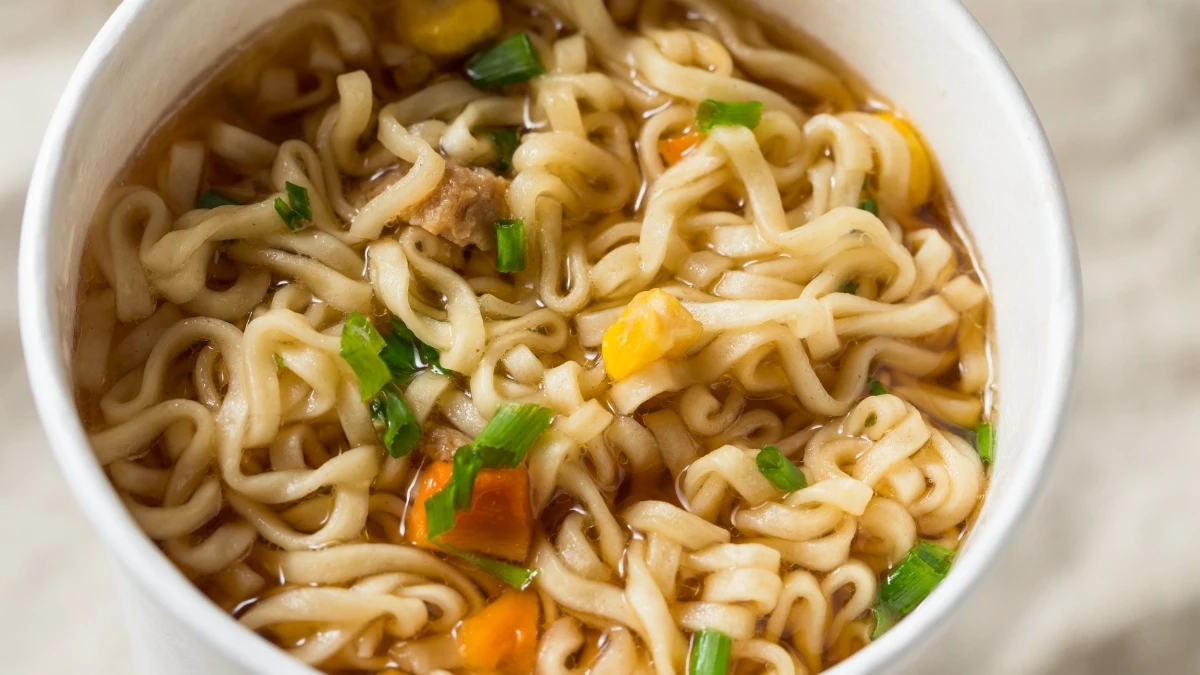
This is a cheap, fast, and easy meal, popular with college students and busy adults. But it comes at a very high cost to your heart. The problem is twofold: the noodles and the flavor packet.
First, the noodles. To make them cook instantly with just hot water, the noodle bricks are usually flash-fried in palm oil before being packaged. Palm oil is, as we’ve learned, a cheap tropical oil that is very high in saturated fat. So before you’ve even added the flavor, you’re eating a block of refined carbs fried in LDL-raising fat.
Second, the flavor packet. This tiny silver pouch is almost pure sodium. A single package of instant ramen can contain 1,500mg of sodium or more. That is well over half of your entire recommended daily limit.
This massive salt intake will send your blood pressure soaring, which, combined with high cholesterol, is a direct threat to your arteries.
This food is a double-hit of high saturated fat and high sodium. It has almost no nutritional value. If you’re in a pinch, you are better off eating almost anything else.
12. Fatty Cuts of Red Meat (Ribeye, T-Bone, 80/20 Ground Beef)
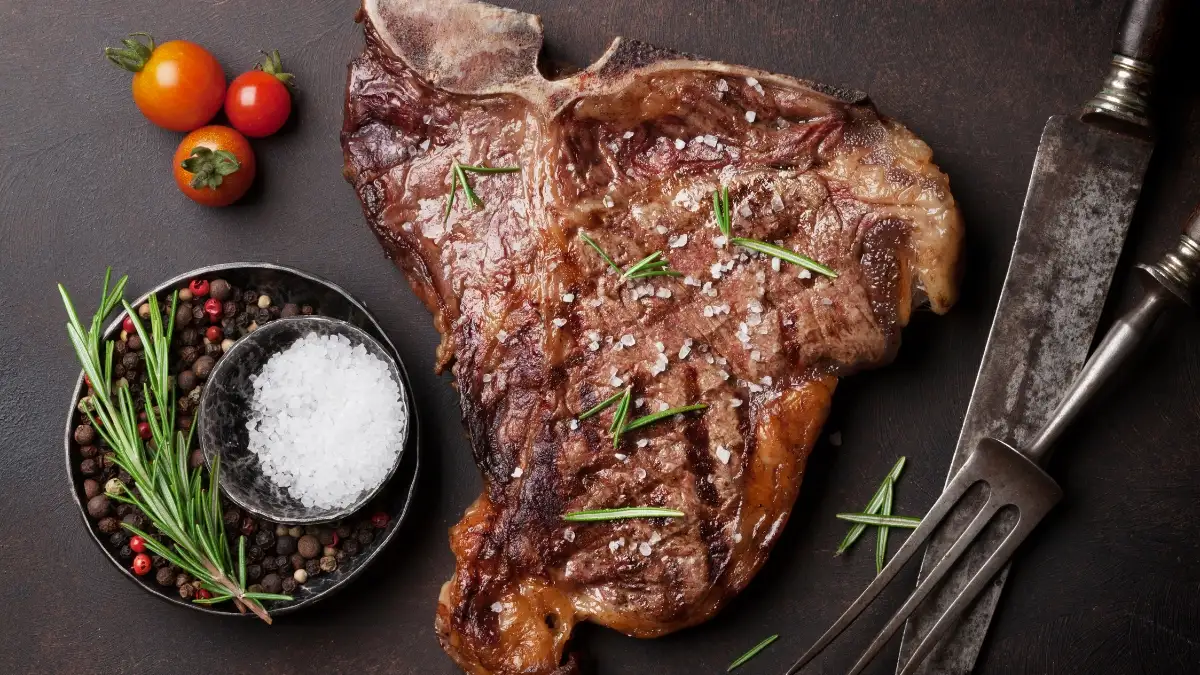
This is a more standard piece of advice, but the “over 30” angle is what makes it critical. When you were 22, your body’s metabolism could handle a big steak dinner more efficiently. Now, it can’t. Those fatty cuts of red meat are loaded with saturated fat and dietary cholesterol, and your body is more likely to let them build up in your bloodstream.
The problem is the marbling. In cuts like ribeye, T-bone, and New York strip, those white lines of fat “flavor” are pure saturated fat. When you eat them, it’s a direct signal to your liver to produce more LDL. The same goes for 80/20 ground beef, which is 20% fat by weight.
You don’t necessarily have to become a vegetarian. But you need to be much smarter about your red meat choices. The American Heart Association recommends treating red meat as a “condiment” or a special-occasion food, not a daily staple.
The actionable tip is to change what you buy. If you are buying ground beef, choose 93/7 lean. If you are buying a steak, choose a “select” or “choice” grade (not “prime,” which has the most fat) and get a lean cut like sirloin, flank steak, or filet mignon. And be sure to trim off any visible fat before cooking.
13. Creamy Salad Dressings (Ranch, Caesar, Blue Cheese)
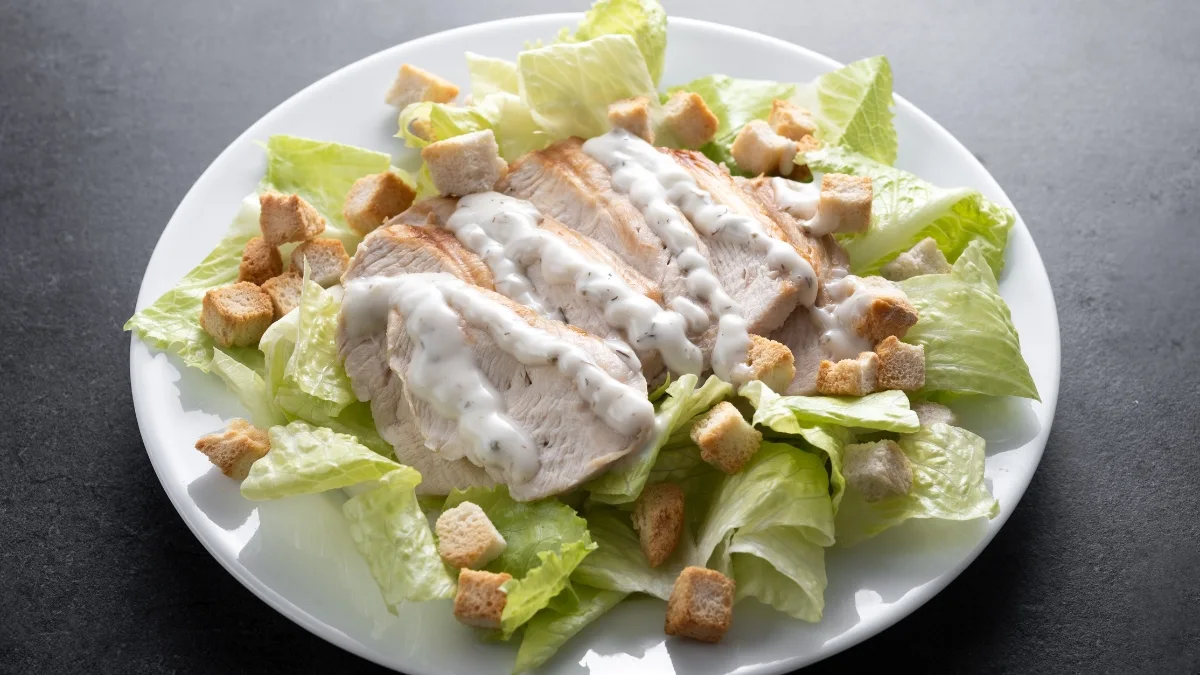
You make a perfect, heart-healthy salad. It’s full of leafy greens, fresh vegetables, and maybe some fiber-rich chickpeas. You’ve done everything right. And then, you ruin it by drowning it in a creamy dressing.
These dressings (like ranch, Caesar, blue cheese, and Thousand Island) are little more than a vehicle for fat and sodium. Their base is almost always mayonnaise, sour cream, or buttermilk—all of which are high in saturated fat. They are also made with cheap, inflammatory Omega-6 vegetable oils like soybean oil, which isn’t good for your overall heart health.
A tiny two-tablespoon serving of ranch dressing can have 15 grams of fat and 300mg of sodium. But let’s be honest, most people pour on way more than two tablespoons. You can easily turn your 50-calorie salad into a 500-calorie, high-fat meal that’s worse for your cholesterol than a slice of pizza.
Conclusion
Managing high cholesterol after 30 isn’t about eating bland, boring food. It’s about becoming a savvy consumer. You now know that the real dangers are often hidden. They aren’t just in fast food; they’re in “healthy” foods like coconut oil, sugary low-fat yogurts, and even store-bought muffins. The real culprits are hidden saturated fats and processed sugars.
By learning to spot these “health halo” foods, you can take direct control of your heart health. This isn’t about deprivation. It’s about making smart swaps.
Start with one small change this week. Which “surprising” food from this list will you replace? Share your experience in the comments, and be sure to speak with your doctor to create a personalized nutrition plan