
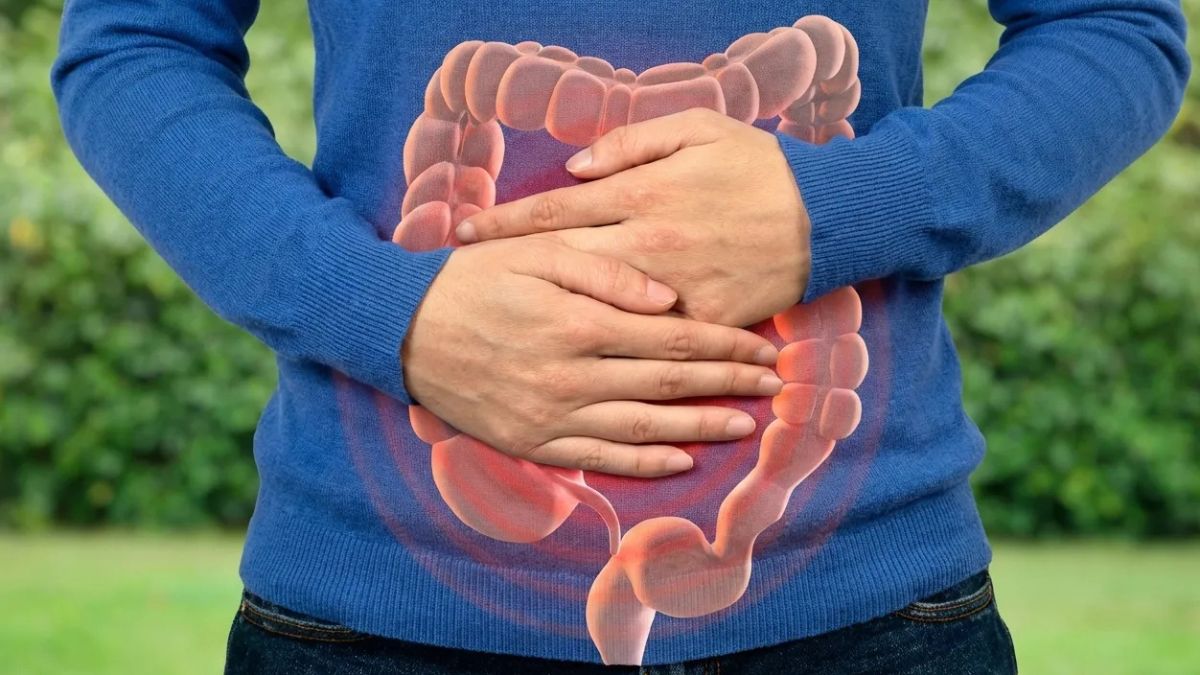
Living with IBS means constant stomach pain, unpredictable bathroom trips, and anxiety about what’s safe to eat.
Your doctor might prescribe medications, but food choices could be the missing piece to finding relief. What if specific foods could calm your angry gut instead of worsening it?
Gastroenterologists now recognize that certain foods have natural gut-healing properties that reduce IBS symptoms.
This article shares 13 foods that can soothe your digestive system and 4 common triggers you should avoid.
From oats to peppermint oil, these evidence-based recommendations might finally help you enjoy meals without fear of consequences.
13 Gut-Healing Foods for IBS Relief
Living with Irritable Bowel Syndrome can be challenging. Your stomach often feels like it has a mind of its own. Many people turn to medications, but food choices play a crucial role in managing symptoms.
These gut-healing foods can help calm your digestive system and reduce uncomfortable flare-ups.
1. Oats
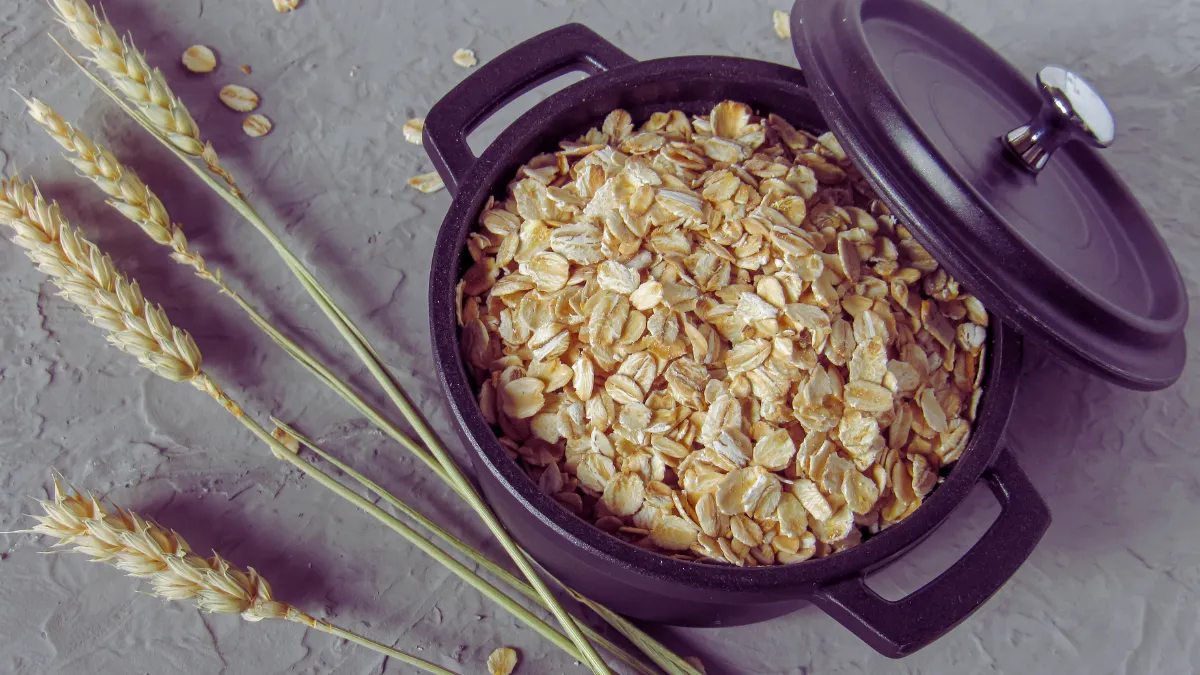
Oats work wonders for IBS sufferers because they contain high amounts of soluble fiber. This type of fiber absorbs water as it moves through your digestive tract, helping form softer stools that pass more easily.
Starting your day with a warm bowl of oatmeal can regulate your bowel movements and prevent constipation. Many IBS patients find that small servings of oats don’t trigger symptoms because they’re low in FODMAPs (fermentable carbohydrates that often cause digestive problems).
Your gut bacteria also love oats. They feed on the fiber and produce short-chain fatty acids that nourish your colon cells and reduce inflammation.
For best results, cook your oats thoroughly with plenty of water. Add a touch of cinnamon or a small amount of maple syrup for flavor.
Steel-cut varieties take longer to cook but offer more texture and often cause fewer symptoms than instant options with additives. Start with small portions to see how your body responds.
2. Linseeds (Flaxseeds)

Ground flaxseeds act as a natural medicine for irritable bowels. They contain a unique combination of soluble fiber and omega-3 fatty acids that work together to calm inflamed intestinal tissues and improve stool consistency.
Most IBS sufferers notice reduced bloating within a few days of adding them to their diet. The trick lies in how you consume them. Whole seeds often pass through undigested, offering little benefit.
Ground seeds release their healing compounds and absorb excess water in your digestive tract. Start with just one teaspoon daily in yogurt, smoothies, or oatmeal, then gradually increase to one or two tablespoons as your body adjusts.
Water intake matters when you eat flaxseeds. Without enough fluids, the fiber can worsen constipation instead of helping it. Drink at least eight ounces of water with your flaxseed serving.
Store ground seeds in the refrigerator to prevent the oils from turning rancid. Fresh, properly stored flaxseeds have a mild, nutty flavor that blends well with many foods.
3. Probiotics
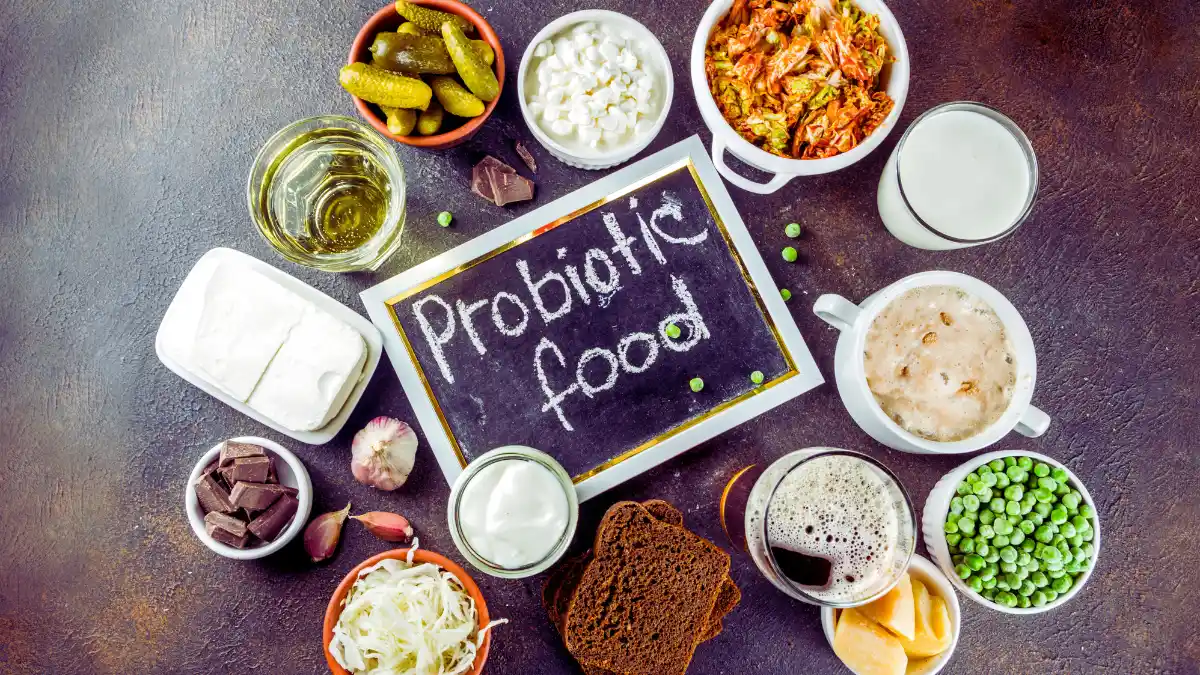
Probiotics introduce friendly bacteria to your gut, helping restore balance in your digestive system. Certain strains like Bifidobacterium infantis and Lactobacillus plantarum show particular promise for IBS sufferers.
These beneficial microbes can reduce gas production, decrease bloating, and normalize bathroom habits that have gone haywire.
You can find probiotics in supplement form or in fermented foods. Yogurt with live cultures offers an easy way to incorporate them into your diet.
Look for products without added sugars or artificial sweeteners that might trigger symptoms. Some people find kefir even more effective than yogurt because it contains a wider variety of bacterial strains.
Results take time with probiotics. Your gut flora won’t change overnight. Most gastroenterologists suggest trying a specific probiotic consistently for at least one month before judging its effectiveness.
Keep a symptom journal to track improvements. Not every probiotic works for every person with IBS, so you might need to experiment with different types until you find the right match for your specific gut.
4. Soluble Fiber (Psyllium)
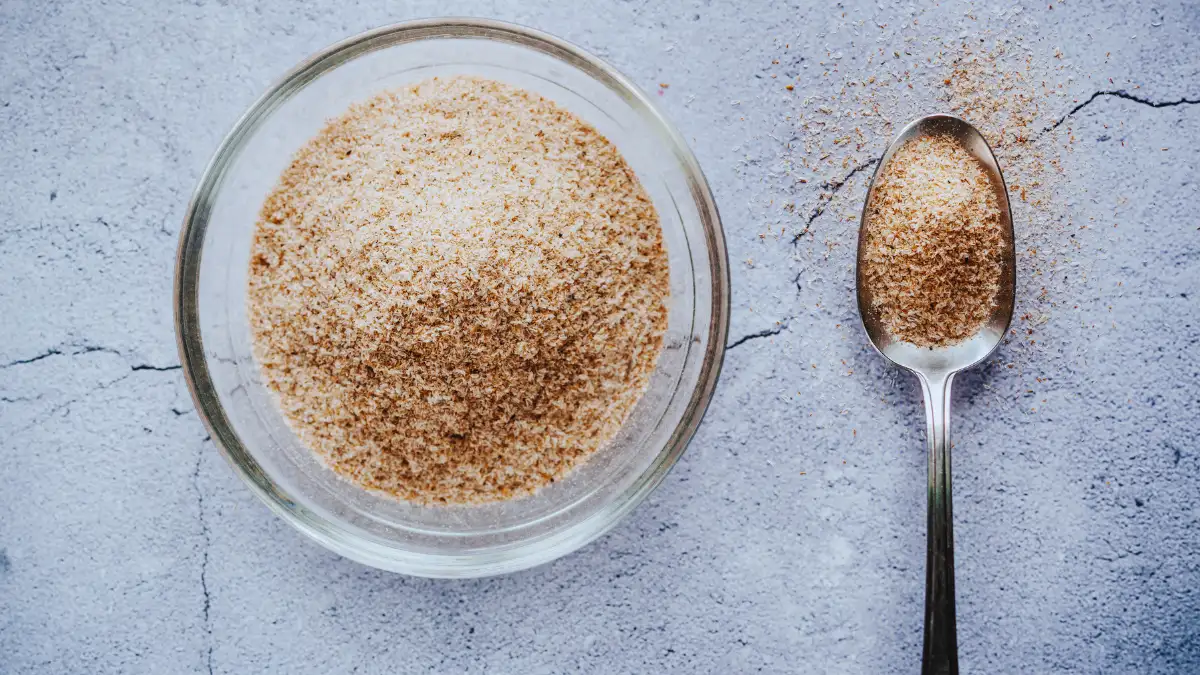
Psyllium husk stands out as one of the most effective natural treatments for IBS symptoms. Unlike wheat bran and other insoluble fibers that can irritate the gut, psyllium forms a gel-like substance that soothes the digestive tract.
This gentle action helps regulate both constipation and diarrhea, making it valuable for all IBS subtypes. Taking psyllium requires some know-how.
Start with a small amount, perhaps half a teaspoon mixed in a full glass of water, and drink it immediately before it thickens.
Gradually work up to one or two tablespoons daily, split between morning and evening. This slow approach gives your body time to adjust and minimizes gas and bloating that can occur when you add fiber too quickly.
Many doctors recommend psyllium as a first-line treatment because it’s affordable and has few side effects when used correctly.
The key lies in consistent use and proper hydration. Some people mix it with juice instead of water to improve the taste.
Alternatively, commercial products like Metamucil contain psyllium, but check labels carefully for added ingredients that might trigger IBS flares.
5. Bananas (Unripe)
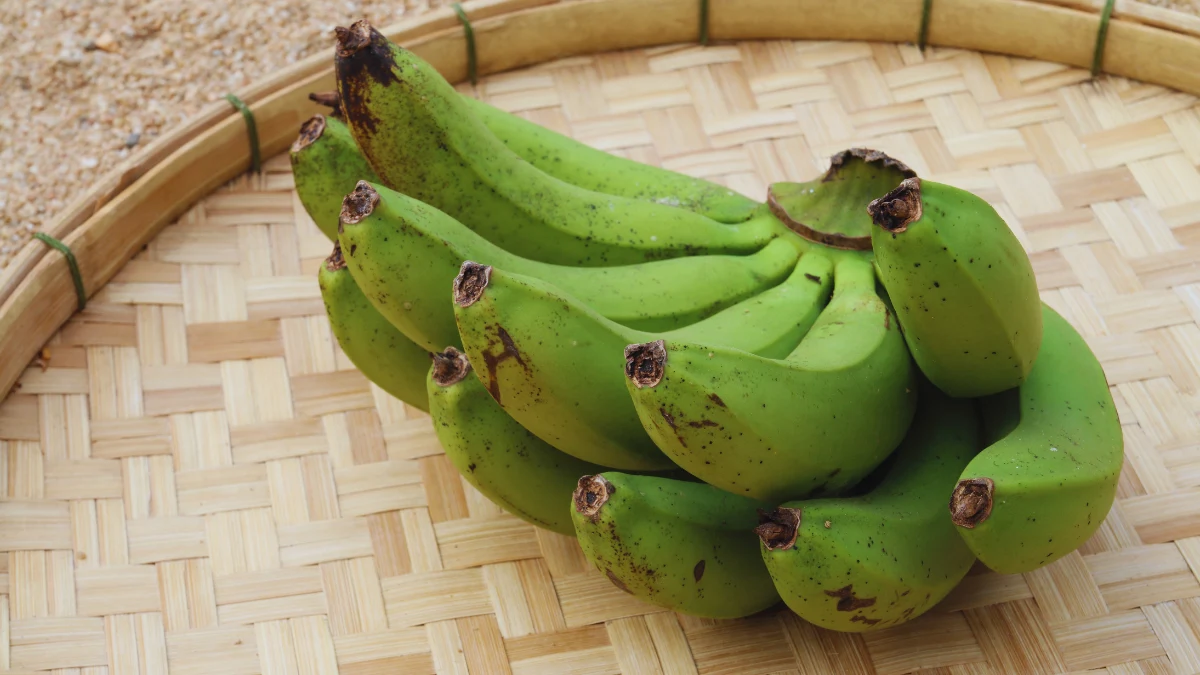
Slightly green bananas contain resistant starch that feeds beneficial gut bacteria without causing the fermentation issues ripe bananas might trigger.
The firm texture and lower sugar content make them less likely to cause digestive distress for IBS sufferers. Their high potassium content helps regulate fluid balance, which can reduce bloating.
Eating bananas at the right stage makes all the difference. Look for ones that are yellow with green tips and still firm to the touch.
Fully yellow or brown-spotted bananas convert their resistant starch to regular sugars, which can worsen symptoms in some people.
Try slicing an unripe banana into your morning cereal or blending it into a smoothie with a low-FODMAP milk alternative.
Beyond their resistant starch, bananas contain pectin that helps solidify loose stools, making them particularly helpful for diarrhea-predominant IBS.
Their natural compounds can help stabilize gut movements and soothe intestinal inflammation. The convenience factor also matters—bananas come in their protective packaging, making them an easy snack to carry when you’re away from home and need a safe food option.
6. Cooked Vegetables (Carrots, Spinach)
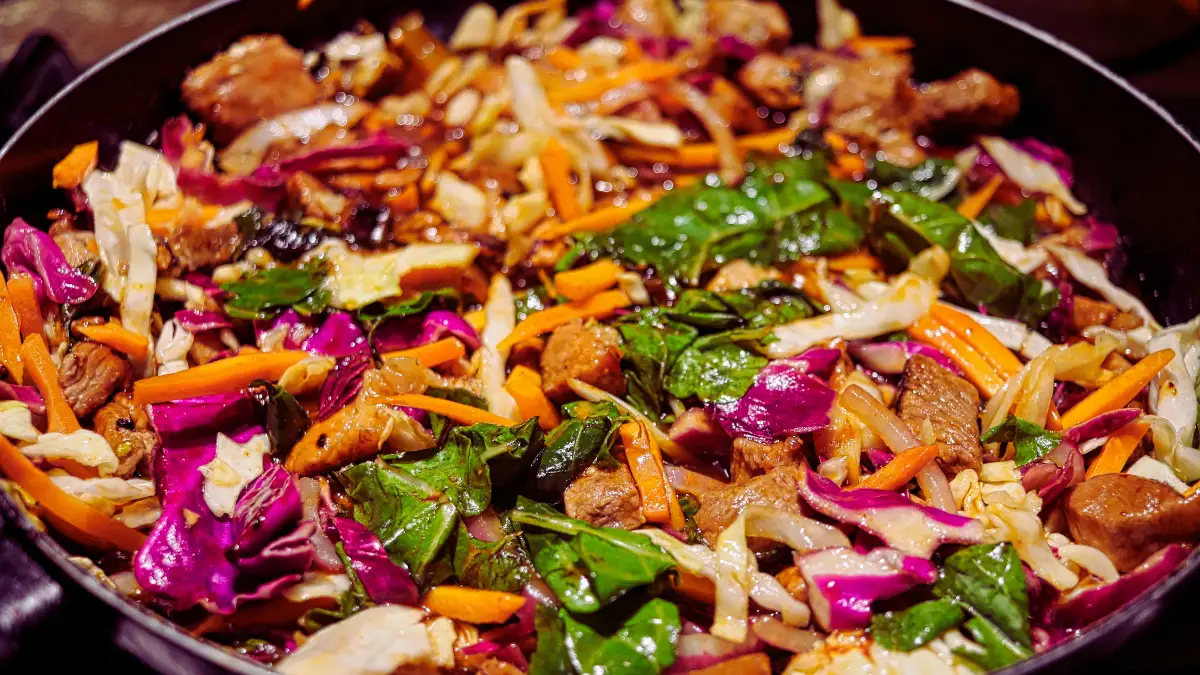
Cooking vegetables breaks down tough fiber structures, making them gentler on sensitive intestines. Carrots and spinach stand out as particularly IBS-friendly options because they’re low in fermentable carbohydrates yet rich in nutrients your body needs.
Steamed carrots provide beta-carotene and a slightly sweet flavor without triggering gas or pain. Most IBS patients can tolerate these vegetables better when they’re well-cooked rather than raw.
Steaming preserves more nutrients than boiling while softening the fibers. For spinach, a quick sauté with a small amount of olive oil makes it more digestible and helps your body absorb its iron content.
These vegetables offer antioxidants that fight inflammation across your entire digestive tract. Try adding these cooked vegetables to soups, rice dishes, or simply as side dishes with lean protein.
Start with small portions of about half a cup and see how your body responds. You can gradually increase the amount if you tolerate them well.
Some people find that pureeing cooked carrots into a soup offers even more digestive comfort while still providing all the nutritional benefits.
7. Peppermint Oil
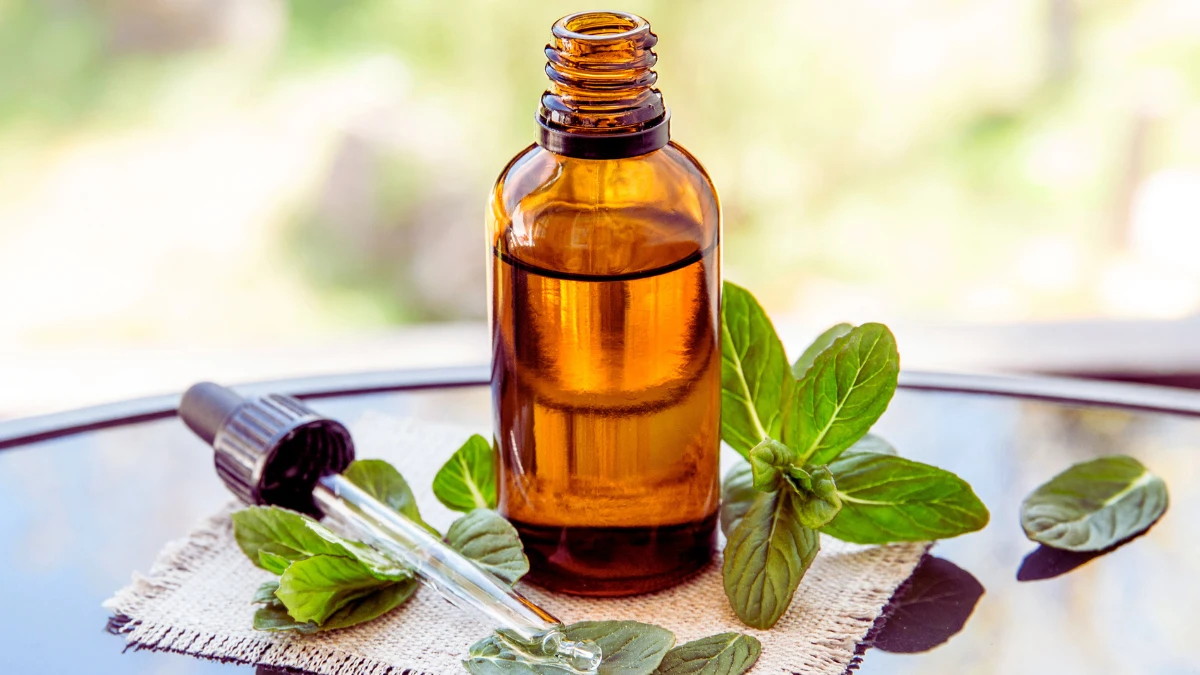
This natural remedy works by relaxing the muscles in your gut wall, which helps reduce painful spasms common in IBS.
Many sufferers find that enteric-coated peppermint oil capsules provide fast relief from cramping and bloating. The coating ensures the oil reaches your intestines before dissolving, preventing heartburn.
A 2019 meta-analysis published in BMC Complementary Medicine and Therapies examined multiple clinical trials and found that peppermint oil capsules significantly reduced abdominal pain and overall IBS symptoms.
Researchers noted that the natural compounds in peppermint calm overactive pain sensors in the intestinal tract. This explains why many users experience relief within 30 minutes of taking it.
For best results, take peppermint oil capsules between meals, not with food. Start with one capsule (typically 0.2ml oil) twice daily and adjust based on your response.
Some brands, like Enterosolv or IBGard, are formulated specifically for IBS. While generally safe, very high doses can cause minty burps or anal burning sensations in some people. Pregnant women should consult a doctor before using peppermint oil supplements.
8. Lean Proteins (Chicken, Turkey, Fish)

Proteins that contain minimal fat put less stress on your digestive system. White meat chicken, turkey breast, and mild fish like cod or tilapia digest easily without triggering inflammation or excessive gut motility.
These options provide essential amino acids without the digestive burden that comes with fattier meats. Cooking methods matter tremendously for how your gut handles protein.
Baking, poaching, or grilling without added fats creates meals that won’t aggravate sensitive intestines. Avoid frying or cooking with heavy sauces that can trigger symptoms.
Simple seasonings like herbs, lemon juice, or a touch of olive oil work well without causing problems for most IBS sufferers.
Try incorporating small portions of lean protein throughout the day rather than one large serving. This approach helps maintain stable blood sugar levels while preventing the digestive overload that can trigger IBS flares.
Most gastroenterologists recommend 3-4 ounce portions, about the size of your palm. Quality matters too—look for antibiotic-free options when possible, as some food additives can worsen gut sensitivity in certain individuals.
9. Lactose-Free Dairy

Many IBS patients who react poorly to regular dairy products can still enjoy lactose-free alternatives without symptoms.
These products contain the enzyme lactase, which breaks down the problematic milk sugar before it reaches your intestines. This prevents the gas, bloating, and diarrhea that lactose often causes in sensitive individuals.
Lactose-free yogurt offers particular benefits because it contains both the lactase enzyme and beneficial probiotics. The combination supports digestive health while providing calcium and protein.
Hard, aged cheeses like cheddar, parmesan, and Swiss naturally contain very little lactose due to their production process, making them safe options for many people who struggle with milk products.
Start with small amounts when introducing lactose-free dairy to your diet. While the lactose has been broken down, dairy proteins still cause issues for some IBS sufferers.
Keep a food journal to track your response. Watch product labels carefully—some lactose-free products contain other ingredients like artificial sweeteners or preservatives that might trigger symptoms. Pure, simple options with minimal additives typically work best for sensitive digestive systems.
10. Quinoa

This tiny seed acts like a grain but lacks the problematic proteins found in wheat. Its high fiber content comes balanced with protein and gentle carbohydrates that digest slowly without causing rapid fermentation in your gut.
Most IBS patients tolerate quinoa well because it’s naturally low in FODMAPs, the fermentable carbohydrates that often trigger symptoms.
Proper preparation helps maximize quinoa’s gut-friendly properties. Rinse it thoroughly before cooking to remove its natural bitter coating called saponin.
This step prevents irritation to sensitive digestive tracts. Cook quinoa in plenty of water until the spiral-like germ separates from the seed, indicating it’s fully tender. This thorough cooking breaks down components that might otherwise cause digestive distress.
Versatility makes quinoa practical for daily meals. Use it as a rice substitute in bowls, soups, and side dishes. Its mild, nutty flavor works with both savory and sweet preparations.
Morning quinoa porridge with cinnamon provides a gentle start for sensitive stomachs. Cold leftover quinoa makes excellent salads that pack well for lunch without requiring reheating.
The complete protein profile means it can occasionally replace meat in meals, reducing overall fat intake that might trigger symptoms.
11. Firm Tofu

The solidified form of soy milk provides complete protein without the gas-producing carbohydrates found in beans.
Firm tofu has been pressed longer to remove excess water, which concentrates its protein while making it less likely to cause digestive upset. Most IBS sufferers can tolerate moderate amounts without experiencing bloating or discomfort.
Cooking techniques significantly impact how easily your body handles tofu. Baking or air-frying small cubes creates a pleasantly chewy texture without added oil that might trigger symptoms.
Marinating tofu requires caution—avoid high-FODMAP ingredients like garlic and onion, opting instead for ginger, citrus, and herbs. The porous structure absorbs flavors well, so even mild seasonings create tasty results.
Soy isoflavones in tofu may help reduce inflammation throughout your digestive tract over time. These plant compounds have gentle hormone-balancing effects that some IBS patients find helpful, especially when symptoms fluctuate with hormonal cycles.
Start with a small portion, about 3 ounces, to test your tolerance. Some people find silken or soft tofu harder to digest than firm varieties. Organic options avoid potential irritants from pesticides that could affect sensitive digestive systems.
12. Low-FODMAP Diet
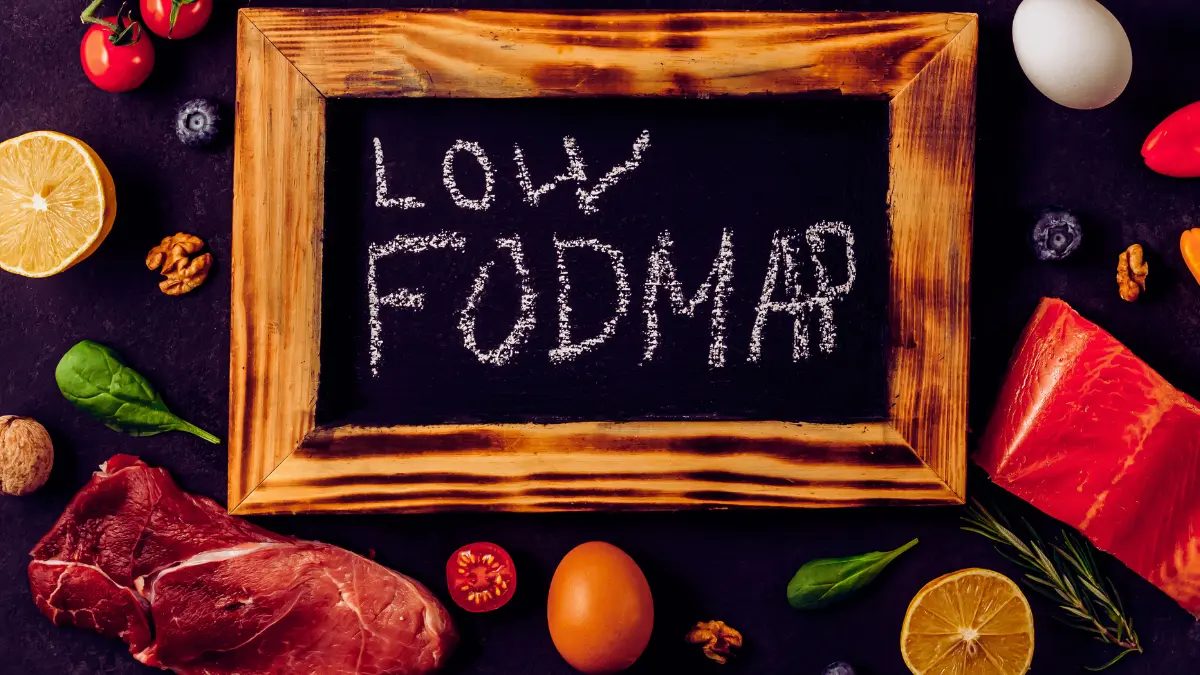
This specialized eating approach limits fermentable carbohydrates that feed gut bacteria and cause excess gas production.
Foods high in FODMAPs—which include certain fruits, vegetables, grains, and dairy—get temporarily restricted, then systematically reintroduced to identify personal triggers. The acronym stands for Fermentable Oligosaccharides, Disaccharides, Monosaccharides, and Polyols.
Research from Monash University, where the diet was developed, found remarkable results. A 2021 study published in the American Journal of Gastroenterology reported that approximately 70% of IBS patients experienced significant symptom improvement after following the diet for just four weeks.
The structured elimination and reintroduction phases helped participants pinpoint exactly which foods caused their specific symptoms.
Success with this approach requires proper guidance and commitment. Working with a registered dietitian familiar with FODMAP protocols helps ensure nutritional adequacy while navigating food restrictions.
The diet works best as a diagnostic tool rather than a permanent eating pattern. After identifying trigger foods, most people can liberalize their diet somewhat, keeping only their triggers restricted. This prevents unnecessary limitations while maintaining symptom control.
13. Fermented Foods (Kefir)

Traditionally prepared through bacterial fermentation, kefir introduces diverse probiotic strains to your digestive tract that can help rebalance gut flora.
The fermentation process pre-digests much of the lactose and breaks down proteins into more accessible forms. Many IBS patients who cannot tolerate regular milk products find that kefir causes fewer symptoms.
The thick, tangy liquid contains beneficial yeasts alongside multiple bacterial species. This microbial diversity offers advantages over single-strain probiotics.
Each organism specializes in digestive functions, collectively supporting gut wall integrity, immune function, and proper bowel movements.
Consuming small amounts daily, perhaps 1/4 cup to start, gives these beneficial microbes a chance to establish themselves in your digestive ecosystem.
Commercial kefir varies widely in quality and probiotic content. Look for options without added sugars or thickeners that might trigger symptoms.
Water kefir provides an alternative for those who cannot tolerate any dairy. Start slowly when introducing fermented foods to prevent temporary gas or bloating as your microbiome adjusts.
Morning consumption often works best because your stomach acid levels tend to be lower then, allowing more probiotics to survive the journey to your intestines.
4 Triggers to Avoid
Managing IBS isn’t just about adding beneficial foods to your diet—it’s equally important to identify and limit foods that trigger symptoms. What you don’t eat can matter as much as what you do eat.
These common triggers cause problems for many IBS sufferers, though individual responses vary. Tracking your reactions to these foods can help you create a personalized approach to symptom management.
1. High-FODMAP Foods
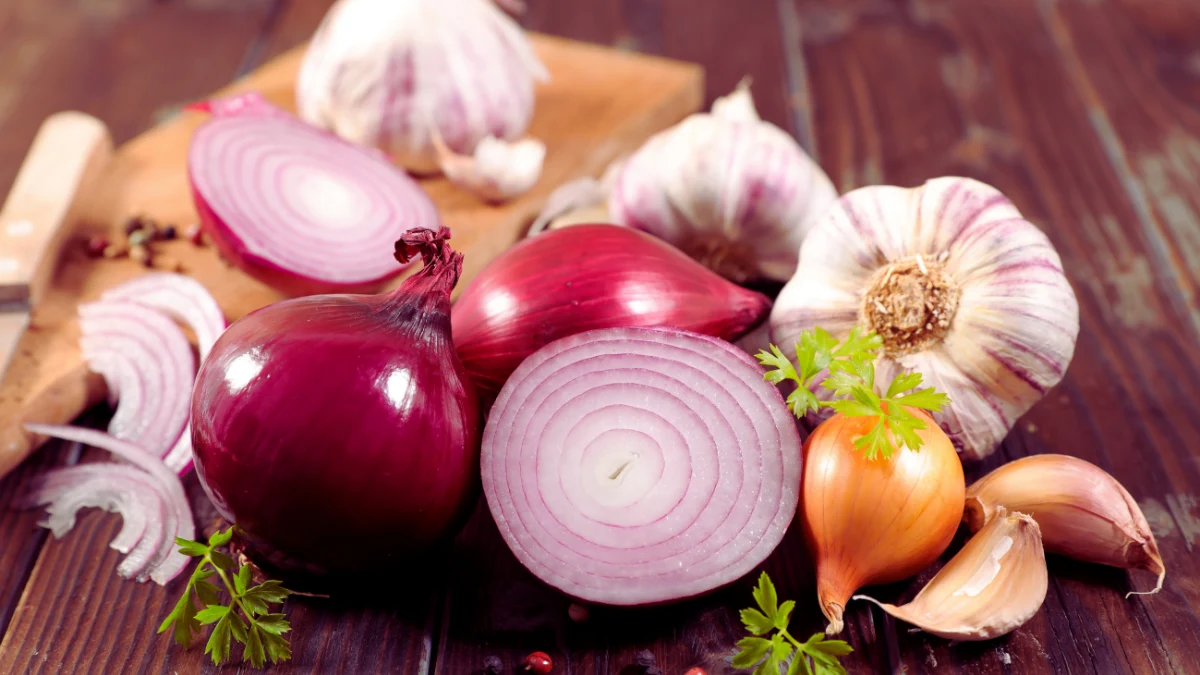
Foods containing fermentable carbohydrates often cause major digestive distress for people with IBS. Garlic, onions, apples, wheat, and certain legumes contain these rapidly fermenting sugars that feed gut bacteria.
When bacteria feast on these compounds, they produce gas as a byproduct, leading to painful bloating, distension, and altered bowel movements.
The challenge with high-FODMAP foods lies in their ubiquity in most diets. Onions and garlic hide in almost every sauce, soup, and seasoning blend. Wheat appears in countless products from bread to soy sauce.
Apples, pears, and stone fruits contain excess fructose that pulls water into the intestines. The combination of increased gas production and water content creates the perfect storm for IBS symptoms.
Identifying your personal FODMAP triggers typically requires an elimination phase followed by systematic reintroduction.
During elimination, all high-FODMAP foods are removed for 2-6 weeks to allow symptoms to resolve. Then, one FODMAP category gets reintroduced at a time, carefully monitoring responses.
This process helps pinpoint exactly which FODMAPs cause your symptoms, allowing you to avoid only problematic foods rather than restricting your diet unnecessarily.
2. Fried/Fatty Foods

Greasy, oil-heavy meals put excessive strain on your digestive system. Fat takes longer to break down than other nutrients, slowing overall digestion and potentially triggering IBS symptoms.
Your stomach empties more slowly after fatty meals, which can worsen reflux and upper digestive discomfort that often accompanies IBS.
The small intestine struggles with fat overload as well. Bile acids released to digest fats can irritate sensitive intestinal linings, causing pain and urgent bathroom trips.
Fast food, fried chicken, French fries, and heavily buttered popcorn flood your system with inflammatory compounds that amplify gut sensitivity. Even healthy fats like olive oil and avocado can trigger symptoms when consumed in large amounts.
Cooking methods make a substantial difference in how your body handles proteins and vegetables. Baking, steaming, grilling, and air-frying create meals that satisfy without the digestive burden of their deep-fried counterparts.
Gradually reducing fat intake often brings noticeable symptom improvement within days. Your taste buds adjust over time, eventually finding heavily fried foods less appealing as you experience the connection between these foods and your symptoms.
3. Caffeine

This stimulant affects your gut in multiple ways that can worsen IBS symptoms. Coffee, black tea, energy drinks, and chocolate contain compounds that increase intestinal contractions and accelerate transit time.
For people with diarrhea-predominant IBS, even small amounts of caffeine can trigger urgent bathroom trips and abdominal cramping.
Caffeine’s effects extend beyond direct gut stimulation. It heightens stress responses throughout your body, raising cortisol levels that further sensitize your digestive system.
Many caffeinated beverages also increase acid production, irritating the upper digestive tract. The combination of these effects can trigger cascading symptoms that last for hours after consumption.
Reducing caffeine intake requires a strategy to avoid withdrawal headaches. Start by cutting your consumption by half for one week, then gradually decrease further.
Try lower-caffeine alternatives like green tea as intermediate steps. Watch for hidden sources in sodas, chocolate, and some medications.
Many people find they can eventually reintroduce small amounts of caffeine, perhaps one morning cup of coffee, without symptoms once their gut has healed. The key lies in finding your threshold rather than assuming complete elimination is necessary.
4. Artificial Sweeteners (Sorbitol, Xylitol)
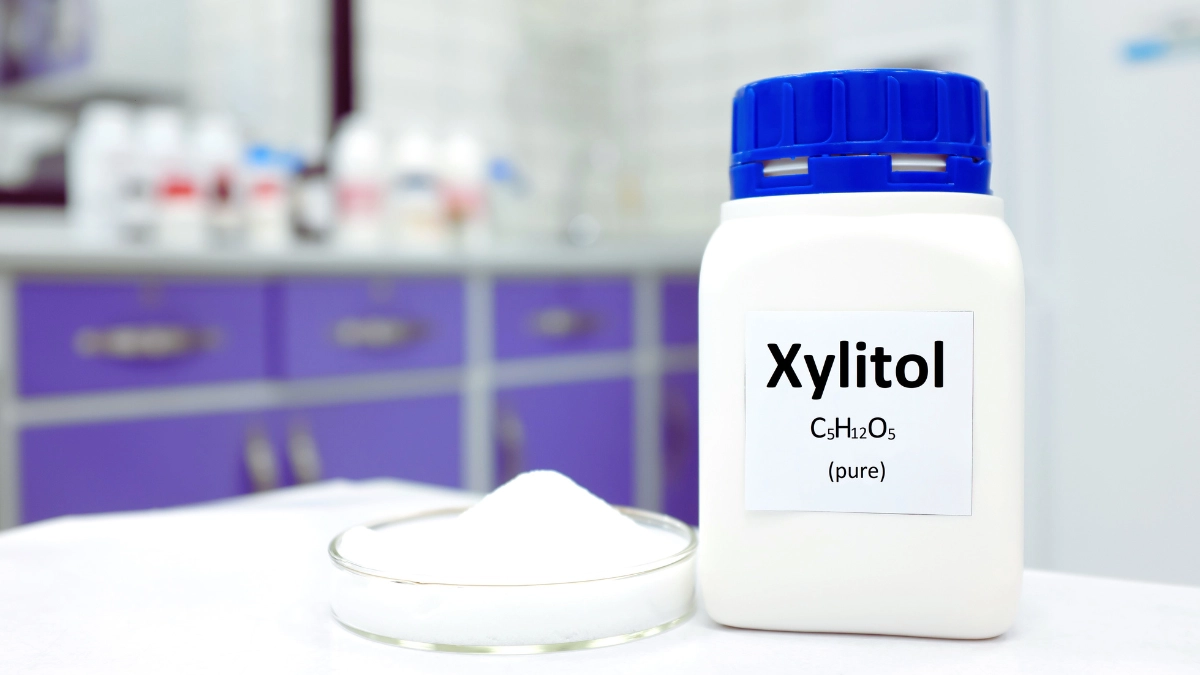
Sugar alcohols found in sugar-free gum, mints, and diet products cause significant digestive distress for many IBS sufferers.
Unlike regular sugar, these compounds resist digestion in the small intestine and pull water into your digestive tract through osmosis.
This creates a double problem: undigested sweeteners reach the colon where bacteria ferment them, producing gas, while the excess water can cause loose stools or diarrhea.
A 2020 study published in the Journal of Gastroenterology and Hepatology examined the effects of sorbitol on gut inflammation markers.
Researchers found that regular consumption increased intestinal permeability and disrupted microbiome balance in participants with IBS.
Even small amounts—equivalent to just two pieces of sugar-free gum daily—caused measurable inflammation in sensitive individuals.
Product labels require careful reading to avoid these symptom triggers. Ingredients ending in “-ol” (sorbitol, mannitol, xylitol) typically indicate sugar alcohols.
Other artificial sweeteners like sucralose and aspartame cause problems for some people despite not being sugar alcohols.
Natural sweeteners such as small amounts of maple syrup, honey, or cane sugar often cause fewer symptoms than their artificial counterparts.
Stevia works well for many IBS patients who need a low-calorie sweetener option, though individual tolerance varies.