

There is an unseen clock inside your body. It does not always match the candles on your birthday cake. Most people wait for a frightening diagnosis to start thinking about longevity. But the truth is simpler. Your body gives you subtle clues years in advance.
The solution is not just about good genes. Genetics only account for about 20% of your lifespan. The real secret is functional fitness. This means how well your body actually works in the real world.
In this guide, you will learn 13 measurable and scientifically proven signs. From how you sit to how you smell, these indicators reveal your biological age.
1. The Sitting Rising Test
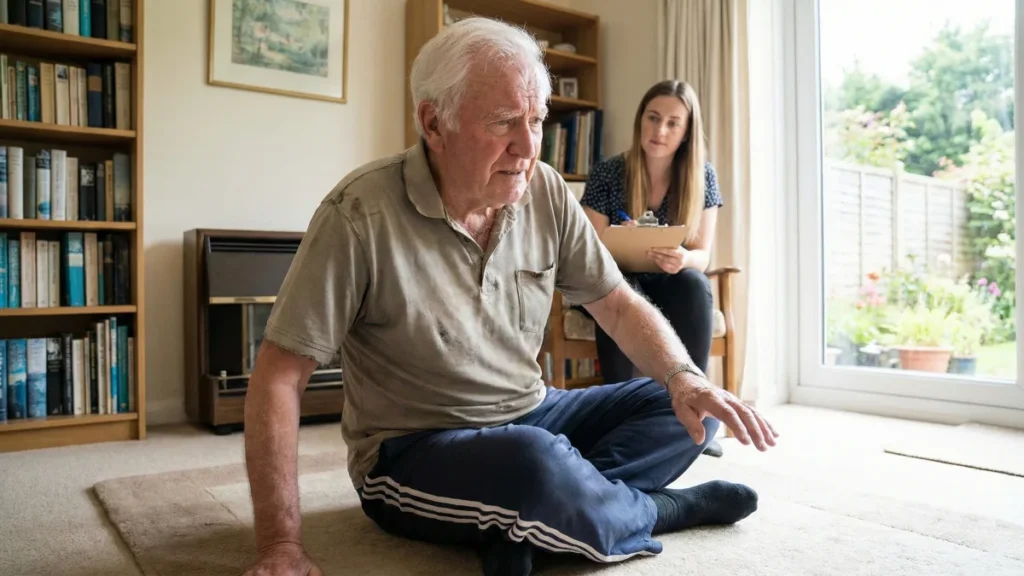
The Science A famous Brazilian study found a clear link between this test and mortality. People who scored low on this test (0 to 3 points) were six times more likely to die in the follow up period than those who scored high (8 to 10 points).
The Test This evaluates your musculoskeletal fitness.
- Stand in comfortable clothes and bare feet.
- Cross your legs and try to sit on the floor without leaning on anything.
- Now try to stand back up without using your hands, knees, or arms for support.
Action Do not worry if you need to use a hand or knee. Practice “negative” squats by lowering yourself slowly. You can also practice assisted floor sits. Aim to reduce the support you need over time.
2. Grip Strength
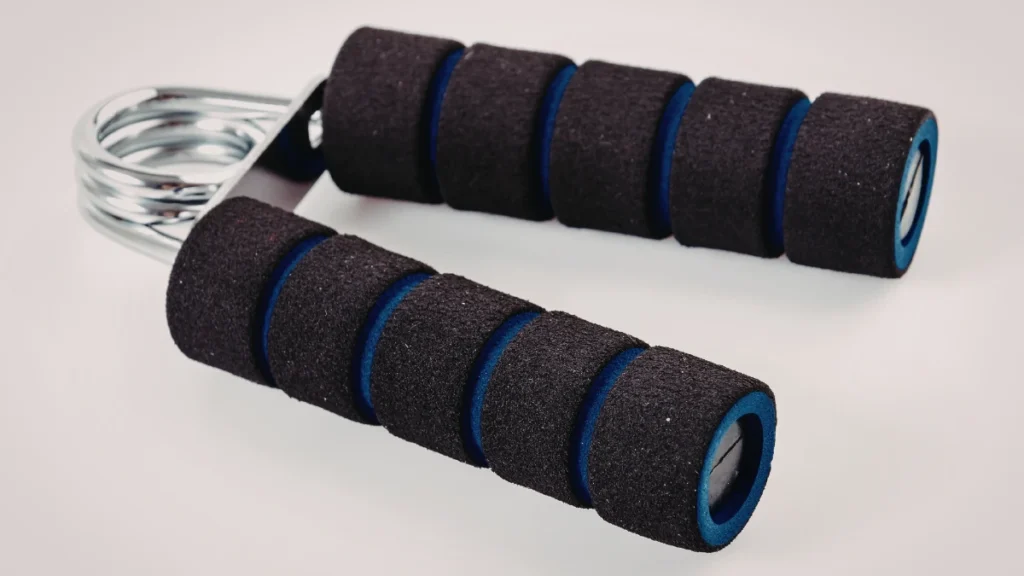
The Science Weak grip is a better predictor of all cause mortality than blood pressure. It indicates overall vitality. Every 5kg decrease in grip strength is linked to a 17% increased risk of death according to The Lancet.
Real Life Example Think about two men named Robert and Walter. Both are 68. Robert prides himself on a firm handshake and opens jars easily. Walter has noticed he struggles to twist caps off bottles. The declining grip Walter feels is not just aging. It signals muscle loss that makes him prone to falls and health complications.
Action Build this strength daily. Do “Farmer’s carries” by walking while holding heavy weights. You can also simply hang from a pull up bar for as long as you can.
3. Walking Speed
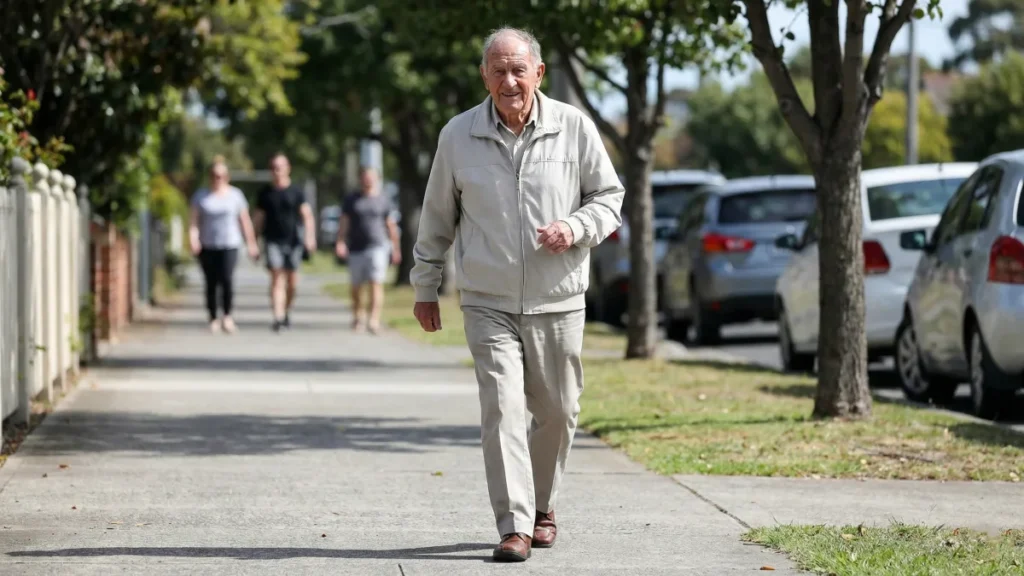
The Science Gait speed is a powerful predictor. Walking faster than 1.0 meter per second (about 2.2 mph) indicates high survival rates. This is because walking requires coordination between your heart, lungs, and nervous system.
Why It Matters Consider Joe and Frank. Both are 65. Joe walks briskly and crosses the street with confidence. Frank has slowed down and feels unsteady. The slow pace Frank uses is a warning sign of underlying system decline.
Action You can fix this. Do “Zone 2” cardio where you can maintain a conversation but feel winded. Practice brisk intervals during your daily walk.
4. The 10 Second Balance Test
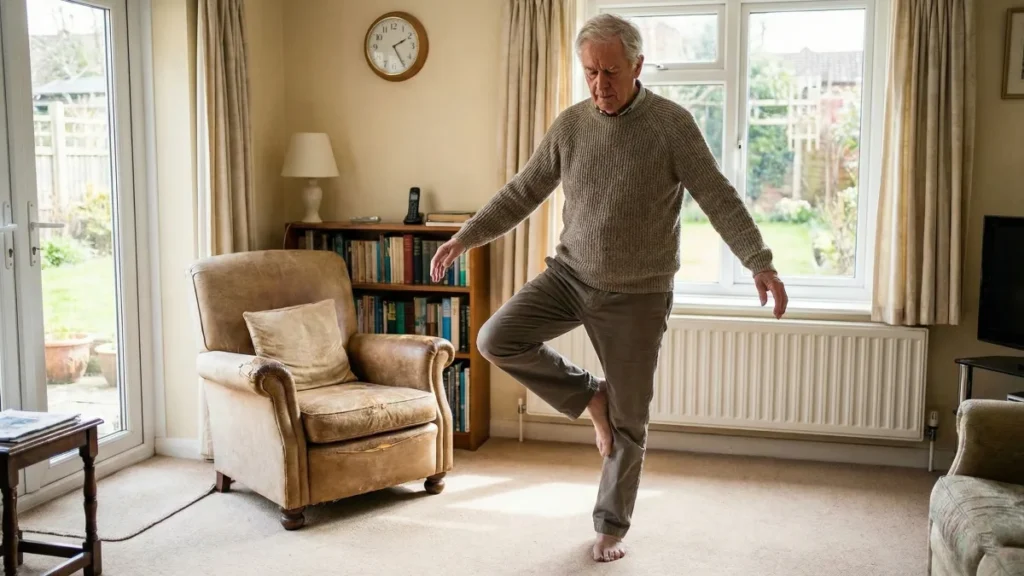
The Science Can you stand on one leg for 10 seconds? Failing this simple test is linked to an 84% higher risk of death in the next 7 years according to a 2022 study in the British Journal of Sports Medicine.
The Test
- Stand barefoot on a flat surface.
- Lift one foot and place it behind the opposite calf.
- Keep your arms by your sides.
Action Balance relies on your brain and muscles working together. Practice this every day while brushing your teeth. If you wobble like “Nancy” from our examples then use a wall for support until you get stronger.
5. Push Up Capacity

The Science A Harvard study found a link between push ups and heart health. Men who could do 40 or more push ups had a 96% lower risk of cardiovascular disease compared to those who could do fewer than 10. While the numbers differ for women the principle of upper body endurance remains the same.
Action You do not need to be a bodybuilder. Start with incline push ups against a kitchen counter or wall. Focus on planking to build the core stability required for this movement.
6. Resting Heart Rate

The Science Your heart rate when you are doing nothing tells a story. Lower is generally better. A resting heart rate above 75 bpm in mid life doubles the risk of early death. Ideally you want to be between 50 and 60 bpm.
Action Check your pulse right now or look at your smartwatch. If it is high then focus on cardiovascular conditioning like walking or swimming. Stress management techniques also help.
7. Heart Rate Variability

The Science This is a modern metric you can track with an Apple Watch or Whoop. It measures the time variance between heartbeats. A high score means your autonomic nervous system is resilient and can handle stress. Low scores often signal burnout or illness.
Action To improve this you should focus on breathwork. Try “4 7 8 breathing” where you inhale for 4, hold for 7, and exhale for 8. Cold exposure like a cool shower and quality sleep also boost this metric.
8. Leg Power

The Science Strength is how much you can lift. Power is how fast you can lift it. We lose power faster than strength as we age. This test measures how many times you can stand up fully from a chair in 30 seconds.
Action Incorporate squat jumps or weighted chair stands into your routine. You want to train your muscles to fire quickly rather than just slowly.
9. Sense of Smell
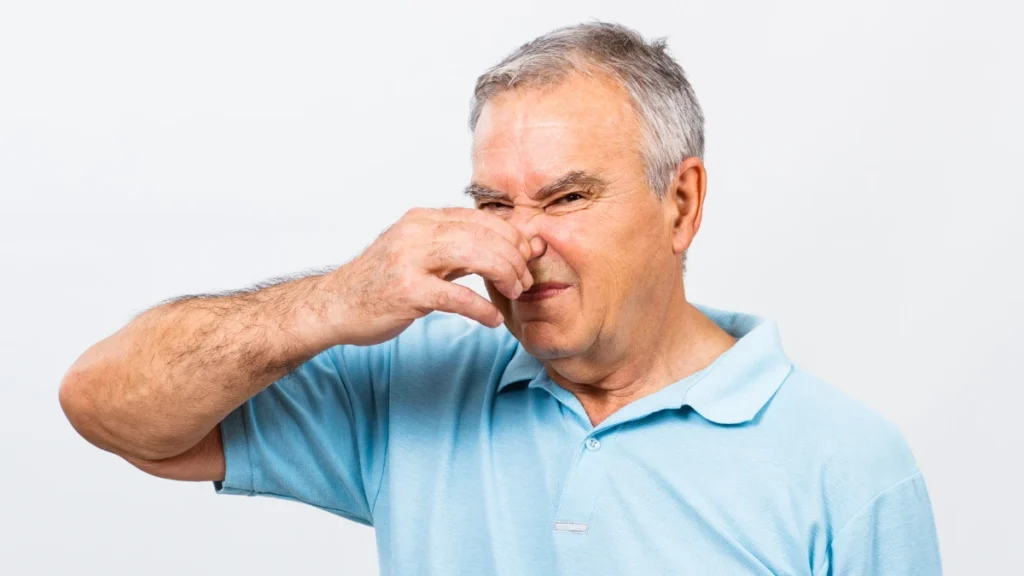
The Science This is surprising but loss of smell predicts death within 5 years more accurately than a diagnosis of heart failure. A failing sense of smell is often an early signal of neurodegeneration and brain aging.
Action You can actually train your nose. Perform “smell training” by actively sniffing four essential oils twice a day. Use rose, lemon, clove, and eucalyptus.
10. Social Connection

The Science Loneliness carries the same mortality risk as smoking 15 cigarettes a day.
Real Life Example Think of Eleanor versus Barbara. Eleanor is 68 and stays in touch with friends and laughs often. Barbara isolates herself. The social habits Eleanor keeps release chemicals that lower stress and boost immunity. The isolation Barbara feels increases inflammation.
Action Join a group or volunteer. You can also schedule weekly calls. Adopt the “Moai” concept from the Blue Zones which is a dedicated group of friends who support each other for life.
11. Purpose in Life

The Science People who have a clear “why” or purpose have lower cortisol levels and better immune function. In Japan this is known as Ikigai. They wake up with a reason to move.
Action You do not need to save the world. Just identify one task or hobby that gets you out of bed in the morning. It could be gardening or mentoring or caring for a pet.
12. Waist to Height Ratio
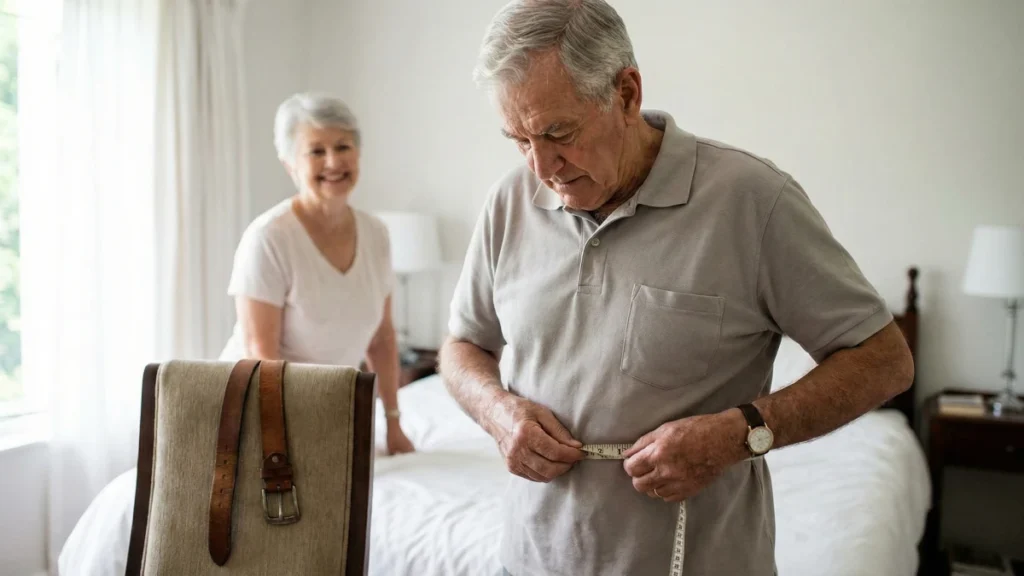
The Science This is better than BMI. Keeping your waist circumference to less than half your height prevents metabolic syndrome. If you are 5 feet 10 inches tall then your waist should be under 35 inches.
Action This connects to your appetite and metabolism. If you notice unexpected weight changes or a reliance on processed food then your metabolic health is suffering. Reduce processed sugar and increase fiber to get your numbers in check.
13. Self Rated Health

The Science This is the most fascinating sign. People who say their health is “poor” are nearly three times more likely to die soon than those who say “excellent.” This is true regardless of what their lab results say. You know your body better than any doctor.
Action Your mindset matters. Practice positive psychology and gratitude journaling. If you feel “off” then listen to that feeling and investigate it. Focus on what your body can do rather than what it cannot.
Conclusion
You do not need a lab coat to check your health. These 13 signs give you control over your future.
The good news is that most of these are reversible. You can improve your balance and grip and speed at any age. You can fix your sleep and lower your stress.
Call to Action Pick one test today. Try the balance test right now. What is your body telling you? Start there. Build a longer and healthier life.