
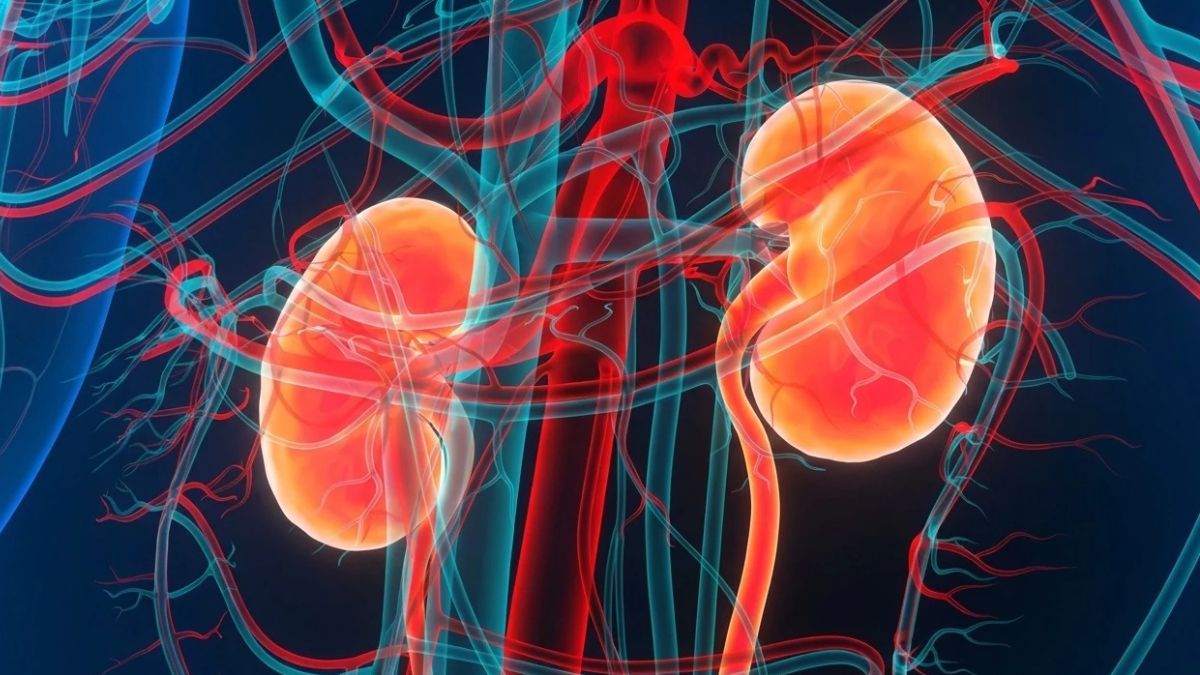
Your kidneys filter over 200 quarts of blood every single day to keep your chemical composition stable. When this filtration system falters, toxins saturate your bloodstream and create a bone deep exhaustion that coffee or sleep cannot fix.
You do not simply feel tired; you feel a heavy, toxic weight in your limbs and a mental fog that makes basic tasks feel impossible. The solution is not rest but recognizing the specific physiological signals your body uses to scream for help before the damage spreads.
Data from the National Kidney Foundation confirms that 90% of kidney function can be lost before you feel any actual pain.
1. Profound Fatigue That Sleep Doesn’t Fix

Healthy kidneys produce a critical hormone called erythropoietin that instructs your bone marrow to generate new red blood cells. When kidney function declines, this hormone production drops significantly and leads to a shortage of oxygen carrying cells in your system.
This creates a persistent state of anemia where your brain and muscles are literally starved for oxygen regardless of how much you rest. You feel physically heavy and drained at a cellular level rather than just sleepy.
- Constant lack of energy even after a full night of sleep
- Weakness that makes limbs feel heavy
- Pale skin or gums due to low iron
2. Brain Fog and Trouble Concentrating

Your kidneys act as the primary waste management plant for your blood and filter out impurities that can harm neural pathways. When filtration slows down, toxins like urea accumulate in the bloodstream and cross into the brain to cause significant cognitive delays.
You might find yourself reading the same sentence three times or forgetting the names of familiar objects. This mental cloudiness is often dismissed as aging but is a direct result of chemical imbalance.
- Difficulty focusing on simple work tasks
- Memory lapses regarding recent conversations
- Feeling constantly dizzy or spaced out
3. Sleep Issues and Apnea

Sleep becomes difficult when your body cannot filter out the waste products from the day effectively. A healthy body filters and stores urine for the morning, but a failing system leaves toxins circulating that keep your nervous system agitated and alert.
Research shows a strong bidirectional link between chronic kidney disease and sleep apnea which creates a dangerous cycle where oxygen deprivation further damages the organs.
- Trouble falling or staying asleep
- Loud snoring or gasping for air
- Restless legs syndrome at night
4. Foamy Urine via The Flush Test

The physical appearance of your urine provides the most immediate visual evidence of how your filtration system is functioning day to day. Healthy kidneys keep large protein molecules like albumin inside the body to help build muscle and repair tissue.
When the filters are damaged, this protein leaks out into the toilet bowl and creates a foam that resembles beaten eggs or the head on a soda.
- Bubbles that require multiple flushes to clear
- Urine that looks cloudy or murky
- Distinct difference from normal bubbles caused by speed
5. Persistent Puffiness Around the Eyes

Waking up with swollen eyes is frequently blamed on allergies or a salty dinner, but it signals a significant loss of protein from your blood. Because your kidneys are leaking protein into your urine, your blood loses its ability to hold on to fluid properly.
This fluid then migrates into the surrounding tissues and settles most noticeably in the soft, thin skin around your eyes while you lie flat to sleep.
- Swelling that is most visible in the morning
- Puffiness that persists throughout the day
- Sensation of heavy or tight eyelids
6. Swollen Ankles and Feet

Your kidneys are the master regulators of sodium and water balance and decide exactly how much fluid your body should retain.
When they cannot flush out excess sodium effectively, gravity pulls the retained fluid down to your lowest points like your feet and ankles. This results in pitting edema where pressing a finger into your ankle leaves a visible dent that takes several seconds to bounce back.
- Shoes feeling unusually tight by evening
- Visible indentation after removing socks
- Heavy or stiff feeling in the legs
7. Dry and Itchy Skin

This specific type of itching is not a dermatological issue but a systemic reaction to mineral imbalances in your bloodstream. Failing kidneys cannot balance calcium and phosphorus which leads to high phosphorus levels that leach calcium from your bones.
The resulting itch feels deep beneath the surface of the skin and is often resistant to topical creams or antihistamines because the root cause is internal.
- Itching that worsens at night
- Skin that feels dry or scaly
- Scratch marks that do not provide relief
8. Ammonia Breath and Metallic Taste

When waste products build up in the blood because the kidneys are not filtering them out, it changes the way food tastes. This condition is called uremia and it often makes fresh food taste like metal or causes a complete loss of flavor.
You might notice that your breath has a distinct smell resembling urine or ammonia because your body is trying to expel the toxins through your lungs.
- Meat tastes like metal or coins
- Chronic bad breath that brushing does not fix
- Sudden loss of interest in favorite foods
9. Nausea and Low Appetite

A buildup of toxins in your system can cause a general sense of nausea that makes eating feel like a chore. This often manifests as a feeling of fullness after eating only a very small amount of food because your stomach is reacting to the chemical imbalance.
This symptom often leads to unintentional weight loss and creates a cycle where your body becomes weaker from a lack of nutrition.
- Feeling full after just a few bites
- Aversion to the smell of meat
- Vomiting or retching in the mornings
10. Muscle Cramps at Night

Electrolytes like calcium and phosphorus are crucial for proper muscle function and nerve signaling throughout your body. When kidney function declines, these electrolyte levels become unstable and cause muscles to contract involuntarily.
Low calcium levels specifically trigger painful cramping that often strikes the legs or feet when you are trying to relax or sleep.
- Sudden sharp pain in calves or feet
- Cramps that wake you up from sleep
- Muscles that feel tight or knotted
11. Frequent Nighttime Urination

Healthy kidneys concentrate urine at night so you can sleep through for six to eight hours without interruption. When the filters are damaged, they lose this concentrating ability and try to flush fluid whenever they can.
This sends you to the bathroom multiple times a night and disrupts the sleep cycles your body needs to heal itself.
- Waking up more than twice to pee
- Urgency that feels impossible to hold
- Passing more urine than usual at night
12. Feeling Cold When Others Are Warm

Anemia caused by kidney disease affects your body’s ability to regulate its internal temperature effectively. Without enough red blood cells to carry oxygen and heat to your extremities, you may feel chilled even in a warm room.
This is a deep cold that comes from the inside out and often requires extra layers or blankets to find any comfort.
- Shivering while others are comfortable
- Cold hands and feet constantly
- Needing sweaters in warm weather
13. Shortness of Breath

This symptom occurs for two distinct reasons related to kidney failure that affect your lungs and blood. First, extra fluid can build up in the lungs when the kidneys do not remove it, making it hard to take a deep breath.
Second, the lack of oxygen rich red blood cells means your body has to work harder and breathe faster just to get the oxygen it needs.
- Winded after walking up a few stairs
- Feeling like you cannot take a deep breath
- Gasping for air while lying flat