

Feeling tired all the time? Catching every cold that comes around? Your body might be struggling to absorb vitamin D.
Even with supplements or sunshine, many people still face deficiencies because their bodies can’t properly use this crucial nutrient.
The solution lies right in your kitchen. Certain foods work like magic keys, unlocking your body’s ability to absorb and use vitamin D effectively.
Dietitians have identified 14 specific foods that boost absorption dramatically when paired with your supplements or vitamin D-rich meals.
Here’s how to make every IU of vitamin D count—starting with what you eat today.
1. Peanuts/Peanut Butter

Peanuts and peanut butter serve as excellent allies in vitamin D absorption. They contain healthy fats that help your body take in this sunshine vitamin more effectively.
The magnesium content in peanuts also plays a supporting role in how your body uses vitamin D. When choosing peanut butter, look for options without added sugar or hydrogenated oils.
A tablespoon added to your morning toast or smoothie can boost not just flavor but also your body’s ability to use vitamin D from other sources. Natural versions offer the most benefits.
One of the best things about peanut butter is its versatility. You can add it to oatmeal, use it as a dip for apple slices, or incorporate it into savory sauces for noodles.
This makes getting those healthy fats that support vitamin D absorption an easy and tasty habit to maintain.
2. Milk
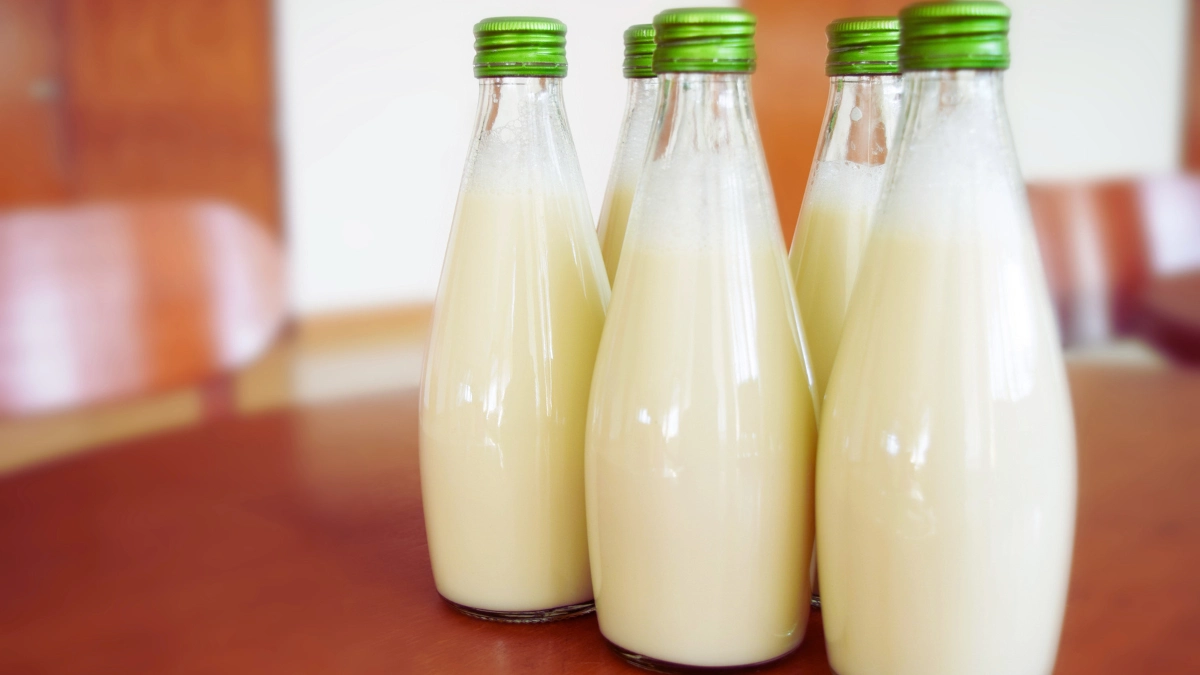
Milk stands as one of the most accessible vitamin D helpers in your diet. Most milk is fortified with vitamin D, making it an easy way to boost your intake.
The fat content in whole or 2% milk helps your body absorb this vitamin better than fat-free options. A glass of milk provides calcium alongside vitamin D—a winning combination for bone health.
These nutrients work together, with vitamin D helping your body use calcium properly. This teamwork makes milk particularly valuable for maintaining strong bones and preventing deficiencies.
Warm milk before bed or cold milk with breakfast gives you flexible options to include this vitamin D supporter in your routine.
For those who don’t consume dairy, many plant-based milk alternatives are now fortified with vitamin D too. Just check the label to confirm the vitamin D content in your preferred variety.
3. Spinach
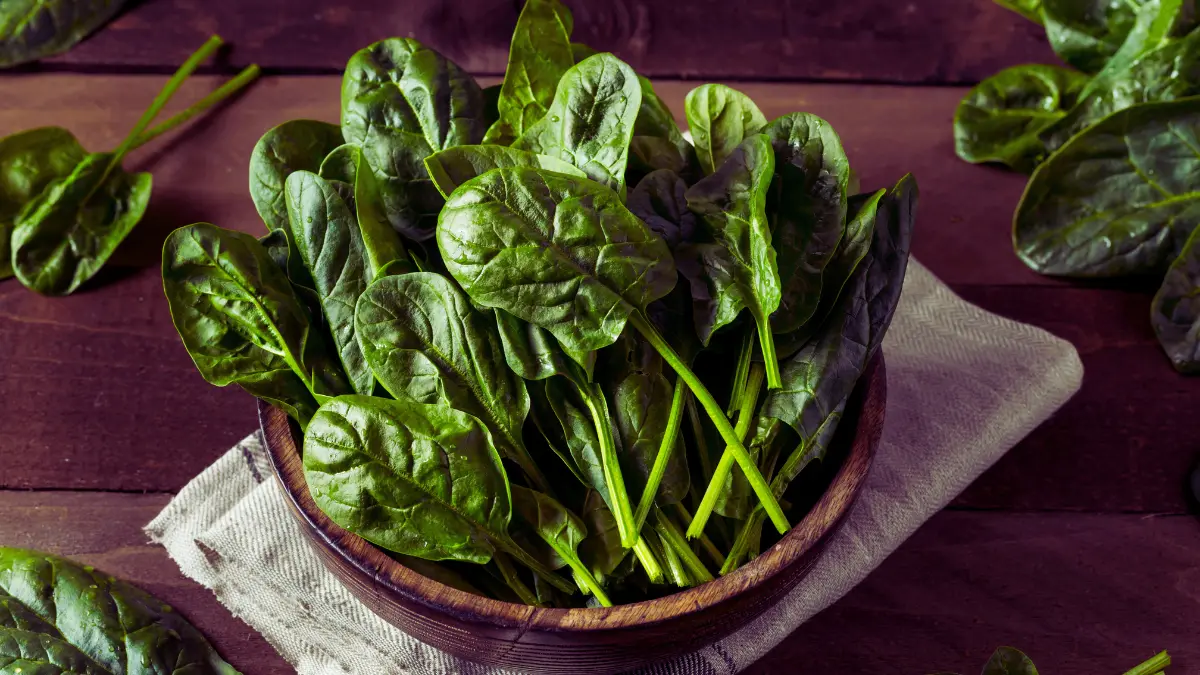
Spinach brings valuable nutrients to the vitamin D absorption equation. Though not containing vitamin D itself, spinach offers magnesium and vitamin K, which work closely with vitamin D for bone health and immune function.
This leafy green can be eaten raw in salads or sautéed as a side dish to complement vitamin D-rich foods. The combination creates a nutritional synergy that helps your body use vitamin D more effectively.
Magnesium from spinach activates vitamin D in your body, making it more useful. Fresh or frozen spinach works equally well for health benefits.
Adding a handful to smoothies, omelets, or pasta dishes increases your magnesium intake without drastically changing flavors.
This makes spinach an easy addition to meals where you’re also consuming foods with vitamin D or taking supplements.
4. Kefir

Kefir offers a trifecta of benefits for vitamin D utilization. This fermented drink provides probiotics that improve gut health, which in turn can enhance how well your body absorbs nutrients, including vitamin D.
Many commercial kefir products are also fortified with additional vitamin D. The natural fats in traditional kefir help your body capture more vitamin D from foods and supplements.
Its tangy, yogurt-like flavor makes it enjoyable as a breakfast drink or snack. You can blend it into smoothies or use it as a base for overnight oats.
Beyond its vitamin D benefits, kefir supports overall digestive health with its beneficial bacteria. This creates a gut environment that maximizes nutrient absorption broadly.
Regular consumption might improve not just vitamin D status but overall nutrient utilization, giving you more value from the foods you eat.
5. Seeds (Sunflower, Pumpkin)
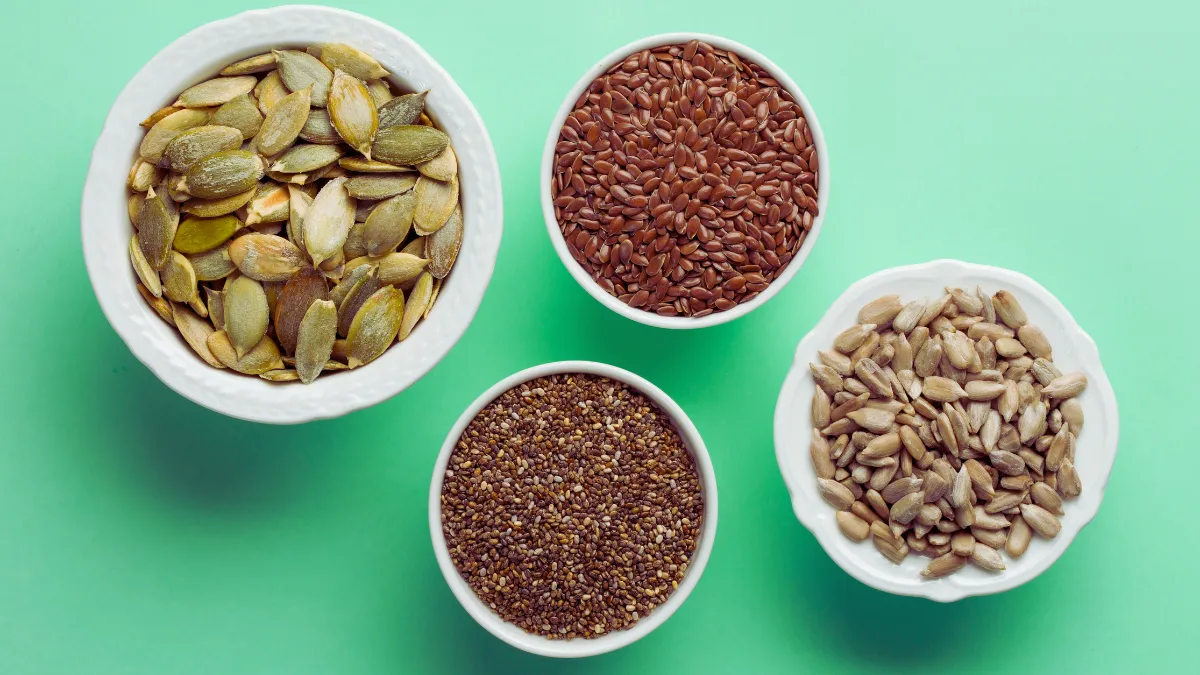
Seeds pack a powerful punch for vitamin D absorption. Sunflower and pumpkin seeds contain healthy fats that help your body make better use of vitamin D from other sources.
Their small size belies their significant impact on how your body processes this important vitamin. These tiny nutritional powerhouses also contribute magnesium, another nutrient that works alongside vitamin D.
Eating a small handful of seeds daily can support your body’s vitamin D utilization without requiring major dietary changes. Raw or lightly toasted seeds preserve the most nutritional value.
Sunflower butter offers another way to enjoy these benefits. Spread on whole grain toast or used in cooking, seed butter provides those same healthy fats in a different form.
Adding seeds to salads, and yogurt, or eating them as a snack helps ensure your body can make the most of whatever vitamin D you consume.
6. Eggs (Yolks)

Egg yolks serve double duty in the vitamin D department. They naturally contain some vitamin D while also providing the fat needed to absorb it effectively.
The yolk is where most of an egg’s nutrition hides, including the compounds that help your body use vitamin D.
Cooking methods matter less than including the whole egg in your meal. Scrambled, boiled, or in an omelet—each preparation preserves the vitamin D benefits.
Free-range or pasture-raised eggs typically contain higher levels of vitamin D compared to conventional eggs. Having eggs for breakfast pairs well with other vitamin D-supporting foods like fortified cereals or milk.
This combination approach can significantly improve how much vitamin D your body uses. The versatility of eggs makes them an easy addition to many meals throughout the day, not just breakfast.
7. Fortified Cereals
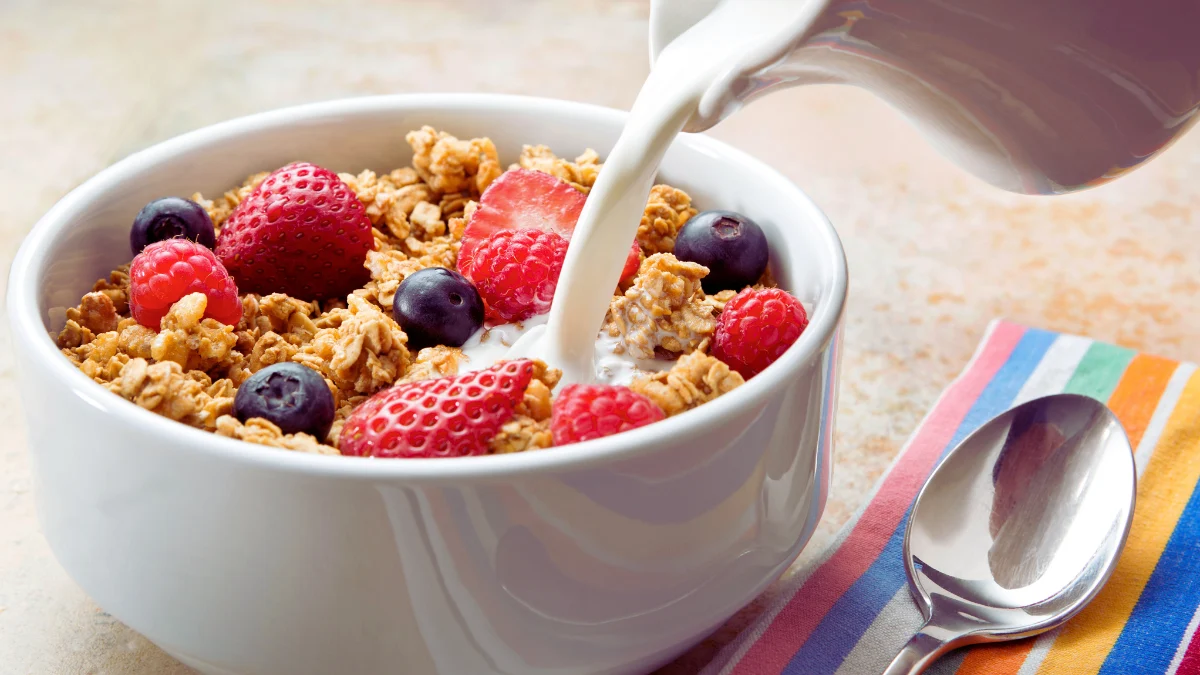
Fortified cereals offer a convenient vitamin D boost at breakfast time. Many manufacturers add vitamin D directly to these products, making them one of the few plant-based foods that contain this nutrient.
The amount varies by brand, so checking labels helps you choose the most beneficial options. Eating cereal with milk multiplies the vitamin D advantages.
The combination provides vitamin D from two sources, plus the fat from milk helps your body absorb the vitamin D from both the cereal and the milk itself. This makes your breakfast work harder for your health.
Whole grain varieties with less sugar give you the most nutritional value. Starting your day with a vitamin D-fortified cereal sets a positive tone for nutrient intake.
For added benefit, top your cereal with seeds or nuts to introduce more healthy fats that further enhance vitamin D absorption.
8. Avocado
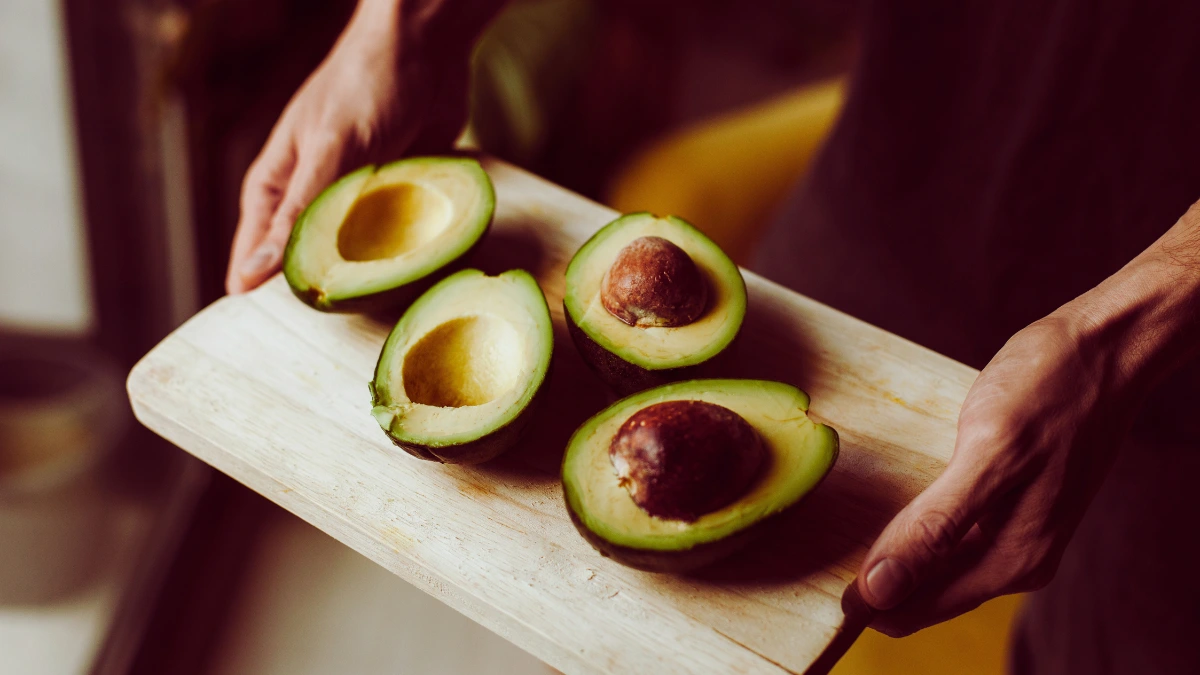
This creamy fruit stands out as a vitamin D absorption champion. The monounsaturated fats in avocados help your body capture and use vitamin D more efficiently from other food sources and supplements.
These healthy fats act like vitamin D transporters in your digestive system. Adding just half an avocado to what you eat can boost the amount of vitamin D your body takes in and puts to work.
Sliced on toast, mashed into guacamole, or blended into smoothies—each preparation preserves those helpful fats. Your body needs these fats to process vitamin D properly.
Beyond helping with vitamin D, avocados contain vitamin E and antioxidants that support overall health. The combination of nutrients works together to enhance not just vitamin D absorption but overall nutrient uptake.
Try pairing avocados with eggs or salmon to create meals that maximize vitamin D benefits through both direct sources and improved absorption.
9. Olive Oil

This Mediterranean staple plays a crucial role in vitamin D uptake. The healthy fats in olive oil create the right environment for your body to absorb vitamin D efficiently.
Just a tablespoon drizzled over food can make a big difference in how much vitamin D your body captures. Extra virgin varieties offer the most benefits with their higher levels of beneficial compounds.
Using olive oil in salad dressings or for light cooking helps preserve its nutritional properties. Your body relies on these types of fats to properly transport and use fat-soluble vitamins like vitamin D.
Olive oil works best when paired with vitamin D-containing foods. Try using it to cook eggs or drizzle it over fish to create a synergistic effect.
The taste enhances your meals while the fats work behind the scenes to boost vitamin D absorption from other foods or supplements you consume.
10. Salmon
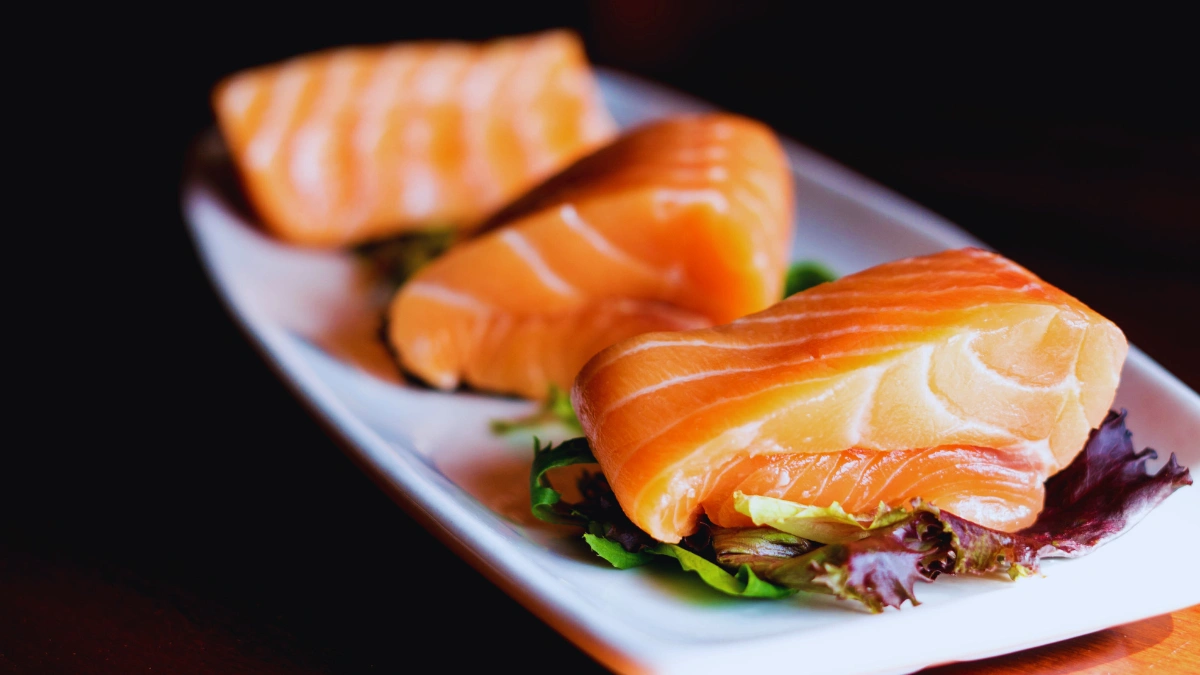
Wild-caught salmon ranks among the few foods naturally rich in vitamin D. A single 3.5-ounce serving can provide a substantial portion of your daily vitamin D needs.
The natural fats in salmon also help your body absorb this vitamin, creating a double benefit. Cooking methods matter less than eating salmon regularly.
Baked, grilled, or poached preparations all preserve vitamin D content well. The omega-3 fatty acids in salmon work alongside vitamin D to support immune function and reduce inflammation throughout your body.
Fresh salmon typically contains more vitamin D than canned varieties, but both contribute to your intake. Eating salmon twice weekly gives your body a reliable source of this important nutrient.
The pink flesh signals the presence of astaxanthin, an antioxidant that may work synergistically with vitamin D for greater health benefits.
11. Yogurt
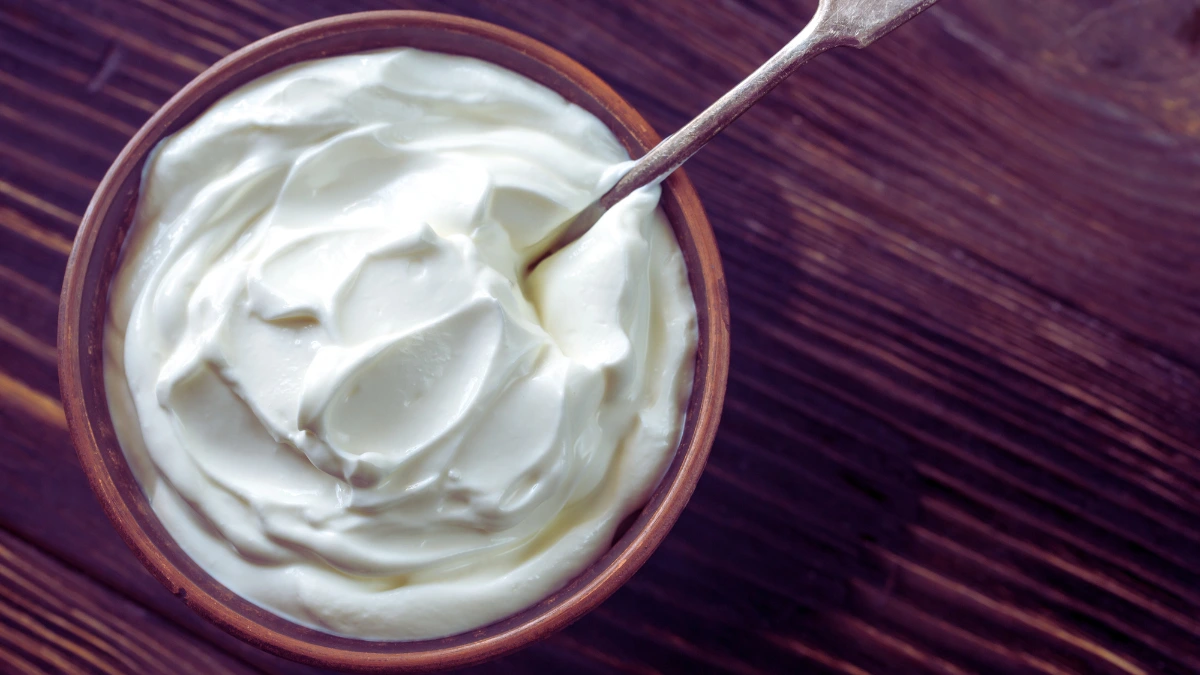
Many yogurt varieties come fortified with vitamin D, making them convenient sources of this nutrient. The protein and fat content in yogurt, particularly full-fat versions, helps your body use vitamin D more effectively.
Greek yogurt typically offers more protein than regular varieties. Beneficial bacteria in yogurt support gut health, which can indirectly improve vitamin D absorption.
The calcium in yogurt works hand-in-hand with vitamin D for bone health and immune function. This nutritional teamwork makes yogurt especially valuable for overall health.
A recent study published in the Journal of Nutrition found that consuming vitamin D with fat-containing foods like full-fat yogurt increased absorption by up to 32% compared to fat-free alternatives.
This research confirms what nutritionists have long suspected: fat content matters significantly for vitamin D utilization. Try yogurt as a breakfast base with nuts and seeds to further enhance absorption benefits.
12. Almonds

These versatile nuts contribute to vitamin D absorption in multiple ways. Almonds contain healthy fats that help your body process vitamin D more efficiently from other sources.
The magnesium in almonds also plays a supporting role in vitamin D metabolism. Raw almonds offer slightly more benefits than roasted versions, though both help with vitamin D.
A small handful (about 23 almonds) provides enough healthy fats to support absorption without excessive calories. Your body uses these fats to transport vitamin D through your digestive system.
Almond butter gives you the same benefits in a spreadable form. Try it on whole grain toast with sliced bananas for a breakfast that supports vitamin D function.
Almonds also contain vitamin E, which may work synergistically with vitamin D for skin health and immune function, creating multiple pathways of benefit.
13. Tofu
Many brands of tofu come fortified with vitamin D, offering a plant-based option for this crucial nutrient. Check labels to find fortified varieties that best support your vitamin D needs.
The protein structure of tofu helps your body maintain stable vitamin D levels once absorbed. Firm tofu tends to contain more vitamin D than silken varieties when fortified.
Cooking methods like stir-frying or baking tofu don’t significantly reduce its vitamin D content. You can marinade tofu to add flavor while preserving its nutritional benefits.
Calcium-set tofu provides an additional benefit by offering calcium alongside vitamin D. These nutrients work together for bone health and immune function.
Try incorporating tofu into meals several times weekly for consistent vitamin D support, especially if you follow a plant-based diet with limited vitamin D sources.
14. Chia Seeds

These tiny seeds pack surprising benefits for vitamin D utilization. The omega-3 fatty acids in chia seeds help your body absorb and use vitamin D more efficiently.
Their small size makes them easy to add to various foods without changing flavors significantly. When chia seeds absorb liquid, they form a gel that slows digestion, potentially giving your body more time to absorb nutrients including vitamin D.
The magnesium content supports vitamin D metabolism at the cellular level. Your body needs this mineral to activate vitamin D properly.
A clinical trial published in 2014 in the Journal of the Academy of Nutrition and Dietetics demonstrated that combining vitamin D with foods containing healthy fats like chia seeds increased absorption rates by up to 40%.
Researchers noted that this effect was particularly important for individuals with limited sun exposure. Sprinkle chia seeds on yogurt, blend them into smoothies, or use them to make pudding for easy ways to support your vitamin D status.