

You may be taking eye vitamins, wearing sunglasses, and showing up for every eye exam. But the food on your plate still matters.
The confusing part is knowing which foods deserve attention. A single hamburger will not cause macular degeneration. One doughnut will not destroy the retina. The concern is a repeated eating pattern filled with processed meat, fried food, refined grains, sugary drinks, and few vegetables.
Research has linked this Western style pattern with a higher risk of late age related macular degeneration, or AMD. Diets built around vegetables, fruit, beans, fish, whole grains, nuts, and olive oil appear more supportive of long term eye health.
Medical disclaimer: This article provides general nutrition information. It does not replace an examination, diagnosis, or treatment plan from an ophthalmologist, optometrist, physician, or registered dietitian.
What Food Can and Cannot Do for Macular Degeneration
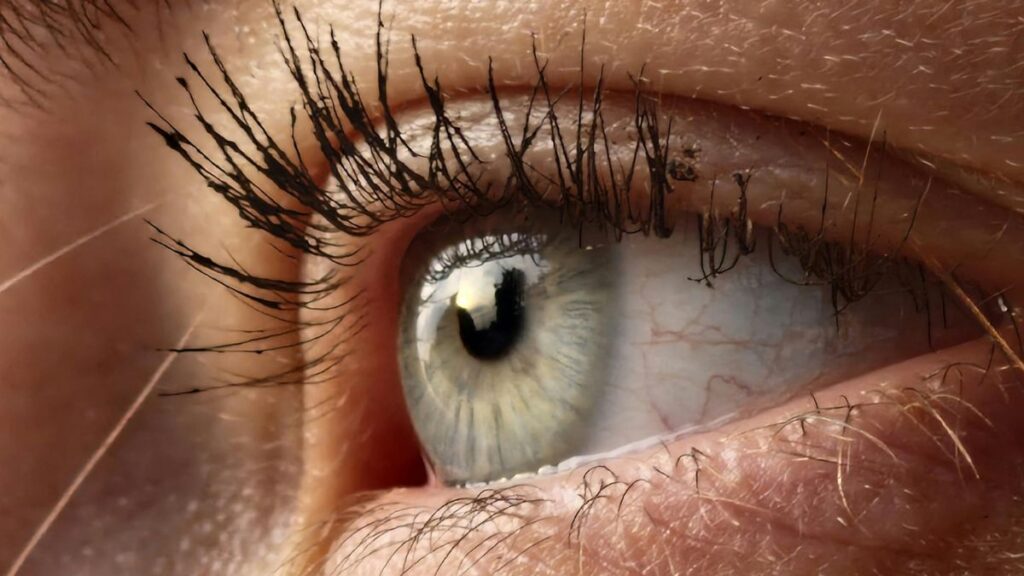
The macula is the part of the retina that controls sharp central vision. You use it to read, drive, see fine details, and recognize faces. AMD can blur or damage that central area while leaving side vision less affected.
Food is one part of the risk picture. Age, family history, genetics, smoking, high blood pressure, cholesterol, and excess body weight may also affect risk or progression.
The National Eye Institute recommends avoiding smoking, staying active, managing blood pressure and cholesterol, and eating healthy foods that include leafy greens and fish.
Diet cannot guarantee that you will avoid AMD. It also cannot reverse vision that has already been lost.
Still, your daily eating pattern may support the blood vessels and tissues that serve the retina. A strong pattern can also make it easier to control blood pressure, cholesterol, blood sugar, and weight.
That is why this list focuses on foods that tend to dominate a less protective eating pattern.
1. Processed Meat Can Crowd Out Better Protein Choices
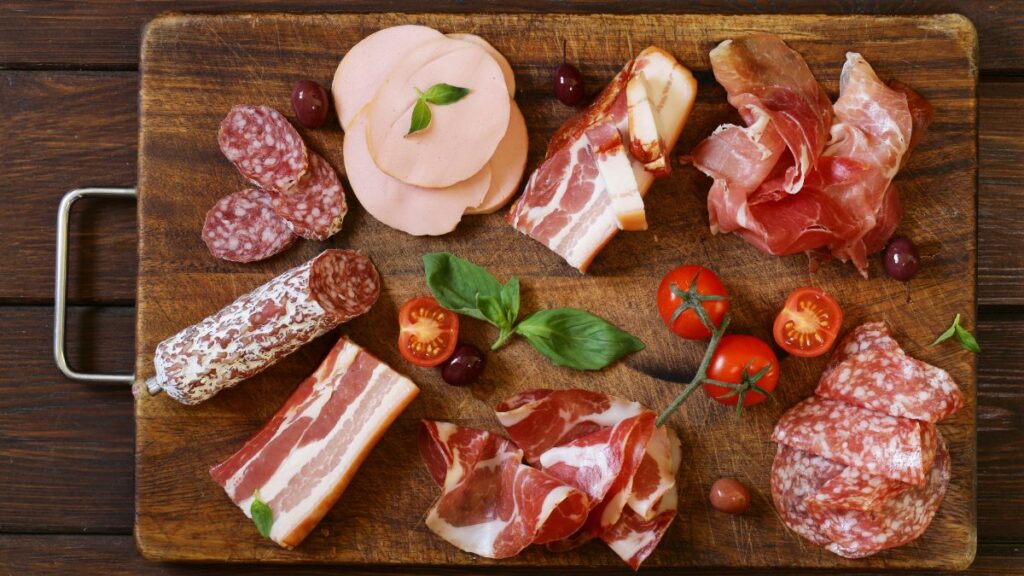
Bacon, hot dogs, breakfast sausage, salami, bologna, and packaged deli meats are easy to eat often. That is the problem.
A major study of American dietary patterns described a Western pattern rich in red meat, processed meat, high fat dairy, French fries, and refined grains. Greater adherence to that pattern was associated with more late AMD. The study showed an association, not proof that processed meat directly caused the disease.
Processed meats can also contain large amounts of sodium and saturated fat. Those factors may make blood pressure and cholesterol harder to manage in some people.
Try this instead:
- Replace breakfast sausage with eggs and spinach
- Use hummus or mashed beans in a sandwich
- Add canned salmon to a salad
- Choose fresh chicken or turkey more often
- Make lentil soup for an easy lunch
You do not have to panic over an occasional slice of bacon. The goal is to stop making processed meat an everyday protein.
2. Large Portions of Fatty Red Meat Deserve a Smaller Role
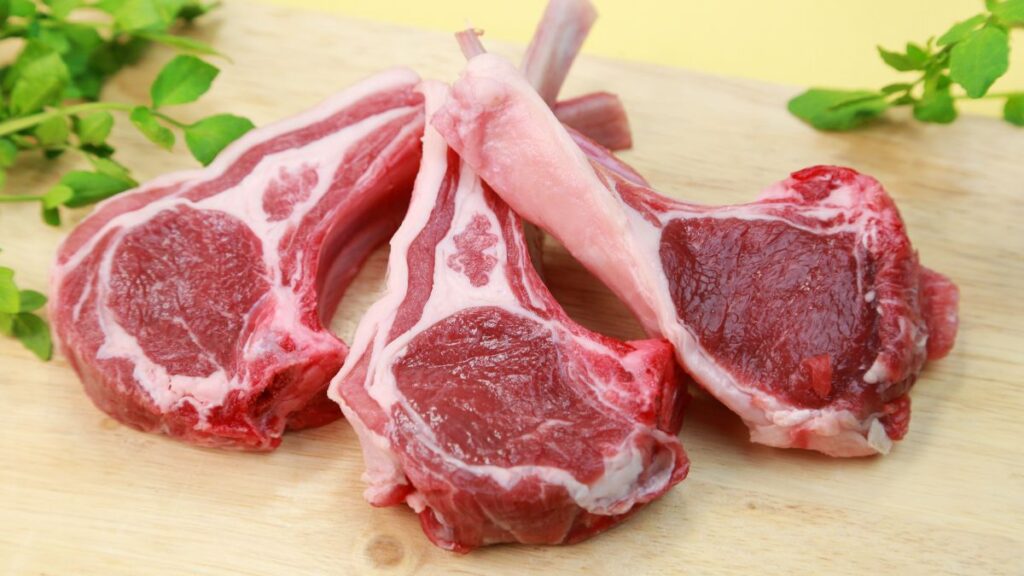
Red meat is not automatically forbidden. Beef, lamb, and pork provide protein, iron, zinc, and vitamin B12.
The concern is how often you eat it, how much you serve, and what comes with it. A large fatty burger with fries and soda creates a very different meal from a small portion of lean beef served with beans, greens, and whole grains.
Research on Western dietary patterns has repeatedly placed red meat beside processed meat, fried food, refined grains, and high fat dairy. That entire pattern has been linked with poorer AMD outcomes.
Evidence about individual fats is less simple. Some older observational studies found links between higher fat intake and AMD progression, while findings have not been identical across every population.
A better approach:
Choose fish, beans, or lentils for several meals each week. When you eat red meat, pick a lean cut and keep the serving moderate.
3. Deep Fried Fast Food Combines Several Weak Spots
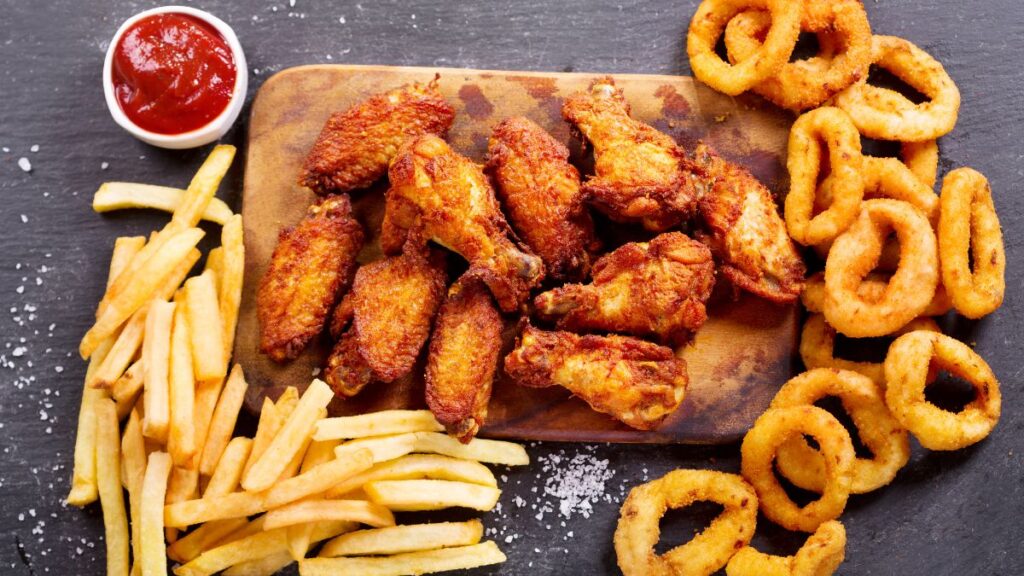
French fries, fried chicken, onion rings, and fried fish sandwiches are easy to overeat because they are salty, crisp, and highly concentrated in calories.
Fried foods are also a common part of the Western pattern associated with greater late AMD risk. A recent 2026 dietary pattern analysis found that a pattern rich in snacks, fried foods, and refined carbohydrates was associated with higher odds of AMD. This type of study cannot prove cause and effect, but the pattern supports older findings.
The cooking oil also matters. Repeatedly heated oils and foods containing trans fats are not the same as the fats found in walnuts, fish, or olive oil.
Try these swaps:
- Oven roasted potatoes instead of fries
- Baked fish instead of battered fish
- Grilled chicken instead of fried chicken
- Air cooked vegetables with a small amount of olive oil
- A bean burger with a side salad
The benefit is bigger than cutting calories. You create space for vegetables, whole grains, and healthier fats.
4. Doughnuts and Commercial Pastries Offer Little Eye Support
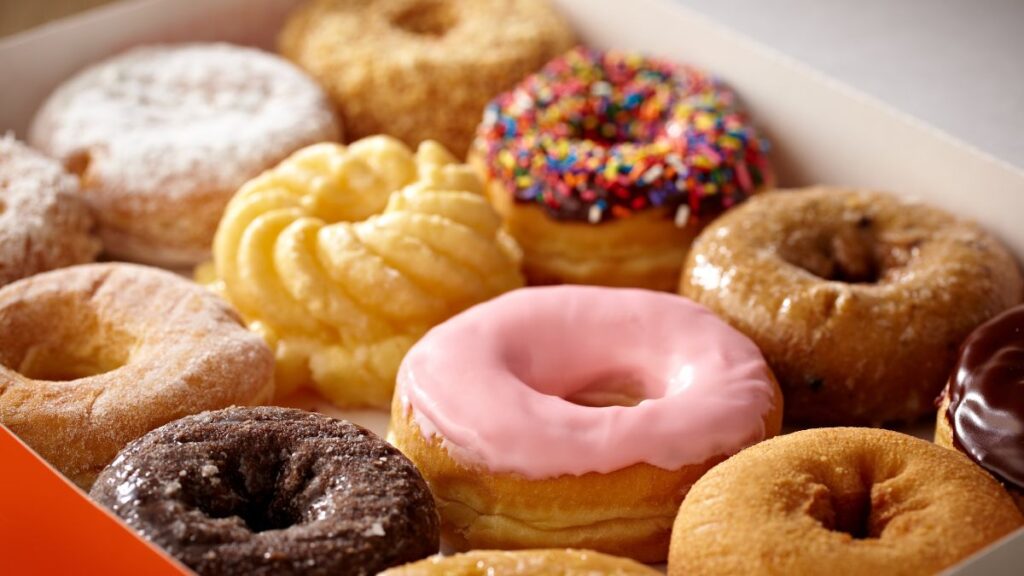
A doughnut is not harmful because it contains one secret eye damaging ingredient. The problem is the combination.
Many doughnuts, Danish pastries, turnovers, and iced breakfast treats contain refined flour, added sugar, and saturated fat. Some may also contain shortening.
These foods digest quickly and provide few of the nutrients linked with healthier dietary patterns. They contain little lutein, zeaxanthin, vitamin C, fiber, or omega 3 fat.
Higher dietary glycemic index has been associated with a greater risk of AMD and AMD progression in several observational studies using Age Related Eye Disease Study data.
Better breakfast choices include:
- Oatmeal with berries and walnuts
- Whole grain toast with avocado
- Plain yogurt with fruit
- Eggs with spinach and tomatoes
A pastry can still fit on occasion. It should not be the breakfast that starts most mornings.
5. Packaged Cookies and Snack Cakes Make Sugar Easy to Overeat
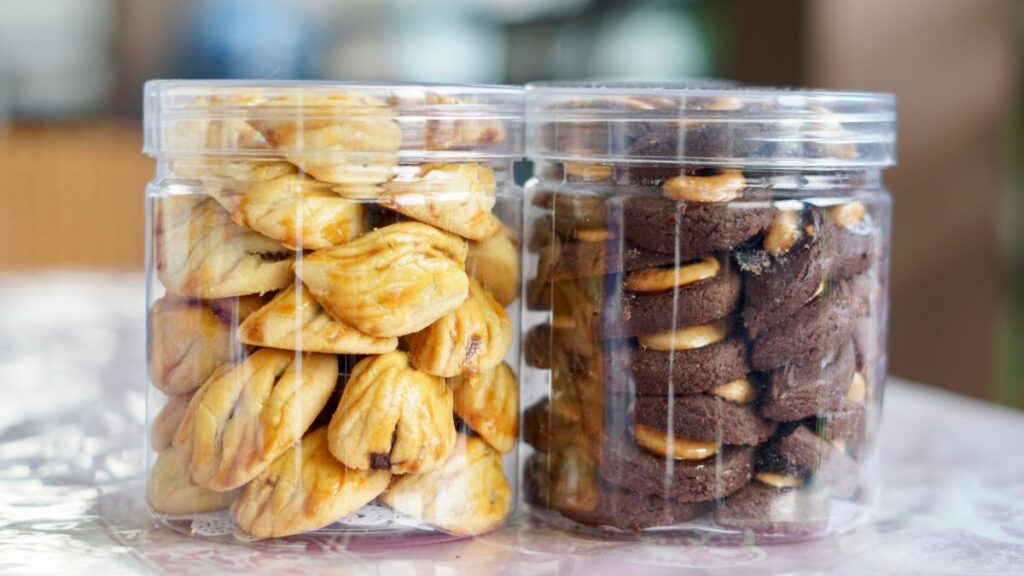
Small packages can look harmless. Yet one snack cake can contain several teaspoons of added sugar, refined starch, and saturated fat.
The larger issue is repetition. A cookie after lunch, another with coffee, and a snack cake at night can turn into a steady daily supply of refined carbohydrates.
These foods also push out better snacks. A person who fills up on cookies may be less likely to eat berries, oranges, nuts, or yogurt.
Use the label before buying. Check:
- Added sugar
- Saturated fat
- Serving size
- Partially hydrogenated oil in the ingredient list
- Whether whole grain is the first grain ingredient
Useful replacements include fruit with nuts, plain yogurt with cinnamon, or one small square of dark chocolate.
6. White Bread and Refined Rolls Raise the Meal’s Glycemic Load
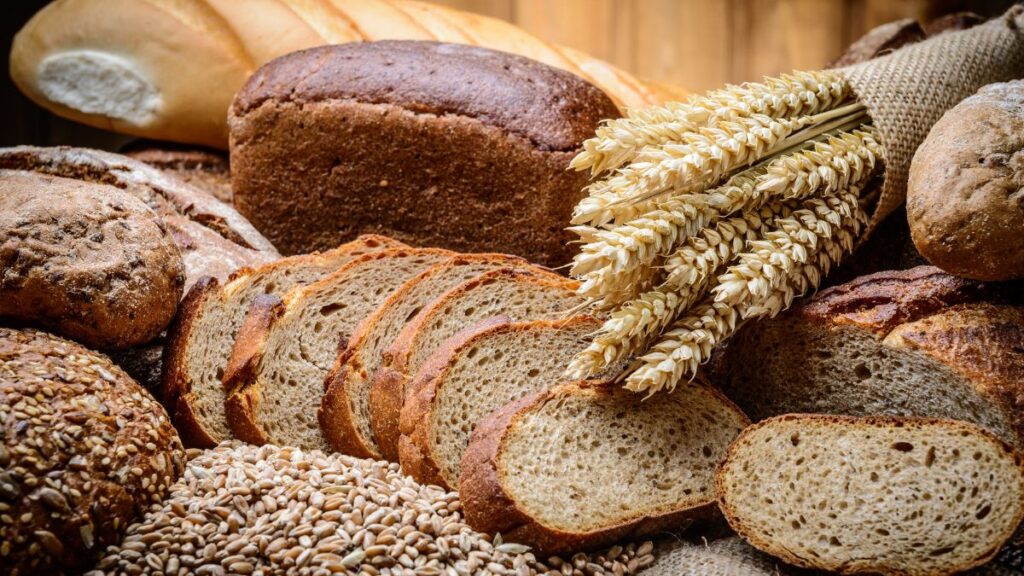
White bread, hamburger buns, bagels, and dinner rolls are made from grain that has lost much of its natural fiber during processing.
That does not make every slice dangerous. But a diet built heavily around rapidly digested carbohydrates may be less favorable for AMD risk than one based on intact or less refined grains.
Studies involving Age Related Eye Disease Study participants found associations between higher dietary glycemic index and AMD. Researchers estimated that shifting toward lower glycemic foods could potentially reduce some AMD burden, although such estimates do not prove what will happen to one individual.
Choose more often:
- Whole grain bread
- Steel cut or rolled oats
- Barley
- Quinoa
- Brown rice
- Whole grain tortillas
Look for the word “whole” before the first grain in the ingredient list.
7. Sugary Breakfast Cereal Can Act More Like Dessert
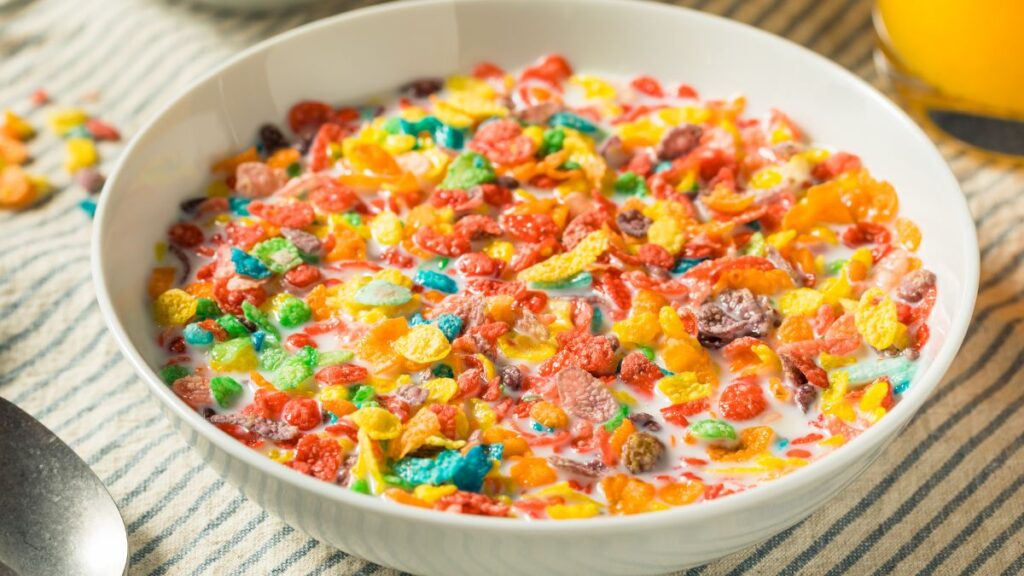
A bowl of colorful cereal may look light, but some cereals provide a large amount of added sugar and very little fiber.
That can leave you hungry again soon. It can also make it harder to keep the total glycemic load of your diet lower.
Cereal itself is not the enemy. The type matters.
A plain bran cereal, shredded whole wheat, or oatmeal can supply more fiber and less added sugar than frosted flakes or cereal with candy pieces.
Build a stronger bowl:
- Start with unsweetened oats or a high fiber cereal.
- Add berries or chopped apple.
- Add walnuts, chia seeds, or ground flax.
- Use plain milk or an unsweetened fortified alternative.
- Add cinnamon instead of spoonfuls of sugar.
This breakfast gives you whole grains and plant foods without turning the morning meal into dessert.
8. Candy and Gummy Sweets Add Sugar Without Protective Nutrients
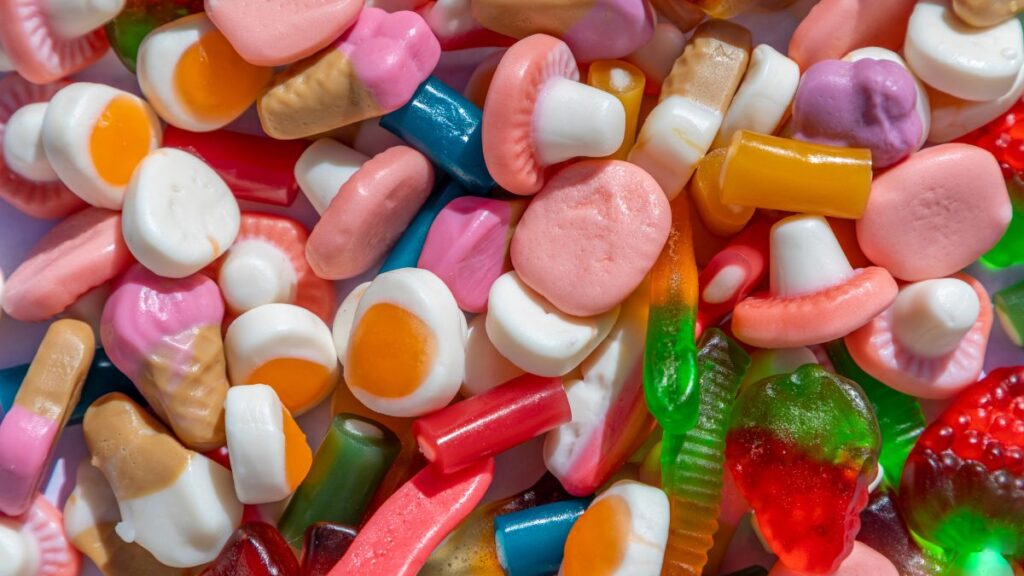
Candy is easy to eat quickly. It does not provide the fiber that naturally slows digestion in whole fruit.
It also offers little vitamin C, vitamin E, lutein, zeaxanthin, zinc, or healthy fat. Those nutrients appear more often in dietary patterns connected with better eye health.
Candy does not need to be banned forever. But it should stay a treat rather than a daily snack.
When a sweet craving hits, try:
- Fresh berries
- An orange
- Apple slices with nut butter
- Plain yogurt with fruit
- A few dates with walnuts
Whole fruit still contains natural sugar. The difference is that it also provides water, fiber, vitamins, and plant compounds.
9. Sugar Sweetened Soda Adds Up Faster Than You Think
Soda delivers sugar in liquid form. It is easy to drink a large amount without feeling as full as you would after eating solid food.
Soda has not been proven to directly cause AMD. The concern is how it fits into the full diet.
Frequent sugary drinks can make blood sugar control, calorie balance, and weight management harder. The National Eye Institute lists healthy weight, blood pressure, cholesterol, physical activity, and a healthy diet among the factors people can work on when trying to lower AMD risk or slow vision loss.
Better drinks include:
- Cold water with lemon
- Unsweetened tea
- Sparkling water
- Coffee with little or no added sugar
- Water flavored with cucumber or berries
Diet soda removes sugar, but water should still be the main drink.
10. Sweetened Coffee Drinks May Contain a Full Dessert

Coffee itself is not on the avoid list.
The issue is a large drink filled with flavored syrup, sweetened whipped cream, caramel drizzle, and a heavy cream base. Some coffee shop drinks function more like milkshakes than coffee.
A daily sweetened coffee can quietly raise added sugar and saturated fat intake. It may also come with a pastry, creating a meal based almost entirely on refined carbohydrates.
Order it differently:
- Pick the smallest size
- Ask for half the usual syrup
- Skip whipped cream
- Use plain milk
- Add cinnamon
- Try unsweetened coffee over ice
You keep the coffee ritual without making it one of the largest sugar sources in your day.
11. Potato Chips and Refined Crackers Are Easy to Eat Mindlessly
Chips and crackers are rarely eaten one at a time. A few handfuls can become several servings.
Many versions contain refined starch, sodium, and added fat while providing little fiber or protein. Like fries and refined grains, they fit the type of dietary pattern that researchers have linked with greater AMD risk.
Sodium does not directly cause AMD. But a very salty diet may work against blood pressure goals in salt sensitive people.
More filling snacks include:
- Unsalted nuts
- Roasted chickpeas
- Carrots with hummus
- Apple slices with peanut butter
- Whole grain crackers with tuna
- Air popped popcorn with light seasoning
Serve the snack in a bowl instead of eating from the package. That simple step makes the portion easier to see.
12. Heavy Cream Sauces and High Fat Dairy Desserts Need Context
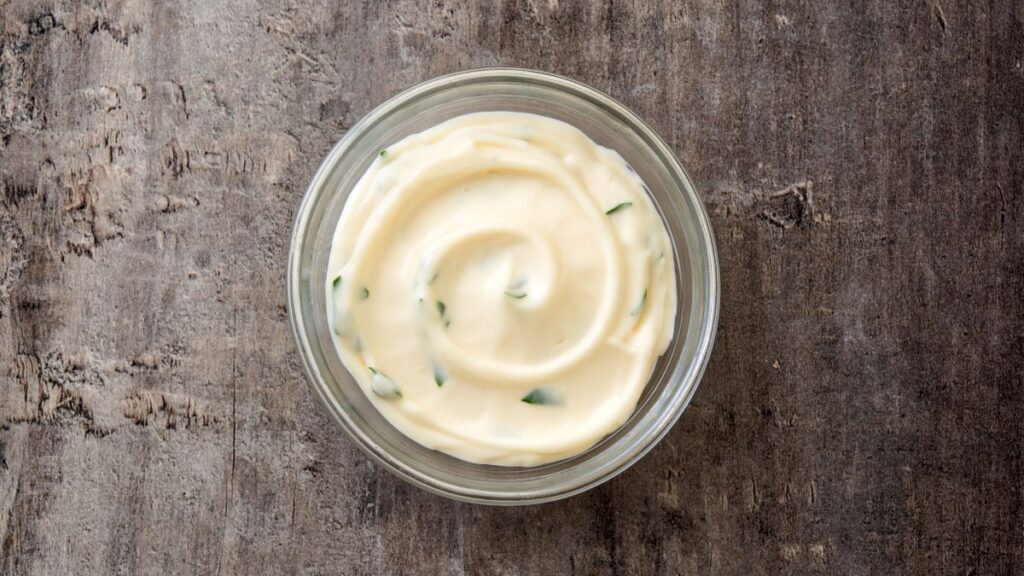
Ice cream, cream based sauces, and rich milkshakes can add large amounts of saturated fat and sugar.
High fat dairy was one part of the Western dietary pattern associated with late AMD in observational research. That finding does not mean all milk, yogurt, or cheese damages the eye.
Plain yogurt, for example, provides protein and can fit into a healthy diet. The issue is making rich dairy desserts and cream sauces a daily habit.
Useful swaps include:
- Plain yogurt with berries
- Olive oil and lemon dressing
- Tomato based pasta sauce
- Blended white beans for a creamy soup
- A smaller portion of ice cream with fruit
Think about the whole meal. A little cheese on a large vegetable salad is different from a meal built around cream, cheese, and refined pasta.
13. Foods With Partially Hydrogenated Oil Are Best Left on the Shelf
Partially hydrogenated oil is a source of industrial trans fat.
Many countries have greatly reduced industrial trans fats in the food supply, but imported foods, older formulations, bakery shortening, and some packaged products may still deserve a label check.
Observational research has linked higher trans fat intake with AMD or AMD progression. One study concluded that a pattern lower in trans fat and richer in omega 3 fats and olive oil may reduce AMD risk.
Read the ingredient list.
A label may show zero grams of trans fat when the amount per serving is very small. “Partially hydrogenated oil” in the ingredient list is the clearer warning sign.
Choose foods made with olive oil, nuts, seeds, or other nonhydrogenated oils instead.
14. Frequent Oversized Desserts Can Work Against Several Risk Factors

A slice of birthday cake is not a medical emergency.
The concern is eating oversized desserts most nights. Large portions can add a great deal of sugar, saturated fat, and calories while providing few vegetables, whole grains, or protective nutrients.
Over time, this pattern may make healthy weight, blood pressure, cholesterol, and blood sugar harder to maintain. Those health issues matter because eye health does not exist separately from the rest of the body.
Use a realistic plan:
- Choose a smaller serving
- Eat dessert less often
- Share restaurant desserts
- Serve fruit beside the dessert
- Avoid eating directly from a large container
- Enjoy it slowly without guilt
A food does not become healthier because you feel guilty about it. Frequency and portion size are more useful targets.
What to Eat Instead for Better Macular Health
Removing food is only half the job. You need replacements that provide satisfying meals and nutrients.
Among dietary patterns studied for AMD, a Mediterranean style pattern has some of the strongest and most consistent supportive evidence. It emphasizes vegetables, fruit, beans, whole grains, fish, nuts, and olive oil while limiting processed meat, refined carbohydrates, and heavily processed foods.
The National Eye Institute also encourages leafy green vegetables and fish. Diets rich in leafy greens provide lutein and zeaxanthin, carotenoids that are concentrated in the macula.
Build Meals Around These Foods
| Food group | Useful choices | Easy way to eat more |
|---|---|---|
| Leafy greens | Spinach, kale, collards, romaine | Add a handful to eggs, soup, or pasta |
| Colorful vegetables | Peppers, broccoli, squash, tomatoes | Fill half the dinner plate |
| Fruit | Berries, oranges, apples, grapes | Use as a snack or dessert |
| Fish | Salmon, sardines, trout, tuna | Replace processed meat at lunch |
| Legumes | Lentils, chickpeas, black beans | Add to soup, salad, or grain bowls |
| Whole grains | Oats, barley, brown rice, whole grain bread | Replace white bread and refined cereal |
| Healthy fats | Olive oil, walnuts, seeds, avocado | Use instead of shortening or heavy sauces |
Mayo Clinic advises choosing fruits, vegetables, fish, and nuts as part of an eye supportive eating plan. Fish provides omega 3 fats, though omega 3 supplements did not produce the same AMD benefit in AREDS2.
The Simple Plate Formula
At lunch and dinner, aim for:
- Half a plate of vegetables
- One quarter whole grains or another high fiber starch
- One quarter fish, beans, lentils, eggs, or lean poultry
- A small amount of olive oil, nuts, seeds, or avocado
It does not need to look perfect. A vegetable soup with beans and whole grain toast can meet the same basic goal.