

Do your knees creak when you stand up? Does joint pain limit what you can do each day? Your diet might be the hidden culprit.
Many common foods trigger inflammation that attacks your joints from the inside out, especially after 40 when your body becomes more sensitive.
You can take back control by removing specific inflammatory foods from your meals. Simple changes to what you eat can reduce stiffness, ease movement, and help you feel years younger.
Ready to say goodbye to those painful knees? Here are 15 foods you should cross off your shopping list if you’re over 40 and dealing with joint pain.
1. Processed Sugars
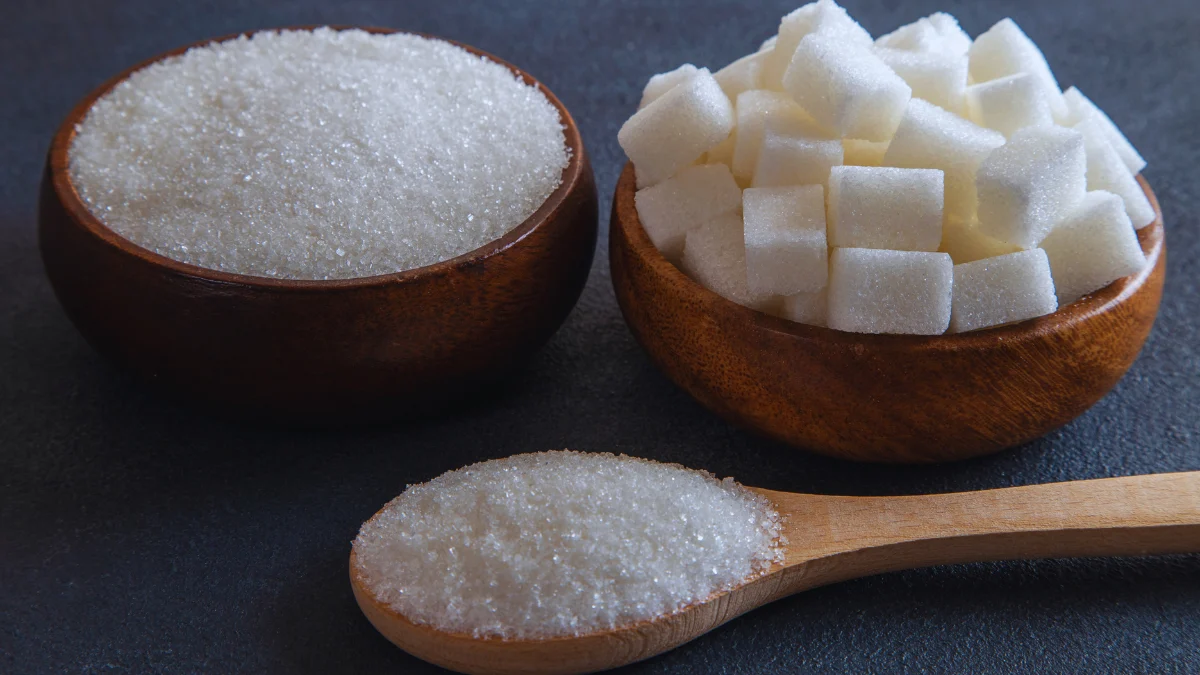
Sugar causes inflammation in your body when consumed regularly. It increases inflammatory proteins called cytokines and creates compounds known as AGEs (advanced glycation end products) that damage joints over time.
Your body responds to high sugar intake by releasing more inflammatory markers, which can worsen existing joint pain.
Sodas contain about 10 teaspoons of sugar per can, while many desserts pack even more. This sugar overload doesn’t just affect your waistline—it directly impacts your joints.
People with conditions like arthritis often report flare-ups after eating sugary foods. Cutting back on candy, pastries, and sweetened beverages can make a noticeable difference in joint comfort.
Many find that within weeks of reducing sugar intake, morning stiffness decreases and overall mobility improves. Consider using natural alternatives like whole fruits when you crave something sweet.
2. Refined Carbohydrates

White bread, pasta, and rice spike your blood sugar almost as quickly as candy. This rapid rise triggers an inflammatory response that can reach your joints and increase pain.
Foods with a high glycemic index cause your body to produce more inflammation markers, particularly C-reactive protein.
The refining process strips away fiber and nutrients from whole grains, leaving mostly starch that breaks down too quickly in your system.
Your body responds to this with an inflammatory reaction similar to what happens with table sugar. Regular consumption of these foods creates a constant state of low-grade inflammation throughout your body.
Try switching to whole-grain alternatives that contain their natural fiber. Brown rice, oatmeal, and whole wheat products break down more slowly, causing less dramatic spikes in blood sugar.
This simple change can reduce inflammatory pressure on your joints while providing more nutrients and sustained energy.
3. Red Meat
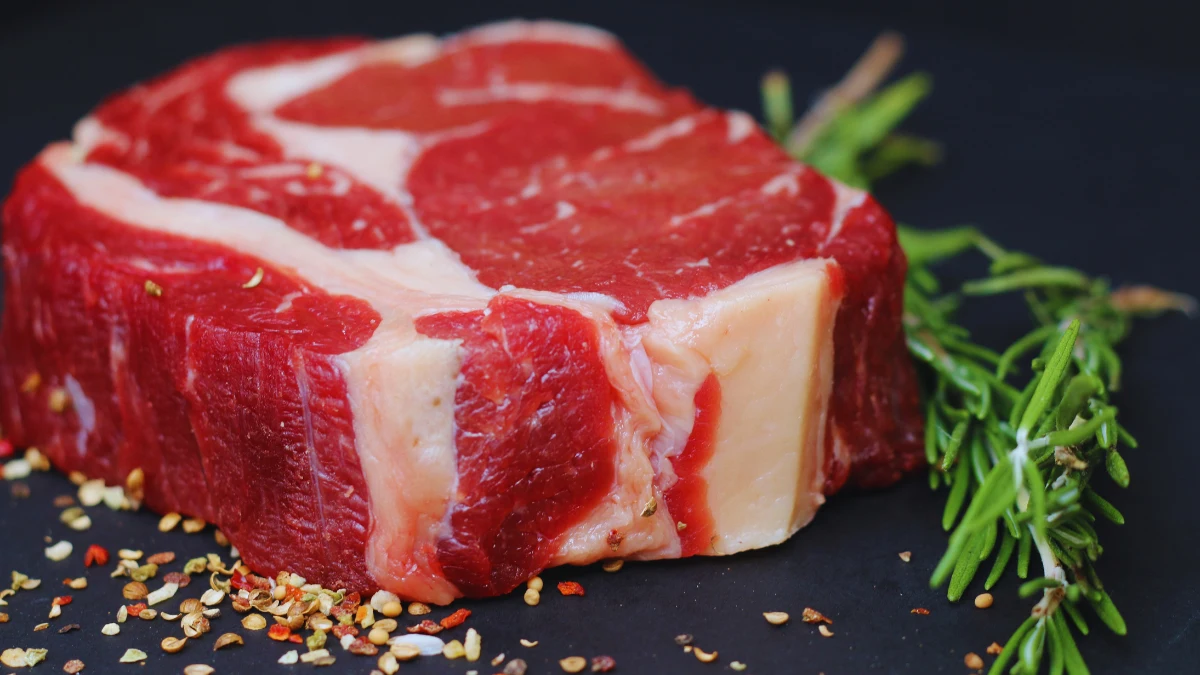
Steak and burgers contain high amounts of saturated fat that can promote inflammation in your joints. Your body processes these fats into compounds that increase swelling and pain, especially in already sensitive areas.
The purines found in red meat also convert to uric acid, which may form painful crystals in joints. Cooking methods matter significantly.
Grilling, frying, or broiling meat at high temperatures creates compounds called AGEs that worsen inflammation. These harmful substances build up in your tissues over time and contribute to joint deterioration.
Reducing portion sizes offers a practical approach if you enjoy red meat. Limit servings to 3-4 ounces, about the size of a deck of cards, and choose leaner cuts when possible.
Many people with joint pain find relief by eating red meat just once weekly rather than daily. Fish and plant proteins often provide good alternatives that cause a less inflammatory response.
4. Fried Items

French fries, fried chicken, and other oil-soaked foods create a double problem for your joints. The oils used often contain trans fats or become damaged during high-heat cooking, forming compounds that directly trigger inflammation.
Your body responds by increasing inflammatory chemicals that can worsen joint pain within hours of eating. The breading on most fried foods adds refined carbohydrates to the mix, creating an even stronger inflammatory response.
These foods also contribute to weight gain, putting additional pressure on already painful joints. Many people notice their knees and hips hurt more after eating fried foods regularly.
Baking, steaming, or air-frying offers better cooking options that preserve flavor without the inflammatory effects. Some restaurants now offer these healthier preparation methods.
Your joints typically respond positively within days when you cut back on fried foods. This change alone makes a noticeable difference for many people struggling with stiffness and pain.
5. Processed Meats

Bacon, sausage, hot dogs, and deli meats contain preservatives and chemicals that can aggravate joint inflammation. The nitrates and nitrites used to prevent spoilage may trigger inflammatory responses in sensitive individuals.
These meats also typically contain high amounts of salt, which can cause water retention and increase pressure in already swollen joints.
The processing methods for these meats often involve smoking or curing, which creates compounds that increase oxidative stress in your body.
Your immune system reacts to these substances, potentially worsening conditions like rheumatoid arthritis or osteoarthritis. Even occasional consumption can trigger pain flares in susceptible people.
Choosing fresh, unprocessed chicken, turkey or fish provides protein without the inflammatory additives. Many grocery stores now offer nitrate-free options if you occasionally want bacon or deli meat.
People who eliminate processed meats often report less morning stiffness and greater ease of movement within several weeks.
6. Alcohol

Drinking beer, wine, or spirits regularly can worsen joint pain through several mechanisms. Alcohol raises uric acid levels in your bloodstream, which may form crystal deposits in joints that cause intense pain, especially in the big toe, ankles, and knees.
Your liver also becomes less efficient at removing other inflammatory compounds when it’s busy processing alcohol.
Many alcoholic drinks contain hidden sugars that further contribute to inflammation. A single mixed cocktail might have the equivalent of 4-5 teaspoons of sugar.
This combination of alcohol and sugar creates a powerful inflammatory response that can last for days after drinking. Your joints often feel the effects long after the buzz wears off.
Limiting alcohol consumption gives your body a chance to recover and reduce inflammation naturally. Water helps flush out uric acid and other inflammatory compounds.
Some people find complete elimination brings the best results, while others can tolerate occasional small amounts with minimal joint effects. Listen to what your body tells you after drinking—if your knees or hips hurt more the next day, that’s valuable feedback.
7. MSG (Monosodium Glutamate)

This common flavor enhancer hides in many processed foods and can trigger joint inflammation in sensitive individuals.
Your body may react to MSG with increased production of inflammatory chemicals that target your joints and muscles. Chinese food, packaged snacks, and many restaurant meals contain significant amounts of this additive.
MSG works by exciting neurons in your brain to enhance flavor perception, but this excitation can spread to other systems.
Some people experience what’s called “MSG symptom complex” within hours of consumption, which may include joint pain, stiffness, and swelling alongside headaches and general discomfort. Your immune system might treat MSG as a foreign substance that requires an inflammatory response.
Reading food labels helps you identify and avoid this ingredient. Many manufacturers now advertise “No MSG” on their packaging. Cooking at home using whole food ingredients gives you complete control over what goes into your meals.
People with chronic joint pain often notice improvement when they eliminate MSG from their diet for several weeks, especially if they’ve been regularly consuming foods that contain it.
8. Artificial Sweeteners

Sweeteners like aspartame, sucralose, and saccharin might seem like good alternatives to sugar, but they can create problems for your joints.
These chemicals may disrupt your gut bacteria balance, leading to increased intestinal permeability that allows inflammatory substances to enter your bloodstream. Your immune system then responds with inflammation that can affect joints throughout your body.
Many diet sodas contain aspartame, while “sugar-free” products often include various chemical sweeteners. Your taste buds might appreciate the sweetness without calories, but your joints could pay the price.
People with conditions like fibromyalgia and arthritis frequently report increased pain after consuming these substances.
Switching to natural options like small amounts of honey, maple syrup, or whole fruits provides sweetness without the inflammatory effects. Stevia, derived from a plant, causes fewer problems for most people.
Your cravings for sweet tastes often diminish over time when you reduce all sweeteners, making this transition easier than expected. Start by cutting your consumption in half, then gradually reduce further as your palate adjusts.
9. Dairy Products

Cheese, milk, and ice cream contain proteins that can trigger inflammatory responses in susceptible individuals. Your immune system might react to casein, a milk protein, by releasing inflammatory compounds that worsen joint pain and stiffness.
This reaction varies significantly from person to person, with some experiencing immediate flare-ups while others see gradual effects over time.
Full-fat dairy items also contain saturated fats that can promote inflammation independently of the protein reaction. Your body produces more inflammatory markers after consuming these fats.
The combination of problematic proteins and inflammatory fats makes dairy a common trigger for joint pain, particularly in conditions like rheumatoid arthritis.
Testing dairy’s effects requires eliminating it for 2-3 weeks, then carefully reintroducing it while monitoring how your joints feel.
Plant-based alternatives like almond, oat, or coconut milk provide similar culinary functions without the inflammatory proteins.
Fermented dairy such as yogurt causes fewer problems for many people due to its altered protein structure and beneficial bacteria.
Some find they can tolerate small amounts of certain dairy products while others need complete elimination for joint comfort.
10. High-Sodium Foods

Canned soups, frozen meals, and snack foods pack surprising amounts of salt that can affect your joints. Sodium causes your body to retain water, increasing pressure in already inflamed tissues and worsening pain.
Your cells can become waterlogged, which interferes with normal waste removal and nutrient delivery to joint tissues.
Just one fast-food meal might contain more sodium than you should consume in an entire day. Your body responds to this salt overload by pulling water into your bloodstream, which then seeps into tissues including those around joints.
People with rheumatoid arthritis often notice increased morning stiffness and swelling after high-salt meals. Reading nutrition labels helps identify hidden sodium in packaged foods.
Fresh, whole foods naturally contain much less salt than processed options. Your taste buds adapt to lower sodium levels within weeks, allowing you to enjoy the natural flavors of food.
Many people find using herbs, spices, and citrus juices makes the transition to low-sodium eating enjoyable while significantly reducing joint discomfort.
11. Vegetable Oils High in Omega-6

Corn, soybean, and sunflower oils contain excessive amounts of omega-6 fatty acids that can worsen joint inflammation.
Your body uses these fatty acids to produce compounds called eicosanoids, which trigger inflammatory responses in tissues.
The typical American diet contains far too much omega-6 compared to anti-inflammatory omega-3 fats, creating an imbalance that promotes chronic inflammation.
Most processed foods, salad dressings, and restaurant meals rely heavily on these cheap oils. Your daily intake of omega-6 fats might be 15-20 times higher than omega-3s when a healthier ratio would be closer to 4:1.
A 2015 study in the Journal of Rheumatology found that patients with rheumatoid arthritis who had higher dietary omega-6 to omega-3 ratios experienced more severe symptoms and increased inflammatory markers.
Switching to olive oil, avocado oil, or coconut oil for cooking provides fats that cause a less inflammatory response.
Adding omega-3 sources like fatty fish, walnuts, and flaxseeds helps balance your overall fat intake. Your joint pain may noticeably improve within weeks of making this dietary change.
Many people report decreased morning stiffness and greater mobility after reducing omega-6 oils in their diet.
12. Nightshade Vegetables

Tomatoes, potatoes, eggplants, and peppers belong to the nightshade family and contain compounds that trigger joint pain in some people.
These vegetables contain solanine, an alkaloid that can affect nerve-muscle function and increase pain sensitivity. Your body might react to these substances by increasing inflammation around joints, particularly if you already have conditions like rheumatoid arthritis or osteoarthritis.
The nightshade reaction varies widely among individuals. Some people can eat these vegetables without any problems, while others experience significant pain flares within hours.
Your genetic makeup and overall inflammation levels likely determine how strongly you react. Cooking methods may also matter—raw tomatoes might cause more problems than cooked ones for certain individuals.
Testing requires eliminating all nightshades for 2-3 weeks, then carefully reintroducing them one at a time while monitoring your symptoms.
A food journal helps track your responses accurately. Sweet potatoes, which aren’t nightshades despite the name, provide a good alternative to white potatoes.
Some individuals can enjoy certain nightshade vegetables from time to time without issues, while others must avoid them entirely to keep their joints comfortable.
13. Gluten-containing Foods

Bread, pasta, and cereal made with wheat, barley, or rye contain gluten proteins that can create systemic inflammation in sensitive individuals.
Your intestinal lining may become more permeable when exposed to gluten, allowing partially digested proteins to enter your bloodstream. This triggers an immune response that can affect joints throughout your body, causing pain and stiffness.
Even without celiac disease, many people experience what’s called non-celiac gluten sensitivity that impacts joint health. Your symptoms might develop slowly over days rather than immediately after eating gluten-containing foods.
This delayed reaction makes the connection harder to identify without an elimination period. The inflammatory effects can last for weeks after consumption.
Trying gluten-free alternatives like quinoa, rice, and buckwheat provides similar satisfaction without the inflammatory proteins. Many grocery stores now offer extensive gluten-free sections.
Your joints typically respond within 2-4 weeks of gluten elimination if you’re sensitive to these proteins. Some people find they can eventually reintroduce small amounts occasionally, while others need strict avoidance for continued joint comfort.
14. Sugary Drinks

Regular and diet sodas contain multiple compounds that harm your joints through different mechanisms. The average can pack about 10 teaspoons of sugar or artificial sweeteners that trigger inflammatory responses throughout your body.
Your blood sugar spikes rapidly, causing your body to release inflammatory chemicals that can target joint tissues.
Sodas also contain phosphoric acid, which may disrupt calcium metabolism and weaken bones supporting your joints. This acid makes your blood more acidic, prompting your body to release calcium from bones to restore proper pH balance.
Over time, this process can lead to decreased bone density and increased joint pain, especially in weight-bearing joints like knees and hips.
Replacing sodas with water, herbal tea, or fruit-infused water eliminates these harmful effects while providing better hydration for joint tissues. Your taste for intensely sweet drinks diminishes within weeks once you cut back on sodas.
Many people report decreased joint pain and improved mobility within a month of eliminating these beverages from their diet, particularly if they were previously consuming several cans daily.
15. Shellfish

Shrimp, lobster, and crab contain high levels of purines that convert to uric acid in your body. This acid may create pointy crystal formations within joints, triggering abrupt and severe pain, particularly in areas like the big toe, ankles, and knees.
Your risk increases with age as kidney function naturally declines, making it harder to clear uric acid from your bloodstream.
Even a single shellfish meal might trigger a painful episode in susceptible individuals. Your genetics play a significant role in how efficiently your body processes purines, which explains why some people can eat shellfish regularly without problems while others suffer afterward.
Alcohol consumed with shellfish amplifies the effect by further raising uric acid levels and slowing its elimination.
Limiting shellfish to occasional small portions helps manage uric acid levels for many people. White fish like cod or tilapia contain fewer purines while still providing healthy protein and omega-3 fats.
Your joints may respond positively to these dietary adjustments within days or weeks. Some people need the complete elimination of high-purine foods like shellfish to maintain joint comfort, especially if they’ve experienced gout attacks previously.