

Everyday meals can secretly fuel your anxiety symptoms without you knowing it. Your favorite coffee, comfort snacks, and even “healthy” options might be hijacking your nervous system.
This hidden connection turns manageable stress into overwhelming anxiety attacks, especially after age 30 when your body processes foods differently.
Simple food swaps can dramatically reduce your anxiety levels. Many people notice improvements within days of cutting certain triggers.
This article reveals 15 common foods that worsen anxiety in adults over 30, along with practical alternatives that won’t leave you feeling deprived.
1. Caffeine
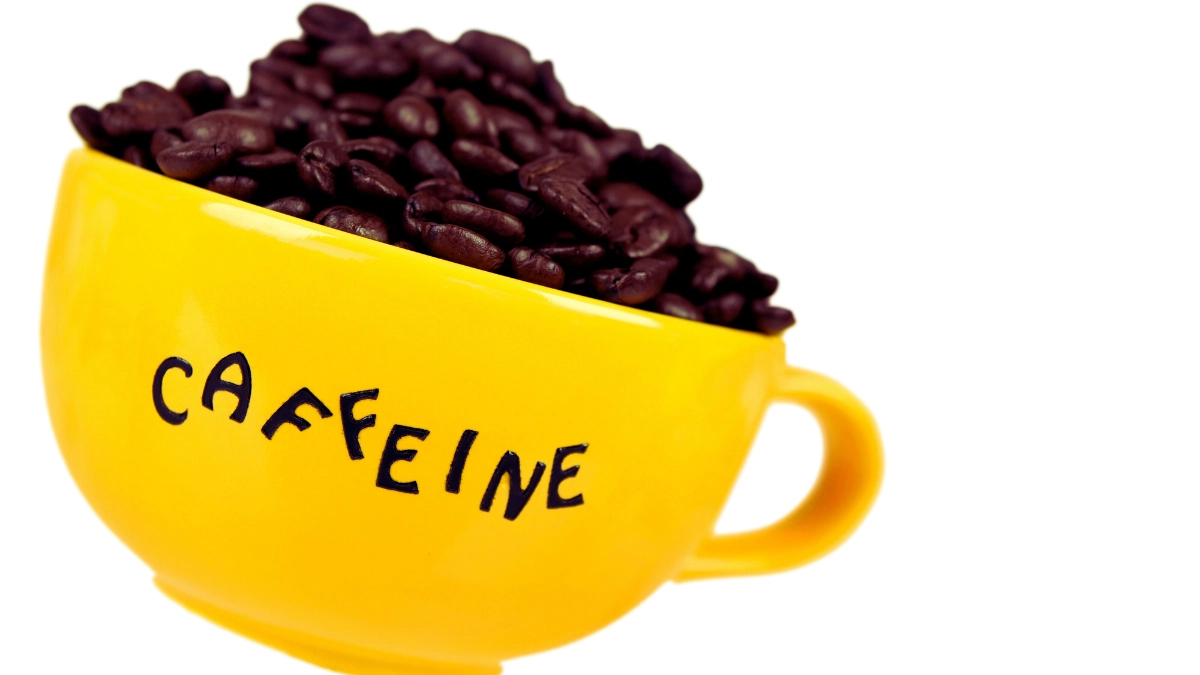
Caffeine acts directly on your nervous system by blocking adenosine receptors, which normally help you feel calm.
This stimulating effect increases heart rate and can make your body feel like it’s in an anxious state even when you’re not stressed.
Many adults don’t realize that caffeine stays in their system for 4-6 hours, affecting sleep quality long after consumption.
Poor sleep then creates a cycle where anxiety symptoms worsen the next day. Your morning coffee might be causing evening panic attacks without you connecting the dots.
Cutting back gradually works better than quitting cold turkey. Try switching to half-caf or green tea first, then slowly reducing intake over several weeks.
Many people report significant drops in overall anxiety levels after reducing daily caffeine consumption below 100mg (about one small cup of coffee).
2. Alcohol

Alcohol tricks your brain by providing temporary relief from anxiety through its depressant effects. This short-term calm comes at a cost—alcohol disrupts your brain’s GABA balance, the very neurotransmitter that helps regulate anxiety naturally.
As your body metabolizes alcohol, you experience “rebound anxiety” that often feels worse than what you had before drinking.
This explains why many people wake up with heightened anxiety after drinking the night before. Sleep quality suffers too, making you more vulnerable to stress the following day.
Even moderate drinking (1-2 drinks daily) can create this pattern. Many therapists suggest tracking your anxiety levels before and after drinking to see connections.
Some clients notice dramatic improvement within just 2-3 weeks of stopping alcohol consumption, particularly with reduced morning anxiety.
3. Processed Sugary Foods

Sugar creates a rollercoaster in your body that directly impacts anxiety levels. When you eat candy, pastries, or sugary drinks, your blood glucose spikes rapidly, giving you a brief energy boost that feels good momentarily.
The crash follows quickly. Your body overcompensates by releasing stress hormones like cortisol and adrenaline to stabilize blood sugar, which unfortunately mimic anxiety symptoms.
This physical response often triggers real psychological anxiety, especially in people already prone to it. The solution involves stabilizing blood sugar with protein-fat combinations that provide steady energy.
Swapping a morning donut for eggs with avocado can make a substantial difference in mid-morning anxiety levels.
Your body learns to run on more consistent fuel, reducing both physical and mental anxiety symptoms throughout the day.
4. Refined Carbohydrates

White bread, pasta, and other refined carbs act almost identically to sugar in your body. These foods lack fiber which would normally slow digestion, so they convert to glucose almost immediately after eating.
Your pancreas responds with a surge of insulin, creating the same blood sugar crash-and-spike pattern that worsens anxiety.
This pattern is particularly problematic because many people eat these foods as “comfort food” when anxious, unknowingly feeding the cycle. The temporary satisfaction gives way to increased jitters within hours.
Switching to whole grains offers a practical solution without giving up carbs entirely. Brown rice, oats, and quinoa contain fiber that slows digestion and provides steady energy release.
This simple swap helps maintain even blood sugar levels throughout the day, which many anxiety sufferers report significantly reduces their symptoms, especially afternoon “panic time.”
5. Artificial Sweeteners

Artificial sweeteners like aspartame might seem like smart alternatives to sugar, but they can worsen anxiety through several mechanisms.
These chemicals alter gut bacteria balance, which has shown direct communication pathways to your brain through the vagus nerve.
Your gut produces about 90% of your body’s serotonin, a critical mood-regulating neurotransmitter. When artificial sweeteners disrupt gut microbiota, serotonin production can decrease, potentially worsening anxiety symptoms.
Some people also experience direct neurological reactions to aspartame that include headaches, dizziness, and increased heart rate.
Opting for natural sweeteners in moderation works better for anxiety management. Small amounts of honey, maple syrup, or stevia usually cause fewer side effects while satisfying your sweet tooth.
Pay attention to how you feel after consuming products with artificial sweeteners—many people notice improved mood stability within days of eliminating them.
6. High-Sodium Foods

Excess salt creates a domino effect in your body that can intensify anxiety symptoms. When you consume chips, canned soups, or frozen meals, your blood pressure often rises, sending stress signals throughout your body that mimic anxiety.
Your cardiovascular system works harder after consuming high-sodium foods, increasing heart rate and sometimes causing palpitations.
These physical sensations closely resemble panic attacks, making it difficult to tell the difference between salt-induced symptoms and actual anxiety. Water retention from salt also affects how certain anxiety medications work in your system.
Reducing sodium intake often produces noticeable benefits within days. Start by reading labels – many processed foods contain surprising amounts of hidden salt.
Cooking at home with fresh ingredients gives you control over sodium levels. Many people find that seasoning with herbs, spices, and citrus provides satisfying flavor without the anxiety-inducing effects of high salt consumption.
7. Energy Drinks
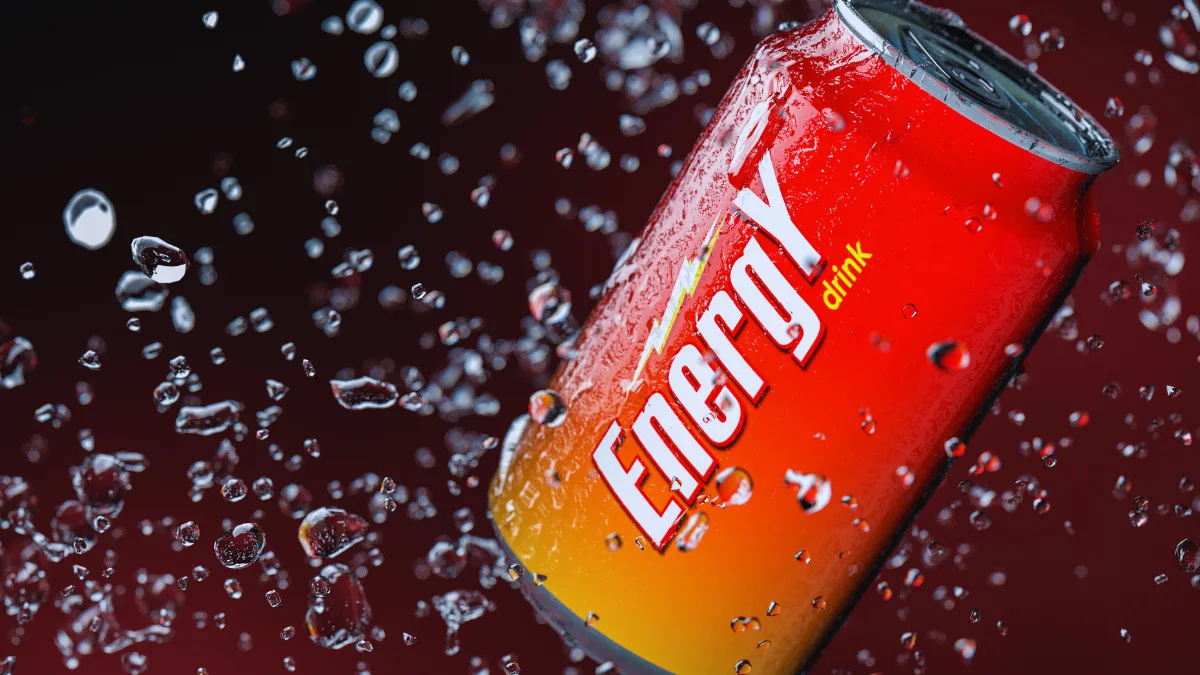
Energy drinks deliver a powerful cocktail of stimulants that overwhelm your nervous system. The combination of caffeine, taurine, guarana, and sugar creates an intense stress response that can trigger anxiety attacks even in people who normally handle coffee well.
Your adrenal glands take a serious hit from these beverages. The stimulant load forces them to pump out stress hormones, creating a fight-or-flight response when no actual danger exists.
This often leads to racing thoughts, physical tension, and heightened worry – classic anxiety symptoms that can last for hours after consumption.
Weaning off gradually works best if you’ve developed a daily habit. Try substituting with green tea or small amounts of black coffee, which provide milder stimulation.
Many former energy drink consumers report dramatic improvements in overall anxiety levels within weeks of quitting, particularly noting fewer “unexplained” anxiety spikes throughout the day.
8. Trans Fats
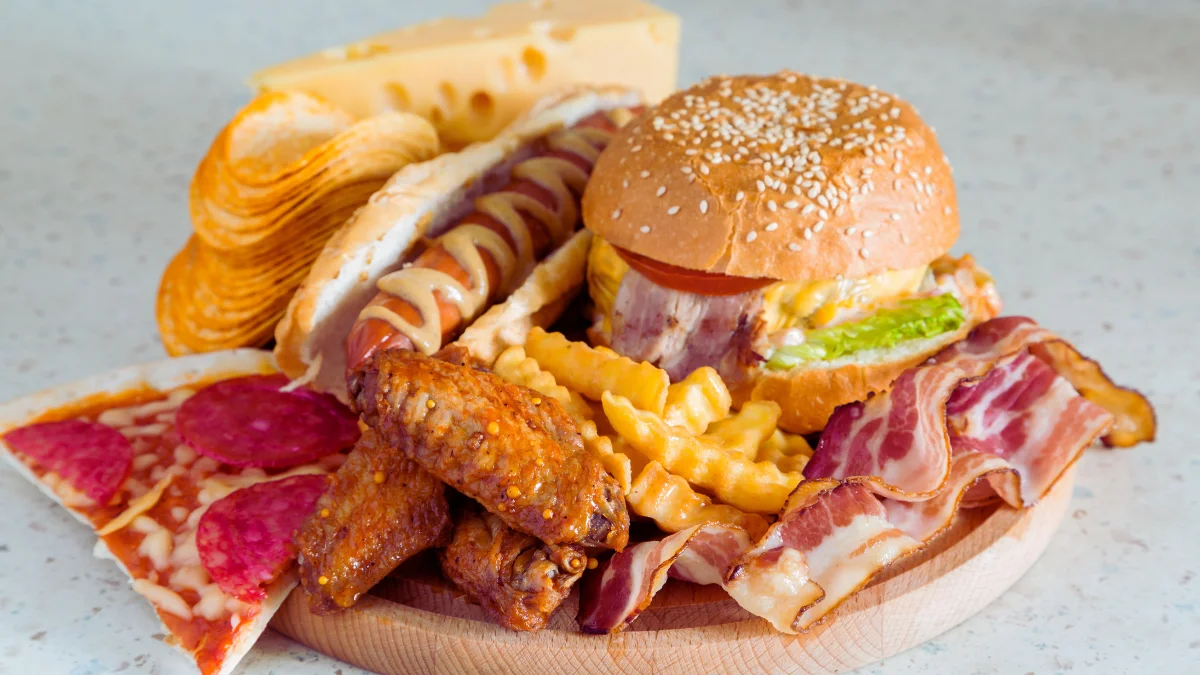
Fast food and fried items containing trans fats create widespread inflammation that reaches your brain. These altered fats change how cell membranes function, affecting neurotransmitter activity and potentially worsening anxiety states.
Your body struggles to process these unnatural fats, triggering inflammatory responses that can last for days after consumption.
This chronic low-grade inflammation impacts brain function, often resulting in mood disturbances and increased anxiety sensitivity.
Regular consumption can establish a pattern where anxiety becomes your baseline state rather than an occasional response.
Checking food labels helps identify and avoid these problematic fats. Look for “partially hydrogenated oils” in ingredient lists.
Cooking methods matter too – baking, steaming, or air-frying provides healthier alternatives to deep-frying. Many people report clearer thinking and more stable moods within 2-3 weeks of eliminating trans fats from their diet, suggesting these fats may play a significant role in anxiety maintenance.
9. MSG

Monosodium glutamate works as a flavor enhancer in many restaurant meals and packaged foods, but it can trigger significant anxiety responses in sensitive individuals. This additive excites neurons, potentially creating jittery feelings and nervousness hours after eating.
Some people experience what’s called “Chinese Restaurant Syndrome” after consuming MSG – symptoms include headaches, heart palpitations, and feelings of panic that can be mistaken for spontaneous anxiety attacks.
Your body might interpret these sensations as danger signals, triggering genuine psychological anxiety on top of the physical reaction.
Testing your sensitivity helps determine if MSG affects your anxiety levels. Try eliminating foods like flavored chips, certain soups, and prepared meals containing MSG for two weeks, then notice if your baseline anxiety improves.
Many restaurants will prepare dishes without MSG upon request. People who remove this additive from their diet often report fewer unexplained anxiety episodes, especially the kind that seem to appear “out of nowhere.”
10. Aged Cheeses

Aged cheeses contain high levels of tyramine, a compound that raises blood pressure and can trigger anxiety symptoms in susceptible people. Parmesan, blue cheese, and aged cheddar contain particularly high amounts that build up as cheese ages.
Your body processes tyramine by releasing norepinephrine, a stress hormone that increases heart rate and blood pressure.
This physical response can feel almost identical to an anxiety attack, complete with a racing heart, sweating, and a sense of doom. For some people, even small amounts of these cheeses can trigger symptoms within hours of consumption.
Tracking your reactions helps identify personal triggers. Fresh cheeses like mozzarella and ricotta contain much less tyramine and make good substitutes if you notice a connection between cheese consumption and anxiety symptoms.
Many people with anxiety disorders find significant relief by avoiding aged cheeses, especially when consumed with other trigger foods like wine or chocolate.
11. High-mercury fish (e.g., Tuna, Swordfish)

Mercury acts as a potent neurotoxin that accumulates in large predatory fish like tuna, swordfish, and sharks. When consumed regularly, this heavy metal builds up in your body and can impair brain function, potentially worsening anxiety symptoms over time.
A 2016 study published in Environmental Research found a direct correlation between mercury exposure and anxiety symptoms in adults.
Researchers analyzed hair mercury levels alongside mental health surveys and discovered significantly higher anxiety scores in participants with elevated mercury concentrations.
Your brain is particularly vulnerable to this toxin, which can disrupt neurotransmitter function critical for mood regulation.
Switching to low-mercury alternatives gives you the benefits of fish without the anxiety risk. Salmon, sardines, and trout contain healthy omega-3 fatty acids that may help reduce anxiety while carrying minimal mercury risk.
Many people report improved mental clarity and reduced anxiety symptoms within months of making this simple swap in their seafood choices.
12. Processed Meats (Nitrates/Nitrites)

Bacon, hot dogs, and deli meats contain preservatives that may sabotage your mental health. These processed food chemicals disrupt gut bacteria balance, creating inflammation that can travel to your brain and trigger anxiety symptoms hours after eating.
Your digestive system houses a complex network of nerves called the enteric nervous system, often referred to as your “second brain.”
Nitrates and nitrites can irritate this system, sending distress signals that your brain interprets as anxiety. The effect compounds over time with regular consumption, potentially creating a baseline of heightened nervous system activity.
Looking at labels helps identify hidden sources of these compounds. “Uncured” options sometimes use natural preservatives like celery juice that still convert to nitrates in your body.
Choosing fresh proteins instead makes a noticeable difference for many anxiety sufferers. People who eliminate processed meats often report improvements in both physical symptoms like tension and psychological symptoms like racing thoughts within weeks.
13. Excess Red Meat
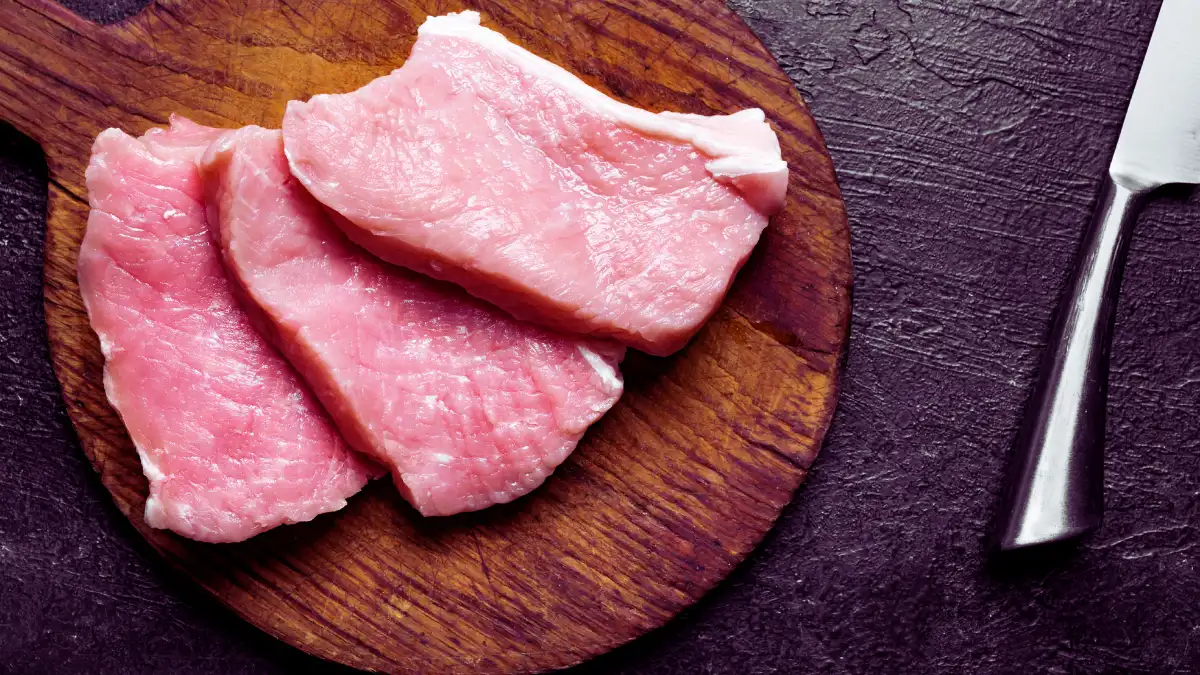
Consuming large amounts of beef, lamb, or pork impacts your anxiety levels through multiple pathways. The high saturated fat content promotes system-wide inflammation that affects brain function, potentially increasing anxiety sensitivity and stress reactivity.
Your gut microbiome changes when red meat dominates your diet, shifting toward bacteria types associated with inflammation and mood disorders.
This gut imbalance disrupts the production of critical neurotransmitters like serotonin and GABA that regulate anxiety.
Red meat also takes longer to digest, directing blood flow to your digestive system rather than your brain during the lengthy breakdown process.
Scaling back rather than eliminating offers practical balance. Try limiting red meat to 1-2 meals weekly and choosing grass-fed options when possible, which contain healthier fat profiles.
Many people notice significant improvements in anxiety symptoms after reducing consumption, particularly reporting fewer anxiety episodes during the nighttime hours following meat-heavy meals.
14. High-Sugar Snacks
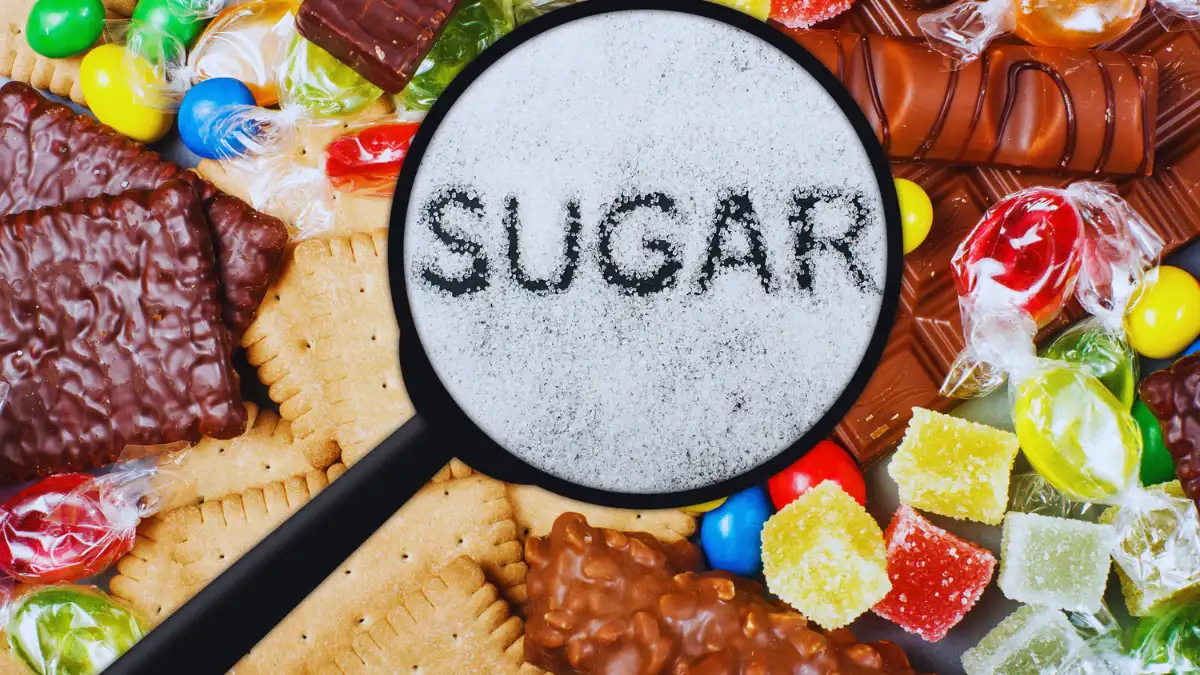
Cookies, candy, and sweet beverages create a blood sugar crisis that directly impacts anxiety levels. The initial sugar rush feels pleasurable but quickly gives way to a crash that triggers adrenaline and cortisol release, mimicking anxiety symptoms almost perfectly.
Your body can’t distinguish between the stress response from a sugar crash and genuine anxiety. The physical sensations—shakiness, irritability, racing heart—feel identical, often triggering psychological anxiety on top of the physiological response.
This creates a dangerous cycle where you might reach for more sugar to feel better temporarily, perpetuating the pattern.
Breaking this cycle starts with strategic snacking. Combining small amounts of natural sugar with protein and healthy fats stabilizes blood glucose levels.
An apple with almond butter provides sweetness with staying power. Most people notice substantial improvements in anxiety levels within days of stabilizing blood sugar patterns, particularly reporting fewer anxiety spikes during traditional “crash times” like mid-afternoon.
15. Gluten (for Sensitive Individuals)
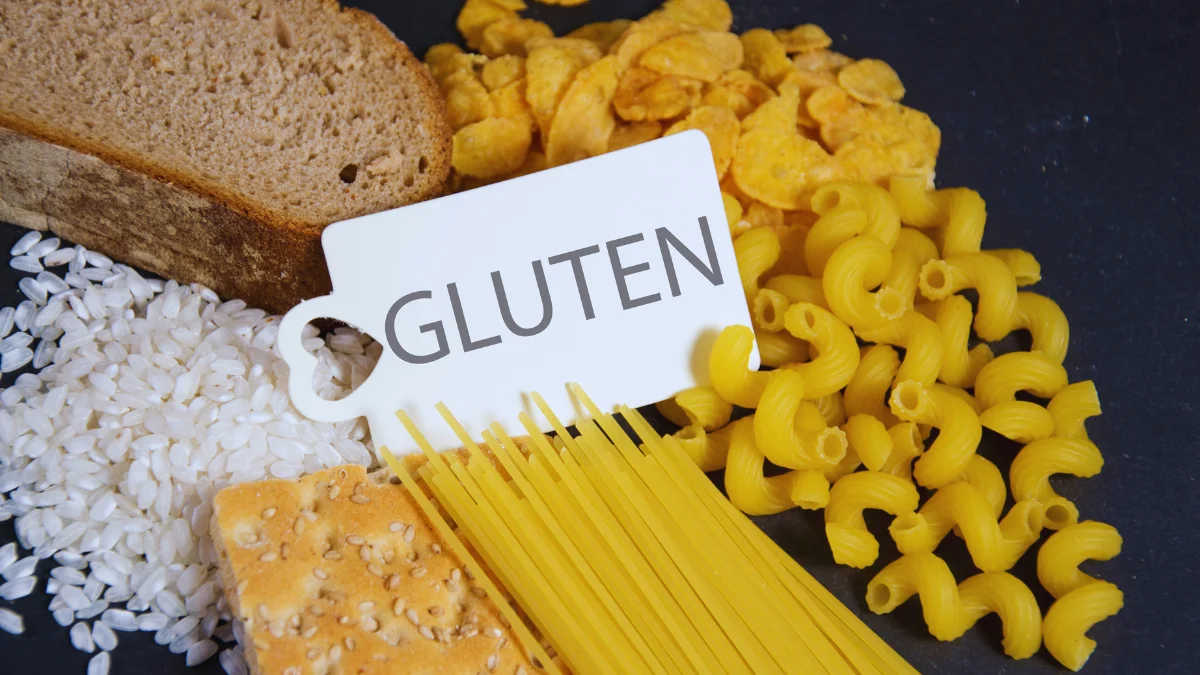
Some people experience a direct connection between gluten consumption and anxiety symptoms even without celiac disease.
This protein found in wheat, barley, and rye can trigger intestinal inflammation in sensitive individuals, compromising the gut barrier that protects your nervous system.
The concept of “leaky gut” plays a key role in the gluten-anxiety connection. When gluten damages intestinal walls in susceptible people, inflammatory compounds and partially digested proteins escape into the bloodstream, potentially crossing the blood-brain barrier and affecting neurotransmitter function.
This immune response can trigger anxiety, brain fog, and mood changes hours or days after gluten consumption.
Testing this connection works best with an elimination approach. Try removing all gluten for 30 days, then reintroducing it while monitoring your anxiety levels.
The response varies widely among individuals—some experience dramatic improvements within days while others notice no difference.
People who do have this sensitivity often report that gluten-triggered anxiety feels distinctly different from their usual anxiety patterns, describing it as a “spaced-out, disconnected panic” rather than typical worry.