

Does that first step out of bed in the morning send a sharp, unwelcome reminder straight to your knees?
If you’re over 40, you probably know the feeling. What started as “a few aches” has slowly turned into daily joint pain and stiffness that won’t go away.
You stretch, you use the creams, you might even take a pain reliever just to get through the day. But the problem persists.
You’re not imagining it, and it’s not just “getting old.” You might be missing the biggest piece of the puzzle: what’s on your plate.
The food you eat can either be the best medicine or the slowest poison. This isn’t just another generic “eat healthy” list.
In this article, you’ll learn:
- The 15 worst food offenders that fuel joint pain.
- Why these foods are causing the problem (the science, simplified).
- Simple, actionable swaps you can make today.
It’s time to stop feeding the pain.
Before the List: Why Your Diet Is Attacking Your Joints
Before we start clearing out your pantry, you have to understand why. Knowledge is power.
You’ve heard the word “inflammation.” But what does it actually mean?
Think of inflammation as your body’s alarm system. When you sprain your ankle, the alarm rings.
Your body sends a flood of healing compounds to the area, causing redness, swelling, and pain. That’s acute inflammation, and it’s good. It’s your body’s repair crew.
But here’s what happens when you’re over 40 and eating the wrong foods: that alarm gets faulty. It never stops ringing.
This is chronic inflammation. Your body’s repair crew is now stuck in “on” mode, and it starts attacking healthy tissue by mistake—including the sensitive lining of your joints.
Scientists can even measure this. When you eat inflammatory foods, your body produces more “alarm markers,” especially one called C-reactive protein (CRP).
Study after study links high-sugar, high-processed-food diets to elevated CRP levels. You are, quite literally, fueling a fire inside your body.
There’s another villain: Advanced Glycation End Products (AGEs). These are nasty compounds that form when foods (especially fats and proteins) are cooked at high temperatures—think grilling, frying, or toasting. AGEs are “sticky.” T
hey attach to and damage your body’s proteins, including collagen and cartilage, the very things that cushion your joints.
So, when we talk about foods to avoid for joint pain, we’re really talking about foods that trigger that chronic alarm (inflammation) and build up those joint-damaging AGEs.
Now that you know the “what,” let’s hunt down the “who.”
15 Foods Over 40s With Joint Pain Should Never Eat
Some of these will be obvious. But I guarantee a few will surprise you. Let’s start with the number one culprit, which is likely hiding in your kitchen right now.
1. Sugar-Sweetened Beverages (The “Liquid Pain”)

This is public enemy #1 for your joints. We’re talking sodas, sweetened fruit juices, sports drinks, and those fancy coffee-shop creations.
The Problem: When you drink a high-sugar beverage, your body is flooded with sugar. This triggers a massive release of inflammatory messengers called cytokines. It’s a system-wide inflammatory response, and your joints bear the brunt of it.
The Proof: This isn’t a guess. A 2024 analysis highlighted in The American Journal of Clinical Nutrition found that regular consumption of sugar-sweetened beverages was directly linked to the progression of osteoarthritis in the knee.
Hidden Sources: It’s not just soda. Check the label on your bottled iced tea, vitamin water, tonic water, and even “healthy” fruit smoothies. That “all-natural” apple juice can have as much sugar as a can of Coke.
The Actionable Swap:
- Swap soda for sparkling mineral water with a squeeze of fresh lime or lemon.
- Swap fruit juice for a small piece of whole fruit (which has fiber).
- Swap your sweet tea for a cold-brewed, unsweetened hibiscus or green tea.
2. Processed Meats (The AGEs & Nitrate Bomb)

This includes hot dogs, bacon, sausages, deli meats (like salami and bologna), and beef jerky. If it was made in a factory and came in a vacuum-sealed pack, be suspicious.
The Problem: Two-part attack. First, processed meats are loaded with preservatives like nitrites and nitrates, which are linked to increased oxidative stress and inflammation. Second, they are often cooked at high temperatures (like grilling a sausage or frying bacon), making them a prime source of those joint-wrecking AGEs.
The Proof: Research consistently shows that high consumption of red and processed meats is associated with higher levels of inflammation markers like C-reactive protein (CRP). The Arthritis Foundation specifically lists these foods as common triggers for inflammatory arthritis symptoms.
Hidden Sources: Think beyond the obvious. This includes turkey bacon, “low-fat” deli ham (still high in sodium and preservatives), and pepperoni on pizza.
The Actionable Swap:
- Swap deli meat in your sandwich for a slice of home-roasted chicken or turkey.
- Swap bacon at breakfast for a side of avocado with a sprinkle of sea salt.
- Swap sausage in your pasta for whole, roasted chickpeas or lentils for a protein boost.
3. Refined Carbohydrates (The “White Foods”)

This is the entire family of “white” foods: white bread, white rice, pastries, most breakfast cereals, bagels, and crackers.
The Problem: These foods have been stripped of all their fiber and nutrients. Because of this, your body digests them extremely fast—just like pure sugar. They spike your blood sugar, which in turn spikes those inflammatory messengers (cytokines). You could say they behave just like sugar in your body. And that makes them one of the worst foods that cause stiff knees.
The Proof: Think of it this way: your body doesn’t see a difference between a slice of white bread and a spoonful of sugar. Multiple studies, including large-scale cohort studies, link high-glycemic-index diets (which are full of refined carbs) to higher CRP levels and a greater risk for rheumatoid arthritis and osteoarthritis.
Hidden Sources: “Wheat” bread (which is often just white bread with caramel coloring), pretzels, instant oatmeal packets, and “healthy” low-fat crackers.
The Actionable Swap:
- Swap white bread for 100% whole grain or 100% whole-rye sourdough bread.
- Swap white rice for quinoa, brown rice, or barley.
- Swap your morning cereal or bagel for rolled oats with berries and nuts.
Here is the continuation of the article content, picking up directly from item #3.
4. Deep-Fried Foods (The “AGEs Accelerant”)

This is an obvious one, but it’s critical. This category includes french fries, fried chicken, donuts, fish and chips, and anything else cooked in a vat of hot oil.
The Problem: This is a double-whammy. First, most fried foods are coated in 3 (Refined Carbohydrates). Second, the high-heat frying process creates an enormous amount of those inflammatory Advanced Glycation End Products (AGEs) we talked about. These AGEs directly attack and stiffen the collagen in your cartilage and ligaments.
The Proof: The Cleveland Clinic and other health institutions explicitly name fried foods as a primary source of dietary AGEs. When you eat them, you are literally eating compounds that “age” your joints, making them brittle and more prone to pain.
Hidden Sources: It’s not just fast food. Be wary of restaurant-prepped “crispy” foods like tempura, crispy chicken on salads, and even many frozen, pre-made items like chicken nuggets or fish sticks that are “par-fried.”
The Actionable Swap:
- Invest in an air-fryer. You can get 90% of the crisp with a tiny fraction of the oil.
- Swap french fries for a baked sweet potato (whole or cut into wedges) tossed in olive oil and paprika.
- Swap fried chicken for roasted or grilled chicken (just don’t char it!).
5. Certain Vegetable & Seed Oils (The Omega-6 Overload)

This is one of the biggest and most misunderstood triggers. We’re talking about the large plastic jugs of “vegetable oil” in the supermarket: soybean, corn, cottonseed, sunflower, safflower, and grapeseed oil.
The Problem: Your body needs a balance of Omega-6 and Omega-3 fatty acids. Omega-3s (from fish, flax) are anti-inflammatory. These specific Omega-6s, in the massive quantities we eat them, are pro-inflammatory. A healthy ratio is around 2:1 (Omega-6 to Omega-3). The standard modern diet? It’s closer to 20:1. That imbalance is a recipe for inflammation and joint pain.
The Proof: Multiple nutritional studies link a diet high in Omega-6 and low in Omega-3 to higher levels of inflammation markers. You are constantly telling your body to “be inflamed.”
Hidden Sources: This is the worst part. They are in everything. Salad dressings, mayonnaise, margarine, crackers, chips, bread, granola bars, hummus, and almost all processed and restaurant foods.
The Actionable Swap:
- Cook with: Avocado oil (for high heat) and Extra Virgin Olive Oil (for low heat and dressings).
- Read labels: If you see “soybean oil” or “vegetable oil blend” on the ingredient list, try to find an alternative.
- Boost Omega-3s: Add fatty fish (like salmon) or flaxseeds to your diet to help fix the ratio.
6. Margarine & Shortening (The “Trans Fat” Trap)

This includes most stick margarines, vegetable shortening (like Crisco), non-dairy coffee creamers, and microwave popcorn.
The Problem: These products are the primary source of man-made trans fats, also known as “partially hydrogenated oils.” Your body has no idea how to process these artificial fats. They are so inflammatory that they not only attack your joints but also damage your blood vessels.
The Proof: Trans fats are so unequivocally bad that many countries have banned or severely restricted them. The FDA in the United States, for example, has taken steps to remove them from the food supply because they are proven to cause systemic inflammation and raise bad (LDL) cholesterol.
Hidden Sources: While labels may say “0g Trans Fat,” companies are allowed to round down. Always check the ingredient list for the words “partially hydrogenated oil.” You’ll find it in pie crusts, frostings, and many commercial baked goods.
The Actionable Swap:
- Swap stick margarine for a small amount of real, grass-fed butter or ghee (which are stable, natural fats).
- Swap shortening in baking for coconut oil or avocado.
- Swap microwave popcorn for air-popped popcorn topped with a little melted butter or olive oil.
7. Packaged Cookies, Cakes & Pastries (The “Triple Threat”)

This is the entire snack-food aisle: muffins, cookies, donuts, pastries, and snack cakes.
The Problem: These foods are the “perfect storm” of the worst offenders. They aren’t just one problem; they are three-in-one. They combine (Sugar), (Refined Flour), and (Inflammatory Omega-6 Oils) or (Trans Fats) into one delicious, joint-destroying package.
The Proof: You’re not just getting one inflammatory trigger; you’re getting a cascade. The sugar spikes your blood sugar and cytokines. The refined flour does it again. And the inflammatory fats provide the long-lasting fuel for the fire. It’s a time-released inflammation bomb.
Hidden Sources: Be wary of “healthy” options like bran muffins (often just cake with a little fiber), breakfast bars, and “low-fat” cookies (which usually add more sugar and refined flour).
The Actionable Swap:
- When you crave something sweet, have a piece of whole fruit, like an apple with almond butter.
- Try a square of high-cacao (80% or more) dark chocolate.
- Bake your own. That way, you can control the ingredients, using almond flour, honey, and coconut oil instead.
8. Corn-Fed Red Meat (The Other Omega-6 Problem)
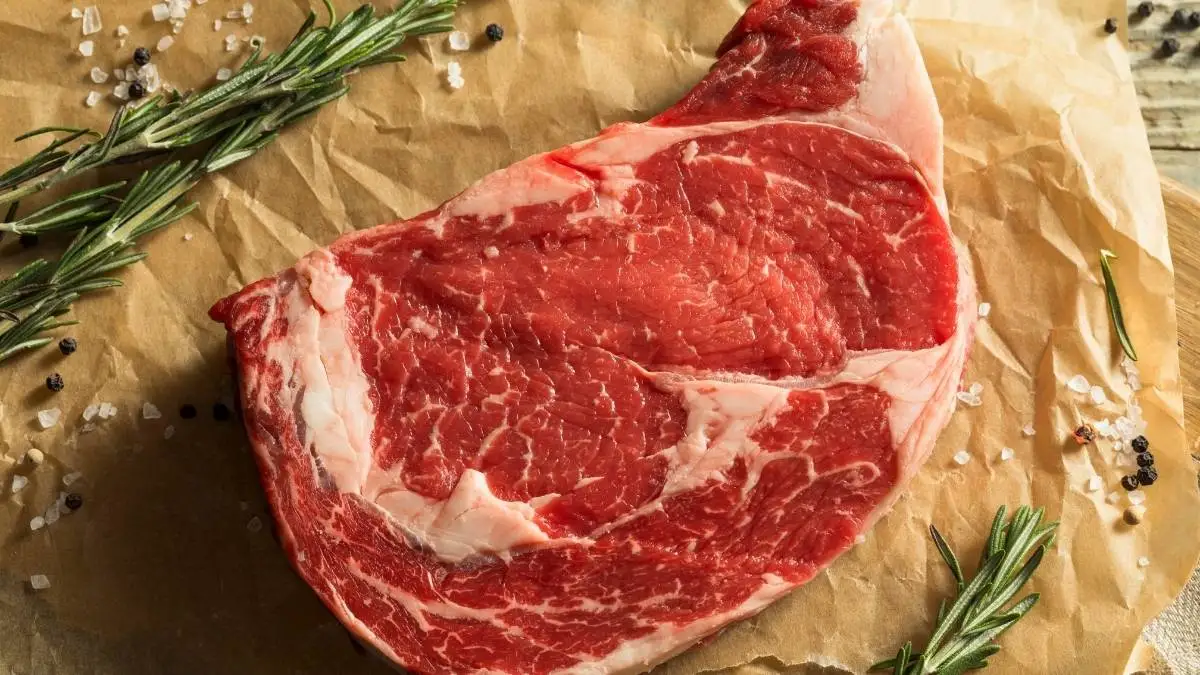
We’re talking specifically about industrially-raised red meat—the kind you find in most fast-food burgers and supermarket value packs.
The Problem: It’s not that all red meat is bad. The problem is what the animal ate. Cows are supposed to eat grass, which is high in anti-inflammatory Omega-3s. But to fatten them up quickly, industrial farms feed them corn and soy (see #5). This changes the meat’s fatty-acid profile, making it much higher in pro-inflammatory Omega-6s.
The Proof: Multiple nutritional comparisons show that grass-fed beef has a fatty acid profile similar to fish, with a healthy Omega-6 to Omega-3 ratio (around 2:1). Corn-fed beef? That ratio can be as high as 10:1 or worse. You are, quite literally, eating what it ate.
Hidden Sources: Fast-food chains, non-organic restaurants, and most standard-issue ground beef.
The Actionable Swap:
- Reduce your consumption of conventional red meat.
- When you do eat red meat, look for and pay the extra for “100% Grass-Fed” on the label. “Pasture-raised” is also a good sign.
- Swap beef in some dishes for fatty fish like salmon or mackerel.
9. Dairy (For Some People)

This is a controversial one, and it’s highly personal. We’re talking about milk, cheese, and yogurt.
The Problem: For a significant portion of the population, a protein in dairy called A1 casein can trigger an inflammatory response. The body may mistake this protein for a foreign invader, launching an immune response that can manifest as digestive issues and, yes, joint pain.
The Proof: This is less about large-scale studies and more about individual sensitivity. Organizations like the Physicians Committee for Responsible Medicine have pointed to dairy as a potential trigger for rheumatoid arthritis. The only “proof” that matters here is your own.
Hidden Sources: Casein is added to many “non-dairy” products for texture, including some “dairy-free” cheeses and creamers. It’s also in whey protein powders.
The Actionable Swap:
- Try an elimination test. Cut out all dairy for 21 days. No milk, no cheese, no yogurt. Then, reintroduce it and see how your body feels after 24-48 hours. Your joints will give you the answer.
- Swap cow’s milk for unsweetened almond, oat, or coconut milk.
- Look for goat’s or sheep’s milk cheese, which contain A2 casein and are often better tolerated.
10. Alcohol (Especially Beer & Sugary Cocktails)

This includes all forms of alcohol, but beer and sugary mixed drinks are the worst offenders for joint pain.
The Problem: Alcohol has a multi-pronged attack. First, it’s a diuretic, which means it dehydrates you. Your joint cartilage is about 80% water; dehydration can reduce its cushioning effect and increase friction. Second, beer is high in purines, which the body converts to uric acid. High uric acid levels are the direct cause of gout and can aggravate other forms of arthritis. Finally, cocktails are loaded with #1 (Sugar).
The Proof: The link between alcohol (especially beer) and gout attacks is medically undisputed. For general joint pain, the Arthritis Foundation lists excessive alcohol use as a risk factor that can increase systemic inflammation.
Hidden Sources: It’s easy to forget the sugar in mixers: tonic water (high in sugar), juices, and syrups.
The Actionable Swap:
- Reduce your intake significantly.
- If you do drink, swap beer for a glass of dry red wine (which has some anti-inflammatory resveratrol).
- Swap a sugary cocktail for a vodka or gin with soda water and a lot of fresh lime.
- Crucially: For every alcoholic drink you have, drink a full glass of water.
11. MSG (Monosodium Glutamate)
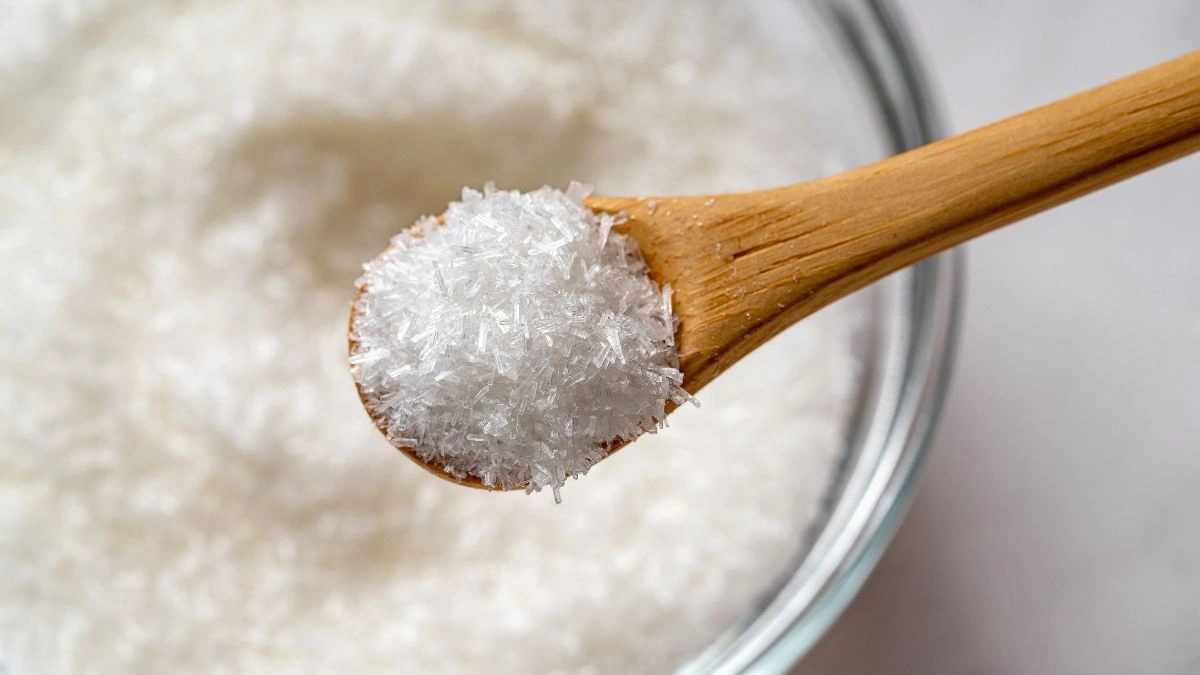
This is a flavor enhancer found in many processed foods, from savory snacks to canned soups and restaurant meals.
The Problem: MSG is an “excitotoxin,” meaning it can overstimulate nerve cells. For people with inflammatory conditions, this can translate into a heightened pain response. It acts as a nerve-level trigger that can make existing joint pain feel significantly worse.
The Proof: While the FDA considers it “generally recognized as safe,” a large body of anecdotal evidence and smaller studies link MSG consumption to inflammation, headaches, and fibromyalgia flare-ups. For those with joint pain, it’s a very common “trigger food.”
Hidden Sources: MSG hides on labels under many names: “hydrolyzed vegetable protein,” “autolyzed yeast,” “yeast extract,” “glutamic acid,” and “natural flavors.” It’s in spice blends, bouillon cubes, soy sauce, and fast-food (especially Chinese food and fried chicken).
The Actionable Swap:
- Cook at home more. This is the #1 way to avoid it.
- Read labels for its “hidden” names.
- Use herbs, spices, sea salt, and coconut aminos (as a soy sauce alternative) to flavor your food.
12. Artificial Sweeteners (Aspartame, Sucralose)

Found in “diet” sodas, “sugar-free” yogurts, gums, and low-calorie packaged foods.
The Problem: You might think you’re doing good by avoiding sugar, but your body may not see it that way. These artificial chemicals can be seen as foreign toxins, triggering an inflammatory immune response. More importantly, they can disrupt your gut microbiome—the “good bacteria” in your stomach—and a damaged gut is a primary driver of systemic inflammation.
The Proof: Research in the last few years has strongly linked artificial sweeteners (like aspartame and sucralose) to negative changes in gut bacteria. An unhealthy gut (or “leaky gut”) allows inflammatory compounds to “leak” into your bloodstream, which can then settle in your joints.
Hidden Sources: Protein powders, “sugar-free” coffee creamers, condiments, and even some vitamins or chewable supplements.
The Actionable Swap:
- Swap diet soda for sparkling water with lemon.
- Sweeten your own food. Use a small amount of a natural sweetener like pure maple syrup, honey, or stevia (which is plant-based).
- Learn to appreciate less-sweet tastes. Your palate will adapt.
13. “Agave Nectar” & High-Fructose Corn Syrup

These are two sides of the same sugary coin. High-Fructose Corn Syrup (HFCS) is in sodas and processed foods. Agave Nectar is often marketed as a “healthy” or “diabetic-friendly” sweetener.
The Problem: Don’t be fooled by “natural” marketing. Agave nectar is not a health food. It’s processed and can be up to 85% fructose (table sugar is 50/50 glucose and fructose). Your liver is the only organ that can process fructose, and when it gets overloaded, it starts churning out inflammatory compounds like uric acid. High uric acid = joint pain.
The Proof: HFCS is a well-known inflammatory driver. But the fructose in agave is even more concentrated. Studies on high-fructose diets show a clear link to increased inflammation, fatty liver disease, and metabolic syndrome, all of which are linked to stiff knees and joint pain.
Hidden Sources: HFCS is in ketchup, salad dressings, bread, and cereals. Agave is in “healthy” granola bars, teas, and desserts.
The Actionable Swap:
- Avoid all HFCS. Read labels.
- If you need a sweetener, use a tiny bit of maple syrup or raw honey (which have a more balanced sugar profile and some minerals) or whole fruit.
14. Nightshades (For Highly Sensitive People)

This is another personal one, like dairy. The nightshade family includes tomatoes, potatoes (not sweet potatoes), all peppers (bell peppers, hot peppers), and eggplant.
The Problem: These plants contain a compound called solanine. In a small, highly sensitive group of people, solanine can act as a trigger, causing joint pain and morning stiffness. You could say it’s an “allergy” for your joints.
The Proof: There is no large-scale study that proves this for the whole population. However, the Arthritis Foundation does acknowledge that for some people, anecdotally, eliminating nightshades brings significant relief. This is 100% about personal experimentation.
Hidden Sources: Paprika, cayenne pepper, and “spices” (which often contain paprika) are in everything. Ketchup and hot sauce are nightshade-heavy.
The Actionable Swap:
- This is the ultimate elimination test. If you’ve tried cutting other foods and still have pain, try eliminating all nightshades for 3-4 weeks. It’s hard, but it will give you a clear answer.
- Swap tomatoes for a “nomato” sauce (made from beets, carrots, and pumpkin).
- Swap potatoes for sweet potatoes or mashed cauliflower.
- Swap bell peppers for zucchini, celery, or bok choy in stir-fries.
15. Gluten (For Sensitive People)
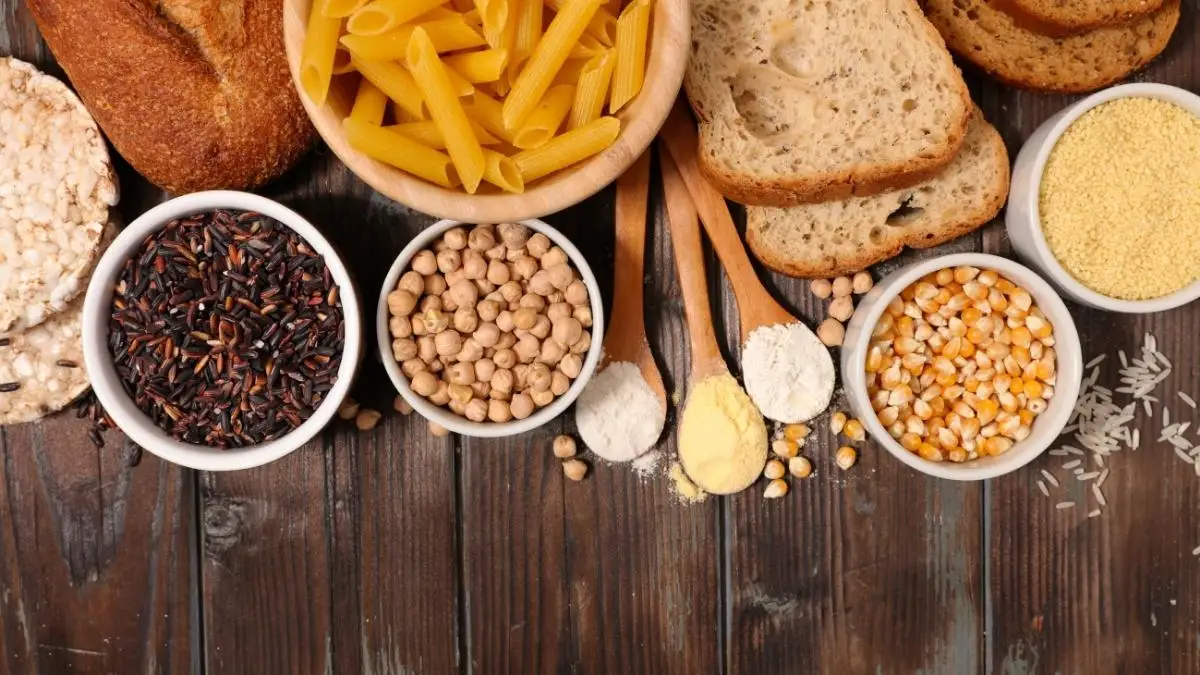
Gluten is a protein found in wheat, barley, and rye. This includes bread, pasta, cereals, and beer.
The Problem: For people with Celiac disease, gluten is a poison that destroys their gut. But there’s a much larger group with “non-celiac gluten sensitivity” (NCGS). For this group, gluten acts as a major inflammatory trigger, causing gut damage and a body-wide response that includes brain fog, skin issues, and severe joint pain.
The Proof: Research into NCGS is exploding. Doctors and rheumatologists now recognize it as a real condition. The inflammation starts in the gut but doesn’t stay there; it travels, and joints are a common target.
Hidden Sources: Soy sauce, salad dressings, cream-based soups (used as a thickener), and even some “gluten-free” products that are cross-contaminated.
The Actionable Swap:
- Like dairy and nightshades, this requires an elimination test. Go 100% gluten-free for 30 days.
- Swap wheat pasta for pasta made from chickpeas, lentils, or brown rice.
- Swap wheat bread for 100% gluten-free bread or use lettuce wraps for sandwiches.
- Swap beer for a gluten-free cider or wine.
Conclusion
Avoiding joint pain isn’t about finding one “magic” supplement. It’s about removing the daily triggers that are keeping your body in a state of chronic inflammation.
You’ve just learned the 15 biggest offenders, from obvious sugars and fried foods to hidden triggers like seed oils and MSG. You now know why they cause stiff knees and how they’re attacking your joints.
But knowledge is only power if you use it.
Here is your call-to-action. Don’t try to eliminate all 15 foods tomorrow. That’s a recipe for failure.
Maybe it’s the easiest one (swapping your soda for water). Maybe it’s the one you’re most suspicious of (like dairy or gluten).
Commit to eliminating just that one thing for the next 14 days. Use your food diary. See how your body feels.