

Worried about cancer risk as you age? You’re not alone. Health stats show cancer rates climbing after 40, leaving many of us searching for ways to protect ourselves.
What you eat now can dramatically lower your cancer odds later. Scientists have identified specific foods that fight cancer at the cellular level when added to your diet in your 30s.
Want to stack the odds in your favor? These 15 powerhouse foods work like natural insurance against common cancers. Your future health might just depend on what’s on your fork today.
1. Cruciferous Vegetables

Broccoli, cauliflower, and Brussels sprouts contain powerful compounds called glucosinolates and sulforaphane.
These natural chemicals work inside your body to fight inflammation and help with detoxification processes. They can even promote cell death in cancer cells, stopping them before they spread.
Your body benefits from these vegetables in multiple ways. When you eat them regularly, your risk of developing colorectal, lung, and prostate cancers may decrease significantly.
The protective effects build up over time, making these foods especially important to include in your diet after age 30.
Try adding at least three servings of cruciferous vegetables to your weekly meals. You can roast them with olive oil for a simple side dish, add them to stir-fries, or blend them into soups.
Raw and cooked forms both provide health benefits, but light steaming keeps most of the cancer-fighting properties intact.
2. Berries
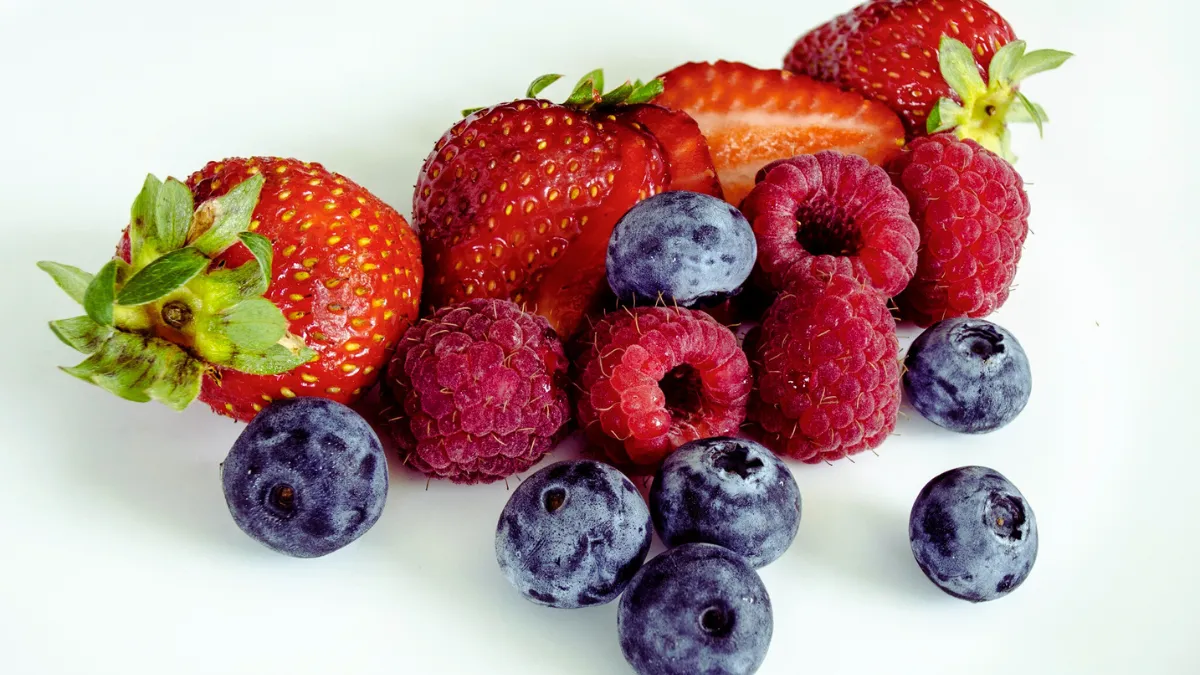
Blueberries, strawberries, and raspberries pack a powerful punch against cancer with their high levels of anthocyanins and vitamin C.
These compounds fight oxidative stress in your cells and reduce inflammation throughout your body. The antioxidants in berries neutralize harmful free radicals that can damage DNA and lead to cancer.
Small but mighty, berries work at the cellular level to protect your body. Their vibrant colors signal the presence of protective compounds that shield cells from damage.
Regular consumption creates a cumulative effect that becomes increasingly important after age 30 when cellular repair mechanisms naturally slow down.
Fresh or frozen berries work equally well for cancer prevention. Add them to morning oatmeal, blend them into smoothies, or eat them plain as a snack.
A half-cup serving several times per week provides significant benefits. During the off-season, frozen berries maintain their nutritional value and can be used year-round for consistent protection.
3. Tomatoes
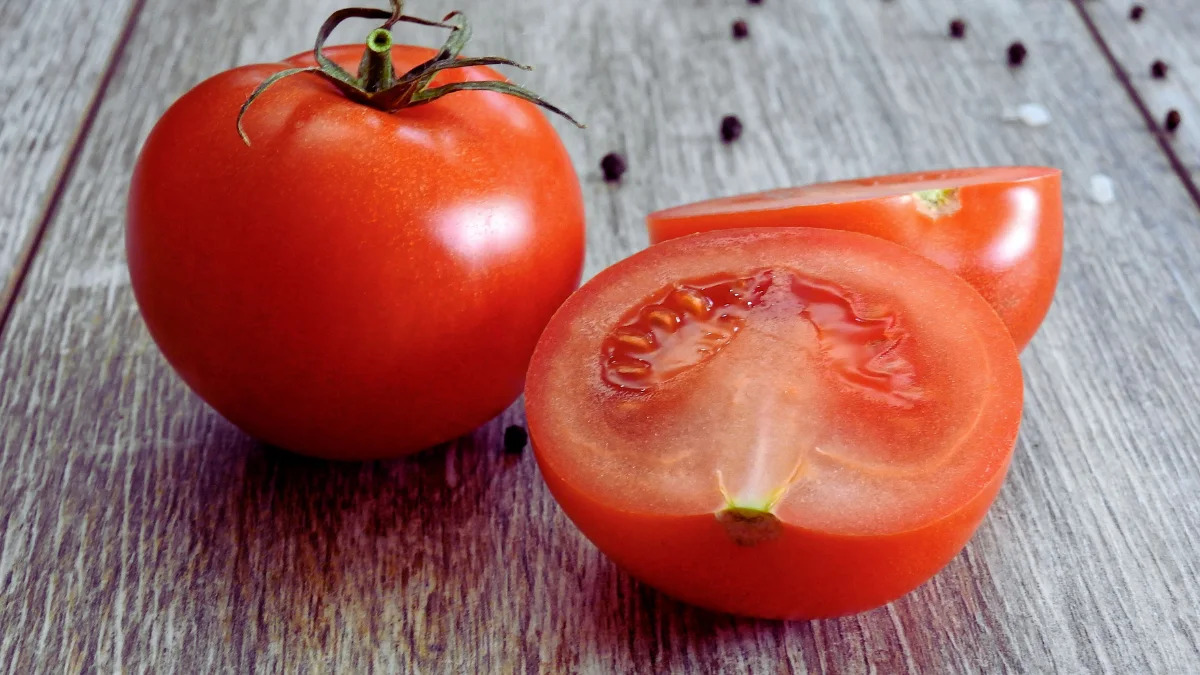
Tomatoes contain lycopene, a bright red carotenoid with exceptional antioxidant properties. This compound appears to inhibit tumor growth, particularly in the prostate. Men who consume tomatoes regularly show lower rates of prostate.
Heat enhances lycopene absorption, making cooked tomato products like pasta sauce and soup especially beneficial.
The body can use this processed form more efficiently than raw tomatoes. Combining tomatoes with a small amount of healthy fat further increases lycopene absorption.
These versatile fruits can be incorporated into your diet in countless ways. Beyond sauces, try roasted tomatoes as side dishes, add them to sandwiches, or make homemade salsa.
Both fresh and canned varieties offer health benefits, though lower-sodium options are best for overall health. Aim for at least two servings of tomato products weekly to maximize their cancer-fighting potential.
4. Leafy Greens
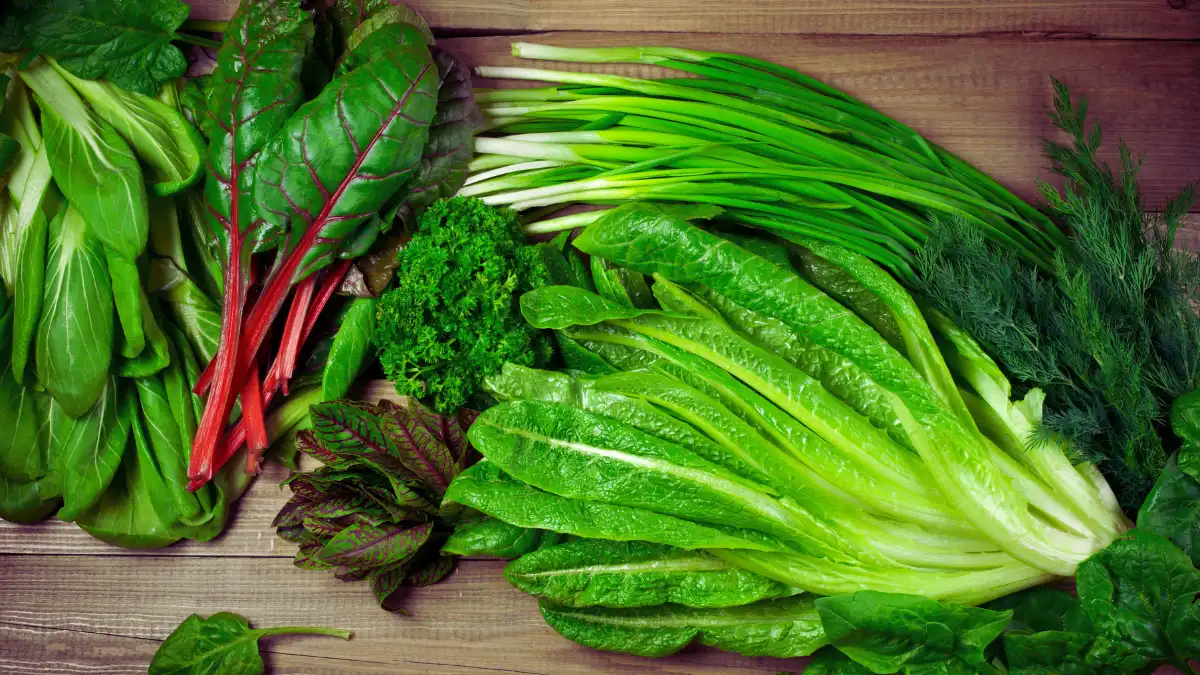
Spinach, kale, and other leafy vegetables supply your body with fiber, folate, and carotenoids that support critical DNA repair processes.
These nutrients work together to maintain cellular health and promote detoxification pathways. The chlorophyll in these greens may also block carcinogenic compounds from being absorbed into the digestive tract.
Your cells need these protective nutrients increasingly as you age past 30. Leafy greens provide an array of compounds that work synergistically to create multiple layers of cancer protection.
The fiber content also supports gut health, creating an environment that discourages cancer development.
Fresh greens can be used in salads, sautéed as side dishes, or blended into smoothies for easy consumption. Even a daily handful added to meals provides significant benefits.
The darker the leaves, the higher the concentration of protective compounds. Swiss chard, collard greens, and mustard greens offer similar benefits to the more commonly consumed spinach and kale.
5. Fatty Fish
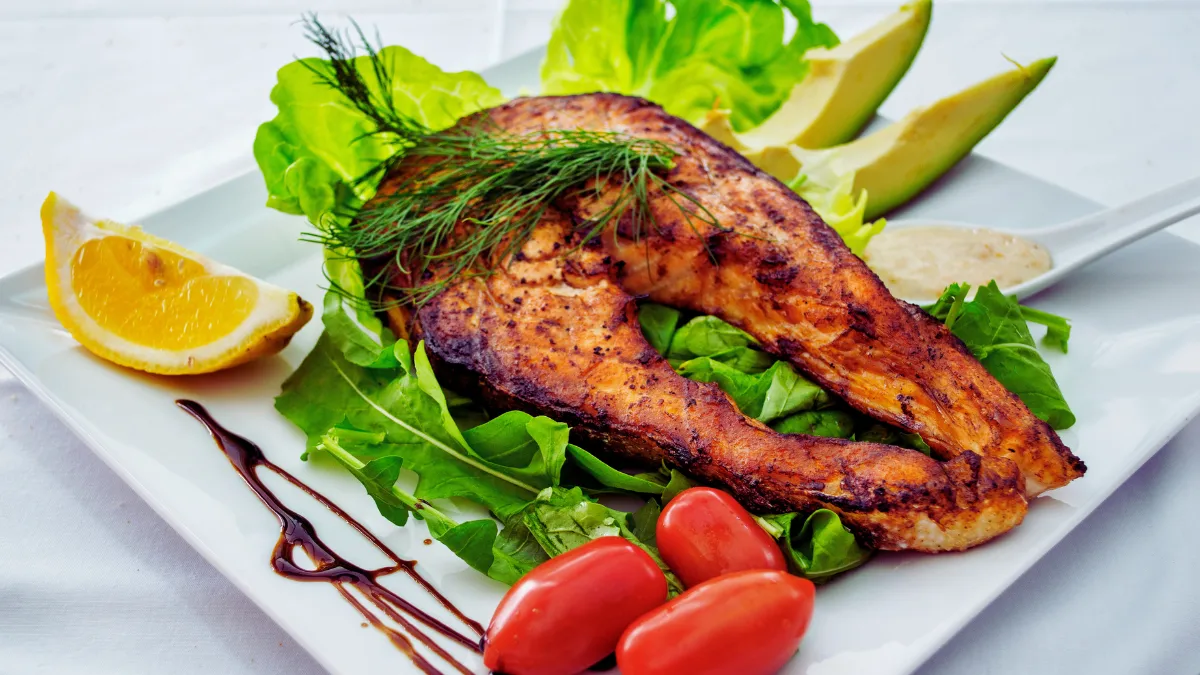
Salmon, mackerel, and sardines contain omega-3 fatty acids that fight chronic inflammation—a known driver of cancer development. These healthy fats help maintain proper cell function and communication.
People who eat fish regularly show decreased risks for several cancers, including liver, colorectal, and breast cancers.
Your body cannot produce these essential fats on its own, making dietary sources crucial. The anti-inflammatory effects become particularly important after age 30 when inflammation tends to increase naturally.
The protein in fish also supports immune function, further enhancing cancer protection. Try to include fatty fish in your meals twice weekly for optimal benefits. Baked, grilled, or poached preparations preserve the nutritional value while limiting potentially harmful cooking methods.
If you don’t eat fish, consider speaking with a healthcare provider about omega-3 supplements, though whole food sources typically provide superior benefits due to their complete nutrient profiles.
6. Whole Grains
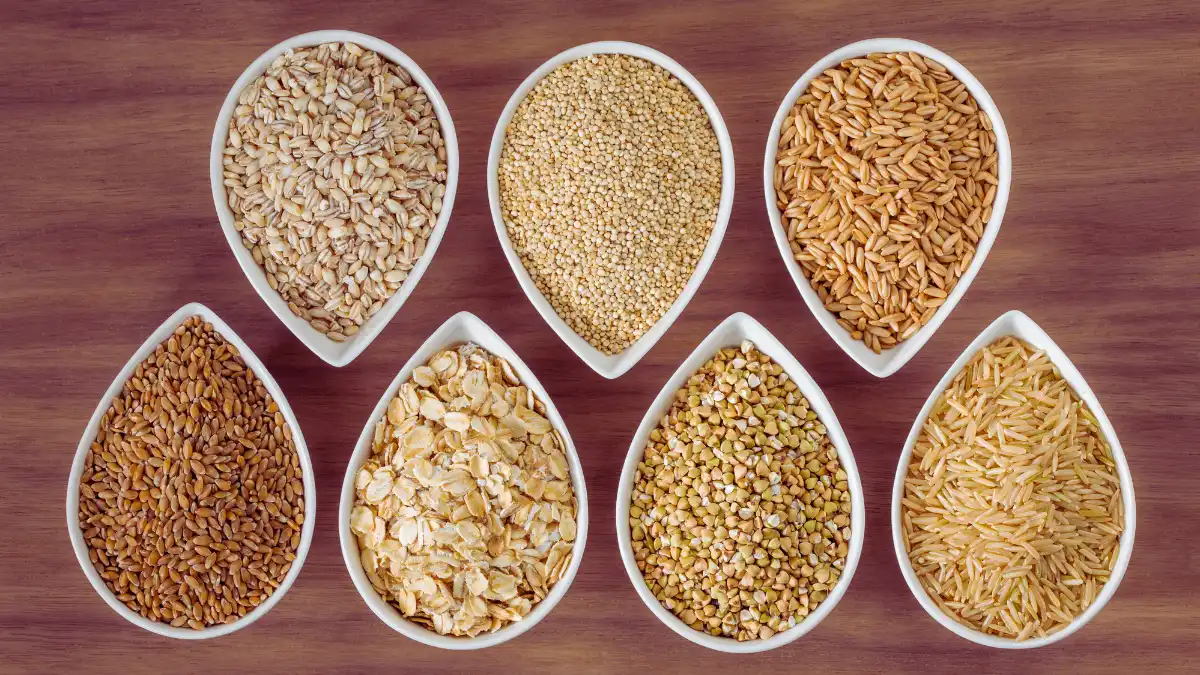
Oats, quinoa, and brown rice contain fiber that supports gut health and helps regulate insulin levels in your body.
This regulation is crucial because uncontrolled insulin can promote cancer cell growth, particularly in colorectal tissues.
The lignans found in many whole grains may also inhibit estrogen-related cancers by modulating hormone activity.
Your digestive system benefits tremendously from regular whole-grain consumption. When you eat these foods, beneficial gut bacteria flourish and produce short-chain fatty acids that maintain colon cell health.
This microbial balance creates an environment that discourages cancer development and supports immune function throughout your body.
Swap refined grains for whole versions in your daily meals. Use brown rice instead of white, choose whole wheat bread, or start your morning with steel-cut oats.
Even small changes add up to significant protection over time. Aim for at least three servings daily to maximize cancer-fighting benefits.
Most whole grains can be batch-cooked and refrigerated for quick meals throughout the week, making healthy eating more convenient.
7. Legumes

Beans, lentils, and chickpeas provide a powerful combination of fiber and phytochemicals that support gut health while reducing inflammation.
These foods digest slowly, helping maintain stable blood sugar levels and preventing the insulin spikes that can promote cancer cell growth. The resistant starch in legumes acts as food for beneficial gut bacteria.
Your microbiome thrives when you eat legumes regularly. These foods promote a diverse bacterial population in your intestines, which strengthens immune function and helps neutralize potential carcinogens before they can damage cells.
The plant proteins in legumes also provide building blocks for cellular repair without the potential risks associated with some animal proteins.
Adding just half a cup of legumes to your diet several times weekly offers substantial benefits. Make bean soups, add lentils to salads, or enjoy hummus as a snack with vegetables.
Canned varieties work well when rinsed to reduce sodium content. Soaking and cooking dried legumes yields the most economical option with maximum nutritional value. Many cuisines worldwide feature legumes prominently, offering endless recipe possibilities.
8. Nuts and Seeds
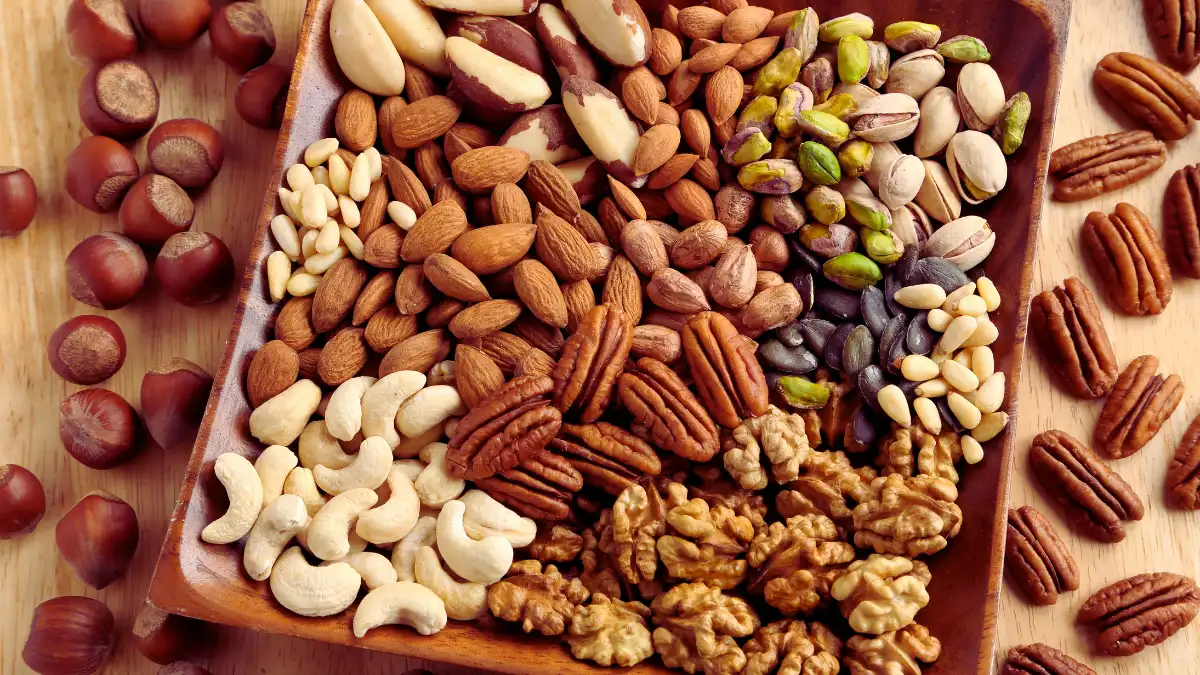
Walnuts contain ellagic acid while flaxseeds provide lignans, both compounds shown to have anti-cancer properties.
These natural chemicals can help starve tumors by inhibiting the formation of new blood vessels that cancer cells need to grow. The vitamin E abundant in many nuts and seeds also protects cell membranes from oxidative damage.
Consuming a variety of these foods creates multiple layers of protection in your body. Almonds, pistachios, sunflower seeds, and chia seeds each contribute unique protective compounds.
The healthy fats found in nuts and seeds also help your body absorb fat-soluble vitamins and phytochemicals from other foods you eat alongside them.
A small handful daily provides significant benefits without excessive calories. Try adding ground flaxseed to morning oatmeal, sprinkling chopped walnuts on salads, or keeping a mix of raw nuts for snacking.
Store nuts and seeds in the refrigerator to prevent their healthy oils from becoming rancid. The convenience and versatility of these foods make them easy additions to almost any eating pattern.
9. Garlic and Onions
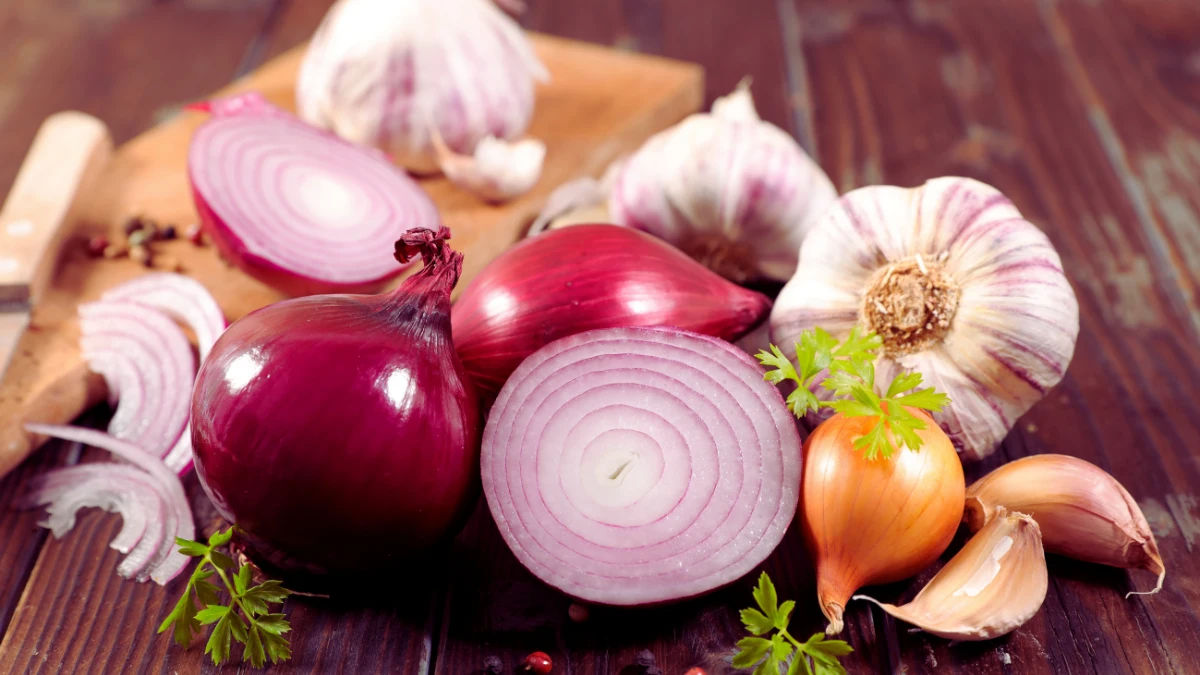
Allium vegetables contain organosulfur compounds like allicin that inhibit the activation of carcinogens in your body.
These compounds enhance DNA repair mechanisms and strengthen cellular defenses against damage. People who consume garlic and onions regularly show lower rates of stomach and colorectal cancers.
Your body produces enzymes that convert these vegetables’ sulfur compounds into active cancer-fighting agents. When you chop or crush raw garlic, you start this beneficial chemical reaction.
Letting freshly chopped garlic rest for 10 minutes before cooking maximizes the formation of these protective compounds. Both raw and cooked versions offer health benefits, though some compounds are heat-sensitive.
Include these flavorful additions in your cooking several times weekly. Add minced garlic to vegetable dishes, use onions as a base for soups and stews, or roast whole garlic heads for a milder flavor.
The strong taste that some people find challenging signals the presence of the most beneficial compounds. Start with smaller amounts if you’re sensitive to the flavor and gradually increase as your palate adjusts.
10. Green Tea
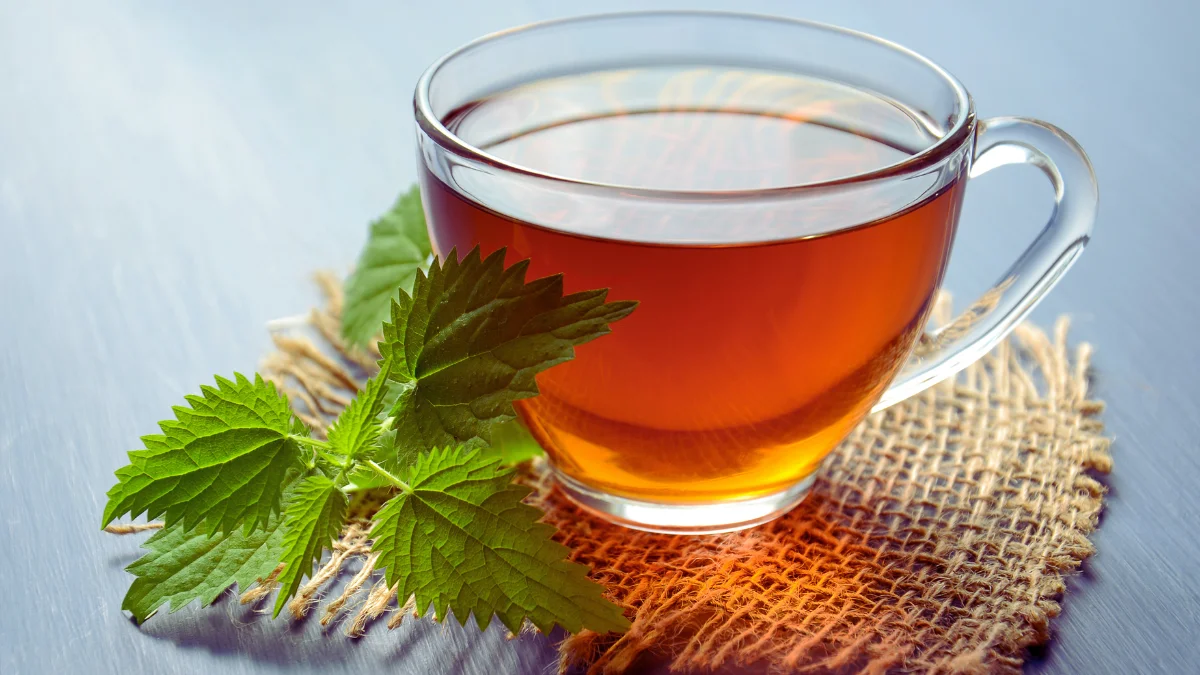
This ancient beverage contains epigallocatechin gallate (EGCG), a powerful polyphenol that modulates cell signaling pathways in your body.
EGCG can block tumor growth and stop cancer cells from making the new blood vessels they need to survive. The gentle caffeine content also supports liver function and detoxification processes.
Drinking green tea regularly provides cumulative protection that becomes increasingly valuable after age 30. The antioxidants in green tea neutralize free radicals before they can damage DNA, while also reducing chronic inflammation.
These protective effects extend throughout many body systems, offering broad-spectrum cancer prevention.
Two to three cups daily provide optimal benefits. Brew tea with water that’s hot but not boiling to preserve delicate compounds, and steep for 2-3 minutes. Consider replacing one daily coffee with green tea for an easy health upgrade.
Matcha, a powdered form of green tea, contains even higher concentrations of protective compounds because you consume the entire leaf. Both hot and iced versions offer similar benefits.
11. Turmeric
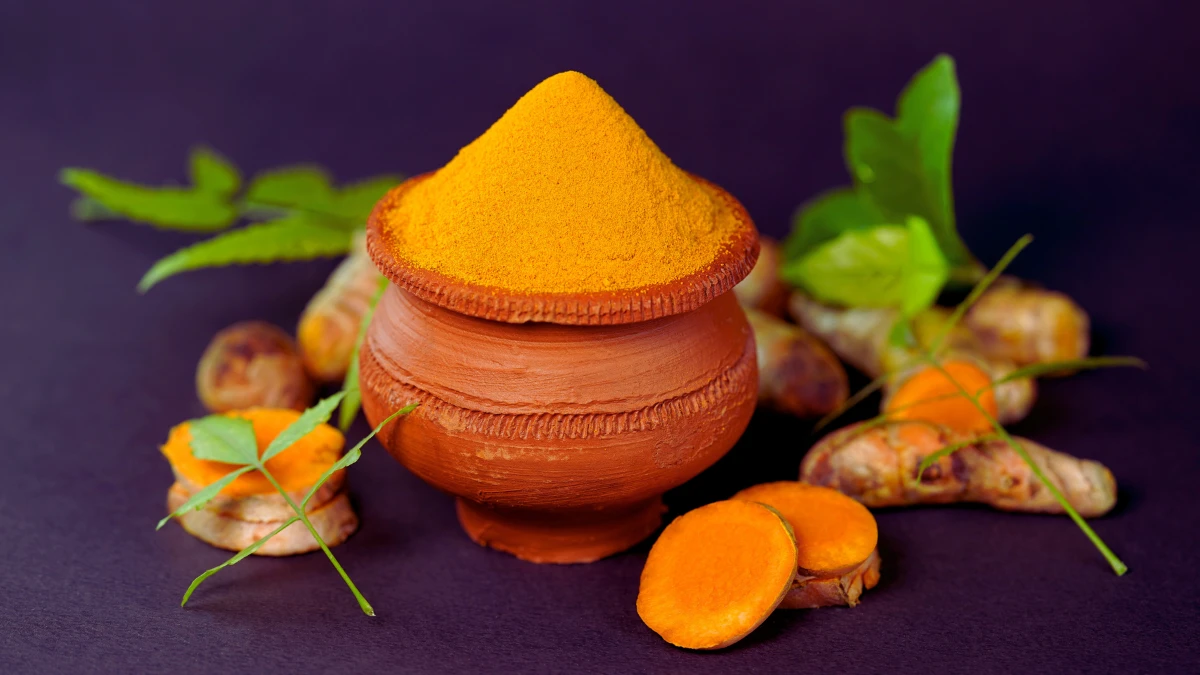
The golden spice contains curcumin, a compound with potent anti-inflammatory and antioxidant effects that target multiple cancer pathways.
Curcumin inhibits NF-kB, a protein complex involved in cancer cell growth and survival. It also helps neutralize free radicals that can damage cellular DNA and lead to cancer development.
Your body absorbs curcumin best when consumed with black pepper and healthy fats. This combination increases bioavailability by up to 2000%, allowing the active compounds to reach tissues throughout your body.
Regular consumption builds protection against various cancers including colorectal, breast, and pancreatic forms.
A 2011 phase IIA clinical trial published in Cancer Prevention Research demonstrated that 4g of curcumin daily reduced pre-cancerous colon lesions by 40% in smokers.
Try adding turmeric to soups, smoothies, or rice dishes several times weekly. Just a quarter teaspoon daily provides health benefits, though supplements may be needed for therapeutic doses. Remember to pair turmeric with healthy fats and black pepper in your cooking to maximize absorption.
12. Citrus Fruits
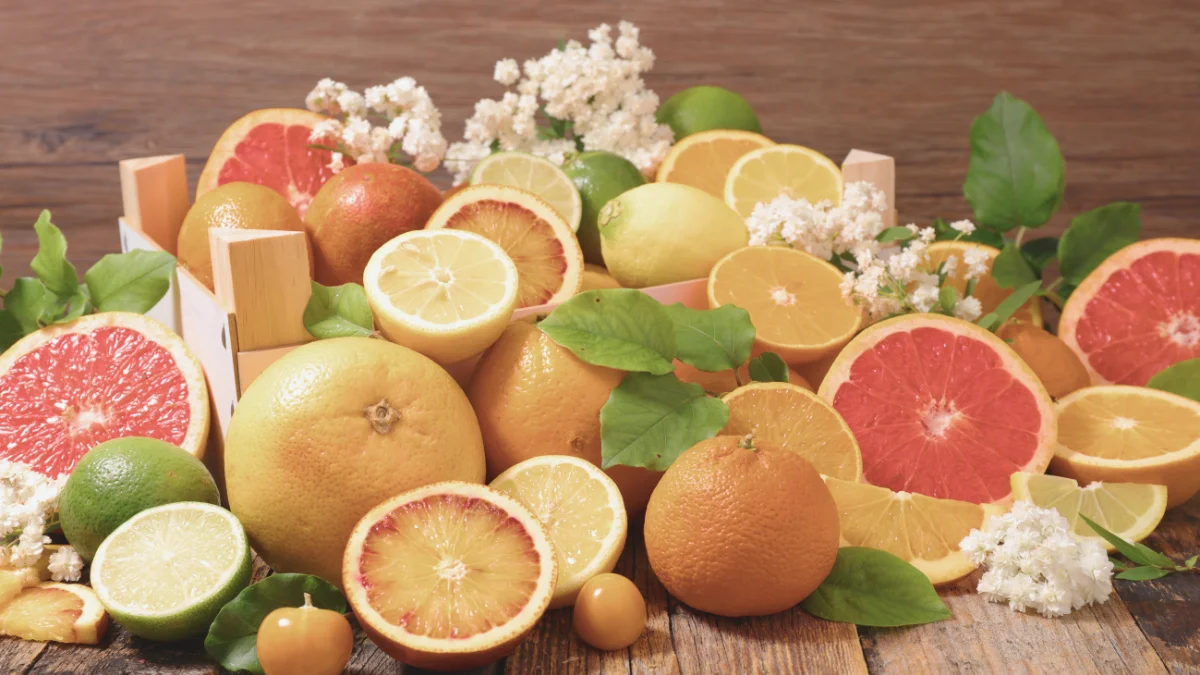
Oranges, lemons, and grapefruits supply vitamin C and unique flavonoids like naringenin that protect cells from damage.
These compounds support immune function while directly neutralizing free radicals that can lead to DNA mutations. The protective effects are particularly strong against esophageal and stomach cancers.
Citrus peels contain even higher concentrations of beneficial compounds than the flesh. Limonene, found in the oils of citrus peels, has shown a remarkable ability to help detoxify carcinogens and stop cancer cell growth.
Even small amounts of zest added to foods can provide significant protective benefits. Fresh citrus can be enjoyed in countless ways beyond just juice.
Add segments to salads, use zest in cooking, or squeeze fresh lemon over vegetables to boost flavor and absorption of nutrients. Whole fruits provide fiber that slows sugar absorption while supporting gut health.
Try to include some form of citrus in your diet several times weekly. Both common varieties and less familiar types like blood oranges and pomelos offer similar cancer-fighting benefits.
13. Mushrooms
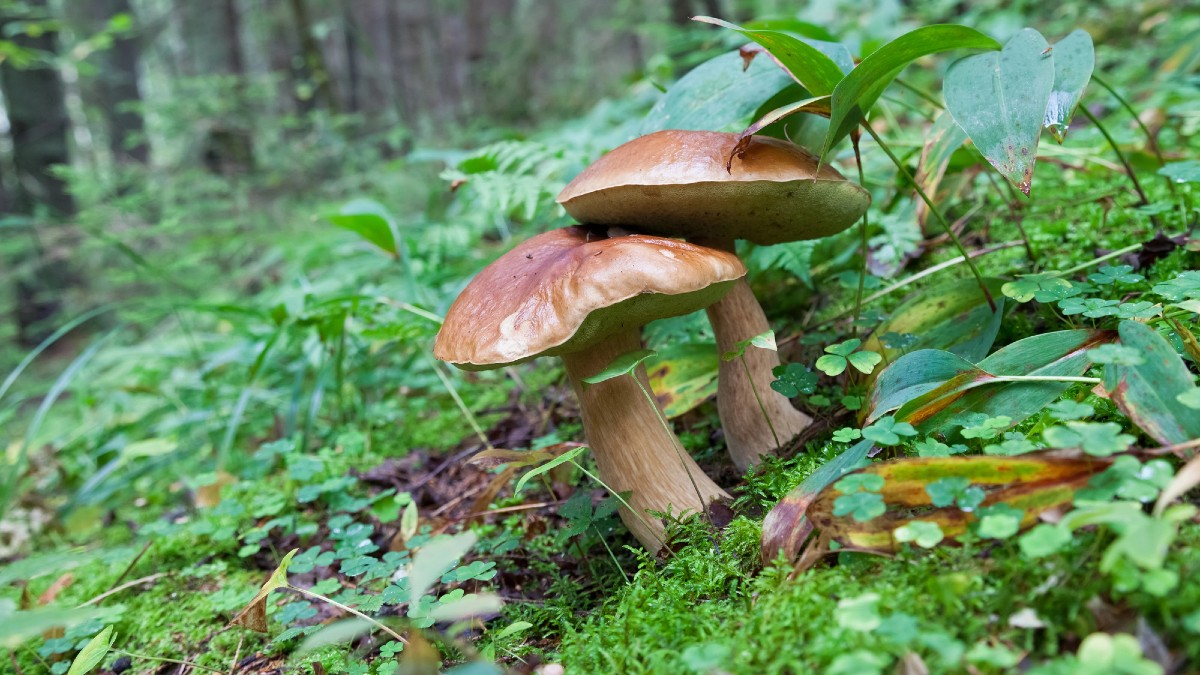
These fungi contain beta-glucans that activate and strengthen immune cells, helping your body identify and destroy abnormal cells before they become cancerous.
Some varieties also provide ergothioneine, a unique antioxidant that protects cellular DNA from oxidative damage and mutation.
Your immune system becomes more efficient at cancer surveillance when regularly exposed to the compounds in mushrooms.
The body recognizes these natural substances as signals to increase protective activities. Many mushrooms also contain selenium and vitamin D precursors, nutrients often lacking in modern diets that play key roles in cancer prevention.
Common button mushrooms offer health benefits, but varieties like shiitake, maitake, and oyster mushrooms contain the highest levels of protective compounds.
Cook mushrooms thoroughly to break down tough cell walls and release their beneficial nutrients. Add them to omelets, stir-fries, or pasta dishes several times weekly.
Dried mushrooms can be rehydrated and used year-round, making them a convenient pantry staple with powerful health benefits.
14. Fermented Foods
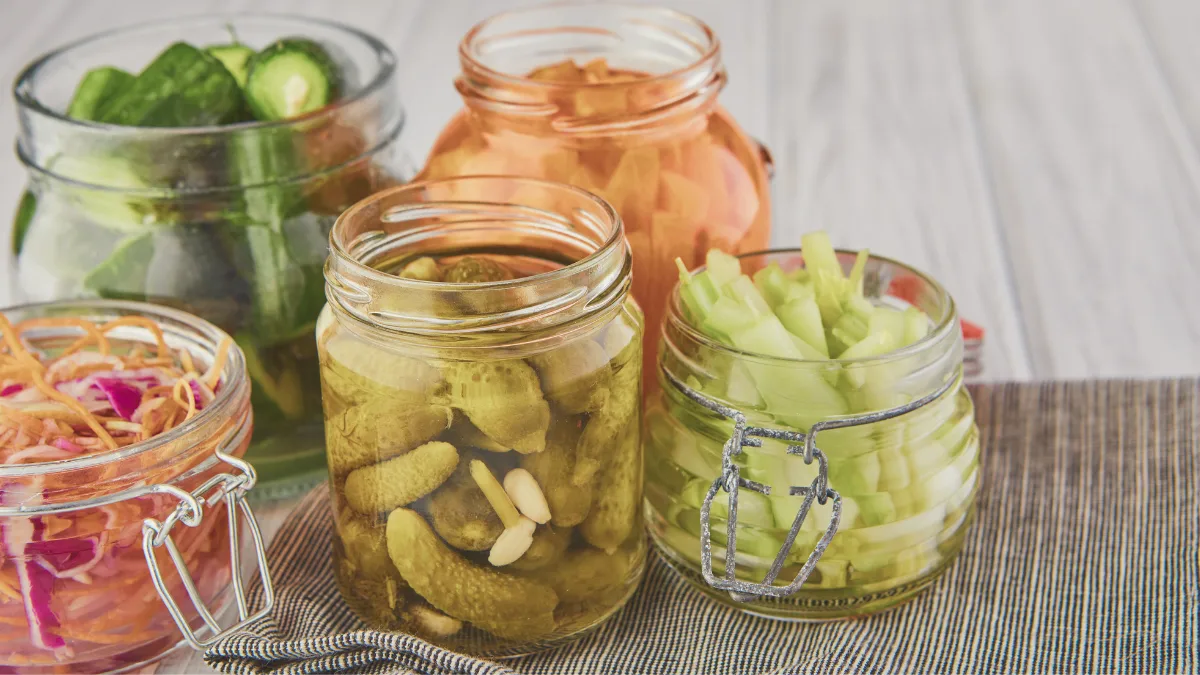
Yogurt, kimchi, and sauerkraut contain beneficial bacteria that improve gut health and strengthen immunity. These probiotic foods help maintain the intestinal barrier, preventing toxins from entering bloodstream circulation.
A healthy microbiome also produces short-chain fatty acids that nourish colon cells and create an environment hostile to cancer development.
Your digestive tract houses nearly 70% of your immune system, making gut health central to cancer prevention.
Fermented foods help reduce inflammation throughout the body while enhancing natural detoxification pathways. They may be particularly protective against colorectal cancer, though benefits extend systemically.
Start with small servings if you’re new to fermented foods, gradually increasing as your digestive system adjusts.
Look for yogurt with live active cultures, naturally fermented sauerkraut, or authentic kimchi without preservatives. Kefir provides similar benefits in a drinkable form.
Even a few tablespoons daily can help establish and maintain healthy gut flora. Home fermentation allows you to control ingredients while providing the freshest possible beneficial bacteria.
15. Olive Oil
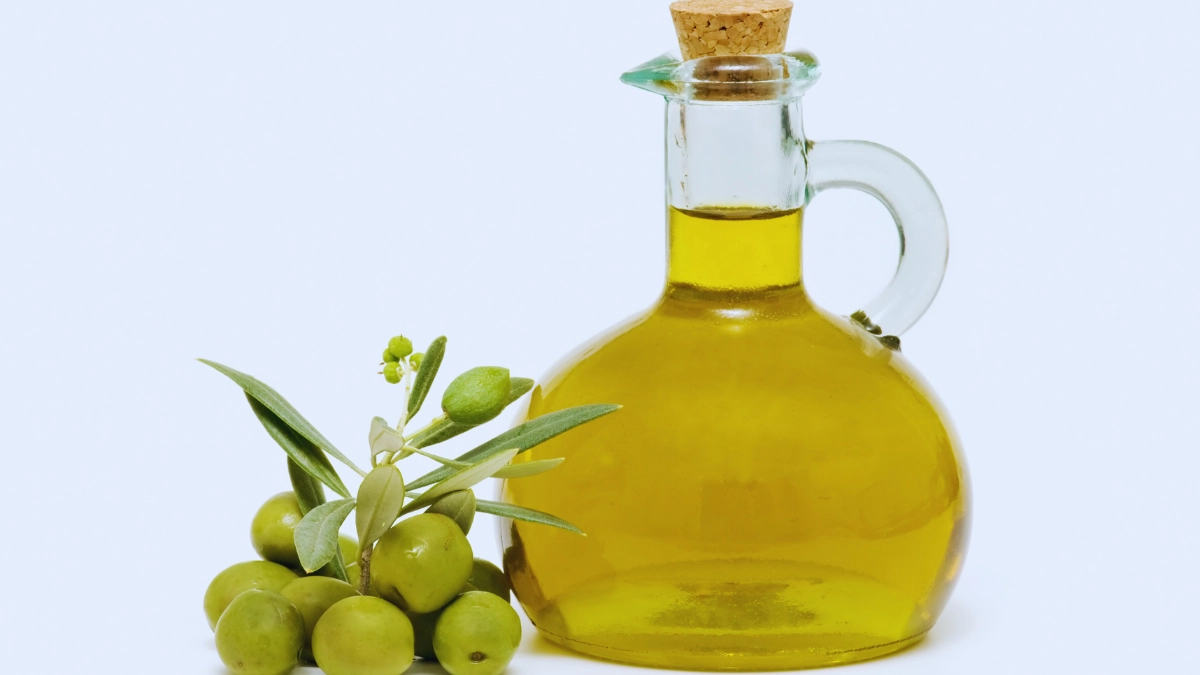
Extra virgin varieties contain monounsaturated fats and powerful polyphenols like oleocanthal that reduce oxidative stress and inflammation.
These natural compounds have effects similar to anti-inflammatory medications but without side effects. The antioxidants in olive oil also help neutralize free radicals before they can damage cellular DNA.
Using olive oil as your primary cooking fat may help lower the risk of breast and digestive system cancers. The protective compounds work through multiple mechanisms, including directly suppressing genes involved in inflammation and activating pathways that help remove damaged cells.
Minimal processing preserves these beneficial components. Choose extra virgin olive oil stored in dark bottles for maximum cancer-fighting potential.
Use it for low to medium-heat cooking, salad dressings, and finishing dishes. Replace butter or processed oils whenever possible in your cooking.
About two tablespoons daily provide meaningful cancer protection while supporting heart and brain health as well. Quality matters more than quantity, so choose oils with a peppery finish that indicates high polyphenol content.