

Is your liver silently suffering while you continue eating foods that damage it? Fatty liver disease affects nearly 25% of adults worldwide, yet most people don’t realize they have it until significant damage occurs.
The pain of liver inflammation, fatigue, and potential cirrhosis await those who ignore their liver health. But here’s the good news: simple dietary changes can reverse the early stages of fatty liver disease and prevent progression.
By eliminating these 15 harmful foods from your diet, you can reduce liver fat, decrease inflammation, and restore proper function. Your liver works tirelessly to detoxify your body—isn’t it time you protected it with smarter food choices?
1. Sugary Beverages
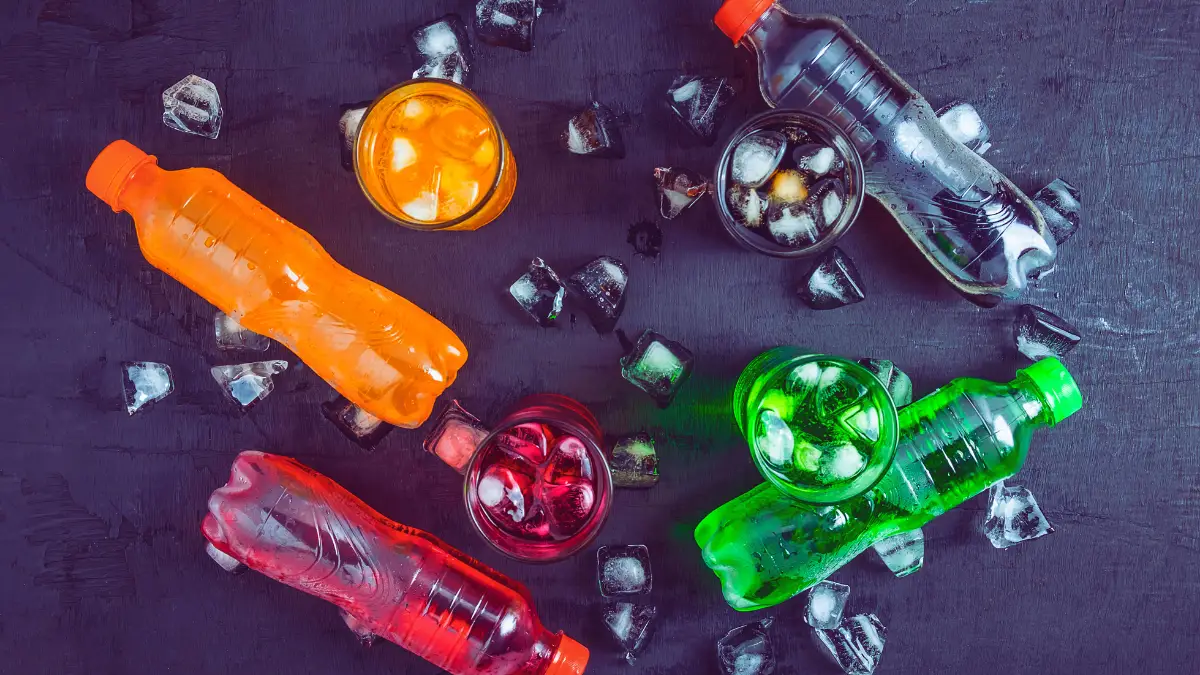
Those innocent-looking sodas and energy drinks hide a dangerous secret for your liver. High fructose and sucrose levels overwhelm your liver’s normal metabolism, forcing it to convert these sugars directly into fat deposits.
Your liver struggles to process this sugar overload, leading to insulin resistance over time. The body begins to store more fat in the liver cells, accelerating the progression toward fatty liver disease.
Many people don’t realize that liquid calories can be more harmful than solid foods because they lack fiber to slow absorption.
Regular consumption creates a vicious cycle – more sugar leads to more liver fat, which causes more insulin resistance, demanding even more insulin.
Just one soda daily significantly increases your risk of developing serious liver problems, making these drinks particularly dangerous for anyone with existing liver concerns.
2. Alcohol

The relationship between alcohol and liver damage isn’t complicated. Your liver treats alcohol as a toxin and prioritizes breaking it down above all other functions.
This process creates harmful byproducts like acetaldehyde that directly damage liver cells. Even moderate alcohol consumption can trigger inflammation and oxidative stress in an already vulnerable liver.
Unlike some other dietary choices, alcohol doesn’t just contribute to fat accumulation – it actively kills liver cells while promoting scarring.
The combination of alcohol with existing fatty liver dramatically accelerates the damage. For someone at risk of fatty liver disease, there’s no “safe” amount of alcohol.
The liver cannot heal properly while continuously processing alcohol toxins. Many patients see significant improvement in liver function after just a few weeks of complete abstinence, making this perhaps the most important dietary change on our list.
3. Processed Snacks
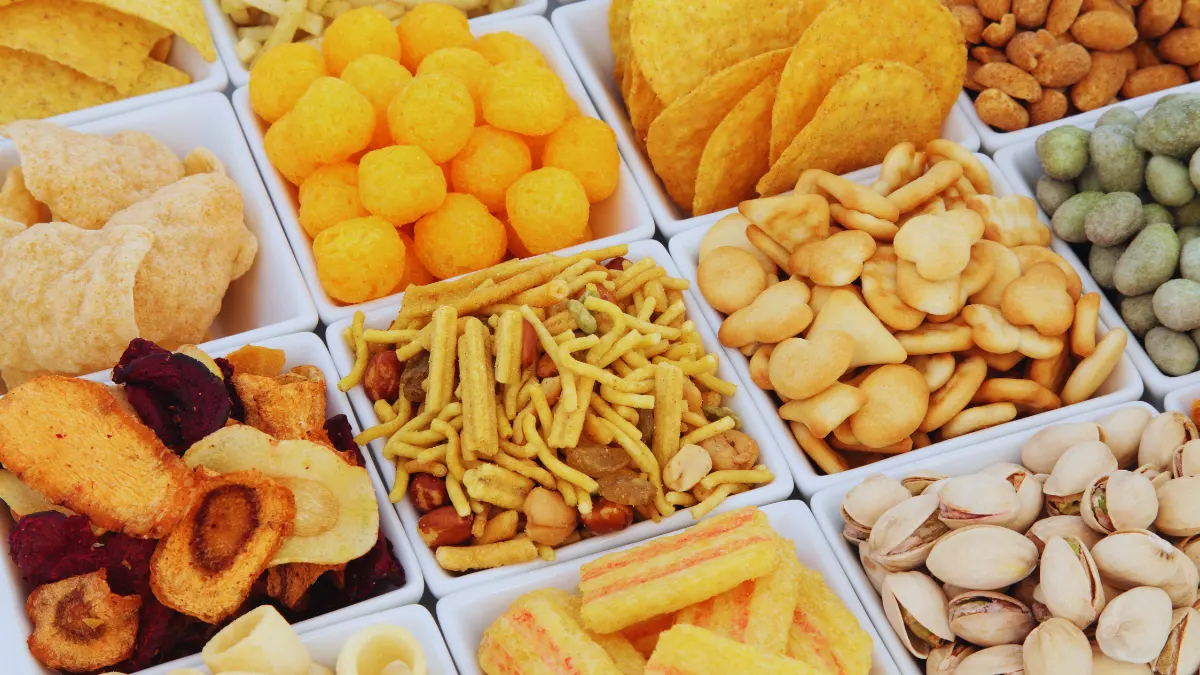
Those convenient bags of chips and crackers sitting in your pantry pose a serious threat to liver health. Manufacturers load these snacks with refined carbohydrates that rapidly convert to sugar while adding concerning levels of sodium and unhealthy fats.
The combination of salt, sugar, and fat triggers both inflammation and insulin spikes. Your body responds by shuttling excess energy to the liver for storage as fat.
Processed snacks also typically contain inflammatory omega-6 fatty acids in quantities far exceeding what our bodies need, creating imbalances that worsen liver conditions.
Manufacturers design these products specifically to bypass natural satiety signals, making it nearly impossible to eat just one serving.
The empty calories provide virtually no nutritional benefit while actively harming liver function. Replacing these convenient snacks with whole food alternatives can dramatically improve liver health within just weeks.
4. White Bread and Refined Grains
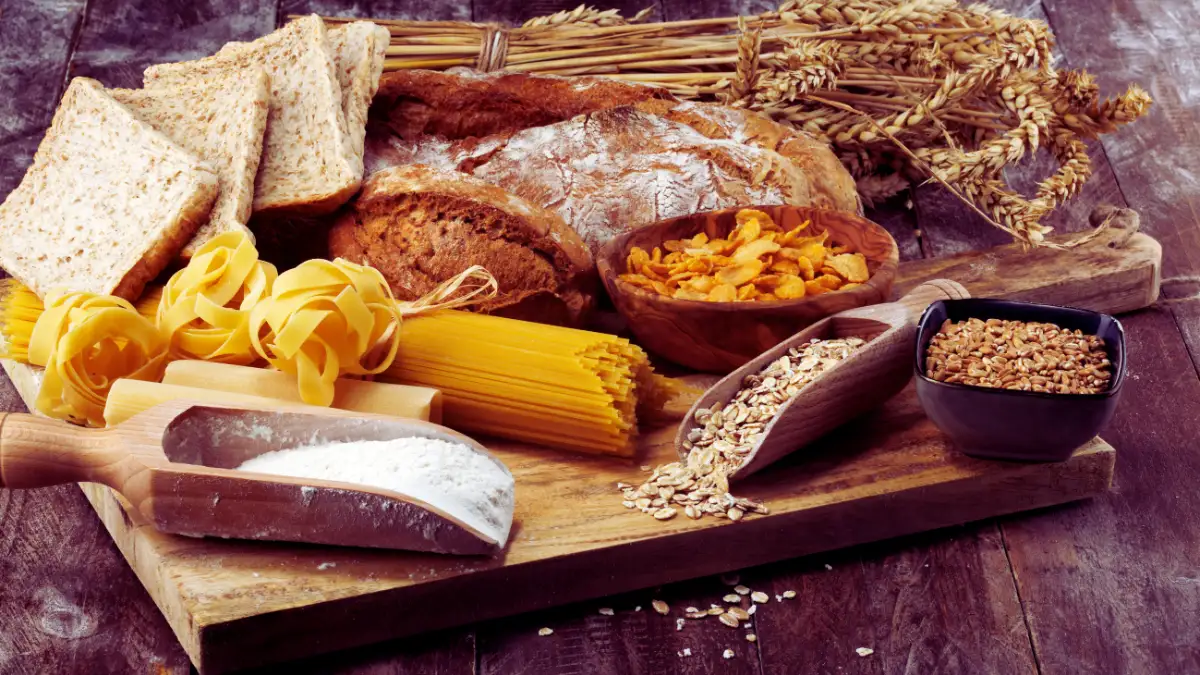
Your morning toast might seem harmless, but refined grains have had their fiber and nutrients stripped away, leaving little more than starch that behaves almost like pure sugar in your body.
Blood glucose levels spike rapidly after consumption, forcing your pancreas to release large amounts of insulin.
This insulin surge tells your liver to start producing and storing fat. The resulting fatty deposits accumulate directly in liver cells, worsening existing liver conditions.
White bread, white rice, and regular pasta all fall into this problematic category of foods that promote fat storage.
Long-term consumption leads to chronically elevated insulin levels, which perpetuate a cycle of increased liver fat storage.
Switching to whole grain alternatives with intact fiber can help regulate blood sugar response and reduce insulin demands.
Your liver processes these complex carbohydrates more gradually, preventing the fat-storing signals that refined grains trigger.
5. Fried Foods

The crispy, golden exterior of fried foods hides multiple threats to liver health. The frying process itself creates harmful compounds as oils break down under high heat, particularly when restaurants reuse oil multiple times.
Your liver must process these damaged fats along with any trans fats used in the cooking process. Both trigger inflammatory responses and oxidative stress, damaging liver cells directly.
Fried foods also typically contain excessive calories, contributing to overall weight gain that worsens fatty liver conditions.
Consuming fried foods regularly exposes your liver to compounds that accelerate the progression from simple fatty liver to more serious inflammatory conditions.
The combination of damaged fats, acrylamide from high-heat cooking, and breading high in refined carbohydrates creates a particularly dangerous food for anyone concerned about liver health. Baking, steaming, or air-frying provides much safer alternatives.
6. Red Meat
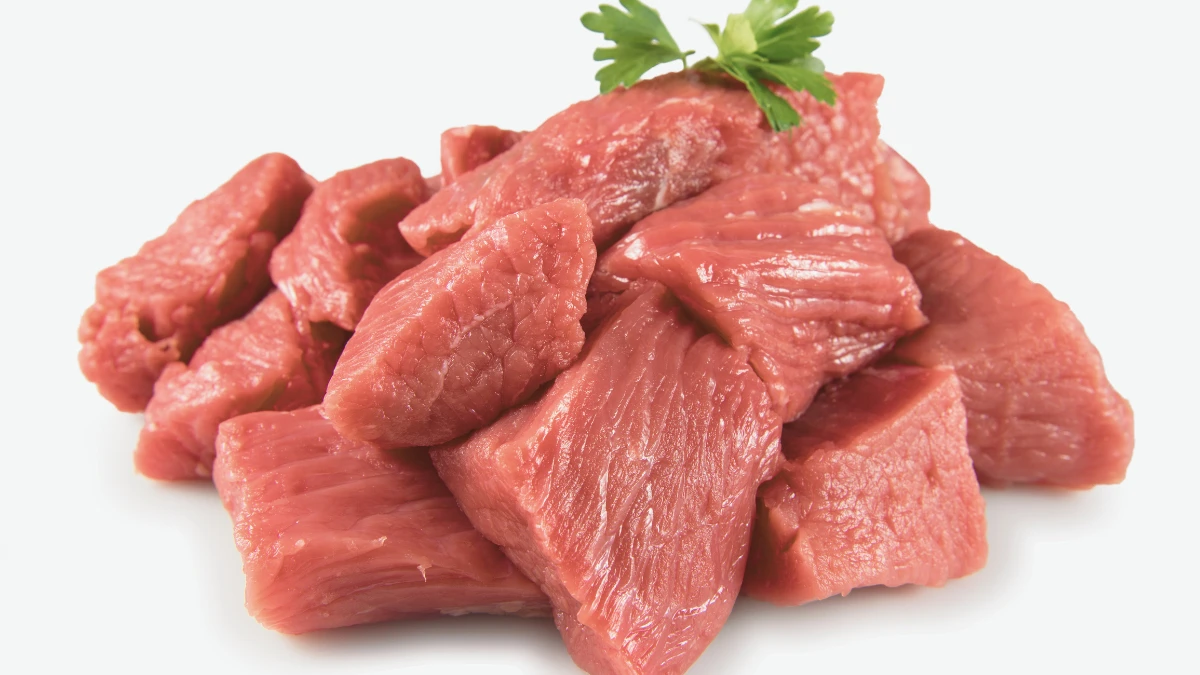
Steaks, burgers, and other beef products contain high levels of saturated fat that directly contributes to liver inflammation.
Your body processes these fats differently than plant-based options, creating metabolic conditions that worsen fatty liver disease progression.
The heme iron found in red meat creates oxidative stress in liver cells, damaging their function over time. Many people consume portions far larger than recommended, exposing their already vulnerable livers to excessive amounts of these problematic compounds.
Cooking methods like grilling at high temperatures create additional compounds that further stress liver function.
A 2022 study published in Diabetes Care found compelling evidence linking red meat consumption with increased liver fat content, particularly in individuals with type 2 diabetes.
Researchers discovered that participants who ate red meat regularly showed significantly higher levels of fat accumulation in their livers compared to those who limited their intake.
Reducing portion sizes to 3 ounces or less and choosing lean cuts can minimize some risks while transitioning to healthier protein sources.
7. Processed Meats
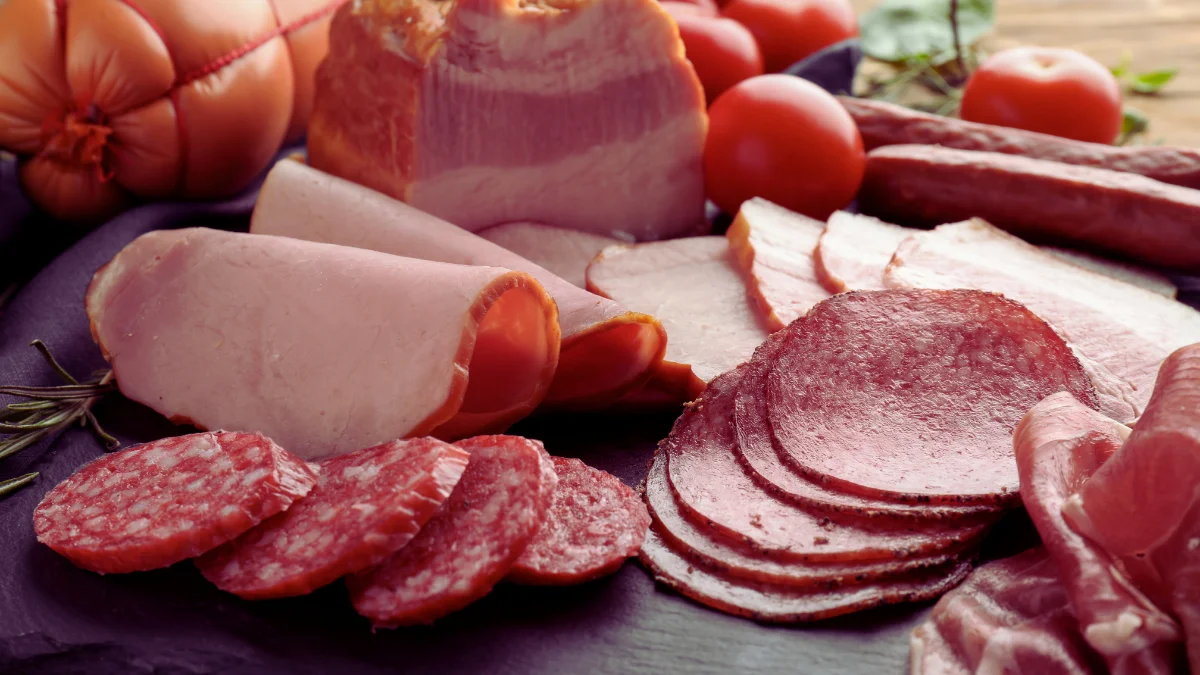
Bacon, sausages, hot dogs, and deli meats combine multiple liver-damaging ingredients into convenient packages.
Manufacturers add preservatives like nitrates and nitrites that trigger inflammatory responses throughout your body, including your liver.
The curing process traditionally uses excessive sodium, which worsens blood pressure and creates additional stress on metabolic systems already compromised by fatty liver.
These meats typically contain high levels of saturated fats along with advanced glycation end products from processing methods. Your liver must filter all these compounds, accelerating damage to already struggling cells.
Processed meats lack the nutritional benefits of fresh alternatives while delivering concentrated amounts of compounds linked to metabolic dysfunction.
Some varieties contain added sugars and fillers that further compromise liver health. Replacing these products with fresh poultry, fish, or plant-based proteins can significantly reduce the inflammatory burden on your liver while providing essential nutrients that support healing.
8. High-Fructose Corn Syrup
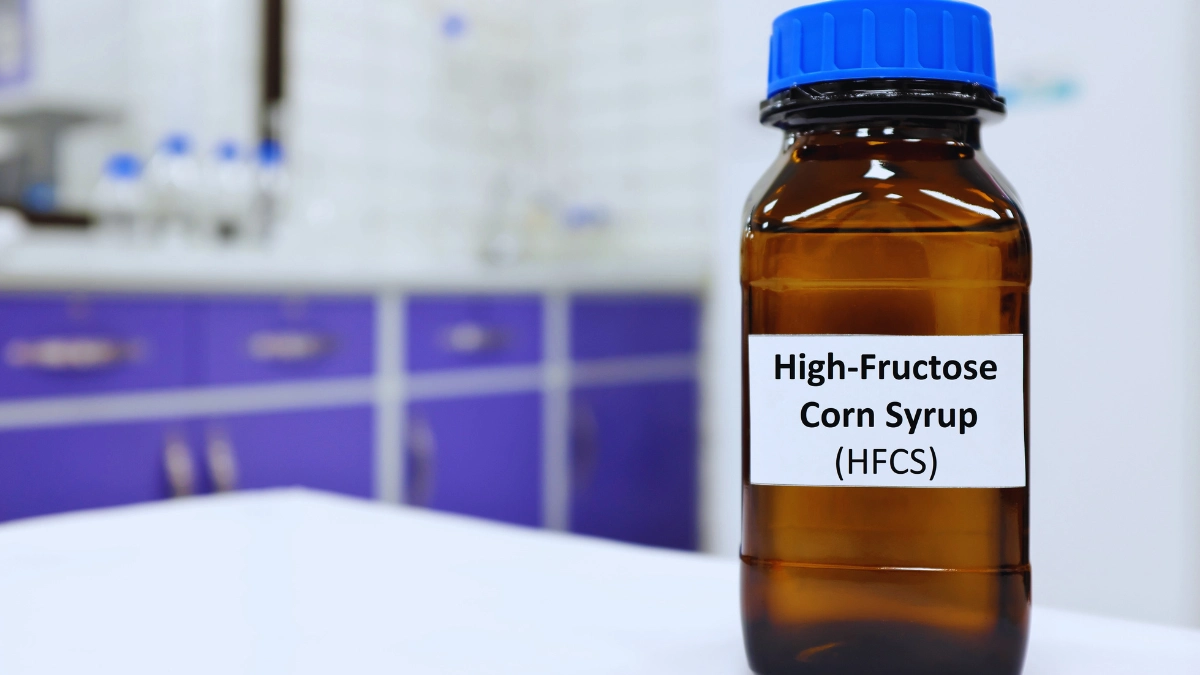
This sweetener lurks in thousands of products from ketchup to salad dressing, creating hidden sugar exposure throughout your day.
Unlike glucose, which all cells can use, fructose must be processed almost exclusively by your liver, overwhelming its metabolic pathways.
The liver converts excess fructose directly into fat through a process called de novo lipogenesis. Consumption leads to increased triglyceride levels and fat accumulation in liver cells even faster than table sugar.
Many manufacturers use this sweetener because it’s cheaper than alternatives, making it prevalent in budget-friendly foods.
Regular exposure to high-fructose corn syrup disrupts normal appetite regulation and creates metabolic changes that promote insulin resistance.
Your liver becomes increasingly fatty as this cycle continues, accelerating disease progression. Reading ingredient labels carefully helps identify and avoid this problematic sweetener that contributes significantly to liver fat storage.
9. Fast Food
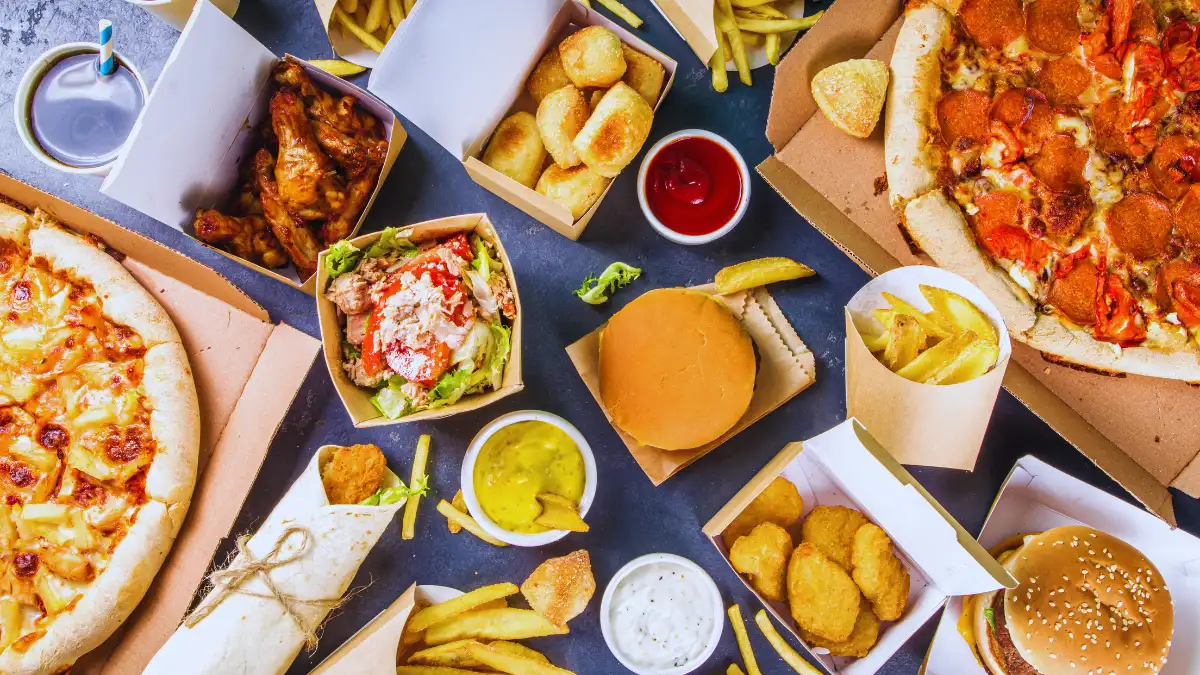
Convenience comes at a steep price for liver health when choosing drive-through meals. These foods combine multiple liver stressors: trans fats, refined carbohydrates, excessive sodium, and added sugars all in one meal.
The caloric density of fast food overwhelms normal metabolic processes, sending signals to store excess energy as fat, much of it in your liver.
Most options completely lack the fiber, antioxidants, and other protective compounds found in whole foods that help maintain liver function.
Your body receives an inflammatory triple-threat of fat, sugar, and chemicals with minimal nutritional benefit. Fast food consumption regularly correlates with elevated liver enzymes, indicating active damage to liver cells.
The combination of ingredients creates a particularly harmful synergy that accelerates fatty liver progression faster than individual components alone.
Preparing simple meals at home using whole ingredients offers a protective alternative that supports rather than harms liver health.
10. Candy and Pastries

Sweet treats deliver concentrated sugar loads that hit your liver like a metabolic tsunami. The rapid absorption of refined sugars from cookies, cakes, and candies forces your liver to process an energy surge it wasn’t designed to handle.
These foods pair sugars with unhealthy fats, creating a particularly dangerous combination for fatty liver disease.
The liver must simultaneously deal with both fructose metabolism and fat processing, accelerating fat deposition within liver tissue.
Commercial baked goods often contain trans fats, which are especially harmful to liver function and overall metabolic health.
The temporary satisfaction from sweet treats triggers reward pathways that encourage overconsumption, creating cycles of excess that worsen liver health.
Many people don’t realize that “fat-free” varieties often contain even more sugar to compensate for flavor, making them equally problematic.
Satisfying sweet cravings with whole fruits provides fiber that slows sugar absorption, offering a safer alternative that includes beneficial nutrients.
11. Store-Bought Salad Dressings
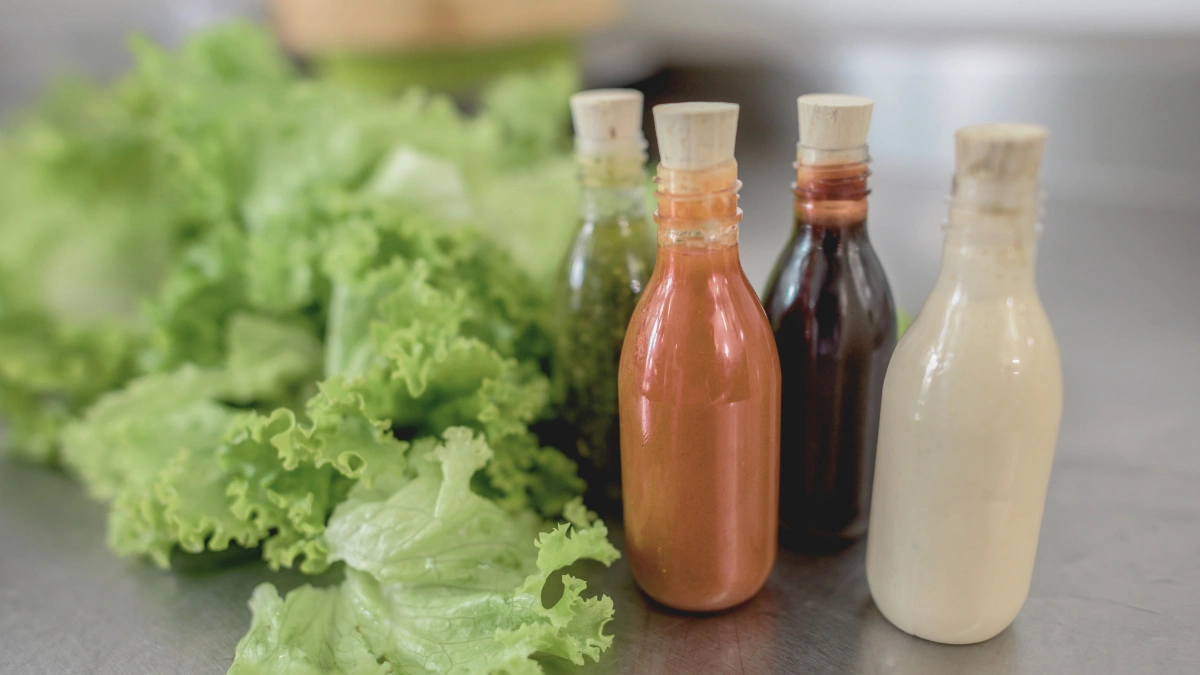
What seems like a healthy choice often sabotages your liver health through hidden ingredients. Commercial dressings frequently contain high-fructose corn syrup as a primary sweetener while using inflammatory omega-6-rich soybean oil as their base.
Chemical preservatives extend shelf life but create additional work for your already struggling liver to detoxify. Many brands load their products with excess sodium and artificial flavors that trigger cravings and overconsumption.
The combination of fructose and inflammatory oils creates a particularly problematic mixture for anyone with liver concerns.
A 2008 study in the Journal of Hepatology demonstrated that high fructose intake directly correlates with NAFLD severity.
The researchers found that participants consuming the most fructose showed significantly worse liver inflammation and fibrosis compared to those with lower intake.
12. Full-fat Dairy
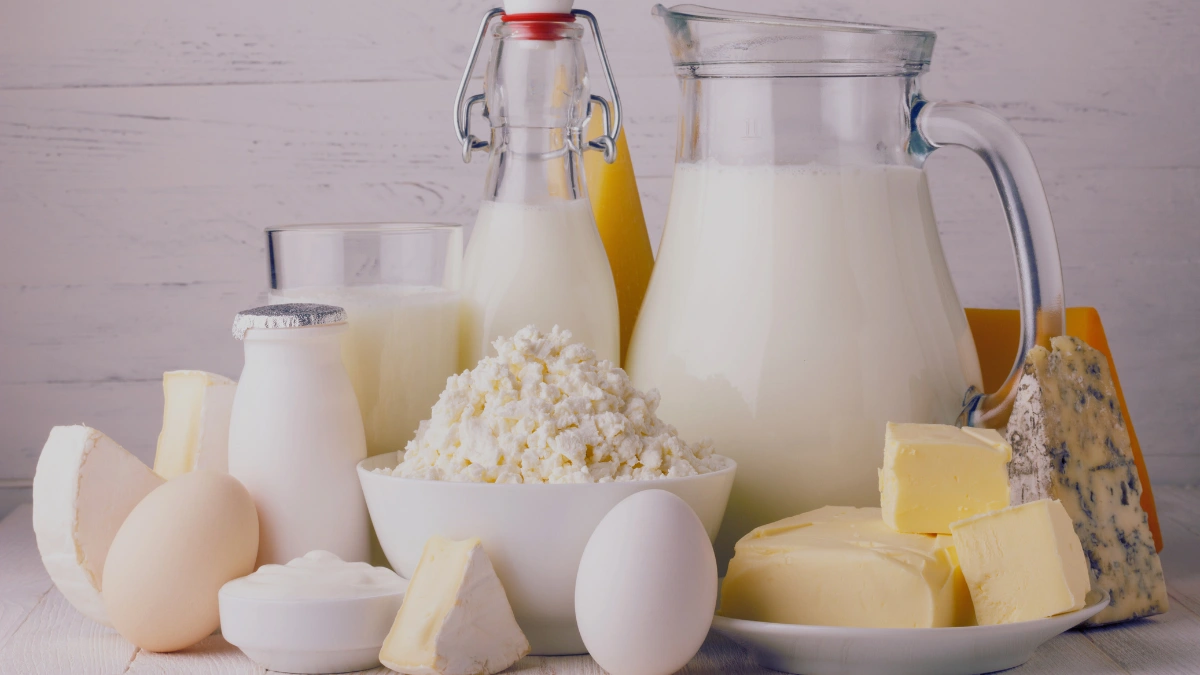
Cheese, whole milk, and butter contain substantial amounts of saturated fat that can worsen inflammation in an already vulnerable liver.
Your body processes these animal fats differently than plant-based alternatives, potentially accelerating fat accumulation in liver tissues.
The saturated fat content raises cholesterol levels, creating an additional cardiovascular strain that indirectly impacts liver function.
Many dairy products also contain growth hormones and antibiotics that create an extra detoxification burden. Some individuals experience inflammatory responses to specific milk proteins, further complicating the body’s metabolic responses.
Switching to plant-based alternatives or choosing reduced-fat options can significantly lower saturated fat intake.
Small changes like using almond milk in your morning coffee or choosing sheep and goat cheeses occasionally rather than cow’s milk varieties daily can reduce the inflammatory burden.
Fermented options like kefir and yogurt offer beneficial probiotics that may partially offset concerns, making them somewhat better choices when consumed in moderation.
13. Margarine
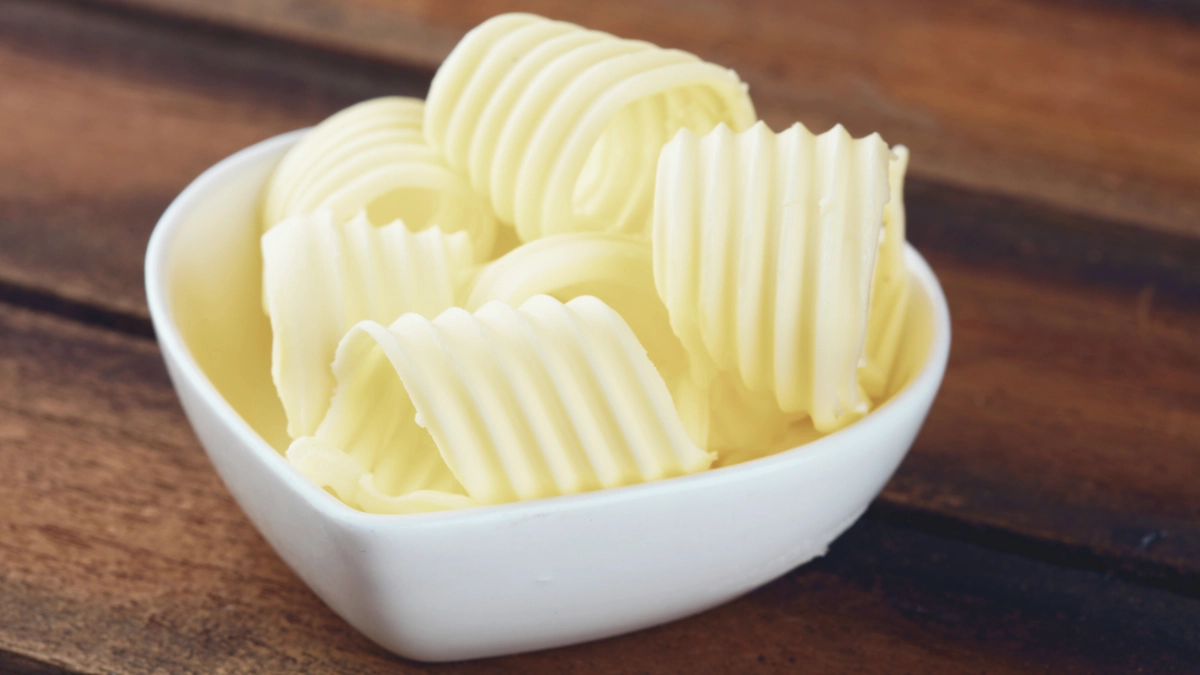
Contrary to its heart-healthy marketing, this butter substitute often contains trans fats and highly processed oils that harm liver function.
Your liver struggles to metabolize the artificial fatty acid structures, leading to inflammation and potential cellular damage.
The hydrogenation process that gives margarine its solid consistency creates compounds that directly interfere with normal liver metabolism.
Many varieties contain emulsifiers, artificial flavors, and preservatives that require additional liver processing. Bright yellow colorings and other additives create further strain on detoxification pathways.
Vegetable oils used in these products are typically high in omega-6 fatty acids, creating imbalances that promote systemic inflammation.
The best approach involves avoiding both butter and margarine when possible, opting instead for small amounts of olive oil, avocado oil, or nut butter. These whole-food fats provide beneficial compounds that support rather than harm liver function.
14. Packaged Baked Goods
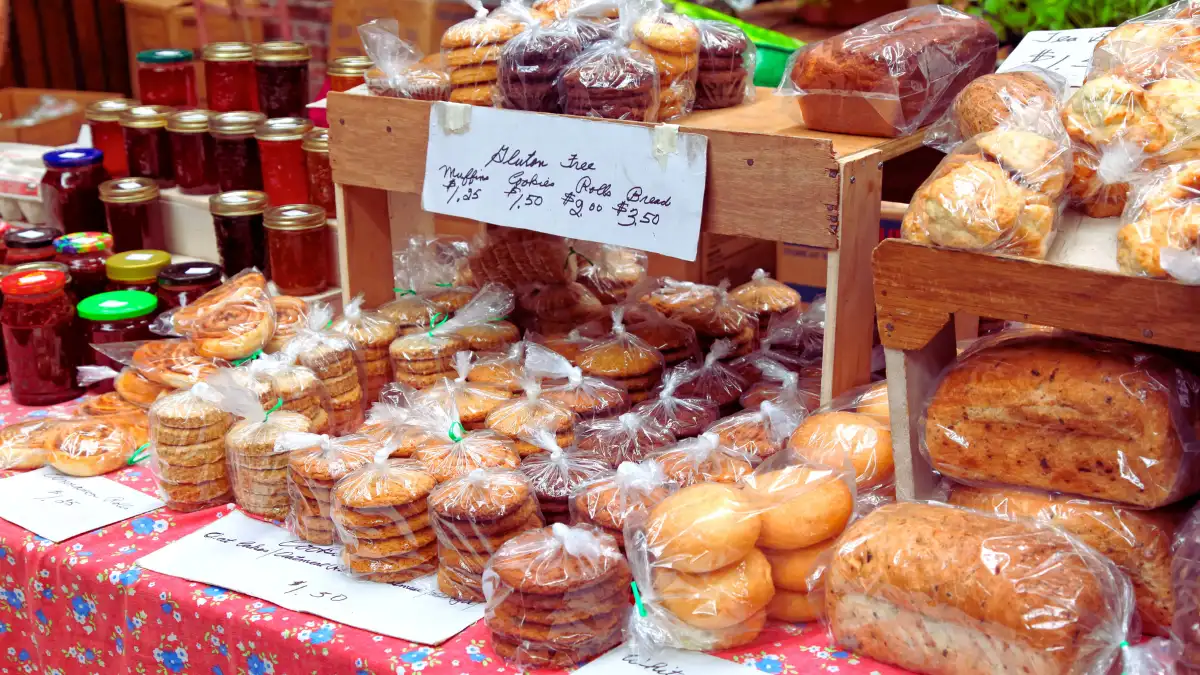
Convenient cookies, muffins, and bread products combine multiple liver stressors in appealing packages. The refined flour base triggers rapid glucose and insulin spikes that promote fat storage in liver cells, while the added sugars further stress metabolic pathways.
Manufacturers typically use the cheapest oil options, often partially hydrogenated varieties containing trans fats that directly damage liver function.
The long shelf-life results from preservatives, emulsifiers, and other chemicals that require liver detoxification. Your body receives concentrated calories with virtually no protective nutrients, fiber, or antioxidants to offset the damage.
The combination of sugar and fat creates highly palatable foods that override normal satiety signals, leading to overconsumption.
These products provide quick energy but initiate blood sugar roller coasters that promote insulin resistance over time.
Baking simple treats at home using whole grain flour, natural sweeteners in reduced amounts, and healthy oils provides occasional indulgences without the same liver concerns.
15. High-Sodium Foods

Canned soups, frozen dinners, and pickled products contain sodium levels that disrupt fluid balance throughout your body. Your liver function depends on proper fluid regulation, which excess sodium directly undermines.
These foods worsen hypertension and create an additional cardiovascular strain that compounds liver problems.
The body retains water to dilute excess sodium, creating bloating and edema that can mask underlying liver swelling.
Many high-sodium foods also contain preservatives, artificial flavors, and other additives that require additional liver processing.
Reading nutrition labels reveals surprising sodium sources beyond the obvious salty snacks. Bread, breakfast cereals, and condiments often contain substantial amounts.
Cooking from scratch using herbs, spices, citrus, and vinegar for flavor instead of salt helps reduce sodium intake dramatically.
Your taste buds adjust within weeks, allowing you to enjoy the natural flavors of food while supporting proper liver function.