
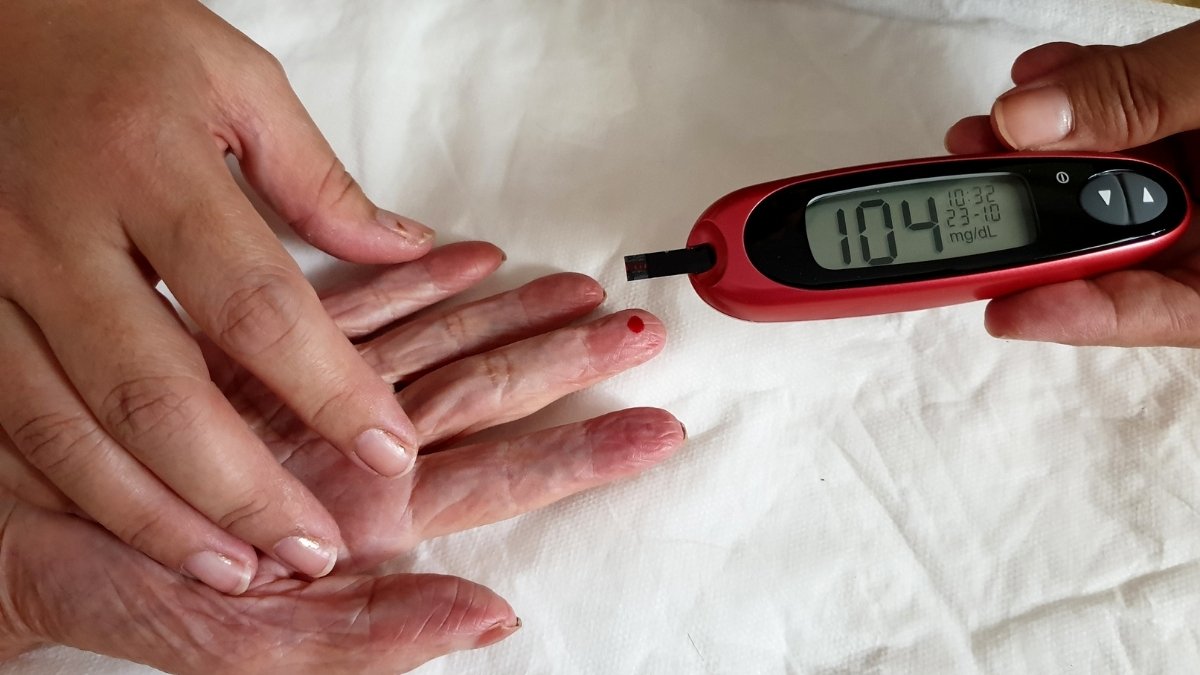
Are you carefully watching your blood sugar, but still seeing unexplained spikes? Many everyday food pairings we think of as healthy can send glucose levels soaring.
That banana-yogurt combo for breakfast or sushi lunch might be sabotaging your efforts without you realizing it.
What if you could identify these hidden culprits and make simple swaps to keep your blood sugar stable? These 15 seemingly innocent food combinations are often overlooked causes of glycemic chaos.
With small, strategic changes to how you pair foods, you can enjoy your meals while maintaining steadier energy levels throughout the day.
1. Cereal with Low-Fat Milk

Most people think starting their day with cereal and low-fat milk is a good choice. The truth? This common breakfast can cause your blood sugar to rise quickly.
Cereal manufacturers often process their products heavily, adding refined carbs and sugars that your body converts to glucose rapidly.
Low-fat milk makes matters worse. Regular milk contains fat that normally slows down digestion. Without this fat, your body absorbs the sugars from both the cereal and milk much faster.
This quick absorption leads to a sharp insulin response, followed by a potential energy crash later. Try switching to whole milk and looking for cereals with less than 5g of sugar per serving.
Adding cinnamon or nuts can help stabilize blood sugar levels. For a better breakfast option, consider eggs with vegetables or plain yogurt with fresh berries instead.
2. Fruit Smoothies with Added Honey
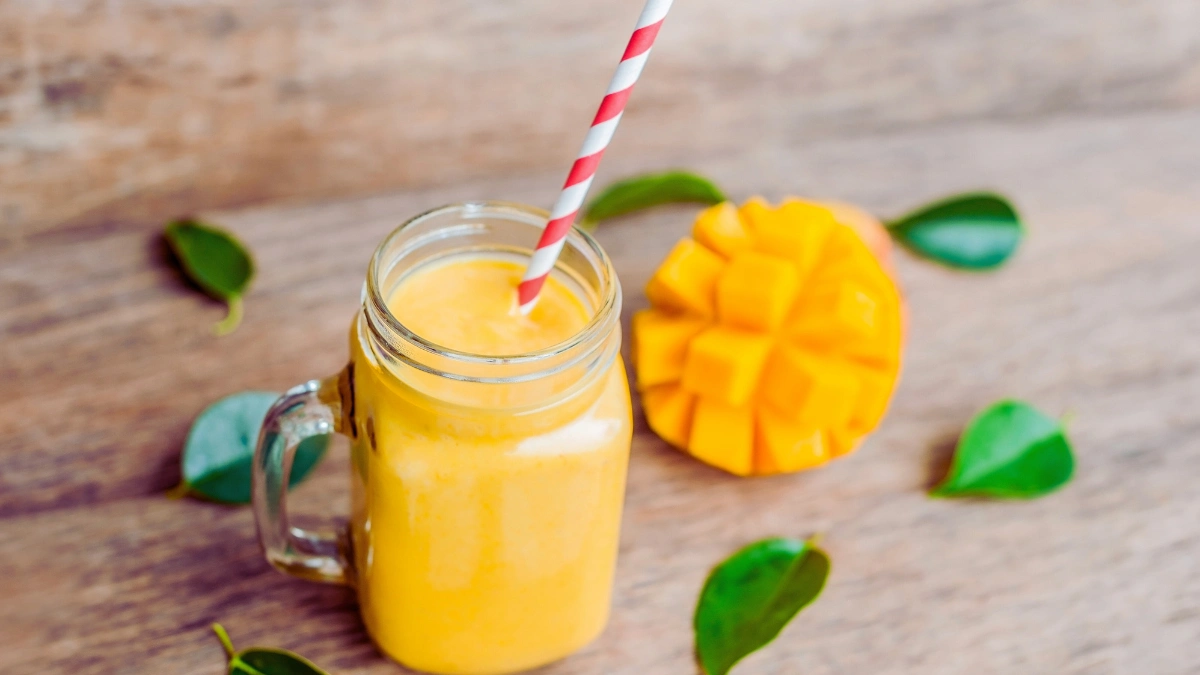
Fruit smoothies seem like an excellent way to pack nutrients into your diet. However, blending breaks down fruit’s natural fiber structure, causing sugars to enter your bloodstream much faster than eating whole fruits.
Adding honey only increases this effect. A typical banana-strawberry smoothie with honey can contain over 40 grams of sugar in one glass.
Your body processes this sugar quickly, leading to a rapid rise in blood glucose. The honey, while natural, contains concentrated fructose and glucose that compound this effect.
To make smoothies that won’t spike your blood sugar, skip added sweeteners completely. Include protein sources like Greek yogurt or nut butter.
Adding healthy fats from avocado or chia seeds slows sugar absorption. Using berries instead of tropical fruits also lowers the overall sugar content significantly.
3. Oatmeal with Dried Fruit
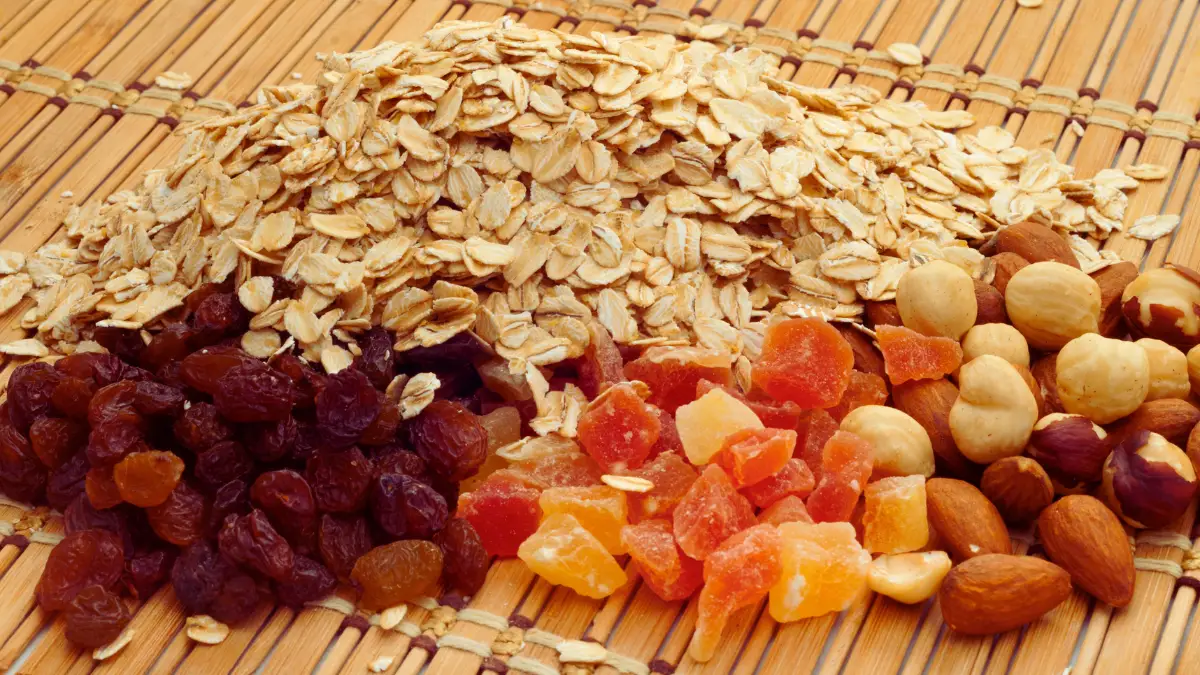
Oatmeal often gets praised as a heart-healthy breakfast choice. What many people miss is how instant varieties can rank high on the glycemic index.
Combine this with sugar-concentrated dried fruits like raisins or cranberries, and you’ve created a carbohydrate-heavy meal your body quickly converts to glucose.
A single serving of flavored instant oatmeal with dried fruit can contain over 30 grams of carbs. This combination delivers a double hit to your blood sugar levels.
The processed oats break down quickly, while the dried fruit provides concentrated sugar without the water content that helps slow digestion in fresh fruit.
Steel-cut oats offer a better alternative since they take longer to digest. Fresh berries contain fiber and water that slow sugar absorption.
Adding protein from nuts or seeds can help balance the meal. Cinnamon not only adds flavor but may also help regulate blood sugar levels naturally.
4. Granola Bars
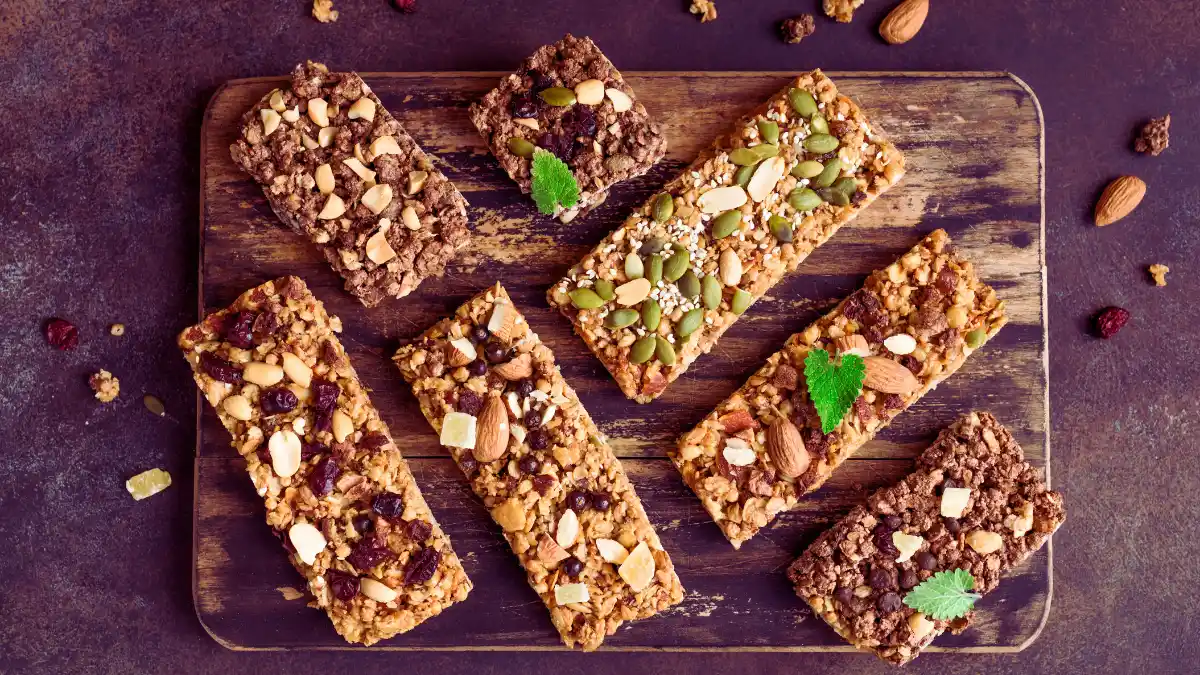
Granola bars market themselves as healthy snacks for active people. Look closely at the ingredients list, and you’ll often find various forms of sugar hiding behind names like brown rice syrup, agave nectar, or cane juice.
Many contain chocolate chips, yogurt coating, or honey that further increases sugar content. A standard 45-gram granola bar can pack around 20 grams of sugar—equivalent to 5 teaspoons.
The combination of quick-digesting oats, rice crisps, and multiple sugar sources creates a snack that raises blood glucose levels rapidly. The small amount of nuts or seeds often isn’t enough to offset this effect.
Making your granola bars lets you control the ingredients. Choose nuts, seeds, and unsweetened coconut as the base.
Use small amounts of mashed banana or applesauce for binding instead of syrups. If buying commercial bars, look for options with less than 5 grams of sugar and at least 3 grams of fiber per serving.
5. Yogurt with Flavored Toppings

Many people choose yogurt thinking it’s always a healthy option. Store-bought flavored yogurts often contain between 15 and 25 grams of sugar per serving.
Adding sweet toppings like honey, flavored granola, or fruit syrups pushes sugar content even higher. The sugar from these sources digests quickly.
Even though yogurt contains protein that normally helps moderate blood sugar impact, the high sugar load overwhelms this benefit.
A vanilla yogurt with caramel drizzle can exceed 30 grams of sugar—about the same as some candy bars. Plain Greek yogurt gives you a high-protein base with minimal natural sugar.
Top it with a small portion of fresh fruit for sweetness and fiber. Nuts add crunch plus healthy fats that slow digestion.
If you need extra sweetness, try a sprinkle of cinnamon or a few drops of vanilla extract instead of high-sugar toppings.
6. White Bread and Jam
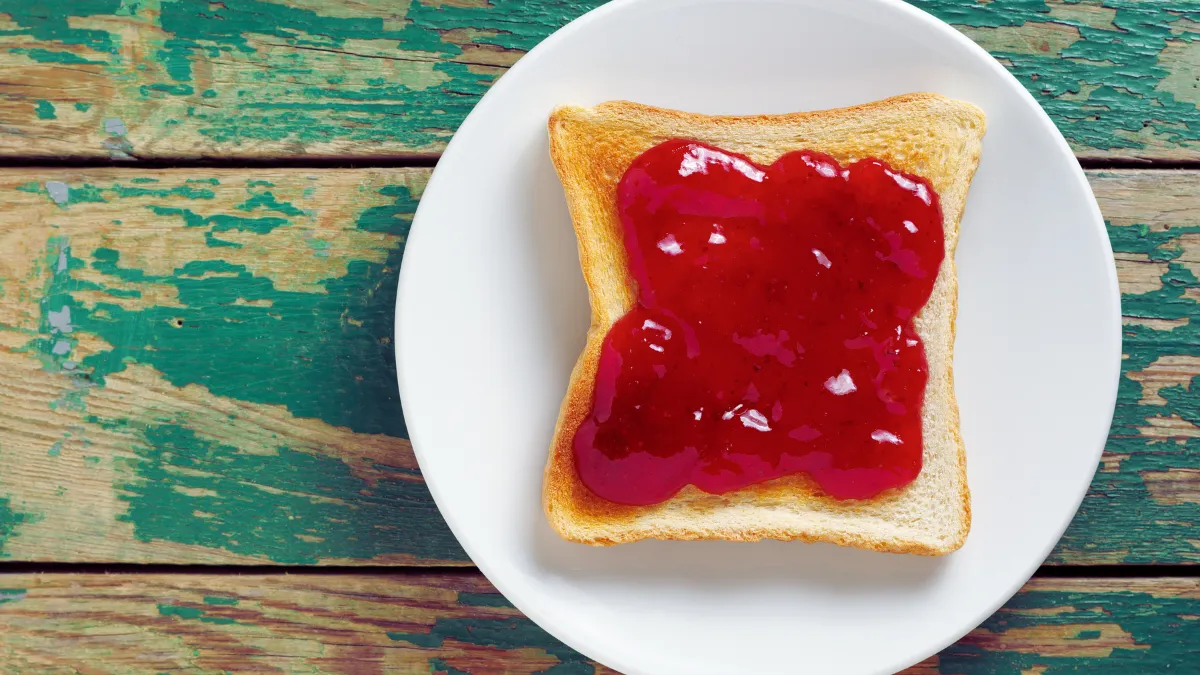
What looks like a simple breakfast or snack can create a significant blood sugar surge. White bread goes through extensive processing that strips away fiber and nutrients, leaving mostly simple carbohydrates that your body converts to glucose rapidly.
Spreading jam on top adds another concentrated dose of sugar. Just two slices of white bread with strawberry jam can contain about 50 grams of carbohydrates.
Your digestive system breaks these simple carbs down quickly, sending glucose into your bloodstream at an alarming rate.
The lack of protein or healthy fats in this combo means there’s nothing to slow down this process. Swapping white bread for 100% whole grain varieties adds fiber that slows digestion.
Using nut butter instead of jam provides protein and healthy fats that help moderate glucose absorption. Another option is topping whole grain toast with avocado and a sprinkle of seeds for a snack that supports stable blood sugar levels throughout the day.
7. Sushi with White Rice and Sweet Sauce
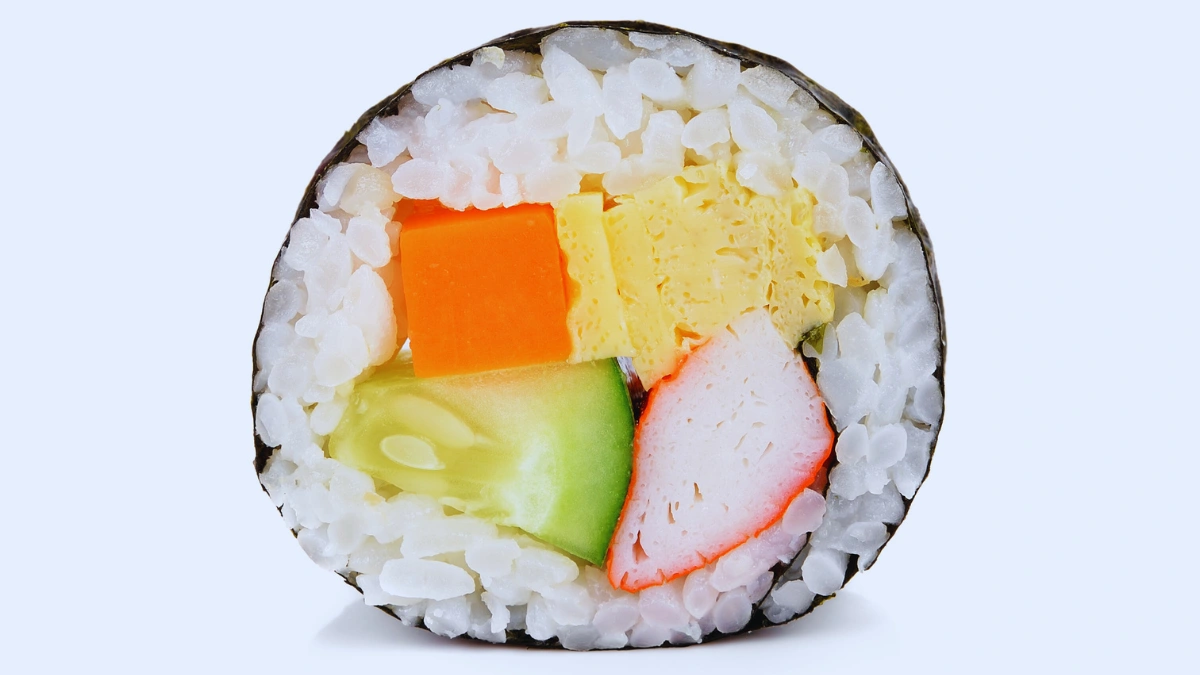
Sushi often gets praised as a lighter meal option, but its effect on blood sugar tells a different story. White sushi rice has a high glycemic index of 73 or higher, meaning it raises blood glucose quickly. Adding sweet sauces like eel sauce (unagi) or spicy mayo compounds this effect with additional sugars.
A 2003 study published in the European Journal of Clinical Nutrition by Sugiyama and colleagues found that the white rice used in sushi causes significant blood glucose spikes due to its sticky texture and processing methods.
The research showed combining this high-GI rice with sugary sauces amplifies the effect even further, causing greater insulin responses than eating either component alone.
Making sushi less problematic for blood sugar involves simple changes. Asking for brown rice adds fiber that slows carbohydrate absorption.
Choosing sashimi (just fish without rice) dramatically reduces the carb load. Skip sweet sauces in favor of low-sugar options like wasabi, ginger, or a small amount of regular soy sauce. Eating edamame as an appetizer adds protein that helps moderate the meal’s overall glycemic impact.
8. Coffee with Flavored Creamers
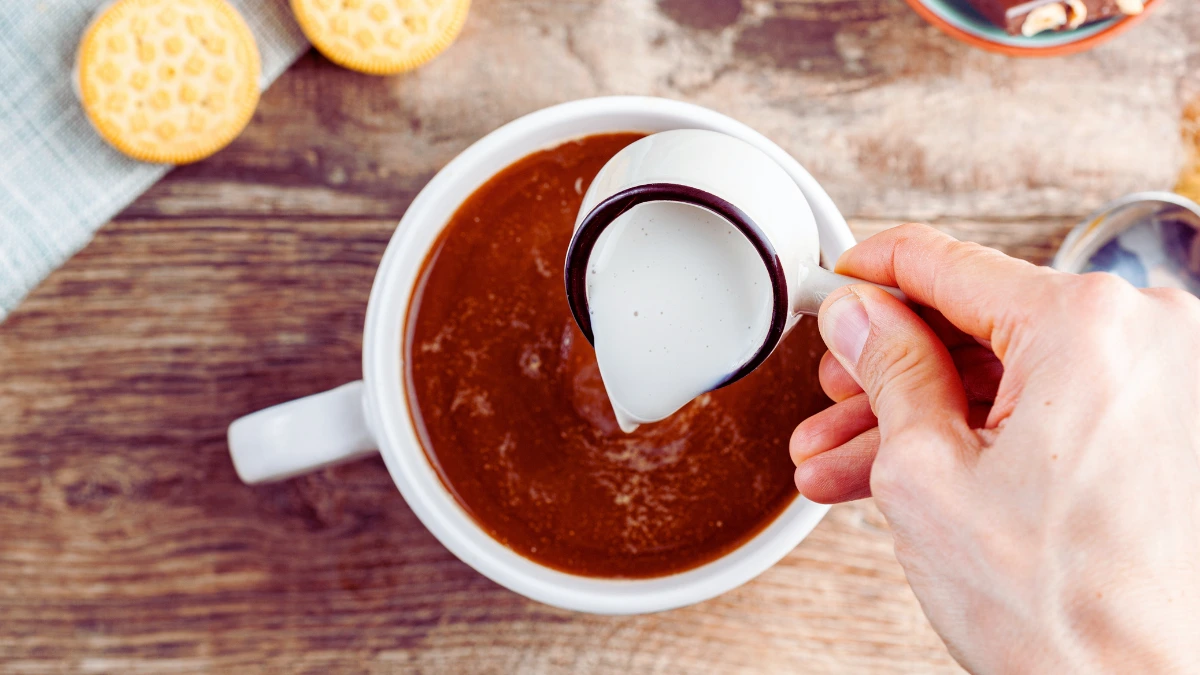
Morning coffee seems harmless until you consider what goes into it. Flavored coffee creamers often contain hydrogenated oils and between 5 to 15 grams of sugar per tablespoon.
Many people use several tablespoons without realizing how quickly this adds up. The combination works against stable blood sugar in multiple ways.
Caffeine in coffee can temporarily impair insulin sensitivity in some people. The sugars in flavored creamers hit your system fast, especially on an empty stomach.
A large latte with caramel creamer can contain about 25 grams of sugar—similar to some desserts—yet we consume it as a daily beverage rather than an occasional treat.
Better options exist for coffee lovers. Using a splash of whole milk or unsweetened plant milk provides creaminess without added sugars.
Cinnamon or unsweetened cocoa powder can add flavor naturally. For sweetness, a tiny amount of stevia or monk fruit sweetener won’t impact blood glucose. Having coffee alongside a protein-containing breakfast also helps minimize any blood sugar effects.
9. Dried Fruits and Nuts
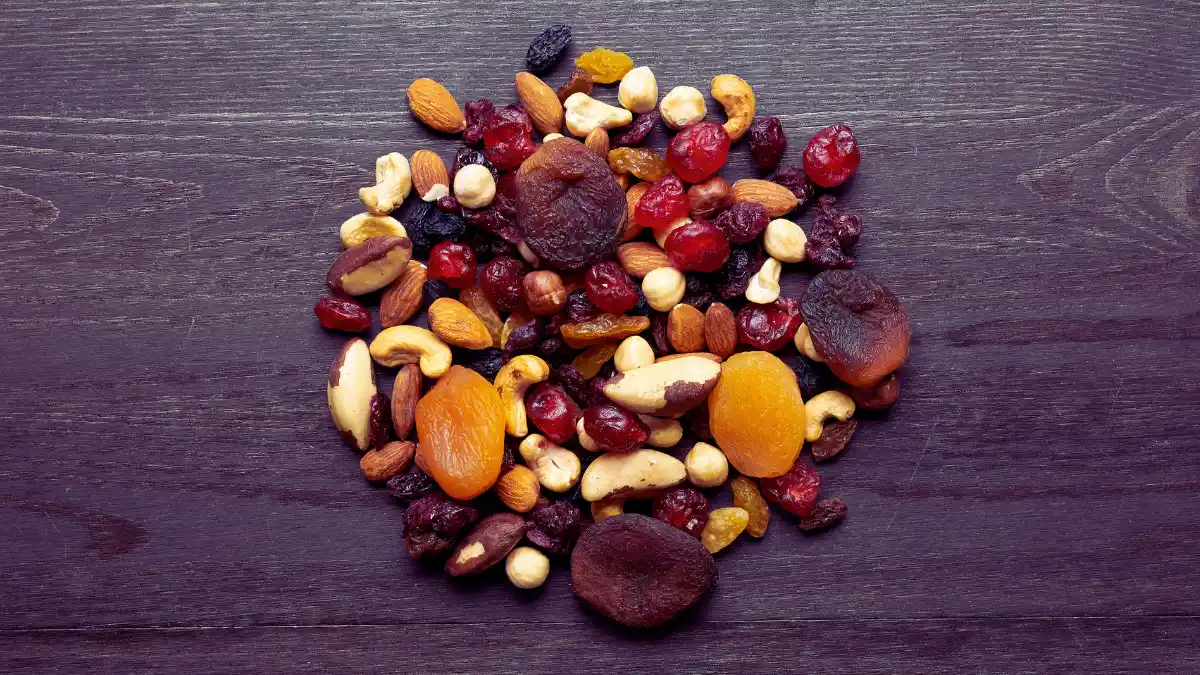
This common snack combination has a health halo that masks its potential impact on blood sugar. While nuts themselves are low in carbohydrates and high in healthy fats and protein, dried fruits like dates, mangoes, or cranberries contain concentrated sugar without the water content of fresh fruit.
The portion size issue makes matters worse. A small handful of dried fruit can contain significant carbohydrates—just 30 grams of dried mango has about 28 grams of carbs.
People often eat dried fruit and nut mixes mindlessly, consuming far more sugar than they realize. Even though the nuts provide fat and protein that should theoretically slow digestion, the sugar load from dried fruit can still cause blood glucose spikes.
Creating a better version of this snack requires attention to portions. Measure out a small amount of dried fruit (about 1 tablespoon) and combine it with a larger portion of raw nuts.
Fresh berries with nuts offer similar satisfaction with less sugar impact. Another option is roasted pumpkin seeds with a few dark chocolate chips, providing crunch and sweetness with lower carbohydrate content.
10. Trail Mix with Chocolate Chips
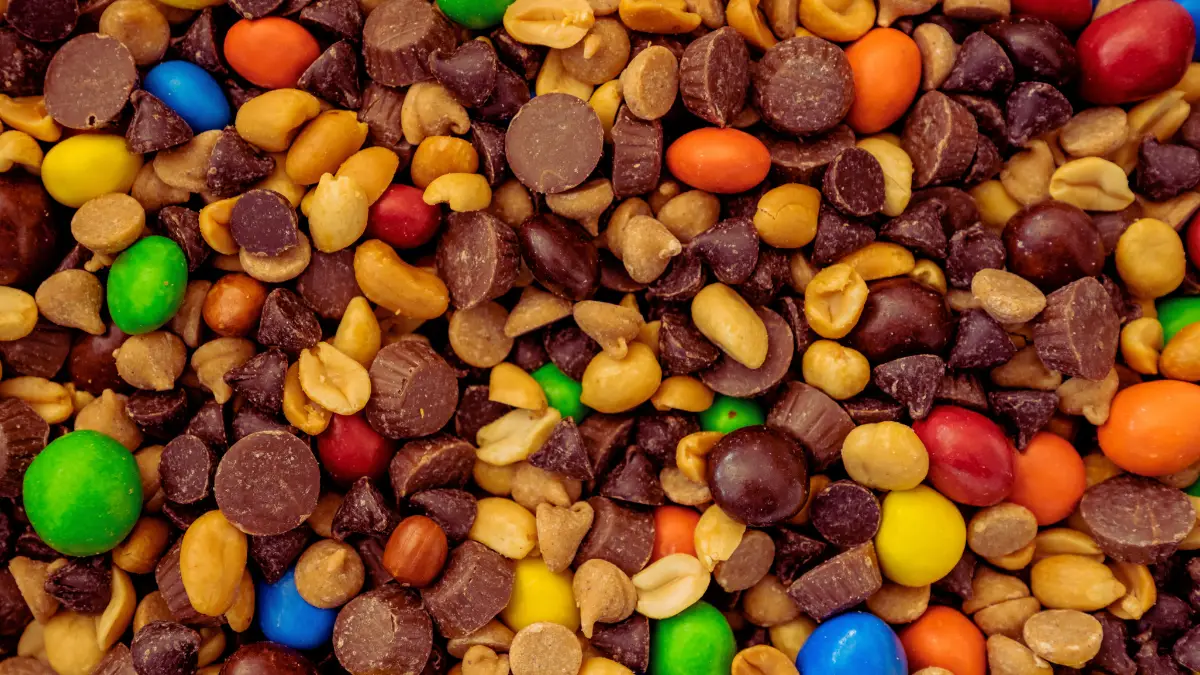
Hiking and outdoor activities often call for convenient energy foods like trail mix. The standard combination—nuts, dried fruit, and chocolate chips—seems like it provides balanced nutrition. However, this popular snack can cause surprising blood sugar fluctuations despite its protein content.
Research published in the journal Nutrients in 2018 examined how adding sugars to mixed nuts affects glycemic response.
The study found that chocolate and sweetened add-ins significantly negate the blood sugar benefits normally provided by nuts alone.
The researchers observed higher postprandial (after-meal) glucose levels when subjects consumed mixed nuts with sweetened ingredients compared to plain mixed nuts.
Making trail mix more blood-sugar friendly starts with the right ratio of ingredients. Use mostly nuts and seeds as the base, which provide protein and healthy fats.
Add very small amounts of unsweetened dried fruits like berries or cherries. For chocolate flavor without the sugar impact, include a few cacao nibs instead of milk chocolate chips. Coconut flakes add sweetness and texture with fewer carbs than dried fruit.
11. Peanut Butter and Jelly Sandwich
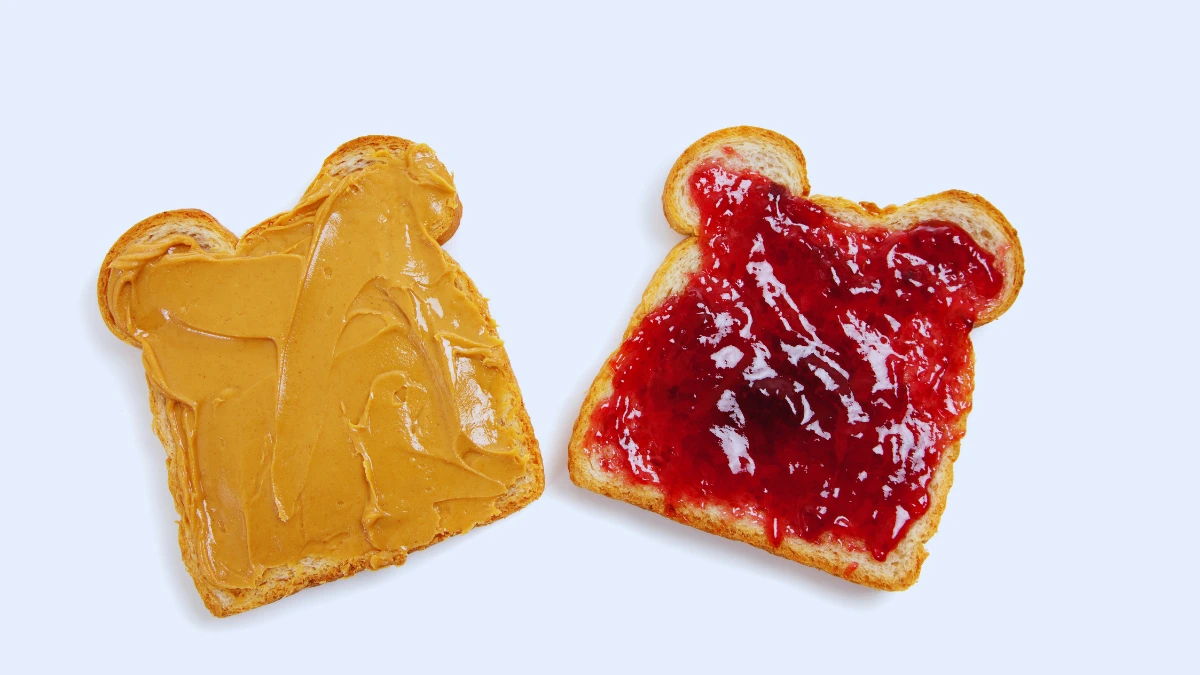
This childhood favorite remains popular with adults but can cause significant blood sugar issues. The combination creates a carbohydrate-heavy meal that many people don’t recognize as problematic.
White bread forms the foundation with its high glycemic index, breaking down quickly into glucose. Sweet jelly adds another layer of sugar that compounds the effect.
A typical sandwich using two slices of white bread and a tablespoon of grape jelly contains approximately 45 grams of carbohydrates.
While peanut butter contributes healthy fats and protein that theoretically slow digestion, the quantity in a standard sandwich often isn’t enough to offset the carbohydrate load from the bread and jelly.
Several modifications can make this lunch staple more blood sugar-friendly. Using 100% whole-grain bread provides fiber that helps delay how quickly carbohydrates enter your bloodstream.
Using natural peanut butter without added sugars improves the fat-to-carb ratio. Replacing jelly with thin slices of fresh fruit like strawberries or bananas provides sweetness with additional fiber and nutrients. These changes transform a blood sugar bomb into a more balanced meal.
12. Baked Potato with High-Fat Toppings

Many people choose baked potatoes as a healthier alternative to french fries. The truth reveals a more complicated picture.
Potatoes have a high glycemic index of up to 85, meaning they convert to blood glucose very quickly. This effect happens regardless of whether you eat them fried or baked.
Adding high-fat toppings like butter, sour cream, or cheese might seem like it would slow down digestion. These fats do delay stomach emptying somewhat, but they don’t significantly reduce the potato’s inherent glycemic load.
A medium-sized baked potato contains about 37 grams of carbohydrates that still rapidly convert to glucose. The combination of high-fat toppings with high-carb potatoes also creates a large calorie load.
Better options exist for potato lovers. Sweet potatoes have a lower glycemic index and more nutrients. Eating smaller portions and leaving the skin on increases fiber content.
Topping with Greek yogurt instead of sour cream adds protein that helps moderate blood sugar response. Pairing with non-starchy vegetables and lean protein creates a more balanced meal overall.
13. Sweetened Yogurt with Granola
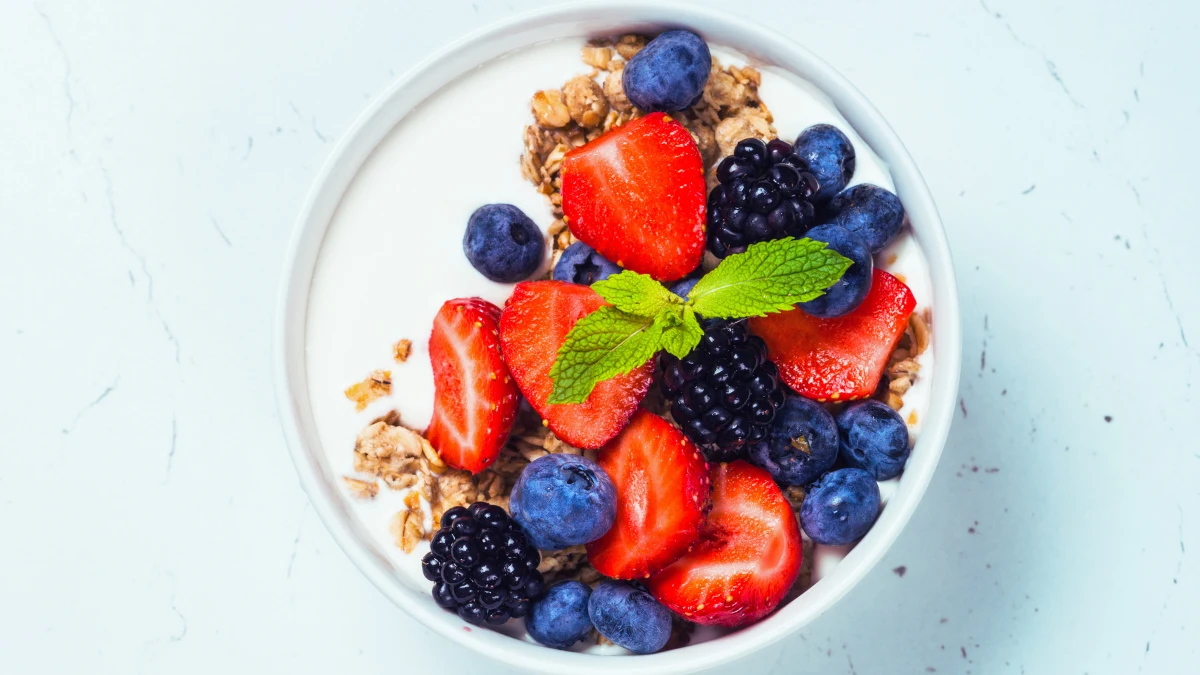
This breakfast combination looks healthy but hides a significant sugar load. Commercial sweetened yogurts often contain between 15 and 25 grams of added sugar per serving.
Granola adds another layer of sweetness through honey, maple syrup, or other sweeteners coating the oats and nuts.
A 2020 review published in the journal Nutrients examined how commercial yogurt products affect metabolic health.
The researchers found that yogurt paired with granola contributed to hyperglycemia (high blood sugar) due to their combined sugar content.
The study noted that manufacturers often add refined grains and sweeteners to granola, creating a double-carb effect when paired with sweetened yogurt. This combination delivers a concentrated dose of simple carbohydrates that are digested quickly.
Creating a better version starts with plain Greek yogurt, which has more protein and less sugar than flavored varieties. Adding a small amount of fresh fruit provides natural sweetness with fiber intact.
For crunch, use a tablespoon of raw nuts or seeds instead of granola. This approach maintains a satisfying texture and flavor profile while dramatically reducing the blood sugar impact.
14. Avocado Toast on White Bread
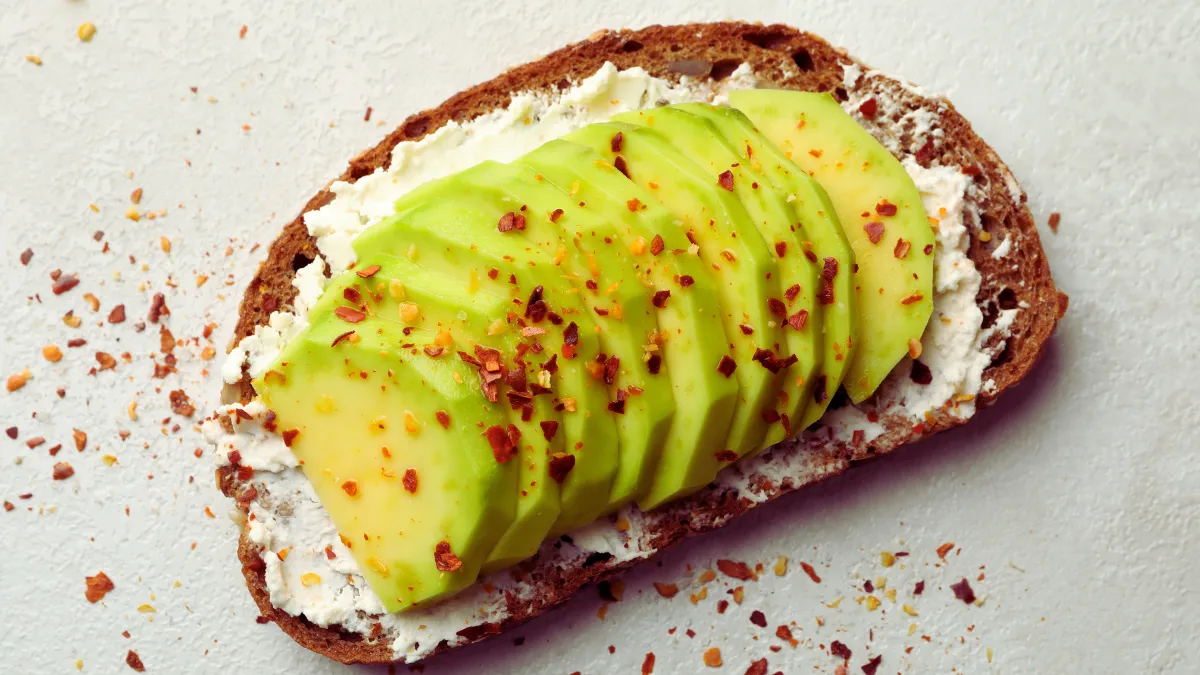
This trendy breakfast option seems like a nutritious choice because of the healthy fats in avocado. However, the white bread base creates a problem for blood sugar control.
White bread lacks the fiber found in whole grains, allowing its carbohydrates to convert quickly to glucose in your bloodstream.
The avocado’s healthy fats don’t fully counteract this effect. While fats do slow digestion somewhat, two slices of white bread still deliver about 30 grams of quick-digesting carbohydrates.
Your body processes these carbs rapidly, potentially causing a blood sugar spike followed by a crash later. This pattern can lead to hunger returning quickly after eating.
Making this modern classic more blood sugar-friendly requires a simple bread swap. Choosing dense, whole-grain bread with visible seeds and grains adds fiber that slows carbohydrate absorption.
Sourdough bread also has a lower glycemic impact than regular white bread. Adding a protein source like a poached egg or smoked salmon creates a more balanced meal that supports stable energy levels throughout the morning.
15. Salad with Sweet Dressing and Croutons
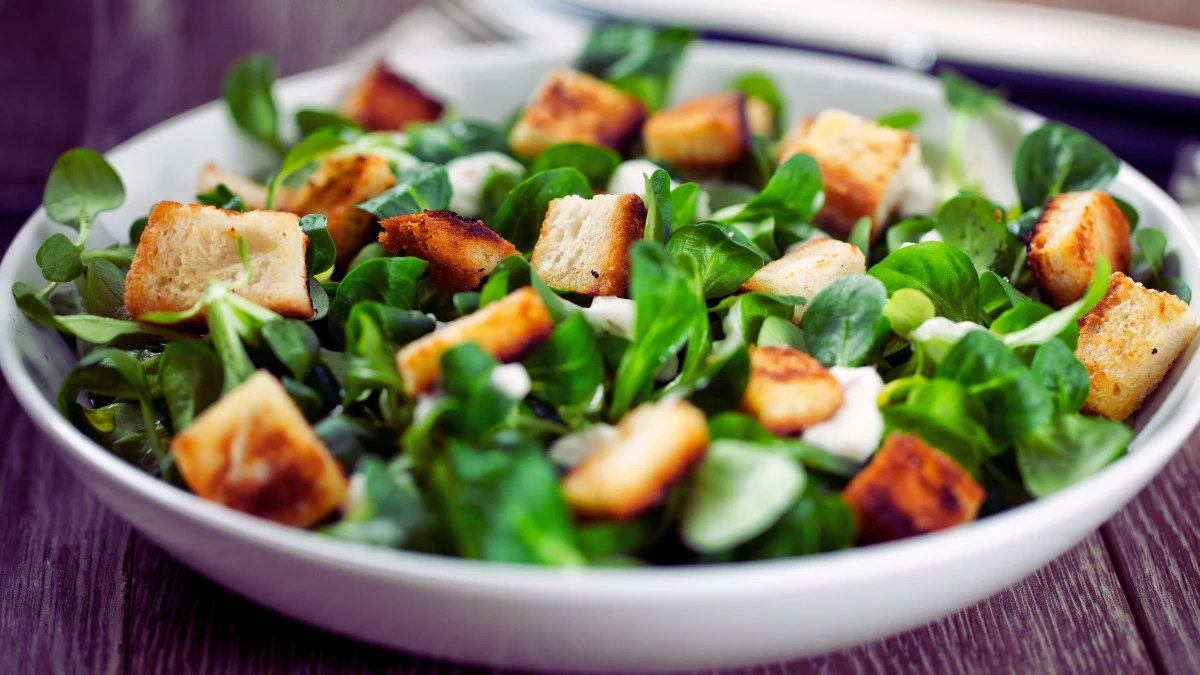
Salads have a reputation as the ultimate healthy meal. This reputation falters when we examine common additions like sweet dressings and croutons.
Many commercial dressings contain surprising amounts of sugar in the form of honey, high fructose corn syrup, or fruit juice concentrates.
Croutons contribute to another problem through their refined carbohydrate content. These crunchy toppings are essentially white bread that’s been dried and often coated with oil and salt.
A typical restaurant Caesar salad with dressing and croutons can contain approximately 35 grams of carbohydrates—similar to some pasta dishes.
The combination of quick-digesting refined carbs from croutons and hidden sugars from dressing creates a blood sugar impact that contradicts the salad’s healthy image.
Building a better salad starts with keeping the leafy greens and vegetables as the main components. Replace croutons with a sprinkle of nuts or seeds for crunch.
Make dressing from scratch using olive oil, vinegar, herbs, and spices without added sugars. Adding protein like grilled chicken, hard-boiled eggs, or beans creates staying power and helps moderate any blood sugar response from the meal’s carbohydrate content.