

Your heart works tirelessly, but after 50, it faces hidden threats. Silent heart attacks strike without warning, often mistaken for indigestion or muscle pain.
Many victims never know until permanent damage occurs. Cardiologists confirm that simple daily habits dramatically cut your risk.
These 15 heart-saving strategies work even if you’ve never exercised, have a family history of heart disease, or already take medications. Start with just one habit today, your heart can’t wait for tomorrow.
1. Quit Smoking

Smoking damages your blood vessels from the inside out, forcing your heart to work harder with every beat. The chemicals in cigarettes cause plaque to build up in your arteries while simultaneously reducing oxygen in your bloodstream.
Your body feels this stress immediately, but the long-term damage is what truly threatens your heart health. Former smokers see benefits almost right away.
Within just 20 minutes of your last cigarette, your heart rate begins to drop. After one day, your risk of heart attack starts to decrease as carbon monoxide levels in your blood return to normal.
By the one-year mark, your risk of coronary heart disease cuts in half compared to when you were smoking. Even if you’ve smoked for decades, quitting now makes a real difference.
Your body has remarkable healing abilities when given the chance. Talk to your doctor about cessation strategies that might work for you—from nicotine replacement to support groups to medication.
2. Adopt a Mediterranean Diet
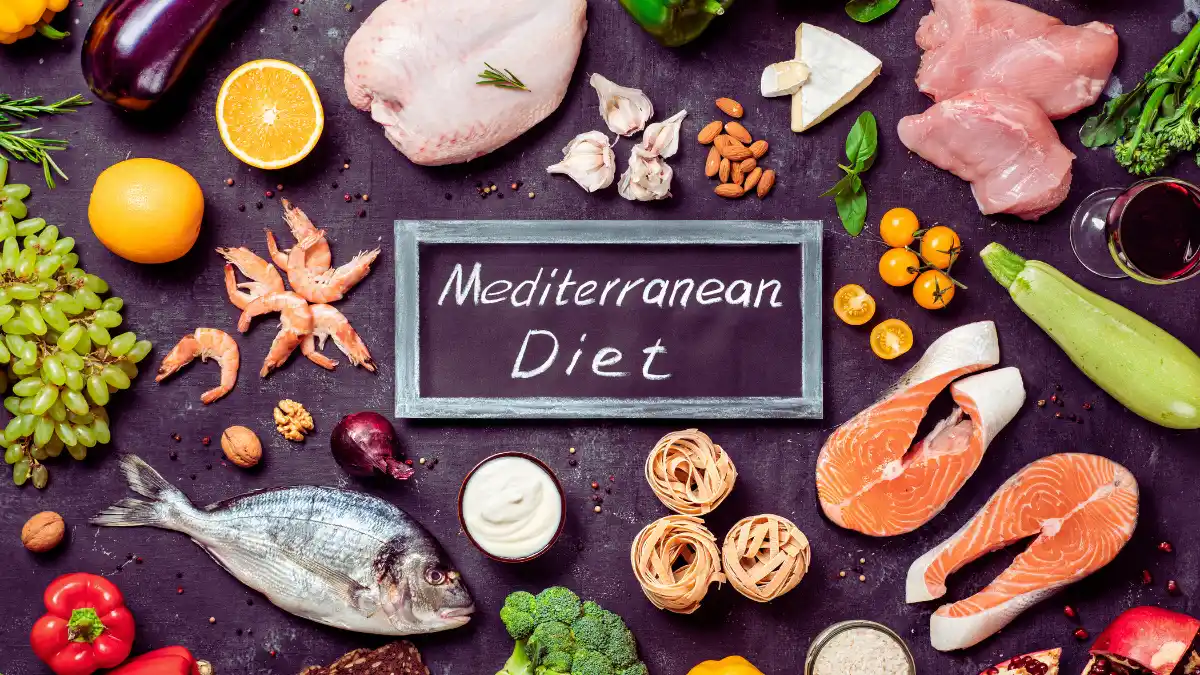
Your daily food choices build or break your heart health with each meal. The Mediterranean diet focuses on plant foods, olive oil, fish, and minimal red meat—a pattern that actively fights inflammation in your body.
This way of eating isn’t about strict rules but about shifting toward foods that protect your arteries. Olive oil replaces butter and margarine as your primary fat, coating your cells with protective compounds.
Nuts provide healthy fats that help lower bad cholesterol, while colorful fruits and vegetables deliver antioxidants that keep your blood vessels flexible.
Fish brings omega-3 fatty acids that calm inflammatory responses throughout your cardiovascular system. Start small by swapping one meal each day to match this pattern.
Add a handful of nuts as a snack instead of processed foods. Cook with olive oil tonight instead of butter. These simple changes add up quickly, giving your heart better building blocks for repair and maintenance.
3. Exercise Regularly

Your heart strengthens with each workout, just like any other muscle in your body. Regular physical activity trains your cardiovascular system to pump blood more efficiently, reducing strain during rest and activity.
Blood pressure drops, oxygen delivery improves, and your heart can handle stress with less strain. Walking counts—and counts significantly.
A brisk 30-minute walk five days a week meets the basic recommendation for heart health. Strength training twice weekly maintains muscle mass helps regulate blood sugar and supports healthy metabolism.
The goal is 150 minutes of moderate activity each week, but any movement helps. The best exercise program is one you’ll do consistently.
Find activities you enjoy, whether that’s swimming, dancing, cycling, or gardening. Your heart benefits most from regular activity rather than occasional intense workouts. Start where you are—even five minutes counts—and gradually build your endurance.
4. Limit Alcohol Intake

Alcohol affects your heart in multiple ways that become increasingly dangerous after age 50. While small amounts might offer some protective benefits, excess drinking raises blood pressure, adds empty calories, and stresses your heart muscle.
Your aging cardiovascular system becomes more vulnerable to these effects with each passing year. Women should limit consumption to one drink daily, while men should cap at two.
One drink equals 12 ounces of beer, 5 ounces of wine, or 1.5 ounces of spirits. Pay attention to oversized glasses that might contain more than one standard serving—a common issue at restaurants and bars.
Your heart will thank you for moderation or abstinence. Reduced alcohol intake lowers triglycerides, reduces inflammation, and helps maintain healthy blood pressure.
Many people notice improved sleep and energy levels too, which further support cardiovascular health. If cutting back proves challenging, speak with your healthcare provider about support options.
5. Prioritize Sleep

Sleep serves as your body’s essential repair time, allowing your heart rate to slow and blood pressure to drop. This nightly restoration period gives your cardiovascular system crucial recovery hours.
Without adequate sleep, stress hormones remain elevated, inflammation increases, and your blood pressure regulation suffers.
Most adults over 50 need seven to nine hours of quality sleep each night. Creating a consistent schedule helps—go to bed and wake up at similar times each day, even on weekends.
Your bedroom environment matters too: keep it dark, quiet, cool, and free from electronic devices that disrupt natural sleep patterns.
Watch for signs of sleep apnea, which becomes more common with age. Loud snoring, gasping during sleep, or persistent daytime fatigue warrant a conversation with your doctor.
Treating sleep disorders can dramatically improve heart health by ensuring your body gets true restorative rest each night.

Your body reacts to stress by releasing hormones that raise blood pressure and heart rate. This normal response becomes harmful when stress persists day after day.
Long-term stress forces your cardiovascular system to remain on high alert, damaging blood vessels and promoting inflammation that contributes to heart disease.
Finding effective stress management techniques protects your heart from this constant strain. Some people benefit from meditation or deep breathing exercises that activate the relaxation response.
Others find relief through physical activity, which burns off stress hormones while strengthening the heart. Creative outlets like art, music, or gardening can also provide mental breaks from daily pressures.
What works varies from person to person. Experiment with different approaches until you find what helps you feel calmer. Even small breaks throughout your day can make a difference.
Social connections matter too—talking with friends or family often reduces stress levels naturally. Your heart responds quickly to stress reduction, so these efforts pay off almost immediately.
7. Control Blood Pressure

High blood pressure silently damages arterial walls, making them more vulnerable to plaque buildup. Many people feel no symptoms while their cardiovascular system sustains ongoing injury.
Getting regular measurements helps catch this condition early when lifestyle changes can still make a significant difference.
The SPRINT Trial published in the New England Journal of Medicine found that keeping systolic blood pressure below 120 mmHg reduced cardiovascular events by 25% compared to the standard target of 140 mmHg.
This research shows how crucial tight blood pressure control becomes after age 50. Reducing sodium intake makes a real difference for many people.
Limiting processed foods cuts sodium dramatically since they account for most dietary salt in American diets. Medications often play an important role in management.
ACE inhibitors, calcium channel blockers, and other prescription options can help bring numbers into the healthy range.
Home monitoring between doctor visits helps track how well your treatment plan works. Small changes add up—losing even 10 pounds can lower blood pressure significantly for many adults.
8. Monitor Cholesterol Levels

Cholesterol numbers tell an important story about your heart health risk. LDL (low-density lipoprotein) can build up in artery walls, while HDL (high-density lipoprotein) helps remove this buildup.
Your total cholesterol matters, but the ratio between these two types offers even more insight into your heart disease risk.
Regular testing becomes increasingly important after 50 when cholesterol levels often rise. Your doctor might recommend statins if your LDL remains high despite lifestyle changes.
These medications can reduce LDL by 20-60%, significantly lowering heart attack risk. Some people benefit from newer medications like PCSK9 inhibitors when statins aren’t enough or cause side effects.
Dietary changes support medication efforts or might be enough on their own for some people. Cutting back on saturated fats from red meat and full-fat dairy helps lower LDL.
Adding plant sterols found in nuts, seeds, and vegetable oils can actively reduce cholesterol absorption. The combination of diet, exercise, and appropriate medication offers powerful protection against heart disease.
9. Manage Blood Sugar

Sugar circulating in your bloodstream damages blood vessels throughout your body. This process happens slowly over the years, often without obvious symptoms until significant damage occurs.
High blood sugar particularly affects the small vessels that nourish your heart muscle, increasing both heart attack and stroke risk substantially.
Testing matters—your A1C measurement shows average blood sugar over three months, providing a clearer picture than individual glucose readings.
For most adults over 50, keeping A1C below 7% helps protect cardiovascular health. Weight loss often improves blood sugar control dramatically.
Losing just 5-7% of your current weight can lower diabetes risk and improve existing blood sugar issues. Carbohydrate quality makes a difference too.
Choosing whole grains, beans, and intact fruits instead of processed carbs helps prevent blood sugar spikes. Regular physical activity increases your cells’ sensitivity to insulin, allowing your body to process glucose more efficiently.
For some people, medications become necessary to maintain healthy levels. Newer options like SGLT2 inhibitors not only control blood sugar but also offer direct heart protection.
10. Increase Dietary Fiber Intake

Every bite of fiber-rich food works in multiple ways to protect your heart. Soluble fiber—found abundantly in oats, beans, and apples—binds with cholesterol in your digestive tract, pulling it out of your body before it can enter circulation. Insoluble fiber helps control weight by creating fullness with fewer calories.
A 2021 meta-analysis published in the European Heart Journal found that consuming 25-29 grams of fiber daily reduced cardiovascular disease mortality by 15-30%.
Whole foods work better than supplements because they provide a mix of fiber types along with other protective nutrients.
Starting your day with oatmeal topped with berries delivers multiple fiber sources in one simple meal. Working up to the recommended amount gradually prevents digestive discomfort.
Adding just one additional serving of beans, whole grains, or vegetables each day makes a meaningful difference. Water intake matters too—fiber needs fluid to work effectively in your digestive system.
Your microbiome changes positively within days of increasing fiber intake, creating additional heart health benefits through reduced inflammation.
11. Consume Omega-3 Fatty Acids
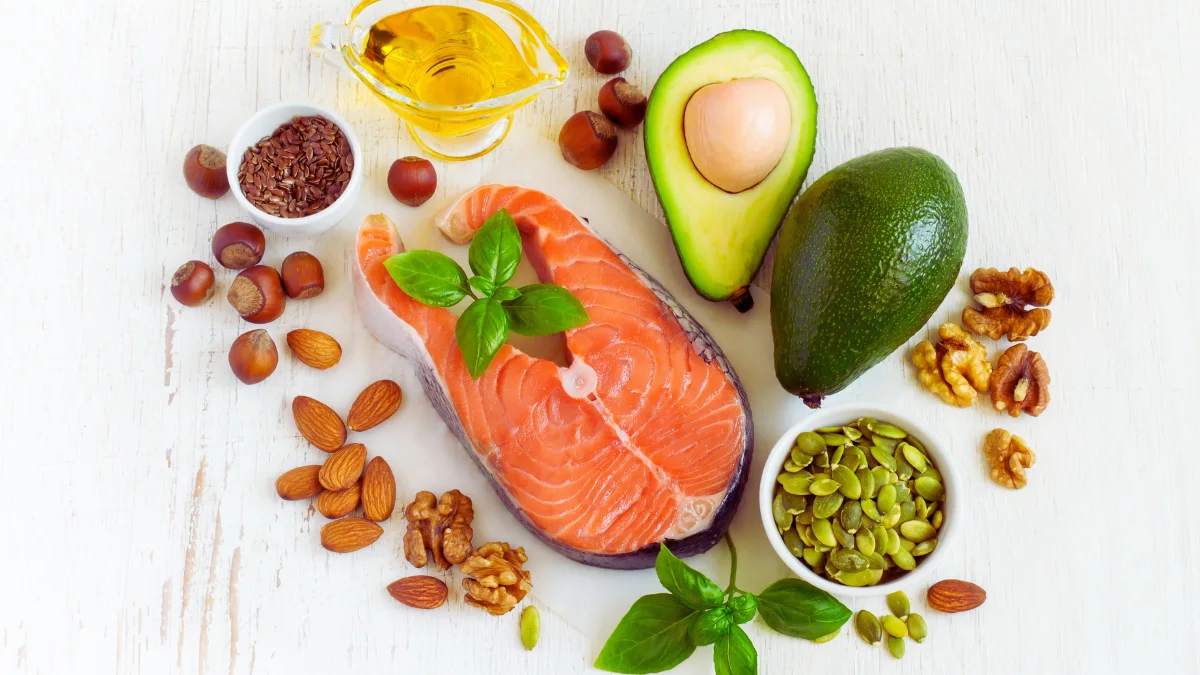
Your body can’t produce these essential fats on its own, yet they play crucial roles in heart health. Omega-3s work to reduce inflammation throughout your cardiovascular system while helping maintain healthy heart rhythm and blood pressure.
They also make blood platelets less sticky, reducing clot formation risk that can lead to heart attacks. Fish like salmon, mackerel, and sardines provide the most potent forms of omega-3s called EPA and DHA.
Eating fatty fish twice weekly gives your heart consistent protection. Plant sources such as flaxseeds, chia seeds, and walnuts contain a different form called ALA, which your body partially converts to the more active types.
Both sources help, but animal omega-3s offer more direct cardiovascular benefits. Supplements can fill gaps when dietary intake falls short.
Fish oil capsules containing 1 gram of combined EPA and DHA daily provide meaningful heart protection for many adults.
Quality matters with supplements—look for products that verify purity and potency through third-party testing. Talk with your doctor about whether supplementation makes sense alongside your dietary intake.
12. Reduce Sodium Intake
Salt hides everywhere in modern diets, forcing millions of hearts to work harder than necessary. Your body retains water with high sodium intake, increasing blood volume and putting pressure on arterial walls.
This strain becomes particularly problematic after age 50 when blood vessels have lost some natural elasticity. Processed foods account for about 75% of sodium intake for most Americans.
Bread, canned soups, deli meats, and restaurant meals often contain surprising amounts of salt. Reading labels helps identify hidden sources—aim for products with less than 140mg per serving for lower-sodium options.
Cooking at home puts you in control of salt levels, allowing you to flavor foods with herbs, spices, citrus, and vinegar instead.
Your taste buds adapt to lower sodium levels within weeks. What seemed bland initially will begin tasting normal, and eventually, heavily salted foods may taste uncomfortably intense.
Most adults should limit sodium to 1,500-2,300mg daily, but those with hypertension or heart failure often benefit from stricter limits. Small changes add up quickly—skipping the salt shaker alone can cut intake significantly.
13. Stay Hydrated

Water flows through every aspect of heart health, from blood consistency to temperature regulation. Proper hydration keeps your blood flowing smoothly through vessels, while dehydration makes blood thicker and harder to pump.
Your heart must work significantly harder when you’re even mildly dehydrated, creating unnecessary strain. Signs of inadequate fluid intake include dark urine, fatigue, headaches, and dizziness when standing up.
Most adults need about 8-10 cups of fluid daily, with requirements increasing during hot weather or physical activity.
Water works best for hydration, but tea, coffee, and other beverages count too. Fruits and vegetables with high water content, like cucumbers, oranges, and strawberries, contribute to your daily intake.
Morning offers a prime opportunity to rehydrate after hours without fluid. Try starting each day with a full glass of water before your coffee or tea.
Carrying a reusable water bottle serves as both convenience and a reminder. Your hydration needs change with age and health conditions—some heart medications increase fluid requirements while others necessitate careful monitoring to avoid overhydration.
14. Maintain Social Connections

Your heart responds physically to emotional experiences, including social interactions. Strong relationships create a biological buffer against stress while isolation triggers inflammatory responses similar to smoking or high blood pressure.
Emotional support from meaningful connections directly impacts cardiovascular health through multiple pathways.
Regular social engagement keeps you physically active and mentally stimulated, both of which protect heart health.
Having lunch with friends, walking with neighbors, or volunteering all combine social connections with other heart-healthy behaviors.
Phone calls and video chats matter too—the emotional benefits of connection exist even when physical presence isn’t possible.
Building and maintaining relationships takes deliberate effort, especially after retirement or other life transitions.
Community centers, faith organizations, volunteer opportunities, and clubs organized around shared interests offer pathways to new connections.
Even brief positive interactions, like chatting with store clerks or neighbors, contribute to your social well-being.
Quality matters more than quantity—a few meaningful relationships provide more heart protection than many superficial ones.
15. Get Regular Heart Screenings

Silent cardiovascular disease often progresses for years before causing symptoms. Regular screenings catch problems while intervention can still prevent major events.
Basic tests like blood pressure, cholesterol panels, and blood glucose measurements provide crucial information about your heart disease risk.
Your doctor might recommend additional tests based on your personal risk factors. Electrocardiograms (EKGs) check heart rhythm and can detect previous heart damage.
Stress tests show how your heart performs during physical activity, revealing problems that remain hidden at rest. Newer screening tools like coronary calcium scans can detect early plaque buildup before it blocks arteries.
Home monitoring complements clinical care by tracking patterns between appointments. Blood pressure cuffs, blood glucose meters, and even wearable heart monitors provide valuable data about how your cardiovascular system functions in daily life.
Being your health advocate matters—ask questions about screening options and follow up on concerning results. Early detection allows for less invasive treatments and better outcomes across all aspects of heart health.