
Harvard researchers spend their careers studying how people live longer. However, what most people don’t know is that these experts also follow specific daily habits themselves.
Not complicated biohacking protocols. Not extreme diets. Simple micro-habits that take minutes but add years to your life.
You’ve probably seen wellness trends promise you’ll live to 100. Most are hype. But what if you could peek into the actual routines of doctors like Peter Attia, David Sinclair, and Dan Buettner? These are people who read studies for a living and then decide what’s worth doing.
1. Get Morning Sunlight Within 30 Minutes of Waking

Your body runs on an internal clock. Light tells the clock when to wake up and when to sleep.
Getting sunlight in the morning does more than wake you up. It sets your circadian rhythm, which controls your sleep, metabolism, mental performance, and immune system.
A study published in the Journal of Internal Medicine followed over 80,000 people and found that those who got the most daily sunlight had a 30% lower death rate than people who stayed indoors. The researchers said avoiding sunlight carried a similar mortality risk as smoking.
Neuroscientist Andrew Huberman calls this his top morning priority. He steps outside within 30 minutes of waking every single day.
How to do it:
- Step outside for 10-20 minutes
- Don’t wear sunglasses (you need light to hit your eyes)
- Cloudy days still work—just stay out a bit longer
- Can’t go outside? Sit by a bright window
Morning light improves your mood, helps you sleep better at night, and supports your immune system. All from a 10-minute walk.
You don’t need to exercise or meditate. Just stand there. Check your phone if you want. The light does the work.
Start tomorrow. Set your alarm 10 minutes earlier and step outside before you do anything else.
2. Drink Water Immediately Upon Waking

Your body loses water overnight through breathing and natural processes. You wake up dehydrated every single morning.
Most people reach for coffee first. Big mistake.
Dr. David Sinclair, a Harvard geneticist who studies aging, drinks hot water with lemon before anything else. Peter Attia does the same.
Drinking water first thing helps hydrate you and improves your body’s ability to burn calories. It wakes up your digestive system. It helps your brain work better.
This habit takes 30 seconds.
How to do it:
- Keep a glass of water by your bed
- Drink 16-20 ounces when you wake up
- Room temperature or warm water is easier on your stomach
- Add lemon if you want (Sinclair does)
You can still have your coffee. Just drink water first.
Your energy levels will be better. Your thinking will be clearer. And you’ll start every day doing something good for your body.
One glass. That’s it.
3. Practice Time-Restricted Eating (12-16 Hour Fasting Window)

You don’t need to count calories. You just need to watch the clock.
Most longevity experts eat within an 8-12-hour window and fast for 12-16 hours daily. This is called time-restricted eating.
Dr. Valter Longo, who runs USC’s Longevity Institute, recommends 12 hours of daily fasting. Eat between 8 AM and 8 PM, or 7 AM and 7 PM.
Dan Buettner, who studies the world’s longest-lived people, eats within a 10-12-hour window.
Why does this work? When you’re not eating, your body can clean up old cells. Scientists call this autophagy. Think of it like taking out the trash in your cells.
How to do it:
- Pick your eating window (try 8 AM to 8 PM to start)
- Eat normally during that time
- Outside that window: water, black coffee, or tea only
- Don’t obsess about being exact
Peter Attia recommends not eating within 3 hours of bedtime. This helps you sleep better.
If you finish dinner at 7 PM, don’t eat breakfast until 7 AM. That’s 12 hours. You’re asleep for most of it.
This is easier than any diet you’ve tried. You can eat the same foods. Just narrow the window when you eat them.
Start with 12 hours. Once that feels easy, try 14 hours. Some people work up to 16 hours, but you don’t have to.
The benefit isn’t starving yourself. It’s giving your body regular breaks from digesting food.
4. Prioritize Protein at Every Meal (Especially Breakfast)

You’re probably not eating enough protein. Most people aren’t.
Dr. Peter Attia aims for 40-50 grams of protein four times daily. That’s 160-200 grams total per day.
Sounds like a lot? Attia recommends 1.6 grams per kilogram of body weight as the minimum—double what the government says you need. Some experts say go even higher if you’re active.
Why protein? Because muscle mass keeps you alive as you age. Losing muscle is one of the fastest ways to lose independence in your 70s and 80s.
A protein-rich breakfast decreases your appetite and helps you eat less throughout the day. You feel full longer.
How much do you need? For a 150-pound person (68 kg):
- Minimum: 109 grams daily
- Better: 150 grams daily
Where to get it:
- Eggs: 6g per egg
- Greek yogurt: 15-20g per cup
- Chicken breast: 30g per 4 oz
- Protein shake: 20-30g per scoop
- Fish: 25g per 4 oz
Attia spaces his protein throughout the day—25% at each meal (9 AM, 12 PM, 3 PM, 6 PM).
Start tracking for one week. You’ll probably be surprised by how little you’re getting.
Aim for 30 grams at breakfast. That’s three eggs or a protein shake with Greek yogurt. Your body will use it to maintain and build muscle.
As you age, protein needs go up. Start the habit now.
5. Eat a Predominantly Plant-Based Diet

The longest-lived people on earth don’t eat much meat.
Longevity experts recommend a mostly plant-based diet including whole grains, legumes, vegetables, nuts, and limited meat.
Dr. Longo suggests no red or white meat between the ages of 20-70. Maybe 2-3 eggs per week, maximum, and very little cheese.
Before you panic, you don’t have to go vegan.
In Blue Zones (places where people live longest), residents eat meat about once per week in palm-sized portions. The rest of the time: plants.
Adding three foods—legumes, whole grains, and nuts—could add 5-7 years to your lifespan. Skipping processed meat helps too.
Just one cup of beans daily is linked to an extra four years of life expectancy.
What to eat more of:
- Vegetables (all colors)
- Beans and lentils
- Whole grains (oats, brown rice, quinoa)
- Nuts and seeds
- Mushrooms
- Fish (especially fatty fish like salmon)
What to eat less of:
- Red meat
- Processed meat (bacon, sausage, deli meat)
- Highly processed foods
- Excess cheese
The Mediterranean diet follows this pattern. It has the strongest evidence for longevity.
You don’t need to be perfect. Just shift your ratio. If half your plate is currently meat, make it a quarter. Fill the rest with vegetables and whole grains.
Beans are cheap. Vegetables are everywhere. This doesn’t have to be expensive or complicated.
6. Move Naturally Throughout the Day (Not Just Gym Time)

The world’s longest-lived people don’t have gym memberships.
In Blue Zone communities, people move naturally every 20 minutes through walking, gardening, household chores, and taking stairs. No treadmills. No CrossFit. Just constant, gentle movement.
Dan Buettner does “something physical every single day” but doesn’t enjoy intense workouts. He focuses on activities he actually likes.
Your body wasn’t designed to sit for 8 hours, then sprint on a treadmill for 30 minutes. It was designed to move all day long.
Ways to move naturally:
- Take every phone call standing or walking
- Use stairs instead of elevators
- Park farther away
- Garden or do yard work
- Play with your kids or pets
- Walk to nearby errands
- Stand while cooking
David Sinclair uses a standing desk. He alternates between sitting and standing throughout the day.
The goal isn’t to exhaust yourself. It’s to avoid being still for too long.
Set a timer on your phone. Every hour, move for 2-3 minutes. Walk to get water. Do a few stretches. Anything.
This matters more than you think. Sitting for long periods increases your risk of dying early—even if you exercise regularly.
Movement should feel natural, not like punishment.
7. Do Zone 2 Cardio 3-4 Times Per Week

Zone 2 cardio sounds technical. It’s not.
Dr. Attia rides a stationary bike or rows for 45-60 minutes, four days per week, in Zone 2.
Zone 2 means you can barely hold a conversation, but you’re not gasping for breath. If someone asked you a question, you could answer in short sentences.
Why does this matter? Your VO2 max (how well your body uses oxygen) is more strongly linked to how long you live than blood pressure, cholesterol, or even smoking.
Zone 2 cardio improves your VO2 max. It makes your cells better at using energy. And it’s not brutal.
How to do it:
- Walk at a brisk pace (most accessible option)
- Ride a bike
- Swim
- Use a rowing machine
- Do any cardio at 60-70% of your max heart rate
You should be able to watch TV or listen to a podcast while doing it. If you’re suffering, you’re going too hard.
Aim for 45-60 minutes, 3-4 times per week.
Can’t do an hour? Start with 20 minutes. Work up gradually.
This isn’t sexy. You won’t see dramatic changes in a week. But over months and years, it’s one of the most powerful things you can do for longevity.
Most people skip this because it feels too easy. That’s the point. You should be able to sustain this pace for a long time.
8. Strength Train 2-3 Times Per Week

Cardio keeps your heart healthy. Strength training keeps you independent.
Strength training twice weekly with aerobic exercise three times per week increases your chances of living to 90.
Resistance training is linked to a lower risk of death from all causes and improves bone density. Strong bones matter when you’re 70.
Building muscle in your 60s is much harder than in your 30s and 40s. You need to build a reserve now.
Think about this: at 80 years old, can you get up off the floor by yourself? Can you carry groceries? Can you play with your grandkids?
Strength training determines your answers to those questions.
Attia does 45-60 minute full-body workouts three times per week, targeting all major muscle groups.
Focus on these movements:
- Squats (or variations)
- Pushing (push-ups, overhead press)
- Pulling (rows, pull-ups)
- Carrying heavy things
You don’t need heavy weights to start. Bodyweight exercises work fine.
Two or three times per week. That’s it. You can do it at home with minimal equipment.
The goal isn’t to look like a bodybuilder. It’s to maintain muscle mass and strength as you age.
Muscle is your longevity insurance policy.
9. Include High-Intensity Interval Training Weekly
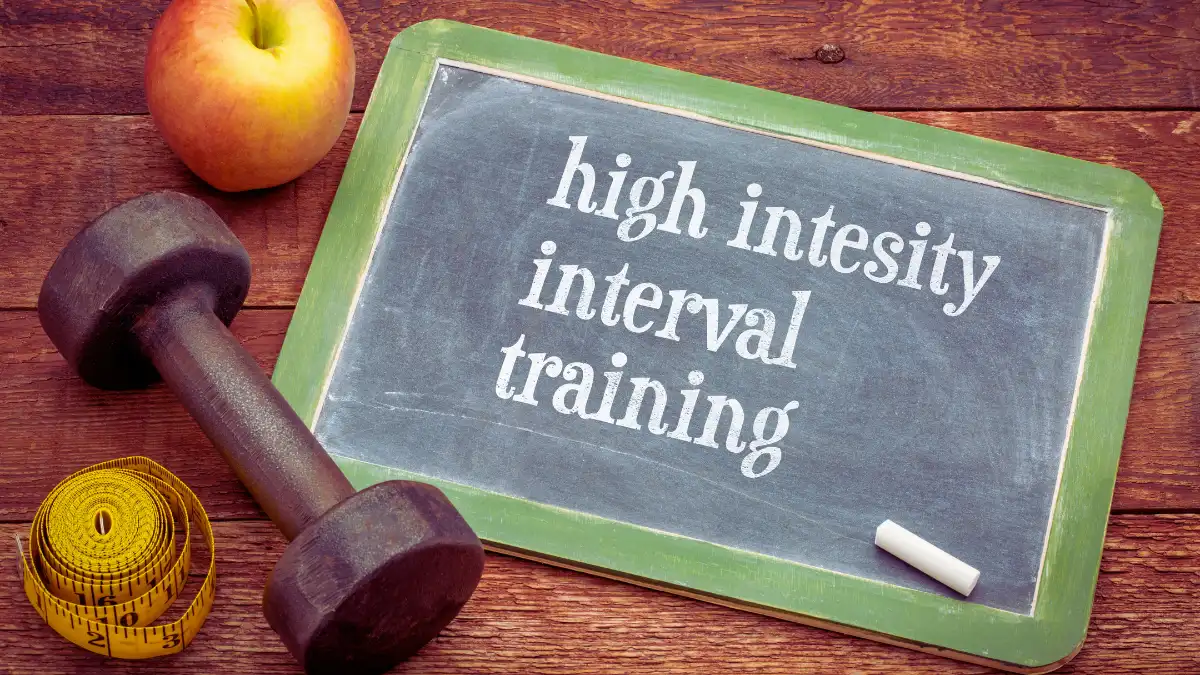
Once per week, you need to push hard.
Dr. Attia recommends VO2 max training: cycling, running, or rowing close to all-out maximum for 4 minutes, rest 4 minutes, repeat 4 times.
This is the 4×4 protocol. It’s brutal. But it works.
Peak cardiorespiratory fitness (VO2 max) is perhaps the single most powerful marker for longevity. Higher VO2 max = living longer.
Here’s the bad news: After age 25, VO2 max drops 10% per decade. After 50, it drops 15% per decade.
The good news? You can slow this decline with high-intensity training.
How to do it:
- Warm up for 10 minutes
- Go hard for 4 minutes (8-9 out of 10 effort)
- Rest or go easy for 4 minutes
- Repeat 4 times
- Cool down
This should feel very challenging. You should want it to end.
You only need this once per week. It complements the easier Zone 2 cardio.
Don’t have a bike or a rowing machine? Sprint up a hill. Run stairs. Do burpees. Anything that gets your heart rate way up.
If you’re new to exercise, build up to this. Get comfortable with Zone 2 cardio first. Then add intensity.
This one workout per week can make you functionally younger. It protects your cardiovascular system better than almost anything else.
10. Prioritize 7-8 Hours of Quality Sleep

Sleep isn’t optional. It’s when your body repairs itself.
Men who get enough sleep live five years longer than those who don’t. Poor sleep increases your risk of dementia and Alzheimer’s disease.
Sleep is when your brain clears out waste. It’s when your muscles recover. It’s when your DNA gets repaired.
Every longevity expert tracks their sleep. Dr. Sinclair aims for 6-8 hours and uses an Oura Ring to track it.
How to improve your sleep:
- Keep your bedroom cool (65-68°F is ideal)
- Make it completely dark (blackout curtains or an eye mask)
- Don’t eat within 3 hours of bedtime
- Go to bed at the same time every night
- Get morning sunlight (remember habit #1?)
Most people focus on how to fall asleep. But sleep quality matters more than hours in bed.
You can be in bed for 8 hours, but only sleep 6. That’s not enough.
Track your sleep for a week. Use your phone or a simple fitness tracker. See what you’re actually getting.
If you’re consistently under 7 hours, something needs to change. Go to bed earlier. Fix your sleep environment. Make it a priority.
Poor sleep makes everything else harder. Your workouts suffer. Your diet suffers. Your mood suffers.
Good sleep makes everything easier.
11. Practice Stress Management Daily

Stress will kill you. That’s not dramatic—it’s true.
A 2024 review found that regularly experiencing stress and anxiety increases your chance of developing heart disease.
Chronic stress speeds up biological aging. It damages your cells. It weakens your immune system.
In Blue Zone communities, people have daily routines to shed stress: prayer, honoring ancestors, napping, yoga, and meditation.
Dr. Avinish Reddy, a longevity physician, meditates daily to reduce stress.
You need a daily practice. Not “I’ll relax on vacation.” Daily.
Options that work:
- 10 minutes of meditation or breathwork
- A walk in nature
- Journaling
- Playing with pets
- Calling a friend
- Yoga or stretching
The best stress management is the one you’ll actually do.
Meditation isn’t magic. But taking 10 minutes to sit quietly and breathe deeply? That signals your nervous system to calm down.
You can’t eliminate stress. Life is stressful. But you can give your body regular breaks from the stress response.
Think of it like taking out the trash. If you never take it out, it piles up and stinks. Your stress is the same.
Ten minutes per day. That’s it. Not as a reward for being stressed. As a daily habit, like brushing your teeth.
Your body needs this.
12. Cultivate Strong Social Connections

Loneliness is as deadly as smoking 15 cigarettes per day.
Maintaining healthy social networks improves longevity and leads to better health.
Creating a healthy social circle can add up to 7 years to your life expectancy. Seven years.
All but five of the 263 centenarians Dan Buettner interviewed belonged to faith-based communities. Not because religion itself extends life. Because community does.
A Harvard study found that people with the strongest connections were the happiest and lived the longest.
This isn’t about having 1,000 friends. It’s about having real connections with a few people.
Dr. Reddy talks to his parents daily, maintains college friendships, and joined a basketball league. Those are his connections.
Dan Buettner goes out for dinner with friends nearly every night. He prioritizes social time even when it doesn’t perfectly align with his longevity diet.
How to build connections:
- Call one friend per week (actually call, don’t text)
- Join a club or group that meets regularly
- Volunteer somewhere
- Take a class
- Show up to family events
- Be the person who organizes things
Quality beats quantity. One deep friendship matters more than 100 shallow ones.
If you’re isolated, fix this first. Before you worry about your diet or exercise routine.
Social connection isn’t a soft science. It’s hard data. People with strong relationships live longer, healthier lives.
Schedule it. Put it on your calendar. Treat social time like a doctor’s appointment—it’s that important for your health.
13. Use Sauna 2-4 Times Per Week

Saunas aren’t just relaxing. They’re medicine.
A landmark 2015 Finnish study published in JAMA Internal Medicine tracked over 2,300 middle-aged men for 20 years. Those who used a sauna 4-7 times per week had a 50% lower all-cause mortality rate compared to those who used it once weekly. The study also found significant reductions in cardiovascular disease and sudden cardiac death.
Dr. Peter Attia changed his mind on saunas after reviewing the evidence. He now considers them essential for longevity.
Sauna use improves cardiovascular health. It reduces inflammation. It may even help your brain stay sharp as you age.
Studies suggest 57 minutes per week of heat therapy plus 11 minutes of cold therapy optimizes metabolism.
Attia’s minimum effective dose: four 20-minute sessions per week at 175°F.
His personal protocol: 15 minutes at 198°F followed by a cold plunge.
How to start:
- Join a gym with a sauna
- Install a home sauna (getting cheaper)
- Start at lower temps if you’re new (160-170°F)
- Work up to 20 minutes per session
- Aim for 2-4 times per week
The traditional Finnish sauna has the most research. Not infrared saunas or steam rooms—though those might help too.
You should feel uncomfortably hot. That’s the point. Your heart rate goes up. You sweat. Your body adapts.
If you can’t access a sauna, hot baths help but aren’t quite as effective.
This habit requires more setup than others on this list. But the data is clear: regular sauna use significantly reduces your risk of dying from any cause.
14. Take Strategic Cold Exposure

Cold is uncomfortable. That’s why it works.
Cold plunges activate cold-shock proteins that preserve muscle mass, reduce cognitive decline and inflammation, and improve mood and sleep.
Combined with sauna, you want about 11 minutes per week of cold therapy.
Cold exposure boosts your metabolism. It strengthens your immune system. And it builds mental toughness.
This habit is optional. You can live a long, healthy life without cold plunges. But many longevity researchers include it because the benefits are real.
How to do it:
- End your shower with 30-60 seconds of cold water
- Take a 2-3 minute cold shower 2-3 times per week
- Ice bath for 1-2 minutes if you have access
- Start warm, then gradually make it colder
The Nordic tradition is sauna, followed immediately by cold water. The contrast is what matters.
You don’t need to suffer for 10 minutes in an ice bath. Even 1-2 minutes of uncomfortable cold triggers the adaptation.
Your first time will be awful. You’ll gasp. You’ll want to jump out immediately. That’s normal.
By the tenth time, it’s easier. Your body adapts.
If you have heart problems or high blood pressure, talk to your doctor first. Cold stress is real stress on your cardiovascular system.
For most healthy people, cold exposure is safe and beneficial. Start small. Build gradually.
The mental benefit is real, too. Starting your day by conquering something uncomfortable sets a tone for the rest of your day.
15. Track Key Health Biomarkers
You can’t improve what you don’t measure.
Dr. Reddy tracks everything he feels needs monitoring daily—glucose, steps, sleep.
Professor Sinclair has his blood tested every few months for dozens of biomarkers.
Attia focuses on tracking VO2 max, muscle mass, and grip strength. He cares less about fancy epigenetic clocks.
Knowledge gives you power. When you track something, you pay attention to it. When you see it getting worse, you change your behavior.
Basic tracking (free with your smartphone):
- Weight (weekly, same day/time)
- Sleep duration and quality
- Daily steps
- Mood and energy levels
Intermediate tracking:
- Continuous glucose monitor (see how food affects you)
- Fitness tracker or smartwatch
- Blood pressure at home
- Body measurements
Advanced tracking:
- Comprehensive blood work annually
- VO2 max test
- DEXA scan (bone density and body composition)
- Grip strength
You don’t need expensive tests to start. Begin with the basics.
Track your sleep for a month. Are you really getting 7-8 hours? Or are you in bed for 8 hours but only sleeping 6?
Track your steps. Are you hitting 7,000-10,000 per day? Or are you barely moving?
Track your protein intake for a week. You’ll probably be shocked at how little you’re getting.
Data removes guesswork. It shows you what’s working and what’s not.
The goal isn’t to obsess over every number. It’s important to pay attention to trends over time.
If your resting heart rate is slowly increasing over months, that’s a warning sign. If your sleep quality is declining, something needs to change.
Track what matters to you. Ignore the rest.