

Managing diabetes through diet feels overwhelming. What foods truly help control blood sugar? Which choices taste good while keeping glucose stable?
Millions face daily decisions about what to eat, with serious health consequences for poor choices. Simple food swaps can dramatically improve your blood sugar control without sacrificing flavor.
These 15 foods not only help manage diabetes but also boost overall health. From leafy greens to surprising spices, this evidence-backed list gives you practical options you can add to your meals today.
1. Leafy Greens (Spinach, Kale)

Spinach and kale contain minimal carbs while offering substantial magnesium and antioxidants, making them excellent choices for blood sugar management.
These nutrients work together to improve how your body responds to insulin, helping maintain stable glucose levels throughout the day.
The fiber in leafy greens slows down how quickly your body absorbs sugar, preventing those harmful spikes that can damage your system over time.
You can easily add these powerhouses to smoothies, and salads, or sauté them as a side dish. Many people find that starting with small amounts helps them adjust to including more greens in their meals.
Calcium and vitamin K in these vegetables support bone health, offering additional benefits beyond diabetes management.
Regular consumption may help reduce inflammation and oxidative stress, two factors that often worsen diabetic complications.
Try rotating different varieties like Swiss chard, collard greens, and arugula to get a wider range of nutrients while keeping meals interesting.
2. Berries (Blueberries, Strawberries)

Blueberries and strawberries pack serious health benefits into small packages. Their low glycemic load means they won’t cause dramatic blood sugar fluctuations, unlike many other fruits with higher sugar content.
Anthocyanins give berries their vibrant colors and act as powerful antioxidants in your body, fighting inflammation and improving how cells respond to insulin.
Fresh berries make great snacks on their own, but you can also add them to plain yogurt, oatmeal, or salads. Frozen options work just as well nutritionally and may be more budget-friendly when fresh varieties aren’t in season.
The fiber content in berries helps you feel full longer, reducing hunger between meals and supporting weight management goals that often accompany diabetes care.
A half-cup serving provides significant nutritional benefits without excessive carbohydrates. This makes berries an easy addition to your eating plan that satisfies sweet cravings without compromising blood sugar control.
3. Avocados
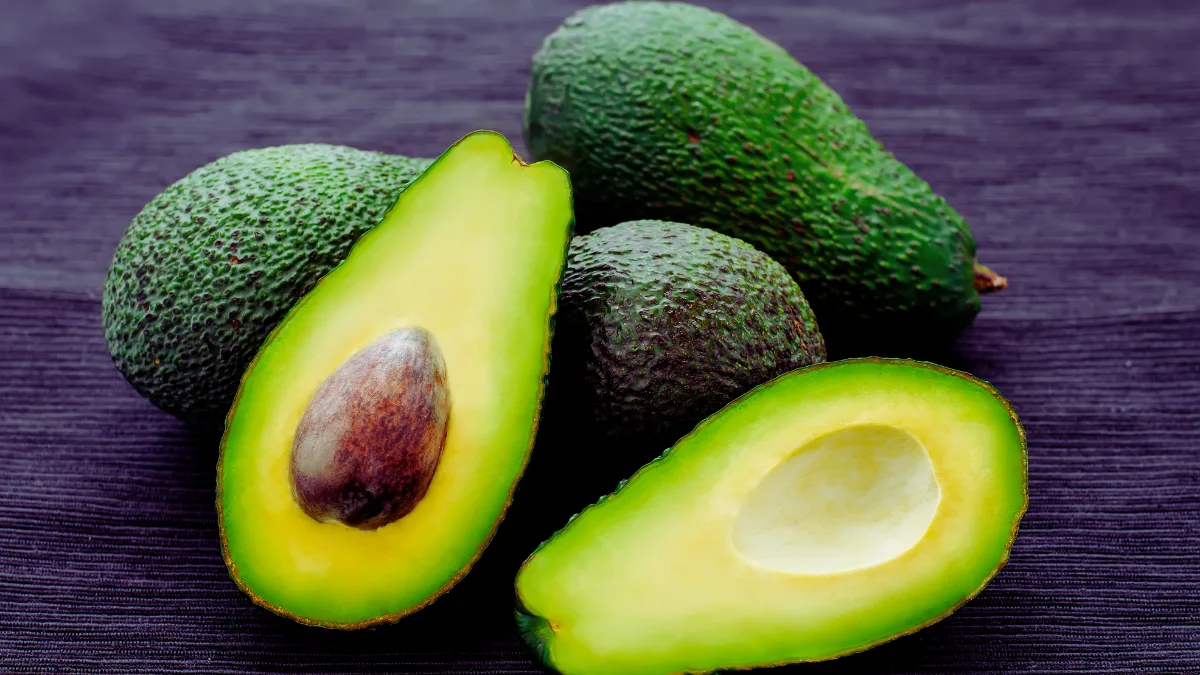
Avocados stand out among fruits for their unique nutritional profile centered around healthy monounsaturated fats rather than carbohydrates.
This fat composition helps slow digestion and prevents rapid blood sugar changes after meals. The creamy texture makes avocados versatile in cooking. You can spread them on toast, blend them into smoothies, or use them as a mayo replacement in sandwiches.
Their high fiber content—about 7 grams in a medium fruit—promotes digestive health while contributing to blood sugar stability.
Avocados contain potassium, which helps regulate fluid balance and may support healthy blood pressure levels, an important consideration for many people with diabetes.
The combination of healthy fats and fiber creates a strong satiety effect, helping control portion sizes at meals.
This satisfaction factor makes avocados particularly valuable for those managing both diabetes and weight, as feeling full longer often leads to consuming fewer calories throughout the day.
4. Nuts and Seeds (Almonds, Chia Seeds)
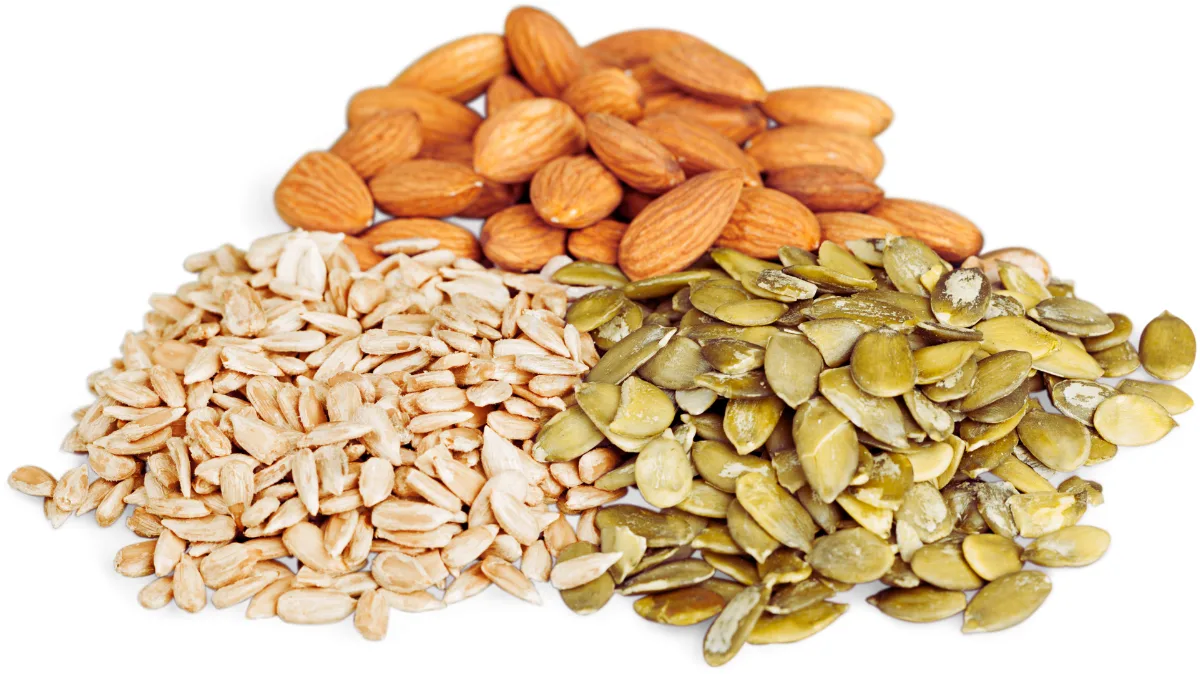
Almonds and chia seeds offer an impressive mix of protein, healthy fats, and fiber—three nutrients that help maintain steady blood sugar levels.
A small handful of almonds provides lasting energy without the glucose spikes that come from carb-heavy snacks.
Chia seeds absorb liquid and form a gel-like substance in your digestive system, creating a physical barrier that slows down carbohydrate digestion and sugar absorption.
Both foods contain magnesium, which plays a key role in over 300 enzymatic reactions including those involved in glucose metabolism.
Sprinkling chia seeds into yogurt or adding slivered almonds to salads creates texture while boosting nutritional value.
The portable nature of nuts makes them convenient for busy days when you need quick nourishment. Regular nut consumption is associated with a reduced risk of heart disease, a common complication of diabetes.
Watch portion sizes though—while extremely nutritious, nuts and seeds are calorie-dense, so a small serving (about an ounce) provides optimal benefits without excess calories.
5. Legumes (Lentils, Chickpeas)
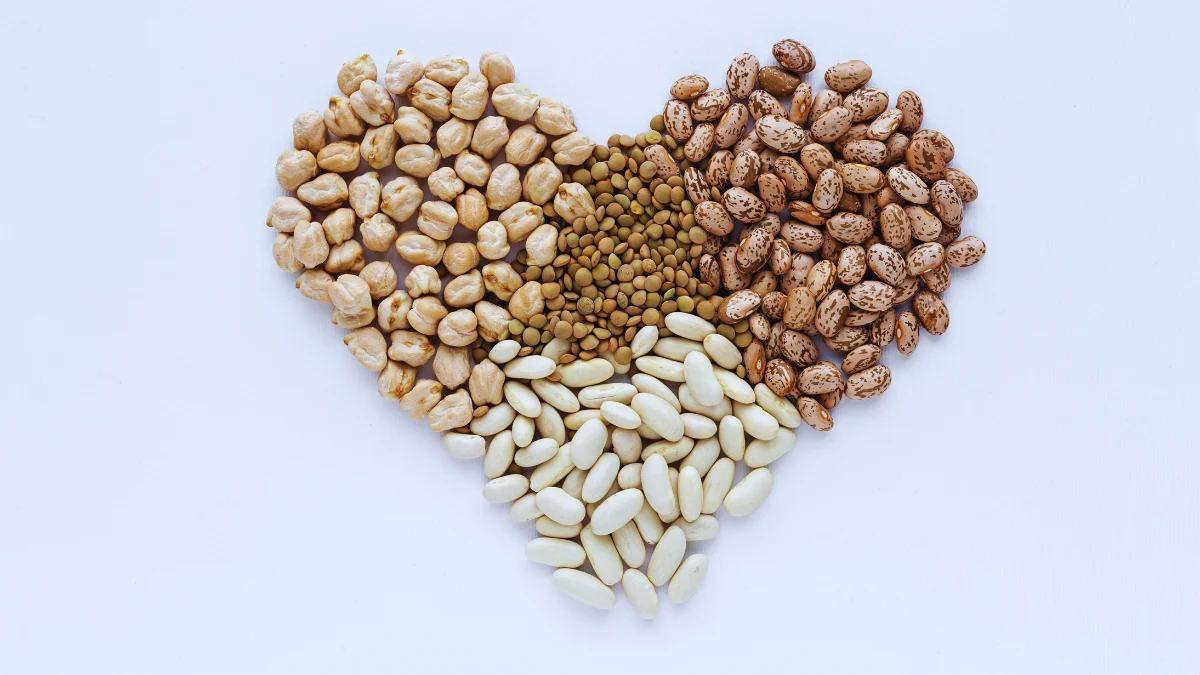
Lentils and chickpeas combine plant-based protein with soluble fiber, creating a powerful duo for blood sugar management.
Their resistant starch acts as food for beneficial gut bacteria, potentially improving overall metabolic health through improved microbiome balance.
These versatile foods adapt well to various cooking methods and cuisines. You can toss chickpeas into salads, blend them into hummus, or simmer lentils in soups and stews.
Their low glycemic index means the carbohydrates they contain enter your bloodstream gradually, avoiding the sharp glucose increases that damage blood vessels over time.
Legumes provide substantial amounts of iron, potassium, and B vitamins alongside their protein and fiber. Budget-friendly and shelf-stable, they make nutritious eating accessible even when fresh food shopping is limited.
Some people experience digestive adjustment when increasing legume consumption, so starting with smaller portions and ensuring proper cooking can help minimize this temporary effect while your system adapts to its fiber content.
6. Fatty Fish (Salmon, Mackerel)

Omega-3 fatty acids found abundantly in salmon and mackerel help fight inflammation while improving how your cells respond to insulin.
These healthy fats work at the cellular level to make insulin more effective, helping your body process glucose more efficiently.
A 2017 meta-analysis published in the journal Nutrition & Diabetes confirmed that omega-3 supplementation significantly lowered fasting blood sugar levels and improved HbA1c measurements in people with type 2 diabetes.
This research supports what many nutritionists have long recommended about including fatty fish in diabetic meal plans. Try eating fish twice weekly to get these benefits.
Beyond blood sugar control, the protein in fatty fish helps build and maintain muscle mass, which plays a key role in metabolic health.
Cold-water fish also provide vitamin D, often lacking in people with diabetes, and are linked to better glucose regulation.
Baking, grilling, or poaching preserves the nutritional quality while keeping preparation simple. Fresh or frozen options work equally well, making this healthy choice accessible year-round regardless of where you live.
7. Whole Grains (Quinoa, Oats)
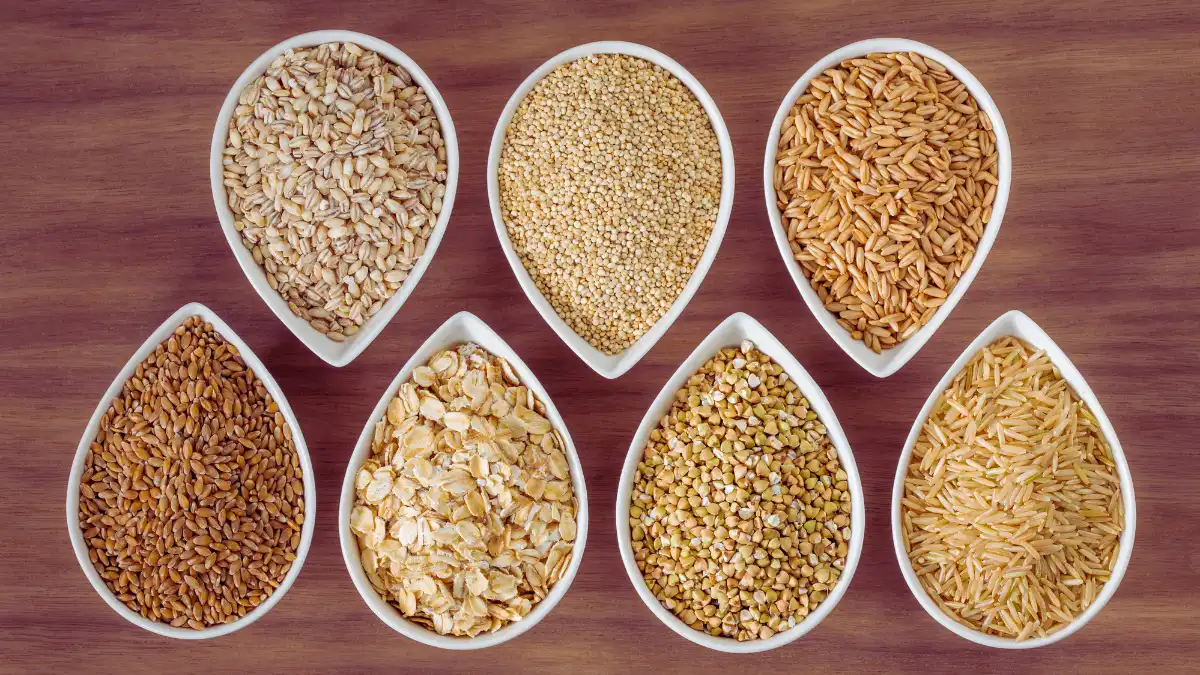
Quinoa and oats contain fiber that creates a physical barrier slowing down carbohydrate digestion and sugar absorption.
This process helps prevent the sharp blood glucose spikes that can damage blood vessels and worsen diabetes over time.
The beta-glucan in oats forms a gel-like substance in your digestive tract, creating a steady, gradual release of glucose into your bloodstream.
Whole grains retain their bran and germ layers, keeping beneficial nutrients intact, unlike their refined counterparts.
Switching from white bread to whole grain options can significantly reduce your glycemic response after meals.
Whole grains provide B vitamins, magnesium, and antioxidants that support overall metabolic health. Start your day with steel-cut oats topped with cinnamon for a double benefit, or use quinoa as a base for lunch bowls.
Many people find that combining whole grains with protein or healthy fats further stabilizes their blood sugar response.
Portion control remains important since whole grains still contain carbohydrates, but their fiber content makes them a smarter choice than refined alternatives.
8. Greek Yogurt

Greek yogurt contains nearly twice the protein of regular yogurt while offering fewer carbohydrates, making it an excellent option for blood sugar management.
The straining process removes much of the liquid whey, concentrating the protein content that helps slow digestion and prevent glucose spikes.
The probiotics in yogurt support gut health, which emerging research links to improved glucose metabolism and insulin sensitivity.
Always check labels carefully and choose unsweetened varieties, as flavored options often contain added sugars that can counteract the benefits.
Adding your fresh berries or a sprinkle of nuts provides natural sweetness and additional nutrients without compromising blood sugar control.
Calcium in Greek yogurt supports bone health, particularly important for people with diabetes who face higher risks of bone density issues.
The creamy texture makes it versatile in both sweet and savory applications—use as a sour cream substitute, blend into smoothies, or mix with herbs for dips.
This versatility helps maintain interest in healthy eating patterns, a key factor in long-term diabetes management success.
9. Cinnamon

This common spice contains powerful polyphenol compounds that mimic insulin action in your body, helping move glucose from your bloodstream into your cells where it’s needed for energy.
Adding even small amounts to your daily routine can have measurable effects on blood sugar levels.
A landmark 2003 study published in Diabetes Care by Khan and colleagues found that consuming just 1-6 grams of cinnamon daily reduced fasting glucose by an impressive 18-29% in participants with type 2 diabetes.
The same research showed improvements in blood lipid profiles, offering dual benefits for cardiovascular and metabolic health.
These findings have prompted many healthcare providers to recommend cinnamon as a complementary approach to traditional diabetes management.
Cinnamon pairs naturally with many foods already recommended for diabetic eating plans. Sprinkle it on oatmeal, stir into coffee, or add to savory dishes like chili for depth of flavor.
Ceylon cinnamon (often called “true cinnamon”) may offer additional benefits over the more common cassia variety found in most grocery stores.
The pleasant taste and aroma make this one of the easiest additions to incorporate consistently into your meals.
10. Garlic

The sulfur compounds in garlic, particularly allicin, help lower blood sugar by improving insulin sensitivity at the cellular level.
These compounds form when raw garlic is crushed or chopped, so letting it sit for a few minutes before cooking maximizes its development and preservation.
Regular consumption may help reduce fasting blood glucose levels over time as shown in several clinical studies.
Garlic also contains potent antioxidants that fight inflammation, a contributing factor to insulin resistance and diabetes complications.
Fresh garlic offers the strongest benefits, though high-quality supplements can provide standardized amounts of active compounds.
Beyond blood sugar benefits, garlic supports heart health through its effects on cholesterol and blood pressure—both critical concerns for people with diabetes.
Roasted garlic develops a milder, sweeter flavor that makes it easier to include larger amounts in your meals. Incorporating garlic into salad dressings, soups, and main dishes adds depth of flavor while supporting your health goals.
Your body might need time to adapt when you start eating more garlic, so it’s best to add it to your meals little by little.
11. Turmeric

Curcumin gives turmeric its bright yellow color and powerful anti-inflammatory properties that help combat insulin resistance.
This active compound works by reducing the inflammatory signals that interfere with insulin function, potentially improving how effectively your cells respond to insulin.
Many people find that turmeric absorbs poorly on its own, so pairing it with black pepper significantly enhances absorption.
The piperine in black pepper can increase curcumin bioavailability by up to 2000%. You can easily add this golden spice to scrambled eggs, roasted vegetables, or rice dishes for both flavor and health benefits.
Beyond blood sugar management, turmeric may help protect beta cells in the pancreas that produce insulin. These cells often become damaged or die off in diabetes, so preserving their function matters for long-term health.
Consider making golden milk by warming plant-based milk with turmeric, cinnamon, and a touch of honey as an evening ritual. Start with small amounts if you’re new to turmeric, as some people need time to adjust to its distinctive taste.
12. Eggs

Protein-rich eggs provide steady energy without spiking blood sugar levels. Their high-quality protein contains all the essential amino acids your body needs, supporting muscle maintenance and overall metabolic health.
Contrary to outdated concerns, moderate egg consumption doesn’t negatively impact cholesterol levels for most people with diabetes.
The nutrients in eggs support heart health through compounds like choline and lutein. Eating eggs at breakfast can increase feelings of fullness, potentially reducing total calorie intake throughout the day, which helps with weight management goals often important in diabetes care.
Versatility makes eggs practical for any meal. Scramble them with vegetables for breakfast, hard-boil for portable snacks, or use them in dinner frittatas.
The complete nutritional package includes B vitamins, selenium, and vitamin D, all supporting various aspects of metabolic function.
Pay attention to how you prepare eggs—methods that add unhealthy fats or sodium may counteract their benefits. Pairing eggs with fiber-rich vegetables creates balanced meals that further stabilize blood sugar response.
13. Apple Cider Vinegar

Just one tablespoon before meals can significantly reduce post-meal blood sugar spikes in people with diabetes.
The acetic acid slows down stomach emptying, giving your body more time to process incoming carbohydrates and preventing rapid glucose increases.
Using apple cider vinegar couldn’t be simpler: mix a tablespoon in water before meals or use it in homemade salad dressings.
Some people prefer taking it in the morning mixed with warm water. Regular consumption appears to improve insulin sensitivity over time, making your body more efficient at processing glucose.
As a bonus to its blood sugar benefits, apple cider vinegar improves gut health and can assist with weight control, something many diabetes patients need to address.
The tangy flavor adds brightness to foods without adding carbohydrates, making it useful for enhancing taste without affecting blood sugar.
Start with small amounts if you find the taste strong, gradually increasing as your palate adjusts. Look for unfiltered varieties with “the mother” for maximum benefits from beneficial compounds and enzymes.
14. Sweet Potatoes

Lower on the glycemic index than white potatoes, sweet potatoes cause less dramatic blood sugar fluctuations while providing excellent nutrition.
Their natural sweetness satisfies cravings without requiring added sugars that could destabilize glucose levels.
The fiber in sweet potatoes, particularly when eaten with the skin, slows carbohydrate digestion and helps maintain steady energy levels.
Rich orange varieties contain beta-carotene, which your body converts to vitamin A, supporting eye health—often a concern for people with long-term diabetes.
Roasting brings out natural sweetness without adding extra ingredients that might affect blood sugar. Pairing sweet potatoes with protein or healthy fats further reduces their glycemic impact.
Try them topped with Greek yogurt and cinnamon or grilled chicken with a side of greens. Portion control matters since sweet potatoes still contain carbohydrates—a medium sweet potato provides about 24 grams of carbs.
Many find that substituting sweet potatoes for refined carbs like white bread or pasta helps them enjoy satisfying meals while maintaining better blood sugar control.
15. Okra

Mucilage, the sticky substance in okra, forms a gel in your digestive tract that physically slows glucose absorption into your bloodstream.
This unique property makes okra especially valuable for managing post-meal blood sugar levels. Cooking methods affect how much mucilage remains active.
Quick-cooking methods like roasting or sautéing preserve more of these beneficial compounds than long boiling, which can break them down.
Some people drink okra water by soaking sliced pods overnight, though eating the whole vegetable provides additional benefits from fiber and nutrients.
Okra contains multiple vitamins and minerals including folate, vitamin C, and magnesium—all supportive of overall metabolic health.
Its low-calorie content (about 33 calories per cup) makes it appropriate for weight management goals. The mild flavor absorbs seasonings well, making okra adaptable to various cuisines from Mediterranean to Asian to Southern cooking styles.
If you’ve avoided okra because of its sometimes slimy texture, try roasting until crisp or cooking with acidic ingredients like tomatoes to minimize this characteristic.