

Feeling overwhelmed by the constant hustle of modern life? Anxiety levels are soaring as we try to keep up with endless notifications, packed schedules, and blurred work-life boundaries.
What if the solution isn’t another productivity app or wellness trend? Surprisingly, therapists point to “old-fashioned” etiquette rules as powerful stress-fighters.
These seemingly outdated practices, from handwritten thank-you notes to scheduled leisure time, address our deepest psychological needs.
Science backs them up, too. Here’s how these 15 forgotten habits can bring calm back to your chaotic days.
1. Handwritten Thank-You Notes

Sitting down with pen and paper to express gratitude creates a moment of pause in our rushed lives. The act engages your brain differently than typing, allowing you to process feelings more thoroughly while slowing your thoughts.
Recipients treasure these tangible tokens of appreciation far more than texts or emails. The physical note shows you devoted time and effort specifically to them, something increasingly rare.
Many people keep these notes for years, revisiting the good feelings they evoke. This small ritual helps both writer and receiver. For you, it cultivates gratitude, a powerful emotion linked to better mental health.
For them, it strengthens your connection and builds lasting goodwill. In a world of instant messages that vanish with a swipe, creating something lasting matters.
2. Not Oversharing Online

Social media platforms encourage constant personal disclosure, but restraint offers surprising benefits. Keeping certain aspects of your life private creates healthy boundaries between public and personal spheres, protecting your sense of self.
What you share online exists permanently and reaches unknown audiences. This reality adds subtle pressure to your daily experiences, turning private moments into potential content.
Breaking this habit lets you live more authentically, enjoying experiences for what they are rather than how they’ll appear to others.
Mental health professionals note that people who maintain digital boundaries report feeling more present and less anxious. They experience fewer comparison triggers and social media conflicts.
Learning which thoughts belong in a journal rather than a status update is a valuable skill for emotional well-being in our connected age.
3. Structured Leisure Time (8-8-8 Rule)

Balance often feels impossible in modern life, which makes the “Three Eights” approach so valuable. This philosophy suggests equal portions of our day for work (8 hours), rest (8 hours), and leisure (8 hours).
Most people allocate plenty of time for work but shortchange themselves on both sleep and free time. This imbalance eventually catches up through burnout, health issues, or relationship strain.
The 8-8-8 framework offers a corrective lens, reminding us that productivity isn’t sustainable without proper rest and enjoyment.
Following this pattern takes intention. Start by tracking how you currently spend time, then make gradual adjustments.
Even small shifts toward balance yield benefits. When leisure receives equal billing with work, we begin viewing it as equally important, not just empty hours to fill with more productivity.
4. Prioritizing Face-to-Face Interactions

Looking directly at someone while talking creates a connection that no technology can match. Our brains register subtle facial expressions, body language, and vocal tones that get lost in digital communication.
These cues build trust and understanding far more effectively than text ever could. Putting phones away during conversations signals respect and full attention.
Many relationships suffer from “phubbing”—the habit of checking devices while someone speaks. This divided attention weakens bonds over time and diminishes the quality of our interactions.
Humans evolved for in-person social contact. Our nervous systems calm in the presence of attentive others. Regular, undistracted conversations satisfy deep social needs that scrolling can’t fulfill.
People who prioritize face time over screen time report greater satisfaction with their relationships and lower overall stress levels.
5. Scheduled Chores

Assigning specific days and times for household tasks transforms them from looming burdens into manageable parts of life.
Monday laundry, Wednesday bathrooms, Saturday kitchen—this approach prevents the mental weight of seeing everything that needs doing at once.
A chore schedule eliminates the constant decision-making about what to clean and when. This reduction in small choices preserves mental energy for more meaningful things. The brain appreciates knowing exactly what to expect and when tasks will be completed.
The system works because it creates natural endings to work. Without clear boundaries, household maintenance can expand to fill all available time.
Scheduling creates guilt-free relaxation periods—you can truly enjoy your evening knowing today’s tasks are complete and tomorrow’s can wait until their assigned time.
6. Regular Exercise

Moving your body consistently ranks among the most effective stress-management tools available. Physical activity releases tension stored in muscles while triggering brain chemistry changes that improve mood. Even short sessions create noticeable relief from anxiety.
Exercise builds resilience against future stress. Regular movement trains your body to recover more quickly from fight-or-flight responses.
This means everyday challenges—traffic jams, work pressure, family conflicts—have less power to derail your day.
Finding movement you enjoy makes this practice sustainable. Walking with friends, dancing in your kitchen, gardening, and swimming—all count.
Consistency matters more than intensity. Ten minutes daily provides more benefit than an occasional hour-long workout. Your body responds best to regular signals that it’s safe to release stress hormones.
7. Mindful Breathing (365 Rule)

Breathing slowly and deliberately changes your physiology within seconds. The 365 technique—six breaths per minute for five minutes, three times daily—activates your parasympathetic nervous system, putting the brakes on stress responses throughout your body.
Most people unconsciously hold their breath or breathe shallowly during tense situations. This pattern signals danger to your brain, amplifying anxiety.
Controlled breathing interrupts this cycle. Practicing regularly creates a reliable reset button you can press during difficult moments.
This technique requires no special equipment or environment. You can practice at your desk, in traffic, before meetings, or while waiting in line.
The simplicity makes it accessible even during busy days. Over time, this habit rewires stress responses at a fundamental level, increasing your capacity to stay calm under pressure.
8. Just-in-Time (JIT) Stress Interventions
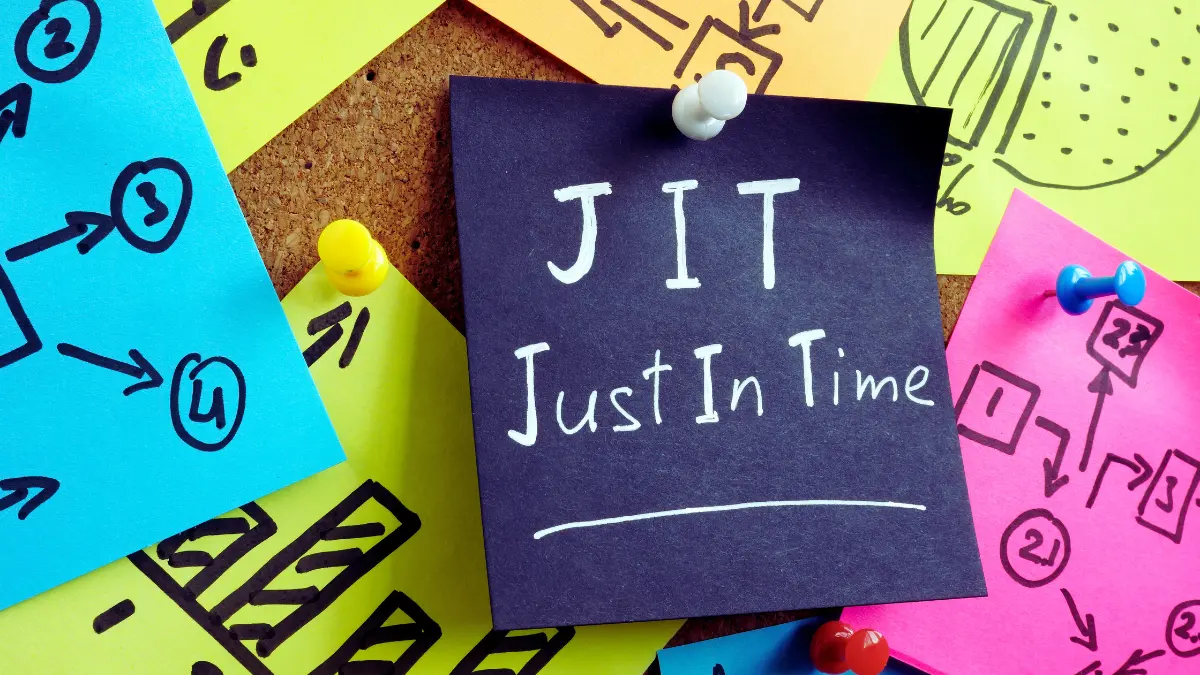
Catching stress early prevents it from snowballing into bigger problems. A 2025 clinical trial tested this approach using smartphone-delivered tools that respond to rising tension.
Participants received personalized interventions exactly when needed, resulting in 30% lower stress reactivity compared to control groups.
The study showed remarkable improvements in sleep quality and physical activity levels. Instead of waiting for stress to accumulate, JIT techniques address issues before they grow overwhelming.
This prevents the common pattern where small stressors stack up until they trigger anxiety or burnout. Think of JIT interventions as spot treatments rather than complete overhauls.
Quick breathing exercises, brief journaling, or short walks can work wonders when applied at the first sign of tension.
The key lies in recognizing your stress signals early—whether it’s shoulder tension, racing thoughts, or irritability—and responding immediately with an appropriate tool.
9. Nature Exposure (120-Minute Rule)

Spending just two hours weekly in natural settings resets your mental state. This timeframe comes from studying thousands of people whose mood, focus, and creativity improved significantly after reaching the 120-minute threshold.
The benefits appear regardless of how you split the time—one longer outing or several brief visits work equally well.
Natural environments engage your attention differently from urban spaces. Trees, water, and open skies capture your focus without depleting mental energy.
This gentle attention allows cognitive resources to replenish while your nervous system settles into a calmer rhythm.
City dwellers can still benefit from this practice. Urban parks, botanical gardens, tree-lined streets, or even watching clouds from your window count toward your nature time.
The crucial element isn’t wilderness but exposure to natural elements that contrast with built environments. Your brain recognizes these patterns and responds with measurable stress reduction.
10. H.A.L.T. Technique

Checking whether you’re Hungry, Angry, Lonely, or Tired before reacting to stressful situations can transform your responses.
These four states dramatically affect how we perceive challenges, often making manageable situations feel overwhelming.
Using this technique means pausing when you feel stressed and asking what physical or emotional needs might be amplifying the problem.
Hunger affects blood sugar and brain function; anger narrows thinking; loneliness triggers threat responses; tiredness impairs judgment. Addressing the underlying condition often resolves what seemed like a major crisis.
Therapists recommend H.A.L.T. because it builds awareness of how physical states influence emotional reactions. This simple mental checklist works especially well during conflicts or when facing important decisions.
Parents find it valuable for helping children identify their needs, while partners use it to prevent unnecessary arguments during vulnerable moments.
11. Digital Detoxes
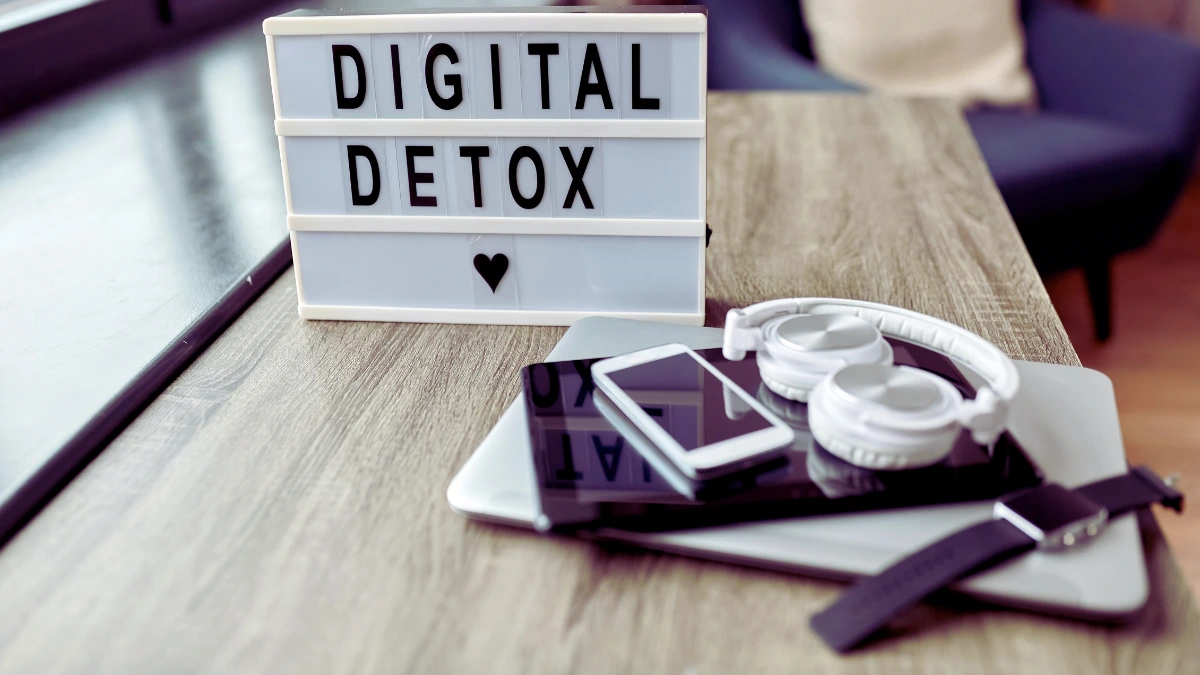
Creating technology-free zones or times allows your brain to process information differently. Many people notice improved concentration, better sleep, and reduced anxiety after just 24 hours away from screens.
The constant alerts, notifications, and stimulation from devices keep stress hormones elevated without us realizing it.
Social settings benefit tremendously from device-free policies. Restaurants, family dinners, and coffee dates become more meaningful when phones stay pocketed.
The quality of conversation improves as people make eye contact, listen fully, and respond to subtle social cues that get missed during divided attention.
Start small with this practice. Try keeping phones out of the bedroom, taking screen-free walks, or establishing Sunday mornings as tech-free time.
Your nervous system needs regular breaks from the unique strain that screens create. Even brief detoxes help reset attention patterns and reduce the compulsive checking that fuels anxiety.
12. Microbreaks (20-20-20 Rule)

Frequent tiny pauses throughout the workday prevent stress accumulation better than pushing through. The 20-20-20 approach suggests that every 20 minutes, you should look at something 20 feet away for 20 seconds. This simple habit reduces eye strain while giving your mind a momentary rest.
These microbreaks serve as pattern interrupters that prevent physical tension from building up. Shoulders relax, breathing deepens, and perspective shifts slightly—all without significantly disrupting workflow.
The brief mental space creates room for fresh thinking while preventing the foggy exhaustion that comes from hours of uninterrupted focus.
Productivity increases with regular microbreaks. The brain processes information in cycles, needing periodic downtime to consolidate learning and maintain alertness.
Scheduling these pauses—perhaps with a gentle timer—ensures you don’t get caught in the common trap of working straight through for hours, only to crash later from accumulated mental fatigue.
13. Therapist Self-Care Practices

Mental health professionals follow specific routines to protect their well-being while handling others’ emotional needs.
A revealing 2020 study (PMC7602766) found that therapists who prioritize self-care avoid burnout and perform better clinically.
Their strategies include clear boundaries between work and personal time, regular peer consultation, and scheduled renewal activities.
Many therapists block buffer time between sessions to process emotions and reset before the next client. They also practice “containment”—the ability to acknowledge difficult feelings without allowing them to dominate.
Anyone in a caring role can benefit from these approaches. Parents, nurses, teachers, and managers face similar emotional demands.
The core insight from therapist practices is that caring for others requires caring for yourself first. Without this foundation, compassion fatigue eventually undermines your ability to support those who need you.
14. Pet Therapy

Interacting with animals lowers blood pressure and reduces stress hormones almost immediately. Your body responds to animal contact by releasing oxytocin—the bonding hormone—while decreasing cortisol levels.
This biochemical shift happens whether you own a pet or simply spend time with someone else’s animal. The routine care of pets adds structure to daily life while providing purpose beyond work responsibilities.
Walking dogs, for example, combines exercise, nature exposure, and social connection as neighbors stop to chat. Cats offer opportunities for mindful attention as their purring and presence pull owners into the present moment.
Animal interactions require very little from us beyond simple attention and care. Unlike human relationships, pets don’t judge, criticize, or hold grudges.
This unconditional acceptance creates an emotional safety zone where people can relax completely. Even brief animal encounters—watching fish tanks or visiting therapy animals—provide measurable stress relief for hospital patients, students during exams, and adults in high-pressure jobs.
15. Mindfulness Meditation

Setting aside just 15 minutes daily to observe your thoughts without judgment builds remarkable stress resilience.
This practice trains your attention to rest in the present rather than wandering to past regrets or future worries—the two mental places where stress flourishes most.
Beginners often notice benefits after just a week of consistent practice. Your brain becomes better at noticing thought patterns without automatically reacting to them.
This skill transfers to everyday situations, allowing you to pause between trigger and response. That small gap makes all the difference in how you handle challenges.
Starting a meditation habit doesn’t require special equipment or settings. Sit comfortably, focus on your breathing, and gently return attention there whenever your mind wanders.
Apps with guided sessions help newcomers establish the practice. The consistency matters more than the duration—five minutes daily creates more benefit than an hour once weekly.