

Do you find yourself forgetting names, struggling to focus, or feeling mentally exhausted more often than you used to?
Brain fog isn’t just in your head, it’s a real cognitive issue that often starts after 35 when our brains become more vulnerable to nutrient deficiencies.
Many people try caffeine or blame stress, yet miss the actual solution hiding in their kitchen. Neurologists have identified specific nutrients that directly combat these symptoms by reducing inflammation, supporting neurotransmitter production, and protecting brain cells.
Here’s what science reveals about the 15 most overlooked nutrients that can help clear the mental haze and restore your cognitive clarity.
1. Omega-3 Fatty Acids (EPA/DHA)
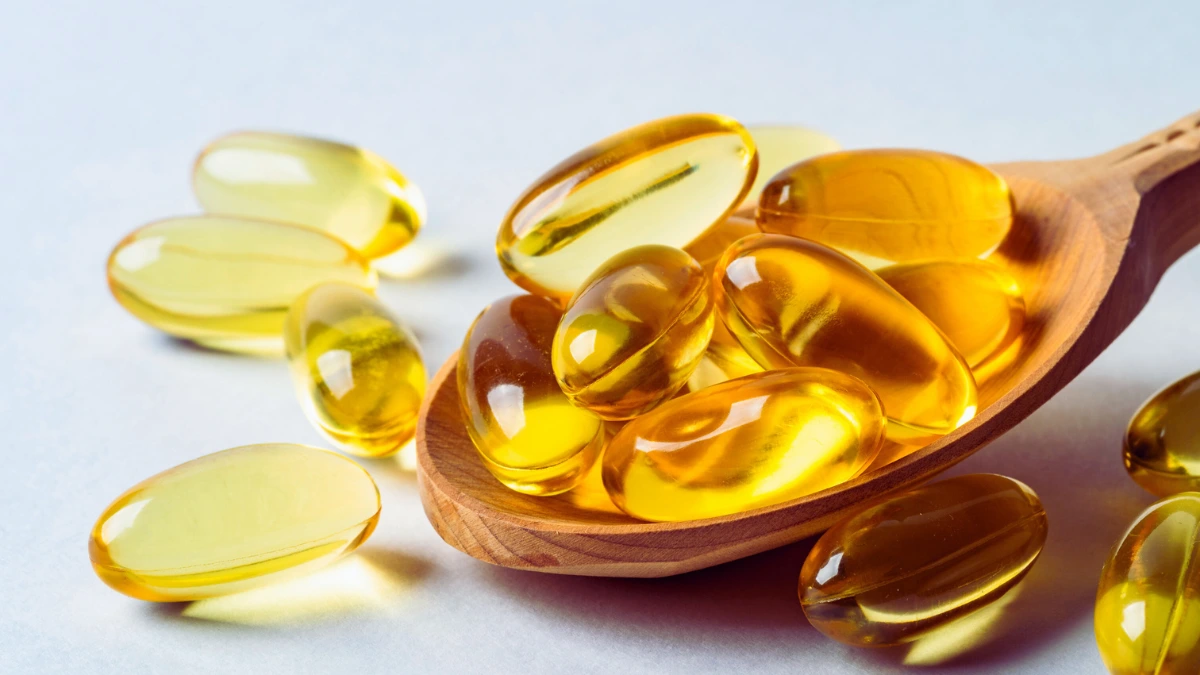
Your brain contains about 60% fat, with DHA making up 30% of that composition. This essential fat forms cell membranes and helps reduce inflammation in neural tissue.
Without enough omega-3s, communication between brain cells slows down and cognitive function suffers. Fish like salmon and mackerel provide the most bioavailable forms of EPA and DHA.
Plant sources such as walnuts and flaxseeds contain ALA, which your body converts to EPA and DHA but at a lower efficiency. Many people after 35 don’t consume enough of these fatty acids through diet alone.
Higher blood levels of omega-3s correlate with better cognitive performance and less brain shrinkage with age.
People who eat fish regularly score better on memory tests and show less cognitive decline over time. A minimum of two servings of fatty fish weekly can make a noticeable difference in mental clarity.
2. B Vitamins (B6, B9, B12)
These three B vitamins work together to lower homocysteine, a compound that becomes toxic to brain cells at high levels.
B12 deficiency is surprisingly common after 35, with symptoms that mimic dementia including confusion and poor memory.
B6 and folate (B9) support the production of neurotransmitters that regulate mood and cognition. Leafy greens pack plenty of folate, while eggs and meat supply B12. Legumes offer good amounts of B6.
Absorption becomes more challenging with age, particularly with B12, which requires stomach acid to separate it from food proteins. Some medications like acid reducers can worsen this issue.
Supplementation often makes sense for adults over 35, especially vegetarians or those taking certain medications.
Getting enough B vitamins helps maintain the myelin sheaths that insulate nerve fibers, supporting faster mental processing.
3. Vitamin D
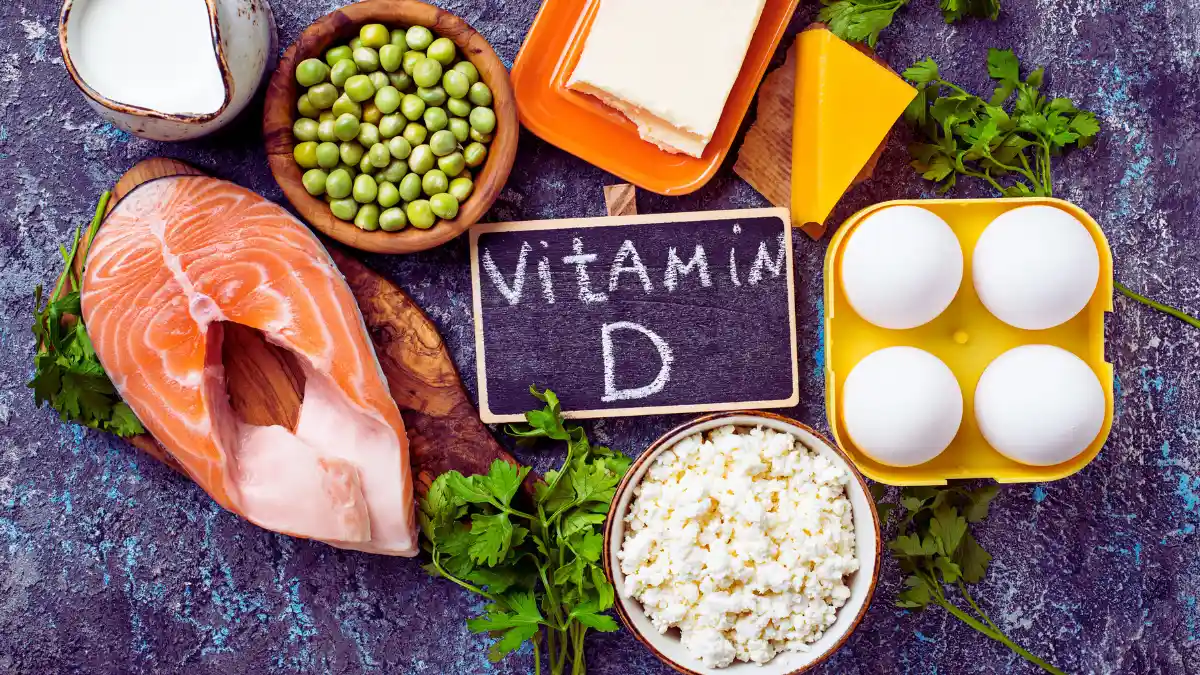
Often called the sunshine vitamin, vitamin D acts more like a hormone in your body than a typical nutrient. Receptors for this compound exist throughout the brain, particularly in areas involved with memory and planning.
Low levels correlate strongly with brain fog, depression, and cognitive decline. Sun exposure becomes less efficient at producing vitamin D as skin ages.
Many people work indoors and use sunscreen outdoors, further limiting natural production. Food sources include fatty fish, egg yolks, and fortified products, but few people get enough through diet alone.
Blood tests often reveal insufficiency even in healthy adults. Supplementation typically requires 1000-5000 IU daily depending on current levels and sun exposure.
Vitamin D supports the hippocampus, your brain’s memory center, and helps clear beta-amyloid, a protein linked to cognitive decline. Getting levels above 30 ng/mL appears necessary for optimal brain function.
4. Magnesium (especially L-Threonate)
Brain cells need magnesium for hundreds of biochemical reactions, including energy production and neurotransmitter release. This mineral regulates the NMDA receptors involved in learning and memory.
L-threonate, a special form, crosses the blood-brain barrier more effectively than other types of magnesium.
Common food sources include spinach, pumpkin seeds, and dark chocolate, though modern farming practices have reduced soil magnesium content.
Most Americans consume less than the recommended amount, with deficiency becoming more likely after 35 due to decreased absorption and increased excretion.
A study published in Neuron found magnesium L-threonate improved learning and memory in aged rats by increasing synaptic density.
Human research followed, with Liu and colleagues (2016) demonstrating enhanced cognitive performance in older adults with mild cognitive impairment after supplementation.
The improvements were most notable in executive function and processing speed, suggesting this form of magnesium specifically targets age-related brain fog.
5. Choline

This nutrient serves as the building block for acetylcholine, a neurotransmitter essential for memory formation and recall.
Your brain uses choline to maintain the structural integrity of cell membranes and support nerve signaling. Low intake directly impacts cognitive performance.
Eggs contain the highest concentration, with a single egg providing about 150mg. Liver, soybeans, and meat also supply good amounts. Most multivitamins don’t include adequate choline, and surveys show that 90% of Americans consume less than the recommended daily amount.
The body can produce small amounts of choline in the liver, but not enough to meet brain demands. This becomes particularly relevant after 35 when efficiency decreases.
Higher choline intake can be linked with better performance on memory tests and faster mental processing. For vegetarians and those avoiding eggs, supplements like alpha-GPC or CDP-choline offer concentrated forms that cross into the brain effectively.
6. Vitamin C
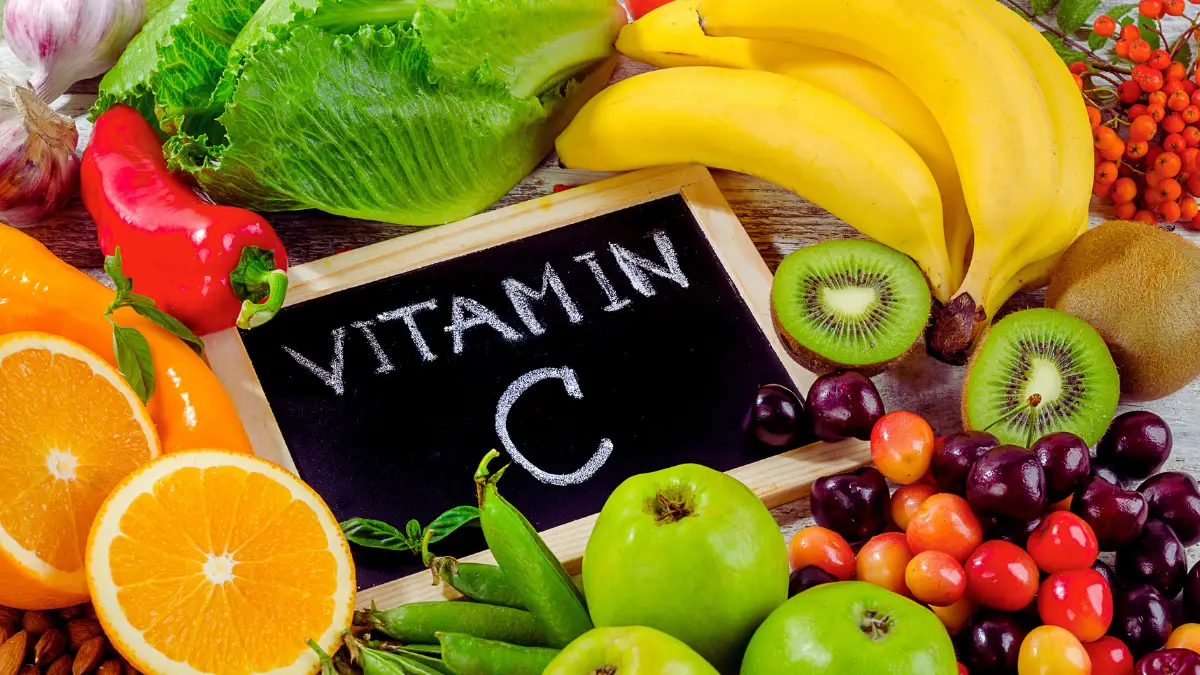
This potent antioxidant does far more than fight colds. Your brain actually contains some of the highest concentrations of vitamin C in the body, protecting neurons from oxidative damage while supporting the production of dopamine and norepinephrine—neurotransmitters that affect focus and mood.
Most animals produce their vitamin C, but humans lose this ability through evolution and must get it through diet.
Citrus fruits often get the credit, but bell peppers, broccoli, and strawberries contain more. The brain tightly regulates its vitamin C levels, maintaining them even during deficiency elsewhere in the body.
Aging increases oxidative stress in the brain, making adequate vitamin C intake more critical after 35. People with higher blood levels perform better on cognitive tests and experience less mental fatigue.
The brain preferentially takes up vitamin C during times of stress and exhaustion, suggesting its vital role in mental clarity. Smokers and those under chronic stress have higher requirements.
7. Zinc
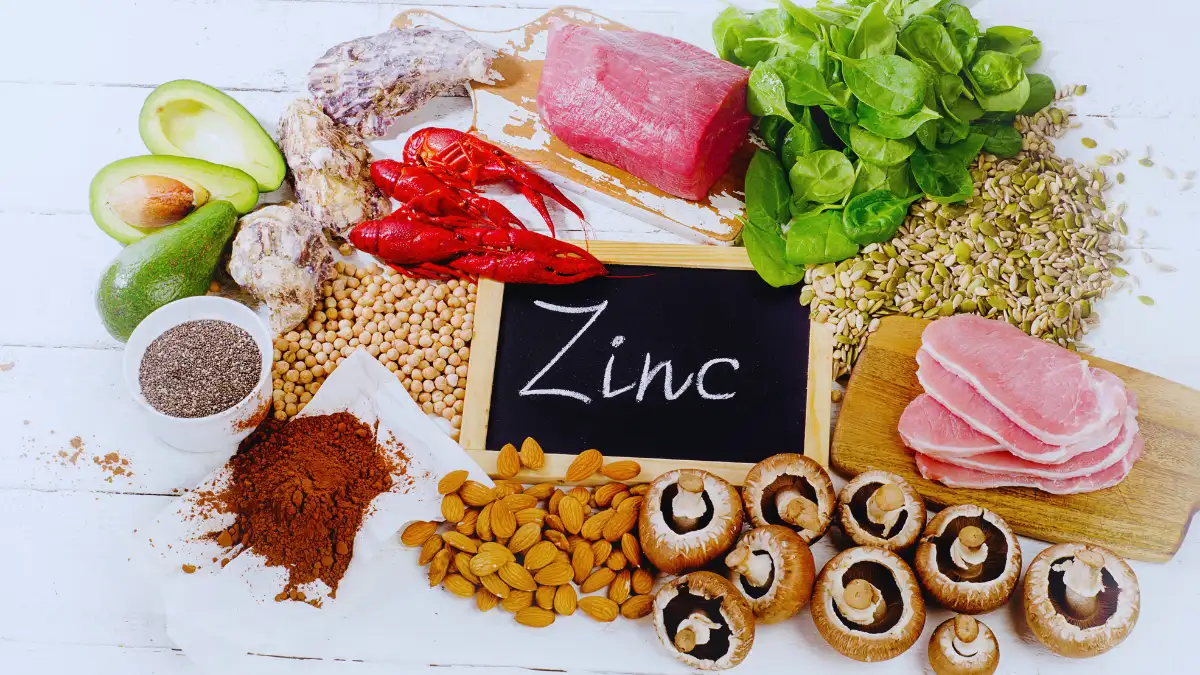
This trace mineral plays a crucial role in brain function by modulating communication between neurons. Zinc helps control the release of neurotransmitters and protects brain cells from damage.
Most of the body’s zinc exists in a bound state, with free zinc acting as a signaling molecule in the brain. Oysters offer the richest natural source, containing more than six times the zinc of the next best food option.
Beef, pumpkin seeds, and lentils provide smaller amounts. Absorption decreases with age, and certain medications including acid reducers can further compromise uptake.
A comprehensive review published in the International Journal of Molecular Sciences (Maywald et al.) highlighted zinc’s neuroprotective effects and role in preventing cognitive decline.
The research emphasized zinc’s involvement in hippocampal neurogenesis—the formation of new brain cells critical for learning and memory.
Randomized controlled trials have demonstrated that supplementation improves attention span and executive function in older adults with mild zinc deficiency. Even marginal deficiency impairs cognitive performance, though symptoms often go unrecognized.
8. Iron
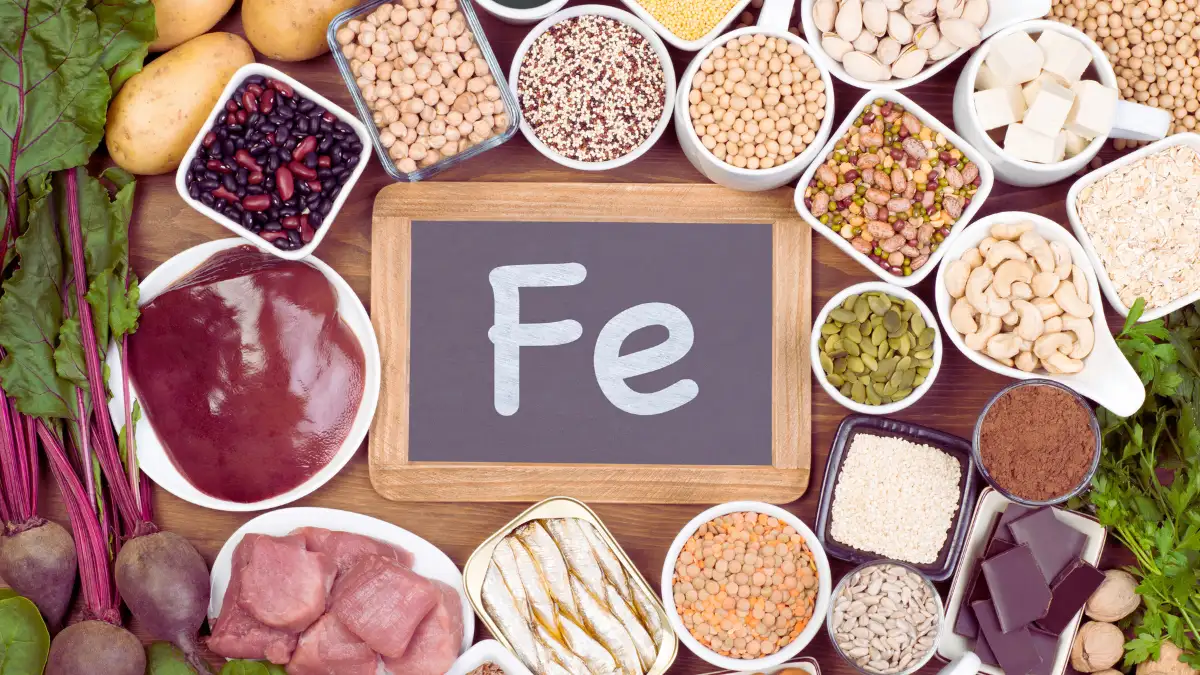
Brain cells require this mineral to produce energy and synthesize neurotransmitters. Iron facilitates oxygen transport to brain tissue and helps form myelin, the insulating layer around nerve fibers that speeds communication between neurons.
Low levels lead to fatigue, poor concentration, and brain fog. Women face a higher risk of deficiency due to menstruation, with absorption declining for everyone after 35.
Red meat provides the most bioavailable form (heme iron), while plant sources like lentils and spinach contain non-heme iron that absorbs less efficiently. Vitamin C can boost absorption when consumed together.
Too much iron causes problems too, as excess amounts can generate free radicals that damage brain tissue. Getting levels checked makes sense, especially for those experiencing persistent mental fatigue.
Correcting iron deficiency significantly improves cognitive function and mental energy, often within weeks. The brain prioritizes iron for dopamine production, explaining why low levels so profoundly affect motivation and focus.
9. Probiotics

These beneficial bacteria influence brain function through what scientists call the gut-brain axis. Communication flows both ways between your digestive system and brain, with gut microbes producing neurotransmitters that affect mood and cognition.
Fermented foods like yogurt, kimchi, and sauerkraut naturally contain live cultures. Many people after 35 experience shifts in gut bacteria due to stress, medication use, and dietary changes.
These alterations can increase inflammation throughout the body, including the brain. Specific bacterial strains, particularly Lactobacillus and Bifidobacterium species, help reduce systemic inflammation and increase the production of GABA—a calming neurotransmitter that helps clear thinking.
Probiotic consumption to improve cognitive flexibility and reduce stress response. The connection becomes stronger with age, as both gut lining integrity and blood-brain barrier function change over time.
Many neurologists now consider gut health assessment essential when evaluating cognitive complaints.
10. Coenzyme Q10 (CoQ10)
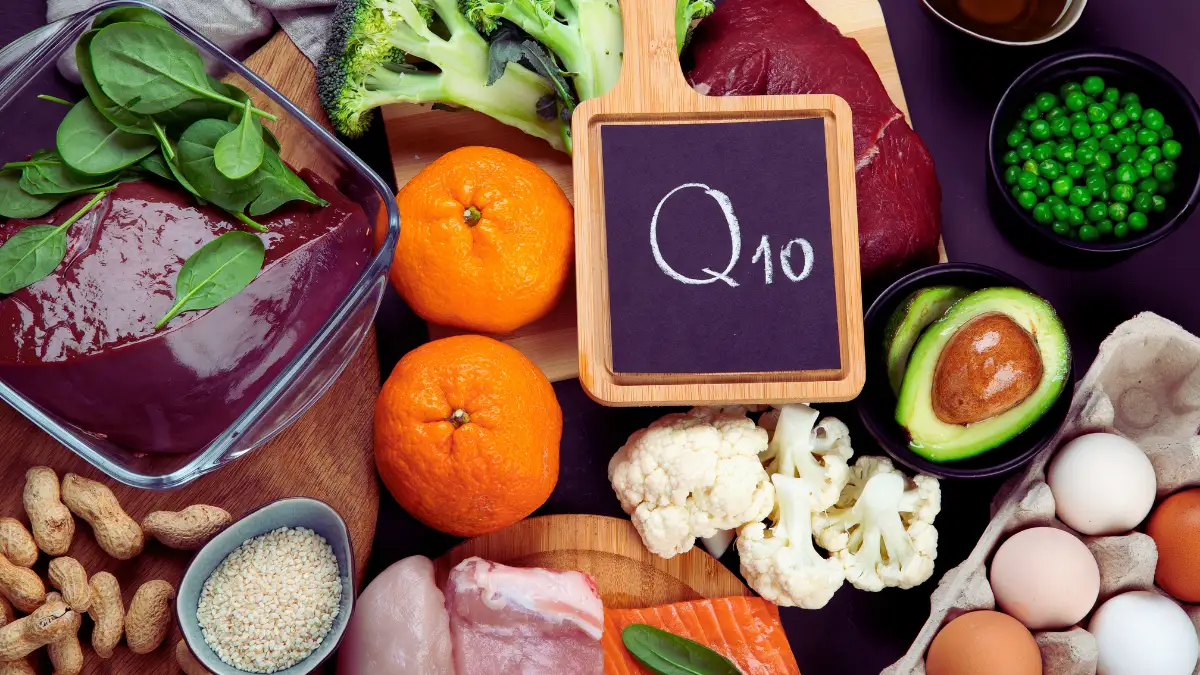
Your brain burns through tremendous energy, using about 20% of the body’s total oxygen supply despite making up only 2% of body weight. CoQ10 works inside mitochondria—the cell’s power plants—to generate the energy neurons need to function properly.
Natural production peaks in your twenties and then gradually declines. By 35, levels begin dropping noticeably, with the brain particularly vulnerable to this decrease.
Food sources include organ meats, fatty fish, and whole grains, though getting therapeutic amounts through diet alone proves challenging.
The body uses CoQ10 both for energy production and as an antioxidant that protects brain cells from damage. Low levels correlate with mental fatigue, poor concentration, and memory issues.
Supplementation improves mental energy and reduces brain fog, particularly in those with fatigue-related conditions. Taking CoQ10 with a small amount of fat enhances absorption. The ubiquinol form works better for adults over 35 compared to ubiquinone, showing higher bioavailability.
11. L-Theanine

This amino acid naturally occurs in green tea and creates the calm alertness tea drinkers experience. Unlike caffeine alone, L-theanine promotes relaxation without drowsiness, helping clear brain fog by reducing mental chatter and improving focus.
The brain shows increased alpha wave activity within 30-40 minutes of consuming L-theanine. These alpha waves link to a state of “wakeful relaxation” where you feel calm yet mentally clear.
Few foods besides tea contain meaningful amounts, making supplementation common for those seeking its cognitive benefits.
Research published by NIH demonstrated that 50-200mg of L-theanine significantly increased alpha wave activity and improved attention in healthy adults.
The study showed enhanced accuracy during attention-switching tasks without the jitters often associated with stimulants.
Participants reported feeling more focused yet relaxed, making this compound particularly valuable for those who find stress worsens their mental clarity. Combined with small amounts of caffeine, the effects on concentration become even more pronounced.
12. Selenium
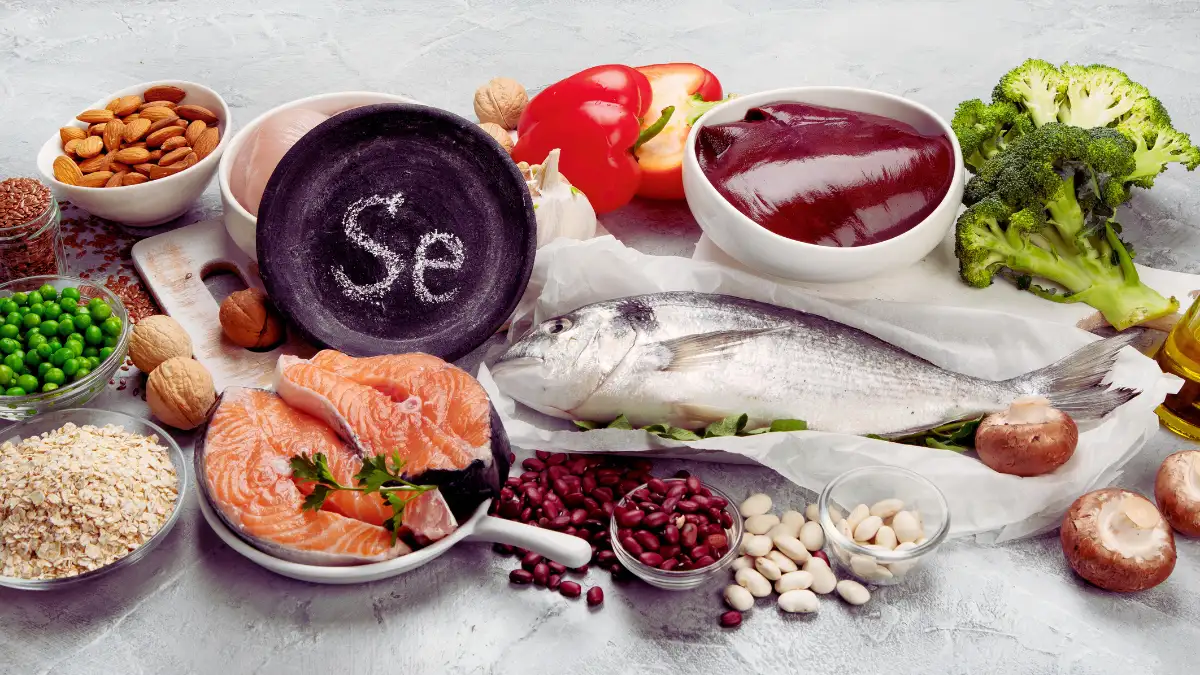
Your brain requires this trace mineral for both antioxidant protection and proper thyroid function. Selenium helps create glutathione peroxidase, an enzyme that neutralizes the free radicals that damage brain cells and accelerate aging.
Just one Brazil nut provides more than the daily requirement, while seafood, eggs, and whole grains offer smaller amounts.
Soil quality determines selenium content in foods, with some regions producing crops with minimal amounts. Many Americans consume adequate selenium, yet absorption efficiency decreases with age.
Thyroid hormones strongly influence brain function, affecting energy, mood, and cognitive processing. Without sufficient selenium, the body struggles to convert thyroid hormones to their active form.
Mild deficiency can impair cognitive function even before thyroid blood tests show abnormalities. The brain effects often show up as mental fatigue, slowed thinking, and poor concentration—symptoms commonly dismissed as normal aging.
Supplementation helps those with marginal levels, though too much selenium can cause problems.
13. Curcumin

The golden compound in turmeric spice offers powerful brain benefits through several mechanisms. It reduces inflammation, helps clear amyloid proteins, and boosts BDNF—a growth factor that supports the survival of existing neurons and encourages new connections.
Obtaining enough food to see real benefits is nearly impossible. A teaspoon of turmeric contains only about 200mg of curcumin with poor absorption unless combined with black pepper or fat.
This explains why supplements often include piperine (from black pepper) to enhance bioavailability by up to 2000%.
Age-related cognitive changes involve chronic, low-grade inflammation in the brain. By age 35, this inflammatory process has often begun, though symptoms may not appear for years.
Curcumin targets this underlying issue rather than just masking symptoms. It crosses the blood-brain barrier and accumulates in brain tissue, where it modulates multiple pathways involved in brain health.
Regular consumers of curry show lower rates of cognitive decline in population studies, particularly in regions where turmeric features prominently in daily cooking.
14. Phosphatidylserine (PS)

Your brain contains high concentrations of this phospholipid, which forms part of the cell membrane surrounding neurons.
PS helps maintain membrane fluidity, influencing how well cells communicate and respond to signals. The body makes some PS, but production decreases with age.
Foods like organ meats and egg yolks contain small amounts, but getting therapeutic quantities requires supplementation.
The brain’s PS content begins declining around age 35, with potentially noticeable effects on memory and mental sharpness by the mid-40s.
PS particularly benefits name recall and mental flexibility. Regular supplementation shows promising results for improving memory and cognitive function, especially in adults experiencing mild cognitive issues.
15. Adaptogens (e.g., Rhodiola, Ashwagandha)

These specialized plants help the body resist various stressors—physical, chemical, and biological. They work by regulating the hypothalamic-pituitary-adrenal (HPA) axis, which controls cortisol release during stress responses.
Chronic stress accelerates brain aging and directly impairs cognitive function. Rhodiola grows in harsh arctic environments and helps protect the brain from stress-induced damage.
Ashwagandha, used for centuries in Ayurvedic medicine, has shown remarkable effects on anxiety reduction and cognitive performance.
Neither plant provides nutritional value like vitamins or minerals but instead offers bioactive compounds that modulate stress responses.
The research on these herbs continues growing, with multiple studies showing they help reduce the mental fatigue and cloudy thinking associated with chronic stress.
They appear particularly beneficial after age 35 when recovery from stress takes longer and effects on cognition become more pronounced.
Adaptogens work best when taken consistently over time rather than as needed. The benefits accumulate gradually, with most people noticing improvements in mental clarity and stress resilience within 2 to 4 weeks of regular use.