

Crash diets promise quick weight loss but often end in a fast rebound. Here’s why they don’t work, blending humor, seriousness, and casual chat.
1. Digestive Problems

Rapid diet changes can upset the stomach, leading to issues from constipation to gut health disruptions. Additionally, such abrupt adjustments can alter the balance of gut flora, potentially triggering digestive discomfort and bloating.
2. Impact on Social Life and Relationships

Dieting can isolate you from social events, straining relationships. Navigating social settings becomes a challenge, as it often involves explaining or defending dietary choices, further complicating interactions with friends and family.
3. Rebound Weight Gain
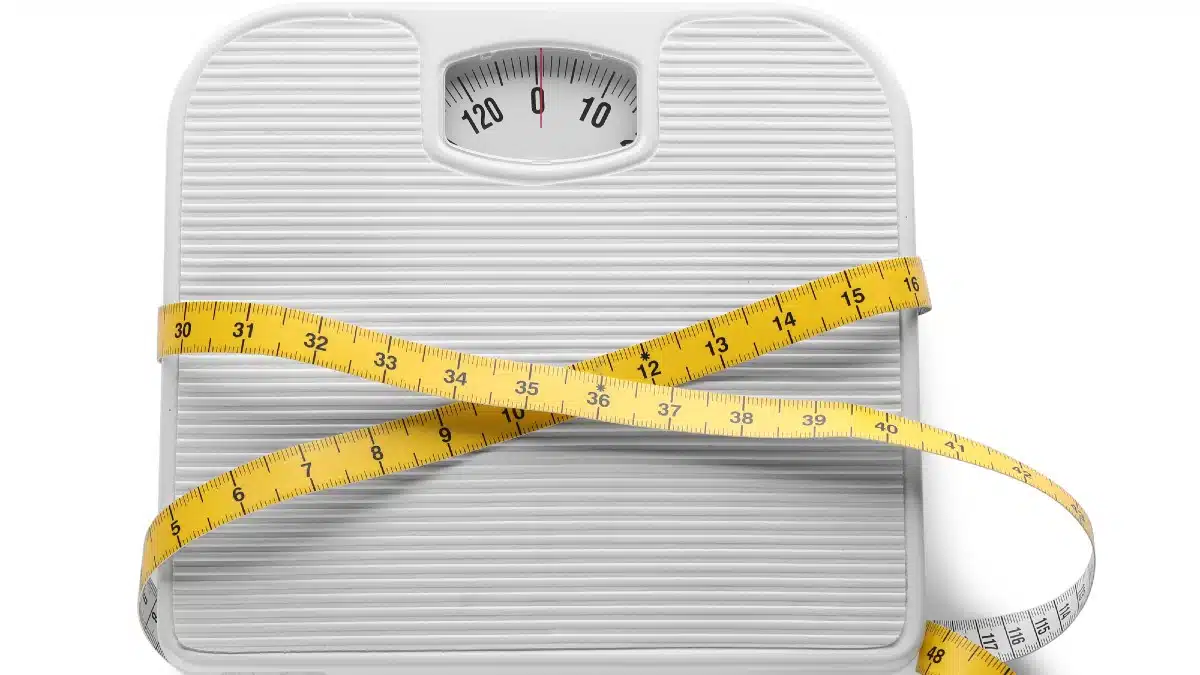
Lose weight fast, gain it back faster. It’s the dieting boomerang effect. The science behind it reveals a cycle of loss and gain. This frustrating pattern often results from the body’s adaptive mechanisms kicking in, striving to restore what it perceives as a loss of vital energy reserves.
4. Hormonal Imbalance

Crash diets can upset the body’s hormonal balance, affecting everything from mood to metabolism that leads to failur in crach diet.
5. Dehydration and Electrolyte Imbalance

Cutting calories often means cutting fluids, leading to dehydration. Recognize the symptoms to stay healthy.
6. Unrealistic Expectations

Quick fixes allure but rarely deliver. It’s like expecting a magic spell to fix life’s issues – unrealistic and disappointing.
7. Nutritional Deficiencies
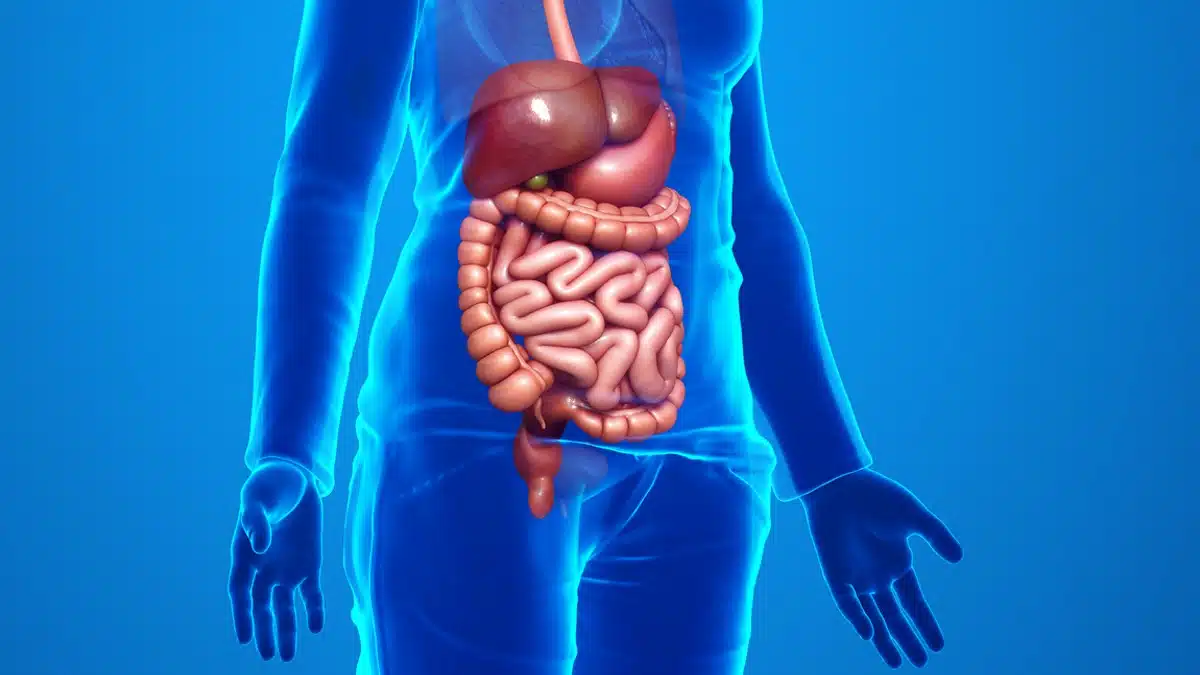
Skipping meals? Your body misses out on essential nutrients. It’s like running a car without fuel. Signs of nutrient shortage include fatigue and hair loss.
8. Metabolic Slowdown
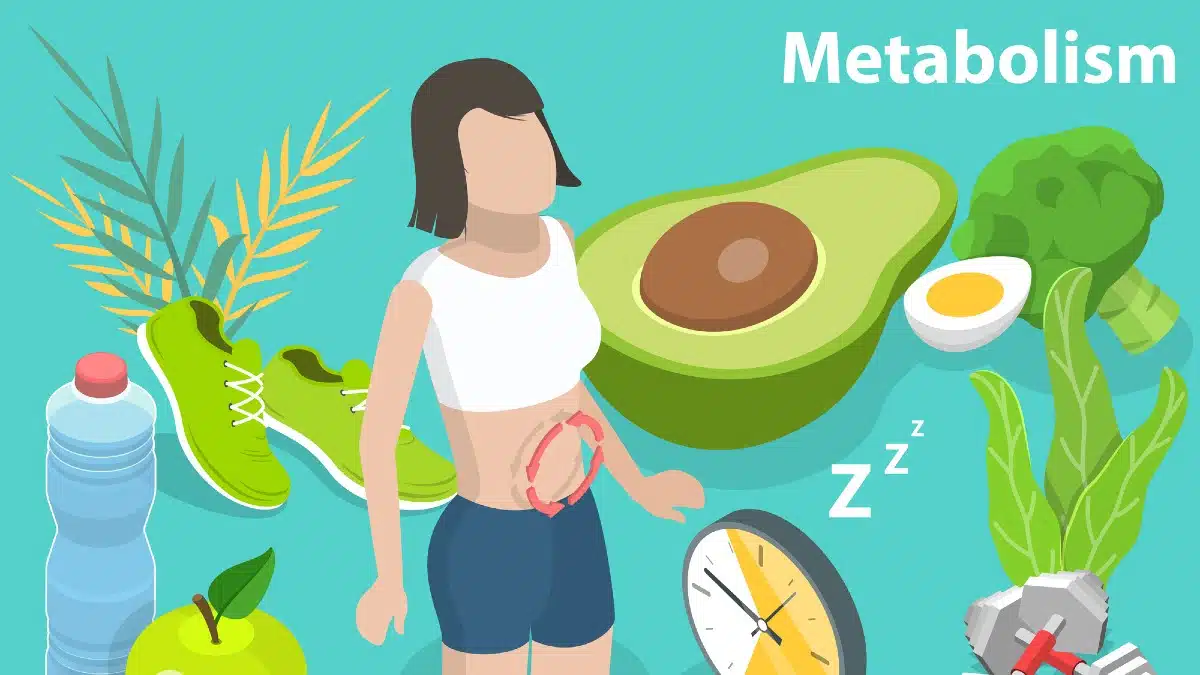
The body adapts to fewer calories by slowing metabolism. It’s its way of saying, “Let’s not waste energy, shall we?”
9. Short-term Focus

Crash diets are sprinters in a marathon. They lack the endurance for long-term health, focusing on immediate, not sustainable, results.
10. Psychological Effects

Dieting can take a toll on mental health, leading to stress and anxiety. It’s the emotional rollercoaster nobody enjoys riding. The constant preoccupation with food and calories can also lead to feelings of guilt and failure, especially after inevitable slip-ups, exacerbating the emotional distress associated with dieting.
11. Increased Risk of Eating Disorders

Restrictive eating can lead to unhealthy habits, a slippery slope toward eating disorders. Prevention involves recognizing early signs. This cycle of restriction and bingeing can damage one’s relationship with food and body image, making it crucial to approach weight management with a mindset focused on health rather than just appearance.
12. Muscle Loss and Decreased Strength

Losing weight too fast often means losing muscle, not fat. It’s like throwing out the baby with the bathwater. This not only affects physical strength and endurance but can also slow down metabolism in the long run, making it harder to maintain weight loss and leading to a frustrating cycle of yo-yo dieting.
13. Energy Levels Plummet
With fewer calories, energy drops, making daily tasks feel like climbing Everest. This sudden decrease can leave you feeling lethargic and unmotivated, turning even the simplest activities into daunting challenges.
14. The Myth of Quick Fixes

There’s no shortcut to health. Exploring healthier alternatives leads to lasting wellness, not temporary fixes. Recognizing the value of patience and consistency in adopting new habits is crucial for true health transformation.
15. Obsession with Scale Numbers
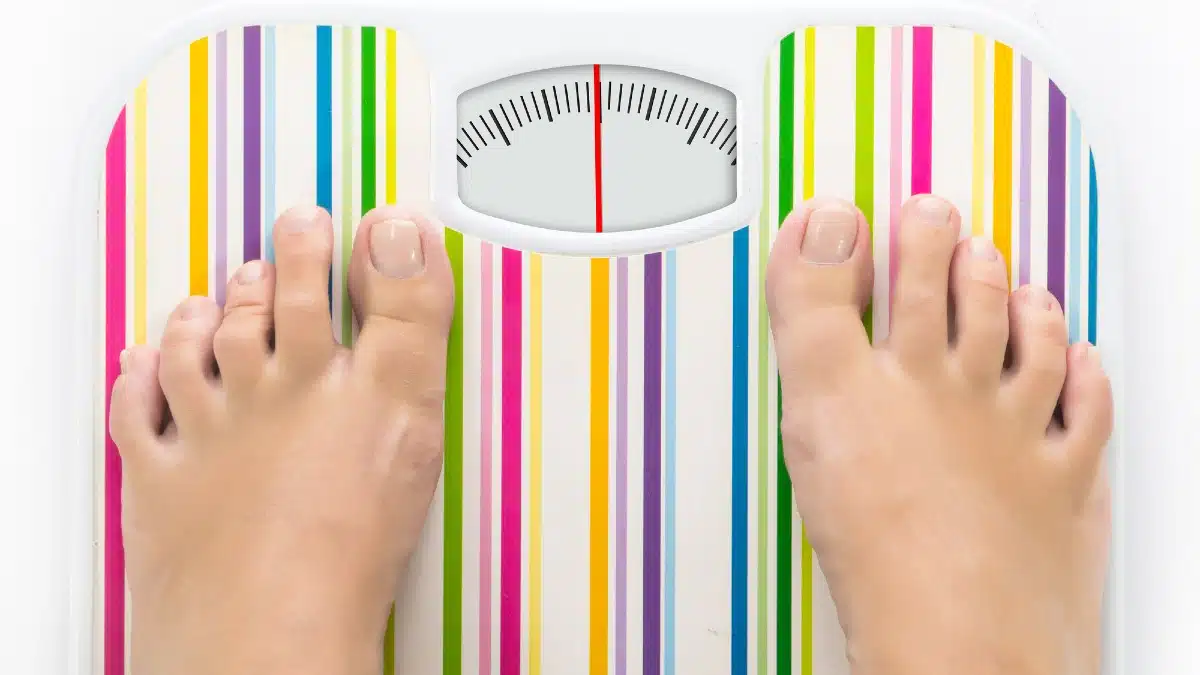
Focusing solely on weight overlooks body composition changes. It’s more about how clothes fit and feel than just numbers on a scale.
50 Super Simple Side Hustle Ideas

50 Super Simple Side Hustle Ideas (& How to Make Them Work)
10 Frugal Lessons I Learned From Being Flat Out Broke

10 Frugal Lessons I Learned From Being Flat Out Broke
How To Make Money Without a Job

How To Make Money Without a Job
Creative Ways To Make Money

20 Easy Ways to Raise A Credit Score Fast

Read More: 20 Easy Ways to Raise A Credit Score Fast
Frugal Living Tips: The Essential Guide To Start Saving Money

Frugal Living Tips: The Essential Guide To Start Saving Money