

Your doctor told you that you have a fatty liver, and the main advice was probably to “change your diet and lose some weight.”
But what does that actually mean? Walking out of that appointment, you’re left with more questions than answers.
The health world is full of confusing advice, and you need a clear, actionable plan right now.
Forget ambiguity. This guide isn’t about “moderation”; it’s about targeted elimination.
Your liver is a resilient organ, but it’s currently overwhelmed, and certain foods are making its job impossible.
Here, we will break down the 15 specific food categories that are scientifically known to fuel liver fat accumulation and inflammation.
1. Soda & Sugary Drinks: Liquid Fat for Your Liver

If there is one single thing to eliminate, this is it. Drinks sweetened with sugar—soda, sweet tea, energy drinks, sports drinks—are the number one enemy of a fatty liver.
Here’s why: they are loaded with high-fructose corn syrup (HFCS). Your liver is the only organ that can metabolize fructose in large amounts.
When you chug a soda, you are sending a tidal wave of fructose straight to your liver. It can’t keep up.
The liver’s emergency response is to convert this fructose directly into new fat through a process called de novo lipogenesis. You are literally drinking the raw material for a fatty liver.
Cut them out completely. Not sometimes, not as a treat. Replace them with water, unsweetened herbal tea, or sparkling water with a squeeze of lemon.
2. White Bread, Pasta, and Rice: Refined Carbohydrate Overload
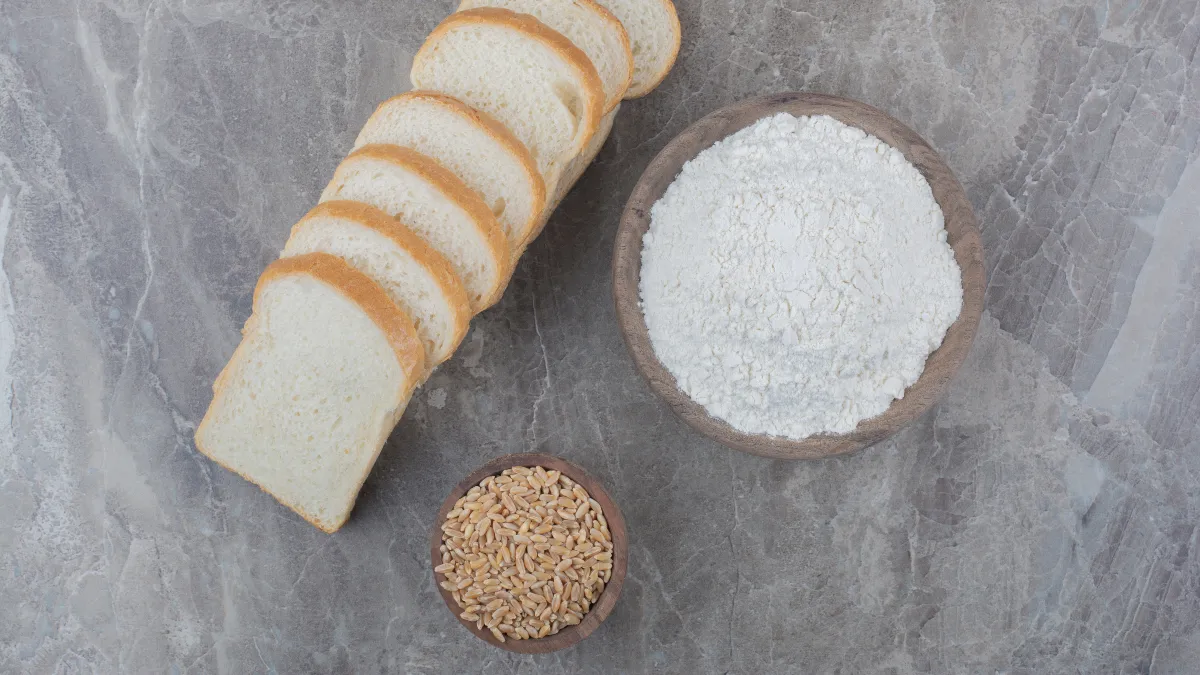
That harmless-looking basket of bread at a restaurant is a problem. White bread, white pasta, and white rice are “refined” carbohydrates, meaning their fiber and nutrients have been stripped away.
Without fiber to slow things down, these foods hit your bloodstream as pure sugar almost instantly. This causes a massive spike in your blood sugar.
Your pancreas then releases a flood of insulin to manage it. High, constant insulin levels are a primary driver of NAFLD.
Your body becomes “insulin resistant,” meaning the cells don’t listen to insulin’s signal anymore. The liver’s response? It panics and turns even more blood sugar into fat for storage.
Swap these for 100% whole grain versions. Look for “100% whole wheat” bread, brown rice, and whole grain pasta.
3. Processed Meats: A Triple Threat of Fat, Sodium, and Preservatives
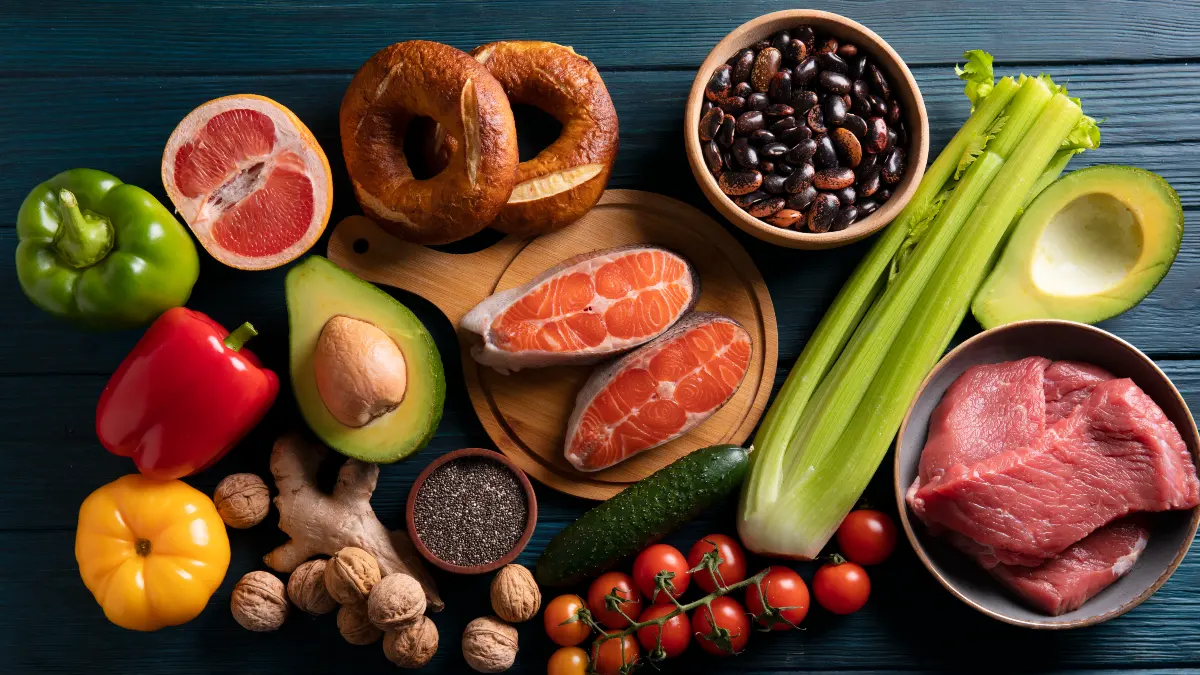
Bacon, sausage, hot dogs, deli meats, and salami might be convenient, but they are incredibly taxing on your liver. They present a triple threat.
First, they are packed with saturated fats, which contribute directly to liver inflammation.
Second, they are loaded with sodium, which can contribute to fluid retention and put stress on your entire system.
Third, and perhaps most insidiously, they contain preservatives like nitrates.
These compounds are known to cause oxidative stress, a form of cellular damage that your liver has to work overtime to clean up, which can accelerate liver damage and scarring.
Eliminate processed meats. Choose fresh, lean proteins like chicken breast, turkey, fish, or plant-based proteins like lentils and beans.
4. Fried Foods & Most Fast Food: Soaked in Inflammatory Fats
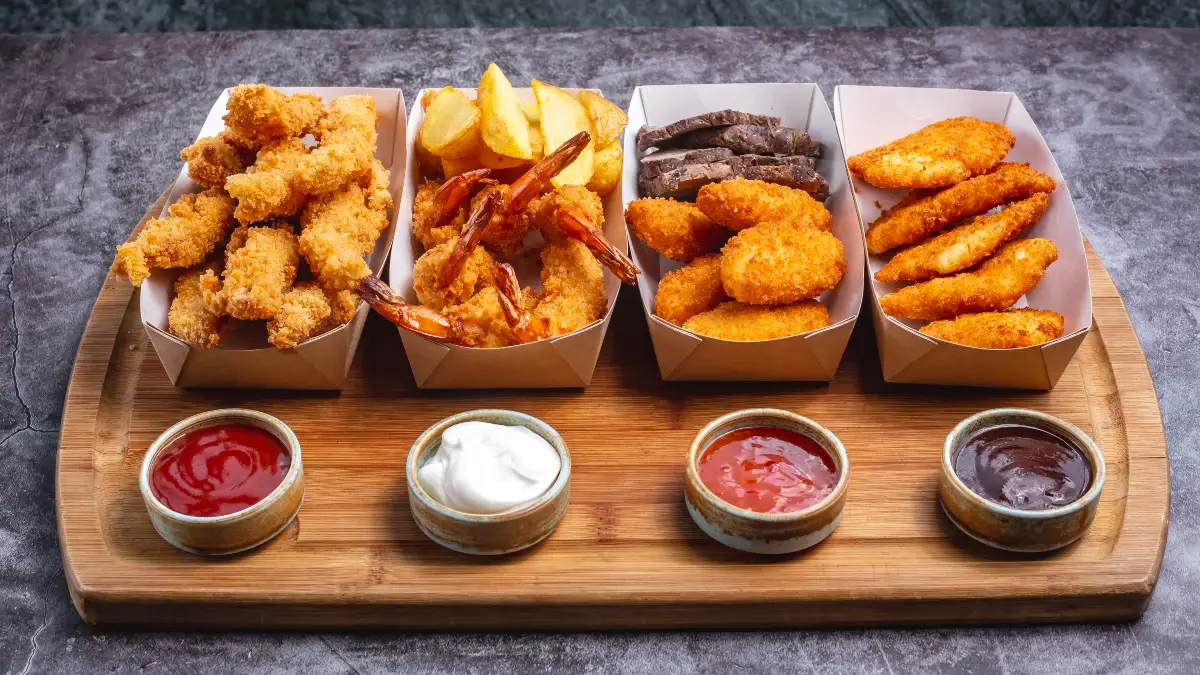
Anything that comes out of a deep fryer—french fries, fried chicken, onion rings, doughnuts—is a recipe for liver inflammation.
The issue is the combination of high calories and unhealthy fats.
These foods are often cooked in partially hydrogenated oils, which are sources of trans fats, or in industrial vegetable oils (like soy or corn oil) that are high in omega-6 fatty acids.
When heated, these oils become unstable and create inflammatory compounds. Eating them is like pouring fuel on the inflammatory fire already burning in a fatty liver.
The high calorie count also drives weight gain, the leading risk factor for NAFLD.
If it’s deep-fried, avoid it. Opt for baked, grilled, steamed, or air-fried versions of your favorite foods instead.
5. Sugary Breakfast Cereals & Granola Bars: Health Halos Hiding Sugar
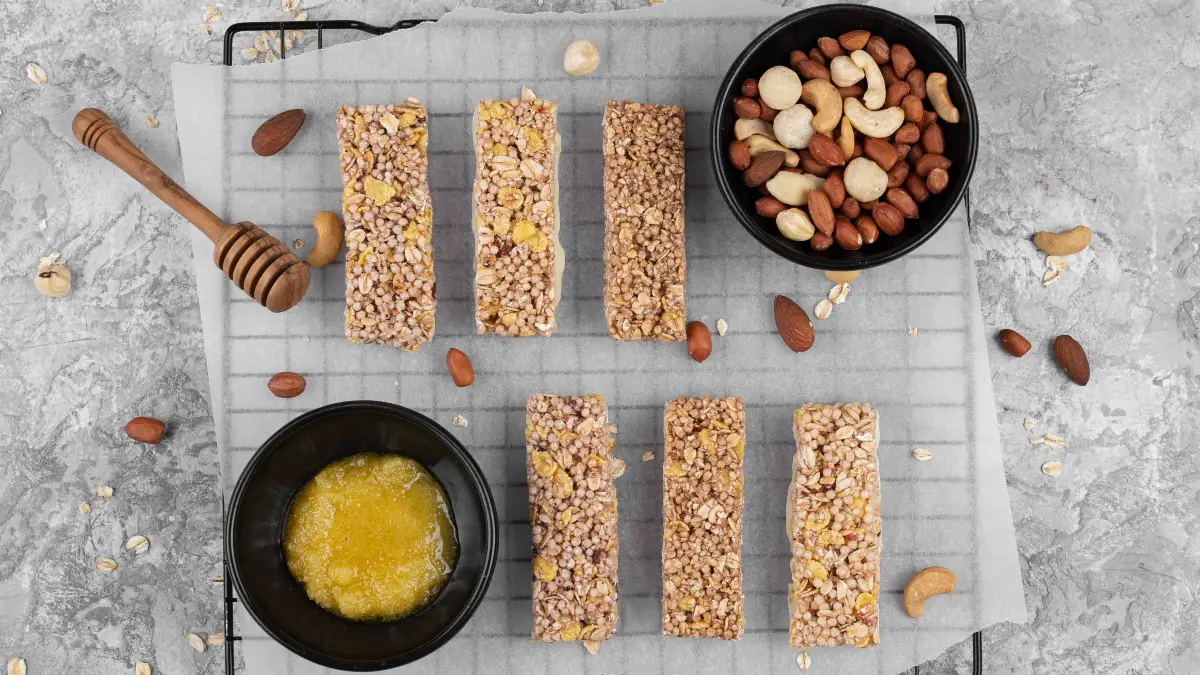
Many foods marketed as “healthy” breakfast options are nothing more than dessert in disguise.
Most mainstream breakfast cereals, even those not aimed at kids, are loaded with added sugars and refined grains.
A bowl of honey-nut loops or frosted flakes can have more sugar than a cookie. The same goes for most granola bars, “health” bars, and breakfast pastries.
They provide a quick sugar rush, an insulin spike, and then a crash—all while telling your liver to get busy making fat. You could say it’s the worst possible way to start your day for liver health.
Read labels religiously. Choose cereals with less than 5 grams of sugar and at least 5 grams of fiber per serving, like plain oatmeal or shredded wheat.
6. Commercial Baked Goods: The Sugar and Bad Fat Combo
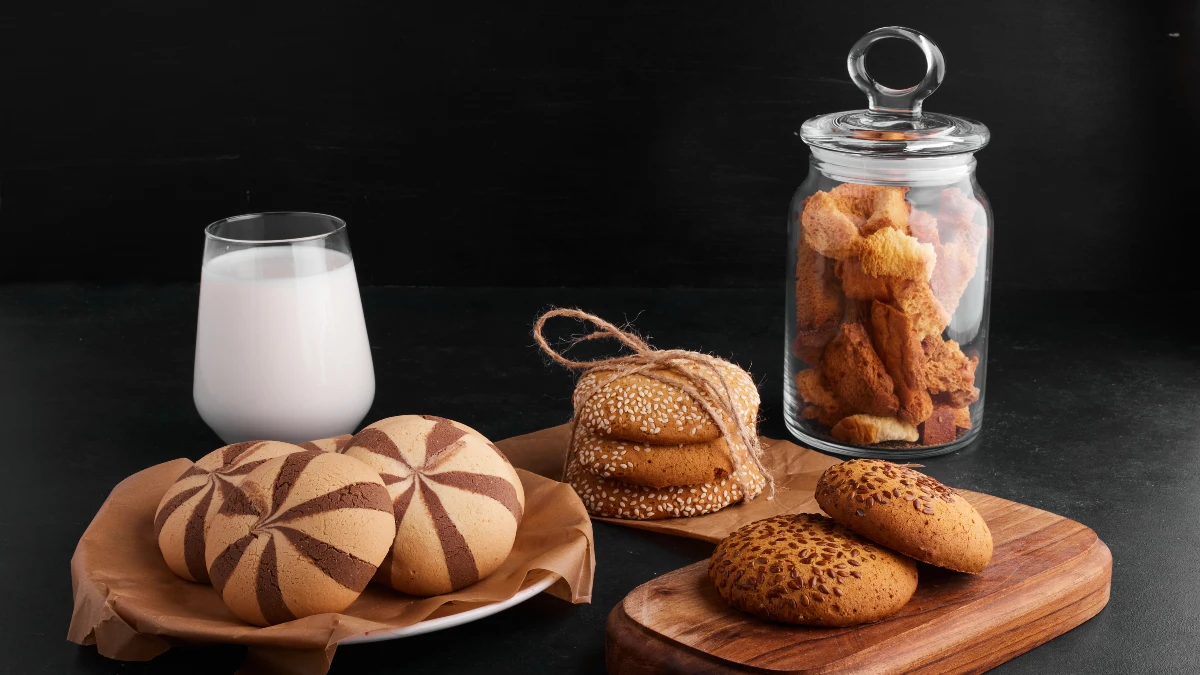
Cookies, cakes, pastries, muffins, and pies that you buy from a store or bakery are a double-whammy for your liver.
They combine two of the worst ingredients: refined flour and huge amounts of sugar (often HFCS).
As we’ve covered, this combination spikes your insulin and provides the raw materials for fat production in the liver.
But it’s also about the fat they use. To achieve a long shelf-life and a desirable texture, commercial bakeries often use shortening or margarine, which are sources of saturated and sometimes trans fats.
This potent combination of sugar and unhealthy fat is extremely pro-inflammatory.
These are treats that an at-risk liver cannot afford. If you crave something sweet, have a piece of whole fruit.
7. Alcohol: Pure Stress for an Overworked Liver
This might seem obvious, but it has to be said. If you have Non-Alcoholic Fatty Liver Disease, your liver is already fatty without alcohol’s influence. Adding alcohol is like asking someone running a marathon to carry a heavy backpack.
The liver sees alcohol as a toxin and prioritizes metabolizing it above everything else. This process creates highly damaging byproducts that lead to inflammation and liver cell damage.
For a liver that is already struggling, even a small amount of alcohol can accelerate the progression from simple fatty liver to more serious conditions like steatohepatitis (NASH) or cirrhosis.
If you are at risk for or have been diagnosed with fatty liver disease, the safest amount of alcohol is zero.
8. High-Fructose “Natural” Sweeteners: Agave & Honey
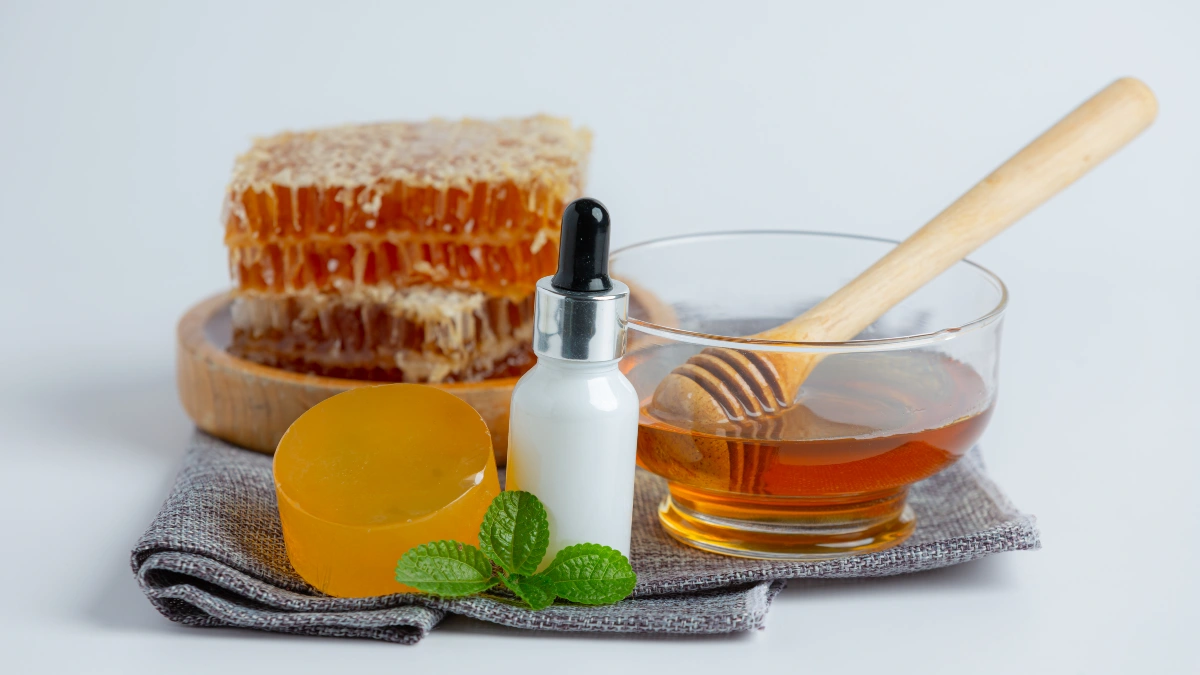
You might think you’re making a healthy choice by swapping table sugar for agave nectar or honey. Unfortunately, when it comes to your liver, it’s just as bad, if not worse.
Here’s the reality: Agave nectar is incredibly high in fructose—sometimes up to 85%, which is much higher than high-fructose corn syrup.
As we learned with soda, your liver is solely responsible for processing fructose, and an overload leads directly to fat creation.
While honey has some beneficial properties, it is still a mix of glucose and fructose and has the same fat-storing effect on the liver when consumed in excess.
Treat all added sweeteners, including “natural” ones, as sugar. Use them very sparingly, if at all.
9. Full-Fat Dairy Products: A Source of Saturated Fat
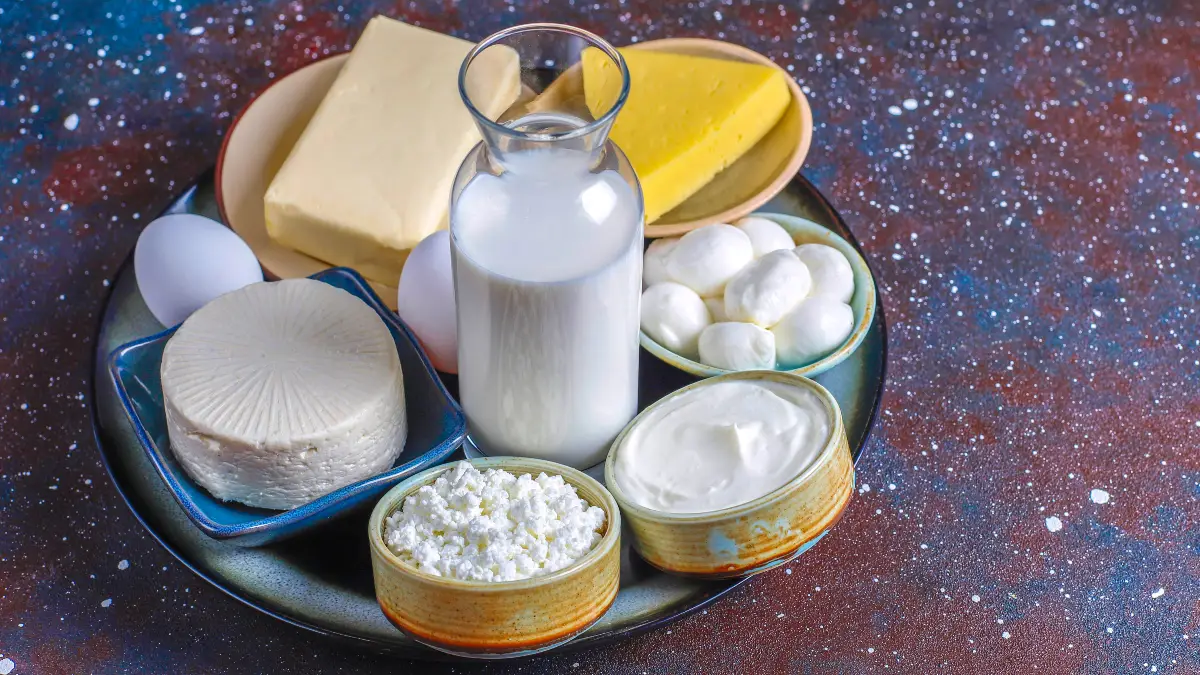
This one requires some nuance. While dairy contains important nutrients, full-fat versions like whole milk, butter, heavy cream, and rich cheeses are very high in saturated fat.
A diet high in saturated animal fats is consistently linked to increased liver fat and insulin resistance. You don’t necessarily have to eliminate dairy, but you must be smart about it.
Overconsuming cheese on pizza, butter on toast, and cream in your coffee can contribute a significant amount of the type of fat your liver struggles with.
Limit your intake of full-fat cheese and butter. Opt for low-fat, unsweetened yogurt and skim or 1% milk where possible.
10. Fruit Juice: All the Sugar, None of the Fiber
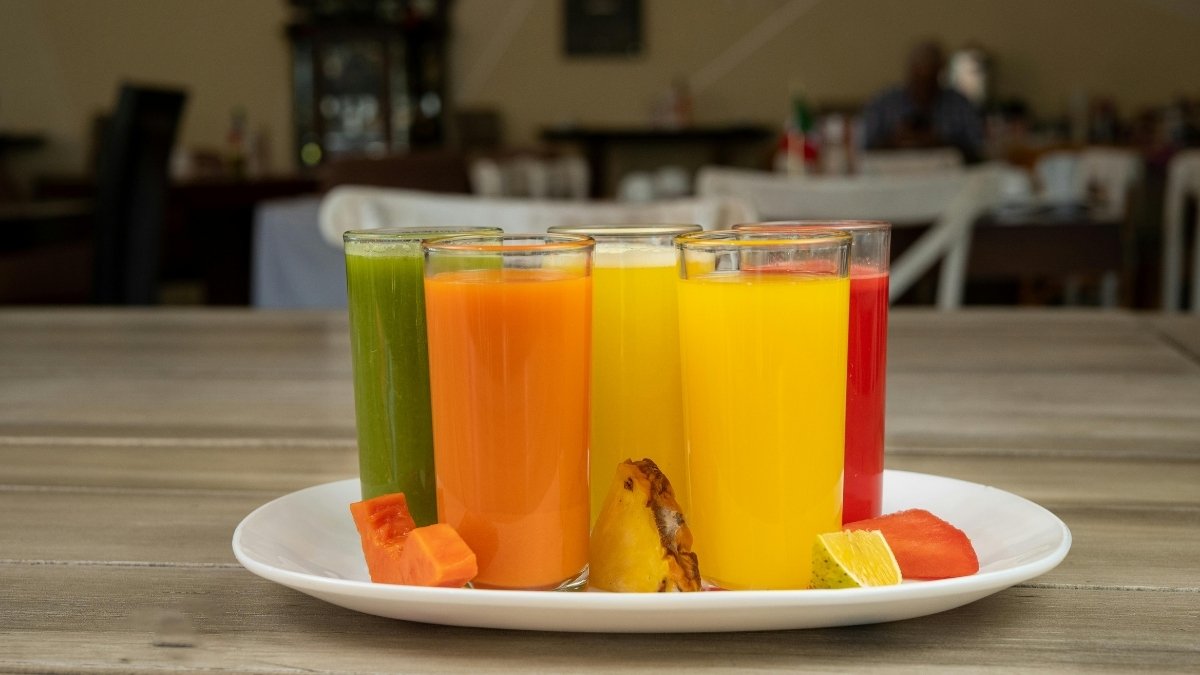
“100% Pure Juice” sounds healthy, right? But for your liver, it’s not much different from soda.
When you juice a fruit, you strip away its most valuable component for liver health: the fiber.
An orange has fiber that slows down the absorption of its natural sugar (fructose).
A glass of orange juice, which might contain 4-5 oranges, delivers a concentrated shot of fructose to your liver all at once, leading to the same fat-production process as a can of soda.
The vitamins do not negate the damage from the fructose bomb.
Eat your fruit, don’t drink it. A whole apple is great; a glass of apple juice is not.
11. “Diet” & “Low-Fat” Packaged Foods: Trading Fat for Sugar
When food manufacturers remove fat from a product, they have to add something back in to make it taste good.
That something is almost always sugar, salt, or chemical thickeners.
“Low-fat” yogurts, salad dressings, and peanut butter are classic examples.
You think you’re making a healthy choice, but you’re actually consuming a high-sugar product that will spike your insulin and promote liver fat storage.
These foods are often highly processed and offer very little nutritional value.
Be a food detective. Read the “Added Sugars” line on the nutrition label. Often, the full-fat, unsweetened version is the better choice in a smaller quantity.
12. Canned Soups and Frozen Dinners: Sodium and Hidden Culprits
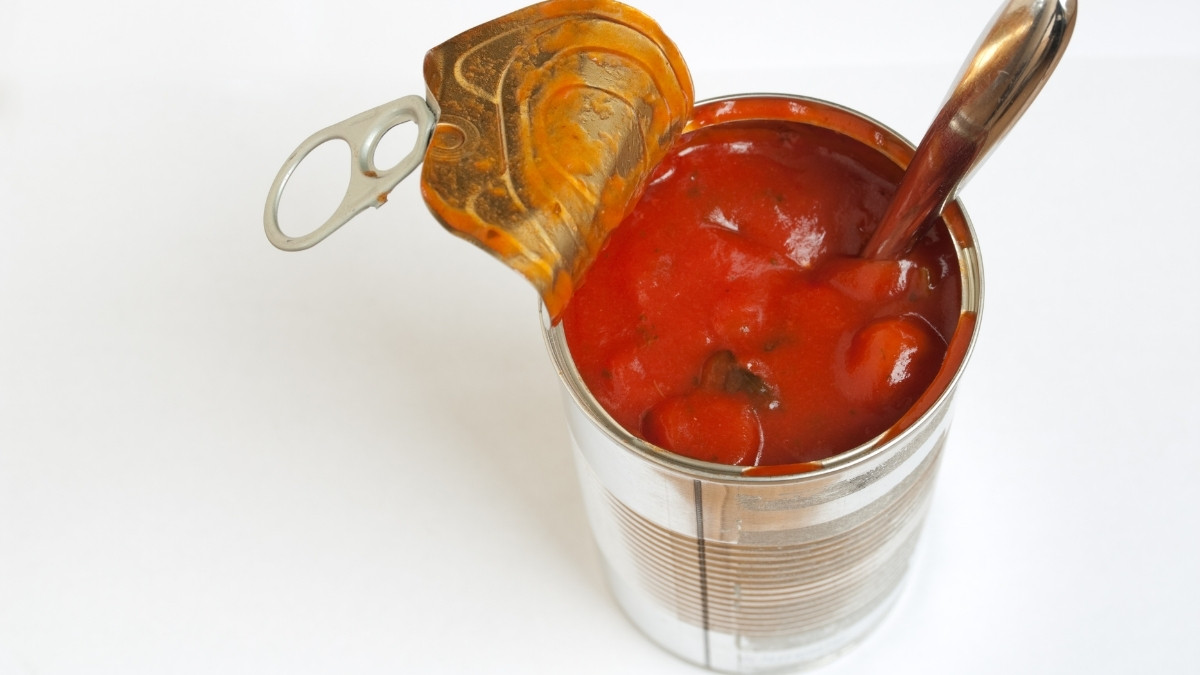
The convenience of a ready-made meal is tempting, but most are nutritional minefields for someone with a fatty liver.
The primary issue is sodium. A single serving of canned soup or a frozen dinner can contain more than half of your recommended daily sodium intake. High sodium intake is linked to higher risk of NAFLD.
Beyond that, they are often full of hidden sugars, unhealthy fats, and preservatives to make them shelf-stable and palatable. They are the definition of ultra-processed food.
Cook at home whenever possible using fresh ingredients. If you must buy pre-made, look for low-sodium options with a simple, recognizable ingredient list.
13. Excess Red Meat: A Burden of Saturated Fat
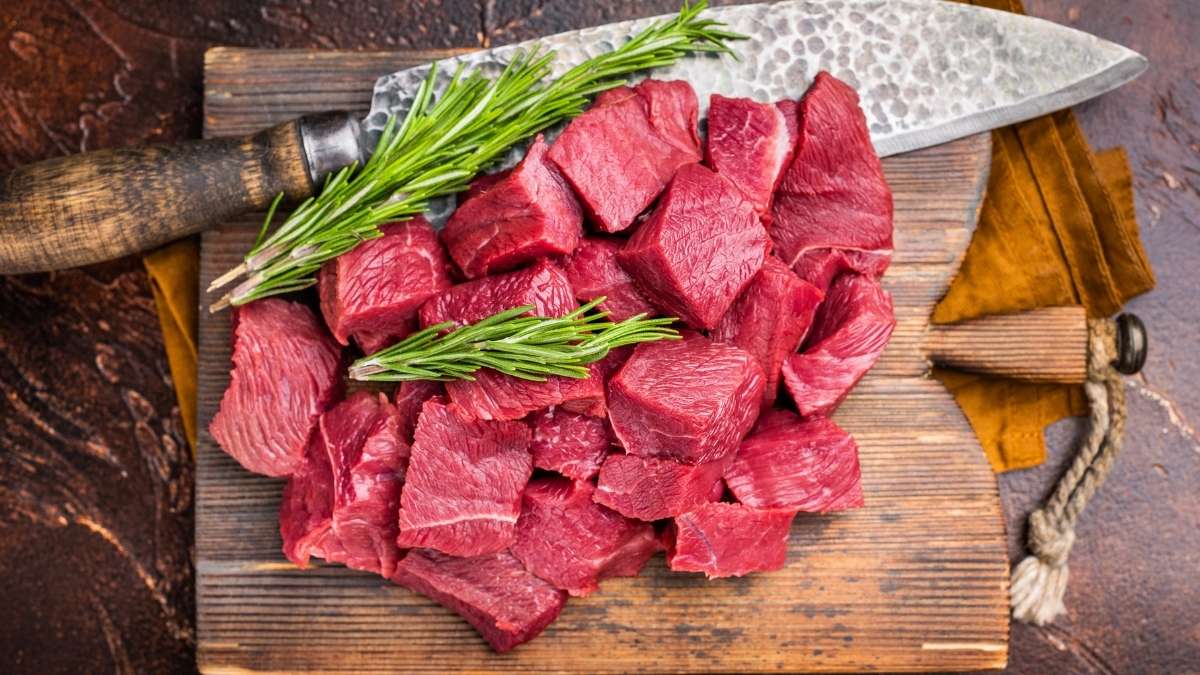
A juicy steak or hamburger can fit into a healthy diet, but for someone with a fatty liver, the key word is excess.
Red meats like beef, pork, and lamb are high in saturated fat compared to other protein sources.
A diet consistently high in red meat has been linked in large-scale studies, like those published by researchers at Harvard School of Public Health, to an increased risk of NAFLD.
The high saturated fat content can worsen insulin resistance and add to the fat burden on your liver. It’s not about becoming a vegetarian, but about shifting the balance.
Treat red meat as a weekly indulgence, not a daily staple. Choose lean cuts, keep portions small (about the size of your palm), and prioritize poultry, fish, and plant-based proteins.
14. Candy and Packaged Sweets: Pure, Unadulterated Sugar
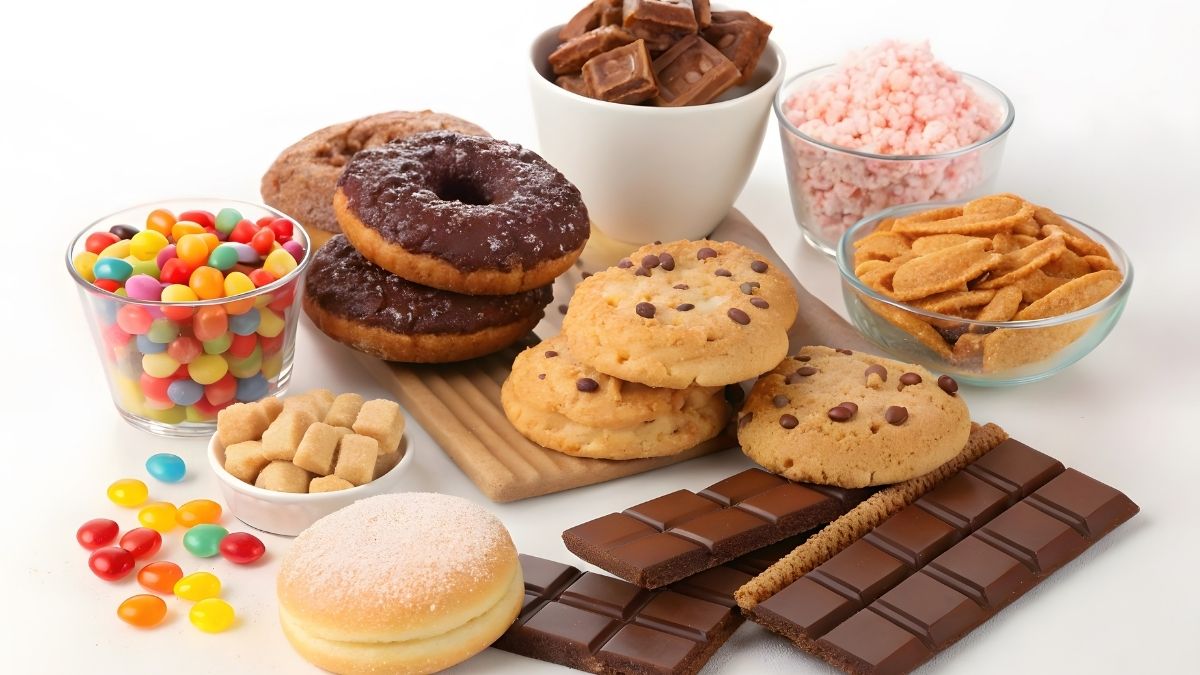
This one is straightforward. Candy, chocolate bars, and packaged sweets are essentially pure sugar, often in the form of high-fructose corn syrup and other refined sugars, combined with unhealthy fats.
They offer zero nutritional value—no fiber, no vitamins, no minerals. They are designed to be hyper-palatable, making it easy to overconsume them.
Every bite is a direct deposit into your liver’s fat-storage account, spiking your blood sugar and driving inflammation. There is no redeeming quality here for liver health.
This is an easy category to eliminate. These are not food; they are sugar-delivery systems that your sick liver cannot handle.
15. Margarine & Shortening: Hidden Trans Fats
For years, we were told margarine was a heart-healthy alternative to butter. We now know that was dangerously wrong.
Many stick margarines and all vegetable shortenings are made through a process called hydrogenation, which creates artificial trans fats.
Trans fats are the single worst type of fat for your health.
They are intensely inflammatory and have been shown to dramatically increase liver fat accumulation, even without an excess of calories.
While many manufacturers have removed them, they still lurk in some margarines, packaged baked goods, coffee creamers, and microwave popcorn.
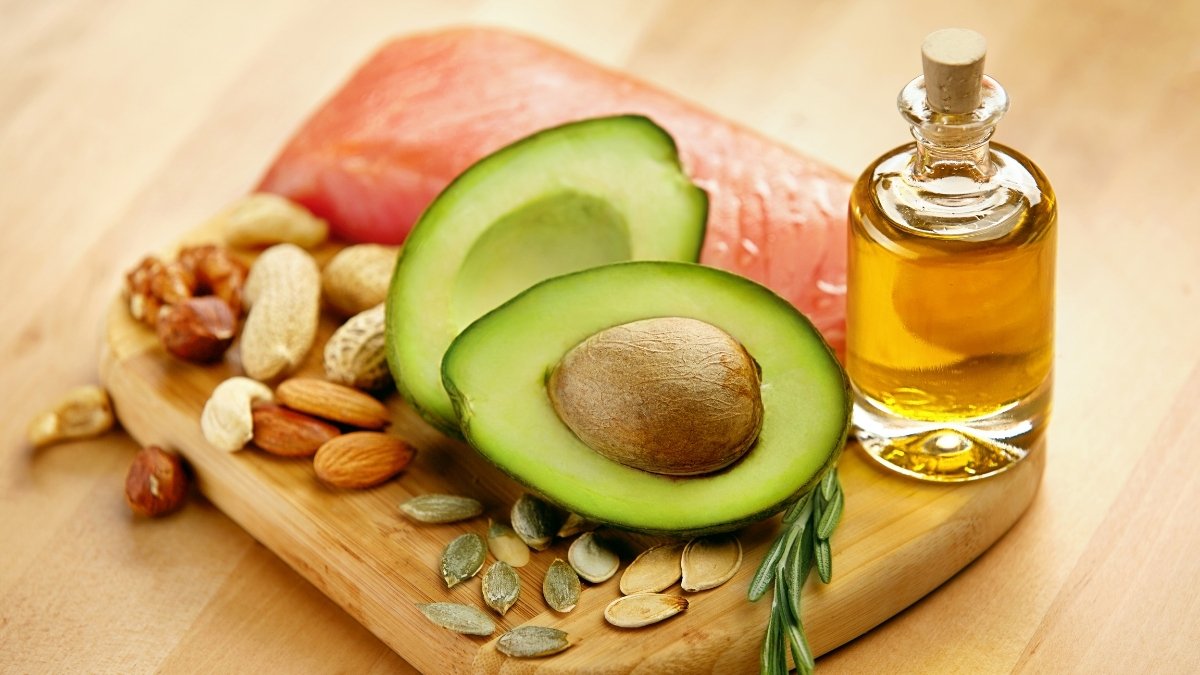
Read labels and avoid anything that lists “partially hydrogenated oil.” Cook with healthy fats like extra virgin olive oil instead.
Conclusion
Looking at this list can feel overwhelming. But look closer, and you’ll see a clear pattern.
The core of a fatty liver diet plan is simple: eliminate added sugars (especially fructose), refined carbohydrates, and unhealthy, inflammatory fats.
It’s not about a hundred different rules; it’s about removing the fuel that feeds this disease.
This isn’t a diet of deprivation. It’s an act of empowerment. Every time you choose water over soda or a piece of fruit over a cookie, you are actively helping your liver heal.
By removing these foods to avoid with fatty liver, you give your body’s most resilient organ the fighting chance it deserves.
Before making any drastic changes, be sure to discuss your new eating plan with your doctor or a registered dietitian.