

Are your eyes not what they used to be? Many people struggle with declining vision after 40, yet few know that specific nutrients could help maintain sharper eyesight.
The problem worsens when typical diets lack these critical compounds, leaving your visual system without the building blocks it needs.
Adding just a handful of targeted nutrients can strengthen eye tissues, protect against oxidative damage, and support clear vision at any age.
From antioxidants that shield your macula to fatty acids that improve tear quality, these 15 eye-saving nutrients deserve a spot on your plate.
1. Vitamin A (Retinol/Beta-Carotene)
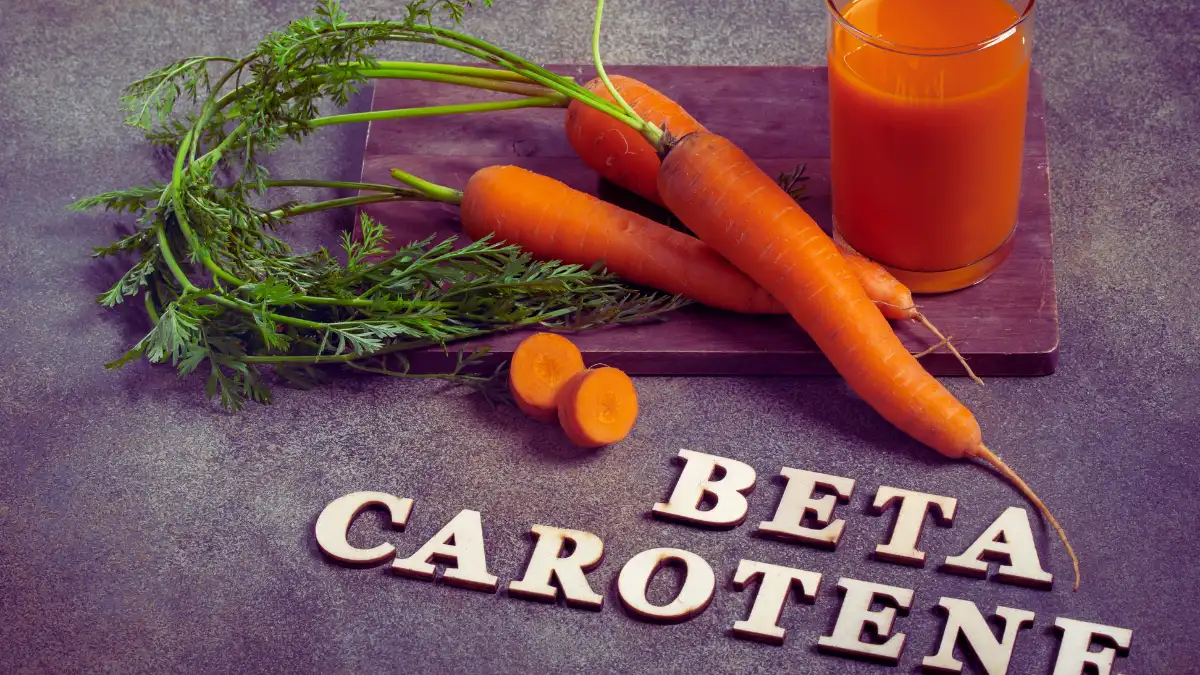
Your eyes rely on vitamin A to function properly, especially in low-light conditions. Without enough of this nutrient, night vision suffers noticeably. The retina needs vitamin A to convert light into electrical signals that your brain can interpret as images.
Many people don’t realize that this vitamin comes in two forms – preformed vitamin A (retinol) from animal products and beta-carotene from plants.
Your body converts beta-carotene into vitamin A as needed. Eating a variety of orange and green vegetables ensures you get enough.
Signs of deficiency include dry eyes, difficulty seeing in dim lighting, and, in severe cases, a condition called xerophthalmia.
Good sources include carrots, sweet potatoes, spinach, liver, and dairy products. Adding these foods to your weekly menu supports both eye health and immune function.
2. Lutein & Zeaxanthin
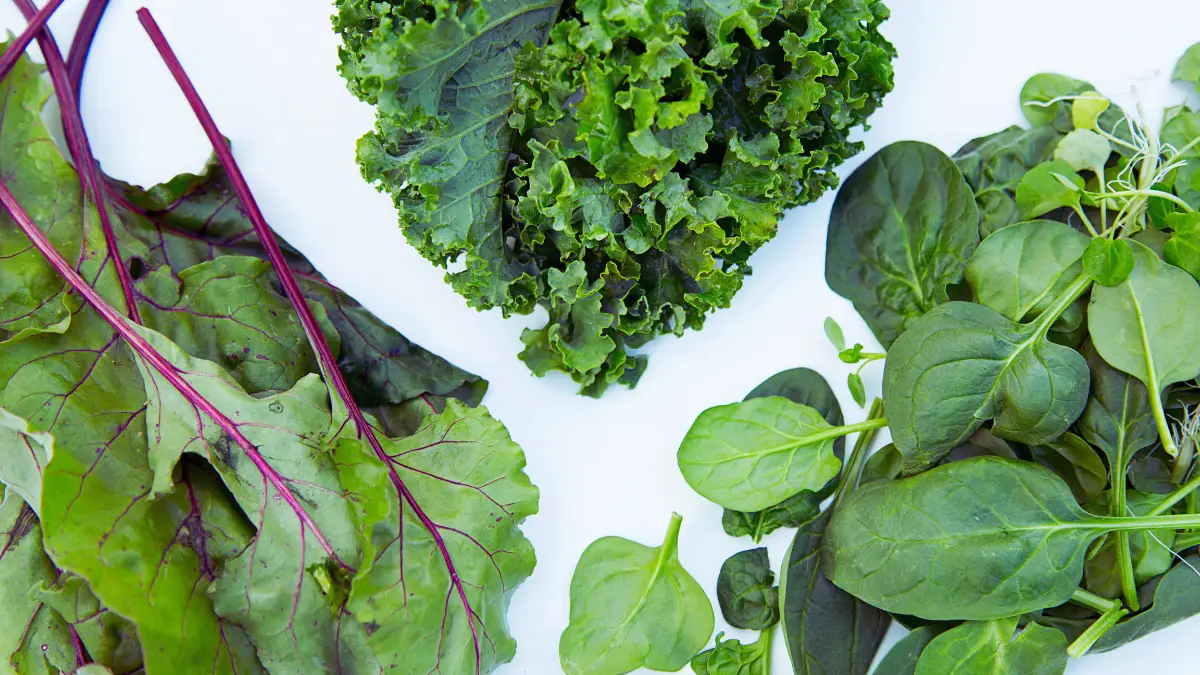
These two carotenoids act as natural sunglasses inside your eyes. Lutein and zeaxanthin accumulate in the macula, filtering harmful blue light and protecting delicate retinal cells from damage.
Their concentration naturally decreases with age, making regular consumption crucial after 40. Your retina contains a yellow spot called the macula, which handles detailed central vision.
Lutein and zeaxanthin create this protective yellow pigment. People with higher levels of these nutrients show lower rates of age-related macular degeneration (AMD), the leading cause of vision loss in older adults.
Food sources rich in these protective compounds include dark leafy greens like kale and spinach, yellow and orange peppers, corn, egg yolks, and pistachios.
Cooking these vegetables in a small amount of oil helps your body absorb these fat-soluble nutrients more effectively.
3. Omega-3 Fatty Acids (DHA/EPA)
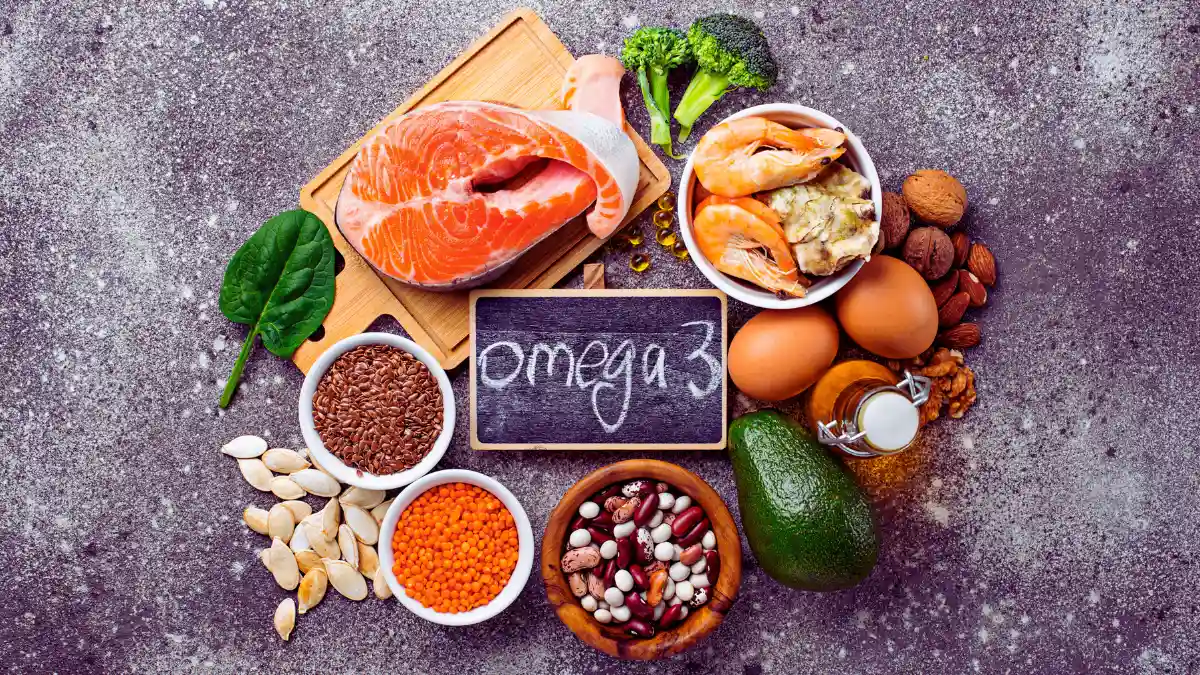
Your body stores omega-3 fatty acids most abundantly in the retina of your eye. DHA, a specific type of omega-3, makes up about 30% of the fatty acids in the retina.
This nutrient helps maintain flexible cell membranes in eye tissues and supports visual development throughout life.
EPA, another omega-3 fatty acid, helps reduce inflammation throughout the body, including the eyes. Dry eye syndrome becomes more common after 40, and omega-3s can improve tear quality and reduce symptoms. They work by promoting healthy oil-producing glands in the eyelids.
Cold-water fatty fish like salmon, mackerel, and sardines provide the most bioavailable forms of these nutrients.
Plant sources such as flaxseeds, chia seeds, and walnuts contain ALA, which your body converts to DHA and EPA, though less efficiently. Adding fish to your diet twice weekly or considering supplements can support long-term eye health.
4. Vitamin C
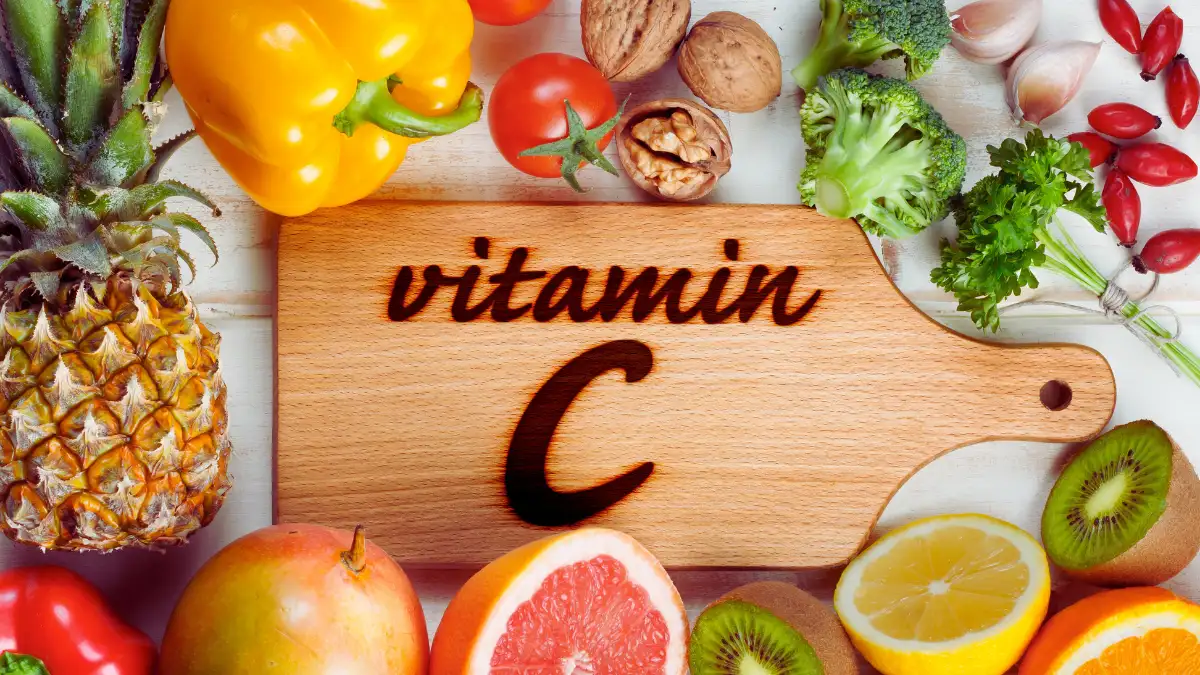
This powerful antioxidant protects your eyes from oxidative damage caused by light exposure and everyday metabolic processes.
Vitamin C concentrates in the fluid that bathes the lens of your eye, where it neutralizes harmful free radicals that can lead to cataracts.
As you age, the natural lens in your eye becomes less transparent, gradually forming cataracts that cloud vision.
Regular vitamin C intake helps maintain lens clarity by supporting collagen production and strengthening blood vessels that nourish eye tissues. People with higher vitamin C intake have a lower risk of developing cataracts.
Citrus fruits offer abundant vitamin C, but other excellent sources include bell peppers, strawberries, broccoli, and kiwi fruit.
The human body cannot store this water-soluble vitamin, so daily consumption through foods becomes essential. Fresh fruits and vegetables provide additional beneficial compounds that work alongside vitamin C.
5. Vitamin E
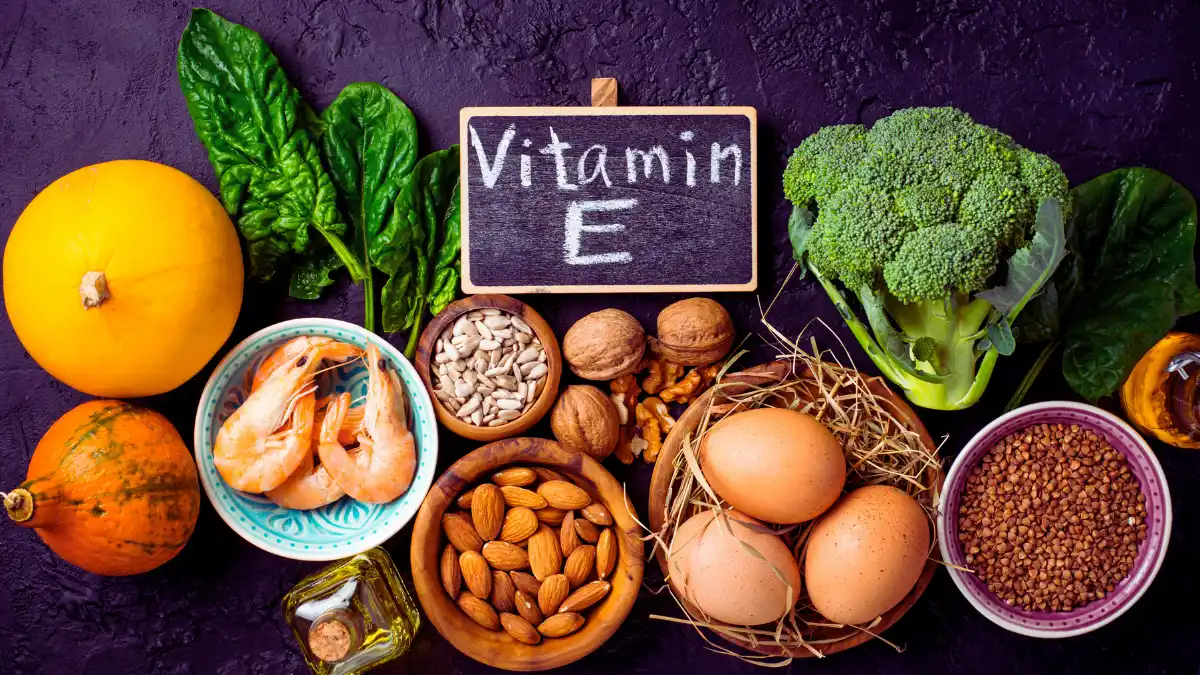
This fat-soluble vitamin protects cell membranes throughout your eyes from oxidative damage. Vitamin E guards the delicate fatty acids in retinal tissues, which are particularly vulnerable to free radical attacks.
Your body cannot produce this essential nutrient, making dietary sources vital. Aging eyes face increased oxidative stress from UV light exposure and metabolic processes.
Vitamin E acts as a primary defender against this damage. It works synergistically with other nutrients like vitamin C and zinc to maintain eye health. Higher vitamin E intake is associated with reduced cataract risk.
Good sources include nuts (especially almonds), seeds (such as sunflower), wheat germ, spinach, and avocados. Cooking oils like sunflower and safflower oil also contain significant amounts.
Since vitamin E is stored in fat tissue, consistent consumption matters more than occasional large doses. Incorporating a small handful of nuts or seeds into your daily routine can help meet your needs.
6. Zinc
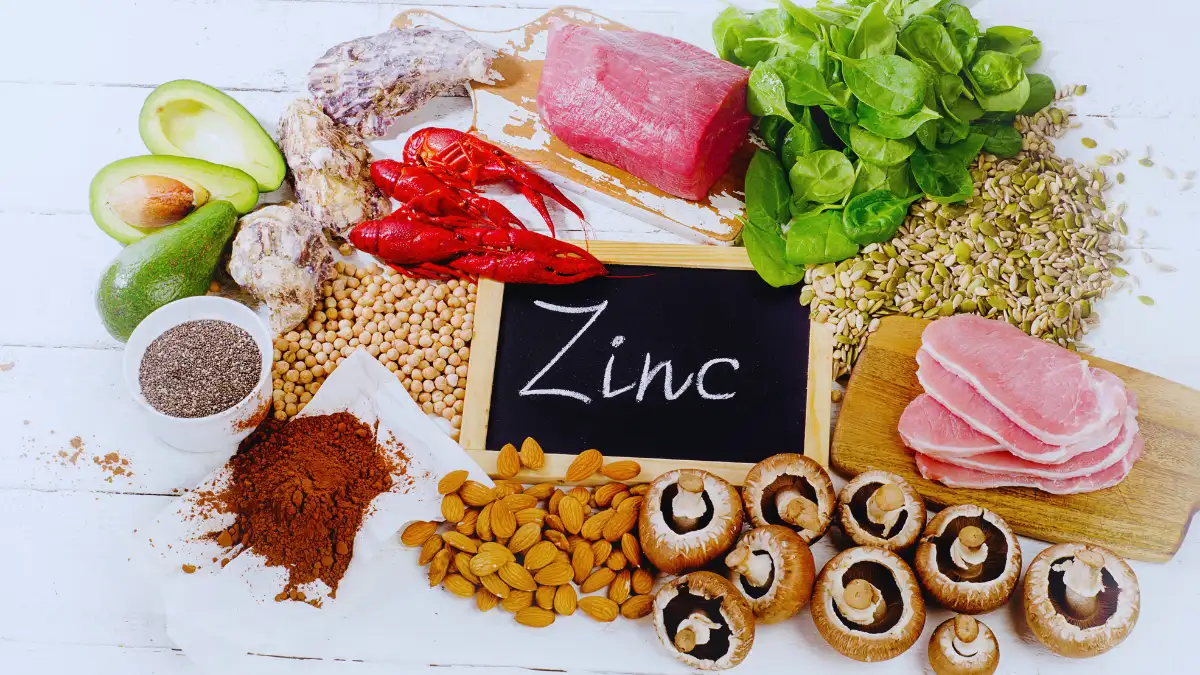
Your retina contains one of the highest concentrations of zinc in your body. This mineral plays a crucial role in bringing vitamin A from your liver to your retina to produce melanin, the protective pigment in the eyes.
After 40, zinc absorption often decreases, making intentional consumption more important. Without sufficient zinc, night vision and color perception can deteriorate.
This mineral supports the activity of over 100 enzymes involved in eye health. The structures in your eyes undergo constant renewal, and zinc facilitates this process of breaking down and rebuilding tissues.
Food sources high in bioavailable zinc include oysters, beef, pork, chicken, pumpkin seeds, yogurt, and lentils.
Plant sources contain compounds called phytates that can reduce absorption, so eating these foods with vitamin C helps maximize zinc uptake. Most people require just small amounts daily to maintain optimal eye health.
7. Vitamin D
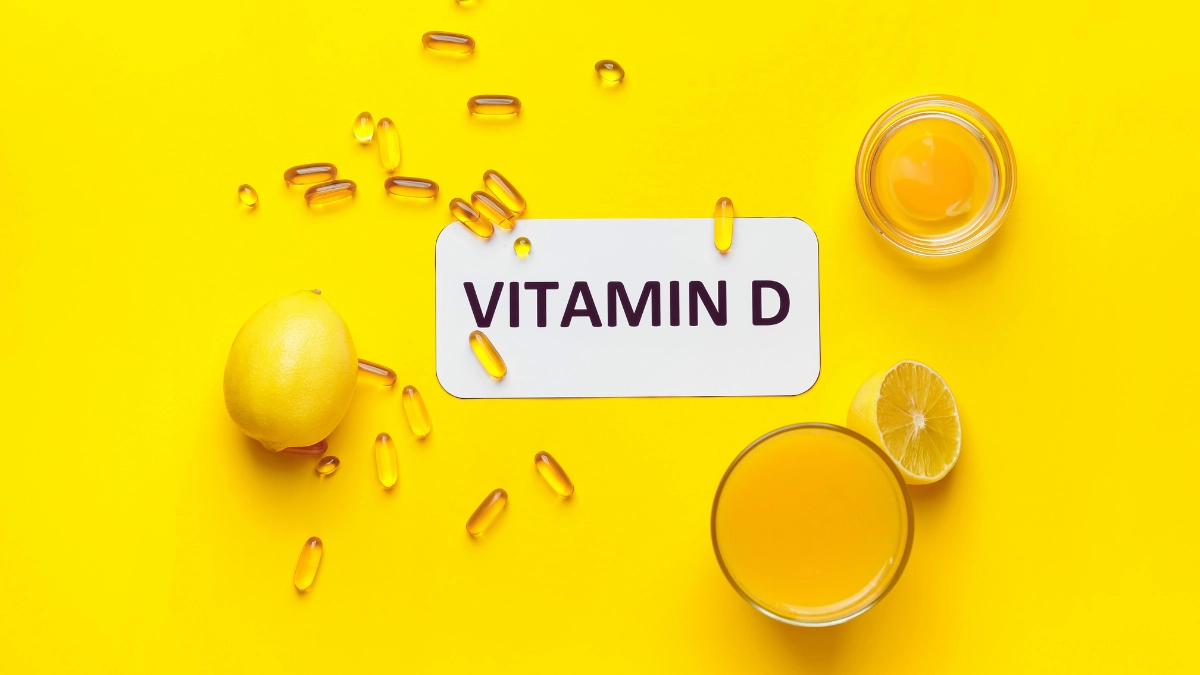
Your eyes contain vitamin D receptors throughout their tissues, signaling this nutrient’s importance for vision. Often called the “sunshine vitamin,” vitamin D regulates immune function within the eye and helps control inflammation that can damage delicate structures.
Low vitamin D levels are linked to an increased risk of age-related macular degeneration and dry eye syndrome.
This connection grows stronger after age 40 when natural vitamin D production through sun exposure becomes less efficient. Your skin’s ability to synthesize this vitamin decreases significantly with age.
Sun exposure remains the primary natural source, with fatty fish, egg yolks, and fortified dairy products offering dietary options.
Spending 15-20 minutes outdoors with face and arms exposed several times weekly helps maintain levels. During winter months in northern regions, supplementation often becomes necessary to prevent deficiency that could compromise eye health.
8. Resveratrol

This powerful antioxidant found in grape skins protects retinal cells from damage caused by ultraviolet light exposure.
Resveratrol works by activating specific proteins that shield eye tissues from oxidative stress. As we age, our natural antioxidant defenses weaken, making external sources increasingly valuable.
Researchers at the University of Missouri found that resveratrol reduces oxidative stress in retinal cells exposed to UV light, potentially slowing age-related vision decline.
The study, published in the Journal of Nutritional Biochemistry, showed that this compound helps maintain proper blood flow to eye tissues while reducing inflammation that can harm delicate structures.
Food sources rich in resveratrol include red and purple grapes, blueberries, cranberries, and dark chocolate. Red wine contains this compound, though alcohol can counteract some benefits.
Supplements offer higher concentrations, but talk with your doctor first. Adding a handful of grapes or berries to your daily diet provides a natural boost to your eye protection system.
9. Gamma-Linolenic Acid (GLA)
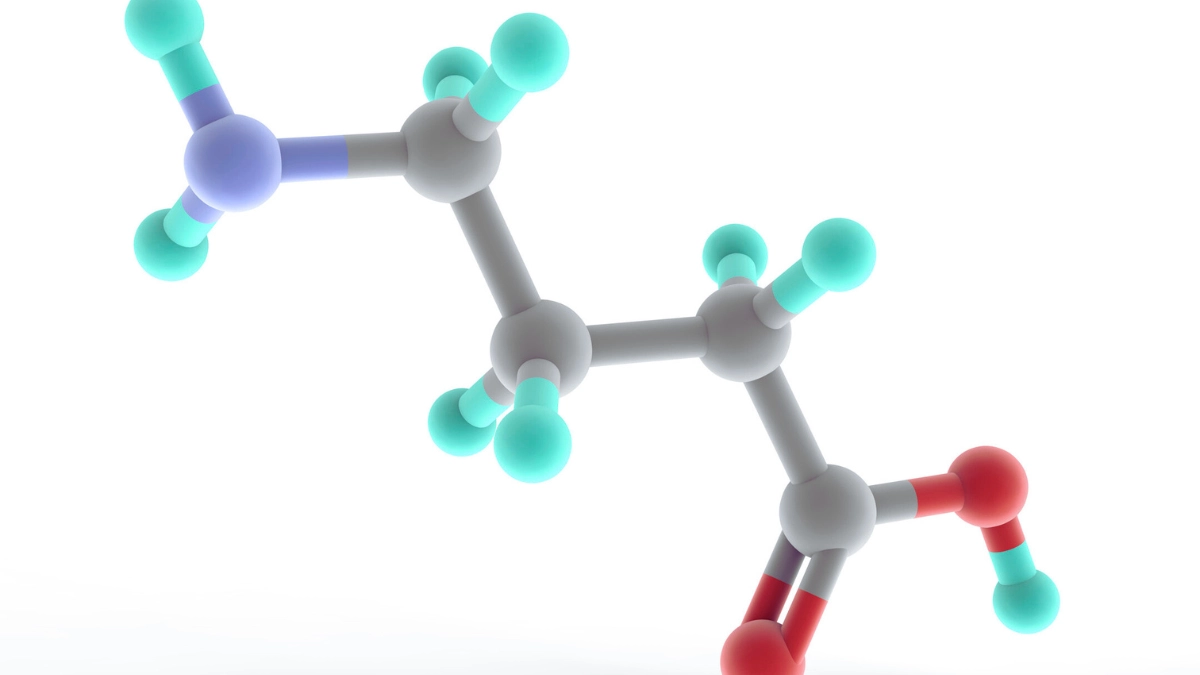
This rare fatty acid plays a crucial role in maintaining the quality of your tears. GLA helps reduce inflammation in the tear glands and improves oil production needed for a stable tear film.
Many adults experience increasing dry eye symptoms after 40 as hormone changes affect tear quality. Your eyes need a balanced mixture of oils, water, and mucus to stay comfortably lubricated.
GLA contributes to this balance by supporting the meibomian glands that produce the oily layer of tears. Without sufficient oils, tears evaporate too quickly, leaving eyes feeling gritty and irritated. Regular consumption can help restore comfort for computer users and contact lens wearers.
Unlike other essential fatty acids, GLA occurs in very few foods. Evening primrose oil, borage oil, and black currant seed oil provide concentrated amounts.
Hemp seeds and spirulina offer smaller quantities. Some people need supplements to achieve therapeutic levels, especially those with chronic dry eye conditions or who take medications that reduce tear production.
10. Copper

This trace mineral works alongside zinc to protect eye tissues through an enzyme called superoxide dismutase. Copper helps form collagen, which provides structure to the cornea and sclera (white part of the eye). Your body needs only small amounts, but consistent intake matters for long-term vision health.
The retina contains high levels of copper, suggesting its importance in maintaining proper function. This mineral supports the activity of enzymes that control energy production in eye tissues.
Without sufficient copper, blood vessels supplying the retina may become fragile and leak, potentially leading to vision problems.
Copper-rich foods include shellfish, organ meats, nuts, seeds, and whole grains. Just one ounce of cashews provides 70% of your daily copper needs.
The balance between zinc and copper matters – too much of one can reduce absorption of the other. Eating varied foods rather than relying on supplements helps maintain this balance naturally.
11. Selenium
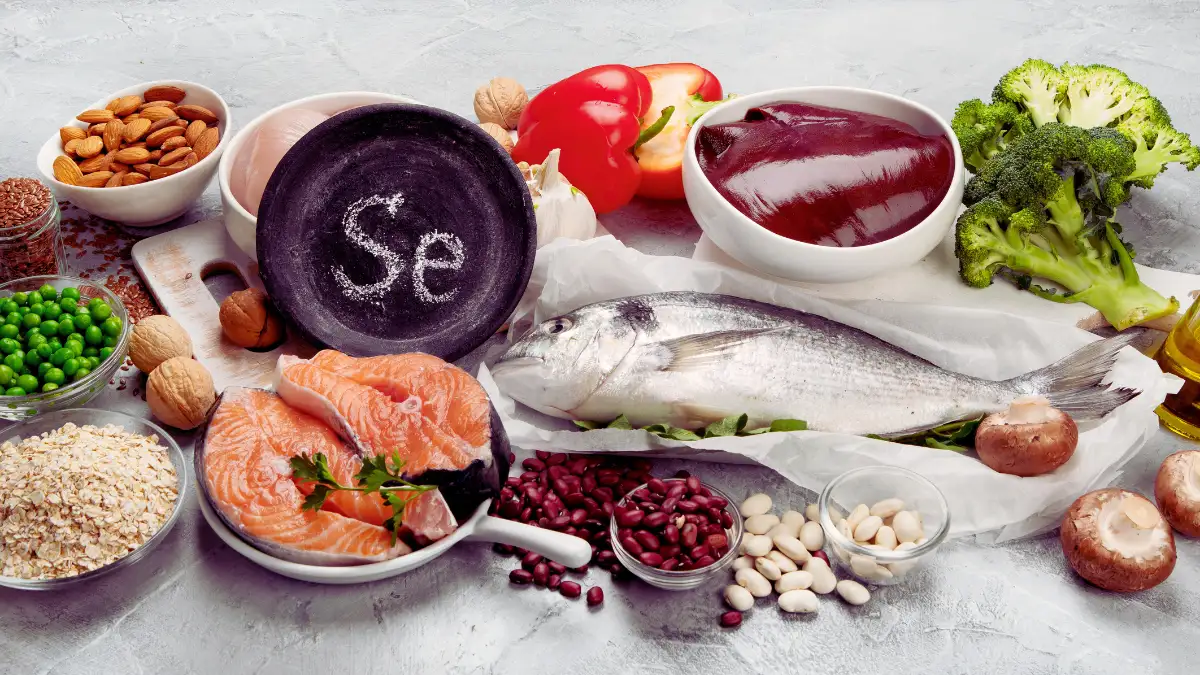
This mineral activates enzymes that function as powerful antioxidants within eye tissues. Selenium helps recycle vitamin E, extending its protective effects against free radical damage.
Your body incorporates selenium into proteins called selenoproteins that defend the lens and retina from oxidative stress.
The lens of your eye faces constant exposure to oxygen and light, making it vulnerable to damage that can lead to cataracts.
Selenium helps maintain lens transparency by neutralizing harmful molecules before they can cause cloudiness. This mineral also supports proper thyroid function, which indirectly affects eye health through metabolism regulation.
Brazil nuts contain extraordinarily high amounts – just one nut can provide your entire daily requirement. Other good sources include tuna, turkey, chicken, eggs, and whole grains.
Soil conditions affect selenium content in foods, so variety helps ensure adequate intake. Most people need only 55 micrograms daily, making deficiency rare but possible with restricted diets.
12. B Vitamins (B6, B9, B12)
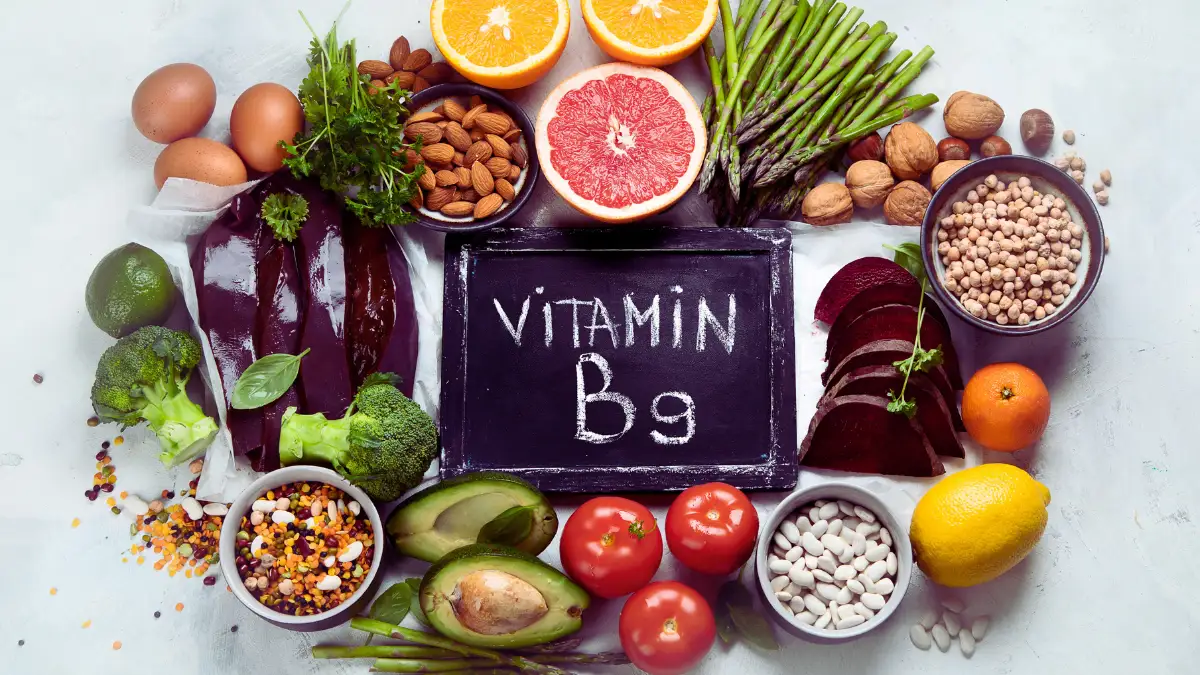
This family of water-soluble vitamins works together to lower homocysteine levels in your bloodstream. High homocysteine damages blood vessels, including the tiny ones supplying your retina.
B vitamins help convert this harmful substance into beneficial compounds through a process called methylation.
Vitamin B6 (pyridoxine) supports the production of neurotransmitters needed for proper signal transmission from your eyes to your brain.
Folate (B9) helps form red blood cells that carry oxygen to the eye tissues. B12 maintains the health of nerve cells involved in vision, including the optic nerve connecting your eye to your brain.
Food sources vary among the B vitamins. Leafy greens provide folate, while animal products like meat, eggs, and dairy supply B12. Bananas, potatoes, and chickpeas offer B6.
As you age, absorption of B12 often decreases due to reduced stomach acid production. Some people benefit from sublingual supplements that bypass digestive issues, especially those on plant-based diets.
13. Curcumin

The golden compound from turmeric root shows remarkable benefits for aging eyes. Curcumin fights inflammation throughout the body, including the delicate tissues of the retina. Its antioxidant properties help neutralize free radicals that contribute to age-related vision changes.
A 2018 study published in GeroScience found that curcumin improves retinal function by protecting specialized cells called photoreceptors from damage.
Researchers noted that curcumin crosses the blood-retina barrier, allowing it to directly support eye tissues. The study also observed reduced markers of inflammation in participants taking curcumin supplements over 12 weeks.
Consuming turmeric with black pepper enhances curcumin absorption dramatically. Adding a pinch of black pepper to curries, golden milk, or turmeric tea increases bioavailability by up to 2000%.
Cooking turmeric in oil also helps your body access its benefits. While supplements offer higher concentrations, food sources provide additional compounds that work synergistically with curcumin.
14. Magnesium
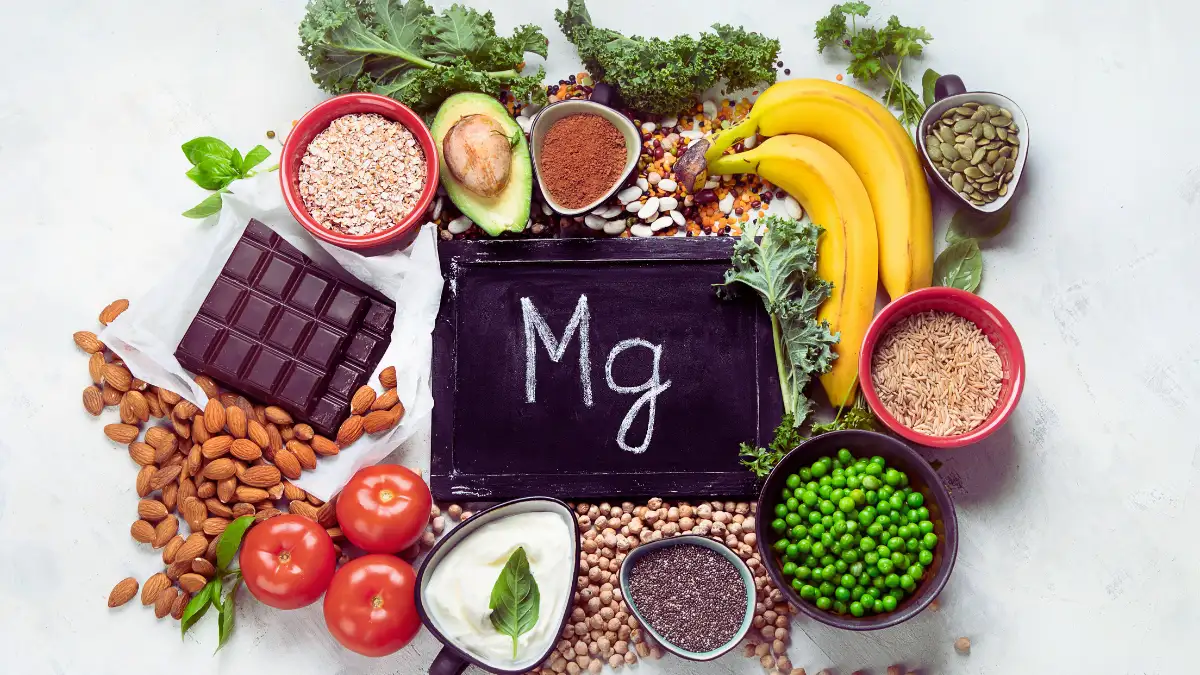
This essential mineral relaxes blood vessels throughout your body, including those supplying your retina. Magnesium helps regulate intraocular pressure by improving blood flow and fluid balance within the eye. Low levels may contribute to glaucoma risk and visual field loss over time.
Your ciliary muscles control focusing and need magnesium for proper function. These tiny muscles work constantly to adjust your lens shape as you shift between near and distant objects.
After 40, these muscles often become less flexible, making reading more difficult. Adequate magnesium helps maintain their elasticity and responsiveness.
Leafy greens, nuts, seeds, beans, and whole grains provide excellent dietary sources. Spinach offers a particularly rich supply, with one cup delivering 40% of your daily needs.
Most multivitamins contain some magnesium, but often in forms poorly absorbed by the body. Magnesium glycinate or citrate supplements offer better bioavailability if dietary intake falls short.
15. Anthocyanins

These vibrant plant pigments give blue, purple, and red fruits their rich colors while offering remarkable benefits for your eyes.
Anthocyanins strengthen the tiny blood vessels that supply your retina and improve circulation to eye tissues. Night vision often improves with regular consumption as these compounds help regenerate rhodopsin, the light-sensitive pigment in your retina.
Your eyes face constant assault from blue light emitted by digital screens and LED lighting. Anthocyanins act as natural filters, reducing oxidative damage from this high-energy light.
They concentrate in eye tissues where protection is most needed, suggesting an evolutionary adaptation to preserve vision.
Blueberries, blackberries, bilberries, and black currants provide concentrated sources of these powerful compounds. Purple grapes, cherries, red cabbage, and elderberries offer additional options.
The benefits accumulate with regular consumption rather than occasional large amounts. Adding a small handful of berries to breakfast or as a snack supports both immediate visual function and long-term eye health.