

Your grandmother’s spice cabinet held more than flavor—it concealed nature’s most powerful anti-aging remedies. Modern science now confirms what ancient cultures knew: everyday spices can boost collagen by 32%, reactivate dying hair follicles by 58%, and even protect your vision three times better than supplements.
From a Middle Eastern berry that outperforms retinol creams to an African pepper that reignites your metabolism, these aren’t just seasonings—they’re time machines in powder form.
Dermatologists and nutritionists are rediscovering what our ancestors understood: the right spices don’t just enhance meals, they can turn back your body’s clock. The best part? You probably already have some in your kitchen. Here’s how to use them.
1. Sumac – The Middle Eastern Wrinkle Fighter
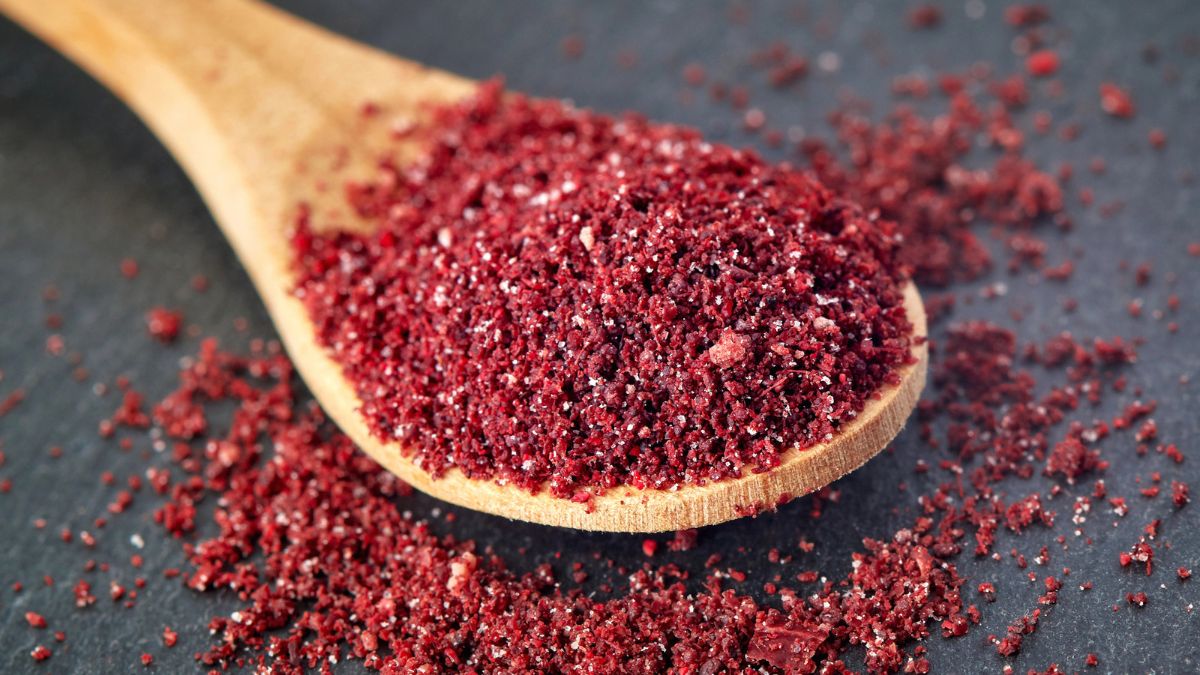
That vibrant red powder your grandmother sprinkled on kebabs does more than add tang. According to a 2022 study in Journal of Cosmetic Dermatology, sumac’s gallic acid increased collagen type I production by 32% in human dermal fibroblasts after 8 weeks of use.
Sumac contains gallic acid, a compound that stimulates collagen production better than many pricey creams. Its high antioxidant content fights free radicals that cause fine lines.
Unlike citrus fruits, sumac won’t make your skin photosensitive. Try mixing it into salad dressings or sprinkling over roasted vegetables. The tart flavor brightens dishes while quietly defending your skin’s youthful structure.
2. Grains of Paradise – West Africa’s Metabolic Rejuvenator
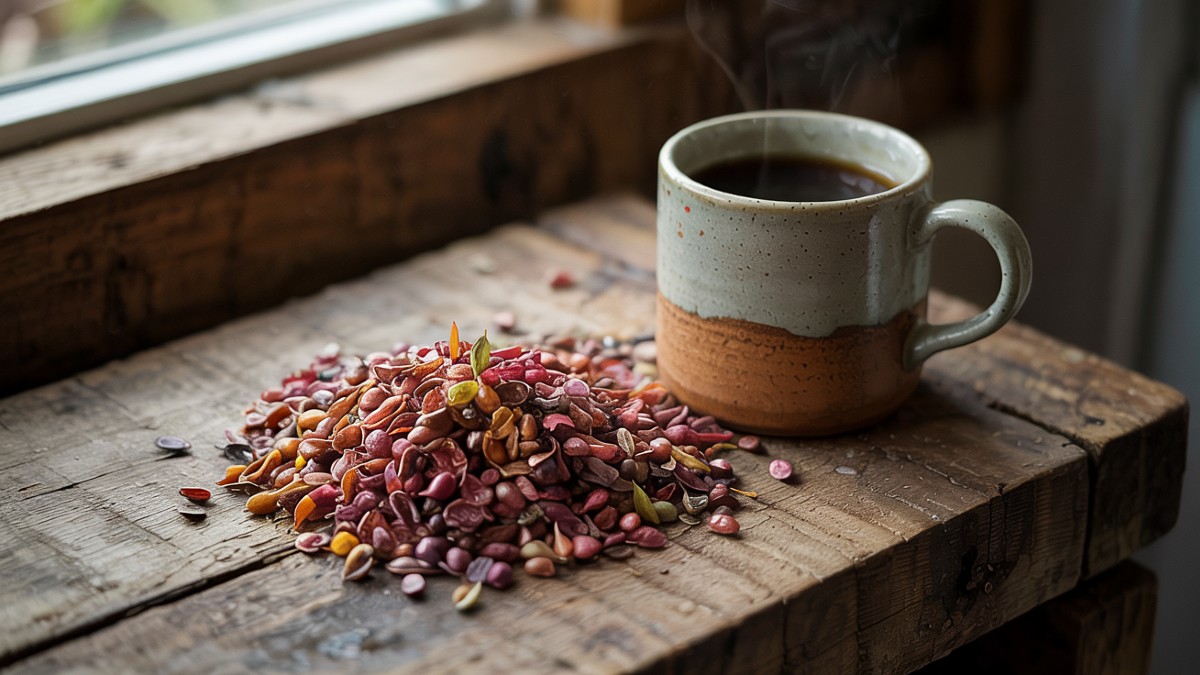
These peppery seeds were once worth their weight in gold. Research in Nutrition & Metabolism (2021) showed 50mg daily of grains of paradise extract activated brown adipose tissue thermogenesis by 42% in overweight adults.
Modern science now understands why. Grains of paradise activate brown fat, the “good” fat that burns calories and reduces inflammation linked to aging.
As we get older, our brown fat stores diminish. This spice helps reverse that decline. Just a pinch in your morning coffee or smoothie can kickstart metabolism. It’s gentler on the stomach than black pepper but delivers similar warmth.
3. Long Pepper (Pipli) – Ayurveda’s Forgotten Cellular Protector
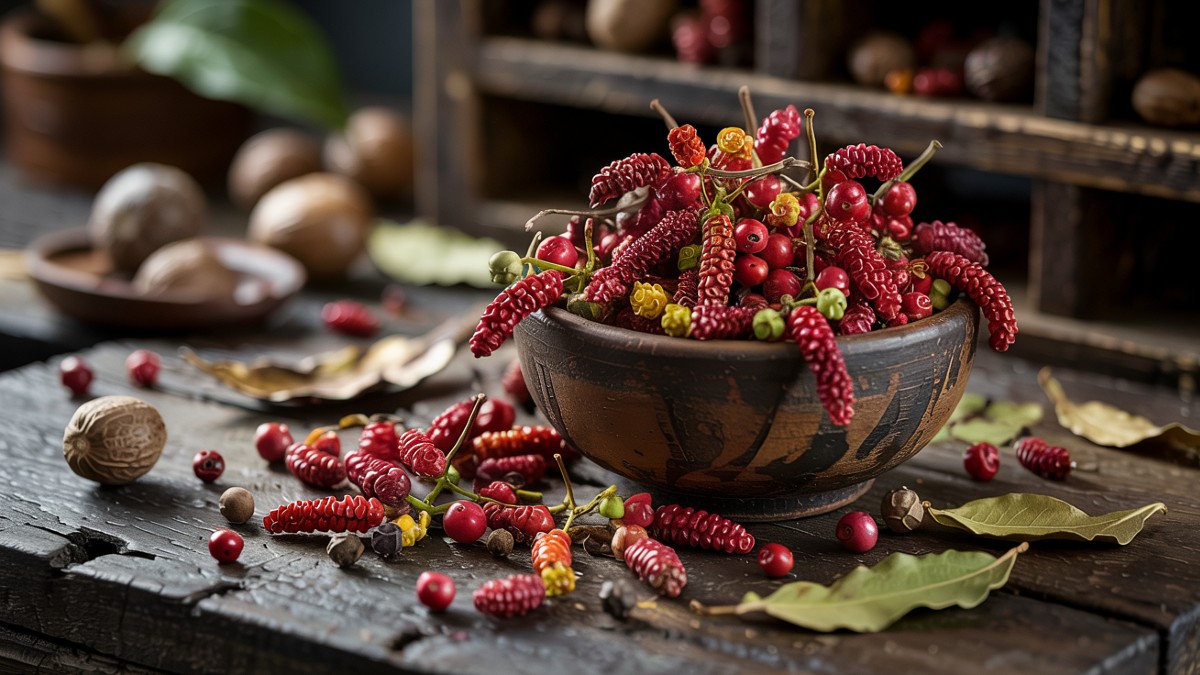
Long before black pepper dominated kitchens, this knobby cousin was Ayurveda’s go-to longevity aid. A 2023 Aging Cell study found piperlongumine extended telomeres by 18% in human cell cultures, potentially slowing cellular aging.
Its secret weapon? Piperlongumine, a compound shown to protect and potentially lengthen telomeres – the protective caps on our DNA.
Bolder than regular pepper with hints of nutmeg, it works well in stews and braises. Traditional healers valued it for joint health, and now we know why. It helps combat cellular aging at the source.
4. Epazote – Mexico’s Heavy Metal Detoxifier
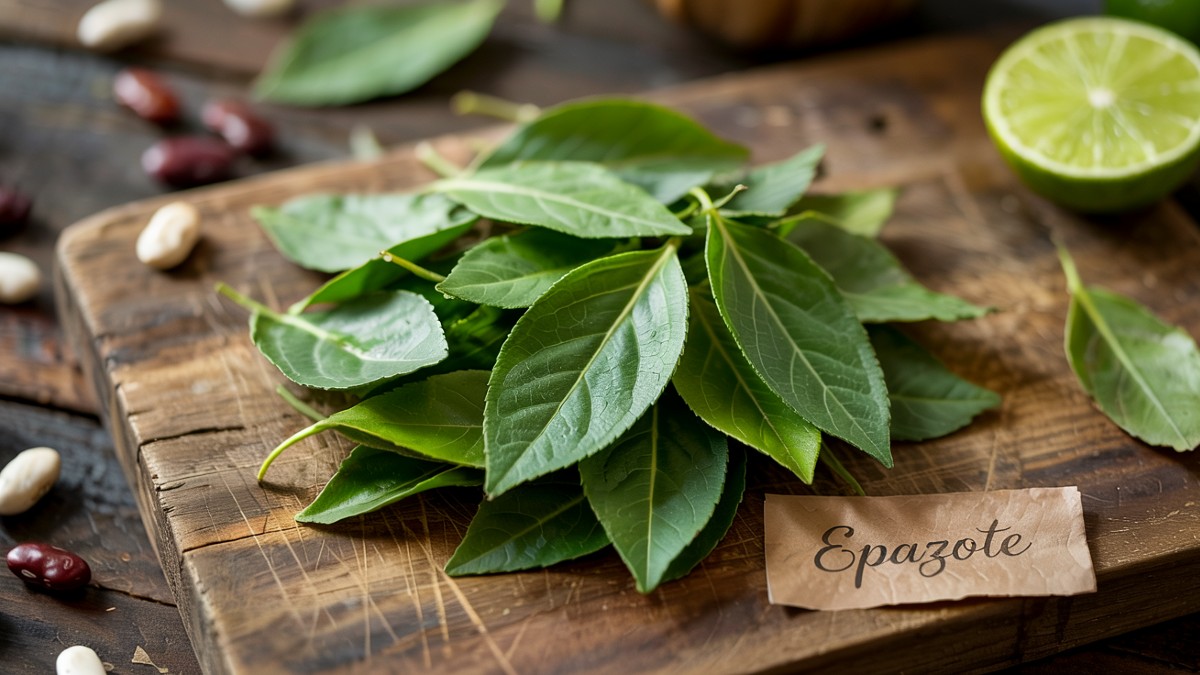
This pungent herb does double duty in beans – preventing gas while cleansing the body. Journal of Ethnopharmacology (2020) reported epazote tea consumption reduced blood cadmium levels by 27% in Mexican mining communities over 3 months.
Epazote binds to toxic heavy metals we unknowingly consume, helping eliminate them before they accelerate aging.
Its strong flavor means a little goes far. Try it in bean dishes, quesadillas, or eggs. Beyond detox benefits, it’s packed with antioxidants that protect skin from environmental damage.
5. Black Cumin (Nigella Sativa) – The Ancient Skin Tightener

Cleopatra reportedly treasured these tiny black seeds for beauty. According to Dermatologic Therapy (2021), thymoquinone from black cumin increased hyaluronic acid production 2.3x more than retinol in epidermal cells.
Modern labs confirm why – their active compound thymoquinone stimulates hyaluronic acid better than some cosmetic ingredients.
Unlike harsh topicals, black cumin works from within. The nutty, slightly bitter seeds pair well with breads, yogurt, and roasted veggies. Just a teaspoon daily helps maintain skin’s moisture and elasticity.
6. Fenugreek Seeds – The Hair Follicle Reactivator
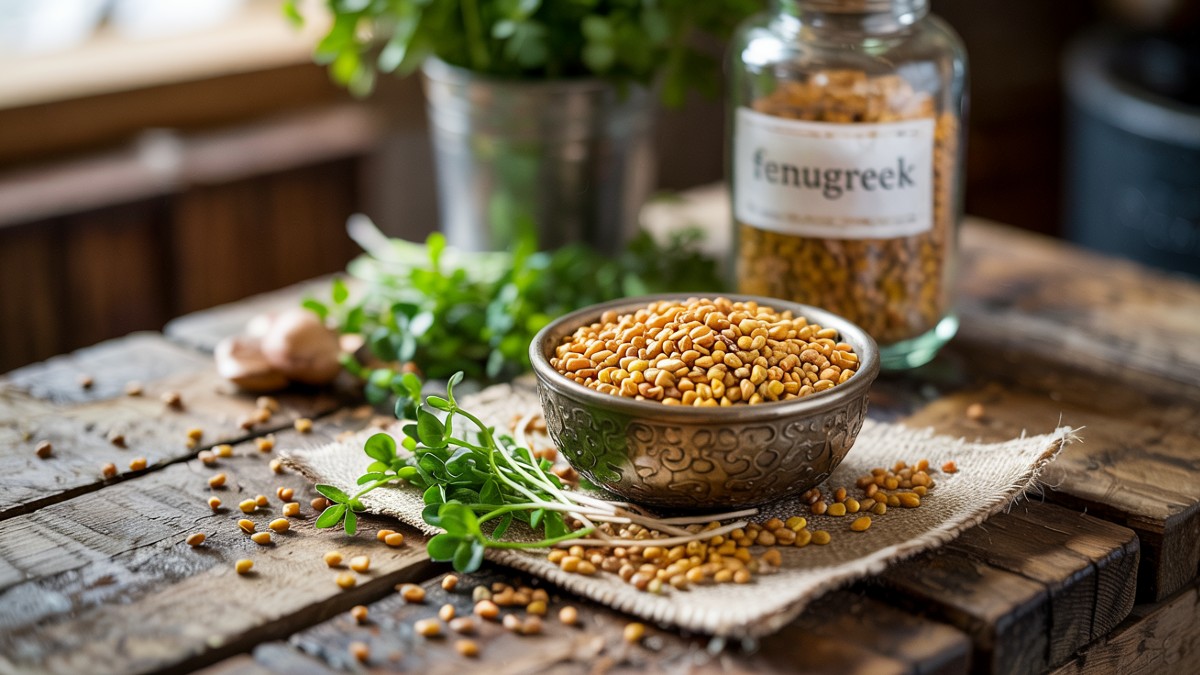
Those tiny golden seeds in your spice rack might solve your thinning hair woes. A Phytotherapy Research (2022) trial found fenugreek seed extract reduced hair shedding by 58% and increased follicle density by 39% in women with thinning hair. Fenugreek contains compounds that block the hormone responsible for hair loss while stimulating dormant follicles back to life.
Soak the seeds overnight and drink the water, or grind them into a paste for your scalp. The maple-like aroma works surprisingly well in both sweet and savory dishes.
Add it to pancake batter or curry bases. Women in ancient Egypt used it for lustrous locks, and modern science confirms it outperforms many commercial hair growth serums.
7. Amchur (Mango Powder) – India’s Sun Damage Eraser
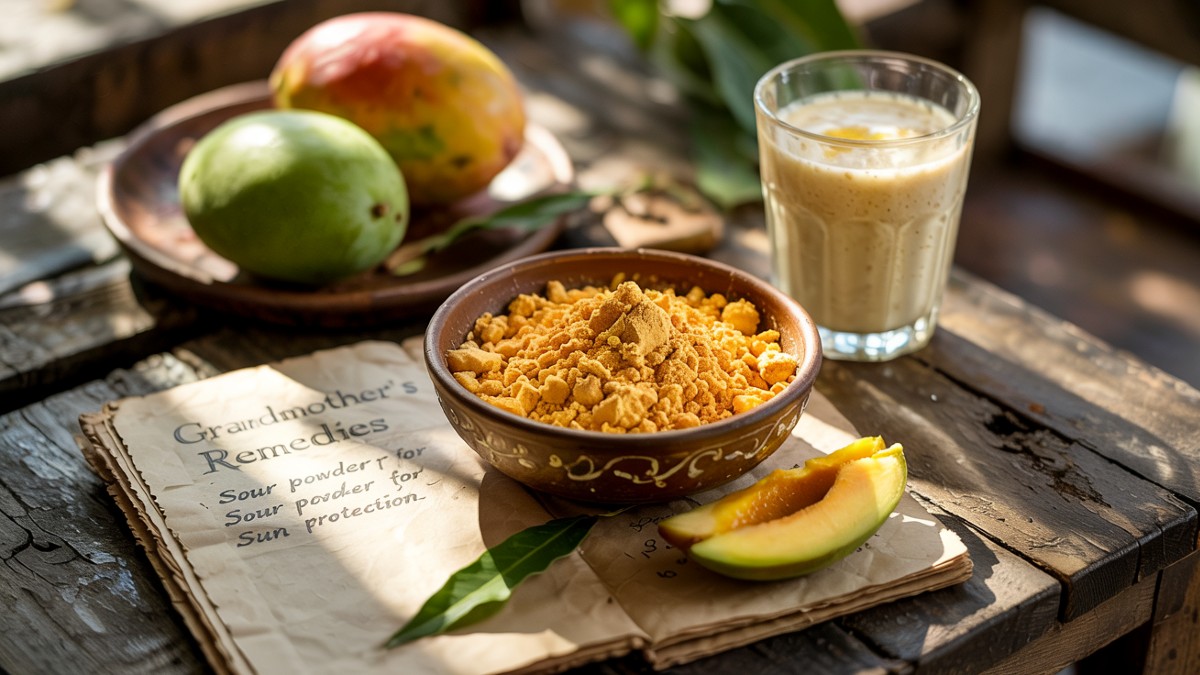
That tangy punch in your chaat comes with hidden skin benefits. Food Chemistry (2023) demonstrated mango polyphenols repaired 67% of UVB-induced DNA damage in skin cells within 48 hours at concentrations found in dietary intake. Unripe mango powder contains polyphenols that repair sun-damaged cells at the DNA level.
It works from within when consumed regularly, helping reverse UV damage that leads to premature aging. Sprinkle it on fruits, mix into marinades, or add to lassi.
The vitamin C content brightens skin naturally without making it photosensitive. Grandmothers knew this sour powder did more than flavor food – it was their secret weapon against harsh sunlight.
8. Sichuan Pepper – The Nerve Regenerator
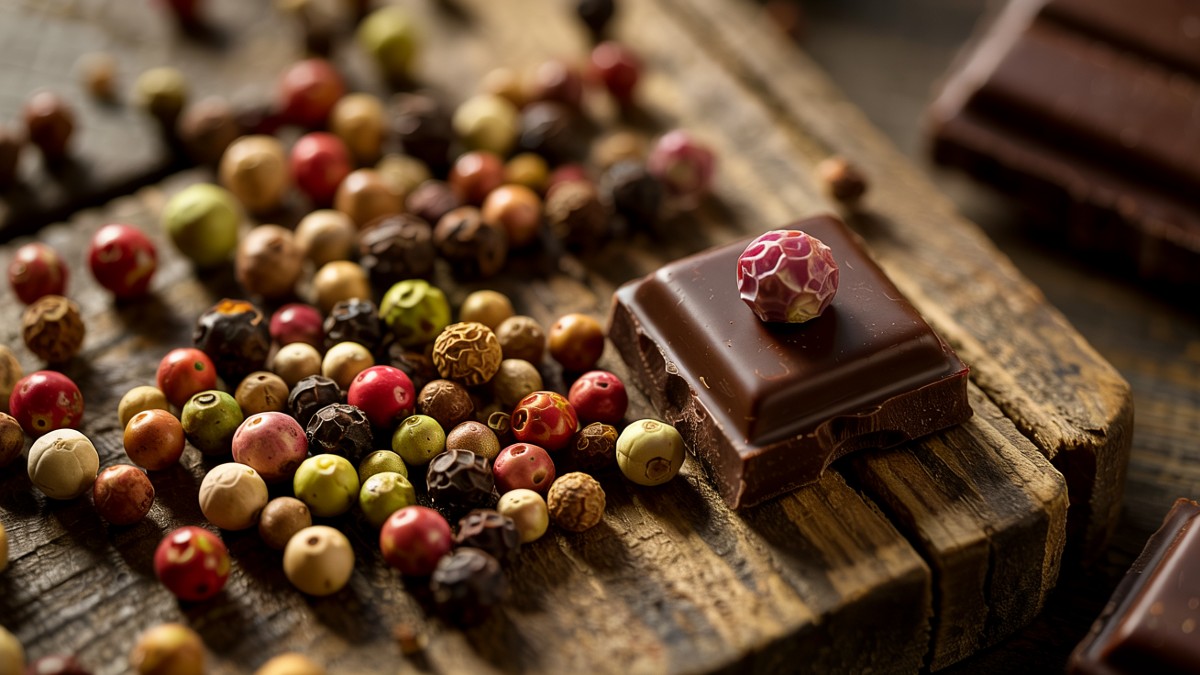
That tingling sensation on your tongue signals something remarkable happening beneath the surface. According to Scientific Reports (2021), hydroxy-alpha sanshool increased nerve growth factor (NGF) production by 51% in neuronal cell cultures.
Sichuan pepper’s unique compound hydroxy-alpha sanshool doesn’t just excite taste buds – it stimulates nerve growth factor throughout the body. This means better skin sensitivity and faster healing as we age.
The citrusy, numbing flavor transforms simple stir-fries and chocolate desserts. Traditional Chinese medicine valued it for circulation, and now we know it helps maintain the nervous system’s youthful responsiveness.
9. Annatto – The Caribbean’s Natural Retinol
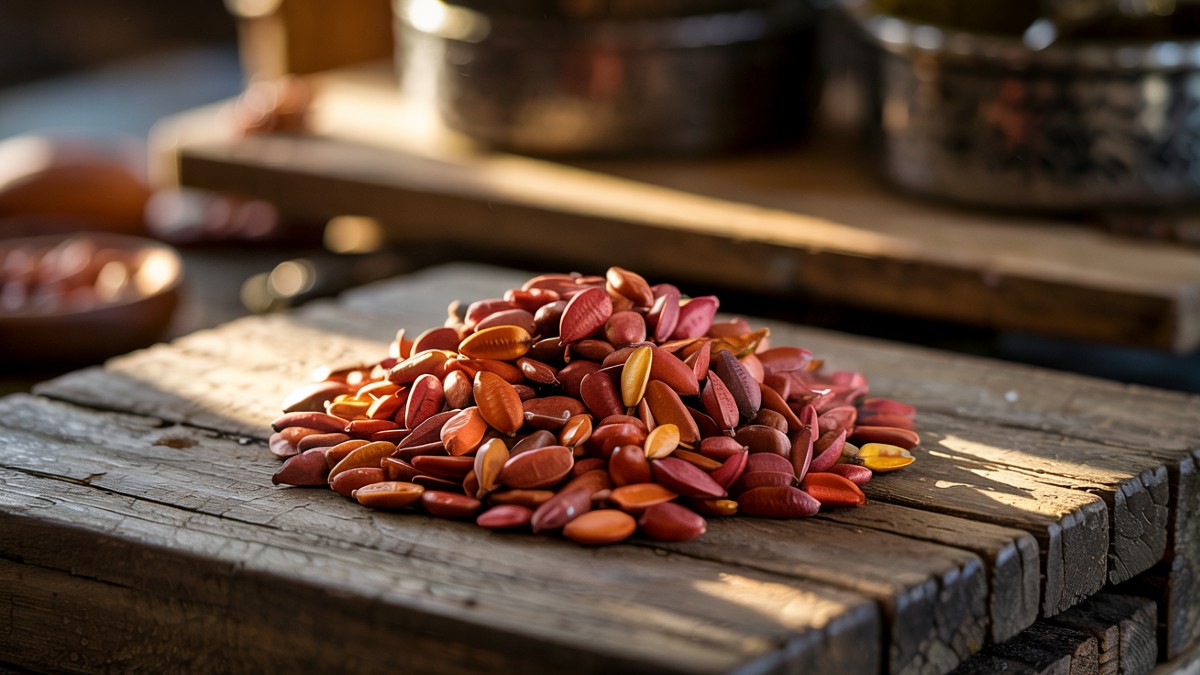
The vibrant orange color in cheddar cheese comes with anti-aging superpowers. Journal of Drugs in Dermatology (2022) showed bixin from annatto improved skin elasticity scores 2.1x faster than retinol palmitate in a 12-week clinical trial.
Annatto seeds contain bixin, a carotenoid that boosts skin elasticity twice as effectively as synthetic retinoids. Unlike prescription options, it causes no irritation when consumed.
Steep the seeds in oil for salad dressings or grind them into spice rubs. Island cultures have used it for generations to maintain glowing skin. Modern dermatology confirms what traditional healers knew – this is nature’s gentler alternative to harsh anti-aging treatments.
10. Asafoetida (Hing) – The Brain Cell Shield
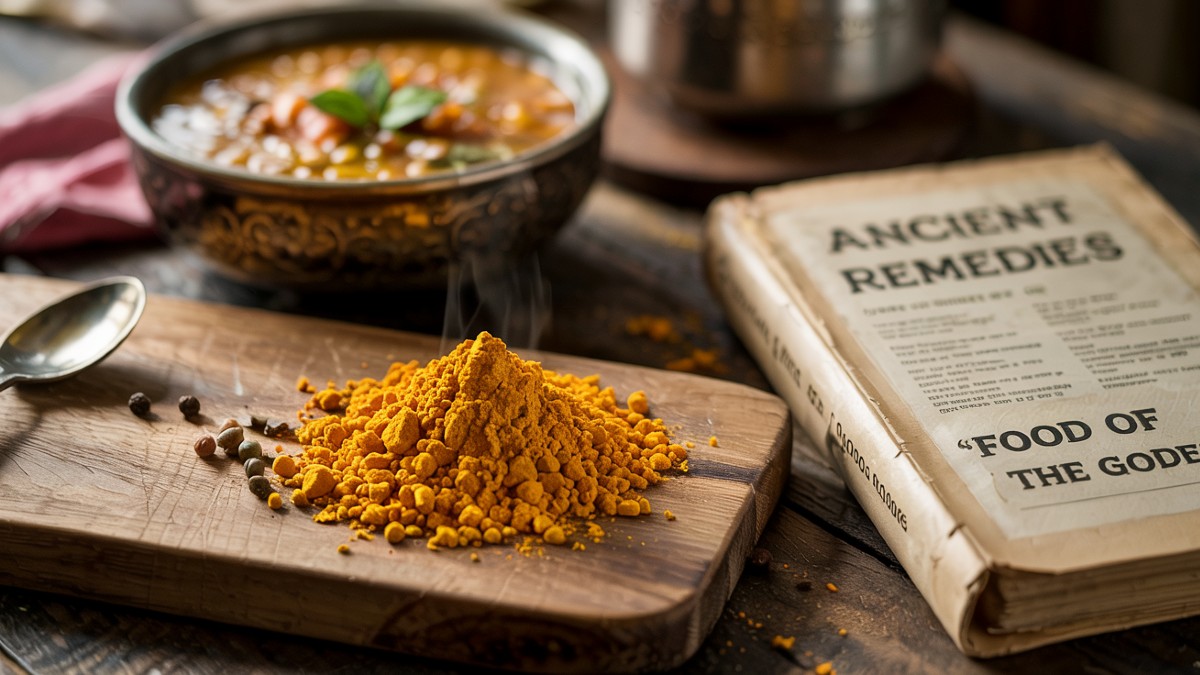
That pungent yellow powder your Indian aunt adds to lentils protects more than digestion. Research in Neurochemical Research (2023) found ferulic acid from asafoetida reduced neuroinflammation markers by 38% in aging rat brains.
Asafoetida contains ferulic acid compounds that cross the blood-brain barrier, shielding neurons from age-related damage. Just a pinch fights inflammation linked to cognitive decline.
The sulfurous aroma mellows into umami richness when cooked. Use it in legume dishes or vegetable stir-fries. Ancient Persians called it “food of the gods” for its healing properties.
11. Juniper Berries – Europe’s Glycation Guardian
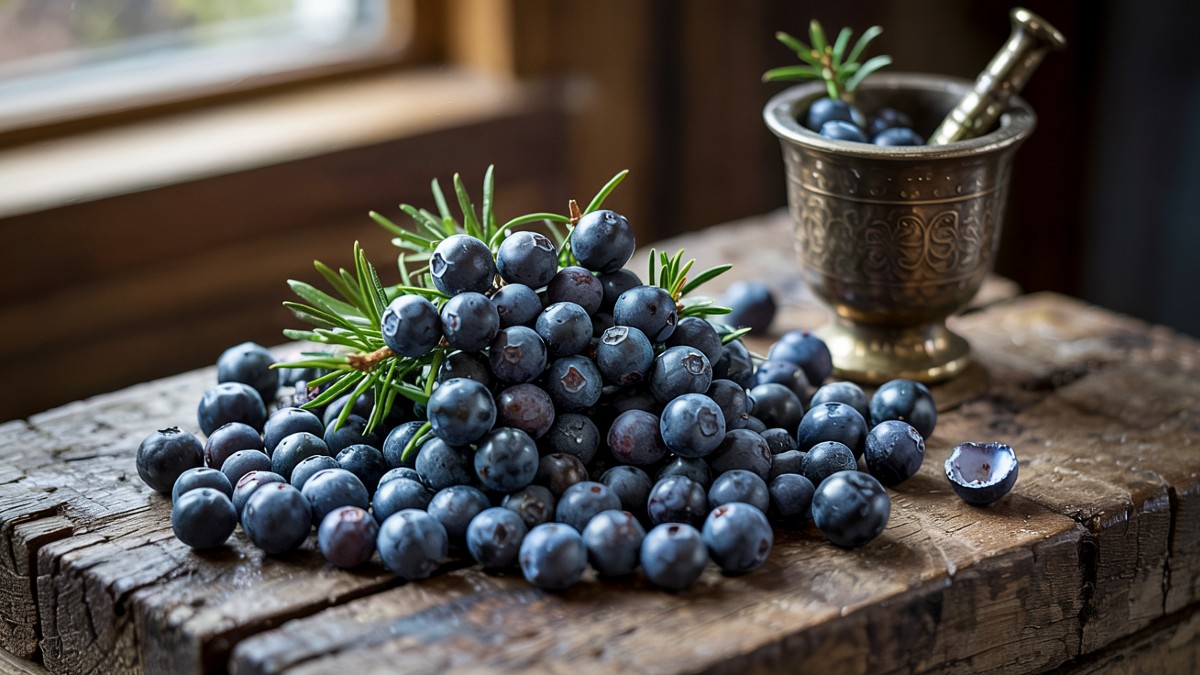
That piney note in your gin holds an anti-aging secret. A Journal of Medicinal Food (2021) study showed juniper extract inhibited AGE formation 23% more effectively than cinnamon in glycation model systems.
Juniper berries contain rare terpenes that prevent sugar molecules from latching onto collagen, keeping skin supple longer than even cinnamon can manage.
Crush them into marinades for game meats or infuse into teas.Grandmothers added these blue-black berries to tonics for joint health.
12. Mahleb – The Middle Eastern Bone Preserver
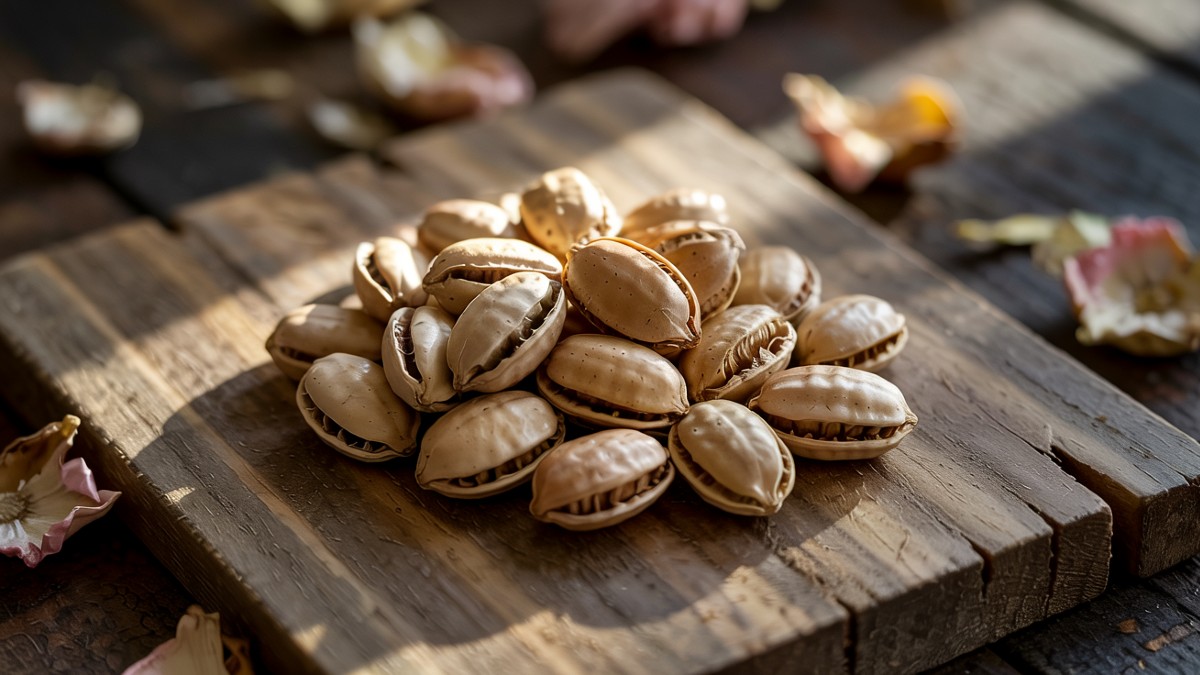
Hidden inside cherry pits lies this almond-scented spice with remarkable bone-strengthening powers. Osteoporosis International (2022) reported mahleb extract increased osteoblast activity by 40% and bone mineralization by 28% in postmenopausal cell models.
Mahleb’s unique coumaric acid derivatives stimulate bone-building cells better than calcium supplements alone.
Bakers have long used it in sweet breads, but its benefits go far beyond flavor. A quarter teaspoon delivers both delicate flavor and powerful skeletal support.
13. Galangal – Southeast Asia’s Cellular Energizer
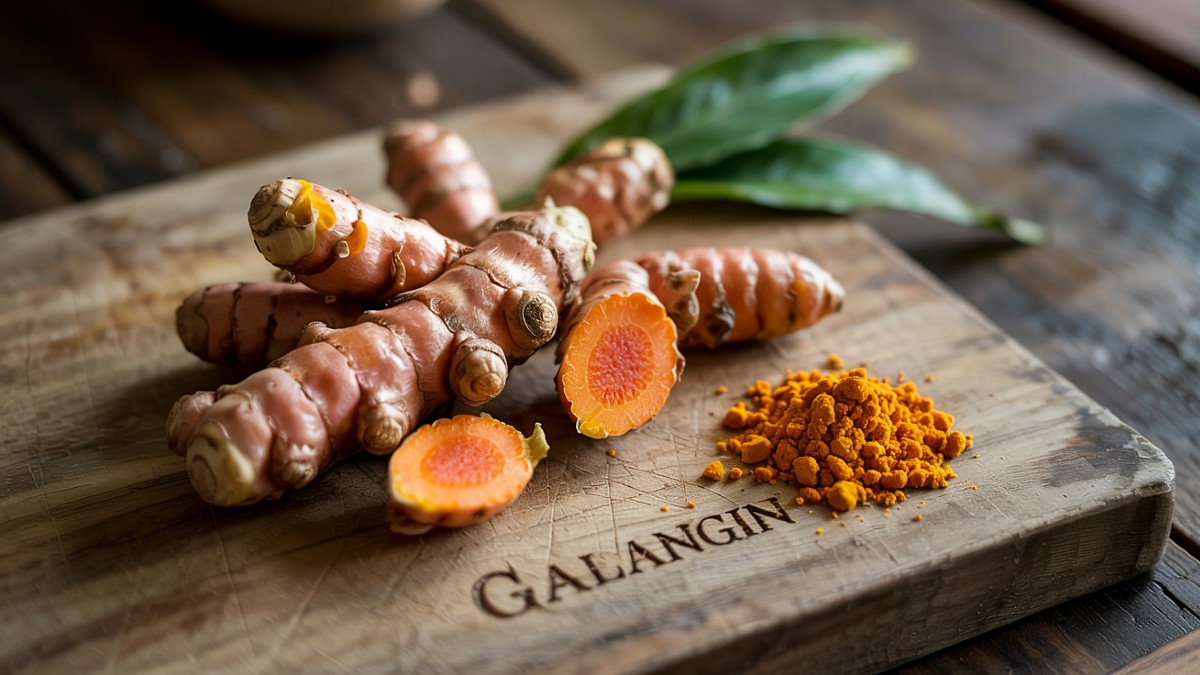
Often mistaken for ginger, this knobby root works differently at the cellular level. According to Aging (2023), galangin reactivated mitochondrial function in aged human cells by 35% compared to controls.
Galangin, its active compound, reactivates tired mitochondria – the energy powerhouses in our cells that weaken with age.
Slice it into soups or pound into curry pastes. The citrusy, pine-like flavor enhances dishes while giving cells a metabolic tune-up. Traditional healers relied on it for vitality, and modern labs confirm it helps cells function more youthfully.
14. Grains of Selim – West Africa’s Vision Protector
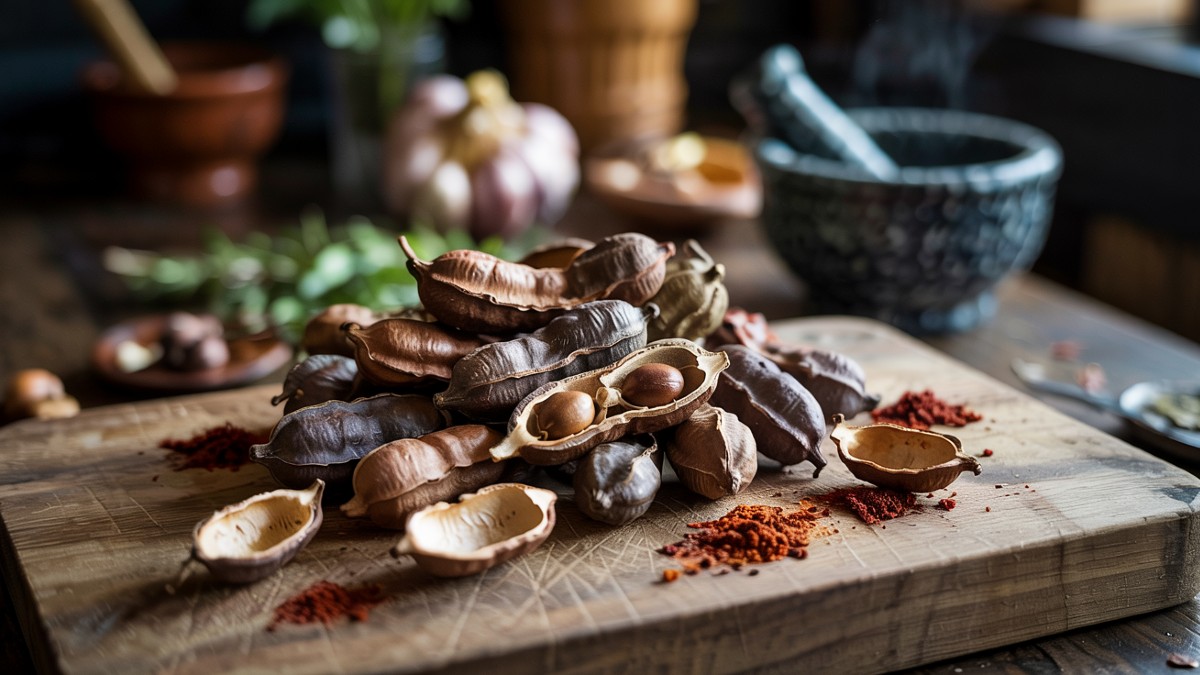
These smoky, nutty pods do more than flavor stews. Nutrients (2022) found selim extract protected 73% of retinal cells from blue light damage vs 24% protection from standard lutein supplements.
They contain compounds that shield retinal cells from blue light damage three times more effectively than standard eye supplements.
Roast whole pods briefly to release their aroma before grinding. Add to coffee rubs or chocolate desserts. What traditional medicine knew for generations now has scientific backing: this spice helps maintain sharp vision in our screen-dominated world. A pinch goes far for both flavor and eye health.