
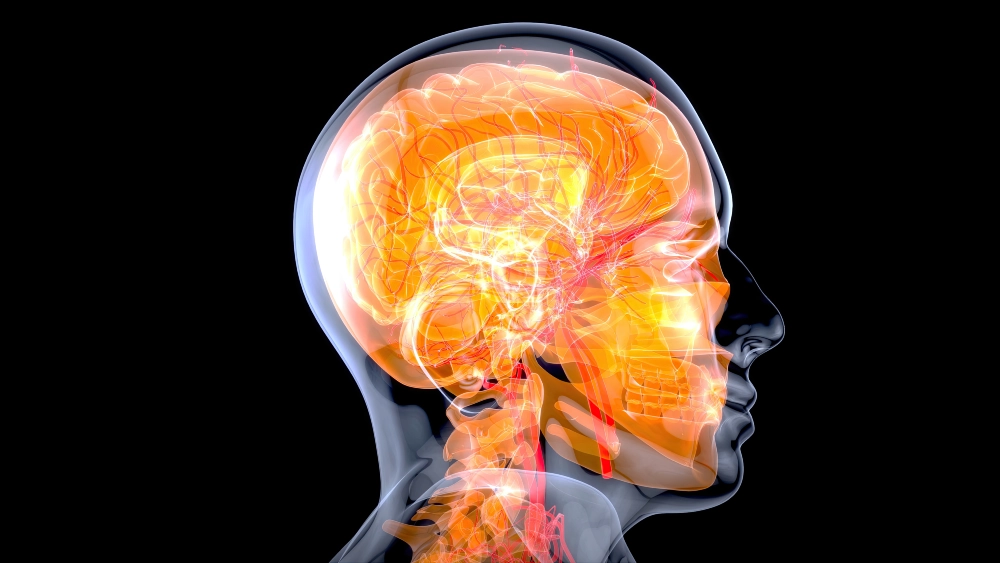
What if you could slow down your brain’s aging process by making a few simple changes to your daily routine?
Many of us worry about memory loss and the cognitive decline that can come with age, but we often feel powerless to stop it.
The good news is that neuroscientists are confirming what we’ve long suspected: our daily habits have a profound impact on our brain health.
This article will reveal 16 “brutal” daily habits that have been scientifically shown to accelerate brain aging.
But don’t worry, we won’t just leave you with a list of things you’re doing wrong.
For each habit, we’ll provide actionable, evidence-based advice to help you build a healthier, more resilient brain and beyond.
1. You’re Skimping on Sleep

We’ve all been there: a late night at the office, a Netflix binge, or a restless night of tossing and turning.
But when one night of poor sleep turns into a regular habit, you’re doing more than just making yourself tired. You’re actively aging your brain.
Here’s what I mean: while you sleep, your brain is hard at work cleaning house.
A network of vessels called the glymphatic system flushes out toxins that accumulate during the day, including the beta-amyloid plaques associated with Alzheimer’s disease.
When you don’t get enough quality sleep—ideally 7-9 hours a night—this cleaning process is incomplete, leaving your brain vulnerable to damage.
Make sleep a non-negotiable priority. Create a relaxing bedtime routine, avoid screens for at least an hour before bed, and make sure your bedroom is dark, quiet, and cool.
If you suspect you have a sleep disorder like sleep apnea, talk to your doctor.
2. A Sedentary Lifestyle

You know that sitting all day is bad for your body, but did you know it’s also bad for your brain?
A sedentary lifestyle reduces blood flow to the brain, which can impair memory and cognitive function.
One study from UCLA found that adults who were more sedentary had thinning in brain regions essential for memory.
The good news is that you don’t have to become a marathon runner to reap the brain-boosting benefits of exercise. Regular, moderate physical activity can increase the size of the hippocampus, the brain’s memory center.
Aim for at least 150 minutes of moderate-intensity exercise per week.
This could be brisk walking, swimming, dancing, or anything else that gets your heart rate up. And don’t forget to take regular breaks from sitting throughout the day.
3. Chronic Stress

In today’s fast-paced world, stress seems unavoidable. But when stress becomes chronic, it can have a devastating effect on your brain.
The stress hormone cortisol can damage and even kill brain cells in the hippocampus, leading to memory problems and an increased risk of dementia.
Find healthy ways to manage your stress. This could be through meditation, yoga, deep breathing exercises, or spending time in nature.
Even a few minutes of mindfulness each day can make a big difference. If you’re struggling with chronic stress, don’t hesitate to seek professional help.
4. A Diet High in Processed Foods: Fueling Brain Fog

The food you eat has a direct impact on your brain health. A diet high in sugar, unhealthy fats, and processed foods can cause inflammation and oxidative stress, both of which can damage brain cells.
You could say that a diet of junk food is like pouring sand in your car’s engine—it’s just not going to run well.
On the other hand, a brain-healthy diet, like the Mediterranean or MIND diet, can protect against cognitive decline. These diets are rich in fruits, vegetables, whole grains, fish, and healthy fats like olive oil.
Start by making one small change to your diet each week. Swap out a sugary snack for a piece of fruit, or replace red meat with fish once or twice a week. Your brain will thank you for it.
5. Social Isolation

Humans are social creatures, and our brains thrive on connection. Social isolation has been linked to an increased risk of cognitive decline and dementia.
One study found that older adults who were socially isolated had a 26% higher risk of developing dementia.
Make time for social connection, even when you’re busy.
Call a friend, join a club or group, or volunteer in your community. Even small interactions can have a big impact on your brain health.
6. Excessive Multitasking

In our hyper-connected world, multitasking has become a way of life. But trying to do too many things at once can actually make you less productive and more stressed.
It can also take a toll on your brain. Neuroscientist Daniel Levitin, author of “The Organized Mind,” says that multitasking creates a “dopamine-addiction feedback loop,” effectively rewarding the brain for losing focus.
Practice single-tasking. When you’re working on a task, close all other tabs and put your phone on silent. You’ll be surprised at how much more you can accomplish.
7. Ignoring Hearing Loss: The Unheard Danger

You might be surprised to learn that hearing loss is a major risk factor for dementia.
When you can’t hear well, your brain has to work harder to process sound, which can come at the expense of other cognitive functions like memory.
If you’re having trouble hearing, get your hearing checked. Hearing aids can not only improve your hearing but also reduce your risk of cognitive decline.
8. Not Prioritizing Gut Health: A Gut Feeling About Your Brain

The gut is often called the “second brain,” and for good reason. The gut and brain are in constant communication through the gut-brain axis.
An unhealthy gut microbiome can lead to inflammation, which can affect your mood, memory, and cognitive function.
Support your gut health by eating a diet rich in fiber, fermented foods like yogurt and kimchi, and prebiotics like garlic and onions.
9. Lack of Mental Stimulation: The “Use It or Lose It” Brain

Your brain is like a muscle—if you don’t use it, you’ll lose it. Engaging in mentally stimulating activities can help build cognitive reserve, which is the brain’s ability to withstand damage.
Challenge your brain every day. Learn a new skill, read a book, do a puzzle, or play a musical instrument. The key is to find something that you enjoy and that keeps you engaged.
10. Excessive Alcohol Consumption

While a moderate amount of alcohol may have some health benefits, excessive drinking is toxic to the brain.
It can cause brain shrinkage, memory loss, and an increased risk of dementia. A 2022 study found that even moderate drinking can cause brain changes equivalent to aging two years.
If you drink alcohol, do so in moderation. That means no more than one drink per day for women and two drinks per day for men.
11. Smoking: Up in Smoke Goes Your Brain Health

Smoking is one of the worst things you can do for your overall health, and your brain is no exception.
Smoking damages blood vessels in the brain, which increases your risk of stroke and cognitive decline. Smokers are also twice as likely to develop dementia.
If you smoke, quitting is the single best thing you can do for your brain health. There are many resources available to help you quit, so don’t be afraid to ask for help.
12. Dehydration: A Thirsty Brain is a Slow Brain

Your brain is about 75% water, so it’s no surprise that even mild dehydration can have a big impact on your cognitive function.
Dehydration can cause brain fog, fatigue, and difficulty concentrating.
Drink plenty of water throughout the day, even if you don’t feel thirsty.
The old advice of eight glasses a day is a good starting point, but your needs may vary depending on your activity level and the climate you live in.
13. Too Much Screen Time, Especially Before Bed: The Blue Light Blues

The blue light emitted from our phones, tablets, and computers can interfere with our sleep-wake cycle by suppressing the production of melatonin, the sleep hormone.
This can lead to poor sleep, which, as we’ve already discussed, is a major contributor to brain aging.
Avoid screens for at least an hour before bed. If you must use a screen, use a blue light filter or wear blue-light-blocking glasses.
14. Skipping Breakfast: Running on Empty

You’ve heard that breakfast is the most important meal of the day, and that’s especially true for your brain.
After a long night of fasting, your brain needs a fresh supply of glucose to function properly. Skipping breakfast can lead to brain fog, fatigue, and poor concentration.
Start your day with a brain-healthy breakfast that includes protein, healthy fats, and complex carbohydrates. A good example would be oatmeal with berries and nuts.
15. Negative Thinking Patterns: The Power of a Positive Mind

Your thoughts have a powerful effect on your brain. Chronic negative thinking, or rumination, has been linked to an increased risk of Alzheimer’s disease.
On the other hand, a positive outlook on life has been associated with a lower risk of cognitive decline.
Practice gratitude and mindfulness to cultivate a more positive mindset.
When you find yourself dwelling on negative thoughts, try to reframe them in a more positive light.
16. Not Protecting Your Head: Your Brain’s Best Defense

Even a mild head injury can have long-term consequences for your brain health. It’s important to protect your head from injury by wearing a helmet when you’re biking or playing contact sports, and by taking steps to prevent falls.
Be mindful of your surroundings and take precautions to avoid head injuries.
This includes wearing a seatbelt in the car, keeping your home free of clutter to prevent falls, and wearing appropriate protective gear during sports.
Conclusion
Your brain is your most valuable asset, and it’s never too late to start taking care of it.
By making a few simple changes to your daily routine, you can protect your brain from the effects of aging and build a sharper, more resilient mind for years to come.
Choose one or two of the habits on this list to work on this week. Small, consistent changes can add up to big results over time.
Share this article with your friends and family, and let’s all make a commitment to better brain health.
By avoiding these brain aging habits, you can take control of your cognitive health and build a sharper, more resilient mind for years to come.