

Living with IBS after 30 feels like your body has turned against you. The constant bloating, unpredictable bathroom trips and stomach pain can make everyday activities a challenge.
You’ve tried medications and avoiding trigger foods, but relief seems temporary at best. What if you could heal your gut instead of just managing symptoms?
Nutritionists now point to specific foods with natural compounds that repair the gut lining, reduce inflammation, and restore healthy bacteria balance.
These 14 gut-healing superfoods have helped countless IBS sufferers regain control of their digestive health. Better yet, you probably already have some of them in your kitchen right now.
1. Ginger
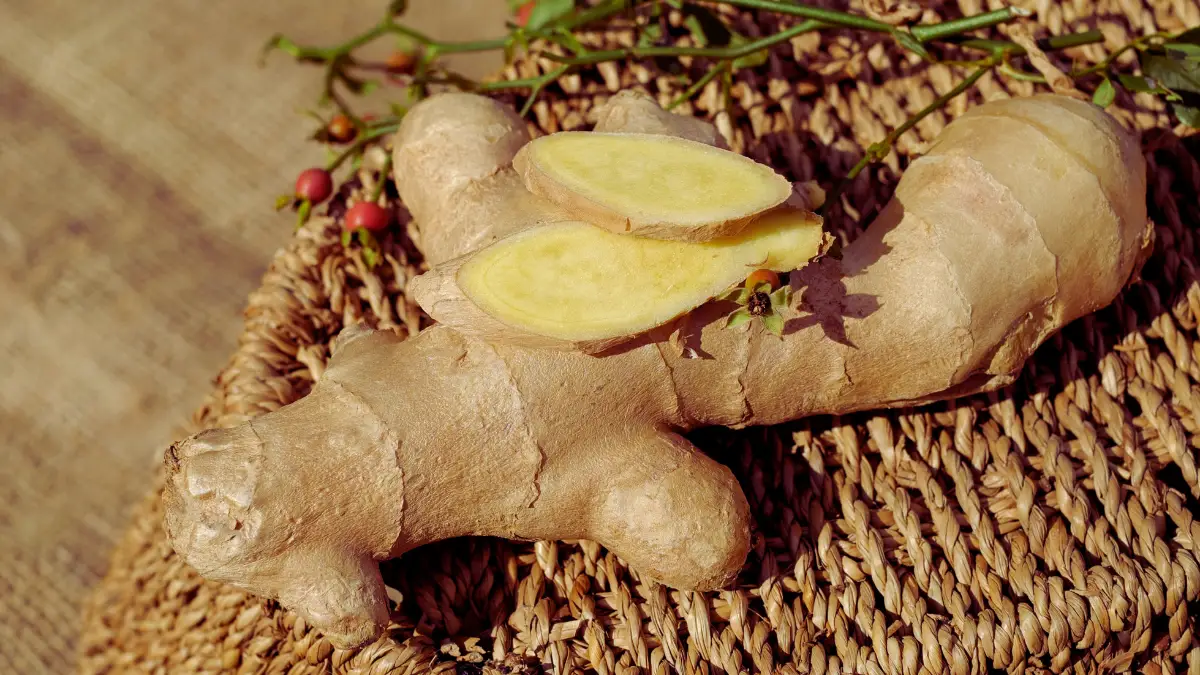
This potent root works wonders for your digestive system. Ginger contains natural compounds that help reduce nausea and fight inflammation throughout your intestinal tract.
Many IBS sufferers find relief from painful bloating and cramping after adding ginger to their routine. Fresh ginger can be sliced into hot water for a soothing tea or grated into stir-fries and smoothies.
The active component, gingerol, stimulates gastric enzymes that aid proper digestion. This helps food move through your system more efficiently.
For best results, try incorporating small amounts of ginger daily rather than occasional large doses. Your gut will thank you as it gradually adapts to this natural remedy.
Some people notice improvements within days, while others might need several weeks of consistent use.
2. Yogurt (Probiotic-Rich)
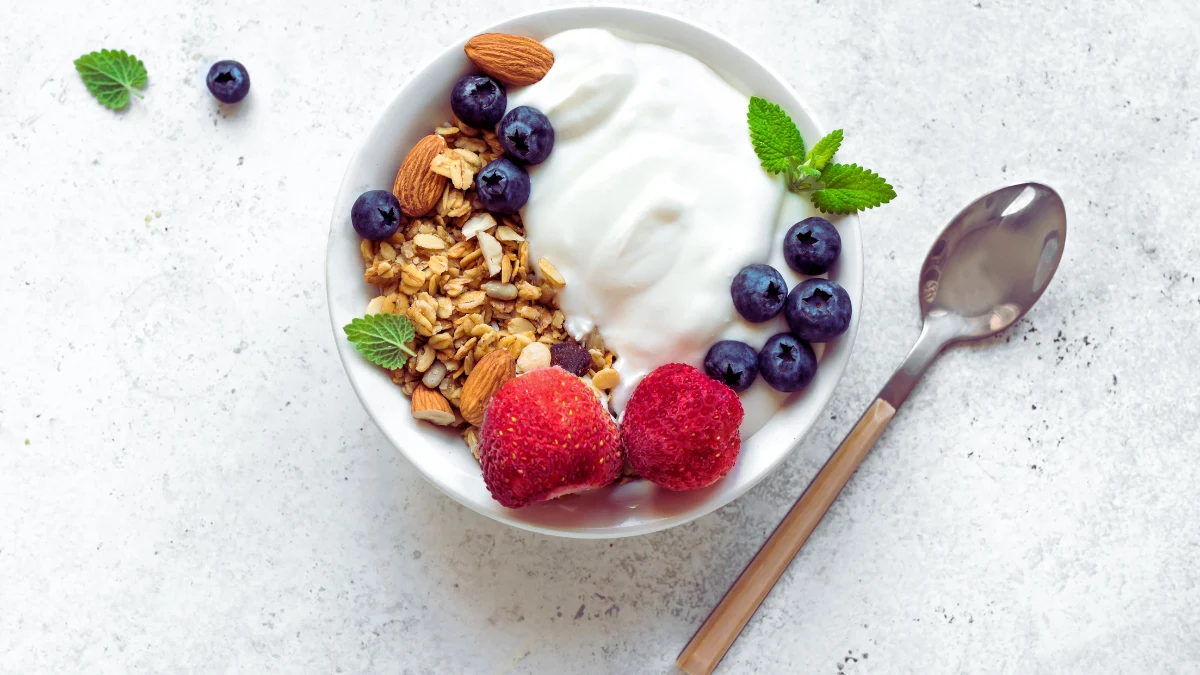
Your gut needs good bacteria to function properly, and probiotic-rich yogurt delivers exactly that. Look for varieties containing live cultures like Lactobacillus and Bifidobacterium, which help restore balance to your gut microbiome.
This balance is often disrupted in IBS sufferers. A small serving each morning can introduce beneficial microorganisms that crowd out harmful bacteria.
Your digestive system works best with a diverse community of good bacteria. Plain, unsweetened options work best since sugar can feed unhelpful bacteria.
Watch for signs of lactose intolerance, which sometimes accompanies IBS. If dairy triggers your symptoms, try coconut or other plant-based yogurts with added probiotics.
The goal is to introduce those helpful microorganisms without causing additional discomfort.
3. Bone Broth
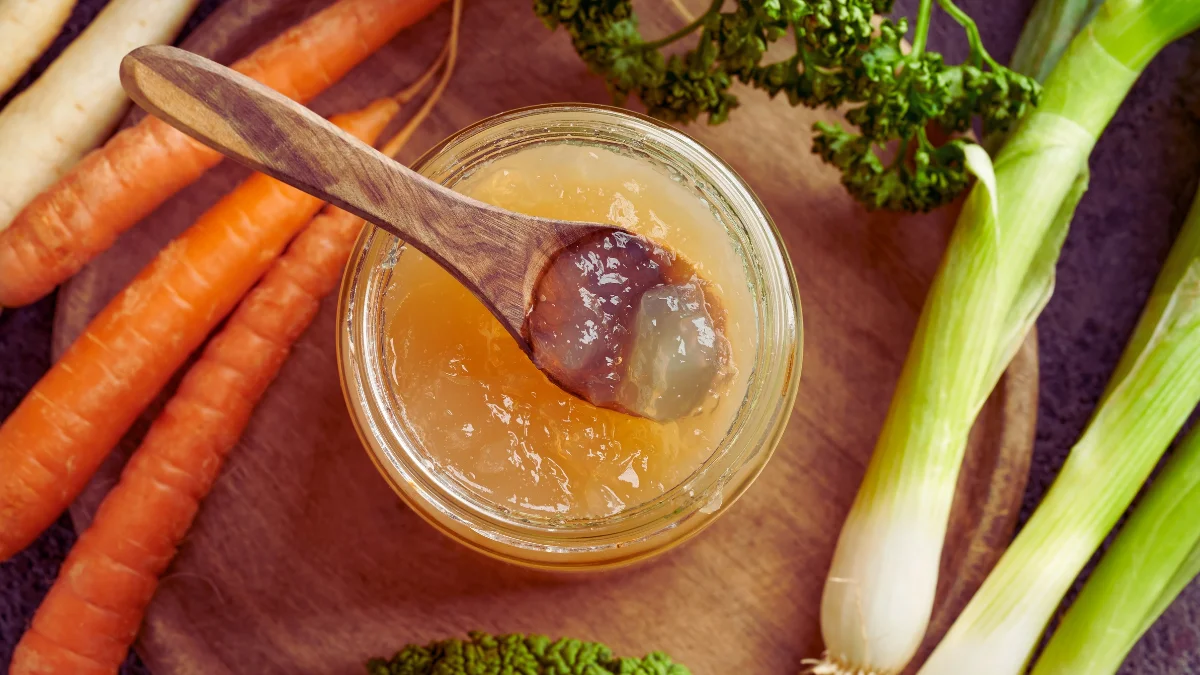
This traditional food supports gut healing from the inside out. Bone broth contains collagen and amino acids that help repair your intestinal lining.
Sipping warm broth can soothe irritated tissue while delivering nutrients that strengthen the gut barrier. The slow-cooking process extracts healing compounds from animal bones.
Glutamine, an amino acid abundant in bone broth, serves as fuel for cells lining your intestines. These cells replace themselves frequently and need proper nutrition to form strong connections.
Make your own by simmering bones with vegetables and a splash of apple cider vinegar, which helps extract minerals.
Store-bought options work too, but check for added ingredients that might trigger IBS symptoms. Many people enjoy a cup in the morning or use broth as a base for soups and stews.
4. Sauerkraut (Fermented)
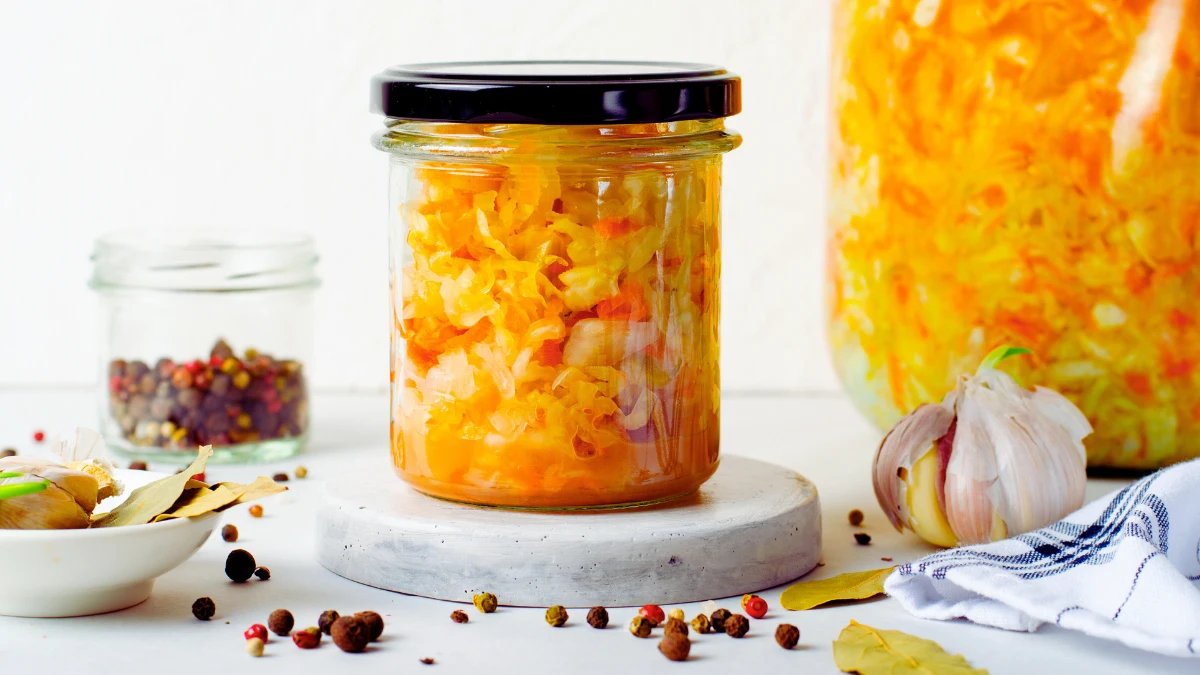
Raw, unpasteurized sauerkraut brings both probiotics and fiber to your digestive system. The fermentation process creates beneficial bacteria while breaking down cabbage into more digestible forms.
This makes nutrients more available while supporting gut health. Start with small portions—just a tablespoon with meals—to let your system adjust.
Fermented foods can cause initial gas as your gut microbiome shifts. The living cultures in sauerkraut help crowd out harmful bacteria while supporting proper digestion.
Look for refrigerated varieties without preservatives or added sugar. The cloudy brine contains valuable probiotics too.
Homemade versions allow complete control over ingredients and fermentation time. Your unique gut ecosystem will gradually adapt to these beneficial foods.
5. Kefir
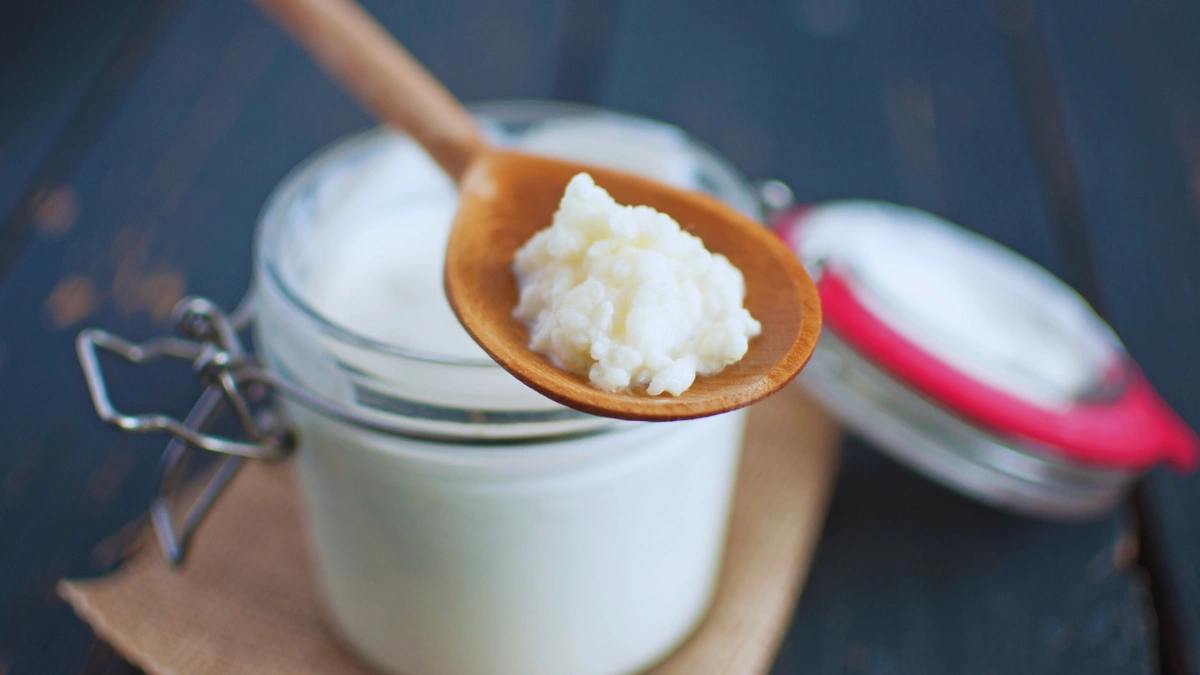
This tangy fermented drink offers even more probiotic diversity than yogurt. Kefir contains multiple strains of beneficial bacteria and yeasts that work together to support digestive health.
Many IBS sufferers find it easier to tolerate than other dairy products because the fermentation process breaks down lactose.
The liquid consistency allows kefir to coat your digestive tract more completely than solid foods. This helps deliver probiotics throughout your system.
Try small amounts initially—perhaps a quarter cup with breakfast—and gradually increase as tolerated. Plain varieties work best for sensitive digestive systems.
Flavored options often contain added sugars that can feed unhelpful bacteria. Some grocery stores now carry water kefir or coconut kefir for those who need to avoid dairy completely. These alternatives still provide the gut-healing benefits without milk proteins.
6. Oats
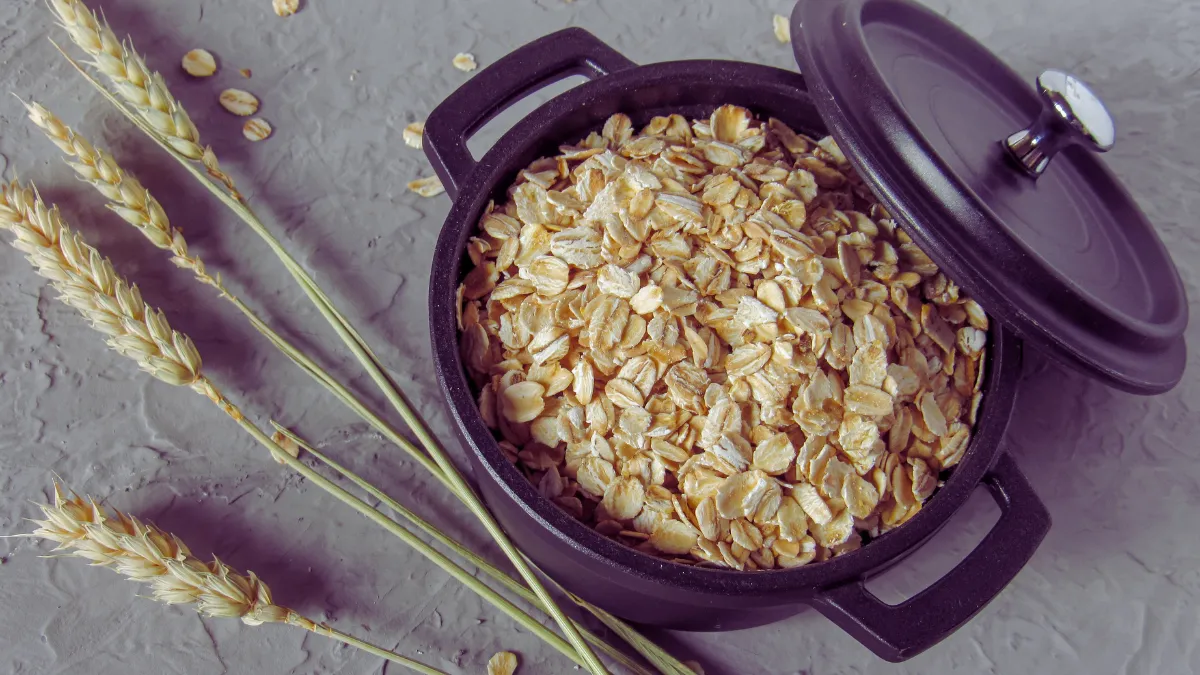
Beta-glucan, a type of soluble fiber found in oats, works wonders for your digestive system. This fiber absorbs water and swells, creating a gel-like substance that moves smoothly through your intestines.
Many IBS sufferers notice more regular bowel movements and less discomfort when eating oats regularly. Morning porridge makes an excellent breakfast choice for sensitive stomachs.
The gentle bulk helps regulate your digestive rhythm without irritating you. Your gut bacteria also feed on this fiber, producing beneficial short-chain fatty acids that nourish your intestinal cells.
Overnight oats offer a convenient option—just mix with water or plant milk and refrigerate. Choose plain, gluten-free varieties if you suspect gluten sensitivity alongside your IBS.
Starting with small portions allows your body to adjust to the increased fiber content. Most people find their symptoms improve with consistent daily consumption.
7. Turmeric
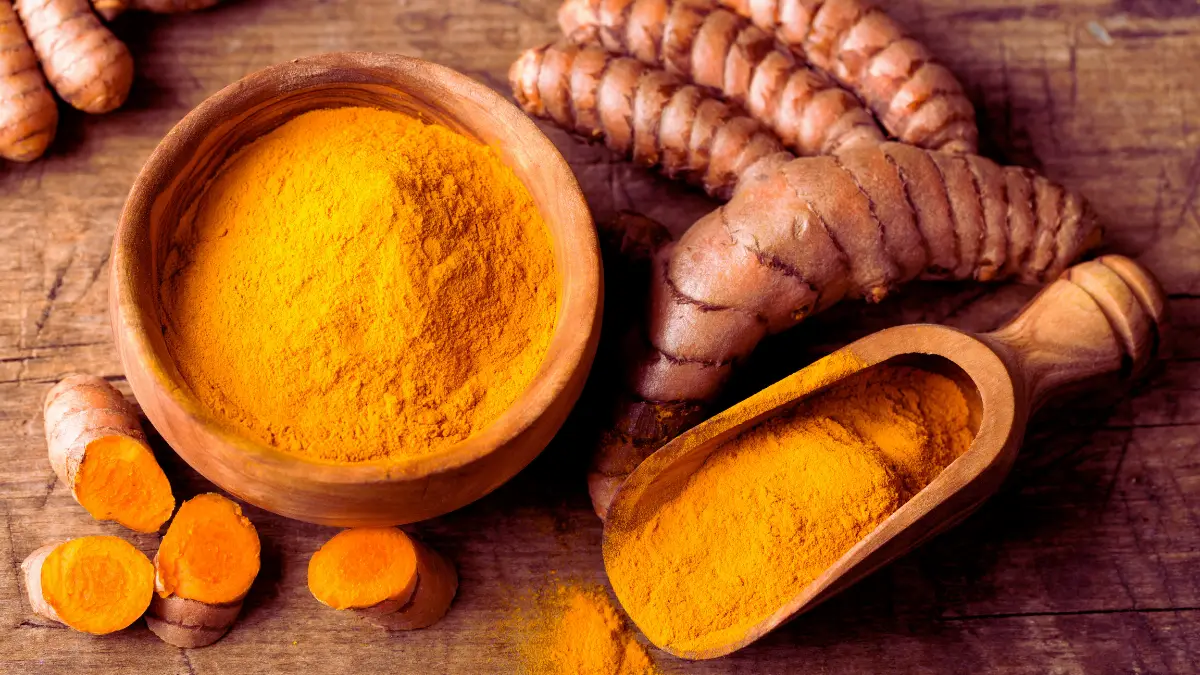
This bright yellow spice contains curcumin, a powerful anti-inflammatory compound that calms angry digestive tracts.
Curcumin works by blocking inflammatory pathways in your gut tissues and reducing oxidative stress that damages intestinal cells. Your gut-brain connection also benefits from these soothing effects.
Adding black pepper significantly boosts curcumin absorption. Even a small pinch makes turmeric much more effective.
Try stirring a quarter teaspoon into soups, smoothies, or rice dishes daily. Your body will absorb more of its healing compounds when consumed with healthy fats.
A 2013 randomized controlled trial published in the Journal of Clinical Gastroenterology found remarkable results.
IBS patients taking curcumin supplements for 8 weeks experienced significant reductions in abdominal pain and improved bowel patterns compared to those taking placebo. Some participants reported relief within just a few weeks of consistent use.
8. Aloe Vera Juice
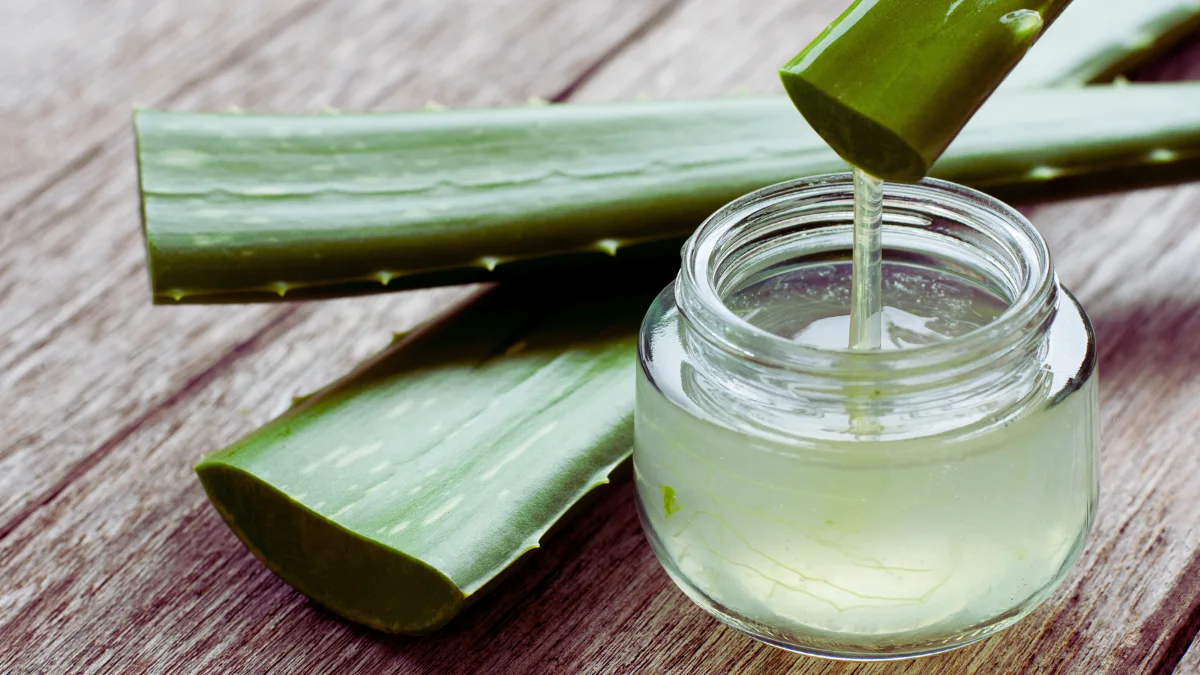
Soothing properties make this plant extract helpful for irritated digestive systems. The gel-like substance coats your intestinal lining, creating a protective barrier against irritants while delivering anti-inflammatory compounds.
Your gut tissue gets a chance to heal when protected from further aggravation. Store-bought aloe juice should contain inner leaf gel without aloin, a harsh laxative found in the outer leaf.
Start with just a tablespoon mixed into water or smoothies. The mild cooling sensation often provides immediate comfort for burning or irritated gut tissues.
Gradually work up to no more than two ounces daily, preferably between meals. Using too much can cause diarrhea, which worsens IBS symptoms for many people.
Your body will tell you the right amount—pay attention to how your symptoms respond. Most health food stores carry quality products specifically processed for internal use.
9. Chia Seeds

These tiny powerhouses expand in liquid, forming a gel that soothes your digestive tract. Just one tablespoon contains about 5 grams of fiber plus omega-3 fatty acids that fight inflammation throughout your body.
Your intestines benefit from both the lubricating effect and the anti-inflammatory properties. Always hydrate chia seeds before eating them.
Dry seeds can worsen constipation by absorbing moisture from your digestive tract. Mix with water, plant milk, or yogurt and wait 15 minutes before consuming.
The resulting gel moves smoothly through your system without irritating you. Start slowly with just a teaspoon daily and increase gradually as tolerated.
Your gut bacteria will adjust to this new fiber source over time. Many people with constipation-predominant IBS notice more regular, comfortable bowel movements within a week of adding properly hydrated chia to their diet.
10. Flaxseeds
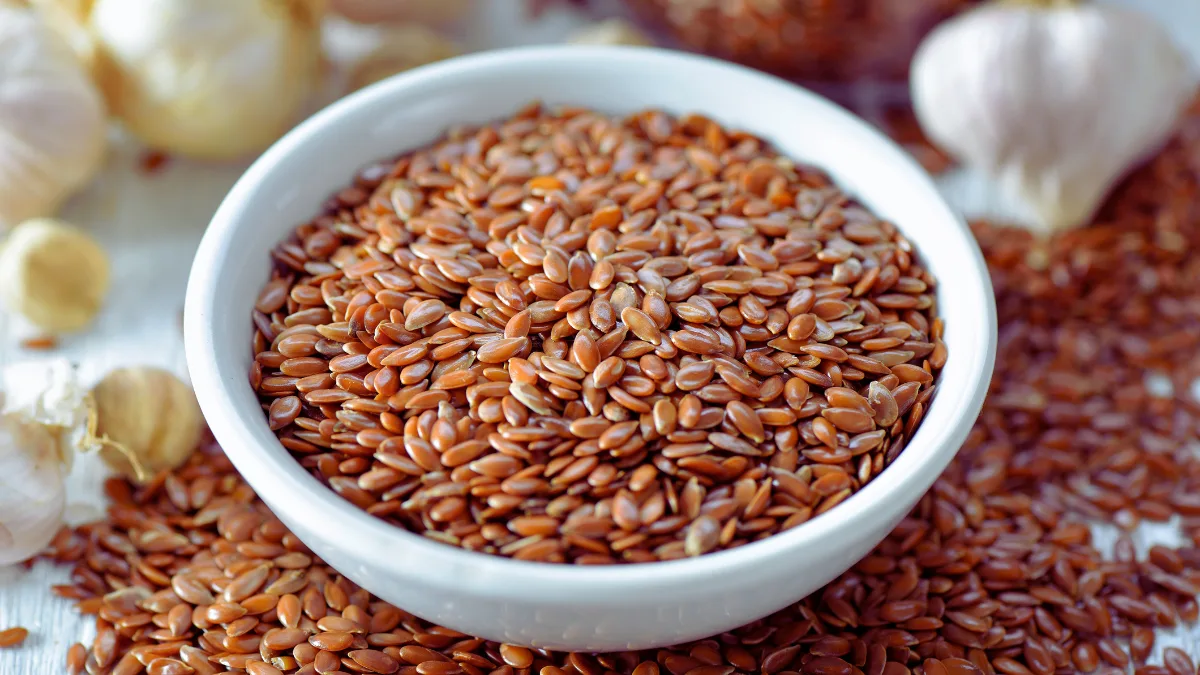
Ground flaxseeds deliver a triple benefit to troubled digestive systems. The combination of soluble fiber, lignans (plant antioxidants), and omega-3 fatty acids works together to reduce inflammation and regulate bowel function.
Whole seeds pass through undigested, so grinding is essential for accessing these healing compounds. A coffee grinder creates the perfect texture—aim for a fine meal that can be stirred into yogurt, smoothies, or oatmeal.
Store ground seeds in the refrigerator to prevent the oils from oxidizing. Your gut microbiome also loves the prebiotic fiber in flax, which helps beneficial bacteria thrive.
Research backs these benefits: A study in the Journal of Human Nutrition and Dietetics followed IBS patients consuming 24g of flaxseed daily for 12 weeks.
Participants reported significant reductions in bloating and abdominal pain compared to the control group. Researchers attributed this improvement to both the anti-inflammatory effects and the gentle bulk that helped normalize bowel movements.
11. Bananas (Ripe)
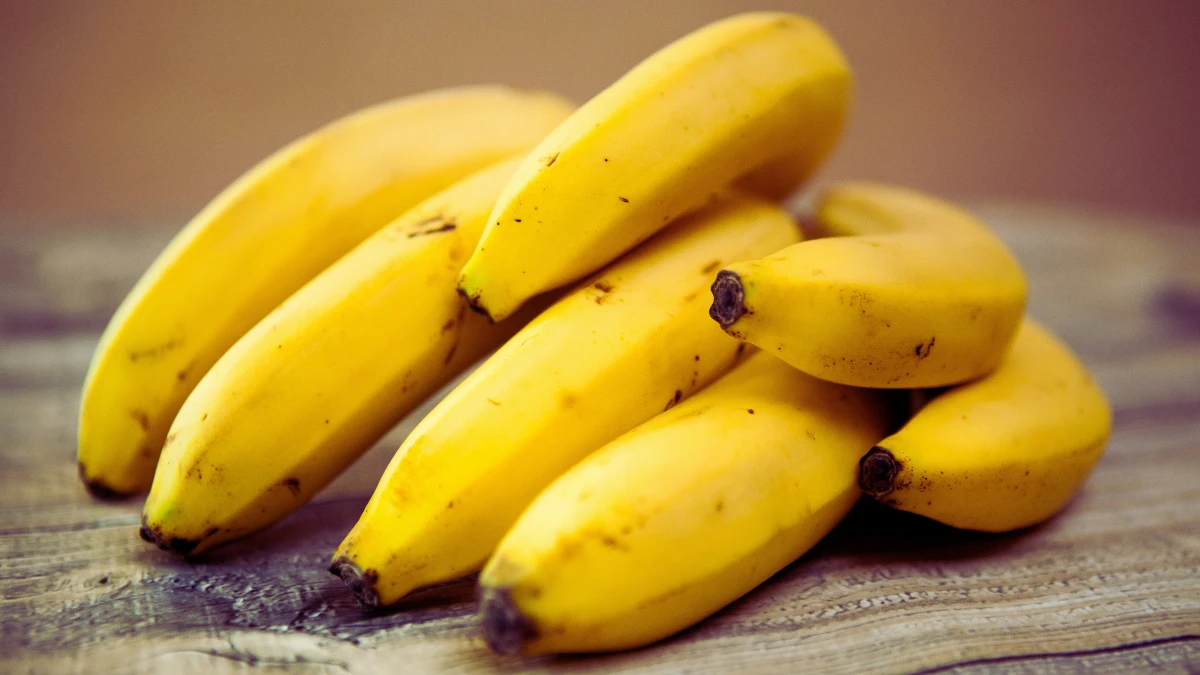
Yellow, spotted bananas offer gentle relief for sensitive digestive systems. Their soft texture and soluble fiber content make them easy to digest while helping to normalize bowel movements.
The natural pectin in ripe bananas coats and soothes irritated intestinal linings, creating a protective barrier against further irritation.
Potassium-rich and alkaline-forming, these fruits help balance electrolytes often disrupted by IBS episodes. They contain prebiotics that feed beneficial gut bacteria without causing the gas and bloating associated with other high-fiber foods.
Your gut microbiome thrives on this gentle nourishment, gradually improving your overall digestive health. Eat bananas when they’re fully ripe with brown spots—this ensures the starches have converted to simpler sugars that won’t aggravate your system.
Many IBS sufferers find that half a banana with breakfast or as a snack helps maintain regularity without triggering symptoms. Frozen ripe bananas can also be blended into smoothies for a gut-friendly treat that won’t cause discomfort.
12. Salmon
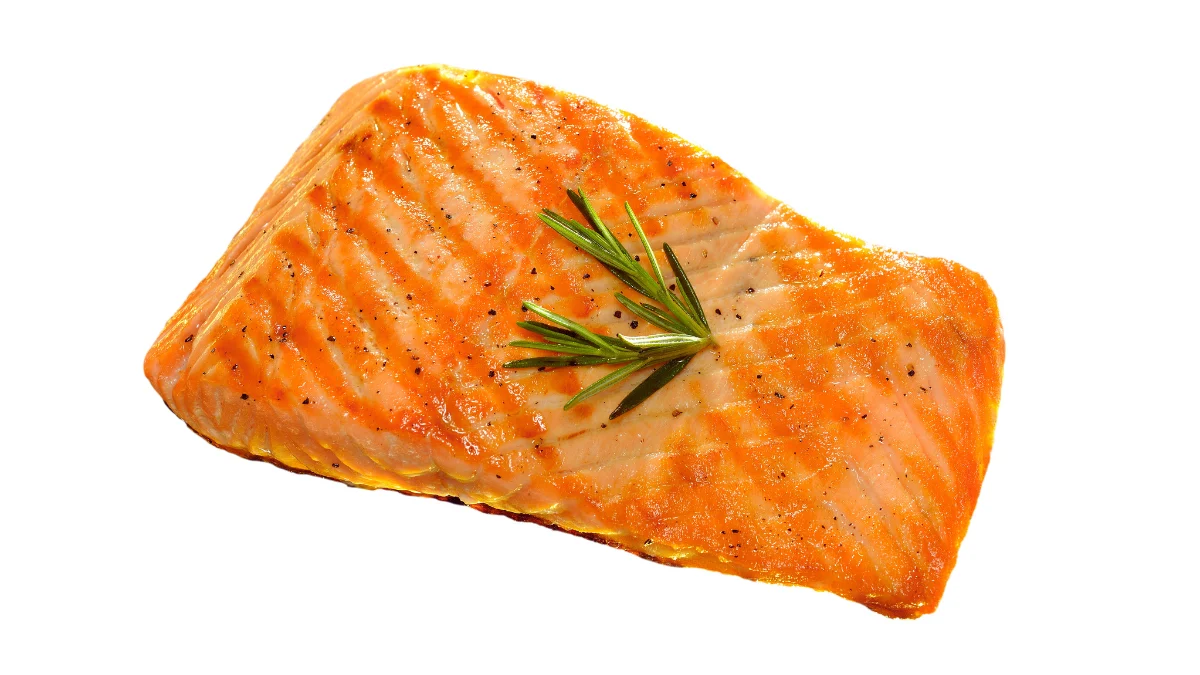
Wild-caught salmon provides essential omega-3 fatty acids that combat inflammation throughout your digestive tract. These healthy fats help reduce the inflammatory response that often drives IBS flares.
Your intestinal cells use these nutrients to repair and maintain the gut lining, preventing unwanted substances from triggering immune reactions.
Baking or poaching preserves the anti-inflammatory properties while avoiding irritating cooking methods. Just two servings weekly can make a noticeable difference in overall gut health.
Your body converts these specialized fats into compounds that directly calm inflammatory pathways in the digestive system.
Fresh salmon offers the highest nutritional value, but quality canned options (packed in water) work well too. Some people notice reduced cramping and pain within weeks of adding salmon to their diet.
The protein content also supports muscle health in your digestive tract, improving motility and reducing constipation which commonly affects IBS sufferers over 30.
13. Garlic (Infused Oil)
Raw garlic contains powerful compounds that support gut health but can trigger IBS symptoms due to its high FODMAP content.
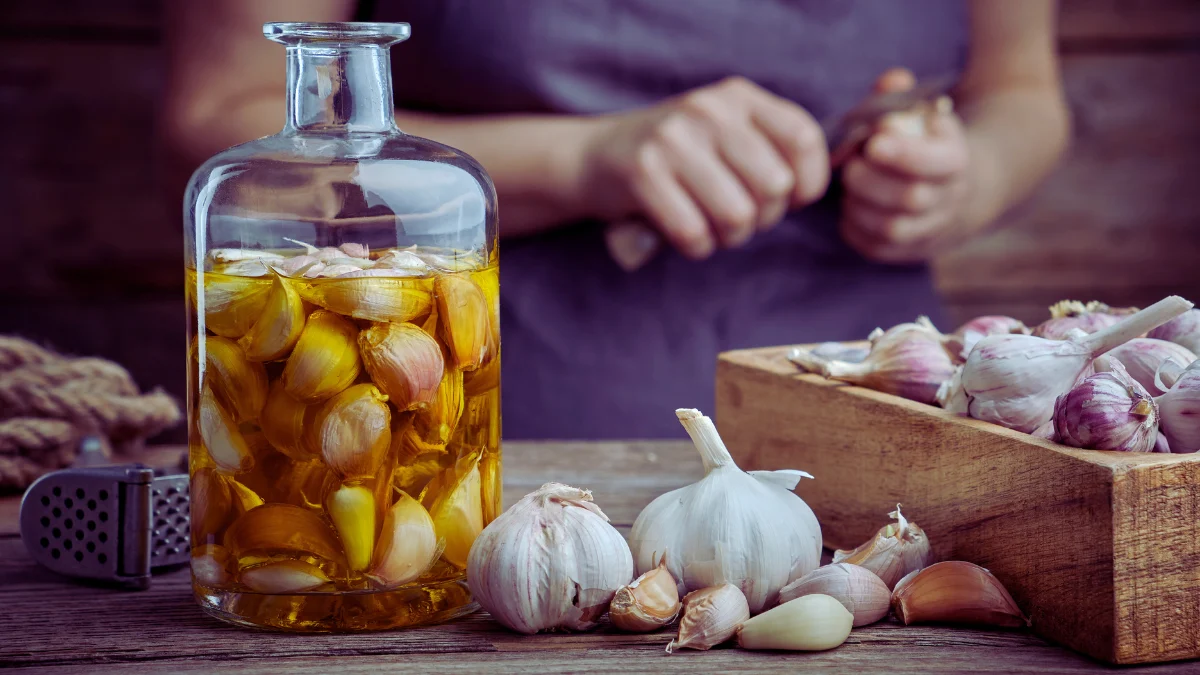
Garlic-infused oil offers a brilliant solution—it captures the beneficial allicin and other medicinal compounds without the troublesome fructans that cause gas and bloating.
Making your own infused oil takes minimal effort. Simply warm olive oil with crushed garlic cloves, then strain out all solid pieces.
The resulting oil carries garlic’s antimicrobial benefits and flavor without the digestive distress. Your meals gain flavor while your gut receives gentle support.
Use this oil for sautéing vegetables or drizzling over finished dishes. Many IBS sufferers who cannot tolerate even small amounts of fresh garlic find they can enjoy the infused oil without symptoms.
The subtle antimicrobial effects help balance gut flora over time, potentially reducing bacterial overgrowth that contributes to bloating and discomfort. Store in the refrigerator and use within a week for safety.
14. Onions (Cooked/Infused)
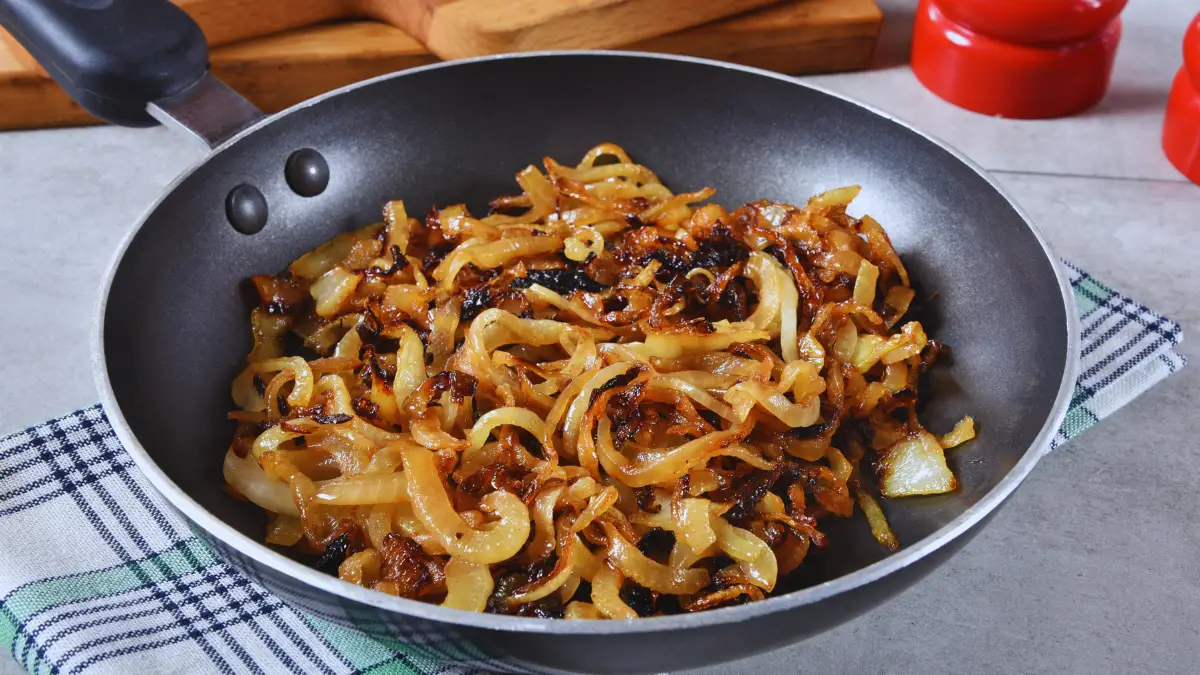
Like garlic, onions contain beneficial compounds alongside potentially troublesome FODMAPs. Thoroughly cooking onions breaks down some of these difficult-to-digest carbohydrates, making them more tolerable for sensitive systems.
Your gut can receive its prebiotic benefits without the severe bloating raw onions often cause. Slow cooking transforms onions’ structure, caramelizing their natural sugars and altering the fructans that trigger IBS symptoms.
The longer cooking time allows a more complete breakdown of irritating compounds. Your digestive system may handle these modified fibers much better than their raw counterparts.
Onion-infused oil provides another option for those who react even to cooked onions. Simply heat oil with onion pieces until fragrant, then strain completely.
This technique captures the flavor while leaving behind the problematic FODMAPs. Many people with IBS can reintroduce small amounts of well-cooked onions after a period of elimination, gradually training their gut to handle these beneficial foods again.