

Your kidneys lose nearly one percent of their filtering power every year after age forty. This decline turns ordinary dehydration into a silent crisis that manifests as sudden brain fog, dizziness, or exhaustion rather than simple thirst.
Most seniors mistakenly try to fix this by flooding their system with water, but this often flushes out critical electrolytes instead of hydrating cells.
Research from UCLA Health confirms that the brain’s thirst mechanism fades with age, meaning you can no longer trust your instincts to tell you when to drink.
1. You Wait Until You Are Thirsty

The most dangerous habit you can develop after sixty is relying on your body to tell you when it needs water. This is because of a physiological change called hypodipsia, where the hypothalamus in your brain loses its ability to detect fluid imbalances effectively.
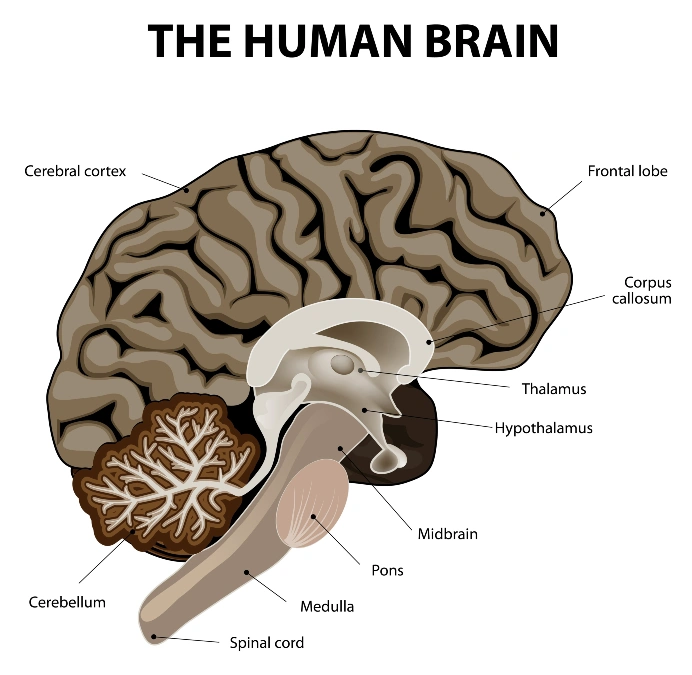
By the moment you actually feel dry or parched, your blood volume has already dropped significantly and your kidneys are under stress. You must treat drinking water like a prescription rather than a reaction to a feeling.
- Set a timer on your phone to remind you to take a few sips every hour.
- Do not wait for a dry mouth to signal that you need fluids.
- Treat water intake as a proactive daily maintenance task.
2. Your Urine is Crystal Clear
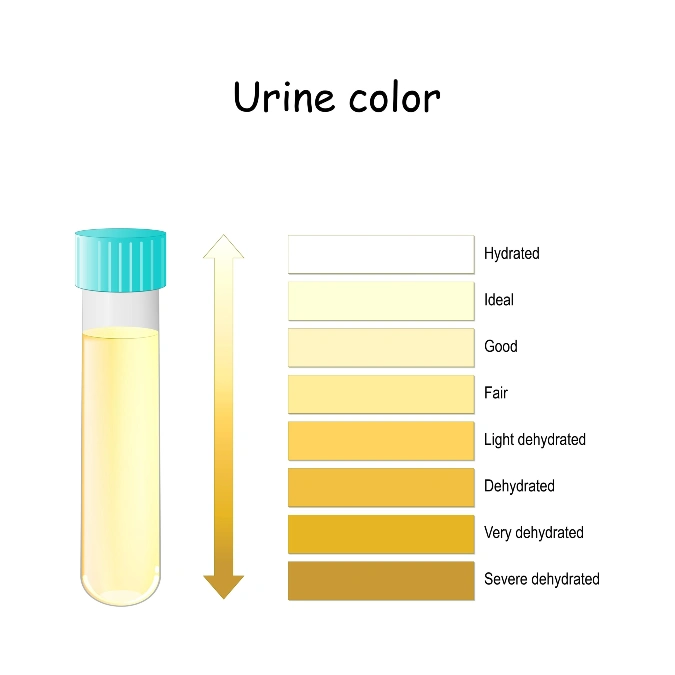
We have been taught for decades that clear urine is the ultimate sign of health, but for seniors, it is often a warning flag. When your urine is completely transparent, it indicates that you are over hydrating and diluting the sodium levels in your blood.
This condition is known as hyponatremia and can lead to dangerous heart arrhythmias or seizures because your electrolytes are too washed out to conduct electrical signals properly.
Stop drinking immediately. Electrolytes likely diluted.
Light lemonade color indicates perfect fluid balance.
- Aim for a pale straw or light lemonade color rather than clear water.
- Stop drinking immediately if your urine looks like tap water.
- Consult your doctor if you cannot get some color back into your urine.
3. Frequent Brain Fog or Confusion

Family members often panic when an older relative seems confused or forgetful, fearing the onset of dementia or Alzheimer’s. However, the brain physically shrinks in volume when it is dehydrated, pulling away from the skull and causing significant cognitive dysfunction.
Before you worry about permanent memory loss, you must assess if your brain is simply starving for fluid and electrolytes to fire its synapses correctly.
- Treat sudden confusion with a glass of water and a small salty snack.
- Monitor mental clarity as a primary sign of hydration status.
- Recognize that memory lapses are often linked to low fluid intake.
4. Sudden Dizziness When Standing

If the room spins when you stand up from a chair, your blood volume is likely too low to fight gravity. This is called orthostatic hypotension, and it happens when there isn’t enough fluid in your veins to pump blood to your brain quickly.
While this can be a side effect of medication, it is most frequently caused by chronic, low grade dehydration that leaves your blood thick and sluggish.
- Sit on the edge of the bed for a minute before standing up fully.
- Increase fluid intake slowly if you experience frequent lightheadedness.
- Check your blood pressure regularly to see if it drops when standing.
5. You Chug Water Instead of Sippin

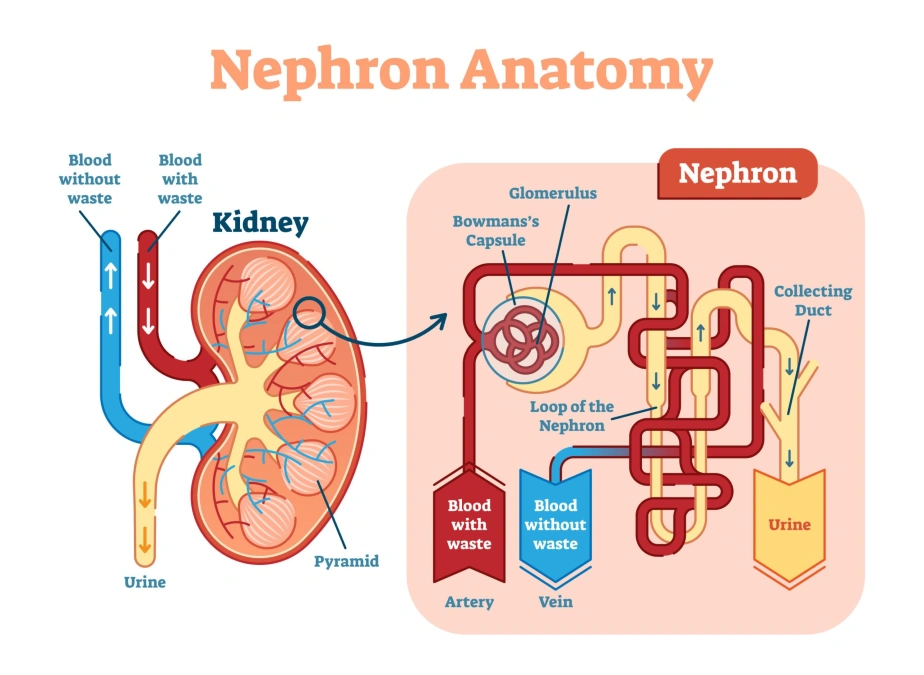
Aging kidneys are like a sponge that has become stiff; they cannot absorb a massive flood of water all at once. When you gulp down a large glass of water in seconds, the fluid bypasses your cells and goes straight to your bladder. This results in frequent bathroom trips without actually hydrating your body tissues, leaving you cellularly dehydrated despite drinking plenty of water.
- Adopt the sip rule by drinking four ounces every hour.
- Avoid drinking more than eight ounces in a single sitting.
- Focus on consistent intake rather than playing catch up.
6. Drinking Too Much Before Bed
Consuming fluids after dinner is the primary cause of nocturia, which is the medical term for waking up multiple times to urinate. This disrupts your sleep cycle and prevents your body from entering the deep restorative stages of rest that your kidneys need to repair themselves. The strain of waking up repeatedly also increases blood pressure and the risk of falls in the dark.
- Stop drinking most fluids at least two to three hours before sleep.
- Sip only a tiny amount of water if you need to take night medications.
- Elevate your legs in the evening to help fluid process before bed.
7. Obsessing Over the 8 Glasses Rule
The advice to drink eight glasses of water a day is a generic guideline that does not account for the reduced muscle mass and lower metabolic rate of older adults.
Following this rule blindly can force your kidneys to work overtime to filter excess fluid they do not need. Your personal hydration number depends entirely on your weight, your activity level, and the specific medications you take.
- Calculate your water needs based on your current body weight.
- Adjust your intake down if you are sedentary or lighter in weight.
- Listen to your body signs rather than following an arbitrary number.
8. You Don’t Adjust for Weather
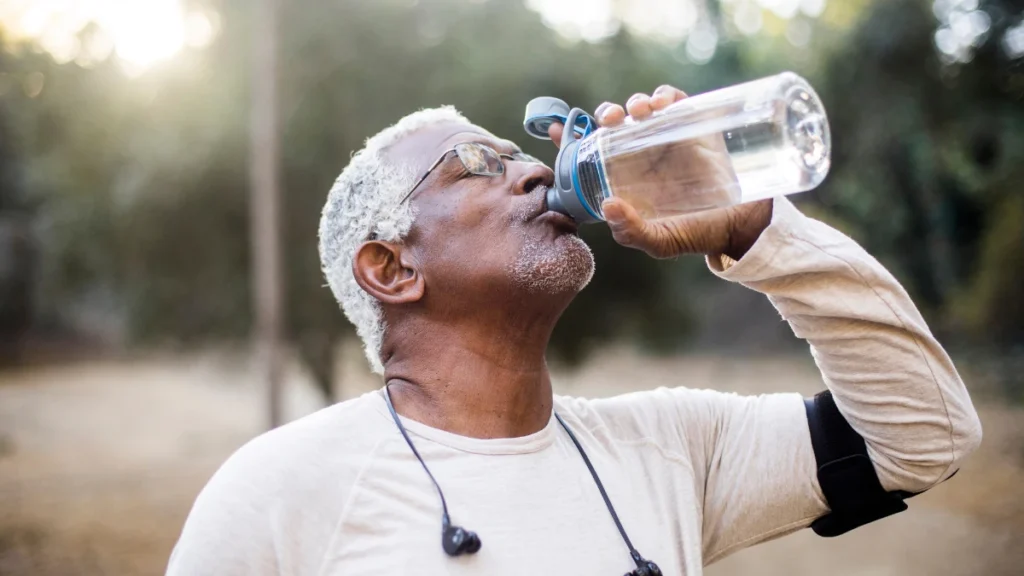
As you age, your sweat glands become less efficient and you may not feel moisture on your skin even when you are overheating. This means you can lose a significant amount of fluid through respiration and evaporation without ever feeling sweaty. Many seniors suffer from heat exhaustion because they assume they are fine simply because they are not dripping with sweat.
- Drink more fluids proactively on hot or humid days.
- Remember that indoor heating in winter also dries you out rapidly.
- Check your skin elasticity to see if you are losing fluid invisibly.
9. Relying on Coffee or Tea as Water

While coffee and tea contain water, they also contain caffeine, which acts as a diuretic and forces your kidneys to expel sodium and water.
For a younger person, this effect is negligible, but for an older kidney, the diuretic effect is much more pronounced. If you drink three cups of coffee and no plain water, you may end up with a net loss of fluid by the end of the day.
- Drink one glass of plain water for every cup of coffee or tea.
- Switch to decaf options to reduce the diuretic strain on your bladder.
- Do not count caffeinated beverages as your primary hydration source.
10. Ignoring Medication Interactions

Many seniors are on a regimen of blood pressure medications or specific diuretics that are chemically designed to strip water from the body.
If you combine these medications with aggressive water drinking, you risk flushing out potassium and magnesium to dangerous levels. You must understand how your specific prescriptions interact with fluid intake to avoid a medical emergency.
- Ask your pharmacist if your meds require fluid restriction.
- Monitor for signs of muscle cramping which indicates mineral loss.
- Balance your water intake carefully around your medication schedule.
11. Low Protein Intake
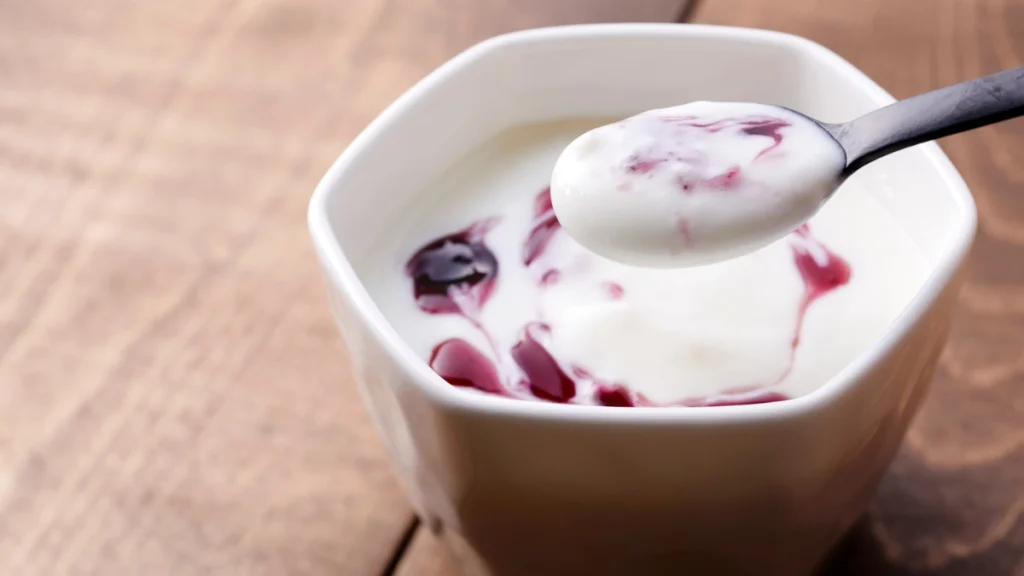
Water molecules need a vehicle to travel into your cells, and amino acids from protein often act as that transport system. If your diet consists mainly of tea and toast, you lack the protein necessary for your body to hold onto the water you drink.
This leads to a condition where you drink water but it runs right through you, leaving your skin and tissues dry.
- Include a small portion of protein like eggs or yogurt with your water.
- Understand that carbohydrates alone do not help with hydration retention.
- Pair your fluids with nutrition to help absorption.
12. You Fear Salt
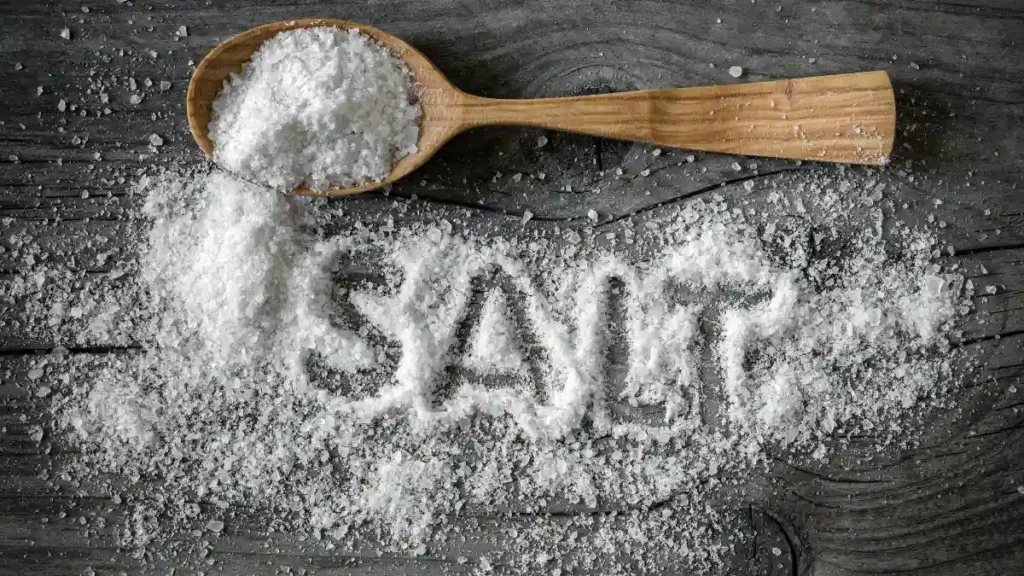
For years doctors have warned against salt, but sodium is the magnet that holds water inside your body. If you eliminate salt completely while drinking large amounts of water, you are setting yourself up for hyponatremia.
A senior body needs a delicate balance of sodium to maintain blood volume and proper neurological function.
- Use high quality mineral salt in moderation rather than cutting it out.
- Eat a few olives or pickles if you feel dizzy from water intake.
- Understand that water needs sodium to work effectively.
13. Drinking Sugary Sports Drinks
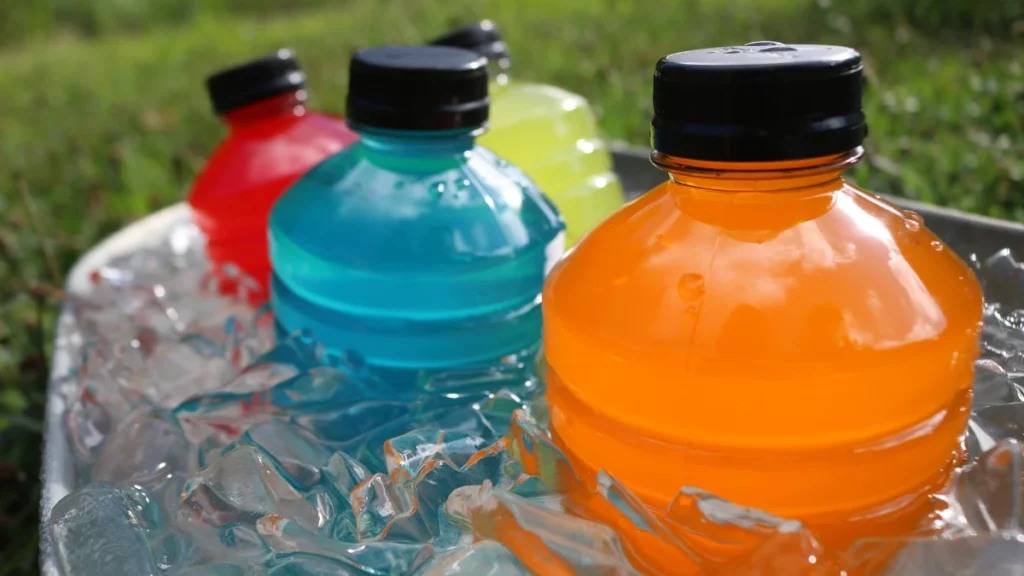
Marketing campaigns often convince seniors that sports drinks are the best way to replenish electrolytes, but they are often filled with high fructose corn syrup.
This sugar spike triggers an insulin response that causes inflammation and puts extra filtration pressure on the kidneys. You can get the electrolyte benefits without the sugar by choosing better natural alternatives.
- Avoid any drink that has sugar listed as a top three ingredient.
- Choose coconut water or electrolyte tablets with no added sugar.
- Realize that sugar actually pulls water out of your cells.
14. Drinking Alkaline Water with Meals
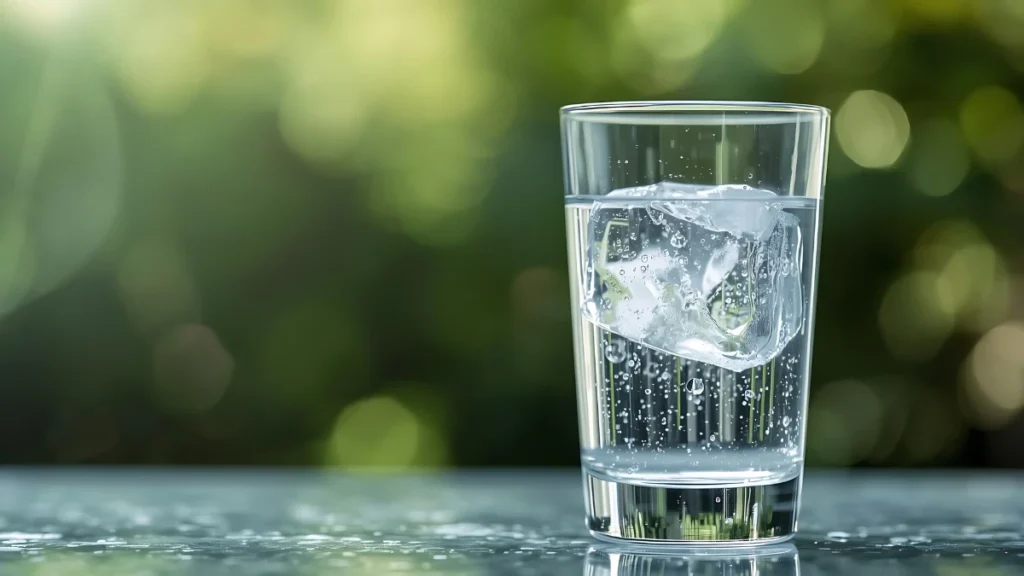
Stomach acid naturally becomes weaker and less potent as we get older, which makes digestion more difficult. Washing down your dinner with high pH alkaline water neutralizes what little acid you have left, leading to bloating and nutrient malabsorption.
It is best to keep your stomach environment acidic during meals to break down proteins effectively.
- Drink your water thirty minutes before or after a meal.
- Take only small sips during the meal to help swallow food.
- Avoid alkaline water specifically around dinnertime.
15. Ignoring Mineral Water
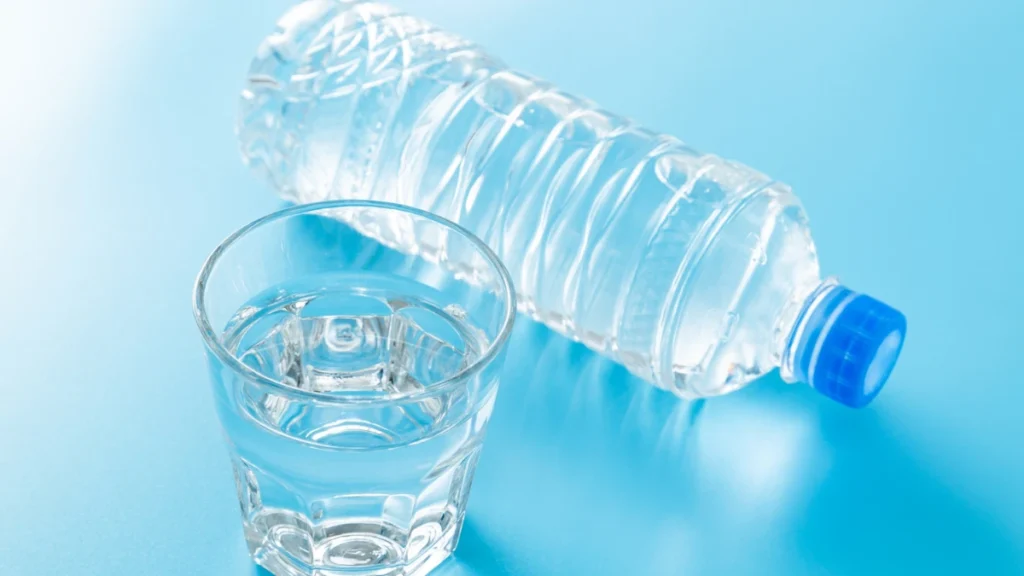
Highly filtered or distilled water is clean, but it is chemically hungry and can strip minerals from your body to balance itself.
Aging bones need all the calcium and magnesium they can get, and drinking demineralized water is a missed opportunity for nutrition. Mineral water contains essential nutrients in an ionic form that your body can absorb instantly.
- Choose natural spring water over distilled water when possible.
- Add a squeeze of lemon or a pinch of salt to filtered water.
- Read the label to ensure your water contains total dissolved solids.
16. You Don’t Eat Your Water
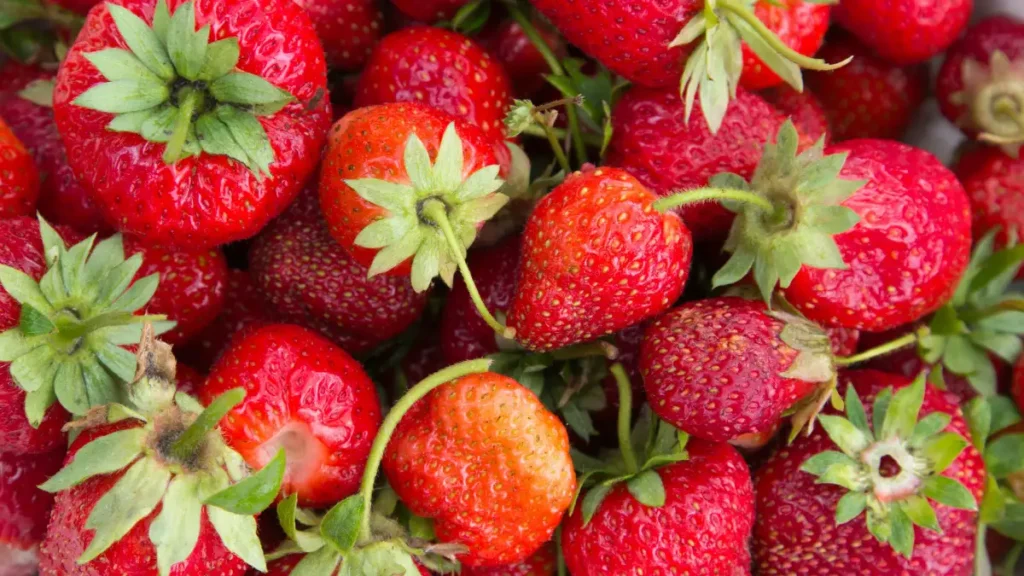
The most effective way to hydrate an aging body is to eat water rich foods that trap fluid in a fiber matrix. Foods like cucumbers, melons, and strawberries release their moisture slowly during digestion, which allows for much better absorption than liquid water. This method keeps you hydrated longer and prevents the urgent need to run to the bathroom.
- Add a serving of fruit or vegetable to every snack.
- Treat soup and smoothies as part of your daily fluid intake.
- Focus on foods that are heavy with water weight.