

Every time you grab that convenient packaged snack from your pantry, something happens inside your brain. And it’s not good.
Your memory gets a little fuzzier. Your thinking slows down just a bit. Brain cells start dying faster than they should.
You probably think you’re making okay food choices. Maybe you even buy things labeled “low-fat” or “sugar-free.” But here’s what neurologists are now screaming from the rooftops: those processed foods are aging your brain years faster than they should.
A massive 2024 study tracked over 30,000 people for 11 years. The results were shocking. People who ate just 10% more ultra-processed foods had a 16% higher risk of cognitive problems. That’s like losing your car keys, forgetting names, and struggling to focus—all before you even hit retirement age.
Think about what’s in your kitchen right now. Those frozen dinners. That diet soda. The breakfast cereal your kids love. Most of these contain ingredients that mess with your brain in ways scientists are only now understanding.
Here’s what you need to know: 16 specific foods are the worst offenders. These aren’t rare exotic items. They’re sitting in your fridge and pantry right now. And once you know which ones they are, you can start protecting your brain today.
Let’s get into it.
1. Diet Sodas and Zero-Sugar Drinks
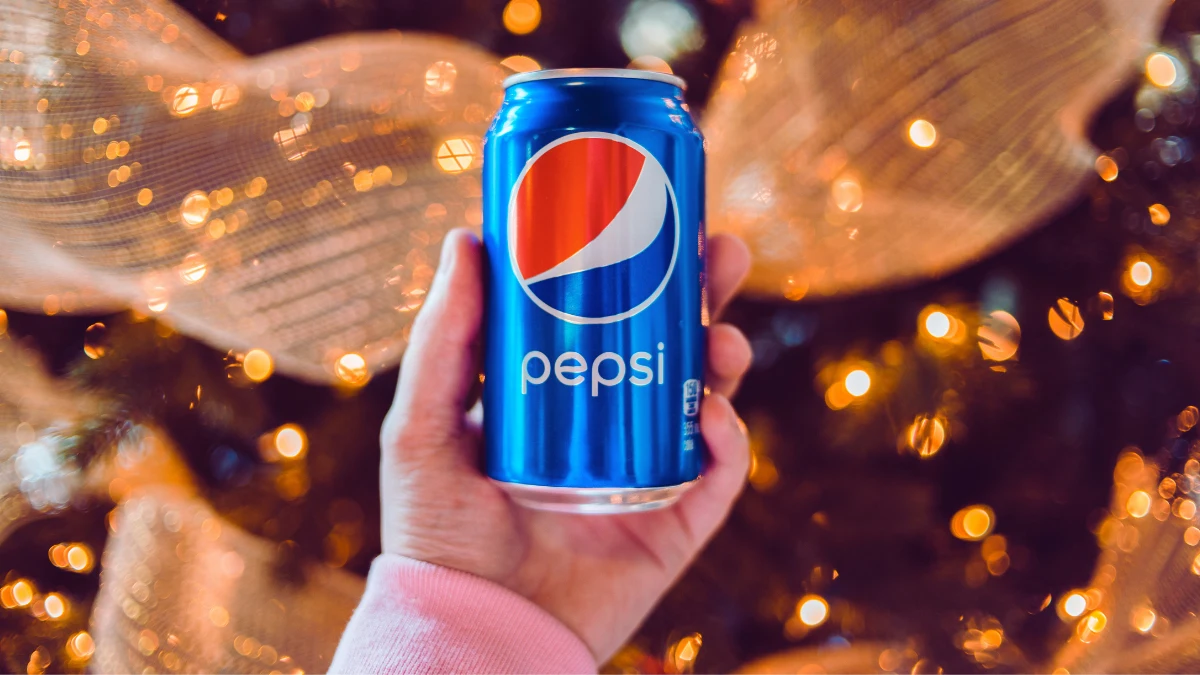
You switched from regular soda to diet, thinking you made a smart choice. But your brain is paying the price.
Diet sodas contain artificial sweeteners like aspartame. When you drink them, these chemicals change how your brain works. Aspartame breaks down into compounds that mess with your neurotransmitters—the messengers that help your brain cells talk to each other.
Here’s the scary part: drinking just 2-4 diet sodas per day causes memory problems and makes it harder to learn new things. That’s way less than the “safe” limit the FDA set.
Think about dopamine and serotonin. These brain chemicals control your mood, focus, and memory. Aspartame disrupts them. Over time, this can lead to brain fog, difficulty concentrating, and, yes, faster aging of your brain.
What you’re actually drinking: Diet Coke, Coke Zero, Diet Pepsi, sugar-free energy drinks, Crystal Light, diet iced teas.
The fix is simple. Drink water. Add lemon, lime, or cucumber if plain water bores you. Sparkling water with a splash of real fruit juice works too. Your brain will thank you in 20 years.
2. Deli Meats and Lunch Meats
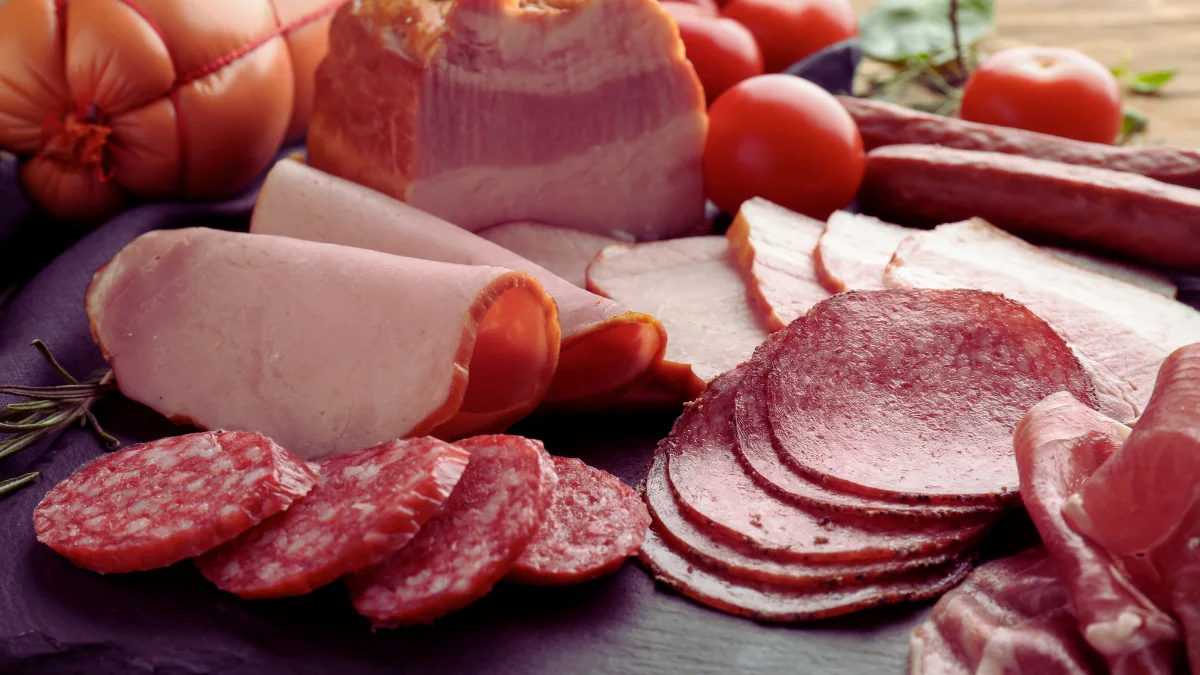
That turkey sandwich you packed for lunch? It might be hurting your brain more than helping it.
Researchers at Virginia Tech found something disturbing. Out of all ultra-processed foods they studied, deli meats were directly linked to memory problems and cognitive decline. Not just a little bit—significantly.
Processed meats contain nitrates and nitrites as preservatives. These chemicals help the meat stay pink and last longer. But in your body, they create compounds that damage brain cells and increase inflammation.
The salt content is off the charts, too. Too much sodium damages the blood vessels in your brain. This reduces blood flow, which means less oxygen and fewer nutrients reach your brain cells.
What counts as processed meat: Bologna, salami, pepperoni, packaged ham, turkey breast from the deli counter, hot dogs, breakfast sausages, bacon.
Better choice: cook chicken breast or turkey at home on Sunday. Slice it up. Use it all week. Yes, it takes 30 minutes. But that’s 30 minutes that could save your memory.
3. Sugary Breakfast Cereals
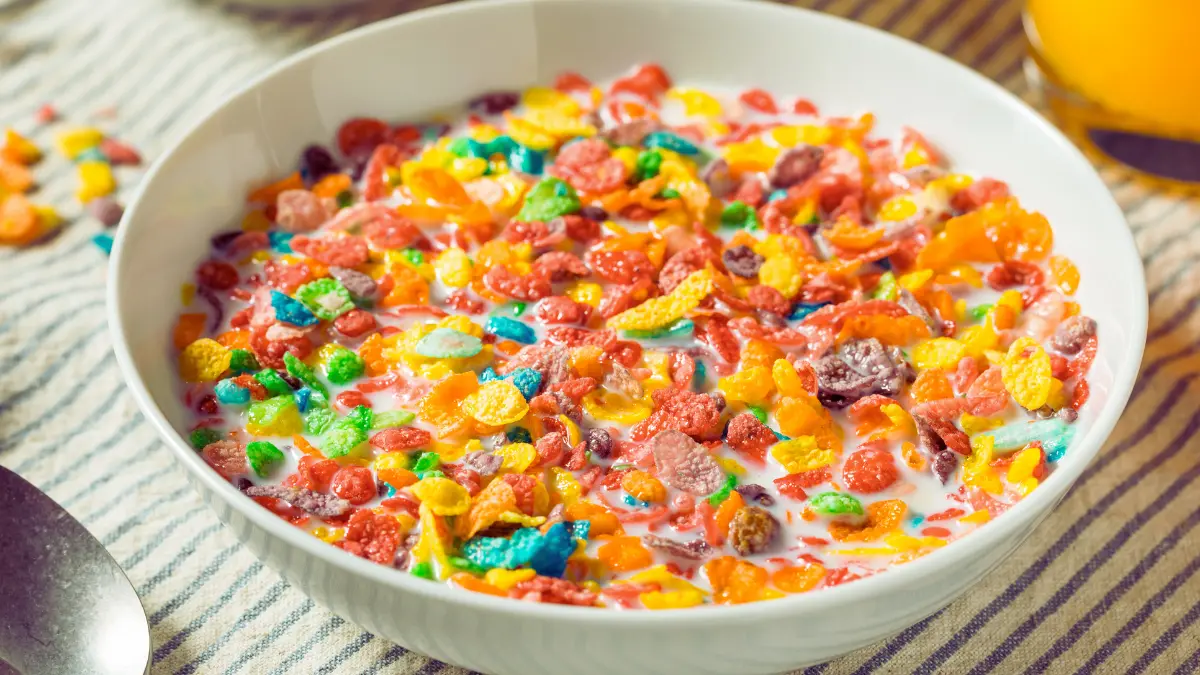
Your morning bowl of cereal is starting your day with brain damage.
Most cereals contain more sugar than a chocolate bar. This floods your system with glucose, causing your blood sugar to spike and crash. Each spike damages blood vessels in your brain.
But sugar isn’t the only problem. These cereals are stripped of fiber and nutrients during processing. Then they add synthetic vitamins to make them look healthy on the box.
Your gut bacteria hate this stuff. And when your gut bacteria suffer, your brain suffers. Scientists call this the gut-brain connection, and it’s more important than most people realize.
The worst offenders: Froot Loops, Frosted Flakes, Lucky Charms, Cocoa Puffs, Honey Nut Cheerios, and any cereal with more than 6 grams of sugar per serving.
Switch to steel-cut oatmeal. Add real berries, not the dried sugary kind. Sprinkle some nuts on top. It takes 5 minutes to make, and you’ll actually feel full until lunch.
4. Store-Bought Ice Cream

That nightly bowl of ice cream contains something called emulsifiers. These are chemicals that keep the ingredients mixed and make the texture smooth.
Emulsifiers like polysorbate 80 do something terrible to your brain. They break down the blood-brain barrier—a protective wall that keeps toxins out of your brain. Once that barrier breaks down, harmful substances flood in.
Even scarier: emulsifiers mess up your gut bacteria. The bad bacteria multiply. They release inflammatory compounds that travel to your brain and cause damage.
Commercial ice cream also packs loads of added sugars, artificial flavors, and stabilizers. Read the label sometimes. If you can’t pronounce half the ingredients, your brain probably can’t process them either.
What you’re eating: Breyers, Ben & Jerry’s, store-brand ice cream, frozen yogurt, ice cream bars, novelty treats.
Make your own with frozen bananas blended with real cocoa powder. Or buy ice cream with five ingredients or less—cream, sugar, eggs, vanilla, and maybe one more real ingredient.
5. Packaged Cookies and Snack Cakes

Walk down the cookie aisle. Every box contains brain poison.
These products still contain trans fats, even though companies have tried to hide them. Trans fats don’t just clog your arteries. They damage brain cells directly and increase your risk of dementia.
The refined white flour causes inflammation throughout your body, including your brain. Add in the massive amounts of sugar, and you’re basically eating a recipe for cognitive decline.
Long ingredient lists mean lots of chemical additives. Your brain didn’t evolve to handle these substances. It treats them as invaders, triggering an immune response that damages healthy brain tissue.
What’s in your pantry: Oreos, Chips Ahoy, Pop-Tarts, Twinkies, Little Debbie snacks, packaged danishes, and most granola bars.
Bake your own if you love cookies. Use whole wheat flour, real butter, and honey or maple syrup. Or just eat a piece of dark chocolate (70% cacao or higher) when you need something sweet.
6. Potato Chips and Cheese Puffs
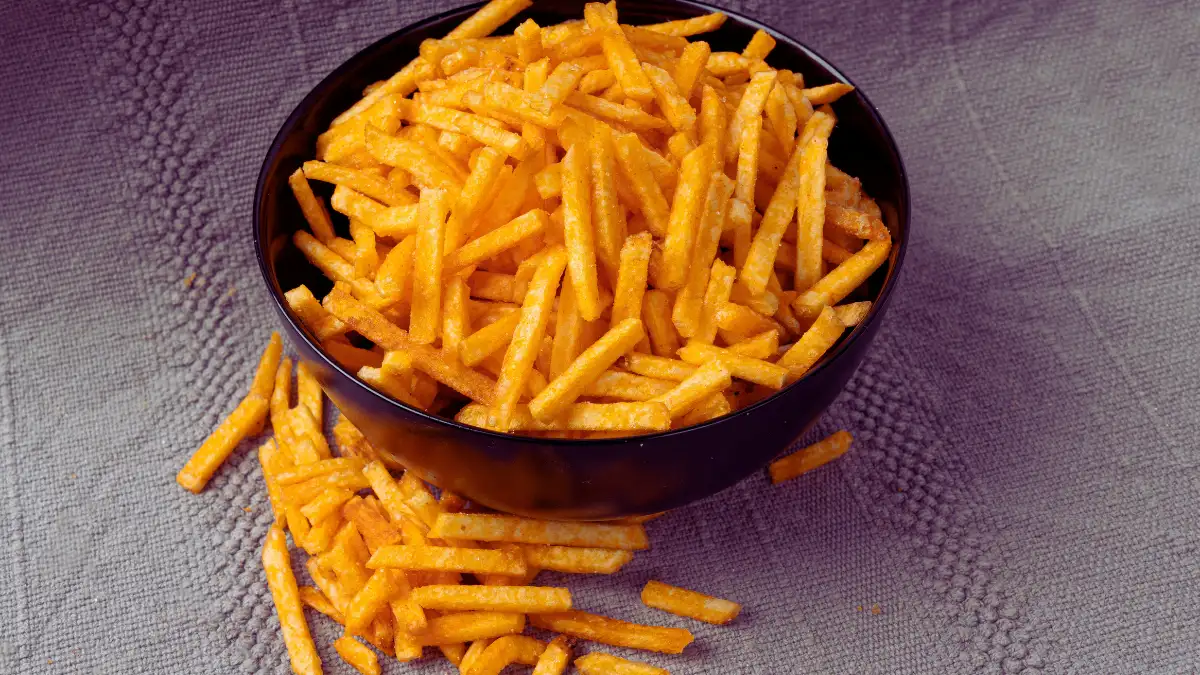
Chips are designed to be addictive. That’s not an accident—it’s intentional.
The combination of salt, fat, and crunch triggers your brain’s reward system. But the price you pay isn’t worth it. Excessive sodium damages blood vessels in your brain over time. This reduces blood flow and speeds up brain aging.
When potatoes get fried at high temperatures, they form a compound called acrylamide. This chemical is known to damage nerve cells. It’s the same stuff that’s in cigarette smoke.
Regular chip consumption displaces actual nutritious foods from your diet. You fill up on empty calories instead of foods that protect your brain.
What you’re crunching on: Lay’s, Doritos, Cheetos, Pringles, Ruffles, cheese puffs, most flavored crackers.
Swap to raw almonds, walnuts, or cashews. If you need the crunch, try carrot sticks with hummus or bell pepper strips. I know it’s not the same. But your brain function at age 70 will be dramatically different.
7. Instant Ramen and Cup Noodles
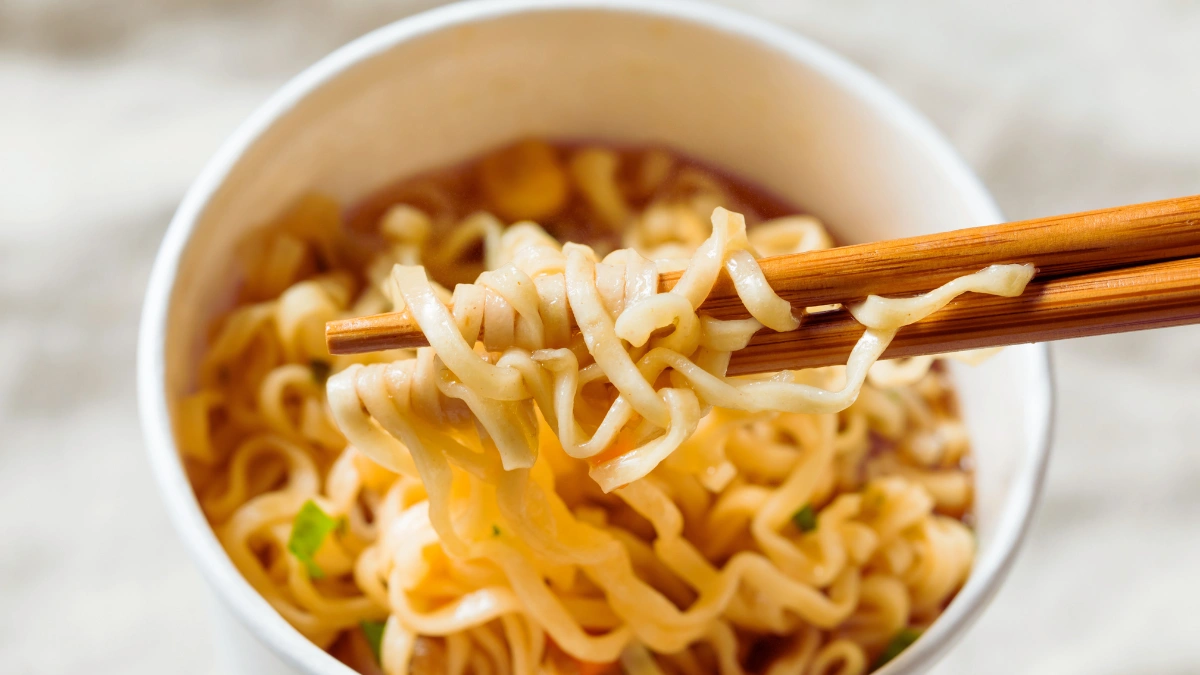
College students live on this stuff. And they’re damaging their brains with every cup.
One serving of instant ramen contains about 1,500-1,800 mg of sodium. That’s almost your entire daily limit in one meal. This much salt raises blood pressure and damages the delicate blood vessels in your brain.
MSG and other flavor enhancers mess with your neurotransmitters. While the FDA says MSG is safe, studies show it can overstimulate brain cells to the point of damage when consumed regularly.
These products provide almost zero nutrition. You’re filling your stomach but starving your brain of the nutrients it needs to function and repair itself.
What’s in your cabinet: Top Ramen, Cup Noodles, instant miso soup packets, instant pho, and all the 25-cent packages.
Real ramen from scratch takes 15 minutes. Boil water, add real noodles, throw in vegetables, and add a soft-boiled egg. Use low-sodium broth. It costs a bit more, but your brain is worth it.
8. Frozen Meals and TV Dinners
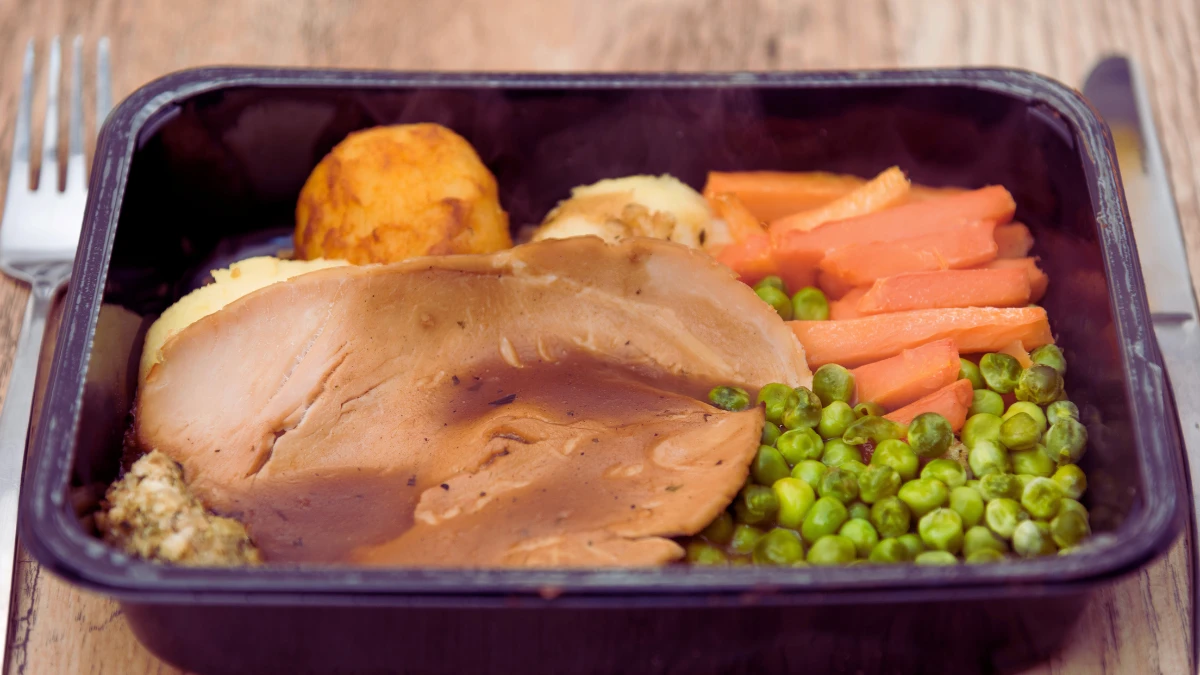
The box shows a beautiful meal. Inside is a chemistry experiment.
Frozen dinners need multiple preservatives to last months in your freezer. They need emulsifiers to maintain texture. They need flavor enhancers because the freezing process destroys natural taste. All of these chemicals take a toll on your brain.
The sodium levels are absurd—often 40-60% of your daily limit in one meal. This leads to high blood pressure and reduced blood flow to your brain over time.
Many frozen meals are marketed as “healthy” or “low-calorie.” But processed is processed, no matter what the marketing says. Your brain can’t be fooled by clever packaging.
What’s in your freezer: Lean Cuisine, Hungry-Man, frozen pizzas, Stouffer’s lasagna, microwaveable burritos, and any frozen meal with more than 10 ingredients.
Batch cook on weekends. Make a big pot of chili, soup, or curry. Portion it into containers. Freeze them. Now you have homemade frozen meals without the brain-damaging chemicals.
9. Fast Food Burgers and Fried Chicken
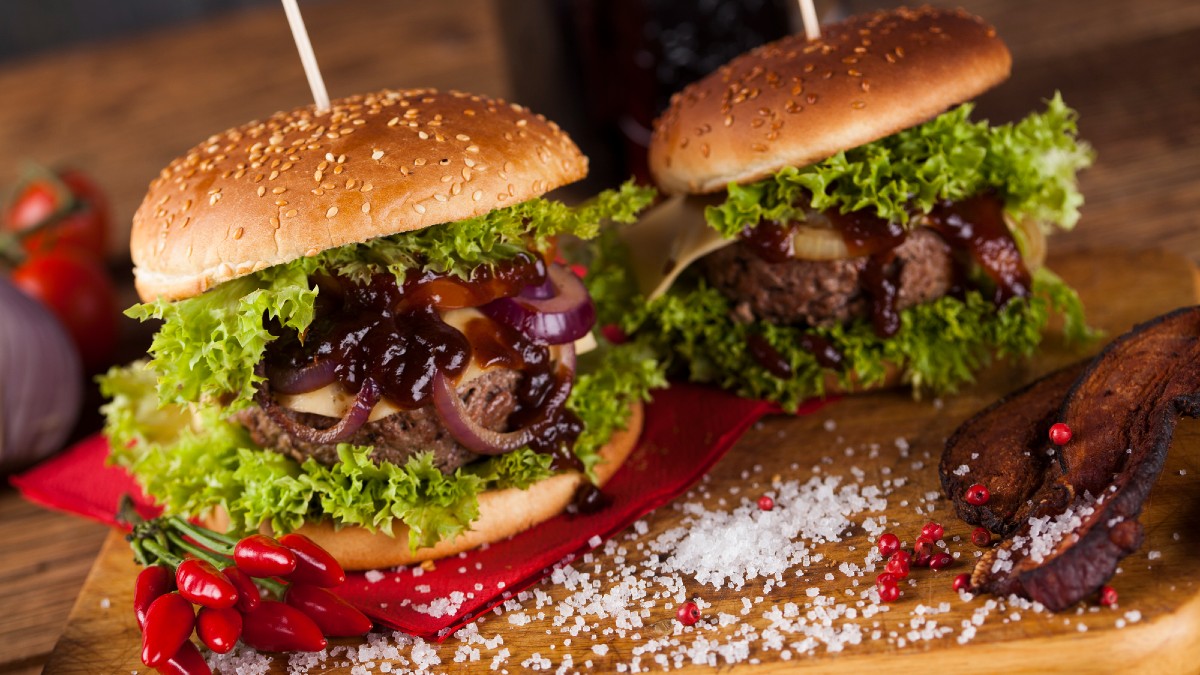
A Burger King Texas Double Whopper contains 1,603 calories. That’s almost a full day’s worth of calories in one burger.
Fast food gets cooked in oils that have been heated and reheated hundreds of times. These oxidized oils contain compounds that cause inflammation in your brain. They damage cell membranes and disrupt normal brain function.
The beef itself is often highly processed with fillers, binders, and preservatives. It goes through multiple processing steps before it reaches your tray. Each step adds more chemicals and reduces nutritional value.
Obesity is strongly linked to depression and cognitive decline. Fast food is a major driver of obesity. So you’re not just eating bad food—you’re creating a cycle that damages your brain in multiple ways.
Where you’re eating: McDonald’s, Burger King, KFC, Wendy’s, and most drive-through restaurants.
If you’re going to eat a burger, make it at home with grass-fed beef. Or find a local restaurant that uses fresh, minimally processed ingredients. It costs more, but you eat it less often, so it balances out.
10. White Bread and Commercial Burger Buns
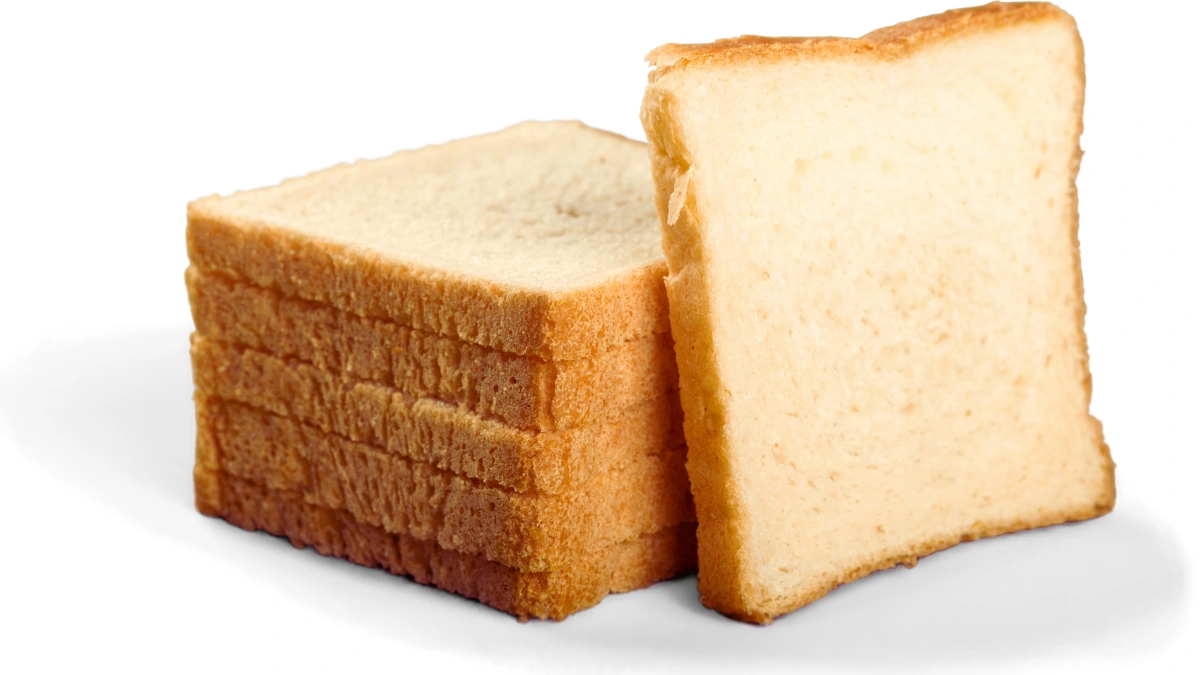
Read the ingredient label on a loaf of white bread. You’ll find 20-30 ingredients. Bread should have five: flour, water, yeast, salt, and maybe a little oil.
Commercial bread contains dough conditioners, preservatives, added sugars (for browning and taste), and emulsifiers. All of these extend shelf life but shorten your brain’s healthy lifespan.
The refined white flour has been stripped of fiber and nutrients. Your body processes it almost like pure sugar. This causes blood sugar spikes that damage blood vessels in your brain.
The preservatives allow bread to sit on shelves for weeks without molding. That’s not natural. Real bread molds in a few days. If bacteria won’t eat it, that’s a red flag.
What you’re eating: Wonder Bread, most hamburger buns, hot dog buns, standard sandwich bread from the supermarket.
Buy bread from a real bakery, or make your own. Look for bread with whole grains as the first ingredient and fewer than seven total ingredients. Store it in the freezer and toast what you need.
11. Flavored Yogurt Cups
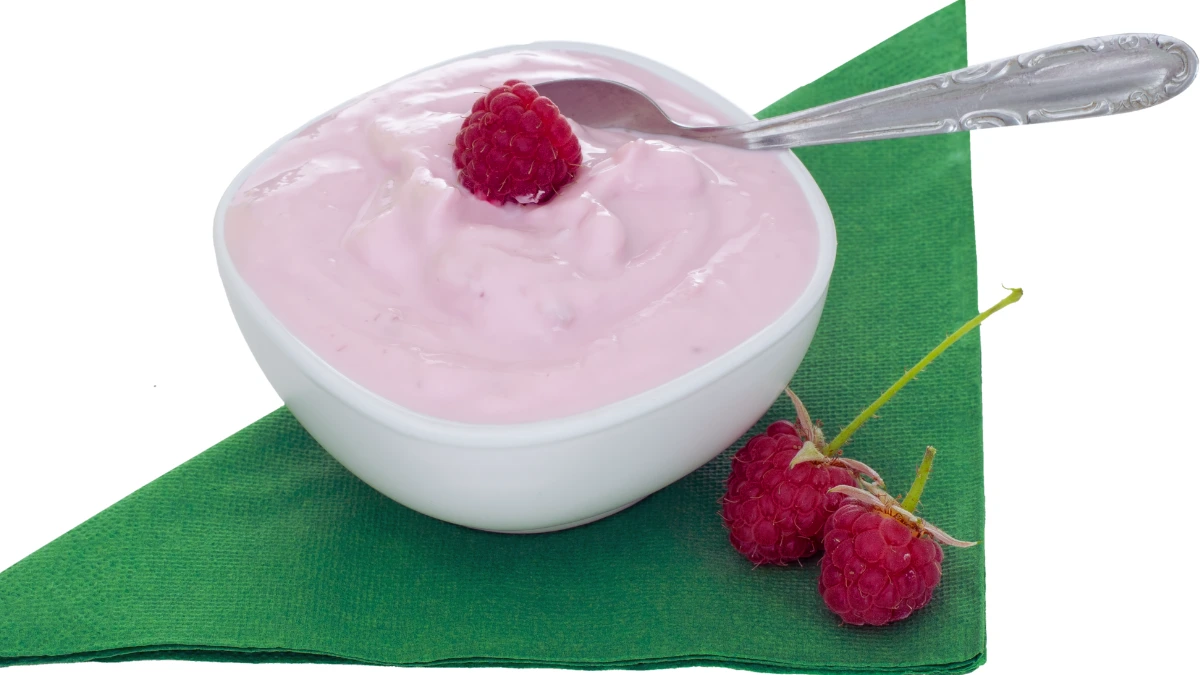
You think you’re being healthy. You’re not.
Most flavored yogurts contain more sugar than ice cream. A single cup can have 20-30 grams of sugar. That’s like eating seven sugar cubes with some cultured milk.
They add artificial colors to make it look appealing. They add thickeners to improve texture. They add preservatives to extend shelf life. Each additive is another burden on your brain.
The “fruit” at the bottom isn’t real fruit. It’s a fruit-flavored syrup with artificial colors and flavors. Real fruit doesn’t stay that bright pink or blue.
What’s in your fridge: Yoplait, Danimals, Chobani Flips, most fruit-on-bottom yogurts, yogurt with candy or cookie pieces.
Buy plain Greek yogurt. Add real berries. Drizzle a tiny bit of honey if you need sweetness. You’ll get the protein and probiotics without the brain-damaging sugar and chemicals.
12. Protein Bars and Energy Bars
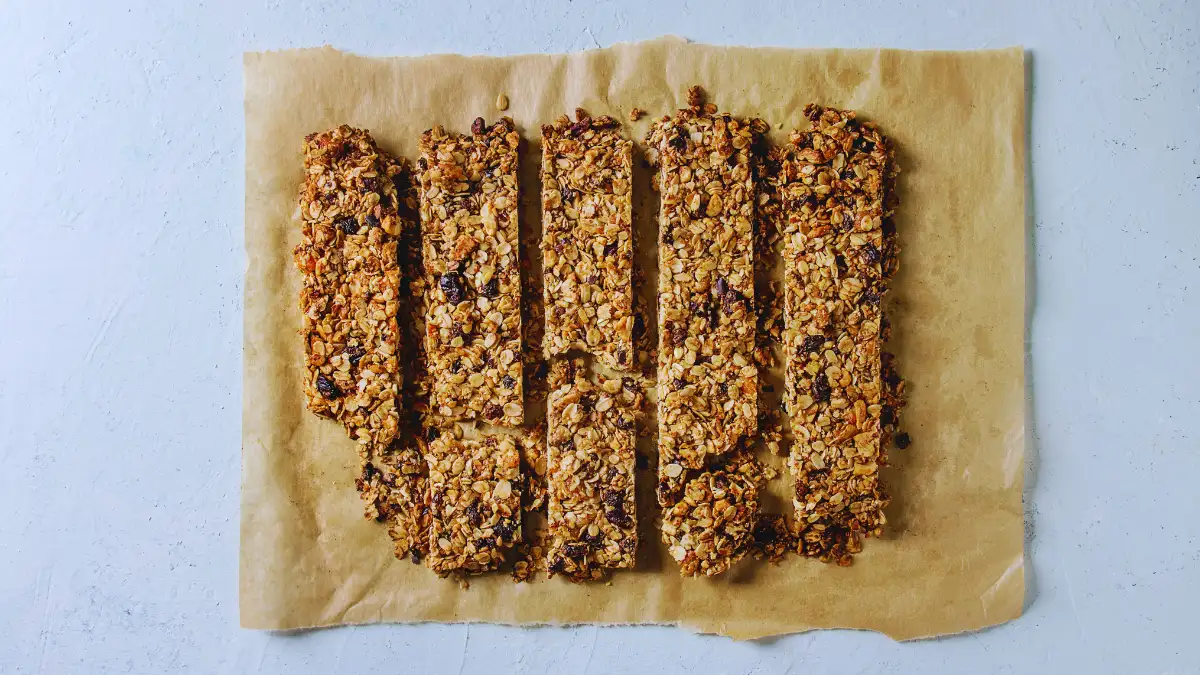
These bars are marketed as healthy. But most are just candy bars in disguise.
Check the ingredient list. You’ll find sugar alcohols, artificial sweeteners, isolated proteins (not from whole foods), synthetic vitamins, and a dozen stabilizers and emulsifiers. Your brain doesn’t recognize half of these as food.
The protein often comes from heavily processed soy or whey isolates. These lack the beneficial compounds found in whole food protein sources. You’re getting protein, but missing everything else that comes with it in nature.
Many contain 15-20 grams of sugar or sugar alcohols. These cause blood sugar swings that stress your brain and body. Over time, this contributes to insulin resistance, which is linked to Alzheimer’s disease.
What’s in your gym bag: Most Clif Bars, Quest Bars, Think Bars, Special K bars, Fiber One bars, most protein bars with more than 8 ingredients.
Make your own energy balls with dates, nuts, and cocoa powder. Or just eat real food—an apple with almond butter gives you energy without the chemicals.
13. Packaged Donuts and Sweet Baked Goods
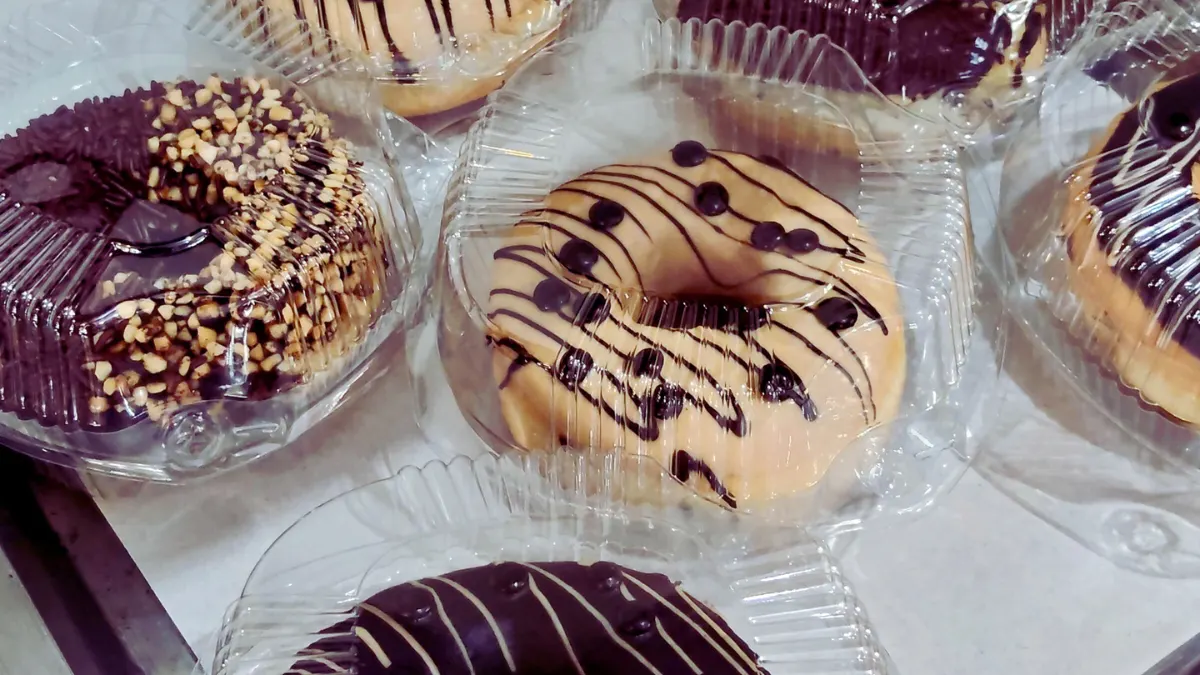
Donuts from a box can sit on a shelf for weeks. That should tell you something.
These products contain trans fats that directly damage brain cell membranes. Even though trans fats are “banned,” companies can still use small amounts. Those small amounts add up when you eat these products regularly.
The artificial colors affect more than how they look. Certain food dyes can affect behavior and cognitive function, especially in children. But adults aren’t immune to these effects.
The combination of sugar and refined flour causes massive insulin spikes. Do this repeatedly, and you’re setting yourself up for insulin resistance in the brain—a key factor in Alzheimer’s disease.
What you’re eating: Hostess products, Entenmann’s, packaged donuts from grocery stores, Little Debbie sweet rolls, and coffee cakes.
If you want a donut, go to a local bakery that makes them fresh that morning. Eat one, not three. Or better yet, make banana bread at home with whole wheat flour and minimal sugar.
14. Chicken Nuggets and Fish Sticks

Kids love these. Parents rely on them. But they’re terrible for developing brains—and adult brains too.
The “chicken” in nuggets is mechanically separated meat mixed with fillers and binding agents. It’s formed into shapes and covered in breading that contains multiple additives. Then it’s deep-fried in damaged oils.
Fish sticks follow the same process. What should be a healthy omega-3 omega-3-rich food becomes a processed nightmare that does more harm than good.
These products are designed to be kid-friendly, which means mild flavor achieved through processing rather than real ingredients. Children raised on these learn to prefer processed tastes over real food flavors.
What’s in your freezer: Tyson chicken nuggets, McDonald’s nuggets, Gorton’s fish sticks, any frozen breaded meat product.
Buy real chicken tenders. Bread them yourself with whole wheat flour or panko. Bake them instead of frying. It takes 20 minutes. Teach your kids what real chicken tastes like.
15. Flavored Coffee Creamers

Your morning coffee ritual might be harming your brain before you even start your day.
Coffee creamers contain emulsifiers like carboxymethylcellulose. These chemicals alter your gut bacteria and promote inflammation throughout your body. That inflammation reaches your brain.
Most creamers use partially hydrogenated oils—trans fats in disguise. These damage brain cells and increase dementia risk. The “non-dairy” label doesn’t mean healthy. It often means more chemicals.
Instead of real sugar, many use corn syrup solids or artificial sweeteners. Instead of cream, they use oil and stabilizers. It’s fake food pretending to be real.
What you’re pouring: Coffee-Mate, International Delight, Dunkin’ Donuts creamer, most flavored creamers.
Use real half-and-half or whole milk. Add a tiny bit of vanilla extract if you want flavor. Or try a splash of coconut milk. Real ingredients taste better anyway, once you retrain your taste buds.
16. Processed Meat Substitutes and Formed Meat Products

This includes both fake meat and real meat that’s been processed beyond recognition.
Imitation crab is mostly white fish, starch, and a long list of additives shaped to look like crab. Spam is mechanically separated meat with preservatives and salt. Even some veggie burgers have 30+ ingredients, including multiple binding agents and flavor enhancers.
People who eat more than 10 servings of ultra-processed foods daily are 2.5 times more likely to show Parkinson’s disease symptoms. These heavily processed meat products are major contributors to that count.
Your brain needs protein, yes. But it needs protein from recognizable sources—not from a lab or a factory with a chemistry set.
What counts: Imitation crab, Spam, formed ham products, chicken patties, and some plant-based burgers with long ingredient lists.
Eat real meat, real fish, or real plant proteins like beans and lentils. If you want a veggie burger, find one with ingredients you recognize—black beans, oats, and vegetables. Not 45 chemicals.