
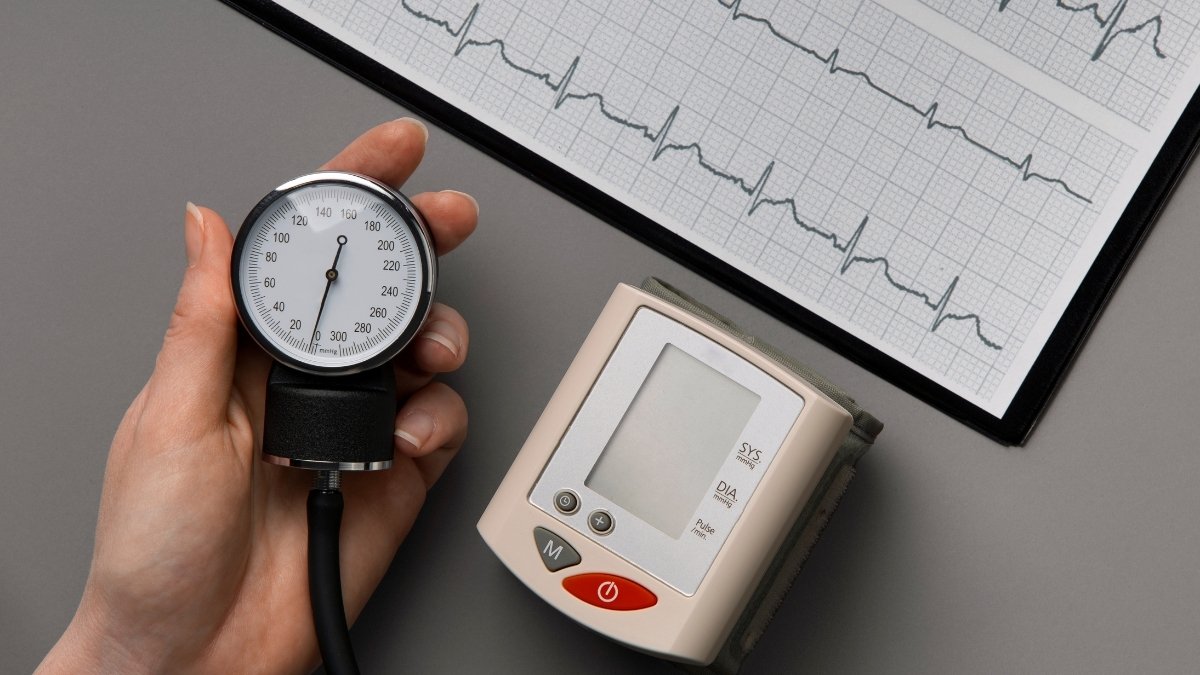
Managing high blood pressure after 40? Your diet choices matter more than you think. Eating the wrong foods can silently push your numbers higher even when taking medication.
Many patients see minimal improvement despite following their prescription regimen faithfully. Why? The culprit might be sitting on your plate.
Certain foods actively work against your blood pressure medications and natural regulation systems. Cardiologists have identified 11 specific items that pose serious risks for adults over 40 with hypertension.
Removing these foods can lead to significant improvements often within weeks. Let’s explore what they are and why they matter for your heart health.
1. Processed Meats

Processed meats pose serious risks for people with high blood pressure. Bacon, hot dogs, salami, and other deli meats contain alarming levels of sodium, with some products packing more than 500mg in a single serving.
This excessive salt causes your body to retain water, increasing blood volume and forcing your heart to work harder.
The preservatives in these foods compound the problem. Nitrates and nitrites, commonly used to extend shelf life and enhance color, can damage blood vessels over time.
This damage increases resistance in your circulatory system, making it more difficult for blood to flow freely. Many processed meats also contain saturated fats that contribute to arterial plaque buildup.
For those over 40 with hypertension, even occasional consumption can trigger noticeable blood pressure spikes.
Replacing these foods with fresh poultry, fish, or plant proteins can significantly improve cardiovascular health without sacrificing protein intake.
2. Canned Soups & Vegetables
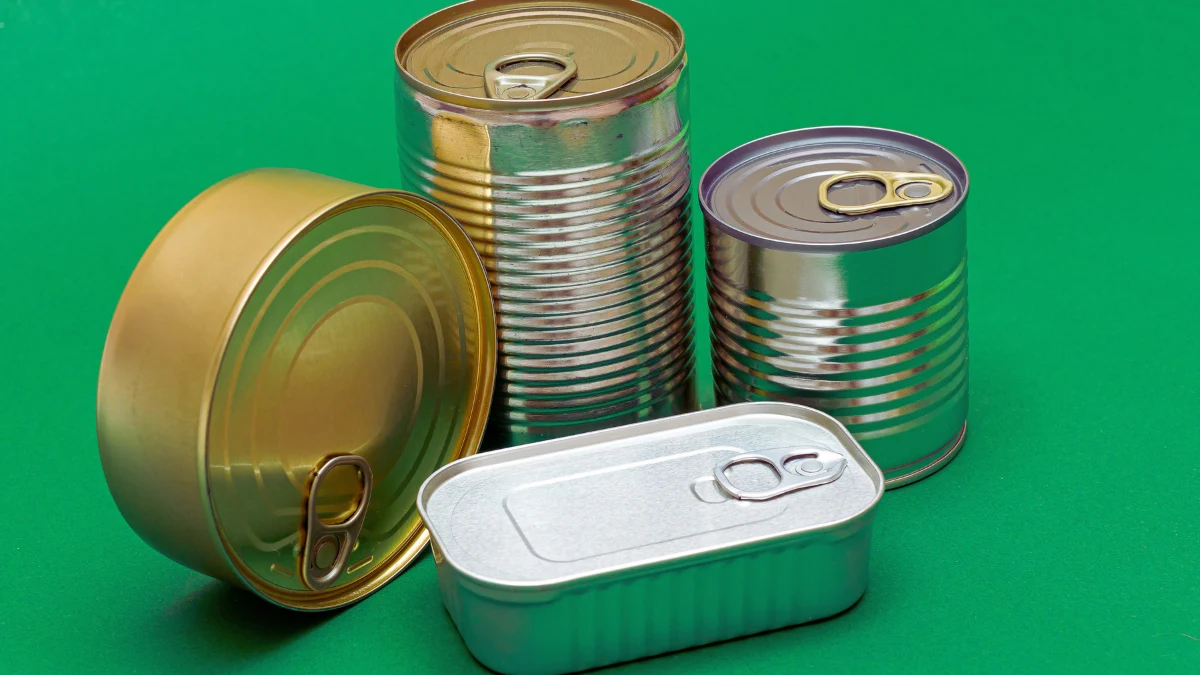
Canned soups and vegetables hide surprising amounts of sodium behind their convenient packaging. A standard can of soup often contains 800-1,200mg of sodium—nearly an entire day’s worth for someone with high blood pressure.
This salt load can cause immediate blood pressure elevation lasting several hours after consumption. The preservation process strips many canned vegetables of their nutrients while adding unnecessary sodium.
Even products labeled “reduced sodium” typically contain more salt than fresh alternatives. The long-term effect of regularly eating these foods includes chronic fluid retention and increased strain on blood vessels.
Swapping canned options for fresh or frozen vegetables can cut sodium intake by up to 90%. When canned products must be used, thoroughly rinsing them under cold water helps remove some excess sodium.
People with hypertension should check labels carefully, as sodium content varies dramatically between brands and products.
3. Pickled Foods
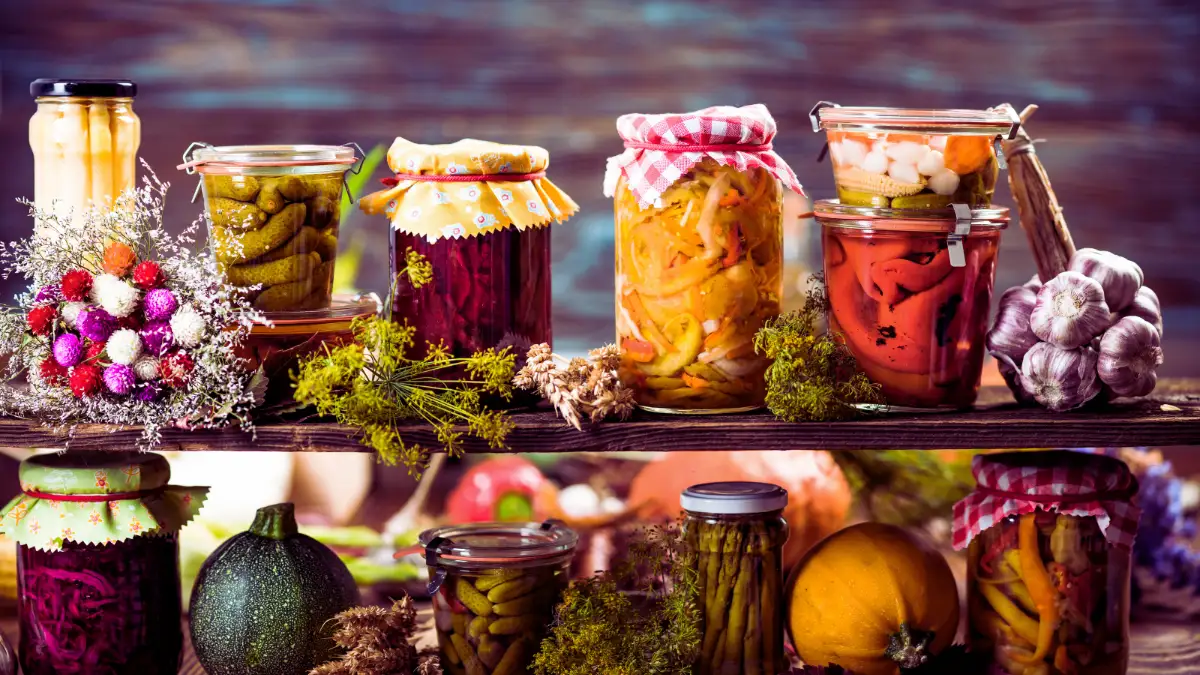
Pickled foods deliver an intense sodium punch that directly impacts blood pressure regulation. Traditional pickling methods use salt-heavy brines to preserve cucumbers, cabbage, peppers, and other vegetables.
The salt concentration in these foods pulls water into your bloodstream almost immediately after eating. Your kidneys struggle to filter this excess fluid, causing blood pressure to rise.
People with salt sensitivity—common in those over 40—experience even stronger reactions to these foods. Beyond their sodium content, many commercial pickled products contain additives and preservatives that may irritate blood vessel linings.
The tangy flavor makes these foods particularly habit-forming, leading to regular consumption without awareness of the cumulative sodium impact. Homemade versions using less salt and more vinegar or lemon juice offer a safer alternative.
4. Fast Food
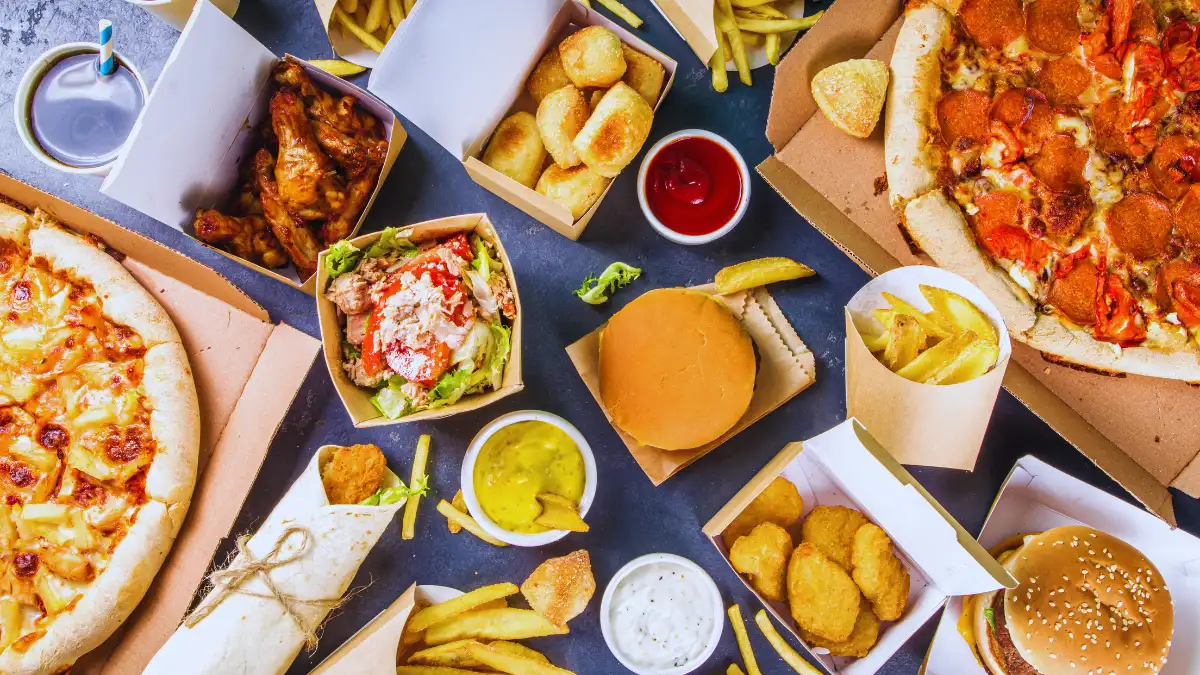
Fast food combines multiple blood pressure triggers into convenient, tasty packages. The sodium content causes immediate fluid retention, while the unhealthy fats contribute to longer-term arterial stiffness.
Most fast food preparation methods add layers of problematic ingredients. Foods are often pre-salted, then seasoned again during cooking, creating sodium levels far beyond what you would use at home.
The oils used for frying introduce additional compounds that can harm vascular function when consumed regularly.
The portion sizes encourage overconsumption, leading to weight gain that further complicates blood pressure management.
Planning with packed lunches or identifying healthier restaurant options can help avoid these pitfalls. When fast food is unavoidable, ordering items without salt, sauce, or cheese significantly reduces sodium exposure.
5. Frozen Prepared Meals
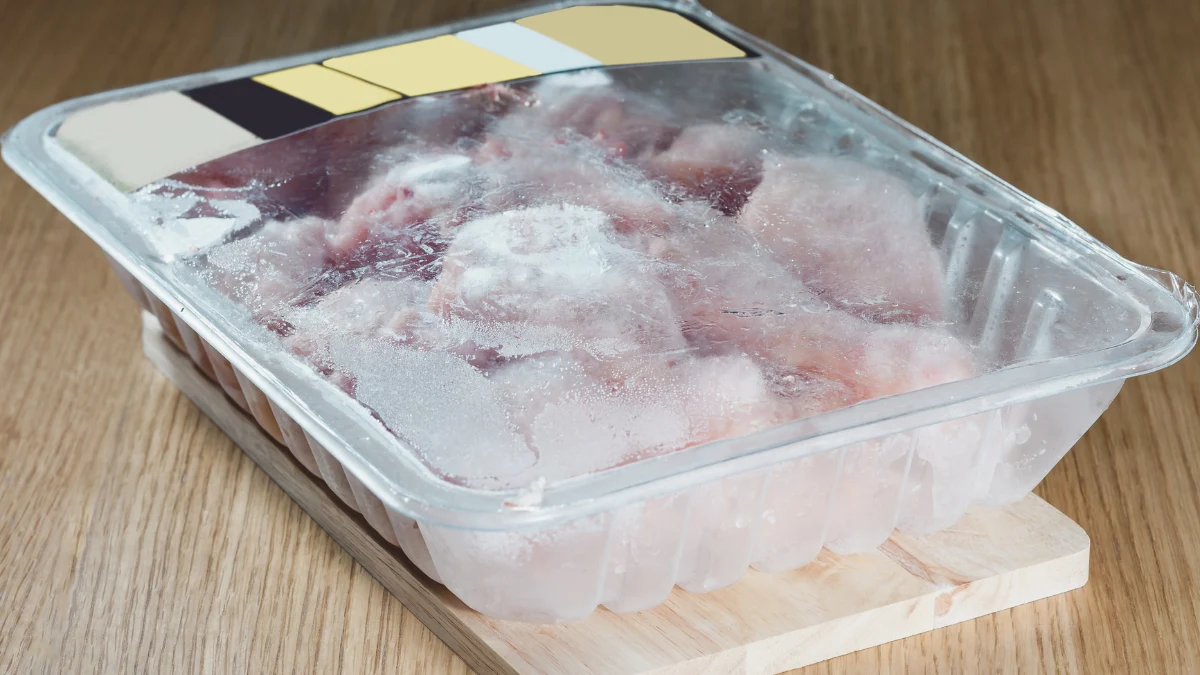
Frozen meals sacrifice nutritional quality for convenience and shelf stability. Manufacturers rely heavily on sodium—sometimes 1,500mg or more per serving—to enhance flavor and prevent spoilage.
This amount exceeds the recommended daily limit for hypertensive individuals in just one meal, setting the stage for dangerous blood pressure elevation.
These products often contain processed starches and refined carbohydrates that spike blood sugar and insulin levels. The resulting metabolic cascade creates additional stress on the cardiovascular system.
The vegetable content in these meals frequently undergoes extensive processing that reduces fiber and nutrients while adding sodium.
Looking beyond the front-of-package health claims reveals the true nutritional profile. Many “healthy” frozen options contain more sodium than their regular counterparts.
Preparing simple meals in batches and freezing them at home allows for portion control and significantly reduced sodium content. This small change can lead to measurable improvements in blood pressure readings within weeks.
6. Sugary Beverages
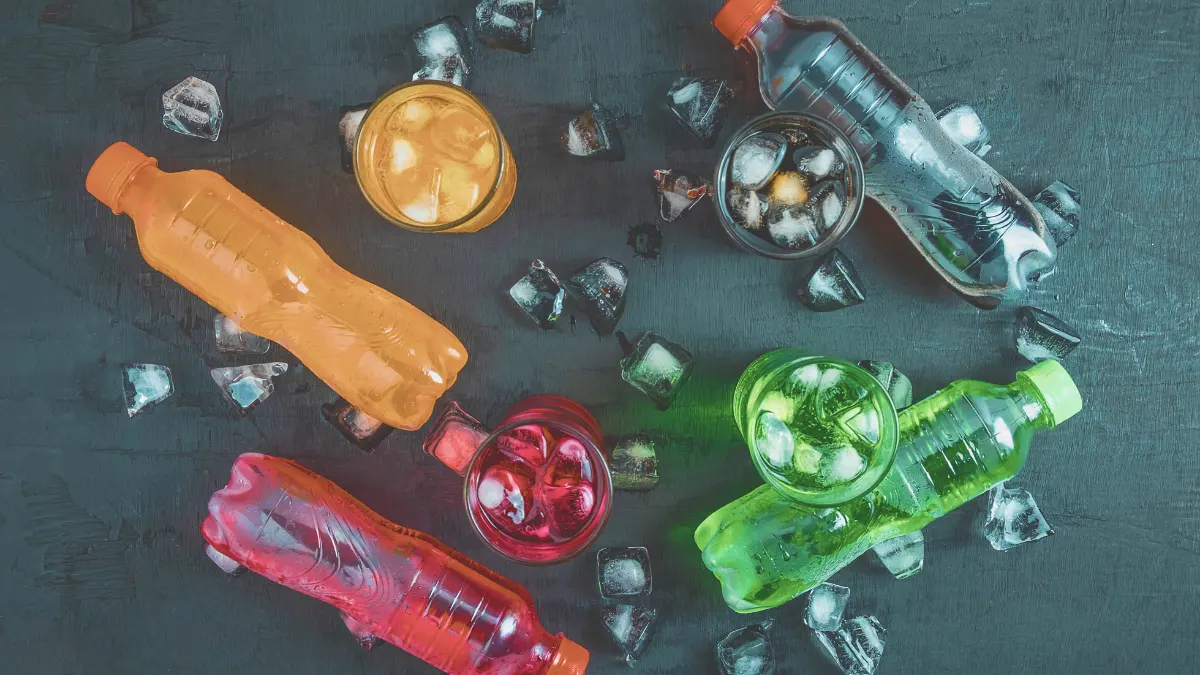
Sodas, fruit juices, and sweetened teas silently damage your cardiovascular system with each sip. These drinks flood your body with simple sugars that spike insulin levels and trigger inflammatory responses throughout your blood vessels.
Over time, this inflammation reduces vessel elasticity and contributes to arterial stiffening. Regular consumption leads to weight gain around the abdomen, putting additional pressure on your heart and circulatory system.
This visceral fat produces hormones that directly interfere with blood pressure regulation mechanisms. Your body struggles to process these empty calories, storing them as fat while still craving actual nutrition.
A landmark study published in Hypertension by Brown and colleagues analyzed data from 2,696 adults and discovered that people consuming just one sugary beverage daily showed significantly higher systolic blood pressure (up 1.6 mmHg) compared to non-consumers.
Notably, this connection persisted even after accounting for weight differences, suggesting sugar directly impacts vascular function independent of obesity.
7. Commercial Baked Goods
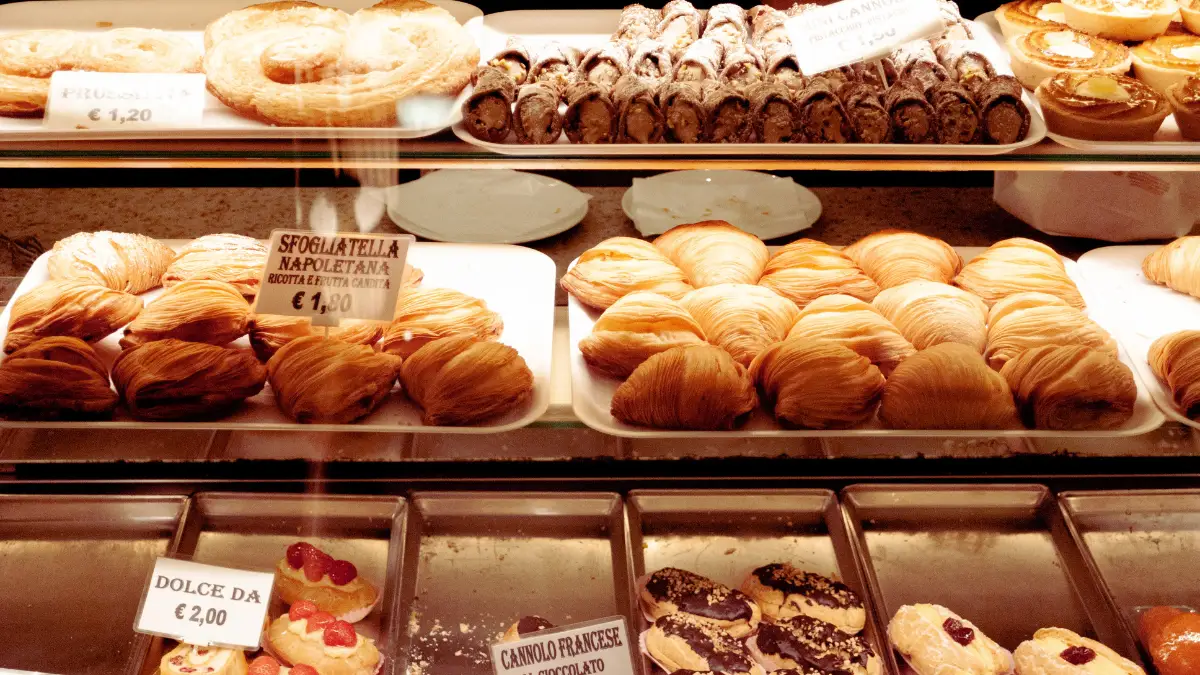
Store-bought cookies, donuts, and pastries combine multiple ingredients that wreak havoc on blood pressure. These treats often contain hydrogenated oils (trans fats) that increase “bad” LDL cholesterol while simultaneously reducing “good” HDL cholesterol.
This imbalance accelerates plaque buildup in arteries, narrowing passages for blood flow. The refined flours in these products convert rapidly to glucose, triggering insulin surges that promote inflammation and water retention.
Your blood vessels become less responsive to signals that would normally help them dilate and contract appropriately to regulate pressure.
White flour and sugar create an acidic environment in your body that can damage blood vessel linings over time. This damage makes vessels less flexible and more prone to constriction.
Baking simple treats at home with whole grain flour, natural sweeteners, and healthy fats provides satisfying alternatives without the blood pressure consequences.
8. Instant Noodles
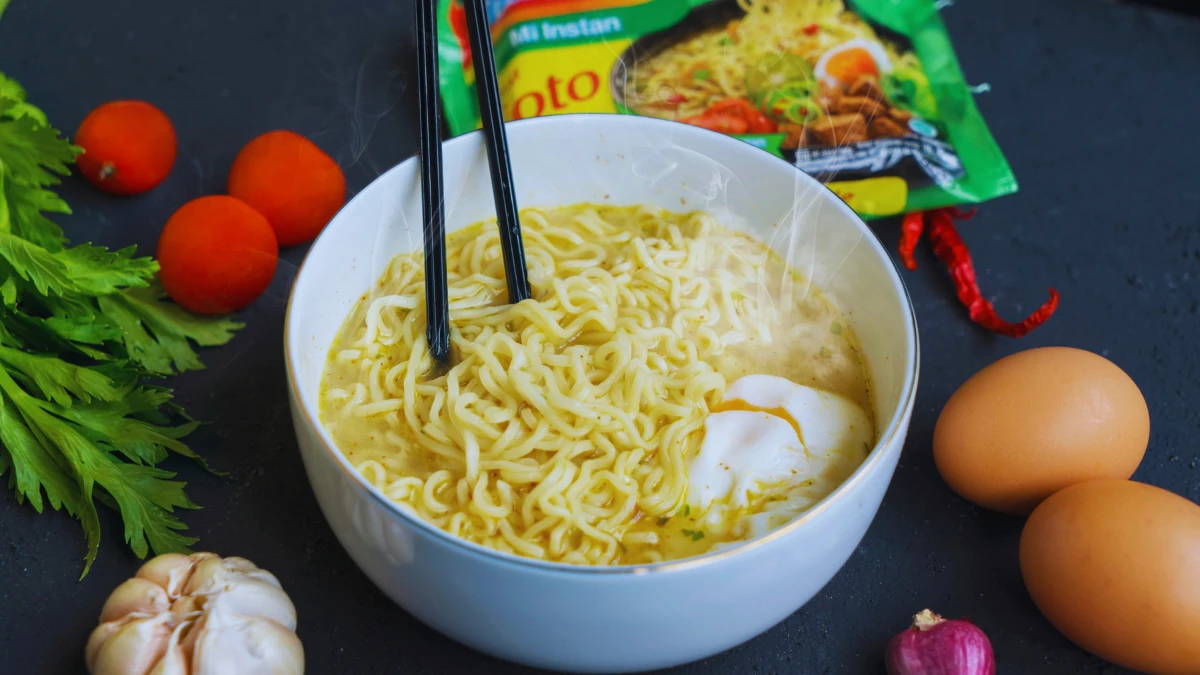
Quick-cooking noodles deliver convenience at a steep health cost for those with hypertension. A typical package contains 1,500mg of sodium, which equals the complete daily limit recommended for a person with high blood pressure.
This salt bomb causes immediate fluid retention as water moves into your bloodstream to dilute the sodium concentration.
The manufacturing process involves flash-frying noodles in oil, often leaving unhealthy fat residues that contribute to inflammation and reduced vascular function.
Flavor packets compound the problem with MSG and other flavor enhancers known to cause blood pressure spikes in sensitive individuals. The combination creates a double assault on your cardiovascular system.
The refined carbohydrates break down quickly, causing glucose spikes followed by crashes that stress your metabolic system. Your body responds by releasing stress hormones that further constrict blood vessels.
Looking for alternatives like quick-cooking whole grain pasta with homemade sauce cuts sodium by up to 90% while providing actual nutrition your body can use.
9. Processed Cheese
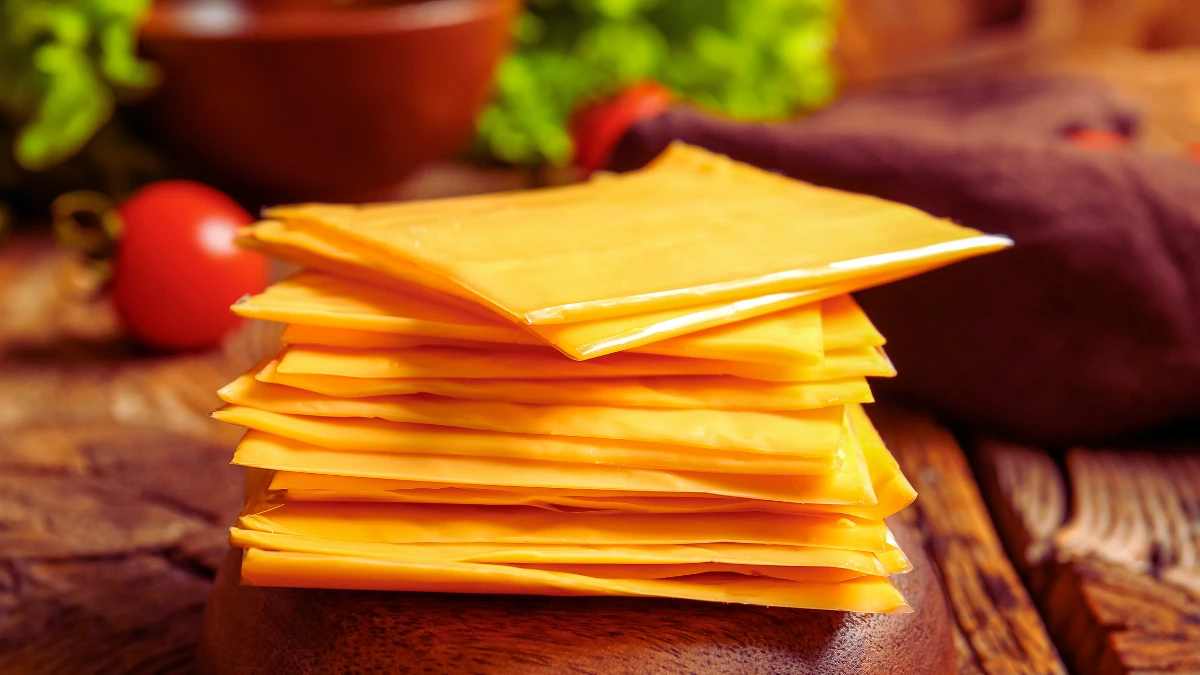
Pre-packaged cheese products conceal surprisingly high sodium levels behind their mild flavor. A single slice of processed American cheese contains roughly 350-450mg of sodium—about 20-30% of the daily limit for someone with hypertension.
This salt content directly impacts fluid balance in your bloodstream. The manufacturing process removes much of the calcium and protein benefits of natural cheese while adding emulsifiers and preservatives that may irritate blood vessel linings.
Some of these additives trigger inflammatory responses that reduce vascular elasticity over time. Your arteries become less able to expand and contract as needed to maintain healthy blood pressure.
Heavily processed cheese also contains significant saturated fat that contributes to arterial plaque formation. This narrows blood vessels and forces your heart to pump harder.
Choosing small amounts of naturally aged cheeses provides flavor with roughly half the sodium and fewer problematic additives, making it a smarter option for blood pressure management.
10. High-Sodium Condiments
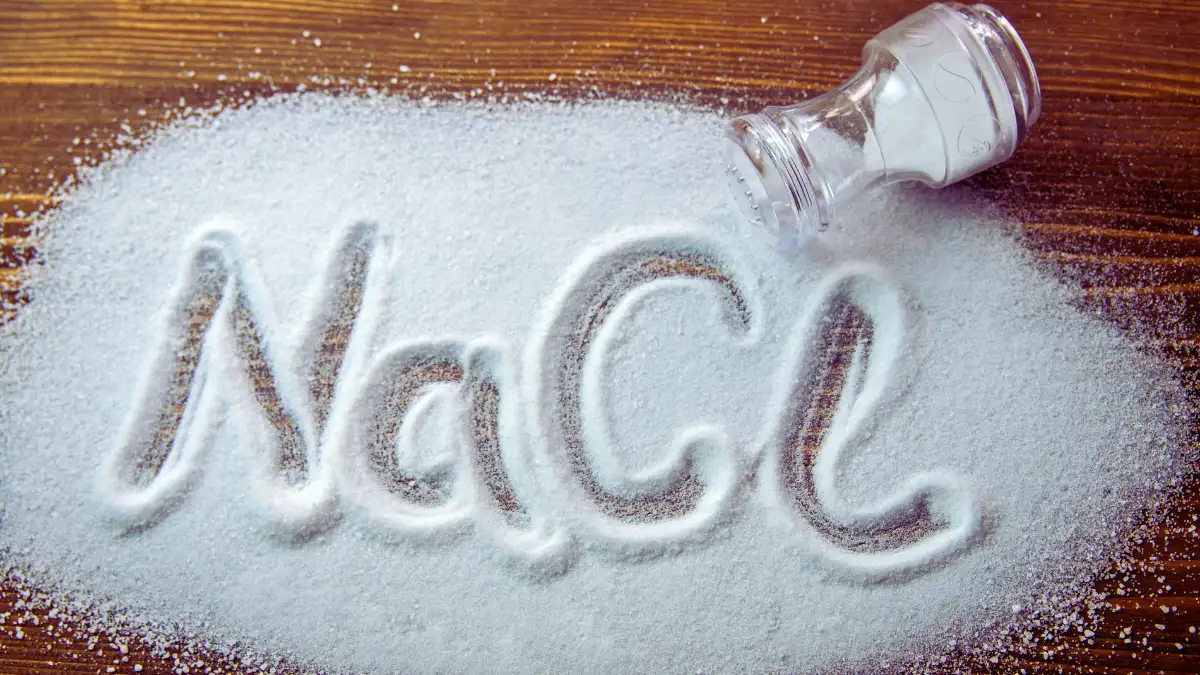
Sauces and condiments add significant sodium to meals without registering as “salty” foods. Just one tablespoon of soy sauce contains nearly 900mg of sodium—more than half the daily allowance for someone with high blood pressure.
Regular use creates a cumulative effect that steadily raises blood pressure over time. Many people use multiple condiments in a single meal without realizing the combined impact.
A sandwich with mustard, mayonnaise, and ketchup might add 500-700mg of sodium before counting the bread or fillings.
Your kidneys must work overtime to filter this excess salt, putting strain on your entire cardiovascular system.
The high vinegar content in many condiments masks the salt content, making it difficult to self-regulate consumption based on taste alone.
Creating simple homemade versions with herbs, spices, citrus, and less salt allows for flavor without the blood pressure consequences.
Low-sodium alternatives exist for most popular condiments, though labels should be checked carefully as some contain potassium chloride, which can cause problems for people with certain kidney conditions.
11. Caffeine-Rich Drinks
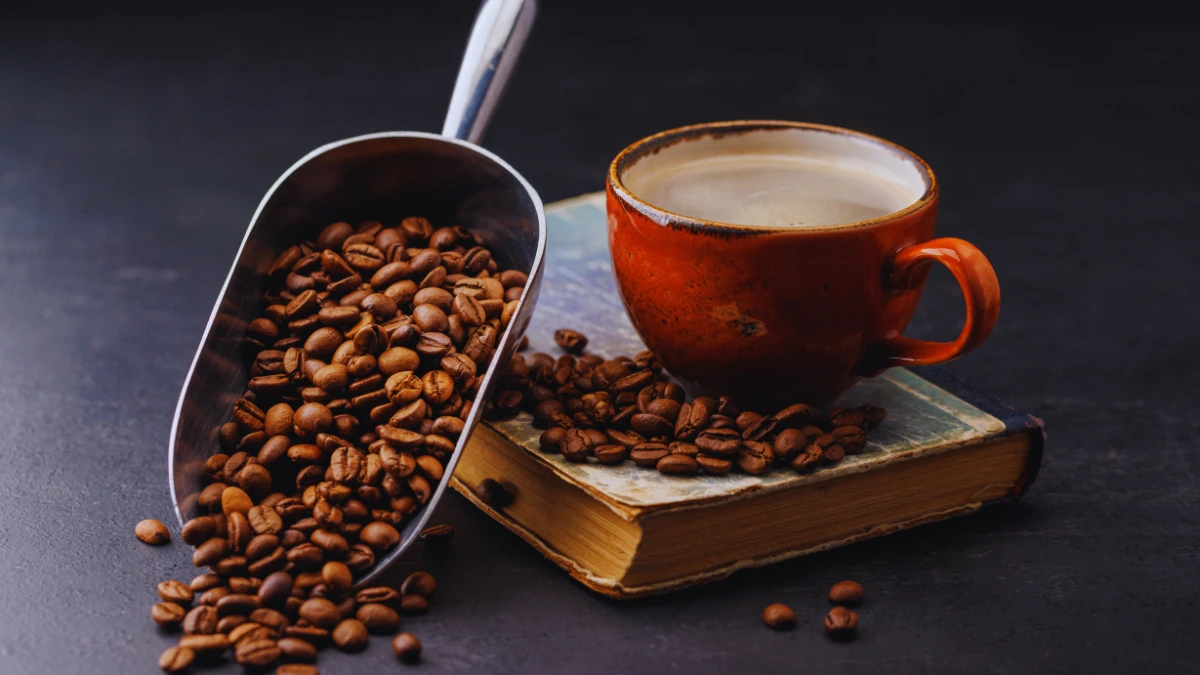
Coffee, energy drinks, and strong teas create immediate pressure on your cardiovascular system. Caffeine triggers adrenaline release, causing your heart to beat faster and blood vessels to constrict temporarily.
For people over 40 with existing high blood pressure, these effects can be more pronounced and longer-lasting.
Your body’s sensitivity to caffeine often increases with age as metabolism slows. What once caused minimal blood pressure changes in your younger years may now trigger significant spikes that last hours.
Energy drinks compound the problem by combining caffeine with sugar and other stimulants that amplify cardiovascular effects.
A comprehensive meta-analysis published in the Journal of Hypertension by Noordzij and colleagues examined 16 randomized trials and found that caffeine intake (200–300 mg, equivalent to 2-3 cups of coffee) acutely raised systolic blood pressure by 3–4 mmHg and diastolic by 2–3 mmHg.
The effects were notably stronger in people with existing hypertension and those who didn’t regularly consume caffeine, suggesting that occasional consumption might be more disruptive than daily habits.