

You diligently start your day with what seems like a nutritious meal, yet you still battle sluggishness, bloating, or unexpected aches.
For those over 40, many popular breakfast staples are actually hidden inflammation triggers that your changing body can no longer handle.
These dietary missteps often lead to stubborn weight gain, joint discomfort, and brain fog, making your healthy efforts feel completely wasted.
It is time to stop the cycle and reclaim your vitality. Read on to discover the 16 surprising foods you should swap out to lower inflammation and energize your mornings.
Why Your “Healthy” Breakfast Might Be Causing You Pain
There’s a hidden problem affecting millions. Around the world, three out of every five deaths come from long-term inflammatory diseases like stroke, heart disease, cancer, and diabetes. This isn’t a far-off issue. It’s a real problem for the 95 million Americans over 40 who are at a higher risk.
As your body gets older, a quiet, constant inflammation can start. This can lead to feeling tired all the time, having unexplained joint pain, and many other conditions that can make you feel weak.
To fight this, millions of people start their day with foods they think are good for them. They choose whole-grain cereals, low-fat yogurts, and sweeteners that are labeled “natural.” But they might be accidentally feeding the very inflammation they want to stop.
This is the big puzzle of the modern healthy breakfast—many foods that seem good for you are actually inflammatory fakes.
Rheumatologists and nutrition scientists are raising the alarm about the strong link between your diet and inflammation in your body. Food can’t cure conditions like rheumatoid arthritis, but it is something you can control to manage the disease, reduce symptoms, and feel better overall.
Dr. Monica Guma, a rheumatologist and researcher, says patients want to know about this. After they are diagnosed, they often ask about diet because, “If you change your diet, that’s something you can control.”
1. Sweetened or Flavored Yogurt
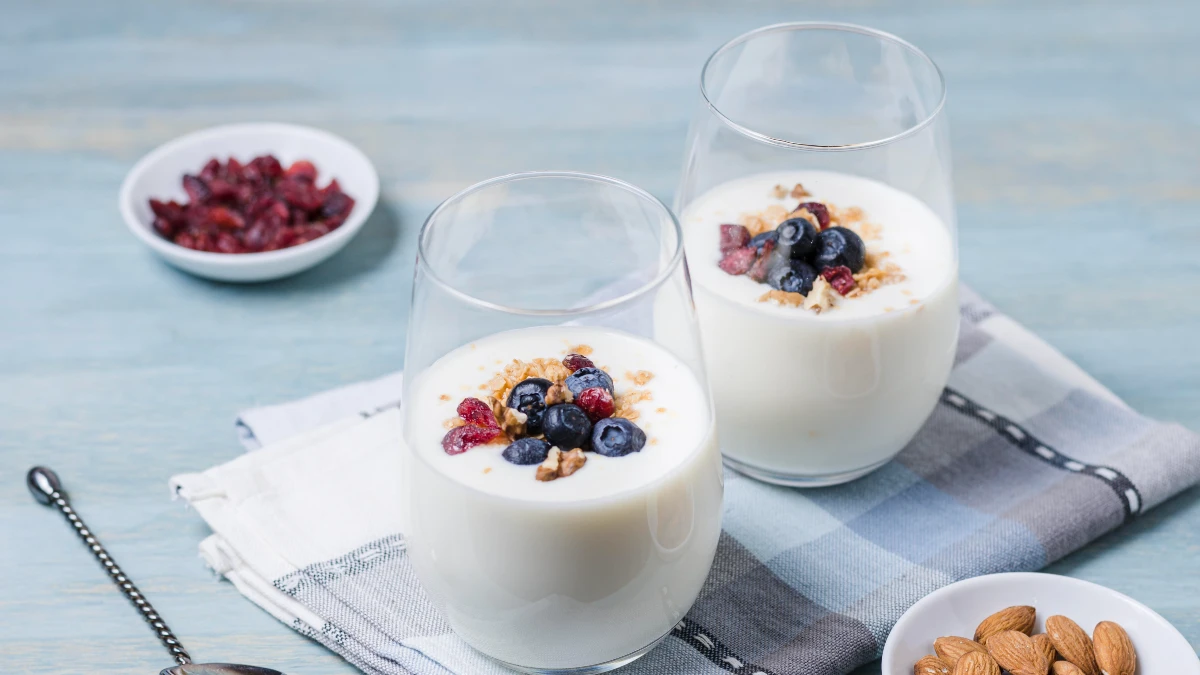
Yogurt is often sold as a food that’s good for your gut, full of protein and probiotics, and a good choice for managing weight. Low-fat versions are often seen as the best option. But the health benefits of yogurt disappear when it’s full of added sugar.
Most flavored yogurts have a lot of sugar, which makes your blood sugar spike and causes the release of inflammatory chemicals. When fat is removed to make “low-fat” products, even more sugar or other fillers are often added to make up for the lost taste and texture. This makes them a very poor choice.
Experts agree that plain, unsweetened yogurt with live probiotics can have anti-inflammatory effects. But they always warn people to stay away from added sugars. These sugars, whether they are in sodas, desserts, or sweetened yogurts, are a main cause of inflammation from your diet.
A Better Choice: Pick plain, unsweetened, full-fat Greek yogurt or kefir. These give you good probiotics and protein without the inflammatory sugar. You can add your own anti-inflammatory toppings, like fresh berries, walnuts, and chia seeds.
2. Instant Oatmeal Packets
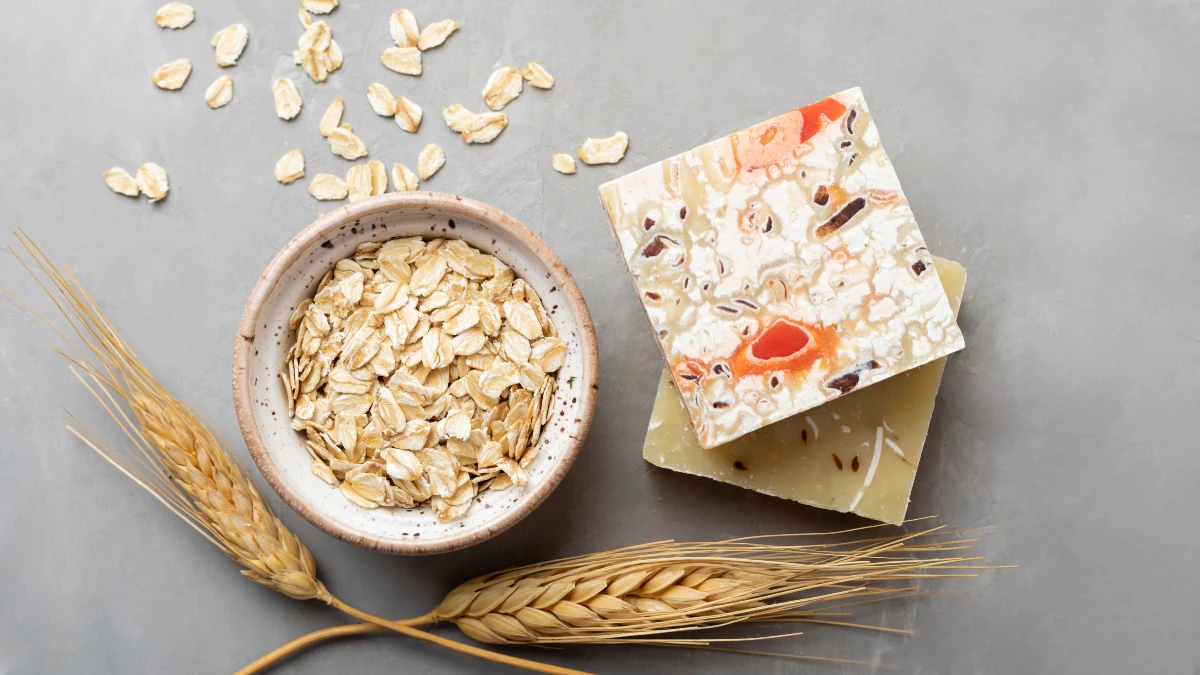
Oats are known for being good for your heart, mostly because of a type of fiber called beta-glucan, which can help lower cholesterol. Instant oatmeal packets seem to offer these benefits in a fast and easy way.
Flavored instant oatmeal is a highly processed food. The oats are ground very fine, which gives it a high glycemic index. This means it breaks down into sugar very quickly in your body, just like white bread.
This causes a big spike in blood sugar and an inflammatory reaction. Also, the added sugars, artificial flavors, and preservatives in most packets are directly inflammatory.
Nutrition experts for people with rheumatic conditions always recommend choosing whole, complete grains instead of refined or processed ones. Research shows that getting fiber from whole foods is better at lowering inflammatory markers than getting it from processed foods.
Choose steel-cut or old-fashioned rolled oats. They are less processed, have a lower glycemic index, and give you energy that lasts longer. Make them with water or unsweetened plant milk and add anti-inflammatory things like cinnamon, fresh berries, nuts, and seeds.
3. “Healthy” Granola & Breakfast Cereals
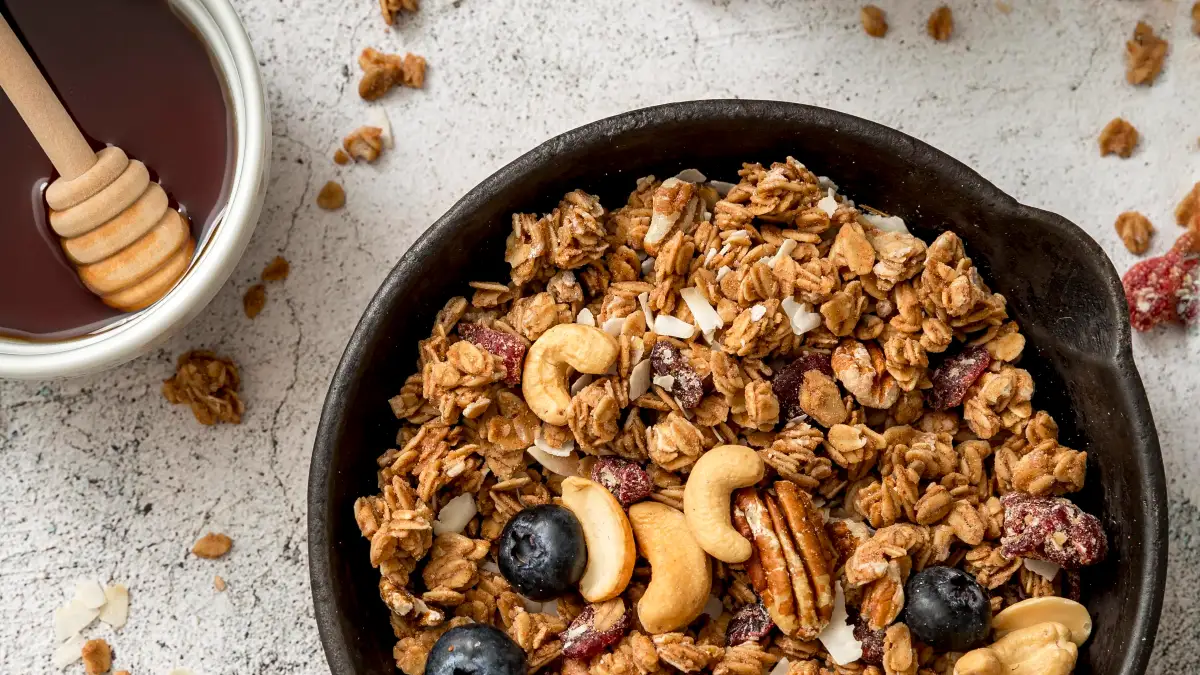
Many breakfast cereals and granolas are sold as being high in fiber and made from whole grains. They are often fortified with vitamins and minerals to make them look like a complete and healthy way to start the day. But if you look closely at the ingredients, you’ll find that most store-bought cereals and granolas are full of hidden sugars and refined grains.
Puffed rice, which is in many cereals and rice cakes, has a very high glycemic index that makes blood sugar shoot up. This can speed up the creation of advanced glycation end products (AGEs), which damage collagen and increase stress that harms your DNA.
The advice from health experts is clear: stay away from refined carbohydrates. This group includes white bread, pastries, and most breakfast cereals because of how they are processed and their high sugar content.
Make your own granola with rolled oats, different nuts and seeds, and just a little bit of a natural sweetener like pure maple syrup. Another great choice is a quinoa breakfast bowl. It gives you complete protein and fiber. Top it with nuts and fresh fruit.
4. Commercial Fruit Smoothies & Juices
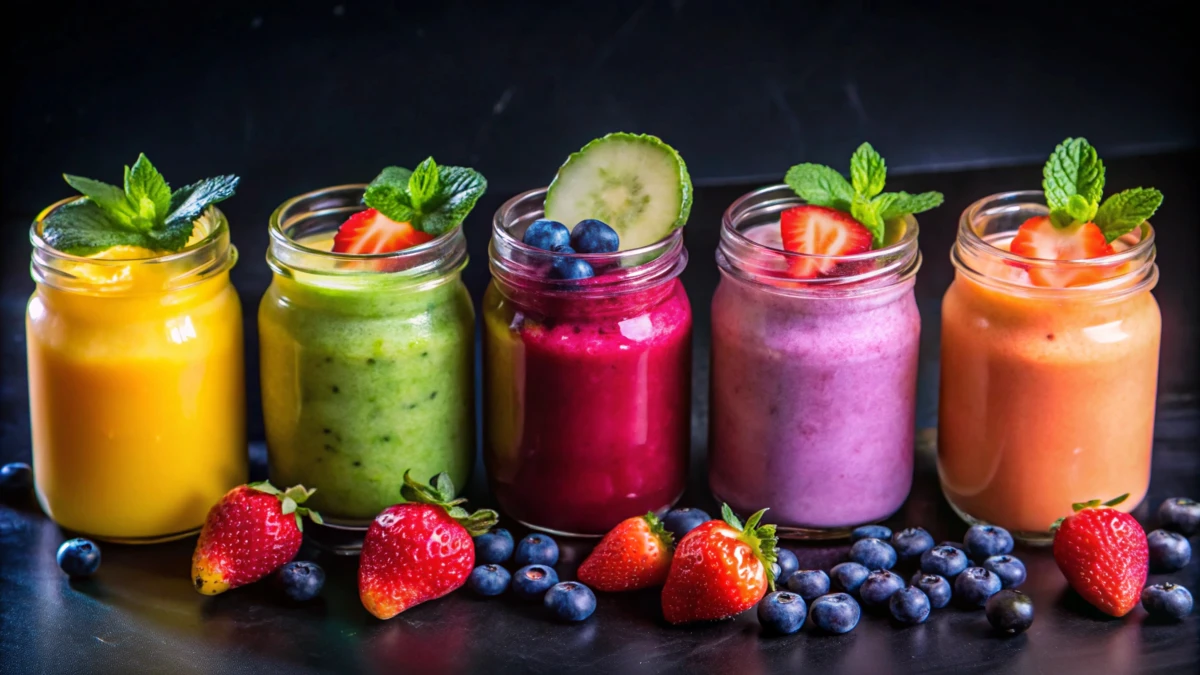
Smoothies and juices are often seen as an easy way to get several servings of fruit, full of vitamins, minerals, and antioxidants. The problem with these drinks is how they are made. When fruit is juiced, almost all of its good fiber is taken out.
In store-bought smoothies, the fiber is broken down so much that it can’t slow down how fast your body absorbs sugar. The result is a drink that gives you a big, concentrated hit of free sugar (fructose) straight to your blood. This causes a quick insulin spike and an inflammatory reaction.
Rheumatologists advise patients with rheumatologic conditions to limit sugary drinks, which includes not just sodas but also fruit juices.
Make a smoothie at home that uses the whole fruit. Use low-sugar fruits like berries and mix them with leafy greens like spinach or kale. Add a healthy fat like avocado or chia seeds, and a protein like plain Greek yogurt or an unsweetened protein powder.
This mix gives you antioxidants and vitamins, while the fiber, fat, and protein help slow down the sugar absorption.
5. Agave Nectar

Agave nectar has been sold as a “natural” and low-glycemic option instead of white sugar or high-fructose corn syrup. This has made it a popular choice for sweetening morning coffee, tea, or oatmeal. Even though it’s marketed as natural, agave nectar is a highly processed sweetener.
The main problem is what it’s made of: it can be up to 90% fructose. That’s even more than high-fructose corn syrup. A lot of evidence connects eating too much fructose to health problems like non-alcoholic fatty liver disease, insulin resistance, and body-wide inflammation.
Also, a high fructose intake can damage the lining of your gut, which lets inflammatory molecules get into your blood.
The general expert advice is to strictly limit or avoid added sugars and high-fructose corn syrup. Since agave has even more fructose, it is definitely a sweetener to avoid for an anti-inflammatory lifestyle.
If you need a sweetener, use a very small amount of raw honey or pure maple syrup. For a truly anti-inflammatory choice, use whole-food sweeteners like mashed banana, date paste, or unsweetened applesauce.
6. A Glass of Conventional Cow’s Milk

Milk is a common source of calcium and vitamin D, which are very important for keeping bones healthy. This is especially a concern for people with inflammatory conditions like rheumatoid arthritis. The possible problem with regular milk is its protein.
Most dairy cows in the U.S. make milk with a protein called A1 beta-casein. When you digest this A1 protein, it can break down into a piece called beta-casomorphin-7 (BCM-7). For people who are sensitive to this piece, BCM-7 has been shown to increase gut inflammation.
The science on dairy and inflammation is often described as “conflicting.” The general agreement now is that how you react is very personal. Because of this, experts often suggest trying a temporary elimination diet. You would stop eating dairy for a few weeks and then add it back to see if you notice any changes in symptoms like joint pain or stiffness.
If you think you might be sensitive, A2 milk could be an option. It comes from cows that only make the A2 beta-casein protein, which doesn’t break down into BCM-7. Other choices include fortified, unsweetened plant-based milks like soy, oat, or hemp milk.
7. Almond Milk with Carrageenan
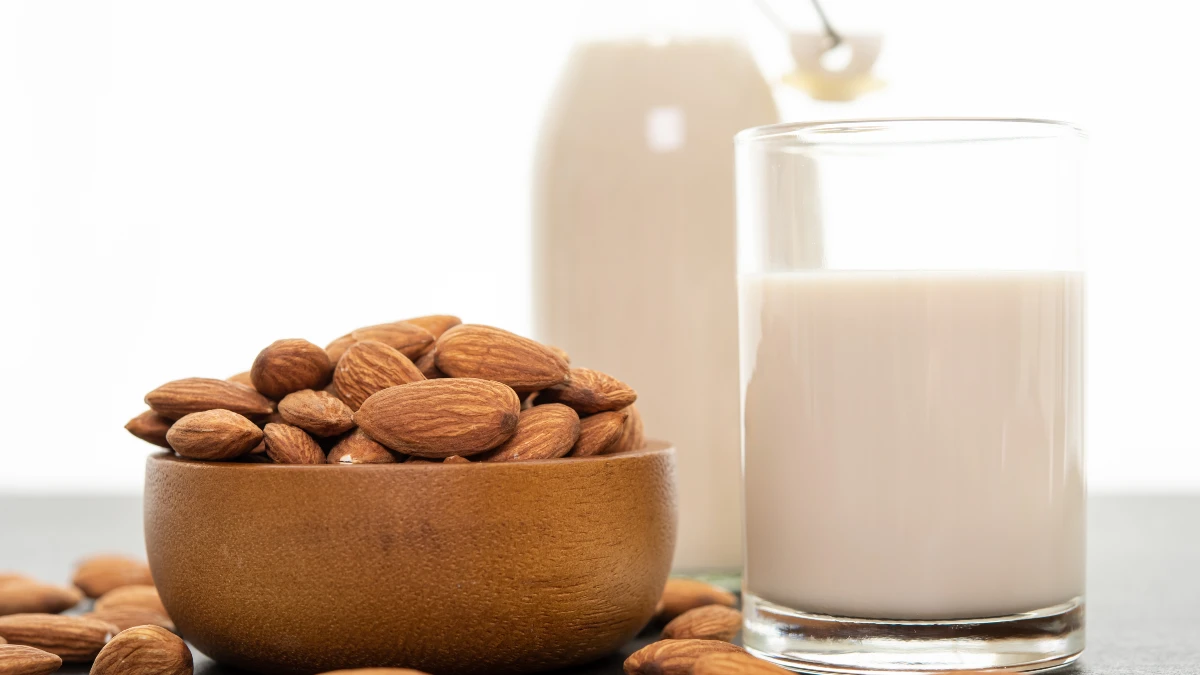
Almond milk is the most popular dairy-free choice. It’s seen as a light, low-calorie, and healthy plant-based option. While pure almond milk can be a source of the anti-inflammatory antioxidant vitamin E, the problem comes from additives used in many store-bought brands.
To make the milk smooth and creamy, makers often add thickeners. One of the most common is carrageenan, which comes from seaweed. Research has shown that carrageenan can cause inflammation in the digestive system and upset the balance of gut bacteria.
A main rule of any anti-inflammatory diet is to eat whole, unprocessed foods. Additives found in ultra-processed foods are known to be a big source of inflammation. So, the expert advice is to read labels carefully and pick products with the fewest and most simple ingredients.
Pick a brand of almond milk that has only two ingredients: almonds and water. Or, you can make almond milk at home. It’s also important to choose “unsweetened” types to avoid the inflammatory effects of added sugar.
8. Whole Wheat Toast

“Whole wheat” has been seen as the best choice for healthy bread for a long time. It’s praised for having more fiber and nutrients than bread made from refined white flour. For some people, however, wheat can be a big source of inflammation.
The first reason is gluten, a protein that can cause an inflammatory reaction in those with gluten sensitivity. The second involves “anti-nutrients” like lectins.
For people with a weak gut wall, the lectins that are left after cooking can stick to the cells lining the intestine, which could cause irritation and an immune response.
The possible link between grains and inflammation is strong enough that some special anti-inflammatory diets suggest not eating them.
If you are sensitive to wheat or gluten, there are other options. Real sourdough bread, made through a long fermentation process, is often easier to digest. Another choice is to pick a high-quality, gluten-free bread made from whole foods like seeds, quinoa, or buckwheat.
9. Peanut Butter on Toast
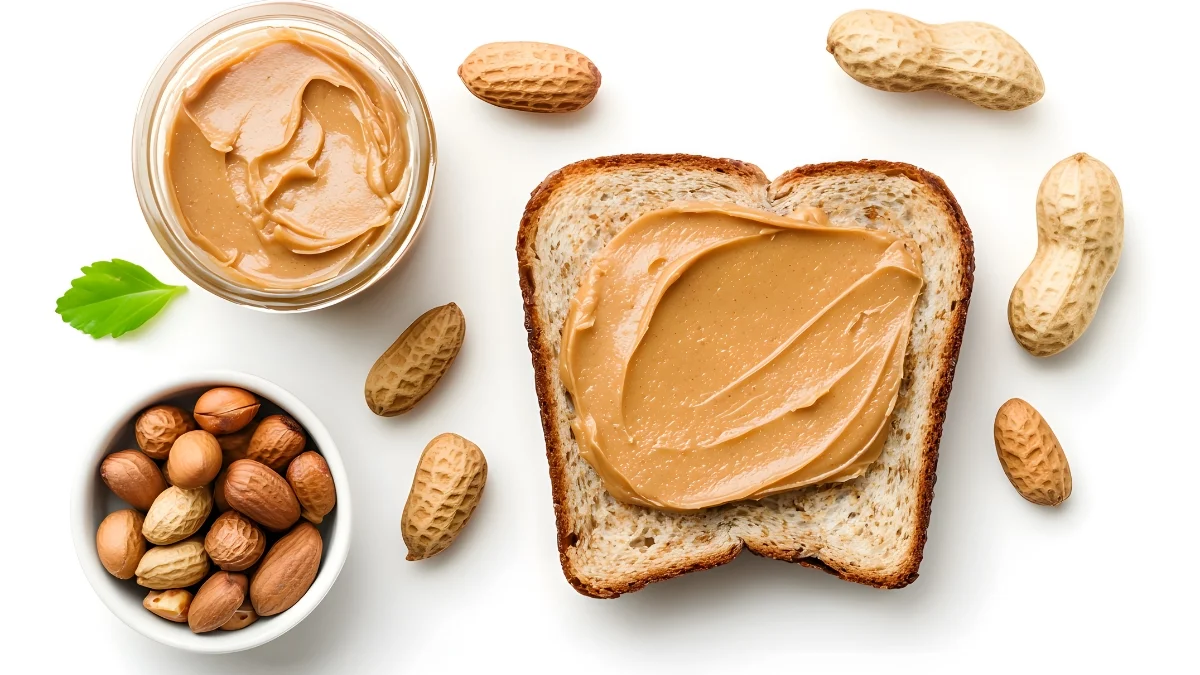
Peanut butter is a common breakfast food, valued as a cheap source of plant-based protein and heart-healthy fats. However, there are three possible problems. First, peanuts are legumes, so they have lectins. Second, and more important, peanuts have a lot of omega-6 fatty acids.
The typical Western diet has a very unbalanced ratio of omega-6 to omega-3 fats, which is very inflammatory. Third, most store-bought peanut butters have added sugars and hydrogenated oils, which are sources of inflammatory trans fats.
A key part of expert-recommended anti-inflammatory diets is to fix the fatty acid ratio by eating more omega-3s and less omega-6s.
A Better Choice: Switch to almond butter or walnut butter. These nuts have a better fatty acid mix. Always pick brands that list only one or two ingredients (the nut and maybe a little salt). An even better anti-inflammatory topping for toast is mashed avocado with a little extra virgin olive oil.
10. Tofu Scramble with Corn Oil

A tofu scramble is a classic vegan breakfast. It offers a high-protein, cholesterol-free, and plant-based option instead of scrambled eggs. The problem here isn’t the tofu. The inflammatory problem is the cooking oil.
Common vegetable oils used for frying, like corn oil, soybean oil, and sunflower oil, are very high in inflammatory omega-6 fatty acids. Cooking with these oils regularly is a big reason for the inflammatory imbalance of fatty acids in the modern diet.
The Mediterranean diet is widely seen as the best for anti-inflammatory eating. It clearly recommends using extra virgin olive oil for almost all cooking.
Make the tofu scramble using an anti-inflammatory cooking fat like extra virgin olive oil or avocado oil. Make the dish even better by adding anti-inflammatory spices like turmeric and ginger.
11. Tomatoes
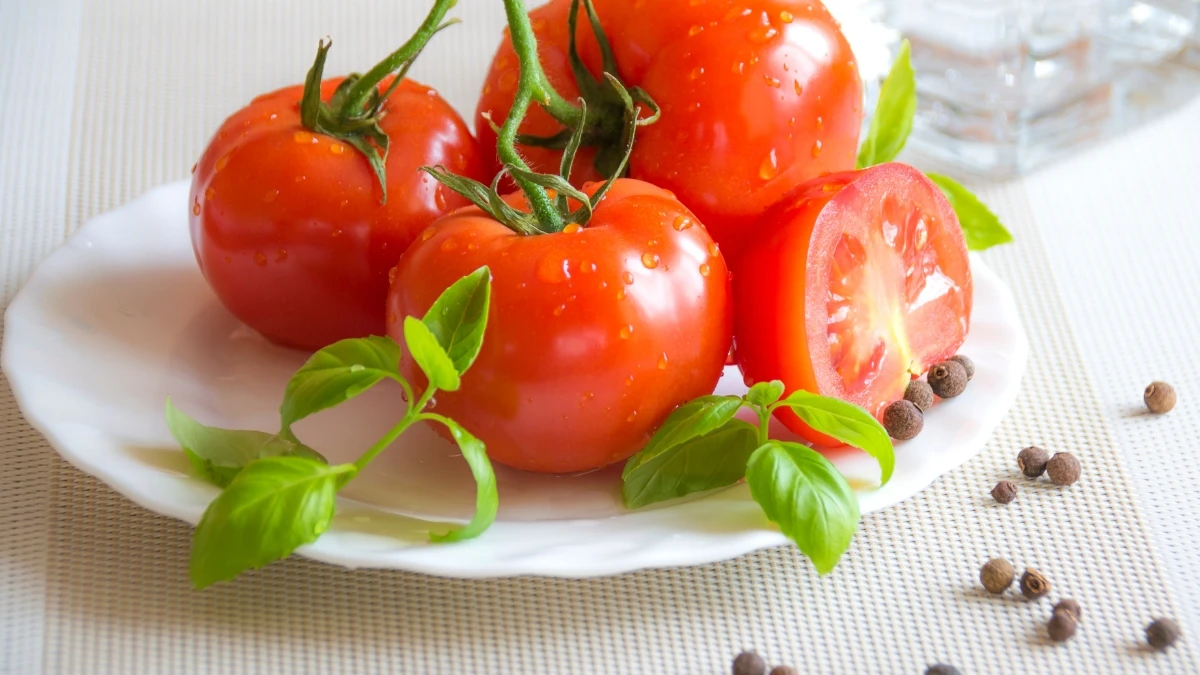
Tomatoes are full of nutrients, packed with antioxidants like lycopene, as well as vitamins C and A. However, tomatoes are a key member of the nightshade family of plants. Nightshades have chemical compounds called alkaloids, including one called solanine. For years, some people with arthritis have said that eating nightshades makes their symptoms flare up.
While there isn’t a lot of large-scale scientific proof for this link, some researchers think that solanine might make the gut wall more permeable in sensitive people, which could cause an inflammatory reaction.
This is a great example of where scientific evidence and what patients experience are different. The Arthritis Foundation suggests trying a two-week elimination diet to check for sensitivity. This shows how important personalized nutrition is.
If you think you might be sensitive to nightshades, you can replace tomatoes in an omelet with other vegetables full of antioxidants like sautéed spinach, mushrooms, or onions.
12. White Potatoes

When cooked in a healthy way (like baked with the skin on), white potatoes are a good source of potassium, vitamin C, and fiber. The main problem with potatoes at breakfast is how they are usually cooked. As hash browns or home fries, they are typically fried in inflammatory vegetable oils.
This causes two big problems. First, the potatoes soak up a lot of pro-inflammatory omega-6 fats. Second, cooking starchy foods at high temperatures creates harmful toxins called advanced glycation end products (AGEs), which trigger an inflammatory reaction. Also, like tomatoes, potatoes are nightshades that have solanine.
Fried foods are disliked by all rheumatologists and health experts and are always on “foods to avoid” lists.
A much better option is roasted sweet potato cubes. Sweet potatoes are not nightshades, are full of the powerful anti-inflammatory antioxidant beta-carotene, and can be cooked by roasting with a little olive oil instead of frying.
13. Breakfast Sausage

Sausage is a common breakfast protein. Many people choose turkey or chicken versions thinking they are leaner and therefore healthier. The type of meat is less important than the fact that it is processed. All processed meats—including sausage, bacon, hot dogs, and deli meats—are always identified by health groups as being very inflammatory.
These products are usually high in saturated fats, sodium, and chemical preservatives like nitrates, all of which can cause a strong inflammatory reaction in the body.
The expert agreement on processed meats is clear and firm. The Mediterranean diet strictly limits them, and some diet guides suggest avoiding them completely.
For a savory, high-protein side, choose a few slices of omega-3-rich smoked salmon, a poached or hard-boiled egg, or a small handful of walnuts.
14. Margarine or Butter-like Spreads

For many years, margarine was sold as a heart-healthy, cholesterol-free option instead of butter. While rules in the U.S. have led to the removal of harmful trans fats from most margarines, they are still an ultra-processed food.
They are usually made from industrial vegetable and seed oils (like soybean or canola oil) that are high in inflammatory omega-6 fatty acids. Also, these spreads are a source of AGEs and can have a variety of additives and artificial flavors.
The consistent advice from nutrition experts is to choose healthy, unprocessed fats like extra virgin olive oil and to avoid manufactured fats like margarine.
Instead of margarine, spread toast with mashed avocado, a little high-quality extra virgin olive oil, or even a bit of hummus.
15. Low-Fat Cottage Cheese
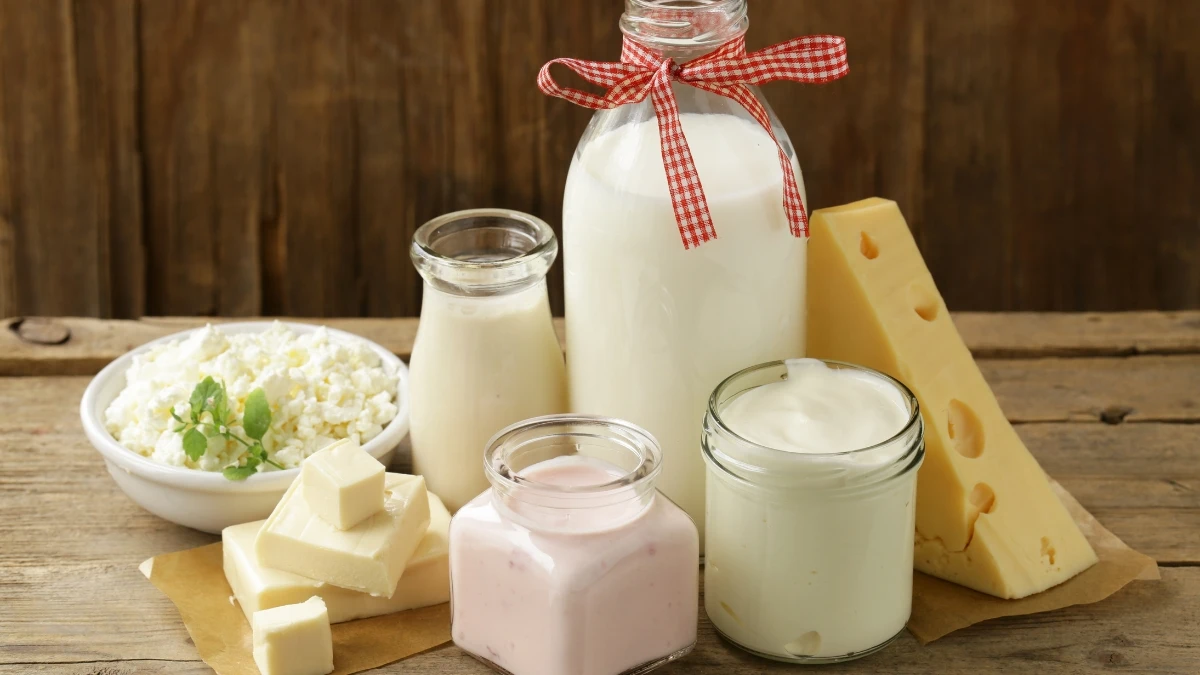
Cottage cheese, especially the low-fat kind, has been a favorite in the health and fitness world for a long time. It’s praised for its high protein and low fat and calorie count. Like regular milk, cottage cheese has A1 casein, which can be an inflammatory problem for sensitive people. Also, the industrial process of removing fat from dairy can change the food in a big way.
Full-fat dairy products have a complex mix of fatty acids, some of which might be neutral or even have anti-inflammatory properties. Low-fat versions lose this mix and may have additives to improve their texture and taste.
The main trend in all recommended anti-inflammatory diets is to move away from highly processed, low-fat products and toward eating whole foods in their most natural, unprocessed state.
A small serving of plain, full-fat Greek yogurt is often a better choice. The fermentation process can make it easier to digest, and it gives you good probiotics. For a non-dairy protein source, a handful of almonds or walnuts is a great option.
16. “Energy” or “Breakfast” Bars
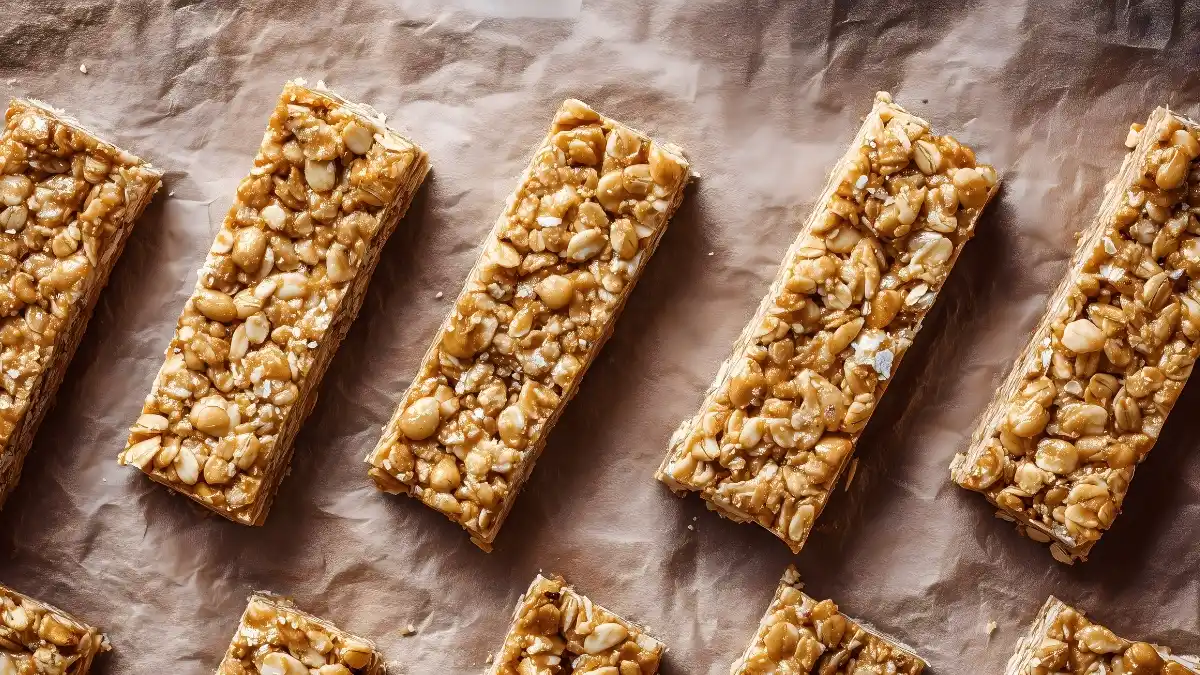
These bars are sold as the perfect convenience food—a nutrient-packed, on-the-go meal for busy mornings. However, most breakfast and energy bars are really just candy bars pretending to be health food.
They are a perfect example of ultra-processed products. They are usually loaded with different kinds of added sugar, refined grains (like puffed rice or wheat flour), and inflammatory vegetable oils.
These products are clearly in the “processed foods” group that experts all recommend avoiding to reduce inflammation. Their mix of high sugar, refined carbs, and unhealthy fats makes them a powerful inflammatory trigger.
A simple, whole-food mix of a piece of fresh fruit (like an apple or banana) and a small handful of raw nuts (like walnuts or almonds) gives you long-lasting energy from fiber, protein, and healthy fats without any of the processing or added sugar.
Your Simple Plan for an Anti-Inflammatory Breakfast
Switching from a list of foods to avoid to a positive, easy-to-follow plan is the best way to make lasting changes to your diet. Building a breakfast that truly fights inflammation isn’t about giving things up.
It’s about making smart swaps. By focusing on four main ideas and using a simple guide, anyone can create a morning meal that works to calm inflammation and support long-term health.
The 4 Main Ideas for an Anti-Inflammatory Breakfast
Based on advice from many studies and health groups, a truly anti-inflammatory breakfast can be built on four simple ideas.
Choose the Right Fats: Focus on healthy fats. They are the building blocks for anti-inflammatory signals in your body. Eat monounsaturated fats from sources like extra virgin olive oil and avocados. Also, get omega-3 fats from fatty fish (like salmon), walnuts, chia seeds, and flax seeds.
Eat Plenty of Fiber: Make sure you get dietary fiber from a variety of whole foods. Fiber helps slow down how fast your body absorbs sugar, lowers the inflammatory marker C-reactive protein (CRP), and feeds a healthy gut. This is very important for a balanced immune system. Great sources are steel-cut oats, legumes, vegetables, and whole fruits.
Add Color to Your Plate: Fill your meal with a wide range of colorful fruits and vegetables. The bright colors in foods like berries, leafy greens, and beets show they have powerful antioxidants. These compounds help fight the stress that causes inflammation.
Pick Your Protein Wisely: Add a source of high-quality protein to help you feel full and keep your blood sugar stable. Choose lean, anti-inflammatory options like fish, eggs, plain yogurt, or plant-based sources like tofu, nuts, and seeds. At the same time, strictly limit or completely avoid inflammatory processed meats and eat less red meat.
Conclusion
The path to better health after 40 starts with taking a close look at your first meal of the day. As this report has shown, many “healthy” breakfast foods have hidden inflammatory problems. Long-term, low-level inflammation is a quiet enemy. It helps cause many diseases.
Yet many of the foods we pick thinking they are good for from sweetened yogurts and instant oatmeal to whole wheat toast and store-bought smoothies. Can accidentally keep this harmful cycle going. They do this through too much processing, added sugars, inflammatory fats, and compounds that cause problems for some people.