

Are you struggling with a stubborn weight that won’t budge no matter how much you exercise? After 40, your body’s changing hormones can turn your metabolism against you, making weight loss feel impossible.
Many women gain pounds even while eating the same foods that kept them slim for decades. But here’s the good news: specific foods can work with your changing body to rebalance hormones naturally.
These 15 powerful options don’t just help manage weight, they fight inflammation, boost energy, and support your body through this challenging transition.
Add these to your shopping list and watch how your body responds when you finally give it what it truly needs.
1. Leafy Greens (Spinach, Kale)
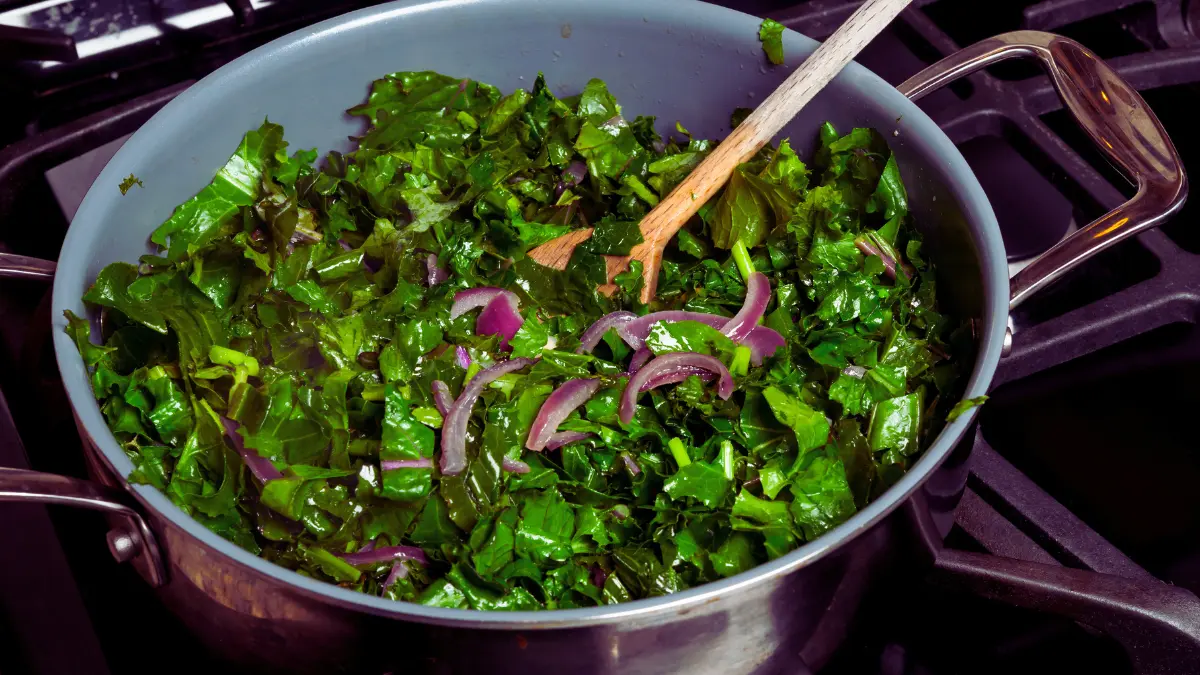
Spinach and kale pack a serious punch against hormonal weight gain. Their high magnesium content helps regulate insulin sensitivity, making your body more efficient at processing sugars.
This happens just when your metabolism naturally starts to slow down after 40. These greens contain fiber that keeps you full longer, reducing the urge to snack between meals.
Many people find their appetite easier to control when they eat a salad before main meals. Your body also uses the nutrients in leafy greens to support hormone production and balance.
Cortisol, often called the stress hormone, becomes easier to manage with regular consumption of these nutrient-dense foods.
Simply add a handful to smoothies, sauté as a side dish, or use as a base for salads. Your hormones will thank you as you navigate the natural changes your body experiences after 40.
2. Cruciferous Vegetables (Broccoli, Brussels Sprouts)
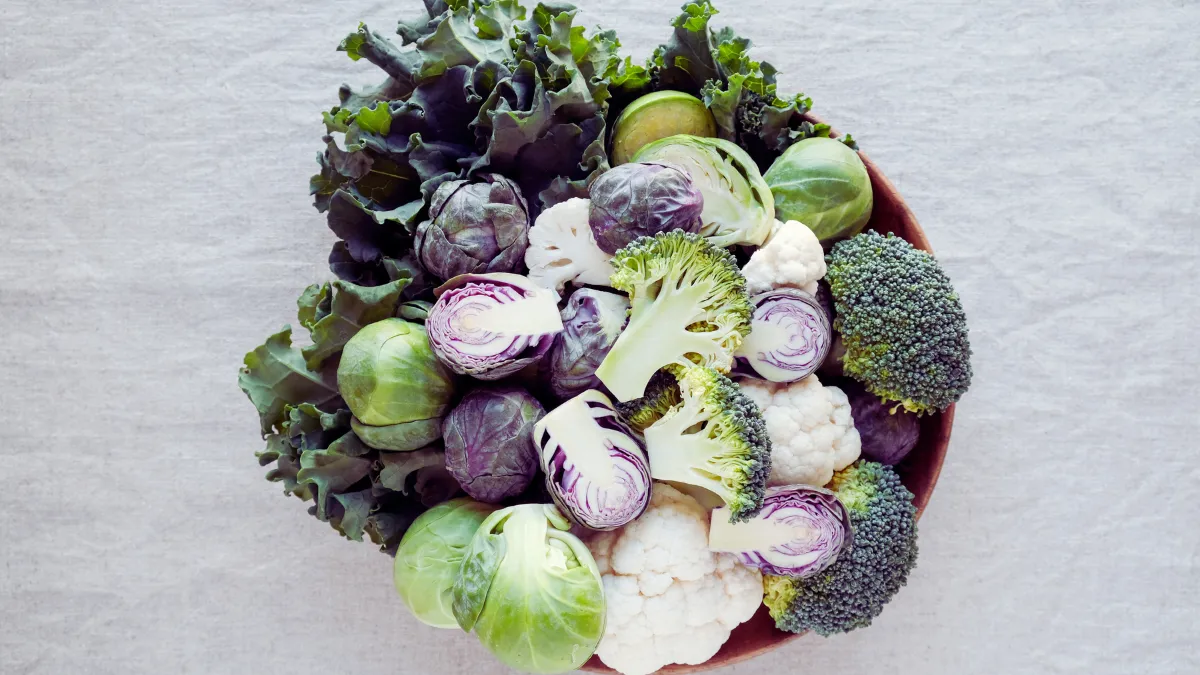
Broccoli and Brussels sprouts contain special compounds that support your changing hormone landscape. These vegetables help your body process estrogen more effectively through natural compounds like DIM (diindolylmethane) and sulforaphane.
This becomes especially important during perimenopause and menopause. Your liver gets a helping hand from these veggies too.
They boost detoxification pathways that clear excess hormones from your system. This cleansing effect helps maintain balance when hormonal fluctuations seem to be working against your weight management goals.
Brussels sprouts and broccoli make easy additions to your weekly meal plan. Roast them with olive oil and garlic for a simple side dish, or steam them lightly to preserve their hormone-balancing compounds.
Aim for 2-3 servings weekly to support your body’s natural hormone processing during this transitional time.
3. Berries (Blueberries, Strawberries)
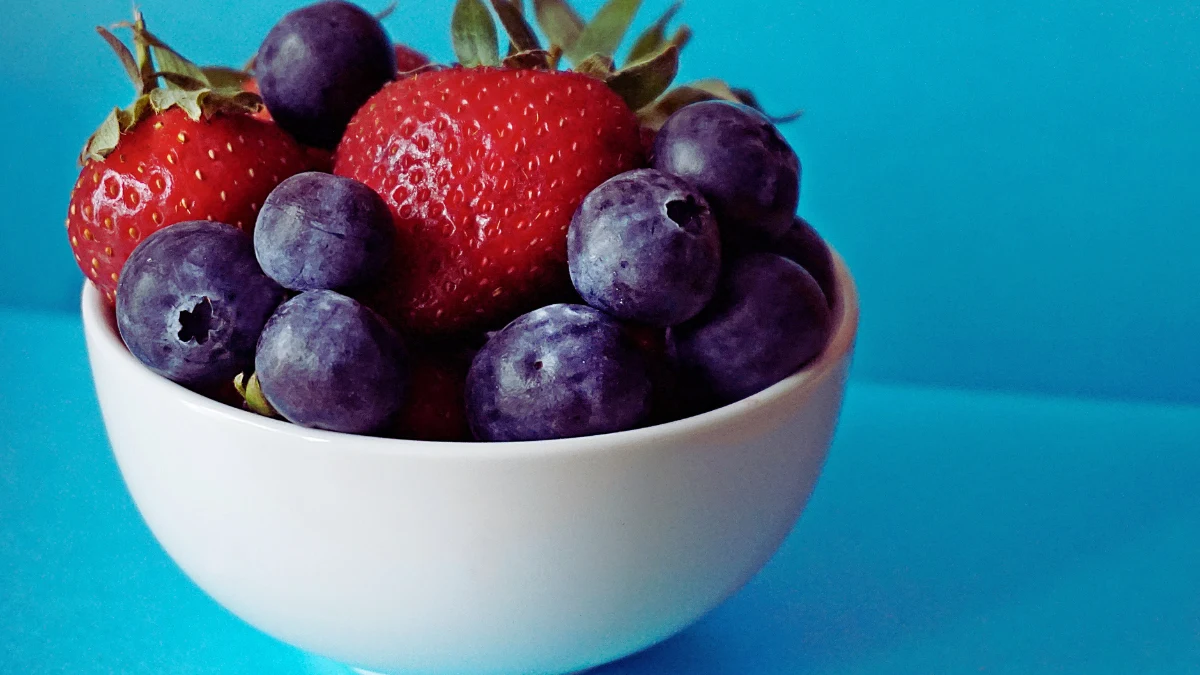
Blueberries and strawberries fight inflammation that often accompanies hormonal changes after 40. Their rich antioxidant content, particularly anthocyanins (the compounds that give them their vibrant color), helps combat the inflammation linked to insulin resistance and weight gain.
Blood sugar spikes become less dramatic when you include berries in your diet. Their low glycemic index means they won’t cause the insulin surges that can lead to fat storage.
This steadying effect works especially well for those experiencing age-related insulin sensitivity changes. Fresh or frozen, berries work wonderfully as quick snacks, breakfast toppings, or natural desserts.
A small handful can satisfy sweet cravings without derailing your hormonal balance. Try them with plain Greek yogurt for a protein-rich combination that supports muscle maintenance while fighting inflammation.
4. Fatty Fish (Salmon, Sardines)
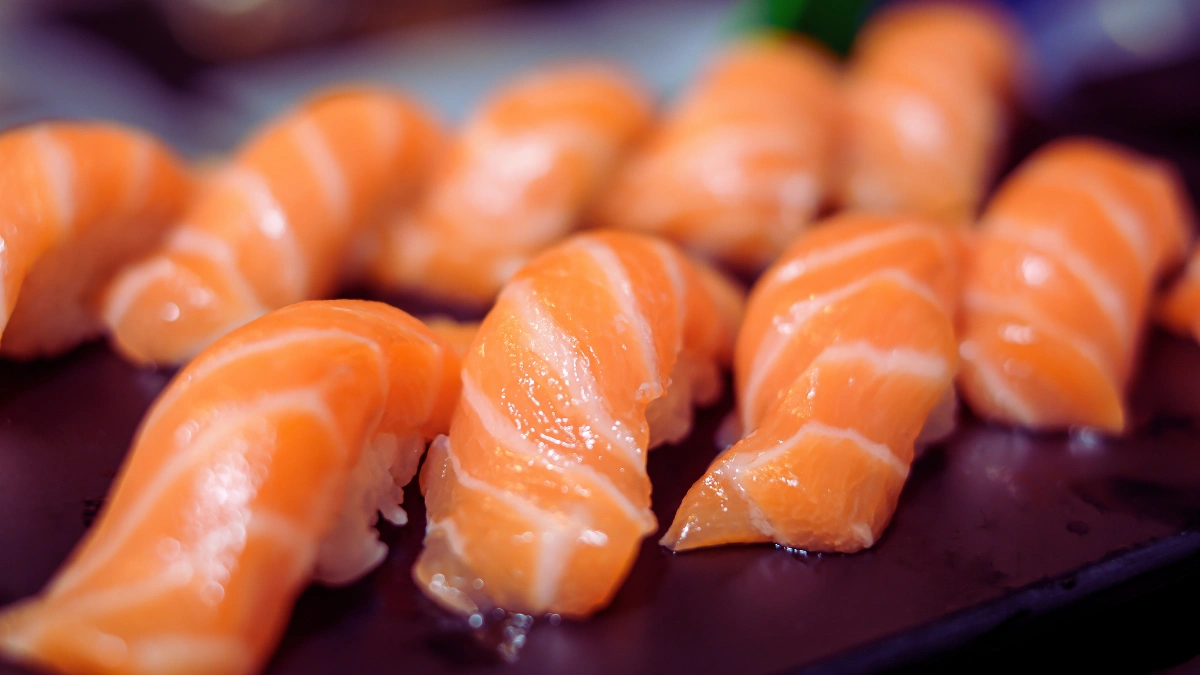
Salmon and sardines supply essential omega-3 fatty acids that cool inflammation throughout your body. This anti-inflammatory effect helps restore sensitivity to leptin, the hormone that signals fullness, which often becomes less effective after 40.
The vitamin D found naturally in these fish supports proper estrogen balance, particularly helpful during perimenopause when hormones fluctuate unpredictably.
Your thyroid function also benefits from the selenium and iodine in fatty fish, keeping your metabolism running as efficiently as possible.
Two to three servings weekly provide enough omega-3s to notice improvements in hormone-related symptoms. Baked, grilled, or added to salads, these fatty fish offer versatile options for meals.
Canned sardines make quick lunches while providing the same benefits as fresh fish, making hormone support convenient even on busy days.
5. Avocado
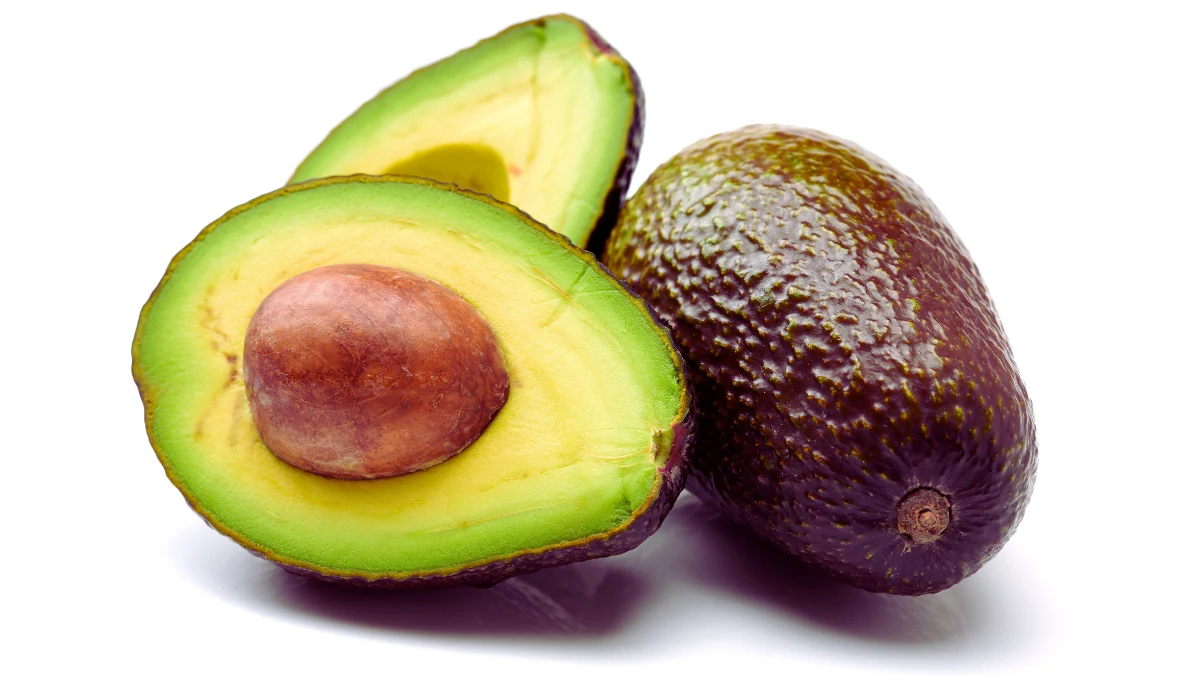
Avocados contain monounsaturated fats that serve as building blocks for hormone production. Your body uses these healthy fats to create hormones like progesterone, which often decreases during perimenopause and affects weight distribution.
The fiber in avocados supports gut health, now recognized as crucial for proper estrogen metabolism. A healthy gut microbiome helps process and eliminate excess estrogen, preventing its buildup and the weight gain that can follow.
This becomes increasingly important as your digestive efficiency naturally decreases with age. Half an avocado daily can significantly impact your hormonal balance.
Spread it on toast, add it to smoothies, or use it as a creamy base for dressings. The combination of healthy fats and fiber helps control hunger while providing your body with the nutrients needed to maintain hormonal equilibrium during this challenging phase of life.
6. Flaxseeds
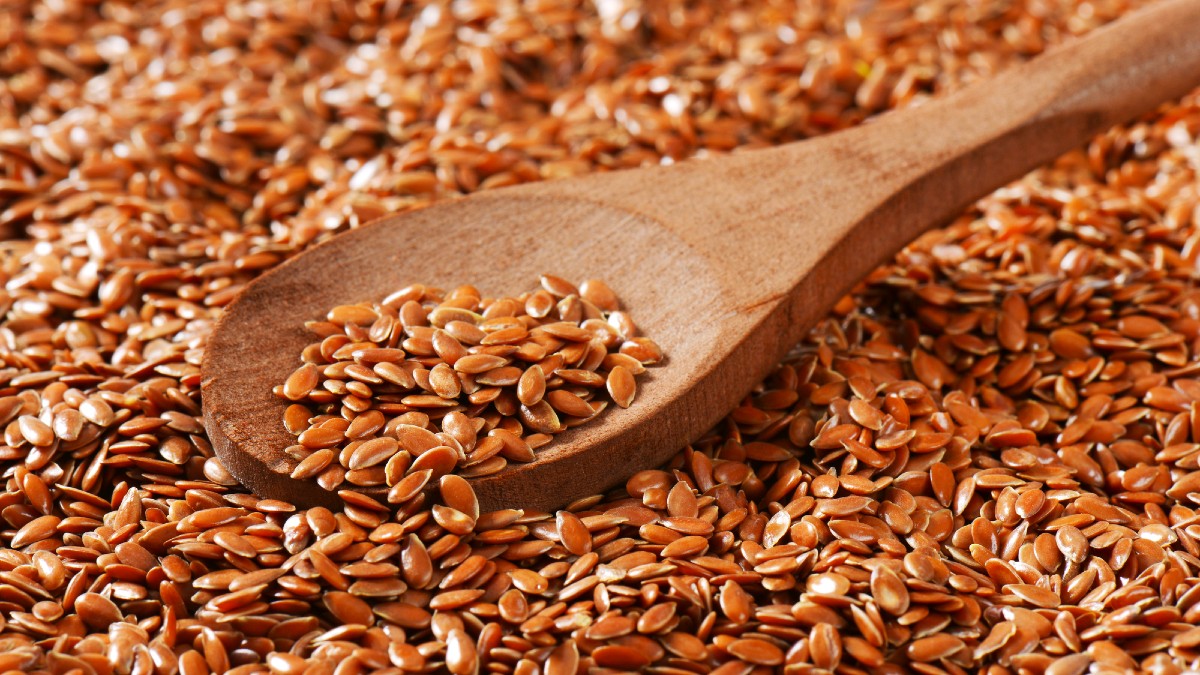
Small but mighty, flaxseeds contain lignans that help modulate estrogen activity in your body. This natural balancing act becomes especially valuable during perimenopause when hormone levels swing unpredictably.
Just a tablespoon daily can make a noticeable difference in how your body processes estrogen. The omega-3 fatty acids in flaxseeds work to reduce inflammation that often accompanies hormonal fluctuations after 40.
Your body experiences less inflammatory stress, making weight management easier despite changing hormones. Ground flaxseeds work best since whole seeds pass through undigested.
Fiber content in these tiny seeds slows digestion and helps control blood sugar spikes. Sprinkle them on oatmeal, blend them into smoothies, or mix them into yogurt for an easy hormone helper.
Many women notice improved digestion and more stable energy levels within weeks of adding flaxseeds to their daily routine.
7. Greek Yogurt
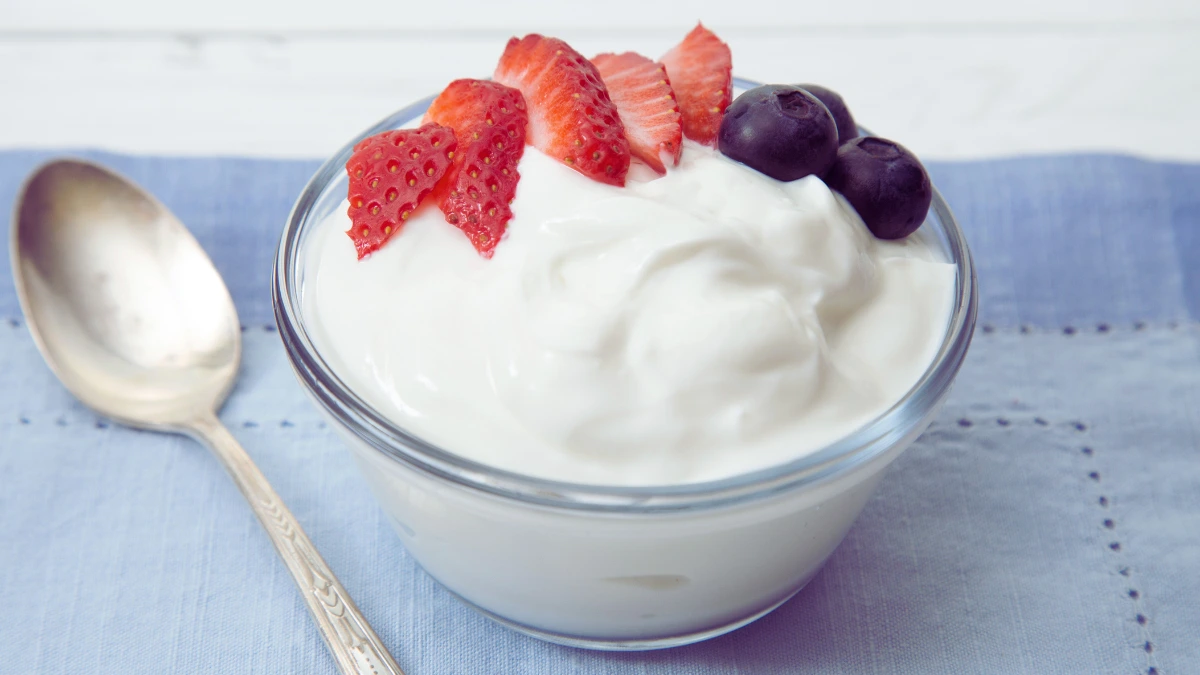
The probiotics in Greek yogurt support your gut microbiome, which plays a crucial role in metabolizing excess estrogen.
Your digestive system needs these beneficial bacteria to properly process and eliminate hormones that might otherwise contribute to weight gain. Regular consumption helps maintain this delicate balance.
High protein content makes Greek yogurt a standout choice for preserving muscle mass. After 40, maintaining lean muscle becomes increasingly important as your metabolism naturally slows.
Each spoonful provides the amino acids your body needs to repair and build tissue without excess calories. Calcium levels in Greek yogurt support bone health while also playing a role in fat metabolism.
Choose plain varieties and add your flavorings to avoid added sugars that can trigger insulin spikes. A serving for breakfast or as a snack helps control appetite throughout the day while providing nutritional support for your changing hormonal needs.
8. Turmeric
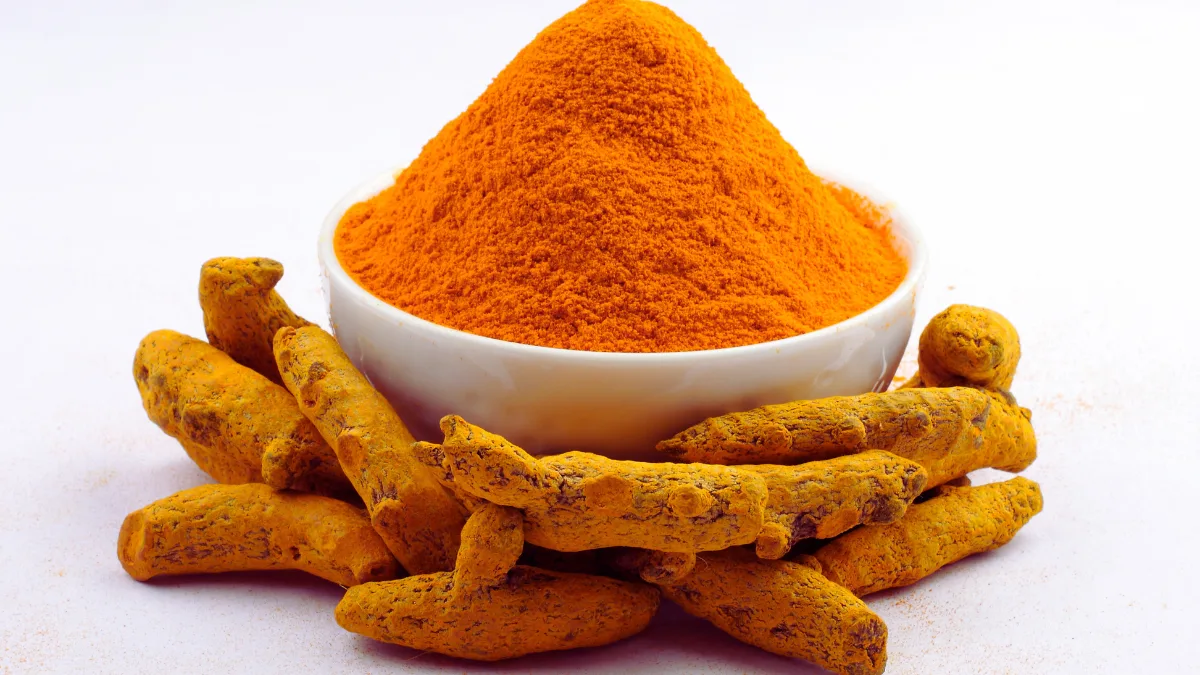
Curcumin, the active compound in turmeric, fights inflammation associated with hormonal changes. This golden spice helps reduce inflammatory markers that often increase during perimenopause and menopause.
Your body responds with improved insulin sensitivity, making weight management more achievable. Stress hormones like cortisol tend to rise with age, contributing to stubborn belly fat.
Turmeric helps lower these levels naturally, allowing your body to release stored fat more easily. The spice supports liver function too, helping clear excess hormones from your system more efficiently.
Adding turmeric to your diet requires consistency for best results. Combine with black pepper to increase absorption, and use in soups, stews, or golden milk before bed.
Many women notice reduced joint pain and better sleep as additional benefits, both factors that indirectly support weight management during hormonal transitions.
9. Quinoa
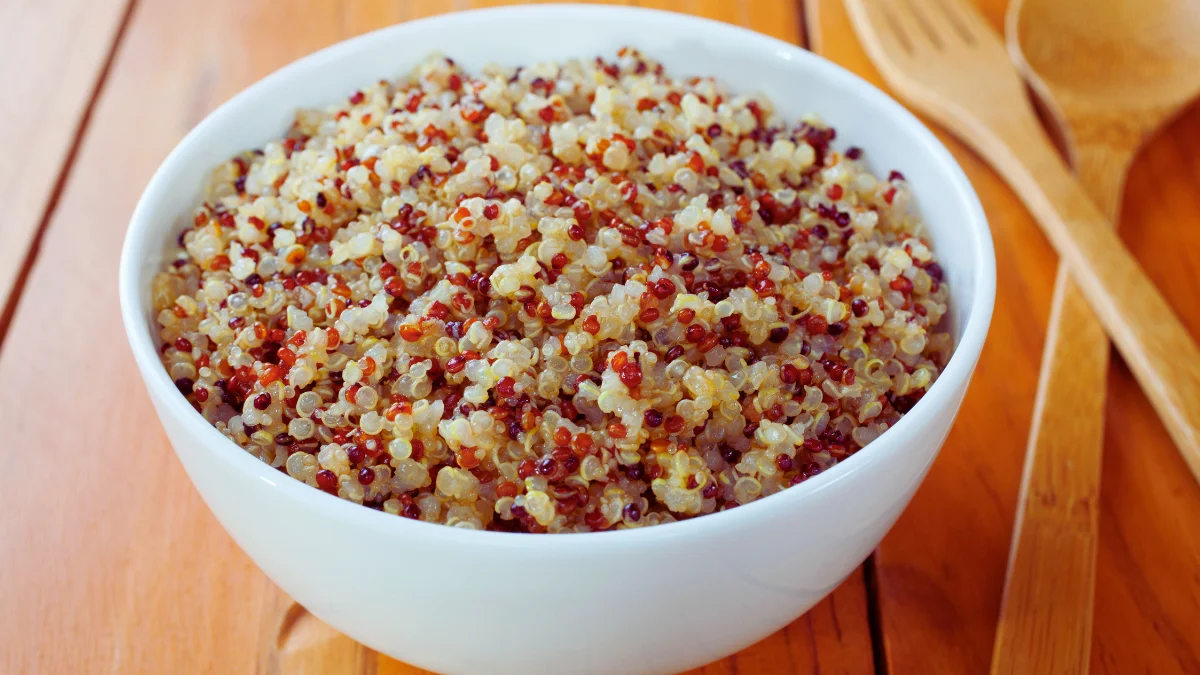
Unlike most plant foods, quinoa provides all nine essential amino acids your body needs. This complete protein helps maintain muscle mass when hormonal changes threaten to reduce it.
Keeping muscle mass helps maintain a higher metabolic rate, which makes managing weight easier after 40. The magnesium content in quinoa plays a direct role in glucose metabolism and insulin function.
This mineral, often deficient in modern diets, helps your cells respond better to insulin signals. Blood sugar stability improves, reducing cravings and energy crashes that lead to overeating.
Quinoa cooks quickly and works well as a rice substitute or breakfast porridge. Its versatility makes it easy to include regularly in your meal rotation.
The slightly nutty flavor pairs well with both savory and sweet additions, giving you plenty of options for incorporating this hormone-friendly grain into your weekly menu.
10. Legumes (Lentils, Chickpeas)
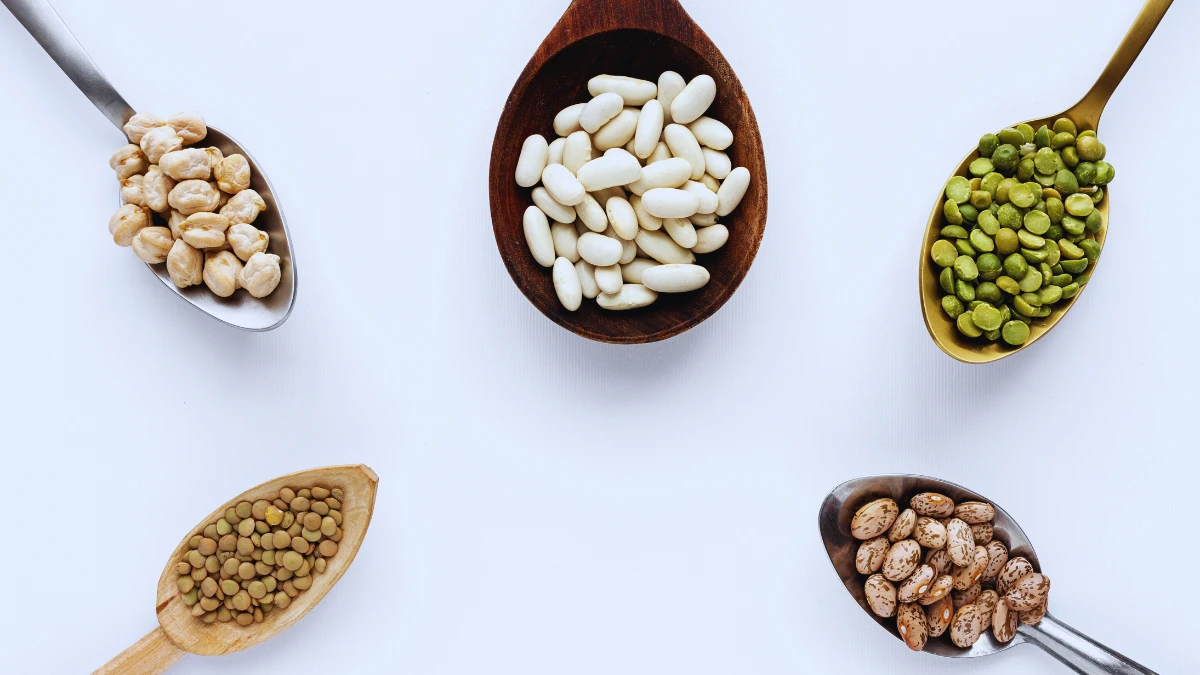
Lentils and chickpeas contain fiber that slows digestion and prevents blood sugar spikes. This steady energy release becomes increasingly important after 40 when insulin sensitivity often decreases.
Your body experiences fewer cravings when blood sugar remains stable throughout the day. Plant-based proteins in legumes support muscle maintenance without the saturated fat found in many animal products.
They also provide iron, which many women need more of during perimenopause and menopause. Your energy levels benefit from improved iron status, making it easier to stay active as your body changes.
Phytoestrogens found naturally in legumes help modulate estrogen activity in your body. They can weakly bind to estrogen receptors, potentially easing symptoms of hormonal fluctuation.
Try adding lentil soup to your lunch rotation or snacking on roasted chickpeas instead of chips. Even canned varieties offer hormone-balancing benefits when rinsed well before use.
11. Green Tea

Drinking green tea regularly can boost your metabolism through a compound called EGCG (epigallocatechin gallate).
This powerful antioxidant increases fat oxidation, helping your body burn stored fat more efficiently. For women over 40 dealing with slowing metabolism, this natural boost becomes especially valuable.
A 2009 study in the Journal of Nutrition found that participants consuming green tea catechins for 12 weeks experienced significant reductions in abdominal fat compared to a placebo group. The researchers attributed these results to enhanced thermogenesis and improved fat breakdown processes.
Two to three cups daily provide enough catechins to support your metabolism. Hot or cold, green tea works well as a replacement for sugary drinks or coffee.
Many women report fewer cravings and more stable energy when they switch to green tea, making it easier to stick with healthy eating plans during hormonal transitions.
12. Garlic and Onions
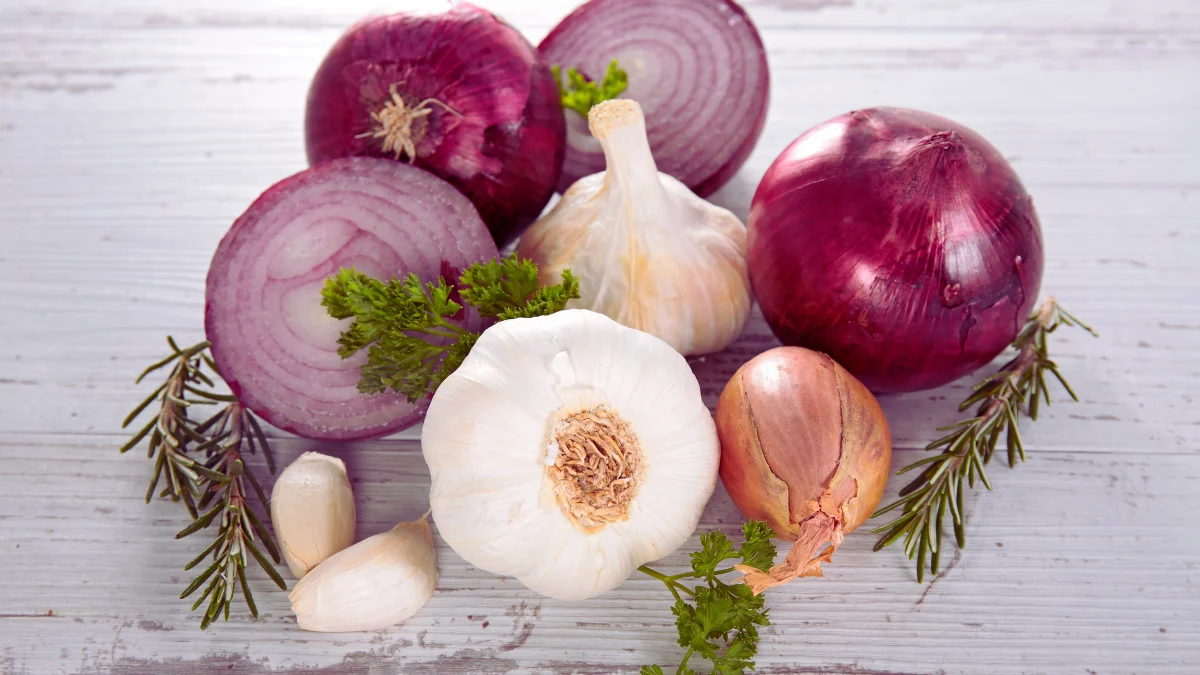
Sulfur compounds found in garlic and onions support liver detoxification pathways. Your liver needs these compounds to process and clear hormones effectively, preventing buildup that can contribute to weight gain.
Cooking with these aromatics regularly helps maintain this important detox function. Quercetin in onions reduces inflammation linked to leptin resistance.
This flavonoid helps your body respond properly to leptin, the hormone that signals fullness. As we age, leptin sensitivity often decreases, but regular consumption of onions can help maintain proper signaling.
Fresh is best, but even powdered garlic and onions offer benefits. Sauté them as a base for soups and stews or roast them with other vegetables for maximum flavor and health benefits.
Some women find that increasing these foods in their diet also improves skin clarity, a bonus during hormonal transitions that often affect complexion.
13. Eggs
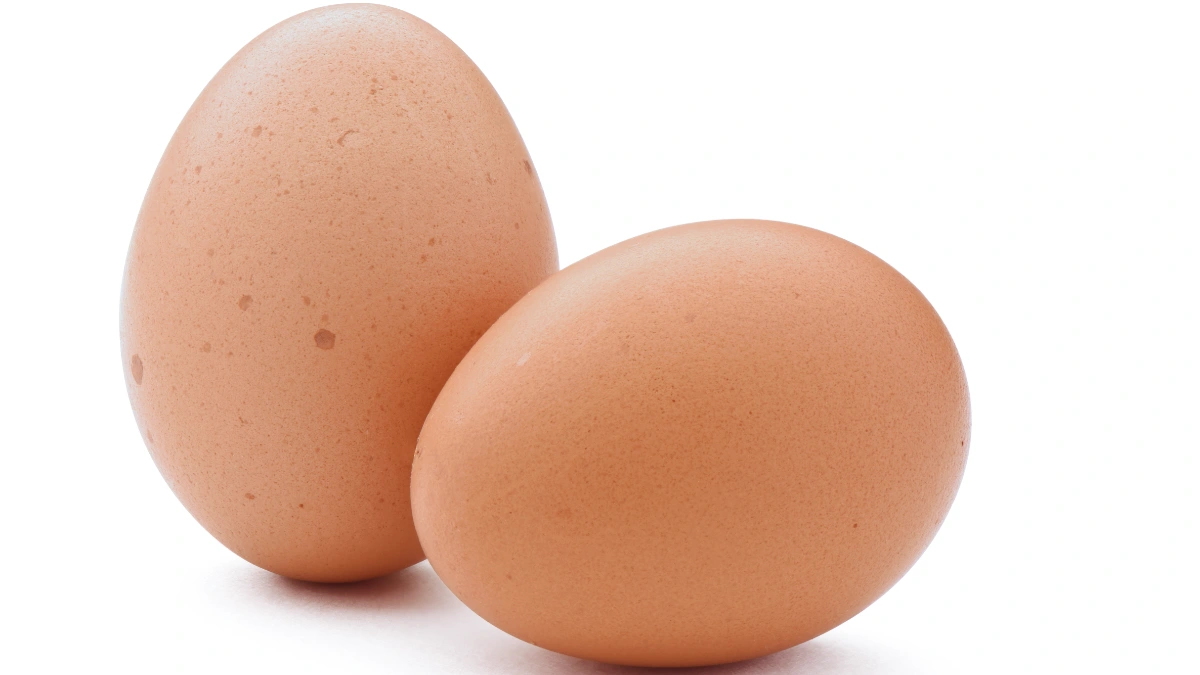
Choline, abundant in egg yolks, supports liver function and hormone production. Your liver uses this essential nutrient to process and clear excess estrogen, helping maintain hormonal balance.
Just one egg provides about 25% of your daily choline needs. The protein quality in eggs ranks among the highest of any food.
Complete with all essential amino acids, eggs help maintain muscle mass that naturally decreases after 40. Your metabolic rate stays higher with preserved muscle tissue, making weight management easier despite hormonal changes.
Contrary to outdated advice, moderate egg consumption doesn’t raise cholesterol concerns for most people. Having eggs for breakfast can reduce hunger throughout the day, leading to lower calorie intake overall.
Hardboiled eggs make convenient snacks that travel well, providing hormone-supporting nutrition when you’re busy or on the go.
14. Dark Chocolate (70%+ Cocoa)
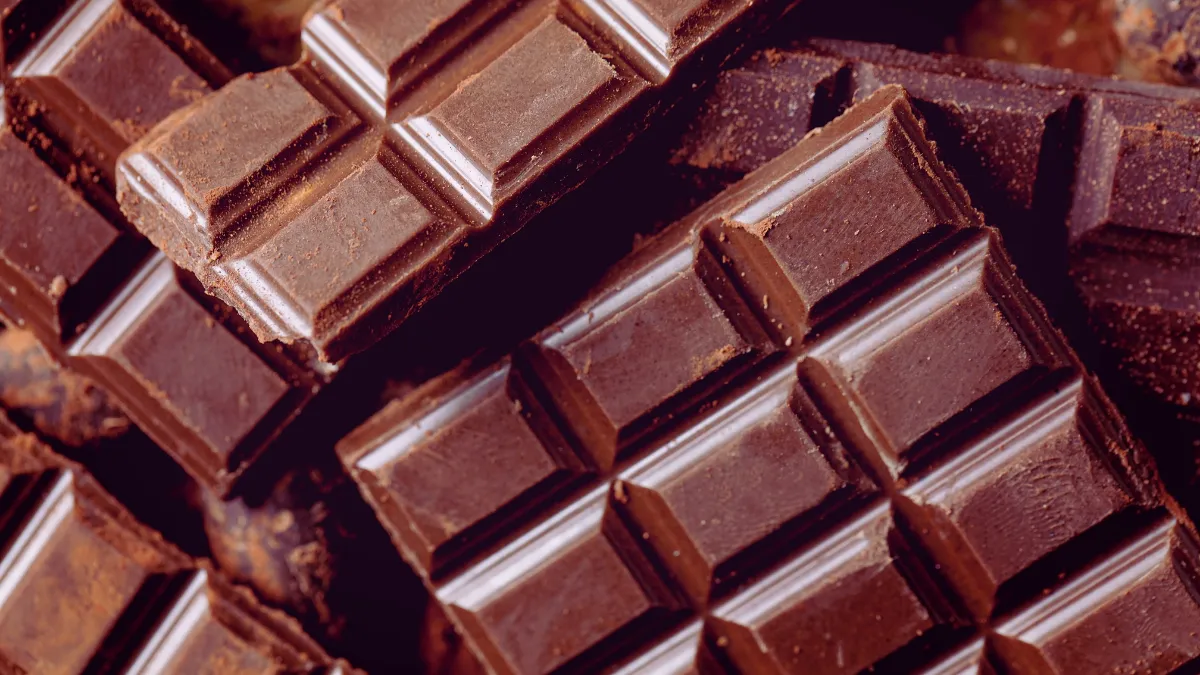
Flavonoids in dark chocolate help reduce cortisol levels, the stress hormone that often increases with age. High cortisol contributes to belly fat storage, particularly after 40 when hormonal changes make weight management more challenging.
A small square daily can help lower stress response naturally. The magnesium content supports adrenal health and proper stress hormone regulation.
Most Americans consume too little magnesium, making dark chocolate a tasty way to increase intake of this important mineral. Your adrenal glands function better with adequate magnesium, helping maintain hormonal balance.
Insulin sensitivity improves with regular consumption of high cocoa chocolate. Look for varieties with at least 70% cocoa content and minimal added sugar to get the benefits without blood sugar spikes.
Some women find that a small piece after dinner satisfies sweet cravings while supporting their hormone balance rather than disrupting it.
15. Apple Cider Vinegar
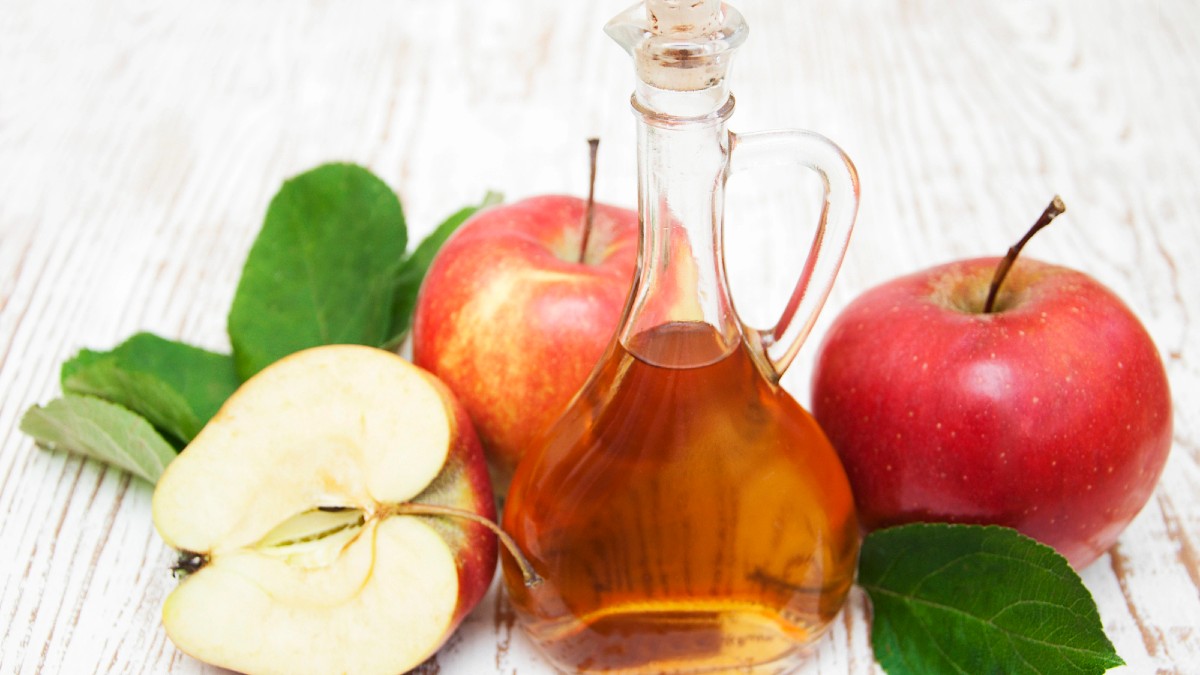
The acetic acid in apple cider vinegar slows gastric emptying, which helps control post-meal blood sugar spikes. This effect becomes increasingly important after 40 when insulin sensitivity naturally decreases.
Stable blood sugar leads to fewer cravings and more consistent energy levels. Apple cider vinegar improves insulin sensitivity, helping your cells respond better to this important hormone.
Better insulin function means less fat storage and easier weight management during hormonal transitions. The effect is modest but builds over time with regular use.
A tablespoon diluted in water before meals works best. The taste can be strong at first, so start with a teaspoon and gradually increase.
Many women find that adding a touch of honey or mixing it into salad dressings makes it more palatable. Consistency matters more than quantity when it comes to seeing benefits for hormonal balance.