

Aging does not happen in a slow, gentle curve. Recent research from Stanford University proves that your body undergoes massive molecular shifts in distinct bursts, with the first major drop hitting specifically around age 44.
You likely feel this shift when you wake up stiffer than usual or when a single night of poor sleep wrecks your entire week. These are not just random bad days, but biological signals that your internal clock is ticking faster than it should.
By recognizing these subtle markers now, you can flip a physiological switch to slow down the process and reclaim your vitality.
1. Your Grip Strength Is Weakening

You might notice that opening a fresh jar of pasta sauce feels harder than it used to or that carrying groceries leaves your hands trembling.
Weak hands are one of the most accurate predictors of overall vitality and longevity because they reflect the health of your nervous system and muscle mass simultaneously.
When your grip fades, it is often the first warning sign that your body is losing its structural integrity and functional capacity. This loss happens silently until you physically fail a simple task.
Weak Grip = Higher Mortality Risk
Strong Grip = Faster Recovery
- Test your strength by hanging from a pull-up bar for thirty seconds
- Inability to open jars signals a loss of functional muscle quality
- Grip strength correlates directly with heart health and recovery speed
2. Your Gait Speed Has Slowed Down

Walking speed is not just about how fast you can get from your car to the office. It serves as a direct window into your brain health and neuroplasticity because coordinating movement requires significant cognitive processing.
If you find yourself naturally walking slower or struggling to walk and talk at the same time, your brain might be conserving energy due to biological aging. This slowdown often happens years before memory issues or other cognitive symptoms appear.
- Walking speed links directly to brain processing and cognitive reserve
- Track your steps per minute to catch early declines in mobility
- Add speed intervals to your daily walks to retrain your nervous system
3. You Struggle to Balance on One Leg
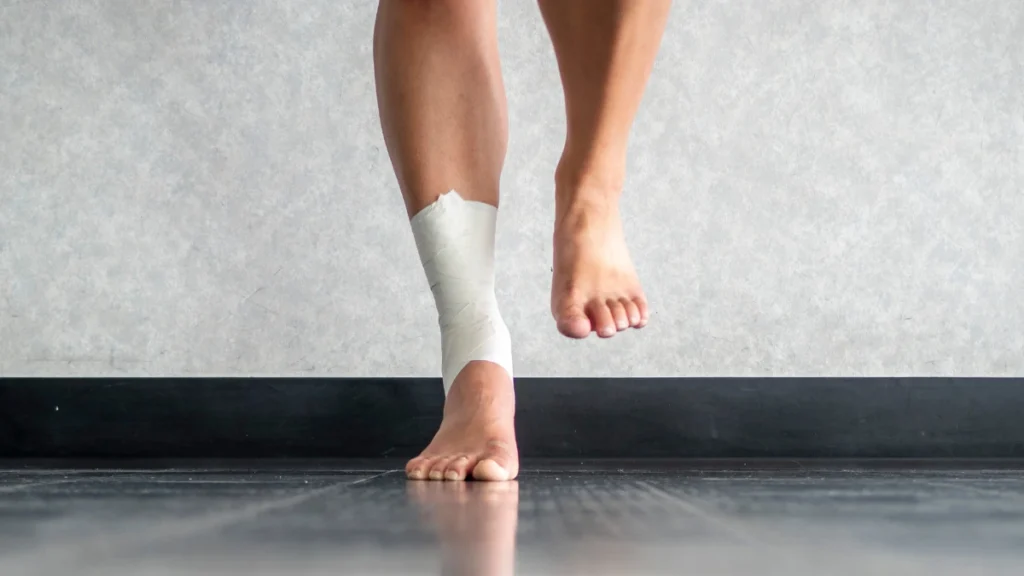
Balance relies on a complex feedback loop between your eyes, inner ear, and small stabilizing muscles. If you cannot stand on one leg for ten seconds without wobbling or putting your foot down, it suggests this communication network is degrading.
Recent studies link poor balance in midlife specifically to vascular aging and a higher risk of future stroke. This is a critical motor skill that requires daily practice to maintain as you age.
- Inability to balance often signals silent vascular health issues
- Test yourself by standing on one foot while brushing your teeth
- Balance training strengthens neural pathways that prevent falls
4. Standing Up Requires Effort

Pay close attention to the exact mechanics you use when you get out of a deep chair or sofa. If you instinctively use your hands to push off the armrests or have to rock your body for momentum, you are losing core and glute power.
This movement pattern is a hallmark of functional decline and indicates that your largest muscle groups are atrophying. Ignoring this sign can lead to a rapid loss of independence later in life.
- Pushing off with hands indicates weakening glutes and leg muscles
- Practice the sit-to-stand movement daily without using arm support
- Functional leg strength is essential for long-term mobility
5. Sudden Intolerance to Alcohol or Caffeine

You used to be able to enjoy a late coffee or a glass of wine without consequence, but now they wreck your sleep or energy. This happens because enzyme levels that metabolize these substances drop sharply during the molecular shift in your forties.
Your liver and kidneys are signaling that they can no longer process toxins as efficiently as they once did. Pushing through this intolerance only increases systemic inflammation and accelerates cellular damage.
- Hangovers or jitters now happen after much smaller amounts
- Liver enzymes responsible for metabolism drop significantly in midlife
- Cut off caffeine by noon to protect your sleep quality
6. Unexplained Belly Fat

Your diet has not changed and your activity levels are the same, yet your waistline is expanding. This specific type of weight gain suggests a shift in insulin sensitivity and how your body manages glucose.
Instead of burning food for fuel, your metabolic system is now prioritizing storage, specifically as visceral fat around your organs. This is a metabolic warning light that your body is struggling to process carbohydrates efficiently.
- Visceral fat indicates a shift in hormonal and insulin health
- Eat protein before carbohydrates to dampen blood sugar spikes
- Walk for ten minutes after dinner to help clear glucose
7. Intense Sugar Cravings After Meals

Finishing a full meal and immediately hunting for something sweet is not just a habit. It indicates rapid blood sugar spikes followed by aggressive crashes that leave your brain starving for quick energy.
This roller coaster damages blood vessels and creates a cycle of metabolic stress that speeds up aging. Stable blood sugar is the foundation of anti-aging, and these cravings are a sign your foundation is cracking.
- Cravings signal dysregulated blood glucose levels
- Metabolic spikes accelerate cellular aging and inflammation
- Use apple cider vinegar in water before meals to flatten the curve
8. The Skin Snap Test Fails
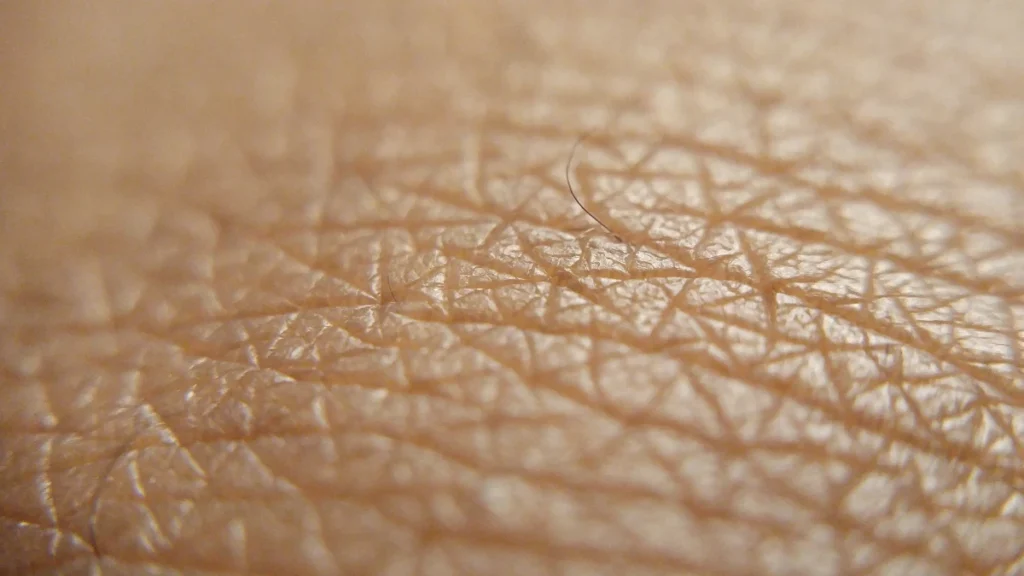
Your skin acts as a visible map for the elasticity of your internal organs and arteries. If you pinch the skin on the back of your hand and it takes several seconds to snap back into place, it indicates a loss of collagen and hydration.
This lack of elasticity often mirrors stiffness in your cardiovascular system and joints. Hydrating properly and protecting your collagen stores is vital for both appearance and internal health.
- Slow skin recoil links to internal inflammation and arterial stiffness
- Pinch the back of your hand for five seconds to test elasticity
- Collagen peptides and hydration help restore tissue resilience
9. Constant Dry Mouth or Eyes

Feeling chronically parched is rarely just about how much water you drank that day. It is often a marker of hormonal shifts and a decline in your cells’ ability to hold onto hydration efficiently.
As we age, our thirst mechanism blunts, and our cellular membranes struggle to retain electrolytes and water. This leads to systemic dehydration that hampers every biological process from thinking to digestion.
- Chronic dryness signals hormonal shifts and poor cellular hydration
- Drink water with electrolytes rather than just plain water
- Proper hydration is critical for joint lubrication and brain function
10. You Bruise Like a Peach
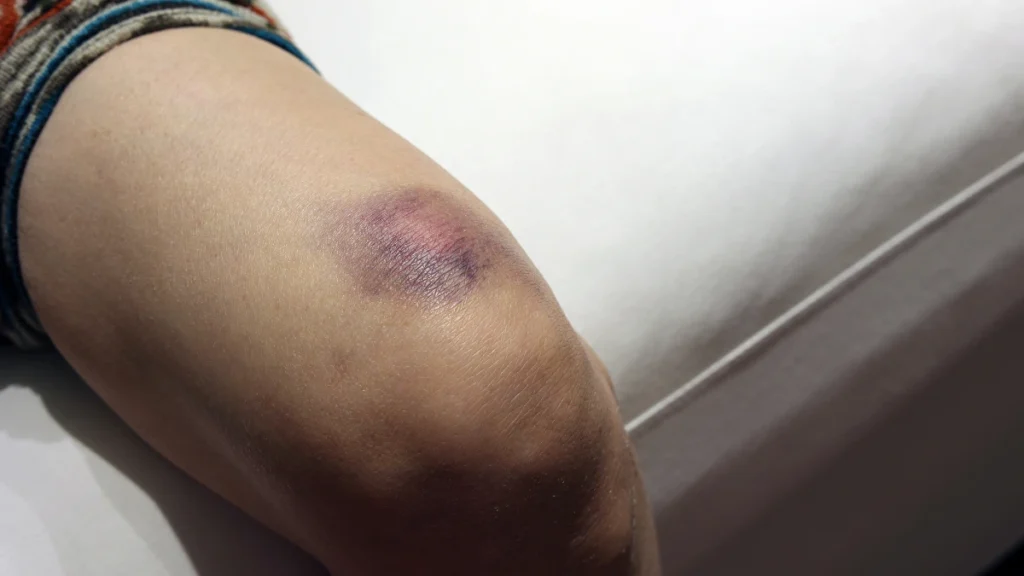
Finding bruises on your legs or arms without remembering how you got them is a sign of capillary fragility. It means the protective walls of your smallest blood vessels are thinning and breaking under minor pressure.
While often dismissed as a cosmetic annoyance, it points to a need for specific nutrients that strengthen vessel walls. Strengthening your vascular system is key to preventing more serious circulation issues.
- Easy bruising suggests thinning capillary walls and vessel fragility
- Increase intake of Vitamin C and Vitamin K to strengthen vessels
- Protect your skin from excessive sun damage which weakens tissues
11. Subjective Cognitive Decline
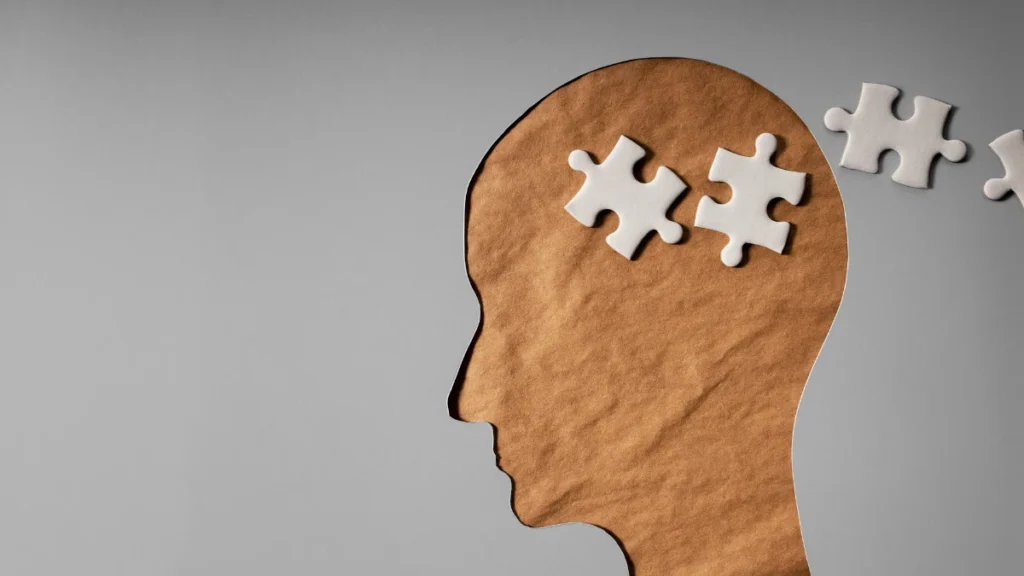
You might find yourself walking into a room and forgetting why you are there, or struggling to recall a familiar name. Even if you pass standard medical memory tests, this subjective feeling that your brain is “off” is a valid clinical marker.
Research shows that you are the best judge of your own cognitive sharpness, and these subtle slips often begin in the forties. Engaging with novel, complex tasks is the best way to arrest this decline.
- You notice memory slips even if others do not perceive them
- Subjective decline often precedes clinical diagnosis by years
- Learn new skills like dancing or languages to build neural pathways
12. Loss of Smell Sensitivity

A fading sense of smell is frequently one of the very first indicators of neurodegenerative changes. The olfactory nerve is directly connected to the brain, making it a canary in the coal mine for neural health.
If you can no longer smell the coffee brewing or the rain on the pavement, your nervous system requires attention. “Smell training” can actually help stimulate this nerve and reconnect those pathways.
- Olfactory decline is a leading indicator of neural aging
- Test if you can smell distinct scents like coffee or citrus
- Practice actively smelling strong odors daily to retrain the brain
13. Trouble Hearing in Crowded Rooms
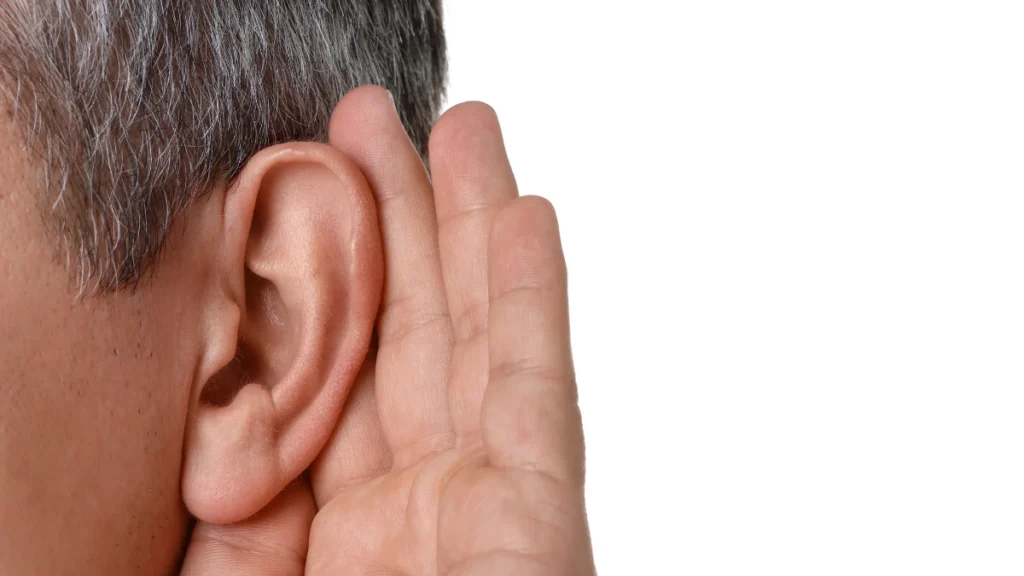
You can hear perfectly fine in a quiet room, but a busy restaurant turns into a wall of indecipherable noise. This is usually not an ear issue, but a brain processing issue where the auditory cortex slows down.
Your brain can no longer filter out background noise fast enough to focus on speech. Protecting your hearing now preserves the cognitive load your brain needs for other tasks.
- Difficulty filtering background noise signals slow brain processing
- Wear ear protection in loud environments to save your hearing
- The brain works harder to hear, leaving less energy for memory
14. Workouts Wreck You for Days
In the past, you could exercise hard and feel fine the next morning, but now you stay sore for three days. Delayed recovery time means your mitochondria are struggling to clear waste products and repair tissue efficiently.
This lag in repair leaves you in a chronic state of inflammation rather than adaptation. Prioritizing recovery over intensity is the only way to maintain fitness without burnout.
- Soreness lasting more than two days signals poor repair mechanisms
- Mitochondrial efficiency drops, slowing down waste clearance
- Focus on active recovery like walking instead of complete rest
15. Sleep Fragmentation

Falling asleep might be easy, but you find yourself waking up abruptly at 3 AM and unable to settle back down. This fragmentation happens because deep sleep cycles naturally shorten as we age, making us more sensitive to noise, light, and temperature.
Without continuous deep sleep, your brain cannot perform its nightly “glymphatic” cleaning process to remove toxins. Optimizing your sleep environment is a non-negotiable step for slowing aging.
- Waking up tired indicates a lack of restorative deep sleep cycles
- Shortened sleep preventing the brain from clearing out metabolic waste
- Keep your bedroom cool and pitch black to encourage continuity
16. High Resting Heart Rate
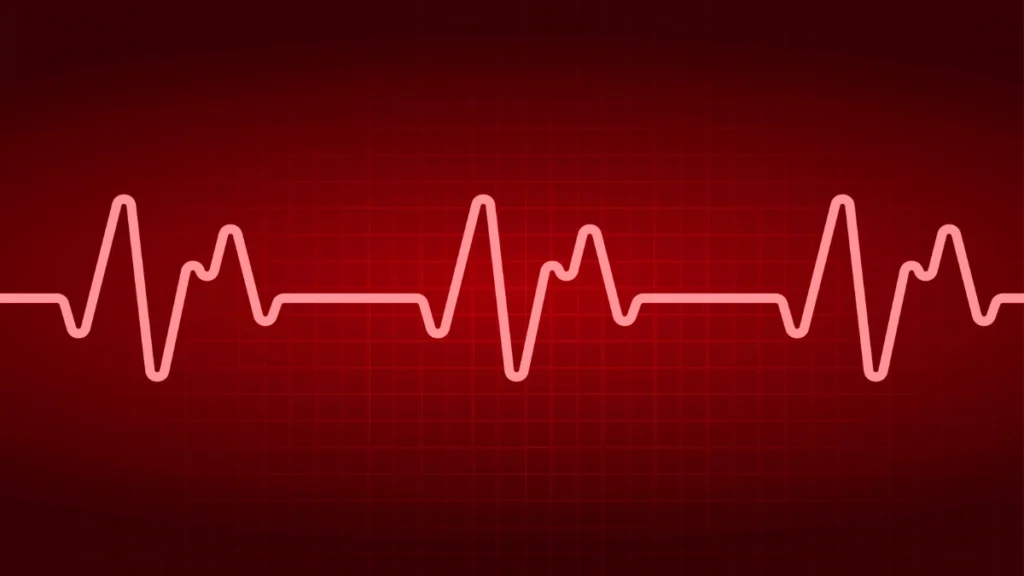
Your resting heart rate is a report card on your cardiovascular efficiency and autonomic nervous system stress. If your heart has to beat more than 75 times a minute just to keep you sitting on the couch, it is working too hard.
This elevated rate suggests your body is stuck in a low-grade “fight or flight” mode. Lowering this number through steady, low-intensity cardio adds years to your life.
- A high resting rate indicates cardiovascular strain and stress
- Consistent rates above 75 bpm correlate with faster aging
- Zone 2 cardio training helps lower your resting heart rate
17. Gum Recession
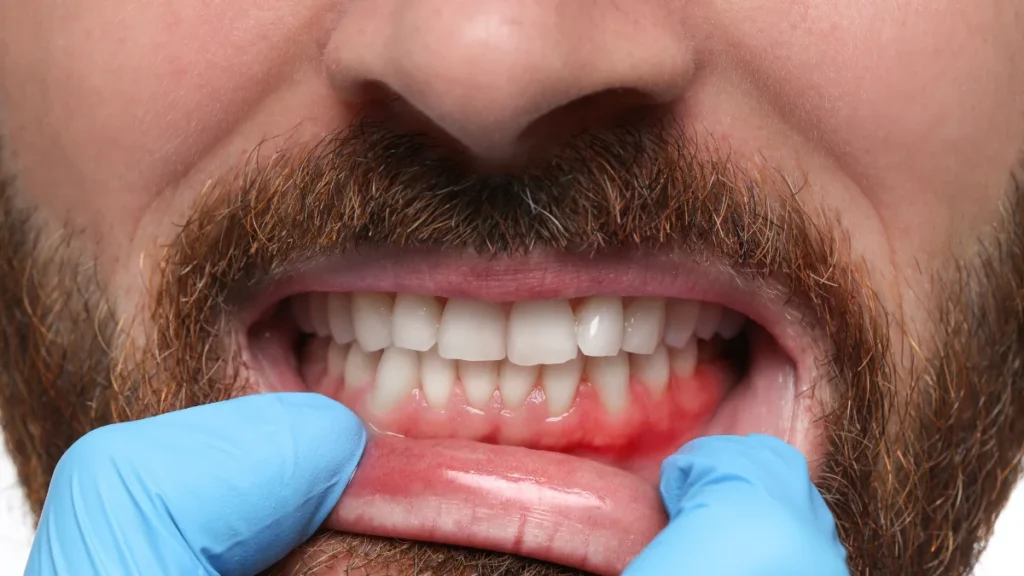
Your dentist might mention that your gums are pulling back from your teeth or bleeding during cleanings. The mouth is a mirror for the rest of the body, and inflamed gums are a direct sign of systemic inflammation.
Bacteria from the mouth can enter the bloodstream and affect heart and metabolic health. treating your oral hygiene as a critical part of your medical care is essential.
High Oral CRP = High Body CRP.
- Oral inflammation mirrors inflammation levels in the rest of the body
- Gum health is directly linked to heart and metabolic wellness
- Floss nightly to reduce the bacterial load entering your bloodstream