
Your morning smoothie bowl might be sabotaging your gut health. That quinoa salad you ordered for lunch? It could be feeding harmful bacteria in your digestive system right now.
Many foods marketed as healthy choices are destroying your gut microbiome. You’re experiencing bloating, irregular digestion, and unexplained fatigue because these so-called nutritious meals contain hidden ingredients that trigger inflammation and disrupt your intestinal balance.
Gastroenterologists are finally breaking their silence about the 18 common gut destroyers lurking in everyday “healthy” foods. These medical experts reveal which seemingly innocent meals are harming your digestive system and overall health.
1. Added-Sugar Foods
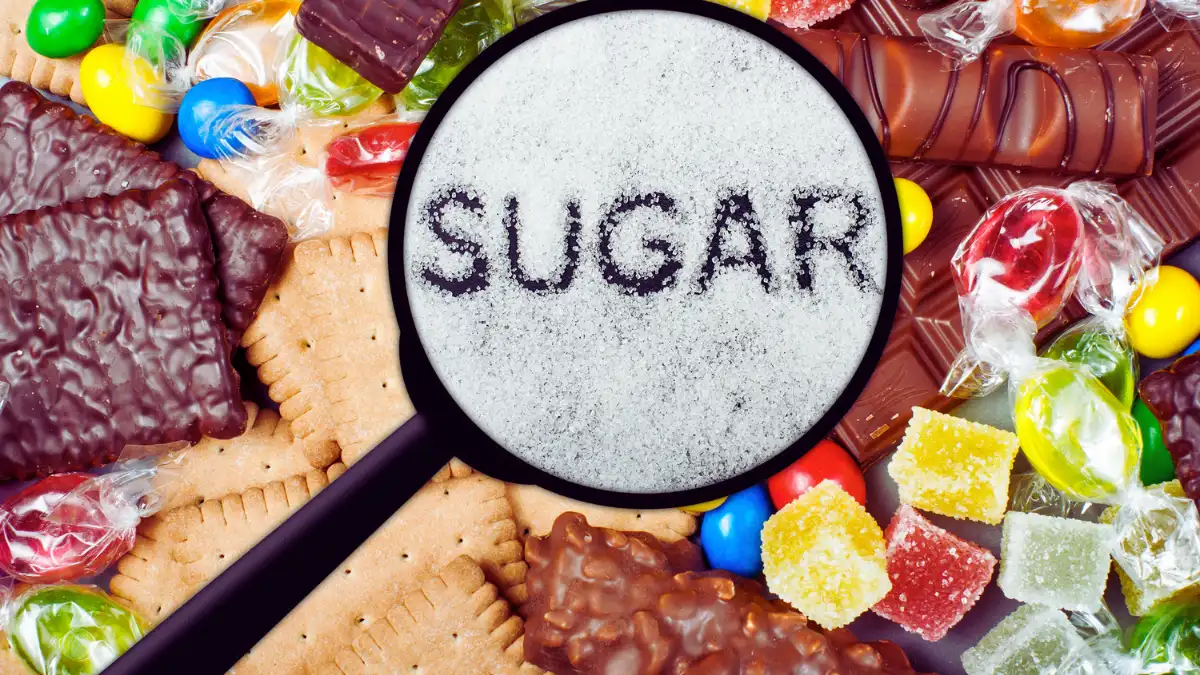
Sugar appears where you least expect it. Many breakfast cereals marketed as healthy contain more sugar than a candy bar.
Granola bars, yogurt parfaits, and smoothie bowls often pack hidden sweeteners that wreak havoc on your digestive system.
Your gut bacteria feed on this excess sugar, creating an imbalance that favors harmful microorganisms. This shift triggers inflammation throughout your intestinal tract.
The protective barrier that lines your gut becomes compromised, allowing toxins to leak into your bloodstream.
Even foods labeled as “natural” or “organic” can contain alarming amounts of added sugars. Maple syrup, agave nectar, and coconut sugar still damage your gut microbiome.
Reading ingredient labels becomes essential since manufacturers often disguise sugar under dozens of different names.
2. Artificially Sweetened Foods

Diet products promise health benefits but deliver gut destruction instead. Aspartame, sucralose, and saccharin alter the delicate balance of bacteria living in your intestines.
These synthetic compounds can’t be properly processed by your digestive system. Your beneficial gut bacteria struggle to survive when exposed to artificial sweeteners regularly.
The result is a hostile environment where inflammation flourishes. Some people experience digestive distress immediately after consuming these products, while others develop problems gradually over time.
Zero-calorie sodas, sugar-free gum, and diet desserts all contain these problematic ingredients. Even seemingly innocent products like flavored water and protein bars often include artificial sweeteners.
Stevia and monk fruit offer safer alternatives, though moderation remains important for maintaining optimal gut health.
3. High-Sodium Foods
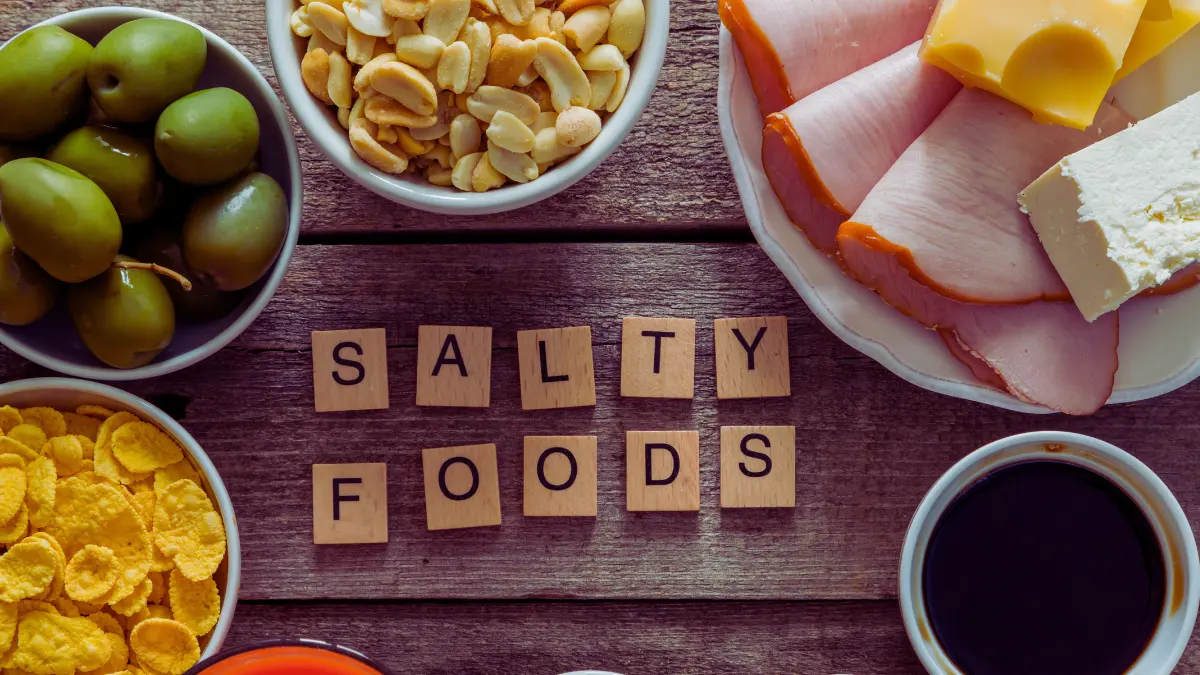
Salt hides in surprising places throughout the modern food supply. Restaurant salads often contain more sodium than a bag of potato chips.
Canned soups, bread, and breakfast cereals contribute significantly to daily sodium intake without obvious saltiness.
Excessive sodium intake creates inflammation in your gut lining and disrupts the microbiome balance. Your intestinal walls become irritated, leading to increased permeability and digestive discomfort.
Blood pressure rises as your body retains water to dilute the excess salt. Processed foods account for roughly 70% of dietary sodium in most people’s diets.
Fresh herbs, spices, and citrus juices provide flavor without the gut-damaging effects of excess salt. Cooking meals at home gives you complete control over sodium content while supporting better digestive health.
4. Processed Foods
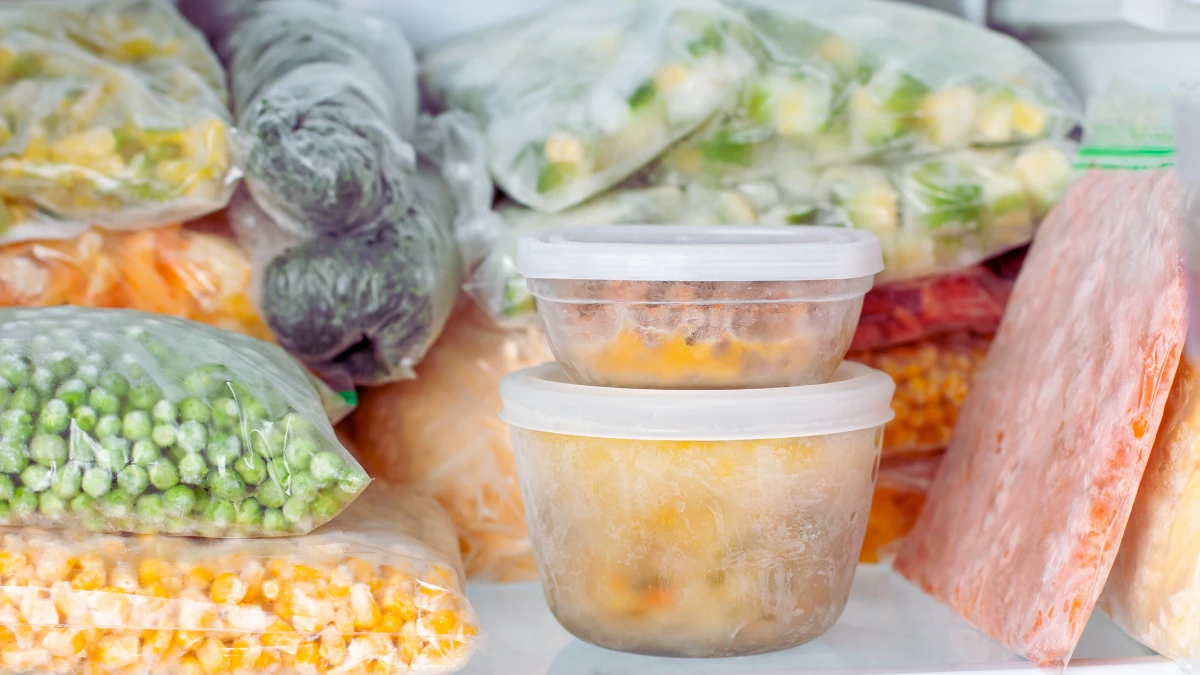
Manufacturing transforms whole foods into gut-disrupting products. Ultra-processed items undergo multiple industrial treatments that strip away beneficial nutrients while adding harmful chemicals.
These foods spike blood sugar rapidly, triggering inflammatory responses throughout your digestive system.
Preservatives, artificial colors, and flavor enhancers accumulate in your gut, creating an environment where disease-causing bacteria thrive.
Your intestinal barrier weakens under constant assault from these foreign substances. The protective mucus layer that shields your gut wall becomes thin and compromised.
Packaged snacks, frozen meals, and instant foods dominate grocery store shelves but devastate gut health. Even products marketed as healthy options often contain multiple processed ingredients.
Whole foods in their natural state provide nutrients without the chemical additives that harm your microbiome.
5. Processed Meats

Deli counters and packaging facilities transform fresh meat into gut-damaging products. Nitrates, nitrites, and other preservatives used in processing create compounds that irritate your intestinal lining.
These chemicals also promote the growth of harmful bacteria while suppressing beneficial microorganisms.
Bacon, ham, sausages, and lunch meats undergo curing processes that fundamentally alter their nutritional profile. The high sodium content adds another layer of gut irritation.
Many processed meats also contain added sugars and artificial flavors that further disrupt your microbiome balance.
Hot dogs and deli sandwiches appear in many supposedly healthy meal plans but contribute to digestive inflammation.
Fresh, unprocessed meats from grass-fed animals provide protein without the gut-destroying additives. Cooking methods also matter, as grilling at high temperatures can create additional harmful compounds.
6. Processed Plant-Based Meats
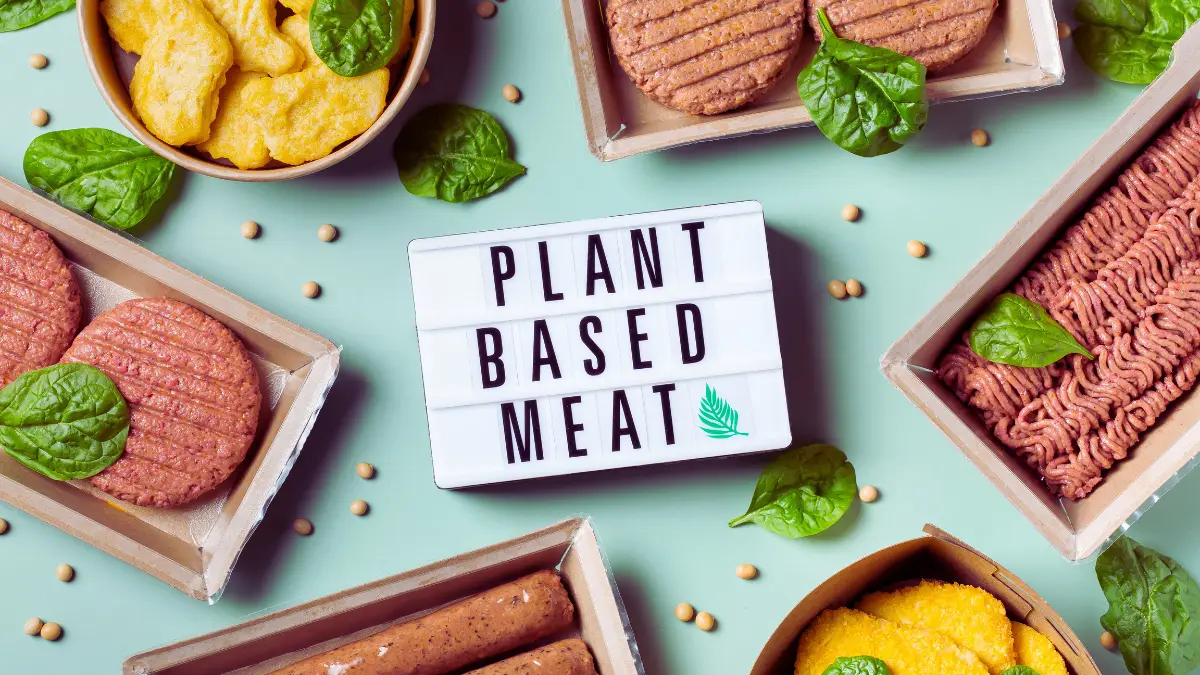
Plant-based alternatives often contain more chemicals than the animal products they replace. Manufacturers use dozens of additives to mimic the taste, texture, and appearance of real meat. These highly processed foods can be just as damaging to your gut as conventional processed meats.
Methylcellulose, carrageenan, and other binding agents used in plant-based products can trigger digestive inflammation.
The high sodium content rivals that of traditional processed meats. Many of these products also contain artificial flavors and colors that disrupt your gut microbiome.
Marketing campaigns promote these foods as healthy choices, but the ingredient lists tell a different story. Whole plant proteins like beans, lentils, and quinoa provide nutrition without the chemical processing.
Simple preparation methods preserve the natural benefits while avoiding the gut-damaging additives found in manufactured meat alternatives.
7. Red Meats
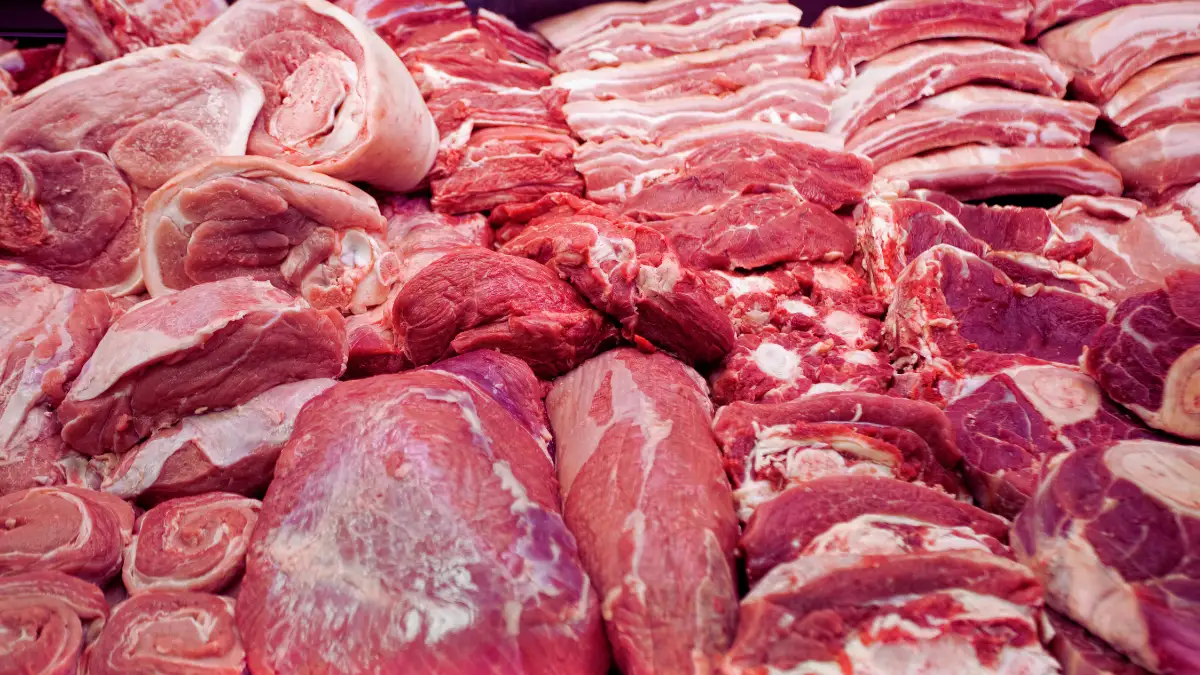
Beef, pork, and lamb contain compounds that can trigger inflammation in sensitive individuals. Heme iron found in red meat feeds certain bacteria that produce toxins harmful to your intestinal lining.
These bacteria multiply rapidly when red meat becomes a dietary staple, shifting your microbiome toward an unhealthy state.
Cooking methods significantly impact how red meat affects your gut health. High-temperature preparation creates additional compounds that irritate your digestive system.
The World Health Organization has classified red meat as a probable carcinogen, particularly concerning colorectal health.
Grass-fed options contain better fatty acid profiles but still pose risks when consumed excessively. Moderation becomes key for those who choose to include red meat in their diet.
Balancing red meat consumption with plenty of fiber-rich vegetables helps mitigate some negative effects on gut bacteria.
8. Refined Grains
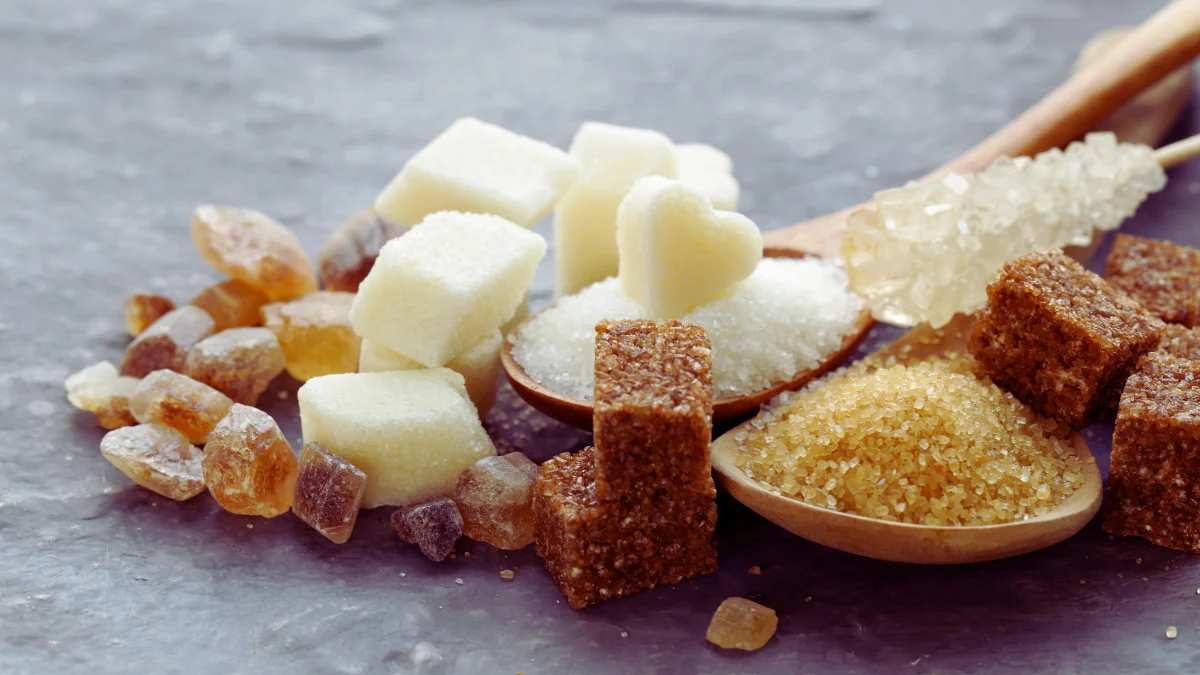
White bread, pasta, and rice undergo processing that strips away beneficial fiber and nutrients. Your digestive system absorbs these refined carbohydrates rapidly, causing blood sugar spikes that promote inflammation. Gut bacteria that depend on fiber struggle to survive in an environment dominated by simple sugars.
Manufacturing removes the bran and germ portions of grains, eliminating most vitamins, minerals, and protective compounds.
What remains is essentially pure starch that offers little nutritional value. This rapid absorption overwhelms your system and feeds harmful bacteria while starving beneficial microorganisms.
Whole grains provide the fiber your gut bacteria need to produce short-chain fatty acids that heal and protect your intestinal lining.
Brown rice, quinoa, and steel-cut oats support a diverse microbiome. The difference in gut health outcomes between refined and whole grains is substantial and well-documented.
9. Fried Foods

High-temperature cooking creates compounds that devastate your gut microbiome diversity. Oil heated to frying temperatures produces toxic substances that damage your intestinal barrier.
A randomized controlled trial published in Diabetes Care by Gao et al. (2021) showed that participants consuming fried meat had significantly less diverse gut microbiota compared to those eating non-fried alternatives.
The same study revealed that fried food consumption impaired glucose homeostasis and increased inflammation markers throughout the digestive system.
These changes occurred within weeks of regular fried food intake. Your beneficial bacteria populations decline while harmful strains flourish in this inflammatory environment.
Restaurant fryers often use oils repeatedly, creating even more toxic compounds with each heating cycle. Home cooking allows better oil selection and temperature control.
Air frying, baking, and steaming preserve nutrients while avoiding the gut-damaging effects of traditional deep frying methods.
10. High-Sugar Yogurts

Flavored yogurts marketed as healthy breakfast options often contain more sugar than ice cream. Manufacturers add fruit syrups, honey, and artificial sweeteners that completely negate the probiotic benefits.
These added sugars feed harmful bacteria while creating an acidic environment that kills beneficial microorganisms.
The live cultures in yogurt can improve gut health, but excessive sugar overwhelms these positive effects. Your intestinal pH becomes imbalanced, leading to digestive discomfort and inflammation.
Many commercial yogurts also contain artificial colors, flavors, and thickeners that further disrupt your microbiome.
Plain Greek yogurt with fresh berries provides probiotics without the gut-damaging additives. Reading labels becomes essential since sugar content varies dramatically between brands and flavors.
Some products contain over 20 grams of added sugar per serving, equivalent to drinking a soda with your probiotics.
11. Artificially Sweetened Diet Drinks

Zero-calorie beverages promise guilt-free refreshment but deliver gut microbiome destruction instead. Aspartame and sucralose alter bacterial populations in ways that promote inflammation and metabolic dysfunction.
These synthetic compounds can’t be properly broken down by your digestive enzymes, leaving them to interfere with normal gut processes.
Regular consumption of diet sodas changes the composition of your intestinal bacteria within days. Beneficial strains decrease while opportunistic bacteria increase, creating an environment prone to digestive issues. The artificial ingredients also increase gut permeability, allowing toxins to enter your bloodstream.
Sparkling water with natural fruit flavors offers carbonated satisfaction without the microbiome disruption. Herbal teas and infused waters provide variety while supporting gut health.
Even occasional diet drink consumption can have lasting effects on your bacterial balance, making complete avoidance the safest approach.
12. High-Sugar Kombucha

Commercial kombucha often contains shocking amounts of added sugar that counteract its probiotic benefits.
Manufacturers boost sweetness to appeal to mainstream tastes, but this sugar feeds harmful bacteria just like any other sweetened beverage. The fermentation process should consume most sugars, but many brands add sweeteners after brewing.
Some kombucha products contain over 15 grams of sugar per bottle, rivaling conventional soft drinks. This sugar load overwhelms the beneficial bacteria and promotes inflammation in your gut.
The probiotics become ineffective when swimming in a high-sugar environment that favors pathogenic microorganisms.
Traditional kombucha brewing produces a tart, slightly sweet beverage with minimal residual sugar. Reading labels helps identify genuinely healthy options with low sugar content.
Homemade kombucha allows complete control over fermentation time and sugar levels while maximizing probiotic benefits for your gut health.
13. Gluten-Containing Foods
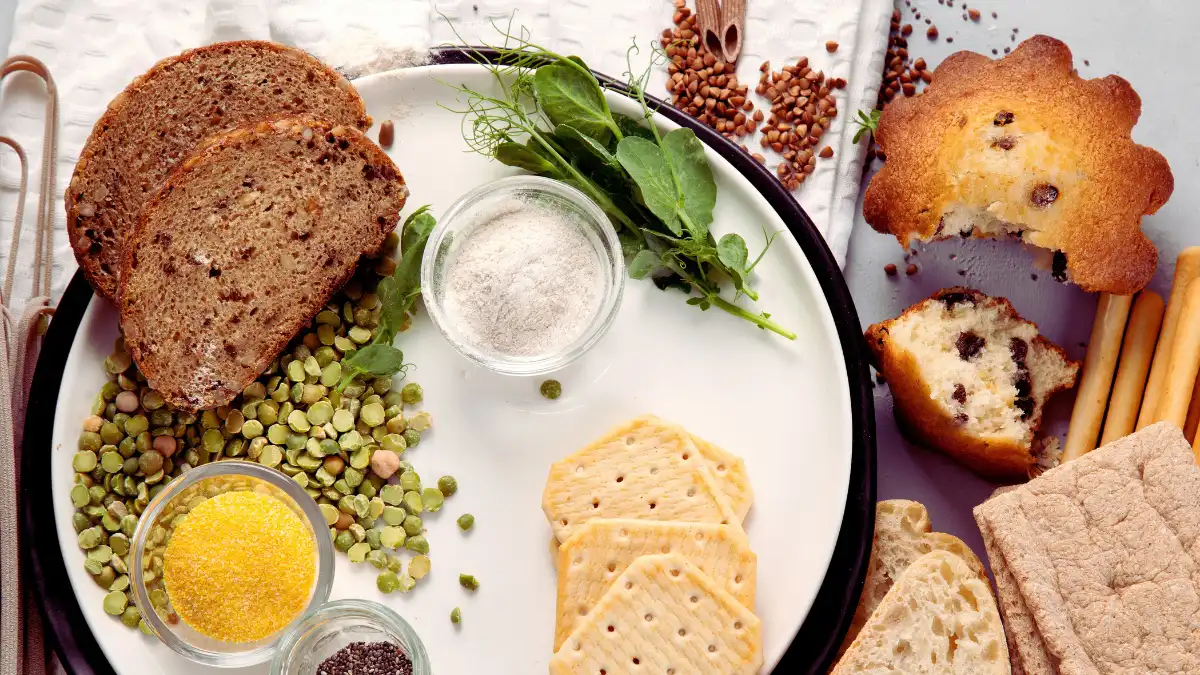
Wheat protein triggers inflammatory responses in more people than previously recognized. Research published in the journal Nutrients demonstrates that gluten intake can increase intestinal permeability and inflammation in susceptible individuals, compromising the gut barrier function that protects against toxins and pathogens.
Beyond celiac disease, many people experience non-celiac gluten sensitivity that manifests as digestive distress, bloating, and systemic inflammation.
The protein structure in modern wheat differs from ancient varieties, potentially contributing to increased sensitivity rates. Processing methods also concentrate gluten levels in many commercial products.
Hidden sources of gluten appear in sauces, seasonings, and processed foods where wheat isn’t obvious. Even oats can become contaminated during processing.
Those experiencing unexplained digestive issues may benefit from eliminating gluten temporarily to assess its impact on their gut health and overall well-being.
14. Excessive Alcohol

Alcohol consumption disrupts your gut barrier and microbiome balance in multiple ways. Even moderate drinking can increase intestinal permeability, allowing bacteria and toxins to leak into your bloodstream.
This leakage triggers systemic inflammation and places stress on your liver and immune system. Your beneficial gut bacteria populations decline with regular alcohol exposure, while harmful strains multiply.
The resulting imbalance promotes further inflammation and digestive dysfunction. Alcohol also interferes with nutrient absorption, particularly B vitamins essential for gut health and repair.
Wine and beer contain additional compounds that can worsen gut irritation beyond the alcohol content itself. Sulfites in wine and gluten in beer add extra challenges for sensitive individuals.
Complete abstinence isn’t necessary for everyone, but understanding alcohol’s impact helps inform healthier consumption choices.
15. High-Fat Foods
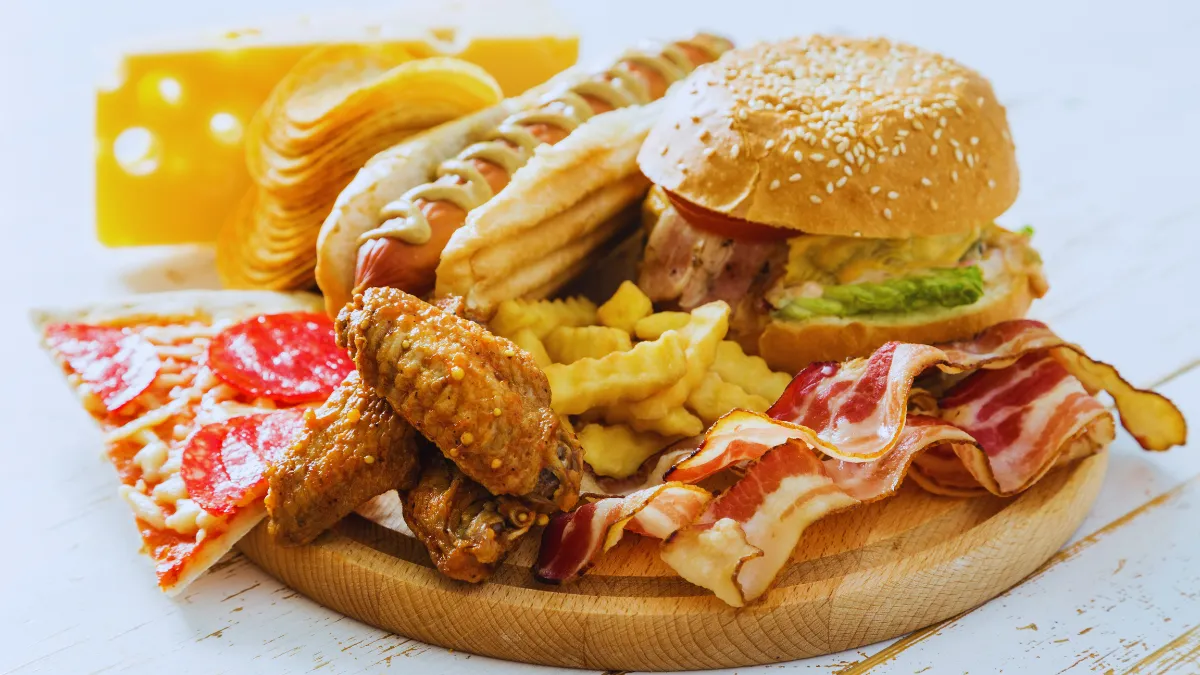
Dietary fats affect your gut microbiome composition dramatically, but the type of fat matters enormously.
Saturated and trans fats promote inflammatory bacteria while suppressing beneficial strains that produce healing compounds. Fast food meals high in unhealthy fats can alter gut bacteria within hours of consumption.
Your bile production increases to digest excessive fat intake, creating an environment that favors certain bacterial populations over others.
This shift toward pro-inflammatory microbes contributes to metabolic dysfunction and digestive problems. The gut barrier also becomes more permeable when exposed to high levels of unhealthy fats.
Omega-3 fatty acids from fish and nuts support beneficial bacteria growth while reducing inflammation. Olive oil and avocados provide healthy monounsaturated fats that don’t disrupt gut balance.
The key lies in choosing anti-inflammatory fats while limiting processed foods high in harmful trans and saturated fats.
16. Certain Emulsifiers and Additives
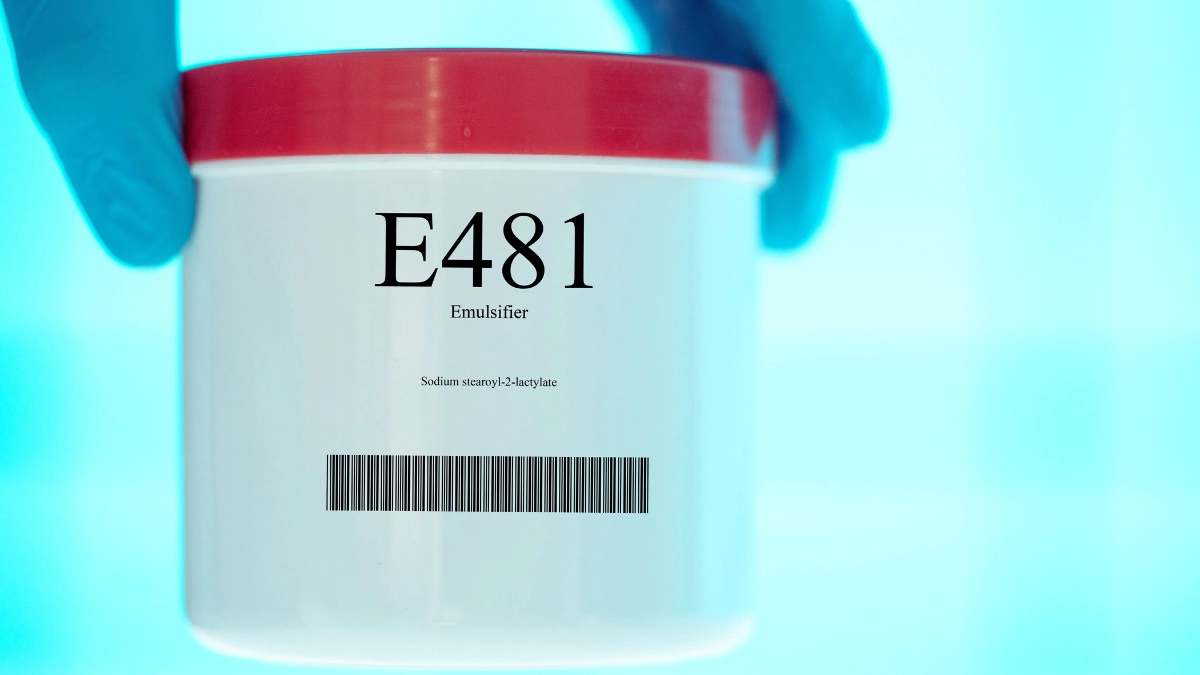
Food manufacturers use emulsifiers to improve texture and shelf life, but these chemicals devastate your gut microbiome.
Polysorbate 80, carboxymethylcellulose, and lecithin thin the protective mucus layer that shields your intestinal wall from harmful bacteria and toxins.
These additives appear in countless processed foods, from ice cream to salad dressings. Your gut bacteria can’t properly process these synthetic compounds, leading to inflammation and increased intestinal permeability. Some emulsifiers directly feed harmful bacterial strains while starving beneficial microorganisms.
Reading ingredient labels becomes crucial for avoiding these gut-disrupting chemicals. Natural alternatives exist for home cooking that don’t compromise your microbiome health.
Choosing whole foods over processed options eliminates most emulsifier exposure while supporting better digestive function.
17. Excessive Caffeine

High caffeine consumption alters gut microbiota composition and increases intestinal permeability. Excessive caffeine intake contributed to inflammation and compromised gut barrier function in participants following various dietary interventions.
Your stomach lining becomes irritated when exposed to large amounts of caffeine regularly. This irritation can progress to more serious digestive issues over time.
Caffeine also affects gut motility, potentially leading to digestive discomfort and irregular bowel movements in sensitive individuals.
Moderate coffee consumption may offer some health benefits, but excessive intake overwhelms your system’s ability to process caffeine safely.
Green tea provides gentler caffeine levels along with beneficial compounds that support gut health. Timing caffeine consumption away from meals can reduce digestive irritation for those who experience sensitivity.
18. Sugar Alcohols

Sorbitol, xylitol, and erythritol promise sweetness without calories but deliver digestive chaos instead. These compounds resist complete absorption in your small intestine, reaching your colon, where bacteria ferment them rapidly. This fermentation process produces gas, bloating, and often urgent bowel movements.
Your body lacks the enzymes needed to properly digest most sugar alcohols, making digestive distress nearly inevitable with larger amounts.
Individual tolerance varies significantly, but even small quantities can trigger symptoms in sensitive people. The laxative effect intensifies with higher consumption levels.
Stevia and monk fruit provide natural sweetness without the digestive disruption caused by sugar alcohols. Many sugar-free products contain multiple types of sugar alcohols, compounding their gut-irritating effects.
Reading labels carefully helps avoid these problematic sweeteners that masquerade as healthy alternatives to regular sugar.