
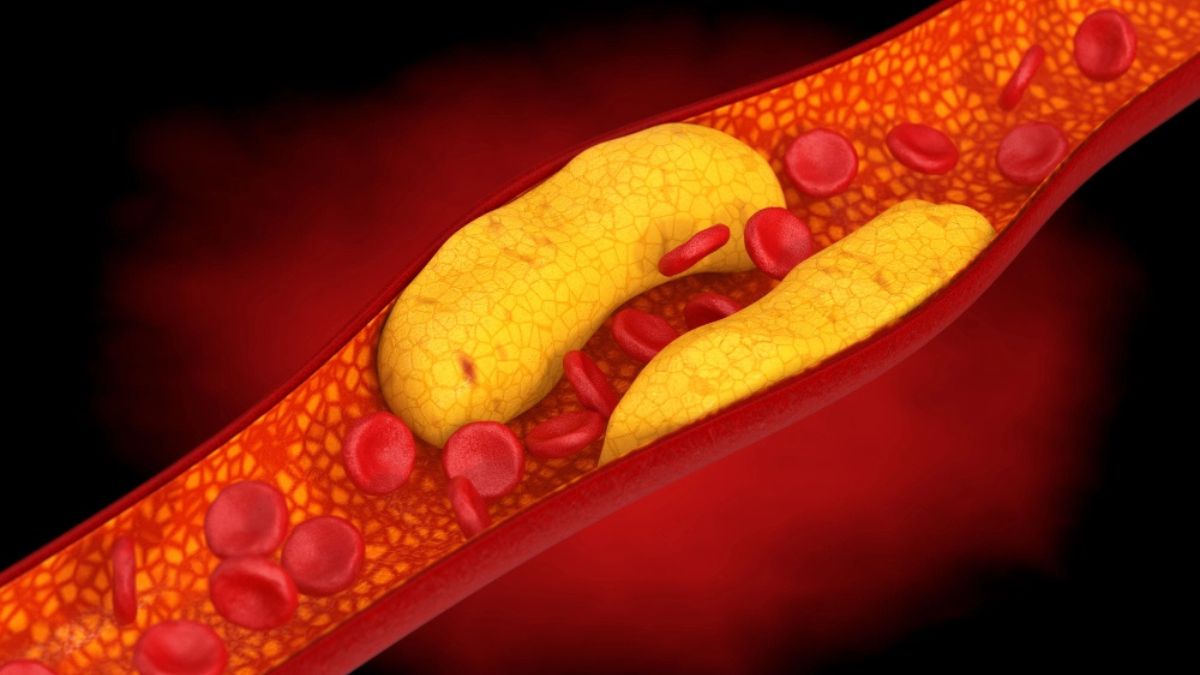
Struggling with high cholesterol after turning 30? Your favorite foods might be sabotaging your health without you realizing it.
That burger you love, the ice cream you crave, and even your morning coffee creamer could be silently damaging your arteries and setting you up for serious heart problems.
But don’t worry – you don’t have to guess which foods are the culprits. Medical experts have identified the worst offenders that spike your cholesterol levels.
Here’s what doctors want you to know about the 15 foods you should avoid to protect your heart and potentially add years to your life.
1. Processed Meats

Bacon, sausages, and deli meats pack a dangerous punch for your cholesterol levels. They’re loaded with saturated fats that raise your LDL cholesterol, putting strain on your heart.
What makes them worse is their high sodium content, which can spike your blood pressure and make heart disease more likely. These products often contain preservatives like nitrates that may contribute to arterial plaque buildup.
After turning 30, your metabolism naturally slows down, making these foods even more problematic. Your body doesn’t process fats as efficiently as it once did.
This means the saturated fat in that morning’s bacon or lunchtime sandwich meat sticks around longer, causing more damage to your cardiovascular system.
Consider swapping these options for healthier proteins. Turkey, chicken breast, or plant-based meat alternatives can satisfy your protein needs without the cholesterol spike.
Fish like salmon or tuna offer protein plus heart-healthy omega-3 fatty acids. Even small changes, like choosing low-sodium versions or limiting processed meats to occasional treats, can make a big difference in your heart health.
2. Fried Foods

French fries, fried chicken, and donuts taste amazing but wreak havoc on your cholesterol. The cooking process is the main culprit here. When foods are fried, especially in oils that are reused multiple times, they absorb unhealthy fats and develop trans fats.
These dangerous compounds raise your LDL cholesterol while simultaneously lowering your HDL (good) cholesterol – a double blow to heart health.
Your body struggles more with processing these foods after age 30. The oils used in frying become incorporated into your cell membranes, making them less flexible and more prone to inflammation.
Restaurant fried foods are particularly problematic since they’re often cooked in oils heated repeatedly, which increases their trans fat content beyond what you’d get from home cooking.
You can still enjoy your favorite foods with healthier cooking methods. Baking, grilling, or using an air fryer gives you similar taste satisfaction with far less fat.
Try oven-baked sweet potato fries instead of traditional french fries. Crispy chicken can be made by coating it with whole-grain breadcrumbs and baking until golden. Your taste buds will adjust quickly, and your arteries will thank you.
3. Full-fat Dairy
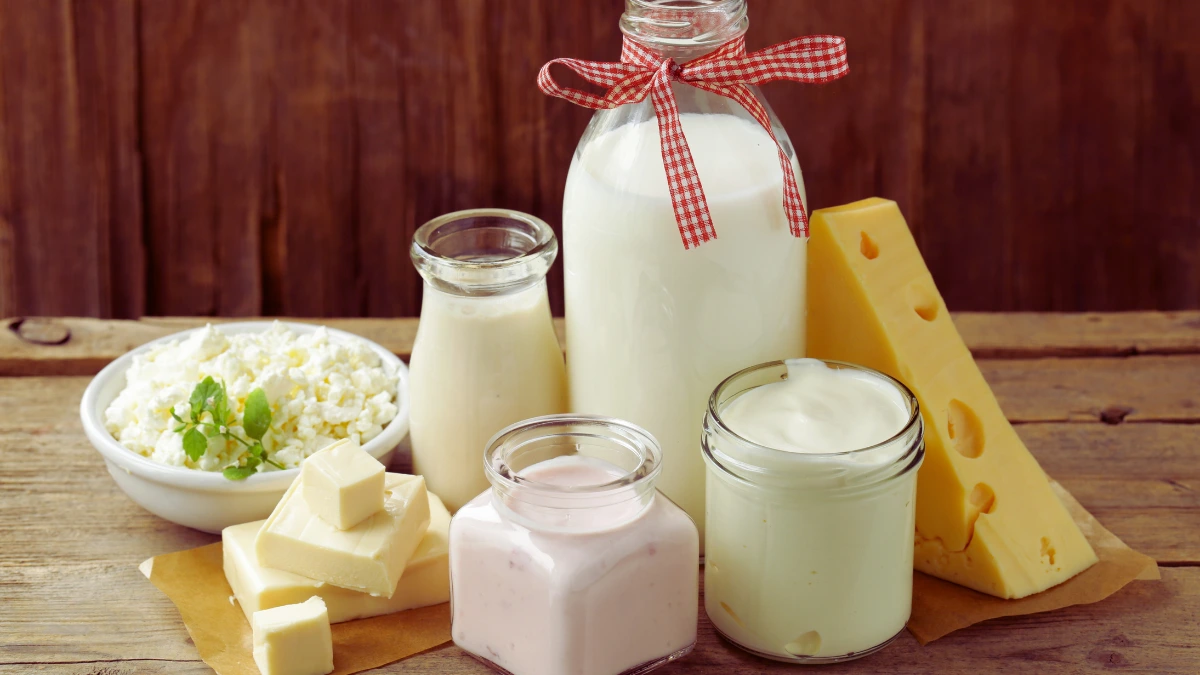
Cheese, butter, and whole milk contain significant amounts of saturated fat that can raise your cholesterol levels. A single slice of cheddar cheese contains about 6 grams of saturated fat, which is a substantial portion of the recommended daily limit.
Whole milk, ice cream, and butter similarly contribute to your saturated fat intake, potentially raising your LDL cholesterol with each serving.
As you age past 30, your body becomes less tolerant of dietary indiscretions. The saturated fat in full-fat dairy products accumulates in your bloodstream more readily.
Your liver processes these fats less efficiently, leading to higher overall cholesterol levels. Regular consumption can gradually increase your risk of atherosclerosis and heart disease.
Fortunately, many tasty alternatives exist. Low-fat or skim milk provides the same calcium and protein benefits without the saturated fat load. Plant-based milks like almond, soy, or oat offer variety and heart-healthy nutrients.
For cheese lovers, try reduced-fat versions or smaller portions of your favorites. Greek yogurt can replace sour cream in recipes while adding protein. These simple swaps maintain the satisfaction of dairy while protecting your heart.
4. Red Meat
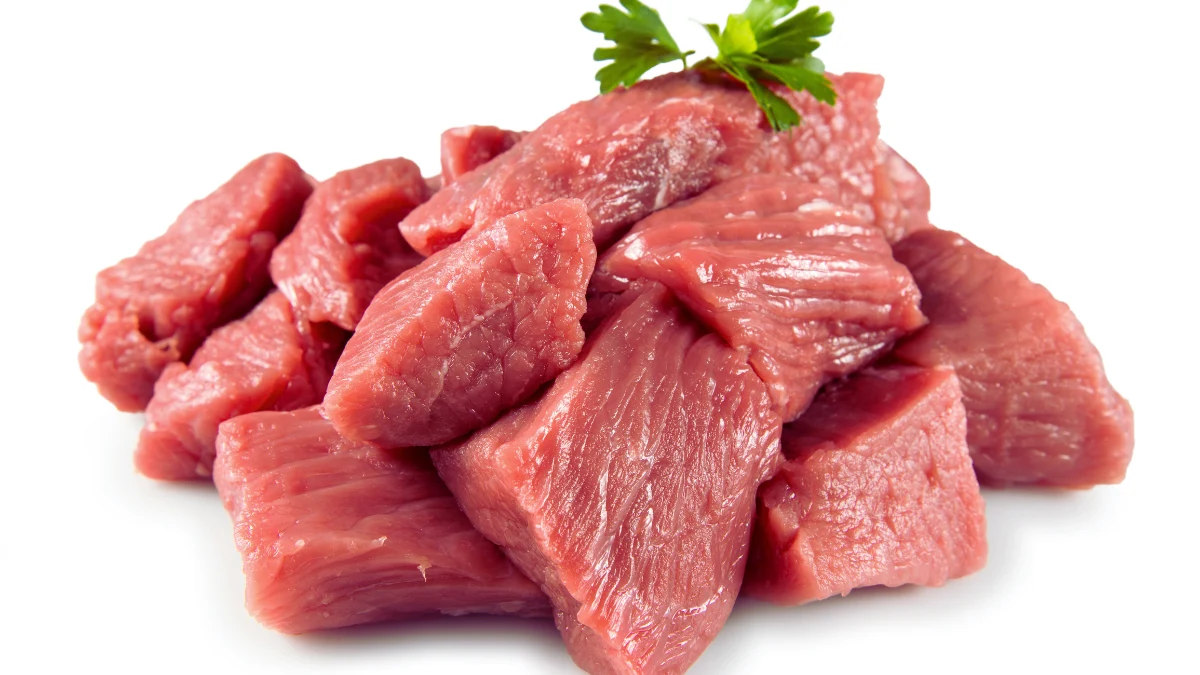
Steaks, burgers, and lamb chops contain high levels of saturated fat that can significantly impact your cholesterol. The fat marbled throughout red meat directly contributes to raising LDL levels in your bloodstream.
Beyond just fat content, red meat contains heme iron which, while nutritious in some ways, may oxidize LDL cholesterol and worsen arterial health when consumed frequently.
Your digestive system processes animal fats differently after 30. The gut microbiome changes with age, potentially increasing inflammation in response to red meat consumption.
This silent inflammation compounds cholesterol problems by damaging blood vessel walls, creating more places for cholesterol to accumulate. The combination can accelerate plaque formation in your arteries.
You don’t need to eliminate red meat. Choose leaner cuts like sirloin or tenderloin and trim visible fat before cooking. Limit portions to 3-4 ounces (about the size of your palm).
Better yet, substitute fish, poultry, or plant proteins like beans and lentils for several meals each week. These alternatives provide protein without the cholesterol concern. Grass-fed beef contains slightly better fat profiles than conventional meat if you do indulge occasionally.
5. Baked Goods
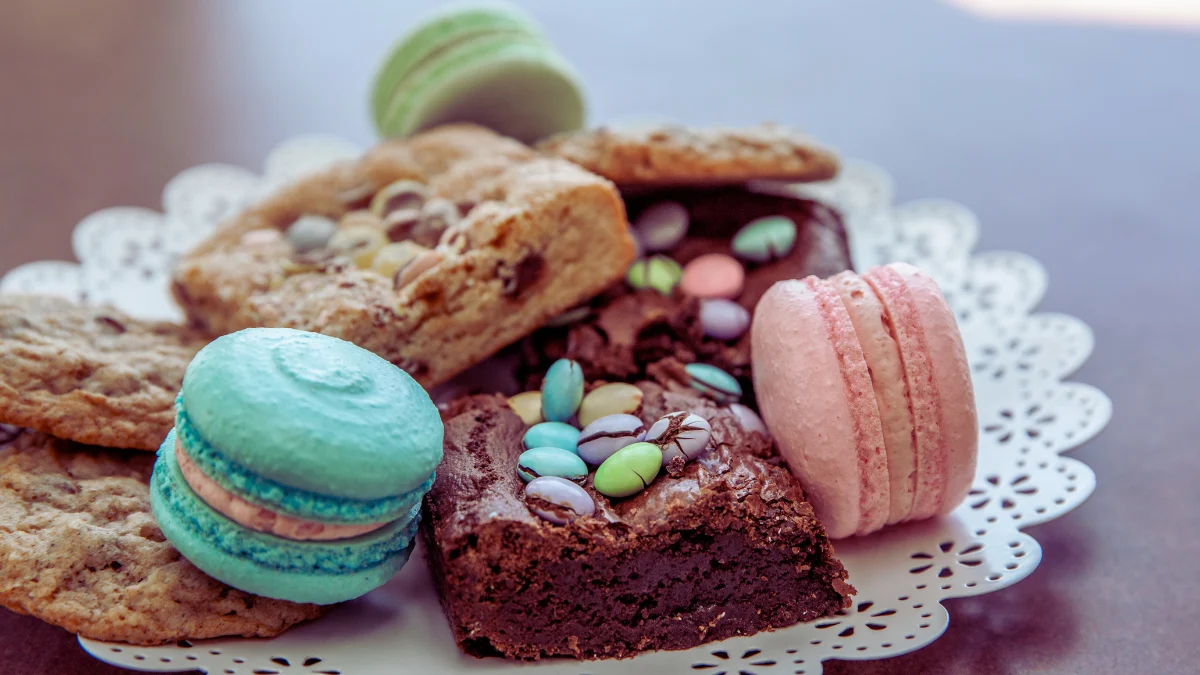
Store-bought pastries, cookies, and cakes hide multiple cholesterol-raising ingredients. Many contain shortening or margarine with trans fats, which are particularly harmful to heart health. The white flour used lacks the fiber that could help control cholesterol.
The sugar content in these treats can trigger weight gain, further stressing your cardiovascular system. Even products claiming “zero trans fats” may contain up to 0.5 grams per serving due to labeling loopholes.
Your body responds differently to these foods after 30. Blood sugar spikes from refined carbohydrates become more pronounced, triggering inflammation and stress on your arteries.
The combination of sugar and unhealthy fats is particularly problematic as you age, creating a perfect storm for cholesterol issues and weight gain around your midsection.
You can still enjoy occasional treats by making smarter choices. Bake at home using olive oil or avocado oil instead of butter. Substitute whole grain flour for at least half the white flour in recipes.
Add fiber with nuts, seeds, or fruit to slow sugar absorption. Dark chocolate in moderation can satisfy sweet cravings with heart-healthy flavonoids. Remember that not all baked goods are created equal – homemade versions allow you to control ingredients and portion sizes.
6. Fast Food
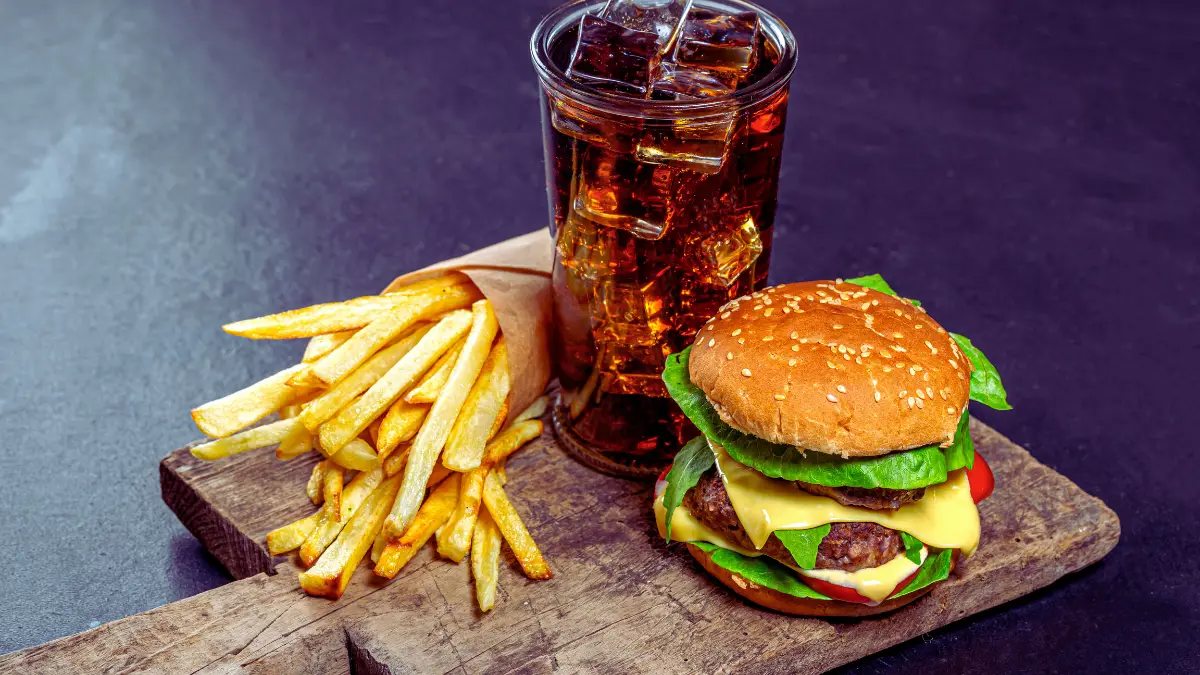
Burgers, fries, and milkshakes combine multiple cholesterol-raising ingredients in one convenient but dangerous package. The typical fast food meal contains a triple threat of trans fats, saturated fats, and excess sodium.
This combination doesn’t just raise your LDL cholesterol—it also triggers inflammation throughout your body, damaging blood vessel walls where cholesterol can accumulate.
Your metabolism changes significantly after 30, making fast food even more problematic. The high-calorie density leads to weight gain, which further raises cholesterol levels in a vicious cycle.
Your body stores more fat around vital organs, increasing insulin resistance and making it harder to maintain healthy cholesterol levels. Just one fast food meal can affect your blood vessels for hours afterward.
Planning can help you avoid fast food pitfalls. Keep healthy snacks in your car, desk, or bag to prevent hunger emergencies. When you must eat on the go, look for restaurants with healthier options like salads with grilled protein or broth-based soups.
Many chains now post nutrition information, allowing you to make smarter choices. Skipping the special sauce, and cheese, and upgrading to a side salad instead of fries can cut the cholesterol impact substantially.
7. Hydrogenated Margarine
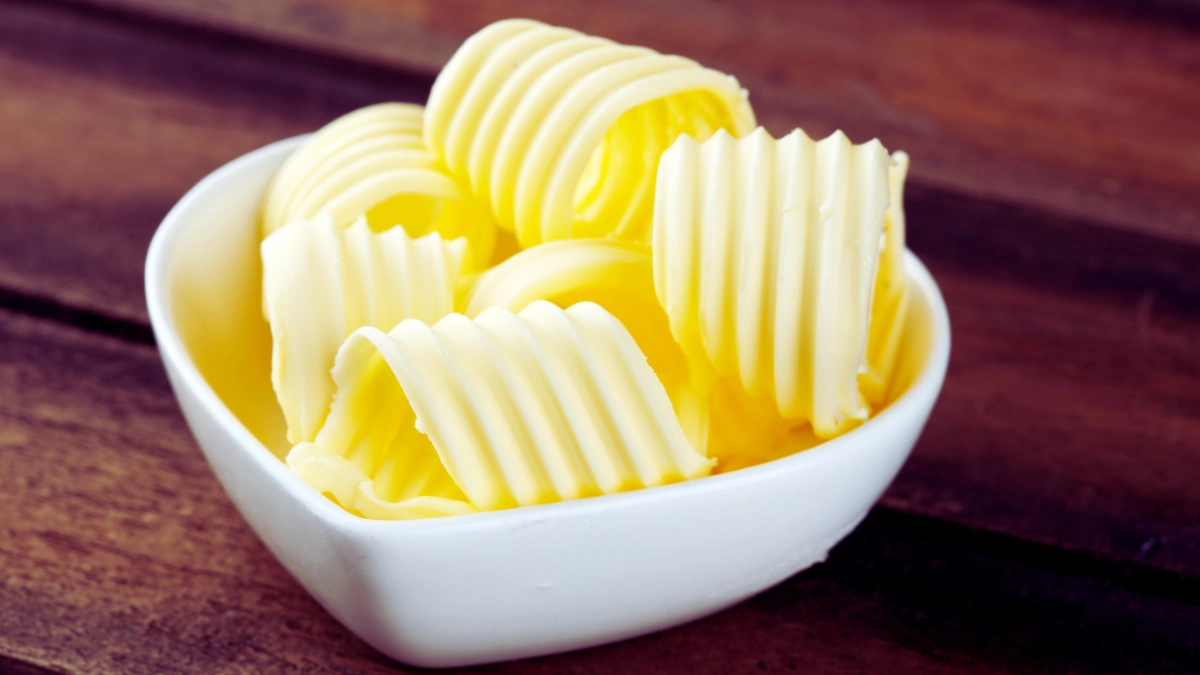
Stick margarine might seem like a good alternative to butter, but it often contains dangerous trans fats from partially hydrogenated oils. These artificial fats are widely known as some of the worst substances for heart health.
A study published in the New England Journal of Medicine by Mozaffarian and colleagues found that trans fats increase heart disease risk by 19% compared to healthier unsaturated fats. The study showed these fats damage blood vessels and raise inflammation markers throughout the body.
Adults over 30 face greater risks from margarine consumption as their cardiovascular systems become less resilient with age.
The trans fats in margarine simultaneously raise your LDL cholesterol while lowering beneficial HDL cholesterol—exactly the opposite of what your body needs. Your liver processes these artificial fats poorly, increasing fat storage around vital organs and raising cholesterol production.
Healthier alternatives are readily available in most grocery stores. Look for tub margarines that list “0g trans fat” and don’t contain partially hydrogenated oils in the ingredients.
Even better choices include olive oil, avocado oil, or nut butter on your toast. For cooking, consider using small amounts of grass-fed butter or olive oil instead of margarine. These natural fats contain nutrients that support overall health without the processed chemicals.
8. Organ Meats
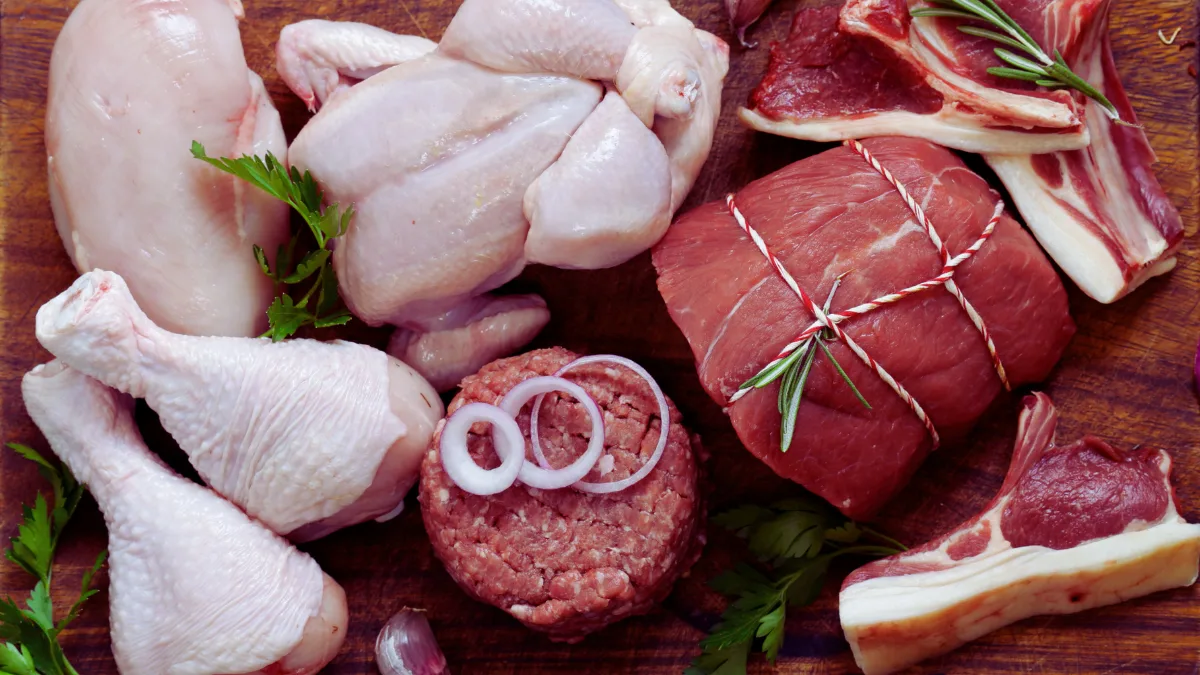
Liver, kidney, and other organ meats contain extremely high levels of dietary cholesterol. Beef liver, for example, packs about 330mg of cholesterol per 100-gram serving—more than an entire day’s recommended limit for someone with cholesterol concerns.
While these foods offer valuable nutrients like iron, vitamin A, and B vitamins, their cholesterol content makes them problematic for adults over 30 with high cholesterol.
The impact of dietary cholesterol varies between individuals based on genetics. Some people experience significant LDL increases after consuming cholesterol-rich foods, while others show minimal changes.
After age 30, your body gradually loses its ability to efficiently process dietary cholesterol. Your liver becomes less effective at regulating blood cholesterol levels, making dietary sources more influential on your overall numbers.
You can obtain the nutrients found in organ meats from less problematic sources. Leafy greens provide iron and folate without the cholesterol concerns. Orange and yellow vegetables offer vitamin A precursors.
For protein, skinless poultry and fish deliver complete nutrition with less saturated fat and cholesterol. If you truly enjoy organ meats, limit them to occasional small portions rather than regular meals. Pâtés and spreads allow you to satisfy cravings in smaller amounts.
9. Tropical Oils
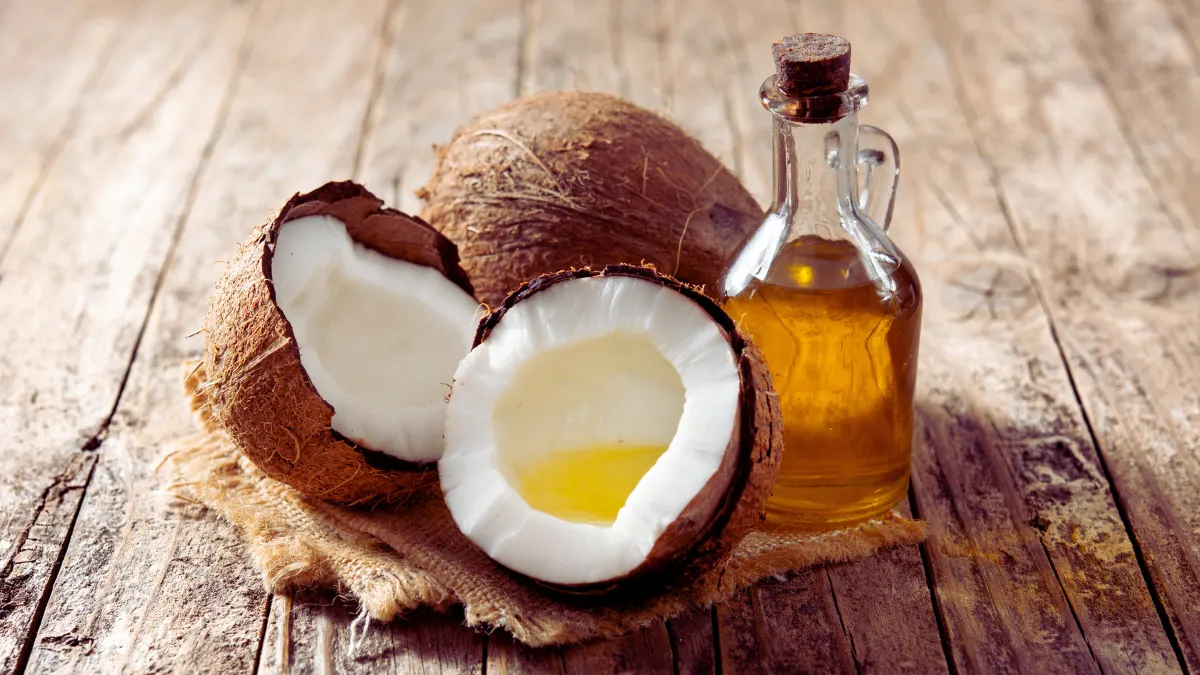
Coconut and palm oils have gained popularity in health food circles, but these tropical oils contain approximately 90% saturated fat—even more than butter.
The American Heart Association cautions against their regular use for heart health. Each tablespoon adds about 12 grams of saturated fat to your diet, pushing you closer to daily limits that protect your cardiovascular system.
After 30, your metabolism slows and your body becomes less efficient at processing saturated fats. The high concentration of tropical oils can significantly impact your cholesterol profile.
Your liver responds to these fats by producing more cholesterol, raising your LDL levels over time. The marketing of these oils often highlights benefits while downplaying their potential risks to heart health and cholesterol levels.
Better cooking oil choices include olive oil, which contains heart-healthy monounsaturated fats that may help lower LDL cholesterol. Avocado oil offers similar benefits with a higher smoke point for cooking.
Walnut and flaxseed oils provide omega-3 fatty acids that support cardiovascular health. When baking, applesauce or mashed bananas can replace oils in many recipes. These substitutions maintain moisture while adding nutrients instead of saturated fat.
10. Packaged Snacks
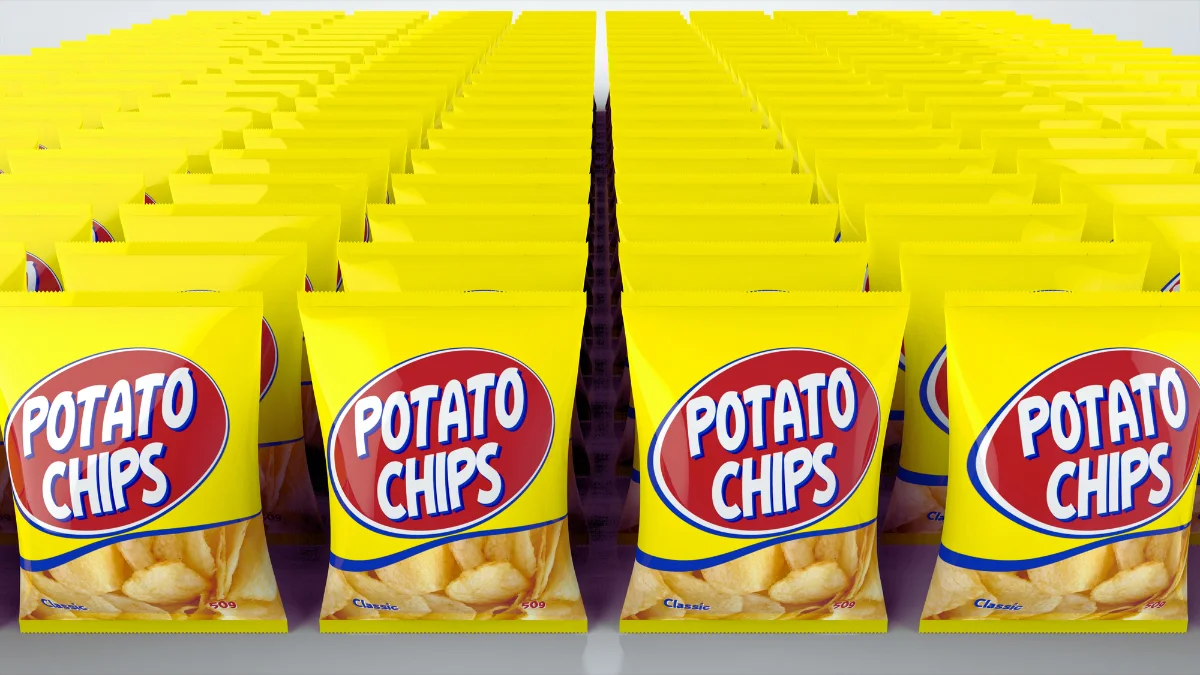
Chips, crackers, and similar convenience foods often rely on partially hydrogenated oils for texture and shelf stability.
A comprehensive 2003 meta-analysis published in the American Journal of Clinical Nutrition by Mensink and colleagues demonstrated that trans fats significantly worsen the total-to-HDL cholesterol ratio—a key marker for heart disease risk. The research showed even small amounts of these fats from regular snack consumption can harm cardiovascular health over time.
Your body’s response to processed snacks changes after 30. Blood sugar fluctuations become more pronounced, triggering inflammation that compounds cholesterol problems.
The combination of refined carbohydrates and unhealthy fats is particularly damaging as you age. Many packaged snacks also contain high sodium levels, which can raise blood pressure and further stress your cardiovascular system already challenged by high cholesterol.
Creating a pantry of healthier snack options helps avoid temptation. Nuts provide a satisfying crunch along with heart-healthy fats that may help lower LDL levels. Fresh or dried fruits offer natural sweetness with fiber that helps control cholesterol.
Air-popped popcorn provides volume and satisfaction with few calories. When shopping for packaged items, check nutrition labels for trans fat content and choose products with whole food ingredients. Your snack choices can either support or undermine your cholesterol management efforts.
11. Ice Cream
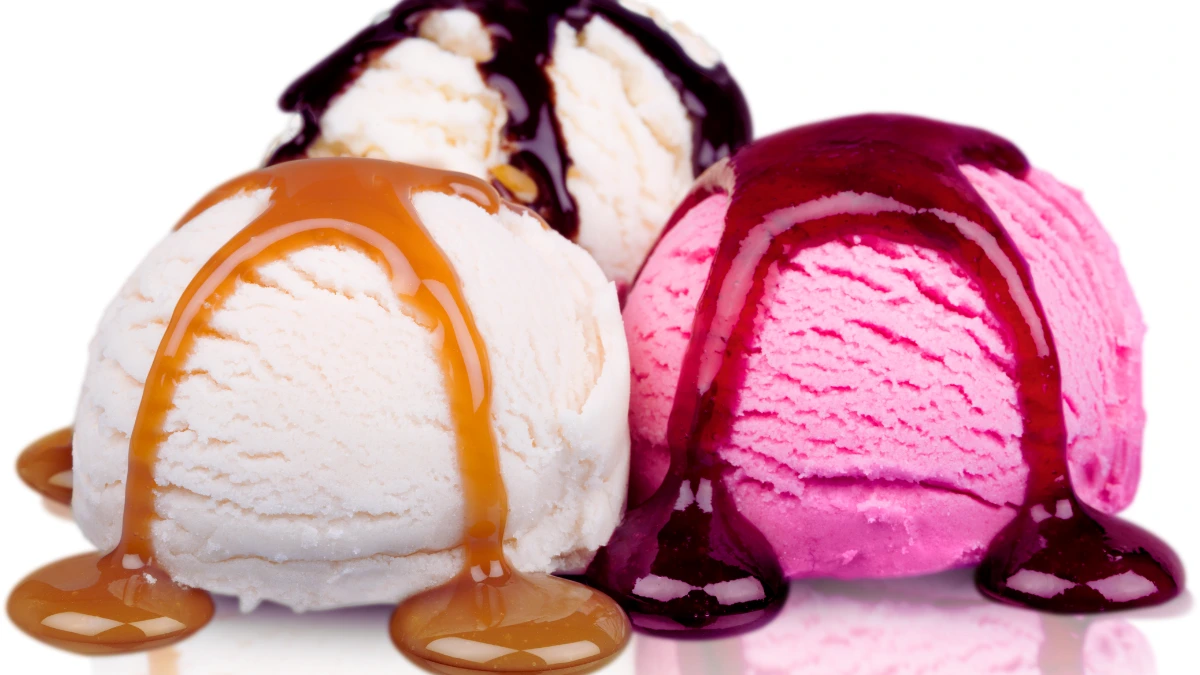
That cold, creamy treat in your freezer combines two major cholesterol-raising ingredients: saturated fat and sugar. A single cup of premium ice cream can contain up to 14 grams of saturated fat—nearly 70% of the daily recommended limit for someone watching their cholesterol.
The sugar content compounds the problem by triggering weight gain, which further raises your LDL levels and puts strain on your cardiovascular system.
Your body processes these indulgences differently after age 30. The saturated fat from dairy fat gets stored more readily, especially around your midsection where it poses the greatest risk to heart health.
Sugar metabolism also changes with age, causing more dramatic blood sugar spikes and subsequent crashes. This roller coaster effect triggers inflammation throughout your body, including your blood vessels.
You can still enjoy frozen treats without wrecking your cholesterol numbers. Low-fat frozen yogurt provides calcium and protein with less saturated fat. Fruit-based sorbets satisfy sweet cravings without dairy fat.
For a homemade option, blend frozen bananas until creamy and add a small amount of dark chocolate or berries for flavor. These alternatives keep the joy of dessert in your life while supporting your heart health goals.
12. Pizza
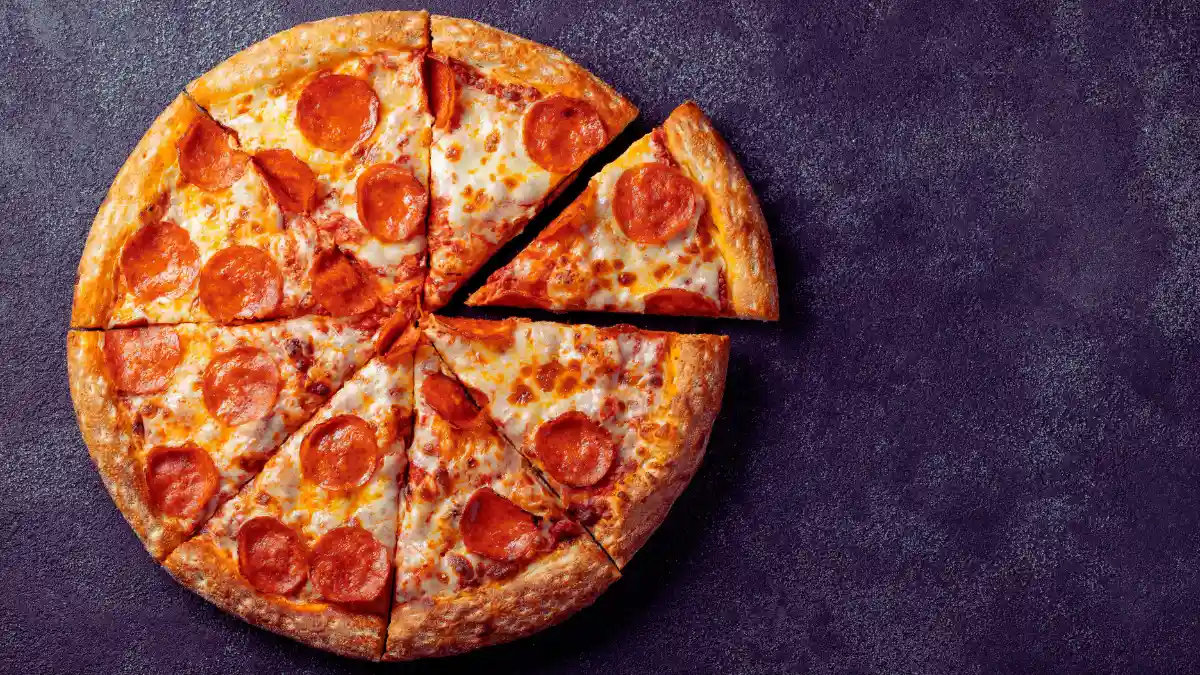
A favorite comfort food for many, pizza combines multiple cholesterol-raising components in each slice. The cheese alone contributes significant saturated fat—about 6 grams in a typical slice.
Add pepperoni or sausage toppings and that number jumps even higher. The refined white flour crust lacks fiber that could help manage cholesterol levels, while the oil in the dough adds additional fat. Just two slices can exceed your daily saturated fat limit.
People over 30 face greater challenges from pizza consumption. Your metabolism slows approximately 2% each decade after 30, making those extra calories more likely to convert to body fat.
Digestive enzymes decrease with age, making fatty foods sit heavier in your stomach and potentially raising blood triglyceride levels after eating. The fat-carb combination triggers stronger insulin responses, promoting fat storage.
You don’t need to completely abandon pizza night. Start by making pizza at home where you control the ingredients. Use whole grain crust for fiber that helps lower cholesterol. Replace most of the cheese with roasted vegetables that add flavor without saturated fat.
Try a thin layer of part-skim mozzarella, which contains less fat than cheddar or processed cheese blends. For meat lovers, small amounts of lean chicken provide protein without the cholesterol spike of processed meats.
13. Excessive Alcohol

Those evening drinks can significantly impact your cholesterol profile, especially after age 30. Alcohol consumption raises triglycerides, which work together with high LDL to increase your risk of heart disease.
The effect is particularly pronounced when you drink more than the recommended limits—one drink daily for women and two for men. Beer and cocktails add extra carbohydrates that further raise triglyceride levels.
Your liver handles alcohol differently as you age. After 30, liver function gradually declines, making it harder to process alcohol and manage cholesterol production simultaneously.
Alcohol contains empty calories that contribute to weight gain around your midsection. This visceral fat actively produces hormones and chemicals that raise inflammation throughout your body and disrupt normal cholesterol metabolism.
Moderation is key if you choose to drink. Red wine in small amounts (one 5-ounce glass) may offer some heart benefits due to its resveratrol content. Space alcoholic beverages between several alcohol-free days to allow your liver recovery time. Opt for wine spritzers or light beer to reduce calorie intake.
Stay well-hydrated when drinking to support healthy circulation and liver function. Remember that no health organization recommends starting to drink for heart benefits—the risks outweigh the potential advantages for non-drinkers.
14. Processed Cheese
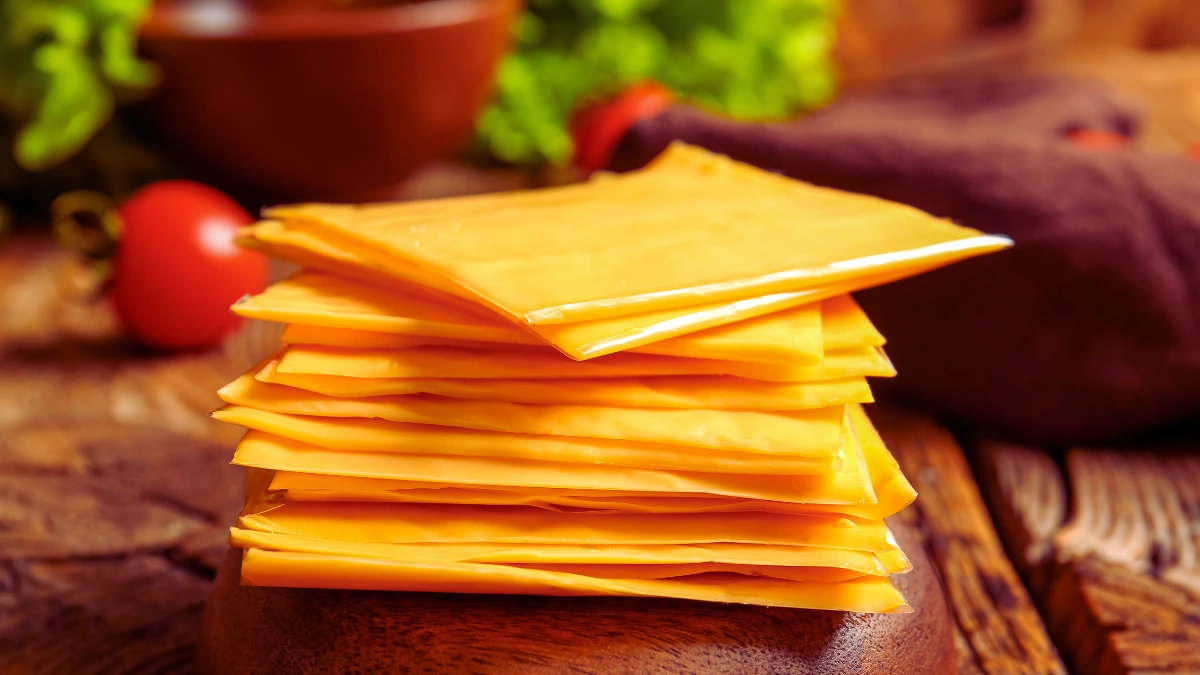
Those convenient singles, spray cheeses, and cheese spreads might make meal prep easier, but they harm your cholesterol levels in multiple ways. Processed cheese products contain more saturated fat than natural cheese due to added oils and fillers.
They typically pack high sodium levels—up to 400mg per slice—which raises blood pressure alongside cholesterol concerns. Many varieties also contain emulsifiers and preservatives that may trigger inflammation in your digestive system.
After 30, your sensitivity to sodium increases, making processed cheese even more problematic for overall cardiovascular health. Your taste buds become less sensitive with age, potentially leading you to consume more of these high-salt, high-fat products to achieve satisfaction.
The combination of fat and sodium creates a double burden on your heart and blood vessels already challenged by rising cholesterol levels.
Better cheese choices exist that satisfy cravings without the cholesterol impact. Small amounts of aged cheeses like parmesan provide intense flavor with less total fat. Low-fat mozzarella offers reliability with about half the saturated fat of cheddar.
For spreads and toppings, consider nutritional yeast, which provides cheesy flavor with B vitamins that support heart health. Avocado makes a creamy sandwich spread that provides heart-healthy monounsaturated fats. These smarter choices allow you to enjoy flavor without sacrificing your health.
15. Sugary Beverages

Sodas, sweet tea, and fruit drinks seem innocent regarding cholesterol, but they significantly impact your lipid profile through indirect pathways. These drinks flood your system with simple sugars that your liver converts to triglycerides and VLDL cholesterol.
Regular consumption raises triglyceride levels while simultaneously lowering beneficial HDL cholesterol. Just one 12-ounce soda daily can increase your heart disease risk by 20%.
Your body processes sugar less efficiently after 30, making these beverages more damaging with age. The fructose in many sweetened drinks gets processed almost exclusively by your liver, potentially causing fatty liver disease that further disrupts cholesterol management.
Sugar triggers insulin spikes that promote inflammation throughout your cardiovascular system. The liquid calories don’t trigger fullness, leading to overall higher calorie intake and weight gain.
Water should be your primary beverage for heart health. For variety, try unsweetened tea, which contains antioxidants that may help protect blood vessels. Sparkling water with a splash of fruit juice provides bubbles without the sugar load of soda.
Coffee without sugar may help raise HDL cholesterol when consumed in moderation. When you crave something sweet, whole fruits provide natural sweetness with fiber that slows sugar absorption and helps lower cholesterol.