

Feel sluggish lately? Your morning routine might be sabotaging your metabolism without you knowing it. After 40, your body naturally burns fewer calories, but certain daily habits make this decline worse.
Small morning changes can fire up your metabolism again. From the way you hydrate to how quickly you eat breakfast, these subtle habits impact how efficiently your body burns calories throughout the day.
Read on to discover the 15 morning mistakes that could be slowing your metabolism and exactly how to fix them for more energy and better weight management after 40.
1. Skipping Breakfast

Your body needs fuel after the overnight fast. When you skip breakfast, your metabolism slows down to conserve energy. This is especially problematic after 40 when your metabolic rate naturally begins to decline.
Your body responds to breakfast skipping by entering a mild “starvation mode.” This triggers hormonal changes that promote fat storage and muscle breakdown.
The body becomes more efficient at storing calories rather than burning them, exactly what you don’t want for maintaining a healthy weight.
Regular breakfast eaters typically burn more calories throughout the day. Try eating something within an hour of waking, even if it’s small.
This signals your body that food is available and keeps your metabolism running at its optimal rate instead of shifting into conservation mode.
2. Not Hydrating After Waking

Water plays a crucial role in nearly all metabolic processes. After 7-8 hours without fluids during sleep, your body is mildly dehydrated. This state can slow down your metabolism by up to 3%.
Drinking water first thing in the morning rehydrates your cells and helps flush out toxins that accumulate overnight.
Your body needs adequate hydration to efficiently convert food into energy. Without enough water, these processes become sluggish, leading to reduced calorie burning throughout the day.
Morning hydration also helps control hunger. Many people confuse thirst with hunger, leading to unnecessary calorie consumption.
Start your day with a full glass of water, then wait 20 minutes before eating. This simple habit kickstarts your metabolism and often reduces your morning appetite, helping you make better food choices.
3. Eating a High-Sugar Breakfast

Sugar-laden breakfasts cause rapid blood glucose spikes followed by crashes that leave you hungry and tired. These dramatic fluctuations stress your metabolic system and trigger insulin surges that promote fat storage, especially around the midsection.
The temporary energy boost from sugary cereals, pastries, or fruit juices quickly fades, leaving you reaching for more carbs. This cycle creates a rollercoaster effect that can lead to insulin resistance over time.
Your cells gradually stop responding properly to insulin, forcing your body to produce more of this fat-storage hormone.
Sugar also lacks nutritional value that could otherwise support your metabolism. Opt for complex carbohydrates paired with protein and healthy fats instead.
This combination provides steady energy without the crash and gives your body the nutrients it needs for optimal metabolic function throughout the day.
4. Avoiding Protein

Protein requires more energy to digest than carbs or fats, temporarily boosting your metabolic rate by 20-30% through what’s called the thermic effect of food. Missing protein at breakfast means missing this metabolic advantage.
After 40, maintaining muscle becomes increasingly challenging as natural age-related muscle loss begins. Morning protein provides essential amino acids that help preserve and build muscle tissue.
Since muscle burns more calories at rest than fat, maintaining muscle mass is key to preventing metabolic slowdown.
Protein also increases satiety hormones while reducing hunger hormones. This helps control appetite throughout the day, preventing overeating at later meals.
Good breakfast protein sources include eggs, Greek yogurt, cottage cheese, or plant-based options like tofu scrambles. Even adding a scoop of protein powder to your morning smoothie can make a significant difference.
5. Skipping Morning Movement

Light physical activity in the morning activates your muscles and increases blood flow, immediately raising your calorie burn.
This early activity sets your metabolism at a higher rate for hours afterward through a process called excess post-exercise oxygen consumption.
Morning movement also enhances insulin sensitivity, allowing your cells to more efficiently use blood glucose for energy rather than storing it as fat.
This is particularly beneficial for people over 40, who naturally experience declining insulin sensitivity with age.
You don’t need an intense workout to gain these benefits. A 10-minute walk, some gentle yoga stretches, or even household chores can be effective.
Consistency matters more than intensity. Making morning movement a habit signals to your body that it needs to maintain muscle tissue and metabolic flexibility, both crucial factors that tend to decline after 40.
6. Not Getting Sunlight Exposure

Morning sunlight does more than brighten your day—it regulates your body’s internal clock. This circadian rhythm controls when certain hormones are released, including those that manage your metabolism.
Without this natural light signal, your body struggles to synchronize properly. This lack of synchronization affects cortisol and melatonin production, two hormones that influence how your body processes food and burns calories.
After 40, hormone balance becomes increasingly sensitive to environmental cues like sunlight. Just 10-15 minutes of morning sun exposure can help maintain proper metabolic timing.
Sunlight also boosts vitamin D production, which plays a crucial role in fat metabolism. Many adults over 40 are vitamin D deficient, which correlates with slower metabolic rates and increased fat storage.
Try having your morning coffee by a sunny window or taking a brief outdoor walk soon after waking. This simple habit can help keep your metabolic hormones working optimally.
7. Overconsuming Caffeine

Coffee or tea can give your metabolism a temporary boost, but exceeding moderate amounts can backfire, especially after 40.
Too much caffeine overstimulates your adrenal glands, leading to cortisol spikes that promote fat storage rather than fat burning.
A study published in the Journal of Clinical Endocrinology & Metabolism found that excessive caffeine increased cortisol levels by approximately 30% in sedentary adults.
This hormone imbalance worsened insulin sensitivity, making it harder for cells to use glucose for energy. The researchers noted that subjects over 40 showed more pronounced negative effects than younger participants.
Your morning cup has benefits when consumed in moderation—about 200-300mg of caffeine daily (roughly 2-3 cups of coffee).
Consider switching to green tea after your first coffee, as it contains L-theanine, which moderates caffeine’s effects.
Also, avoid drinking caffeine on an empty stomach, which amplifies its stress-inducing properties and further disrupts metabolic function.
8. Skipping Strength Training

As you age past 40, your body naturally loses muscle mass—about 3-8% per decade. Since muscle tissue burns significantly more calories at rest than fat tissue does, this loss directly slows your metabolism.
Morning strength training helps combat this decline. A brief resistance exercise in the morning elevates your metabolic rate for hours afterward.
This “afterburn effect” means you’ll burn more calories throughout the day, even while sitting at your desk. The benefit extends beyond just the workout period itself, making morning an optimal time for metabolism-boosting exercise.
You don’t need an extensive gym session to see results. Body weight exercises like squats, push-ups, or resistance band work for just 10-15 minutes and can stimulate muscle preservation.
Consistency matters more than intensity. Making strength training part of your morning routine signals to your body that muscle maintenance is necessary, helping counteract age-related metabolic slowdown.
9. Starting the Day Stressed

Rushing through your morning with thoughts racing about upcoming deadlines triggers your body’s stress response.
This floods your system with cortisol, a hormone that signals your body to store fat, particularly around your midsection. After 40, your body becomes more sensitive to these stress signals.
Chronic morning stress disrupts other hormones that regulate appetite and metabolism. This hormonal imbalance often leads to cravings for high-calorie comfort foods and reduces your body’s ability to burn fat efficiently.
Your metabolism essentially switches into “conservation mode” when stress becomes a regular part of your morning.
Building a calmer morning routine can help protect your metabolic health. Try waking up 15 minutes earlier to avoid rushing, practice five minutes of deep breathing or meditation, or simply enjoy your breakfast without scrolling through emails.
These small changes can significantly lower cortisol levels and help maintain a healthier metabolic rate throughout the day.
10. Eating Refined Carbs (Toast, Pastries)

White bread, pastries, and other refined carbohydrates digest quickly, causing rapid blood sugar spikes followed by crashes.
These dramatic fluctuations put stress on your metabolic systems, especially after age 40 when insulin sensitivity naturally declines.
A 2013 study in the American Journal of Clinical Nutrition examined adults over 40 who regularly consumed high-glycemic breakfast foods.
Researchers found that participants experienced reduced resting metabolic rates by up to 8% compared to those eating fiber-rich, protein-balanced morning meals.
The study also noted increased hunger hormones throughout the day, leading to higher overall calorie consumption.
Switching to whole-grain options with fiber slows digestion and helps maintain stable energy levels. Pairing carbs with protein and healthy fats further buffers the blood sugar response.
Try oatmeal with nuts instead of toast, or eggs with sweet potatoes rather than pastries. These simple swaps support steadier glucose levels, helping maintain metabolic efficiency as you age.
11. Skimping on Sleep

Poor sleep directly impacts your hormonal balance, especially after 40. Just one night of inadequate rest reduces leptin (which signals fullness) and increases ghrelin (which triggers hunger).
This hormonal shift can increase your appetite by up to 20% the next day. Your body also becomes less efficient at processing glucose when sleep-deprived.
This forces your pancreas to produce more insulin, promoting fat storage rather than fat burning. Sleep loss specifically affects your resting metabolic rate, which can drop by 5-20% following poor sleep quality or quantity.
Adults over 40 tend to experience more fragmented sleep patterns naturally, making them more vulnerable to these metabolic effects.
Aim for 7-8 hours of quality sleep and maintain consistent sleep-wake times. Your body temperature needs to drop for deep sleep, so keep your bedroom cool (around 65-68°F).
Limit screen time before bed, as blue light disrupts melatonin production which signals your body to prepare for sleep.
12. Sitting Immediately After Breakfast

The way you spend the 30 minutes after eating significantly impacts how your body processes that meal. Sitting still after breakfast slows digestion and reduces the muscles’ ability to clear glucose from your bloodstream.
This leads to higher post-meal blood sugar and encourages fat storage. Blood flow to your digestive system improves with light movement, enhancing nutrient absorption and metabolic processes.
Your muscles act as glucose sponges when active, pulling sugar from your bloodstream to use as fuel rather than storing it as fat.
This becomes increasingly important after 40 when insulin resistance becomes more common. Light activity after eating can increase calorie burning by 5-10% for up to three hours.
Simply standing, washing dishes, or taking a casual 10-minute walk after breakfast makes a measurable difference.
This habit becomes even more valuable as you age, helping counteract naturally declining metabolism through a simple timing adjustment rather than increasing exercise intensity.
13. Ignoring Fiber
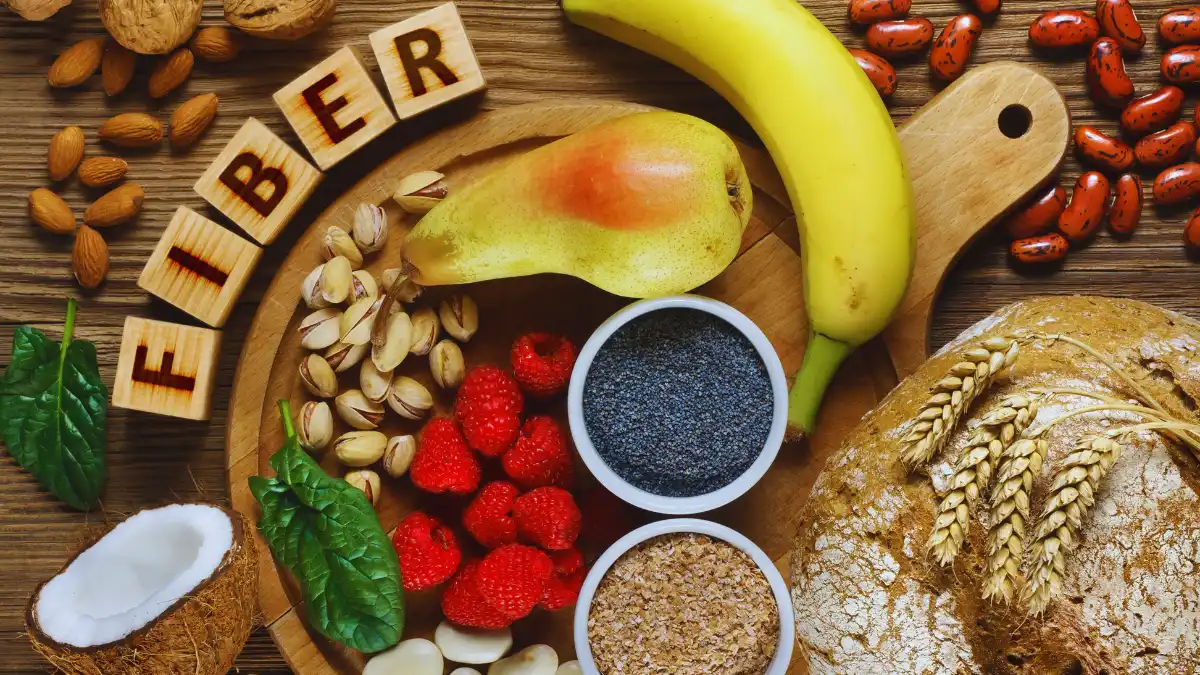
Fiber plays a crucial role in metabolic health that becomes increasingly important after 40. Soluble fiber forms a gel-like substance that slows digestion, preventing blood sugar spikes and crashes that stress your metabolic system.
It also feeds beneficial gut bacteria linked directly to metabolism regulation. Many common breakfast choices lack adequate fiber—juice instead of whole fruit, white toast instead of whole grain bread, or eggs without vegetables.
Without fiber, your digestion speeds up, leading to hunger returning quickly and energy levels dropping within hours of eating.
This often triggers unnecessary snacking and disrupts your body’s natural metabolic rhythm. Adults over 40 benefit from 25-30 grams of fiber daily, yet most get less than half that amount.
Morning meals provide an excellent opportunity to start meeting this goal. Adding ground flaxseed to yogurt, berries to oatmeal, or spinach to your eggs increases fiber content significantly.
These additions improve digestion efficiency, help maintain stable energy levels, and support the gut microbiome that influences how efficiently you burn calories throughout the day.
14. Using Artificial Sweeteners

Many people switch to artificial sweeteners believing they’ll help with weight management, but research suggests otherwise.
These sugar substitutes may trick your metabolism in ways that promote weight gain, especially after age 40 when metabolic flexibility naturally declines.
A breakthrough 2014 study published in Nature demonstrated how artificial sweeteners altered gut bacteria in both mice and humans.
The researchers found that regular consumption led to glucose intolerance—a precursor to metabolic syndrome and type 2 diabetes.
Most concerning, the study showed that participants over 40 experienced more pronounced negative effects, likely due to their already declining metabolic health.
Your taste receptors also adapt to the intense sweetness of artificial sweeteners, potentially making naturally sweet foods like fruit less satisfying. This can lead to increased cravings for sugary foods throughout the day.
Consider using small amounts of natural sweeteners like honey or maple syrup instead, or gradually reduce sweetener use altogether to retrain your palate and support healthier metabolic function.
15. Rushing Through Breakfast

Eating quickly prevents your body from properly registering the meal, which affects your metabolism in several ways.
When you rush, you typically chew less, reducing the initial digestive processes that begin in your mouth. This forces your digestive system to work harder, making nutrient absorption less efficient.
Hurried eating also bypasses your body’s satiety mechanisms. It takes approximately 20 minutes for your brain to receive fullness signals, so speed-eating often leads to consuming more calories than your body needs.
This pattern becomes more problematic after 40, when calorie needs naturally decrease but appetite might not automatically adjust.
Your nervous system plays a role too. Rushed meals keep your body in sympathetic (“fight-or-flight”) mode rather than parasympathetic (“rest and digest”) mode.
This stress state impairs digestion and metabolic efficiency. Try setting aside just 15-20 minutes to eat without distractions.
Putting down your utensils between bites and chewing thoroughly allows your digestive enzymes to work properly and gives your brain time to register fullness, supporting your metabolic health in a simple yet effective way.