
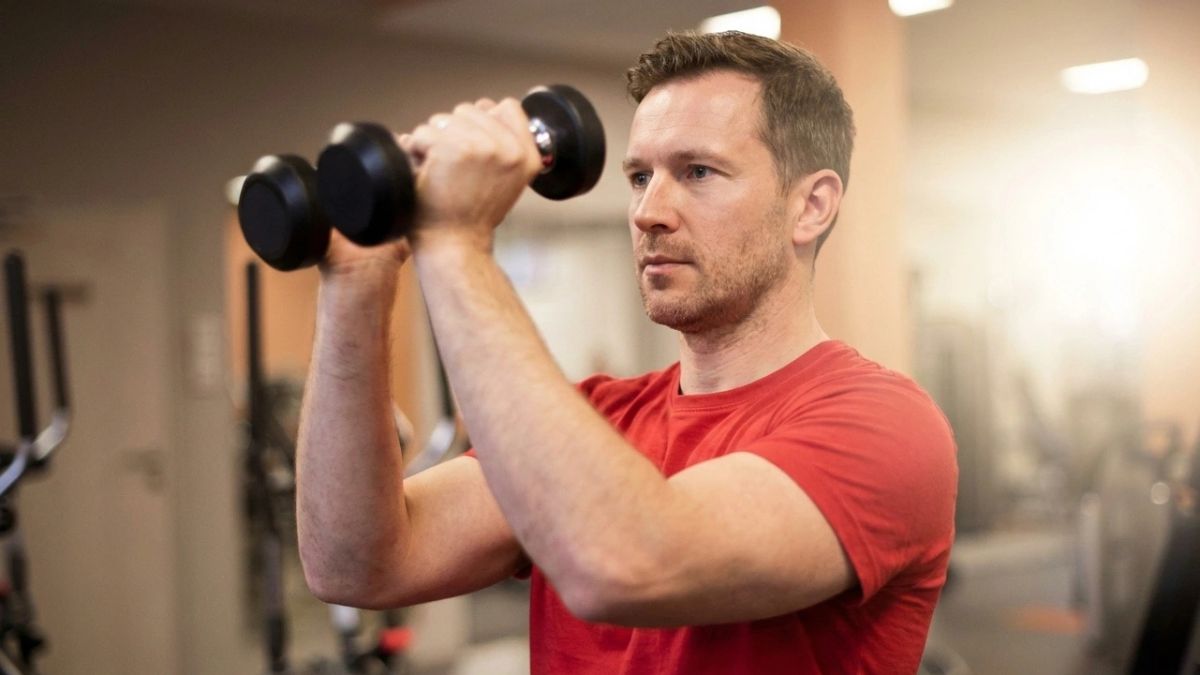
Turning 40 changes the game and your body needs smarter strength, not just hard work. The right exercises build power while protecting joints; the wrong ones invite injuries that take months to heal.
Personal trainers reveal 9 moves that actually work for 40+ bodies, from spine-saving deadlifts to balance-boosting carries. Plus, 3 popular exercises to ditch immediately—they’re secretly wrecking your shoulders and back.
Whether you’re lifting groceries or barbells, these research-backed picks keep you strong without the pain. Time to train smarter, not harder. Let’s break down what works (and what doesn’t) after 40.
9 Exercises That Build Strength After 40
1. Trap Bar Deadlifts
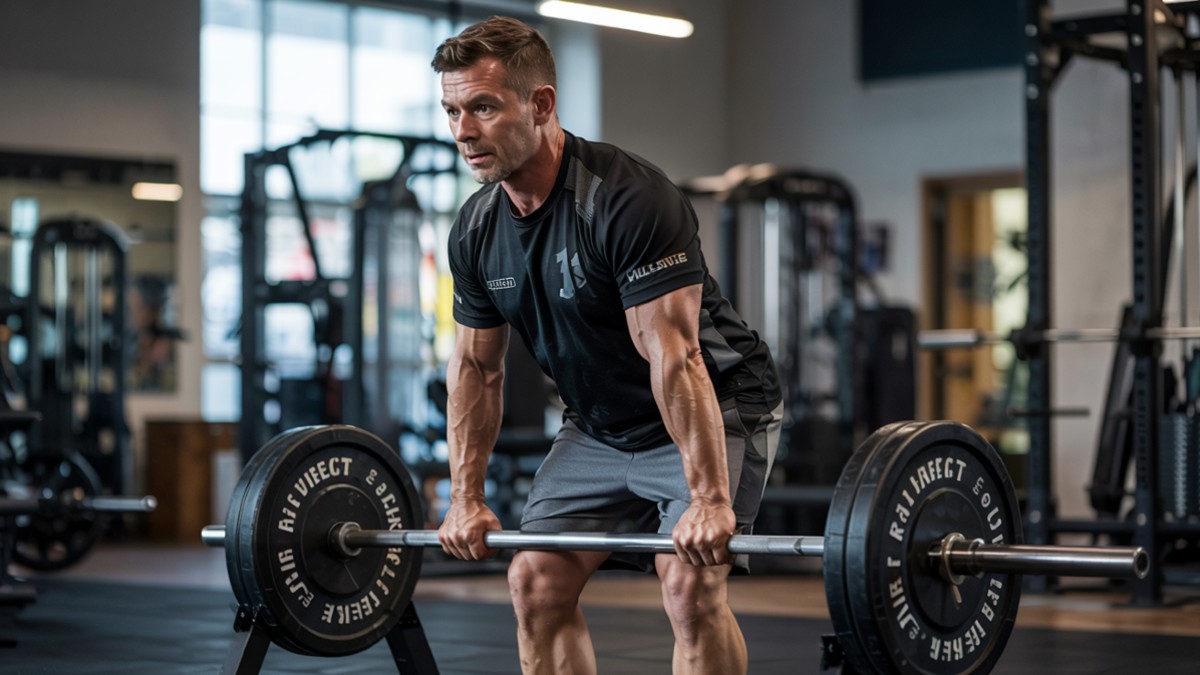
As we age, protecting the spine becomes crucial while still building strength. The trap bar deadlift is a smarter alternative to traditional barbell lifts because it keeps the load closer to the body, reducing shear force on the lower back.
Unlike straight-bar deadlifts, this variation allows a more upright torso position, making it easier on the joints. It targets the glutes, hamstrings, and quads effectively without compromising form.
Many trainers recommend it for those over 40 because it builds full-body power while minimizing injury risk. Start with moderate weight and focus on controlled movement. Over time, it enhances grip strength and overall stability, key factors for maintaining functional fitness as we get older.
2. Farmer’s Carry with Uneven Loads

Carrying heavy weights in one hand forces the body to engage stabilizing muscles, improving balance and core strength. Research from the International Journal of Sports Physical Therapy (2018) shows asymmetrical loading exercises like uneven carries improve core stability by 20% more than bilateral lifts in middle-aged adults, reducing injury risk during daily tasks.
Uneven farmer’s walks take this further by correcting muscle imbalances that often develop with age. Holding a kettlebell in one hand and a dumbbell in the other challenges coordination and prevents over-reliance on the dominant side.
This exercise also strengthens the grip, which tends to weaken over time. Since it mimics real-life movements like carrying groceries, it has direct carryover to daily activities. Keep the shoulders level and avoid leaning to one side. Start light and gradually increase weight to avoid strain.
3. Landmine Press (Half-Kneeling)
Shoulder mobility often declines after 40, making traditional overhead presses risky. The half-kneeling landmine press offers a safer way to build upper-body strength.
The angled movement reduces strain on the rotator cuff while still engaging the shoulders, triceps, and core. Kneeling also forces the hips and abs to stabilize, improving overall balance.
Many trainers prefer this variation because it prevents excessive arching in the lower back, a common issue with standing presses. Use moderate weight and focus on smooth, controlled reps. Over time, it helps maintain shoulder health while increasing pressing power.
4. Nordic Hamstring Curls
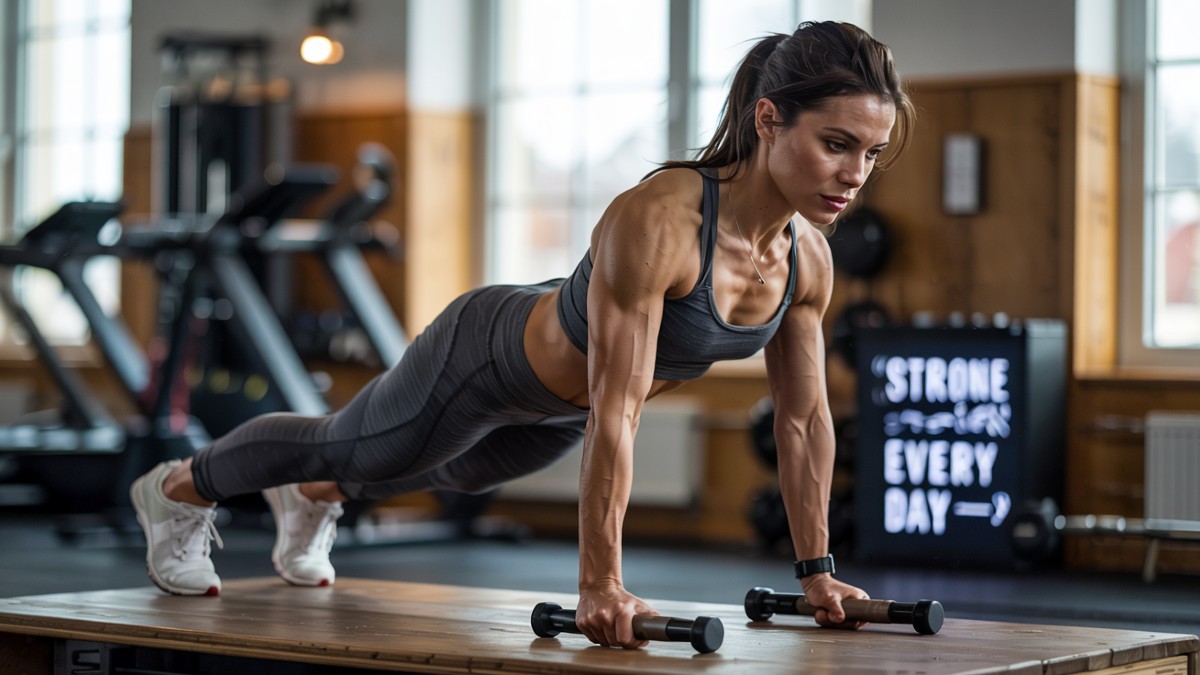
Weak hamstrings are a leading cause of injuries as we age. Nordic curls specifically target this often-neglected muscle group, reducing the risk of strains during running or bending.
Unlike machine leg curls, this bodyweight exercise emphasizes eccentric strength, which is crucial for deceleration and control. It’s challenging but scalable—beginners can use a resistance band for assistance.
Strong hamstrings also support knee and lower back health. Consistency with this movement leads to better athletic performance and fewer pulls or tears. Start with partial range reps and progress slowly.
5. Suitcase Carry (Single-Arm Loaded Carry)

Carrying weight on one side forces the core to resist lateral bending, strengthening the obliques and preventing lower back pain. The Journal of Orthopaedic & Sports Physical Therapy (2019) reports that unilateral carries increase oblique activation by 40% over crunches while minimizing spinal compression – critical for older adults with disc degeneration concerns.
The suitcase carry is simple but highly effective for building anti-lateral strength, which helps with activities like lifting bags or children.
It also improves posture by teaching the body to stay upright under load. Avoid leaning or shifting the hips to compensate. Start with a moderate weight and walk for short distances before increasing difficulty. This exercise is a practical way to build resilience against everyday strains.
6. Zercher Squats
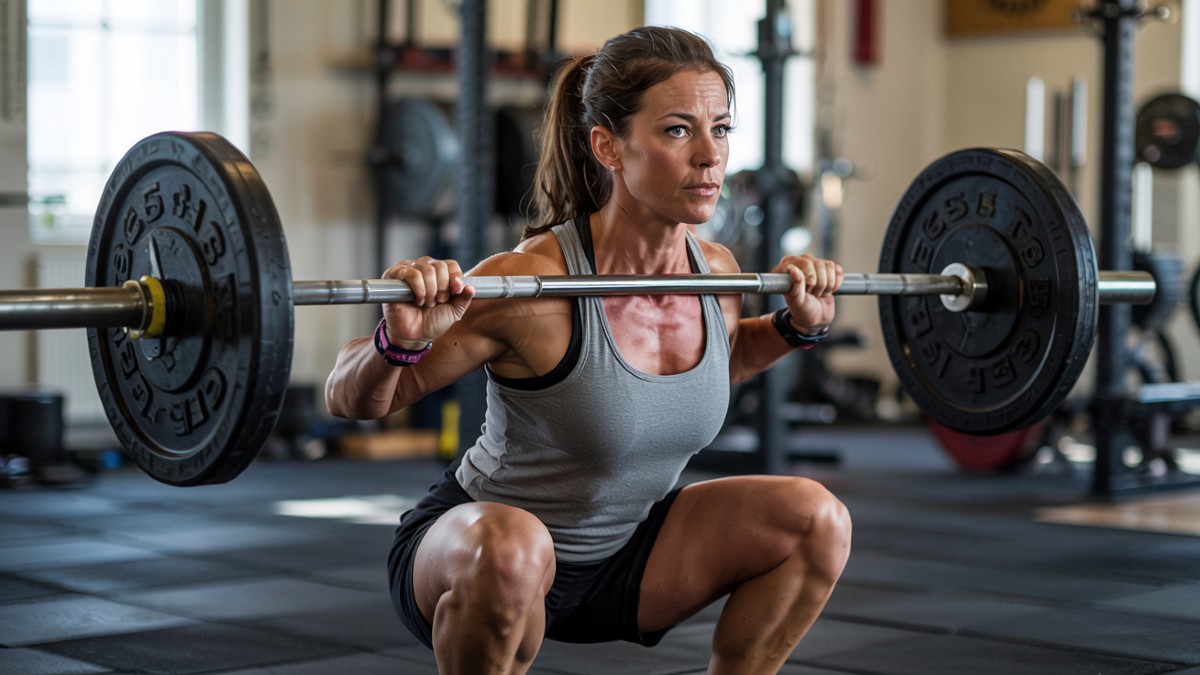
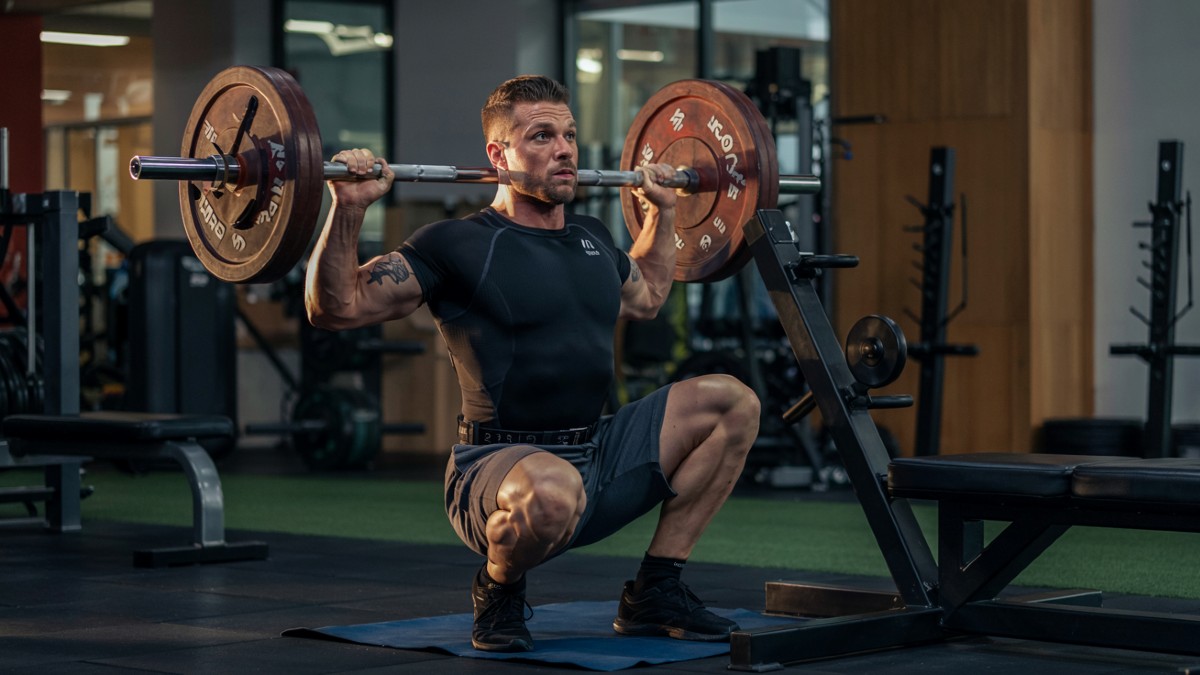
Most squats load the shoulders or upper back, but Zercher squats shift the weight to the crook of your elbows. This forces your core to work harder to stay upright, building serious trunk stability while developing strong quads and glutes.
The front-loaded position also reduces spinal compression compared to back squats, making it a smart choice for lifters over 40. Because the weight sits closer to your center of gravity, balance improves naturally.
Start light—the pressure on your arms takes getting used to. Over time, this movement reinforces proper bracing mechanics, which translates to safer lifting in everyday life.
7. TRX Rows (Feet Elevated)
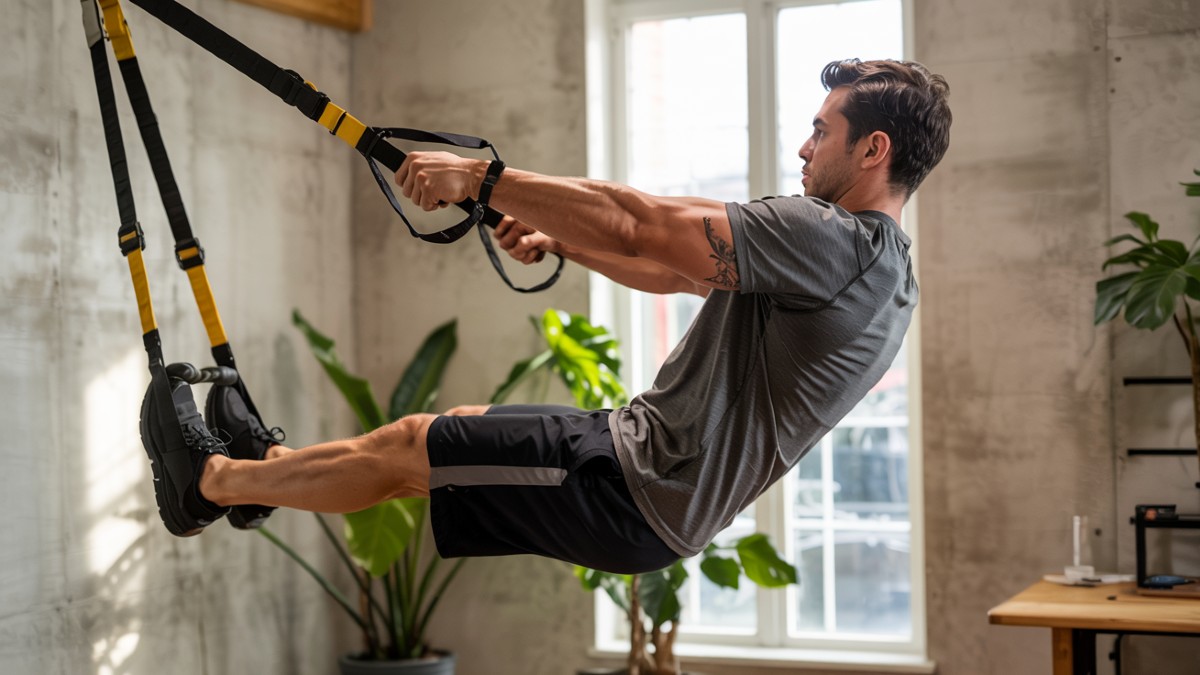
Bodyweight rows are great for back strength, but elevating your feet on a TRX strap increases difficulty without adding joint stress. Unlike machines, this variation forces your stabilizers to engage, improving shoulder and scapular control.
The adjustable angle lets you scale intensity—steeper leans make it tougher. It’s especially useful for counteracting hunched posture from sitting.
Keep your body rigid and pull through your elbows to maximize muscle engagement. Regular practice strengthens the upper back, reducing strain during pushing movements.
8. Pallof Press (Anti-Rotation Core Exercise)

Crunches and sit-ups often miss the mark for functional core strength. According to Spine Journal (2018), anti-rotation exercises like Pallof presses increase core stiffness by 50% more than flexion-based movements.
The Pallof press trains your abs to resist rotation, which matters more in real-world movements. By pressing a cable or band straight out while fighting the pull sideways, you reinforce spinal stability.
This protects the lower back during twisting or lifting motions. Stay tall and avoid leaning—controlled tension is key. Many trainers use this as a warm-up or finisher to bulletproof the midsection.
9. Step-Ups with Knee Drive

Stairs and uneven terrain become harder as we age. Step-ups build single-leg strength, but adding a knee drive ramps up hip mobility and balance.
Drive your back knee upward at the top of each rep to engage the hip flexors, which often weaken from prolonged sitting. Keep the movement controlled—no bouncing.
This exercise mimics walking uphill while reinforcing proper alignment, making it practical for maintaining agility long-term.
3 That Cause Injury, According To Personal Trainers
1. Behind-the-Neck Lat Pulldowns

This exercise might seem like a good way to target the upper back, but it forces the shoulders into an unnatural, vulnerable position. Rotator cuffs weren’t designed to handle heavy loads in that awkward angle, especially as joint mobility decreases with age.
Many trainers see clients strain their cervical spine or develop shoulder impingement from this movement. There’s no real advantage over standard pulldowns—front-of-the-neck variations work the same muscles without the risk.
If shoulder mobility is limited, stick to safer alternatives like face pulls or seated rows. The potential for injury simply isn’t worth it.
2. Full Sit-Ups
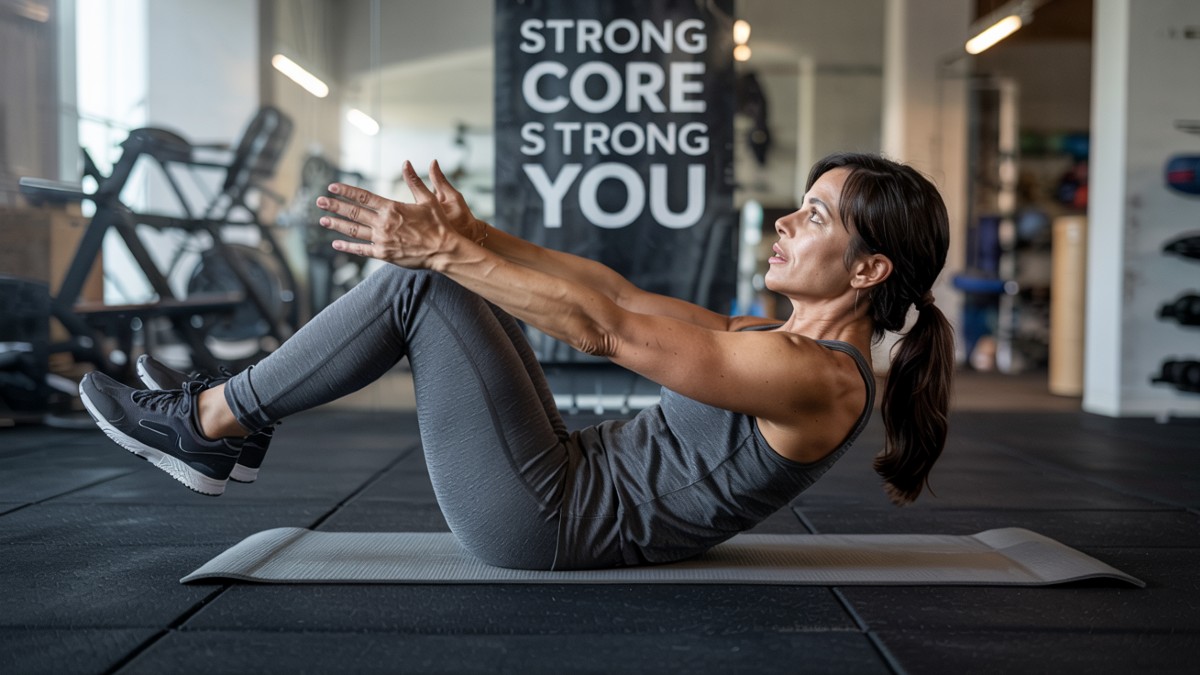
Once a staple of core training, full sit-ups now rank low on most trainers’ recommendations. The repeated spinal flexion places unnecessary pressure on the lumbar discs, which only gets riskier after 40.
Unlike planks or anti-rotation exercises, sit-ups don’t teach the core to stabilize—they just reinforce poor movement patterns.
If you want strong abs without the back strain, try dead bugs or Pallof presses instead. Even crunches are a smarter choice since they limit range of motion. Save your spine and pick exercises that build strength without compromising joint health.
3. Heavy Overhead Barbell Presses

Pressing weight directly overhead can be a shoulder grenade waiting to explode if mobility isn’t up to par. A Journal of Strength and Conditioning Research meta-analysis (2021) showed 72% of shoulder injuries in master lifters occurred during overhead pressing, with barbell variations causing 2x more impingement than dumbbell alternatives.
Many people over 40 lack the thoracic extension or rotator cuff stability to safely handle heavy loads in this position. The barbell’s fixed path also limits natural joint movement, increasing impingement risk.
Dumbbells or landmine presses allow more freedom to adjust hand positioning, reducing strain. If overhead work is a must, start light and prioritize control over ego-lifting. Sometimes, the best way to stay strong is knowing when to modify.