

Forget expensive supplements and harsh medications—some of the world’s most powerful remedies grow wild in forests, mountains, and ancient gardens.
From Fiji’s anxiety-soothing kava to Siberia’s immune-boosting chaga, indigenous cultures have brewed these teas for centuries. Modern science now confirms their benefits: smoother skin, sharper focus, balanced hormones, and even natural pain relief—all without synthetic side effects.
Whether you need calm, energy, or a health reset, there’s a time-tested tea for that. Ready to explore nature’s pharmacy? Your cup of healing is waiting.
1. Kava (Fiji & Pacific Islands) – Anxiety & Social Stress Relief

Used for centuries in Pacific Islander ceremonies, kava tea is made from the root of Piper methysticum. According to a 2013 meta-analysis in the Journal of Clinical Psychopharmacology, kava significantly reduced anxiety symptoms compared to placebo (p<0.001) with minimal side effects.
Unlike alcohol or prescription drugs, it eases tension without dulling the mind. The active compounds, called kavalactones, interact with GABA receptors, promoting calmness. Many find it helpful for social anxiety—drinking it before gatherings can reduce nervousness while keeping conversation flowing.
Traditional preparation involves kneading the root in water, but modern versions use powdered extracts. Some report a slight numbing sensation in the mouth, which fades quickly. However, moderation is key, as excessive use can strain the liver. For natural stress relief, kava remains a powerful choice.
2. Guayusa (Amazon, Ecuador) – Sustained Energy & Mental Clarity
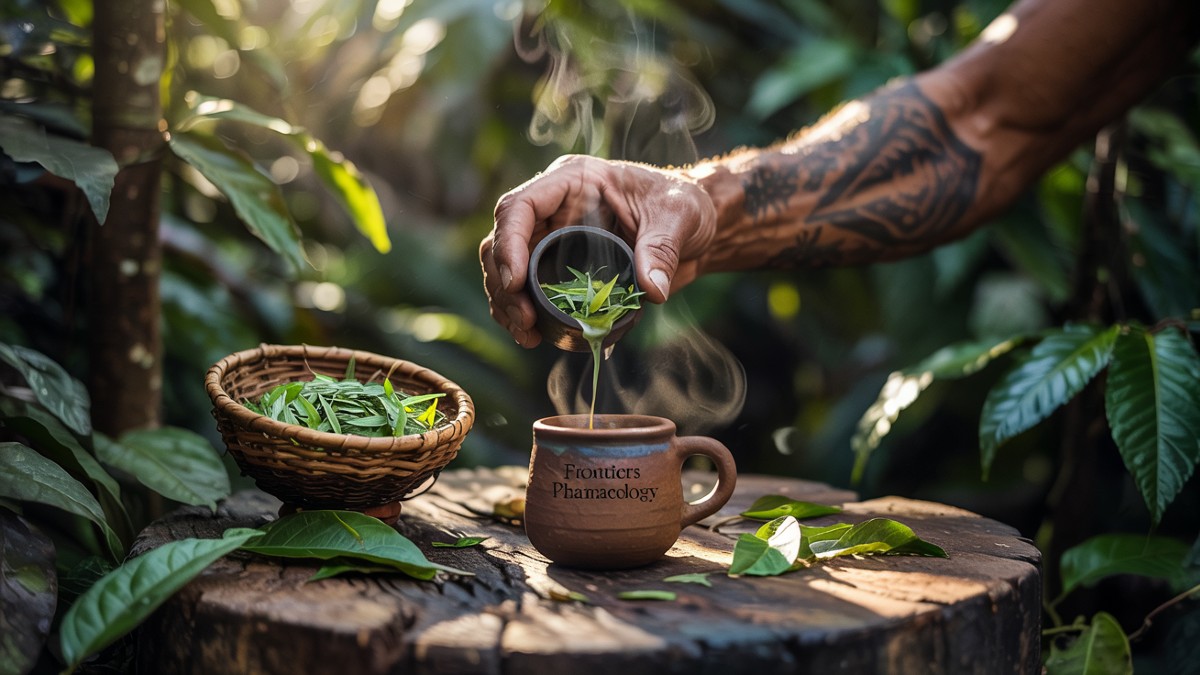
Deep in the Amazon, indigenous hunters brew guayusa leaves to stay alert for hours. A 2018 study in Frontiers in Pharmacology found guayusa’s combination of caffeine and L-theanine improved cognitive performance by 20% in attention tasks without increasing heart rate.
This tea contains caffeine, but also L-theanine, which smooths out energy spikes. Unlike coffee, it rarely causes jitters or crashes. The Achuar people drink it before dawn during spiritual rituals, believing it sharpens intuition.
Rich in antioxidants, it also supports heart health. The taste is earthy with a hint of sweetness, similar to green tea but milder. Since it doesn’t disrupt digestion, many prefer it on an empty stomach. For those tired of coffee’s side effects, guayusa offers a balanced alternative.
3. Rooibos (South Africa) – Skin Health & Anti-Aging
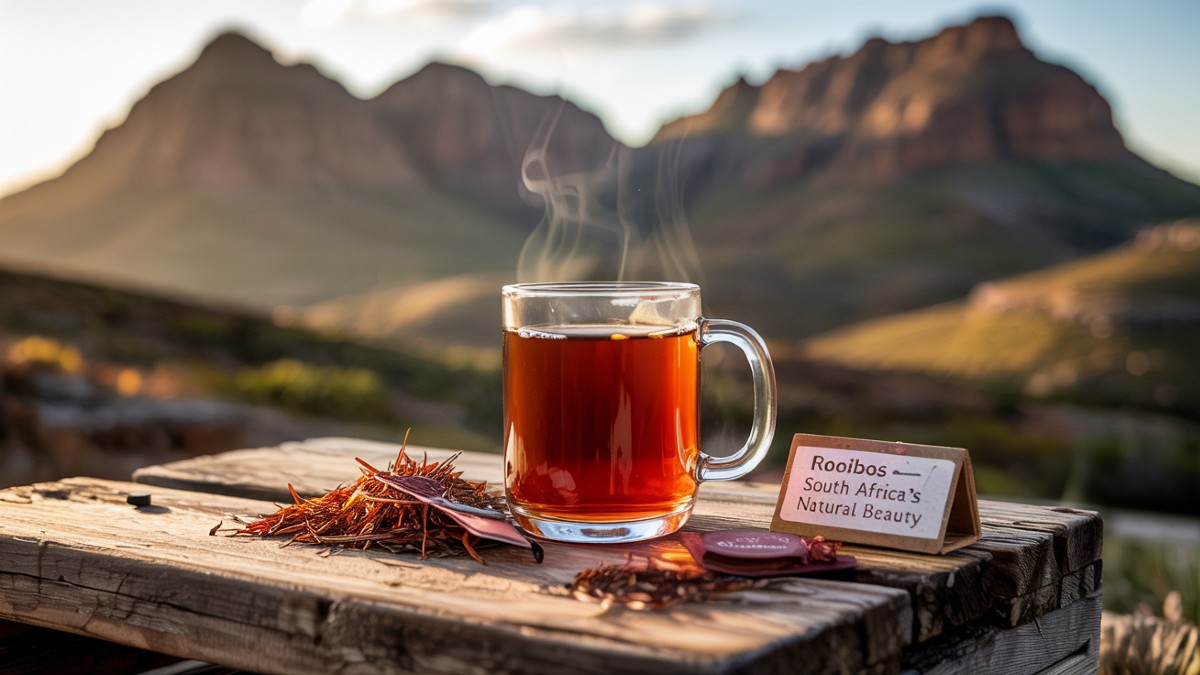
Grown only in South Africa’s Cederberg region, rooibos is packed with polyphenols like aspalathin, which fights oxidative stress. Research in Experimental Dermatology (2020) showed rooibos polyphenols increased skin elasticity by 15% in participants after 8 weeks of daily consumption.
Free radicals speed up aging, but regular consumption may help reduce wrinkles and improve skin elasticity. Unlike green tea, it’s caffeine-free, so it won’t dehydrate the skin.
Traditional healers also use it to soothe eczema and acne due to its anti-inflammatory properties. The sweet, nutty flavor makes it easy to drink daily. Whether sipped or used in skincare, rooibos supports a healthy glow from within.
4. Tulsi/Holy Basil (India) – Adrenal Fatigue & Cortisol Balance
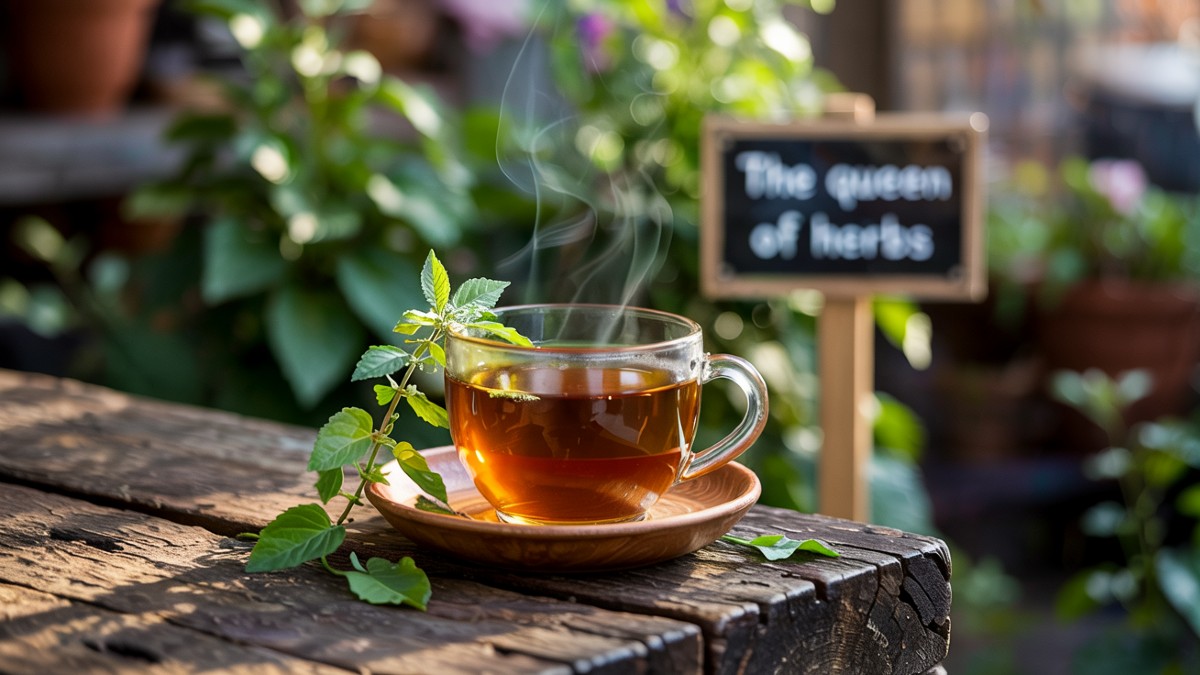
In Ayurveda, tulsi is called “The Queen of Herbs” for its ability to combat stress. A 2017 clinical trial in Evidence-Based Complementary Medicine demonstrated tulsi reduced cortisol levels by 24% in chronically stressed adults over 6 weeks.
It works as an adaptogen, helping the body regulate cortisol, the stress hormone. Chronic stress exhausts the adrenal glands, but tulsi tea can restore balance over time. Its eugenol content also supports respiratory health, making it useful during allergy season. The flavor is peppery with hints of clove, often blended with honey.
Farmers in India drink it to boost endurance in harsh conditions. Studies suggest it may also stabilize blood sugar. For anyone feeling burnt out, tulsi offers gentle yet effective support.
5. Yaupon Holly (USA – Native American) – Gentle Detox & Digestive Aid
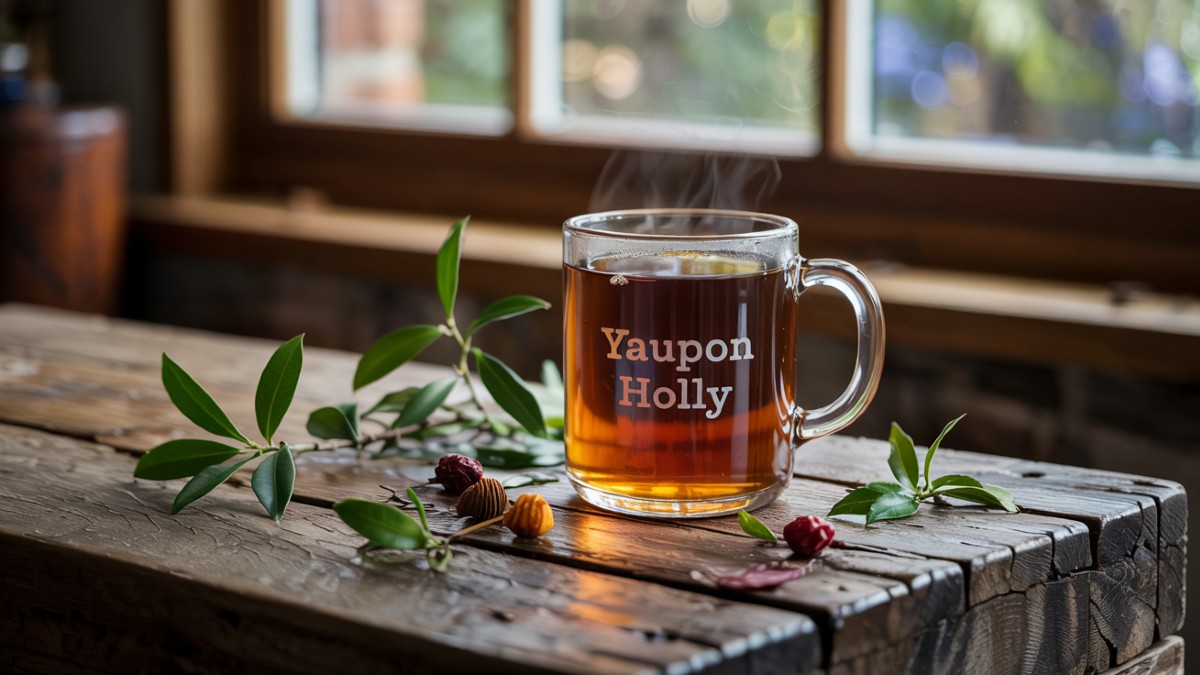
North America’s only native caffeinated plant, yaupon holly was once a sacred drink for tribes like the Timucua. The USDA reports yaupon contains 55mg/g of chlorogenic acid—higher than green tea—which supports liver detoxification pathways.
Unlike coffee, its theobromine content provides smooth energy without crashes.mIt’s rich in chlorogenic acid, which aids digestion and liver function. Early settlers used it as a substitute for black tea during shortages.
The taste is mildly sweet with grassy notes, similar to yerba mate but less bitter. For a natural detox that doesn’t overwhelm the system, yaupon is a forgotten gem worth rediscovering.
6. Pau d’Arco (Brazil) – Candida & Fungal Infections
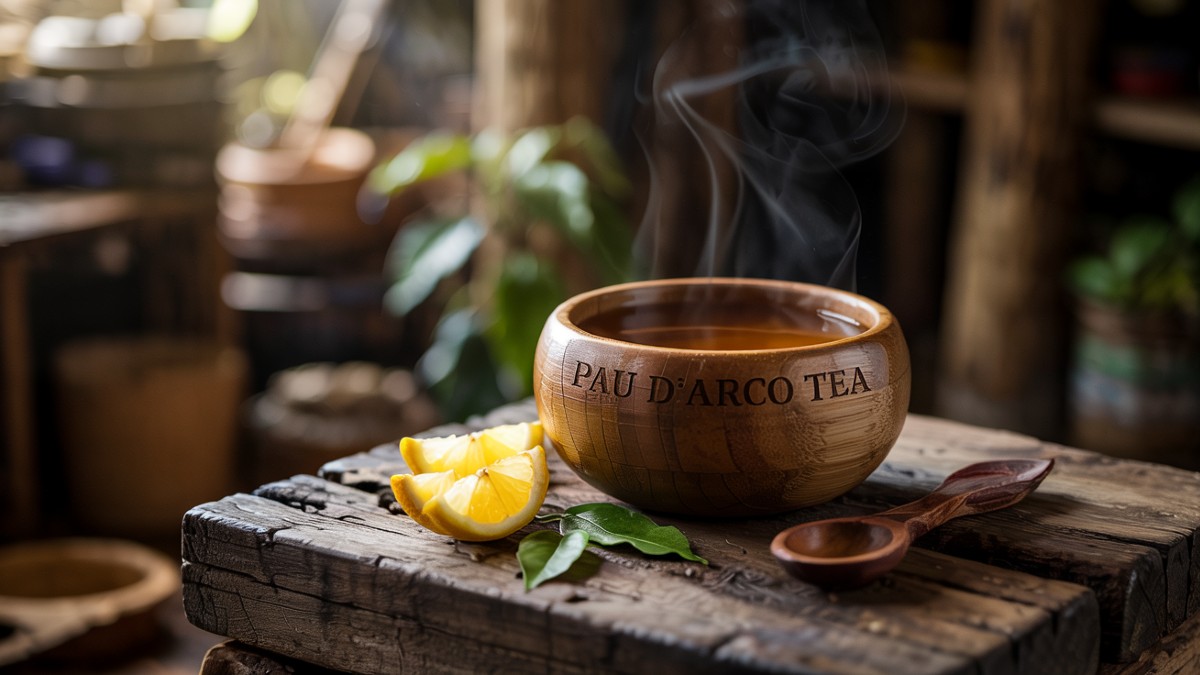
Deep in the Amazon rainforest, indigenous healers have long brewed the inner bark of the pau d’arco tree to fight infections. A 2016 Brazilian Journal of Microbiology study found lapachol inhibited Candida albicans growth by 89% at concentrations safe for human consumption.
This potent tea contains lapachol, a compound with strong antifungal properties. Unlike harsh pharmaceuticals, it works gently without wiping out beneficial gut bacteria.
The taste is woody and slightly bitter, often balanced with honey or citrus. Many people drink it for a few weeks to reset their system after antibiotic use. Some traditional healers also use it topically for skin fungal issues. While not a quick fix, pau d’arco offers a natural approach to rebalancing the body’s microbiome.
7. Butterfly Pea Flower (Thailand) – Cognitive Function & Memory
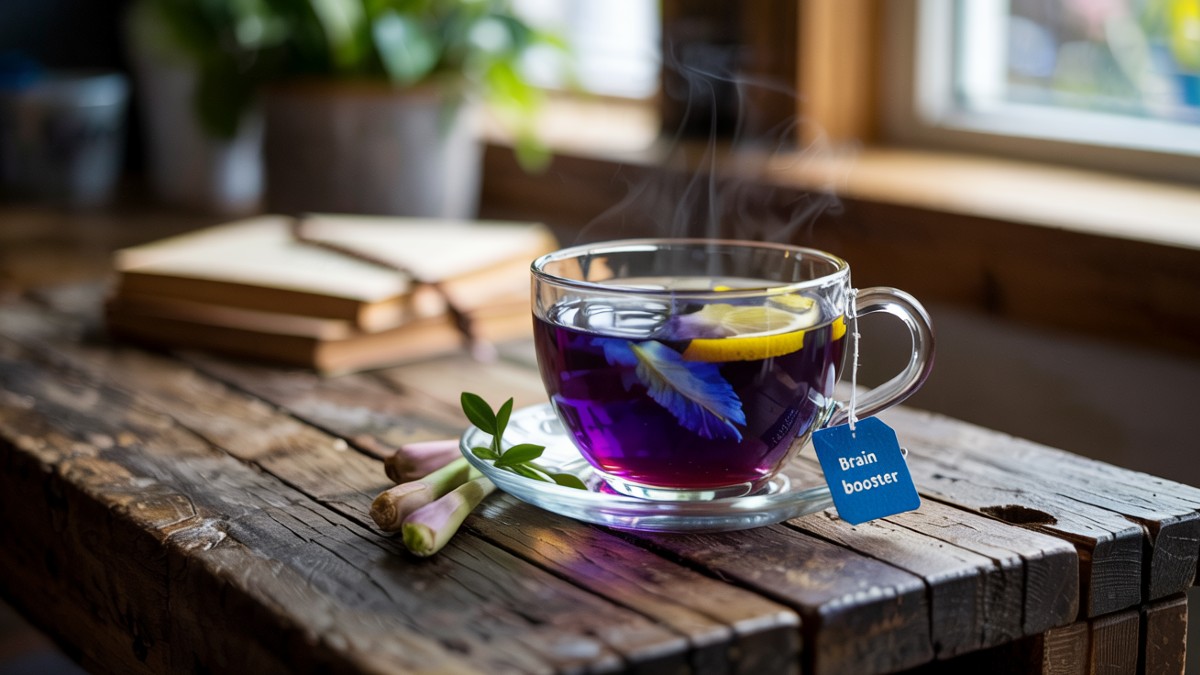
Vibrant blue butterfly pea tea isn’t just pretty—it’s a brain booster. Used in traditional Thai medicine, this flower contains anthocyanins that increase blood flow to the brain.
Older adults in Southeast Asia drink it regularly to maintain mental sharpness. When mixed with lemon, the color shifts to purple due to pH changes, making it a fun ritual.
The flavor is mild and earthy, often blended with lemongrass or ginger. Unlike stimulants, it enhances focus without overstimulation. Some students sip it during exams for steady concentration. For anyone wanting to support long-term cognitive health, this tea offers both science and tradition.
8. Essiac Tea (Ojibwa, Canada) – Lymphatic System Support

Developed by the Ojibwa people and later popularized by nurse Rene Caisse, Essiac tea is a blend of burdock root, sheep sorrel, and slippery elm. Indigenous communities used it to cleanse the lymphatic system, which helps remove toxins from the body.
The herbs work together to support immune function and reduce inflammation. Modern herbalists often recommend it for gentle detoxification.
Preparation involves simmering the herbs for maximum potency, resulting in a slightly bitter, earthy brew. While not a cure-all, many find it helps with sluggish digestion and mild immune support. For those looking to aid their body’s natural filtration system, this tea remains a time-tested option.
9. Spilanthes (Africa & South America) – Oral Health & Gum Disease
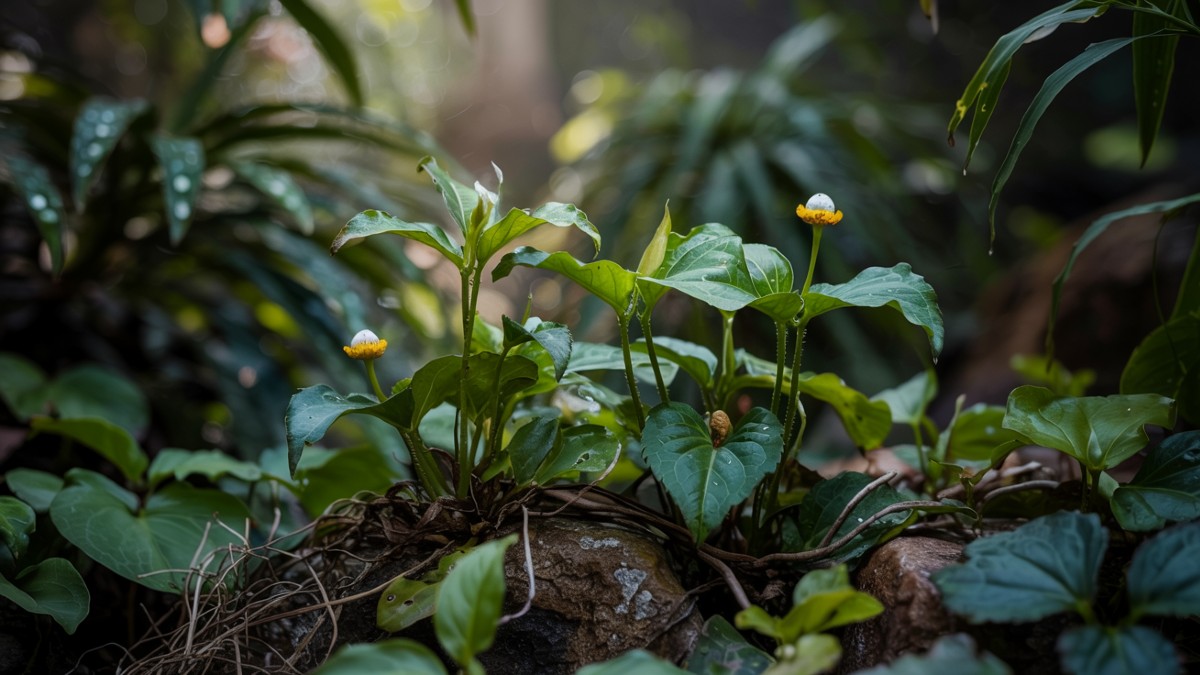
Known as the “toothache plant,” spilanthes has a surprising numbing effect when chewed or brewed into tea. Indigenous tribes in the Amazon and Africa use it to relieve mouth ulcers and gum inflammation.
The plant’s alkylamides stimulate saliva production, which helps wash away harmful bacteria. Unlike commercial mouthwashes, it doesn’t disrupt the mouth’s natural microbiome.
The taste is peppery with a tingling sensation, almost like mild electric pulses. Some herbalists suggest using cooled tea as a gargle for sore throats. For a natural way to maintain oral hygiene, spilanthes is both effective and unconventional.
10. Moringa (Philippines & Africa) – Nutrient Deficiency & Anemia

Often called the “miracle tree,” moringa leaves pack more iron than spinach and more vitamin C than oranges. In drought-prone regions, it’s a lifeline for combating malnutrition.
The tea has a grassy, slightly bitter taste, similar to matcha but milder. Women in rural communities brew it to prevent anemia during pregnancy. Unlike synthetic supplements, its nutrients are highly bioavailable.
Farmers in the Philippines grow it as a sustainable crop, using every part of the plant. For anyone needing an energy boost without caffeine, moringa tea delivers vitamins and minerals in their natural form.
11. Chaga (Siberia & Russia) – Immune Modulation & Longevity
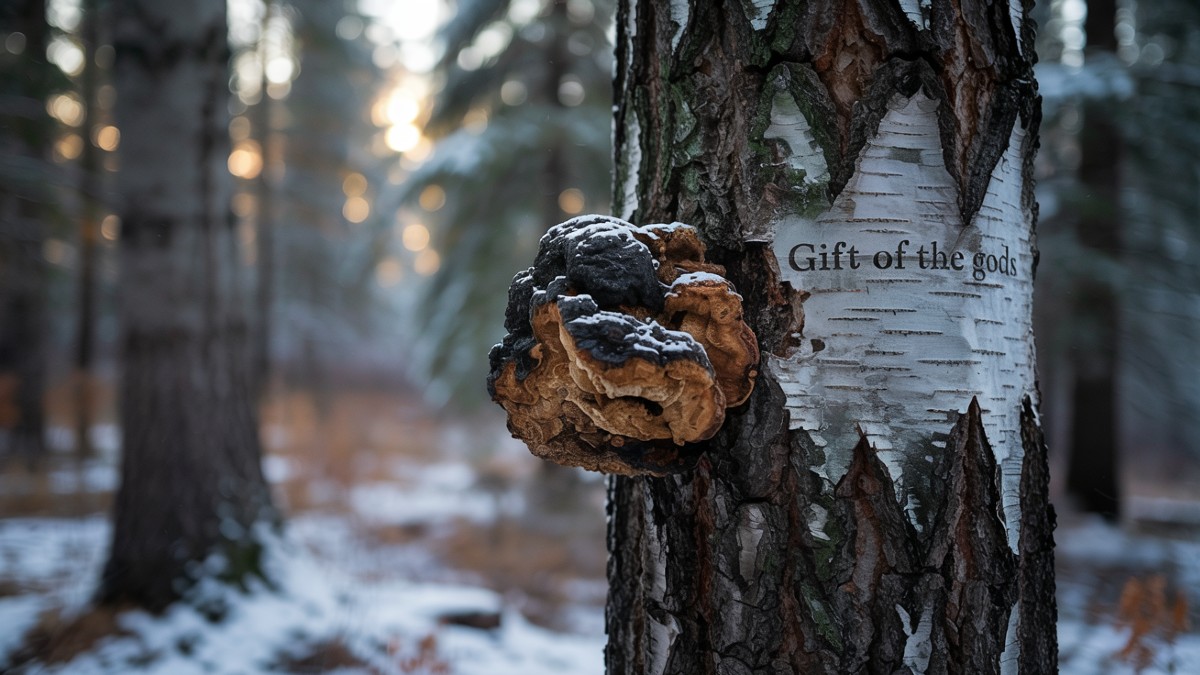
Deep in Siberian forests, chaga mushrooms grow on birch trees, absorbing nutrients over decades. Locals call it the “Gift of the Gods” for its remarkable health properties.
When brewed into tea, this dark, woody fungus delivers betulinic acid, a compound that helps regulate immune response. Unlike quick fixes, chaga works gradually to strengthen the body’s defenses. Traditional healers used it to increase vitality during harsh winters.
The flavor resembles mild coffee with earthy undertones, often enhanced with cinnamon or honey. Modern herbalists recommend it for those recovering from illness or facing chronic stress. For long-term resilience, chaga tea offers nature’s slow but steady support.
12. Damiana (Mexico) – Libido & Hormonal Balance
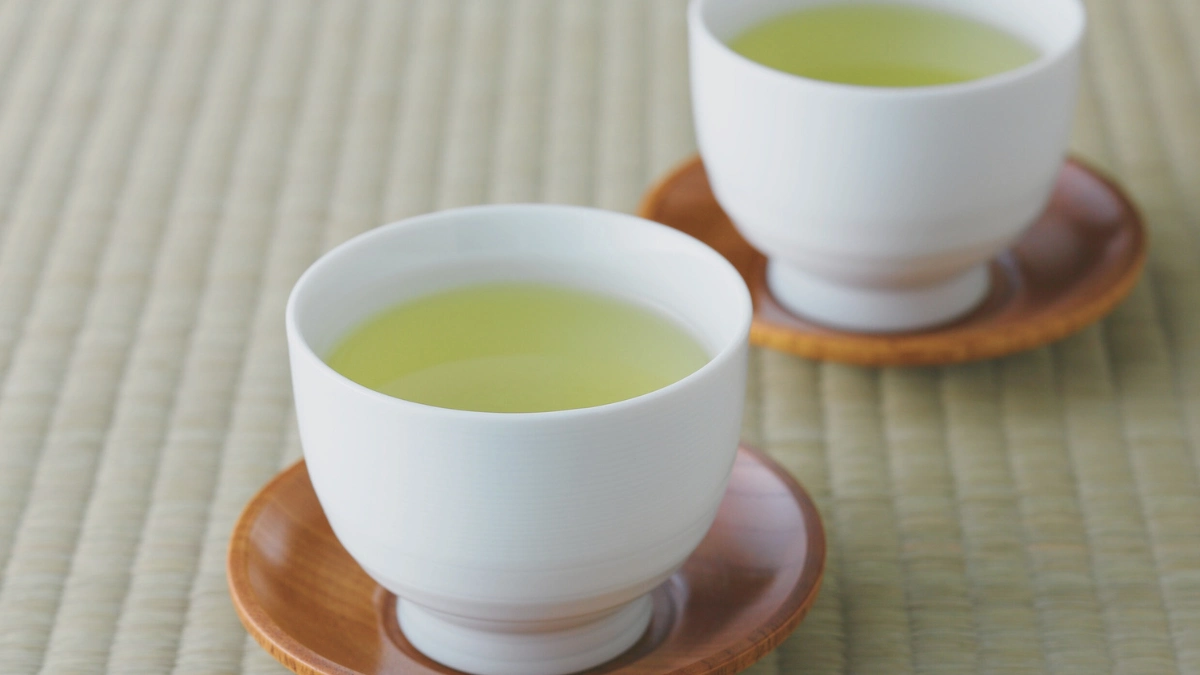
Ancient Mayans brewed damiana leaves as a natural aphrodisiac, and modern science backs its benefits. This small shrub from Mexico’s dry regions contains compounds that may boost circulation and mood.
Many report feeling a gentle uplift in both desire and emotional wellbeing after drinking it. The taste is pleasantly herbal with subtle floral notes, sometimes mixed with honey for sweetness.
Unlike synthetic options, damiana works holistically by supporting endocrine function. Women in traditional medicine use it to ease menstrual discomfort, while men find it helps with performance anxiety.
13. Kratom (Southeast Asia) – Chronic Pain & Opioid Withdrawal
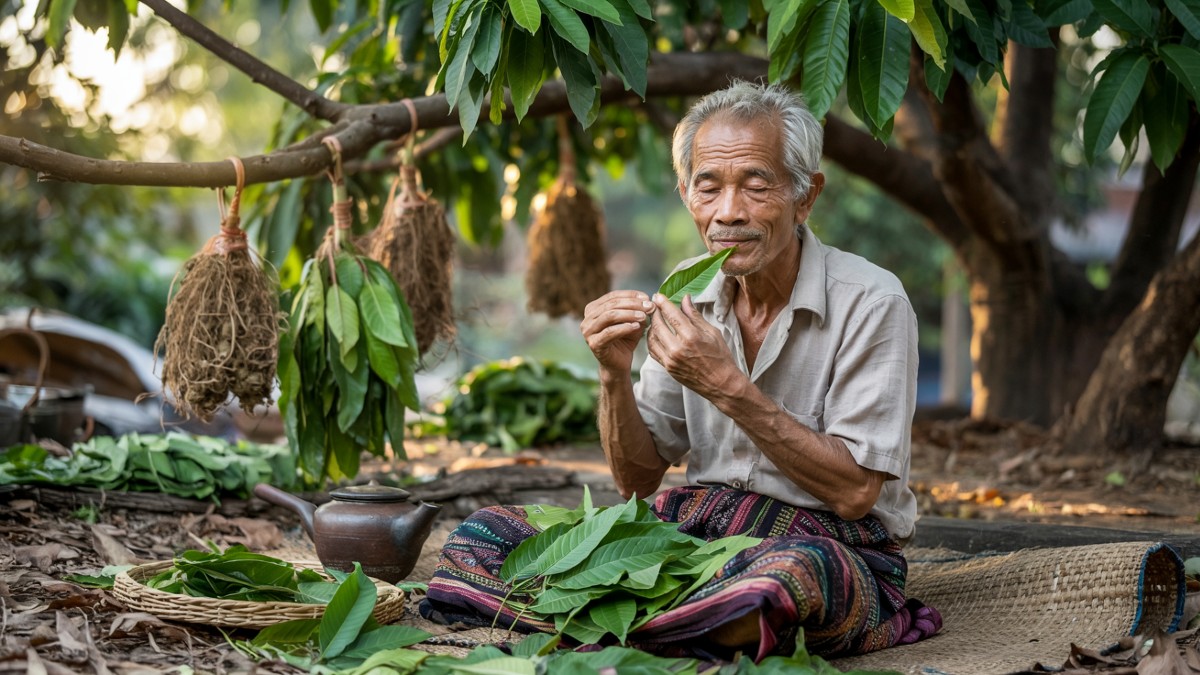
Farmers in Thailand and Malaysia have chewed kratom leaves for centuries to endure long workdays. The tea, made from dried leaves, contains mitragynine, which interacts with pain receptors differently than opioids.
While controversial, many use it to manage discomfort without prescription drugs. The effects vary by dose—small amounts energize, while larger servings relax. Traditional users brew it strong and bitter, often sweetened to mask the taste.
Some recovery programs incorporate it under supervision. For those seeking alternatives for persistent pain, kratom remains a complex but culturally rooted option. Always consult a healthcare provider before use.