

You reach for “healthy” breakfast options each morning, trusting they’ll fuel your day right. But that morning meal might be causing your stiffness, brain fog, and persistent discomfort.
As we age, our bodies become more sensitive to inflammatory triggers hidden in foods marketed as nutritious choices. What if those yogurt cups and granola bowls are working against you?
These simple swaps can dramatically reduce inflammation and help you feel better fast. Let’s uncover the surprising breakfast culprits secretly sabotaging your health after 40 and what to eat instead.
1. Flavored Yogurt

Plain yogurt offers anti-inflammatory benefits, but the flavored versions tell a different story. Many contain up to 15g of added sugars per serving, which can rapidly increase blood sugar levels and promote inflammation.
This sugar content works against the very benefits you might seek from yogurt. The processing of flavored yogurts often destroys the live probiotics that make yogurt healthy.
Without these beneficial bacteria, you lose the gut health advantages that help fight inflammation. The colorful packaging and fruit images can be misleading, suggesting health benefits that aren’t present.
For people over 40, these hidden sugars become particularly problematic as metabolism slows and the body becomes more sensitive to inflammatory triggers.
Your body might react with increased inflammatory markers after consuming what seemed like a healthy breakfast choice. Consider plain yogurt with fresh fruit instead for a truly anti-inflammatory option.
2. Store-Bought Granola
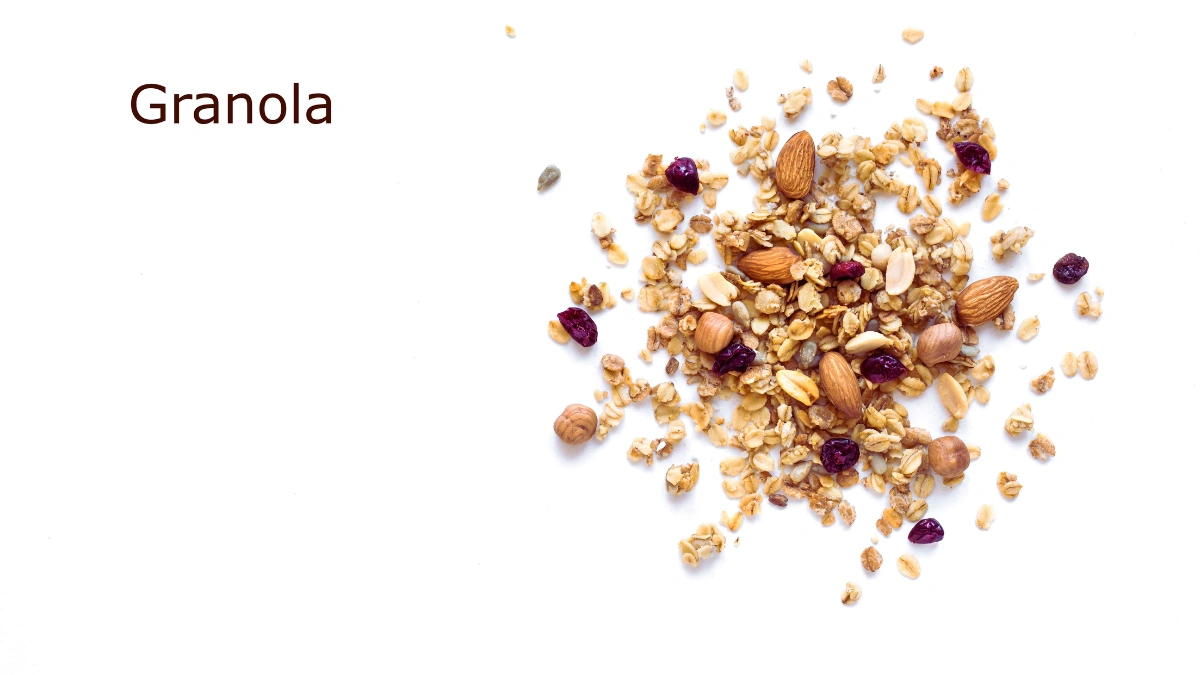
Granola packages often display words like “natural,” “low-fat,” or “whole grain,” creating a health halo effect. Look closer at the ingredients list, and you’ll find refined oils such as soybean oil alongside significant amounts of added sweeteners.
A typical half-cup serving can contain 12g of sugar—that’s three teaspoons hidden in your breakfast bowl. The combination of these refined oils and concentrated sweeteners creates a high glycemic load that can trigger insulin resistance over time.
This becomes especially concerning when metabolic efficiency naturally declines. The crunchy texture and nutty flavor make granola seem like a wholesome choice, but its inflammatory impact tells another story.
Manufacturing processes often involve high-temperature baking, which can create compounds that further contribute to oxidative stress in the body.
The convenience factor makes store-bought granola tempting, but its inflammatory potential should give pause. Making your granola with minimal sweeteners and healthy fats offers a better alternative.
3. Pre-Made Smoothies

Bottled smoothies lining refrigerated grocery shelves promise quick nutrition, but many contain fruit concentrates that act essentially like added sugar.
A standard 12oz store-bought smoothie can pack 30g of sugar—comparable to drinking a soda. This sugar enters your bloodstream quickly since it lacks the fiber of whole fruits.
The marketing often highlights vitamins and antioxidants while downplaying sugar content. Green-colored smoothies particularly mislead consumers into thinking they’re getting mostly vegetables when fruit juices or concentrates make up the bulk of ingredients.
The convenience factor costs you nutritionally, especially if you’re over 40 and more susceptible to blood sugar fluctuations.
Commercial smoothies frequently use heat-pasteurization, which destroys some nutrients while preserving shelf life.
Your body processes these liquid calories differently than whole foods, potentially increasing hunger later. The rapid absorption of sugar without adequate fiber creates precisely the kind of blood sugar roller coaster that promotes inflammation throughout the body.
4. Breakfast Pastries (Muffins, Croissants)

Muffins and croissants often masquerade as breakfast foods rather than what they truly are—desserts. Even varieties labeled “whole-grain” typically contain refined flour and oils that promote inflammation.
A medium-sized muffin can contain over 400 calories and 20g of sugar, starting your day with a significant inflammatory load.
The baking process creates compounds that increase oxidative stress in your body. Croissants, while delicious, derive their flaky texture from layers of butter or margarine—sometimes containing hydrogenated oils with trans fats.
These fats particularly increase, when the body becomes less efficient at processing them. Commercial bakeries often add preservatives and emulsifiers to extend shelf life, compounds that can disrupt gut bacteria balance.
The combination of high calories, refined carbohydrates, and problematic fats makes these pastries especially concerning for anyone managing inflammation.
Their sweet taste and satisfying texture create a temporary pleasure that your body pays for hours later with increased inflammatory responses.
5. Sugary Cereals

Cereal boxes often prominently display health claims like “fortified with vitamins” or “made with whole grains” while hiding less savory ingredients.
Many brands marketed as healthy options still contain 10-12g of sugar per serving, often from high-fructose corn syrup or maltodextrin. The actual serving sizes listed on packages typically measure smaller than what people pour into their bowls.
The processing of cereal grains strips away fiber and nutrients, which manufacturers then partially replace with synthetic vitamins. This creates a product far removed from whole foods that your body recognizes.
After 40, your metabolism becomes less forgiving of these processed carbohydrates that quickly convert to blood sugar.
Most people eat cereal with milk, which can amplify blood sugar spikes when combined with refined grains. The crunchy texture and sweet taste make cereals highly palatable but not necessarily satiating, leading to hunger returns soon after breakfast.
This pattern of blood sugar fluctuation throughout the morning creates exactly the conditions that promote chronic, low-grade inflammation.
6. White Bread Toast

That morning toast might seem innocent enough, but white bread lacks the fiber and nutrients of whole-grain options. Processing strips away the beneficial parts of wheat, leaving mostly starch that quickly converts to sugar in your body.
This rapid conversion causes blood sugar spikes that can trigger inflammatory responses, especially problematic after old age.
Adding sweet toppings like jam or honey compounds the problem by introducing even more simple sugars. Your body responds with insulin surges that, over time, can lead to insulin resistance and chronic inflammation.
The soft texture makes white bread easy to eat quickly, often leading to consuming more calories than intended.
What happens inside your gut matters too. Refined carbs can increase gut permeability, allowing substances that should stay in your digestive tract to enter your bloodstream.
This leaky gut scenario triggers your immune system to respond with inflammatory chemicals. Starting your day with white toast sets up this inflammatory cascade that can affect your entire body throughout the day.
7. Processed Meats (Bacon, Sausage)

Those crispy bacon strips and savory sausage links come with hidden costs to your health. Processed meats contain nitrates and advanced glycation end products (AGEs) from high-heat cooking methods.
These compounds directly stimulate inflammatory pathways in your body. The salt content in these products can also contribute to water retention and increased blood pressure.
A 2020 study linked processed meats to a 42% higher risk of colorectal cancer due to inflammatory compounds.
The preservatives that keep these meats shelf-stable and visually appealing work against your body’s natural anti-inflammatory systems. After 40, your body becomes less efficient at processing these harmful substances.
The fat composition in processed meats tends toward saturated and sometimes trans fats, both known to increase inflammatory markers.
While protein is important for breakfast, these processed options deliver it packaged with problematic additives.
Your body must work overtime to deal with these inflammation triggers, potentially setting up a day of increased joint pain, digestive issues, and systemic inflammation.
8. Fruit Juices

Grabbing a glass of orange juice might seem like a healthy choice, but most fruit juices lack the fiber that makes whole fruit beneficial.
Without fiber, the natural sugars hit your bloodstream quickly, causing the same glycemic response as soda. A standard 12oz glass contains 20-25g of sugar, creating a morning blood sugar spike followed by an energy crash.
Your liver processes concentrated fructose differently than other sugars. The burden can lead to increased uric acid production, a known driver of inflammation.
Your body faces greater challenges processing these sugars as you age and your metabolism slows down. The vitamins found in juice simply can’t counterbalance the inflammation these sugars trigger in your system.
Commercial juices often undergo pasteurization and long-term storage that diminish their nutrient content. The convenient packaging suggests healthfulness while hiding the reality that you’re essentially drinking sweetened water with some vitamins.
Regular juice consumption can contribute to insulin resistance and chronic inflammation over time. Your body responds much more favorably to eating whole fruit, where fiber slows sugar absorption and provides gut health benefits.
9. Low-Fat Flavored Yogurt

Low-fat yogurt varieties might seem like a smart choice, but manufacturers typically replace fat with thickeners like carrageenan and extra sugar.
This substitution works against your health goals. The missing fat would have helped you feel satisfied and absorb fat-soluble vitamins, while the added sugars promote inflammation.
A 2019 Harvard study found that low-fat dairy products correlated with higher CRP levels (an inflammation marker) in adults over 50.
This contradicts the long-held belief that low-fat options are inherently healthier. Your body needs some healthy fats to function properly, especially when hormonal changes make fat metabolism even more important.
The processing required to create low-fat products often strips away beneficial bacteria or reduces their effectiveness. Without these probiotics, yogurt loses much of its anti-inflammatory potential.
The creamy texture and sweet taste make these products appealing, but they may contribute to the inflammation you’re trying to avoid. Full-fat, plain yogurt with fresh fruit offers a much better option for controlling inflammation.
10. Agave Syrup

Many health-conscious shoppers reach for agave syrup as a “natural” sweetener, but this honey-like substance contains about 85% fructose—significantly more than table sugar.
The marketing often highlights its low glycemic index, leaving out that fructose bypasses immediate blood sugar impact only to create problems in your liver instead.
Your liver converts high amounts of fructose into triglycerides, potentially leading to fatty liver disease and increased inflammatory markers.
The smooth, mild taste makes it easy to use liberally, often resulting in consuming more total sugar than intended. In old age, your liver becomes less efficient at processing fructose, making these effects more pronounced.
The plant-based origin creates a health halo effect that masks agave’s similarity to highly processed sweeteners.
Unlike honey, which contains beneficial enzymes and antioxidants, agave offers little nutritional value beyond its sweetness.
Your body responds to this concentrated fructose by producing uric acid, a compound linked to joint inflammation and pain.
Small amounts of natural sweeteners like maple syrup or raw honey generally provide better options for those watching inflammation.
11. Coffee Creamers

That splash of creamer turning your coffee into a morning treat often contains hydrogenated oils and artificial flavors. Most non-dairy options include trans fats—a single tablespoon can contain up to 1.5g.
These fats increase inflammatory cytokines in your bloodstream, creating far-reaching effects throughout your body.
The ingredients list on most creamers reveals corn syrup solids, vegetable oils, and various stabilizers. These processed components trigger inflammatory responses, particularly problematic for adults whose metabolism already faces age-related challenges.
Your morning ritual might be sabotaging your health goals without you realizing it. The convenience factor makes creamers tempting, but their impact goes beyond just adding calories to your coffee.
The combination of trans fats, sugars, and artificial ingredients creates a morning inflammation trigger that can affect joint comfort, digestion, and energy levels throughout the day.
Black coffee or coffee with a splash of real milk or unsweetened plant milk offers a much better alternative for controlling inflammation.
12. Instant Oatmeal Packets

Those convenient packets promising quick, healthy breakfasts often hide 10-12g of added sugar per serving. The flavored varieties particularly mislead consumers with health-oriented packaging while containing as much sugar as some cookies.
Your body processes these simple carbs quickly, creating blood sugar fluctuations that promote inflammation.
The manufacturing process breaks down the oats’ natural structure, making them digest faster than steel-cut or rolled varieties. This rapid digestion means quicker blood sugar spikes followed by crashes.
The tiny portion sizes rarely satisfy hunger, often leading to additional snacking before lunch. Adults become particularly vulnerable to these metabolic fluctuations.
Missing from instant oatmeal is the balanced nutrition of traditional oatmeal preparations. The fiber content gets reduced during processing, diminishing one of oatmeal’s key benefits.
The artificial flavors and preservatives add another layer of potential inflammatory triggers. Your body responds much better to regular oats cooked with cinnamon and topped with fresh fruit—a simple switch that can significantly reduce your inflammatory load each morning.
13. Gluten-Free Baked Goods

Many people choose gluten-free options thinking they’re making a healthier choice, but packaged gluten-free baked goods often contain refined starches like tapioca and rice flour.
These starches have higher glycemic indexes than wheat flour, causing sharper blood sugar spikes. The texture and taste improvements come at a cost to your inflammatory balance.
A 2018 study found that gluten-free diets high in refined carbs increased inflammatory markers in non-celiac adults. This research challenges the assumption that gluten-free automatically means healthier.
Your body responds to the concentrated carbohydrates with increased insulin production, setting up conditions for inflammation, when insulin sensitivity naturally declines.
The manufacturing of gluten-free products frequently includes extra additives, gums, and stabilizers to mimic the texture gluten provides. These additions can disrupt gut bacteria balance, further contributing to inflammation.
The convenience of grab-and-go gluten-free items makes them tempting, but unless you have celiac disease or confirmed gluten sensitivity, they may introduce more inflammatory triggers than they remove from your diet.
14. Protein Bars

Those convenient protein bars promising workout recovery and sustained energy often contain sugar alcohols like maltitol and isolated soy protein that can irritate your digestive system.
Many popular brands pack 15g or more of added sugars alongside artificial ingredients, creating a candy bar in disguise. Your gut microbiome reacts negatively to these processed components.
The manufacturing process typically involves high heat that can create compounds known to trigger inflammatory responses.
While adequate protein helps control inflammation, the vehicles delivering that protein matter tremendously. After 40, your digestive system becomes more sensitive to artificial ingredients and sugar substitutes commonly found in protein bars.
Packaging that highlights protein content often downplays other nutritional concerns. The combination of processed proteins, sugars or sugar substitutes, and various binding agents creates a product far removed from whole food.
Your body must work harder to process these manufactured ingredients, potentially triggering inflammatory pathways in the process.
Simple protein sources like eggs, Greek yogurt, or a small handful of nuts provide better anti-inflammatory benefits without the processed additives.
15. Fast-Food Breakfast Sandwiches

Those drive-thru breakfast sandwiches offering convenience come loaded with processed cheese and sodium-rich meats.
Even options marketed as “lighter choices” typically contain 800mg or more of sodium per serving—about one-third of your daily recommended limit. Your cardiovascular system responds to this sodium load by retaining water and increasing inflammation.
The combination of refined carbohydrates in the bun, processed proteins, and oils used for cooking creates a perfect storm for inflammatory responses.
Fast-food preparation methods prioritize speed and shelf stability over nutritional quality. After a certain age, your metabolism becomes less forgiving of these highly processed food combinations.
Missing from these sandwiches are the fiber, antioxidants, and healthy fats that help control inflammation. The convenience saves morning time but costs you increased inflammatory markers that can affect everything from joint pain to energy levels.
Your body’s inflammatory response to these sandwiches can last hours after consumption. A simple homemade breakfast with whole foods takes just slightly more time but offers significantly better inflammatory control.