

Are your typical healthy eating rules backfiring on your hormones after 45? Many women follow mainstream nutrition advice yet still battle weight gain, hot flashes, mood swings, and fatigue.
That’s because conventional wisdom often ignores how our hormonal needs change during midlife. So what can you do? The answer might surprise you—some “unhealthy” foods support hormone balance at this stage of life.
Forget what you thought about saturated fat, cholesterol, or regular meal timing. These 15 counterintuitive eating habits work with your changing body chemistry, not against it. Small tweaks to when and what you eat can make a dramatic difference in how you feel during this transition.
1. Eating Saturated Fats in Moderation

Many health experts warn against saturated fats, but your body needs them to make hormones. These fats serve as building blocks for sex hormones that decline after 45.
Your endocrine system can’t function properly without adequate fat intake. Grass-fed butter contains vitamins A, D, and K2 that support hormone production.
Coconut oil provides medium-chain triglycerides that can be used for quick energy instead of being stored. Adding small amounts to meals helps maintain stable hormone levels throughout the day.
Too little saturated fat may lead to hormone imbalances, while too much can cause inflammation. Balance matters.
Try adding a tablespoon of ghee to vegetables or using coconut oil for cooking at medium heat. Your hormones will thank you for the nutritional support during this transitional life stage.
2. Including Cholesterol-Rich Foods
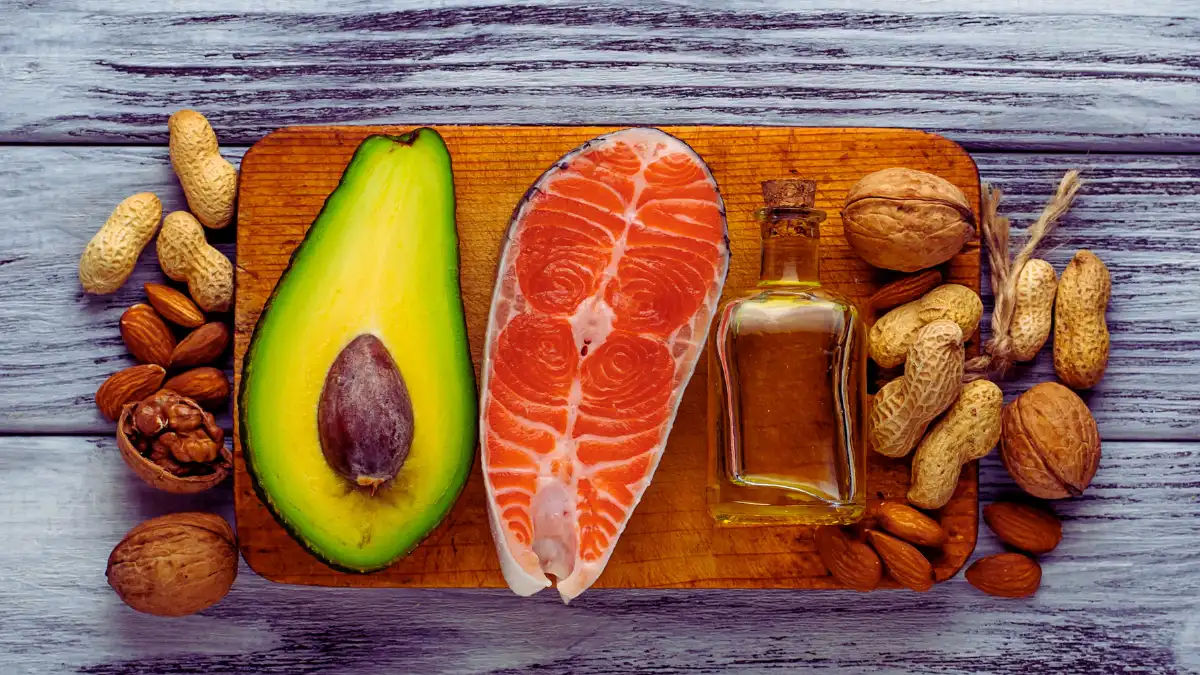
Cholesterol has been wrongly vilified in nutrition circles for decades. What many don’t know is that your body uses cholesterol to create steroid hormones, including estrogen, testosterone, and cortisol.
Without enough dietary cholesterol, hormone production can suffer. Egg yolks contain not just cholesterol but also choline, which supports liver function and hormone metabolism.
Shellfish like oysters and scallops offer zinc alongside cholesterol, supporting thyroid function. Your body relies on these nutrients more heavily after the 40s when natural hormone production begins to change.
Aim for whole food sources rather than processed meats with additives. One or two eggs daily won’t raise your cholesterol levels as once feared.
Focus on quality—choose pasture-raised eggs and wild-caught seafood when possible. These foods support your endocrine system through hormonal transitions.
3. Prioritizing Protein at Breakfast

Starting your day with protein stabilizes blood sugar and sets a hormonal tone that lasts for hours. Insulin sensitivity declines with age, making that morning bagel or cereal a poor choice for hormone balance.
Protein gives your body what it needs without the glucose spike. Morning protein consumption supports muscle maintenance, which becomes crucial when muscle mass naturally decreases.
Greek yogurt, eggs, or a protein shake can provide 20-30 grams to activate muscle protein synthesis. The amino acids also supply the building blocks for hormone creation.
Blood sugar stability from a protein-rich breakfast lowers cortisol, your stress hormone that often runs high during midlife.
Try scrambled eggs with vegetables, plain Greek yogurt with nuts, or a smoothie with protein powder. These options fuel your body properly and support hormone function throughout the day.
4. Not Fearing Nightshade Vegetables

Tomatoes, peppers, eggplants, and potatoes belong to the nightshade family. Some wellness trends suggest avoiding them completely due to alleged inflammatory properties.
For most people in old age, these vegetables offer more benefits than harm to hormone health. Bright red tomatoes contain lycopene that may help reduce estrogen-related cancer risk.
Bell peppers provide vitamin C, crucial for adrenal hormone production that becomes increasingly important during midlife transitions.
These nutrients work together to support your changing hormonal needs. Heat improves the bioavailability of lycopene in tomatoes, making cooked versions even more beneficial.
Roast a batch of mixed nightshades with olive oil for an easy side dish full of hormone-supporting compounds.
Unless you notice specific negative reactions, keeping these nutritious foods in your diet supports overall hormone balance.
5. Consuming Full-Fat Dairy
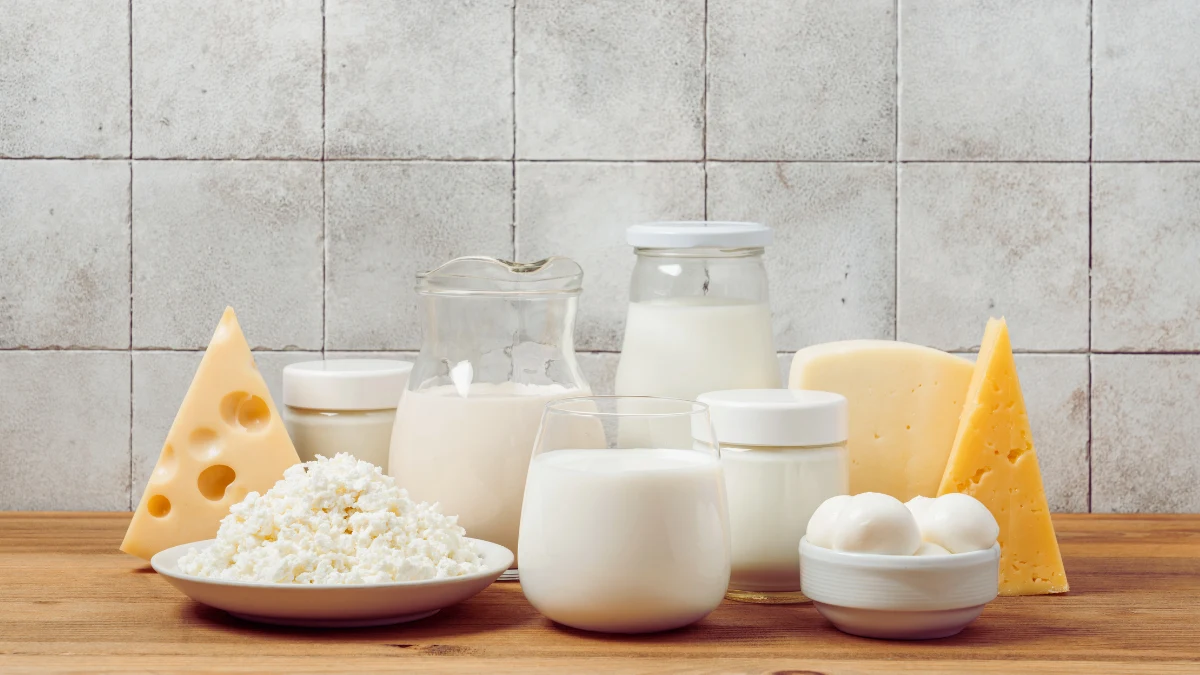
Low-fat dairy products became popular during the fat-phobic era of nutrition advice. We now know that removing fat from dairy also removes fat-soluble vitamins and beneficial fatty acids that support hormone production.
The fat in dairy helps your body absorb calcium properly. Full-fat yogurt, cheese, and milk contain conjugated linoleic acid (CLA) which may improve insulin sensitivity.
These dairy products provide vitamin D, essential for thyroid function and bone health during hormonal shifts. The satisfaction factor also prevents overeating later.
Quality matters tremendously with dairy consumption. Choose organic options from grass-fed animals when possible to maximize beneficial fatty acids and minimize hormone disruptors.
Small portions spread throughout the day support steady hormone levels—try a quarter cup of full-fat yogurt with berries or an ounce of aged cheese with apple slices for balanced nutrition.
6. Cyclic Carbohydrate Intake
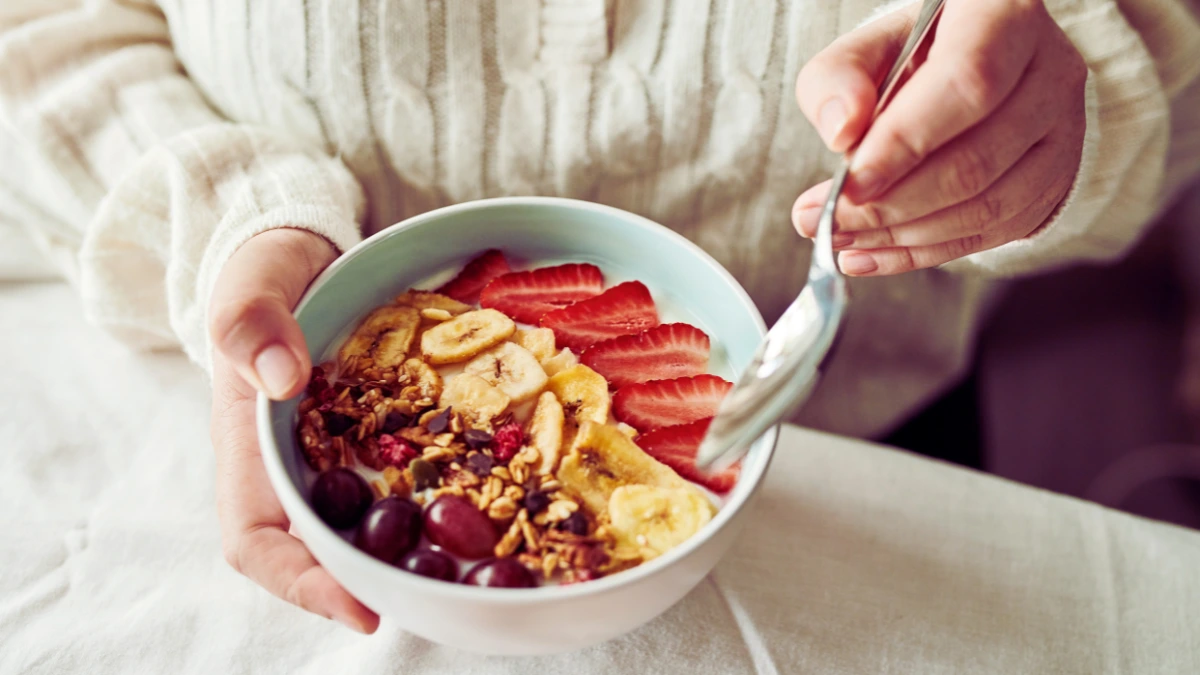
Low-carb diets might seem like the answer to midlife weight gain, but they can disrupt hormone balance. Your thyroid and adrenal glands need some carbohydrates to function properly. Strategic carb cycling works better than constant restriction for many women.
A 2020 study published in Fertility and Sterility found that women with PCOS who implemented periodic carbohydrate refeeds showed improved leptin sensitivity and insulin response.
The researchers noted that this approach helped restore metabolic flexibility without the negative effects of chronic carb restriction. Your body learns to use both fat and carbohydrates efficiently.
Try increasing carbs on days you exercise intensely or during specific phases of your menstrual cycle if you’re still menstruating.
Women in perimenopause often benefit from adding sweet potatoes, quinoa, or fruit on high-activity days. This gives your body the glucose it needs for hormone production without constantly elevated insulin levels.
7. Eating Red Meat Occasionally

Red meat has gotten a bad reputation, but small amounts can support hormone health after 45. Iron deficiency becomes more common during perimenopause, and heme iron from animal sources is absorbed more easily than plant iron.
Your body needs this mineral to transport oxygen and support energy production. Zinc and vitamin B12 in red meat help maintain adrenal function during hormonal transitions.
Just three ounces twice weekly can prevent deficiencies that contribute to fatigue and mood swings. The amino acid profile also supports muscle maintenance when estrogen naturally declines.
Quality matters tremendously. Choose grass-fed, organic options whenever possible to minimize exposure to hormones and antibiotics.
Cook red meat at lower temperatures to reduce the formation of compounds that may increase inflammation. Pair with plenty of vegetables that provide fiber to support healthy estrogen metabolism and clearance.
8. Embracing Bitter Foods
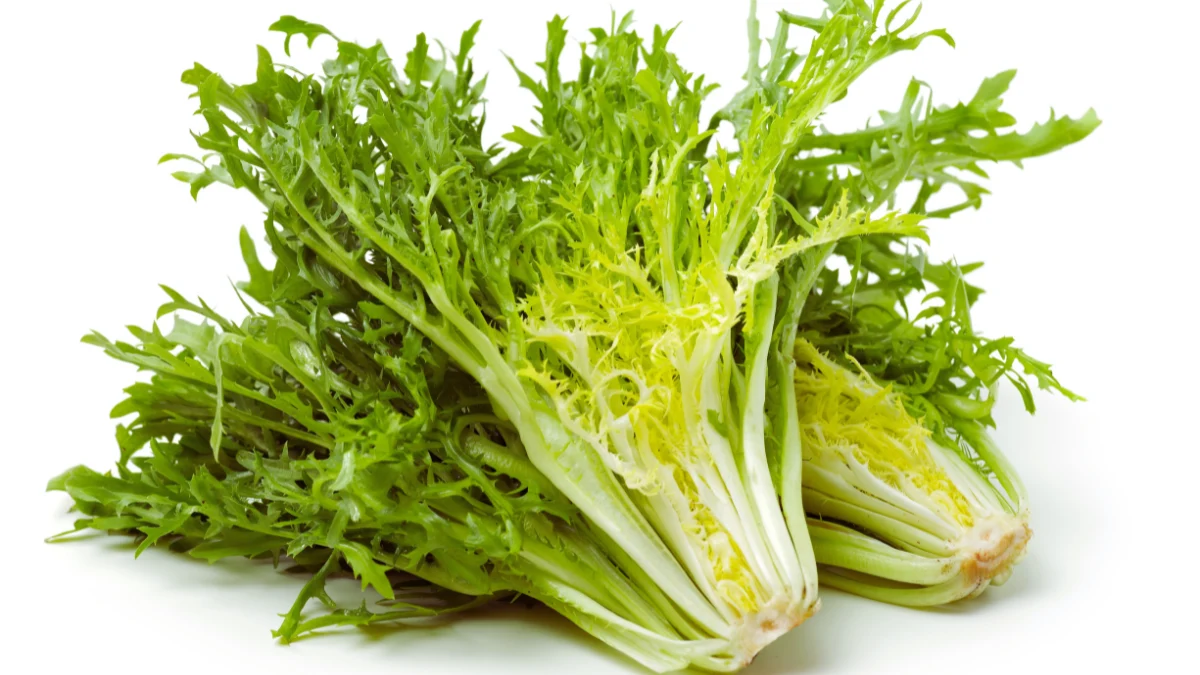
Bitter flavors have nearly disappeared from modern diets, yet they play a crucial role in hormone balance. Your taste buds might resist at first, but bitter greens like arugula, dandelion, and endives stimulate digestive enzymes and bile production.
This helps your body process hormones more efficiently. Compounds in bitter foods support liver detoxification pathways that manage estrogen levels.
After a certain age, proper estrogen metabolism becomes increasingly important for hormonal harmony. A tablespoon of apple cider vinegar in water before meals can achieve similar effects if you’re not ready for bitter greens.
Start with milder options like radicchio mixed with sweeter lettuce. Gradually introduce more bitter flavors as your palate adjusts.
Herbs like rosemary and oregano contain bitter compounds too. Cooking with these herbs provides flavor while supporting your liver’s ability to process hormones that can otherwise accumulate and cause symptoms.
9. Drinking Black Coffee Before Meals
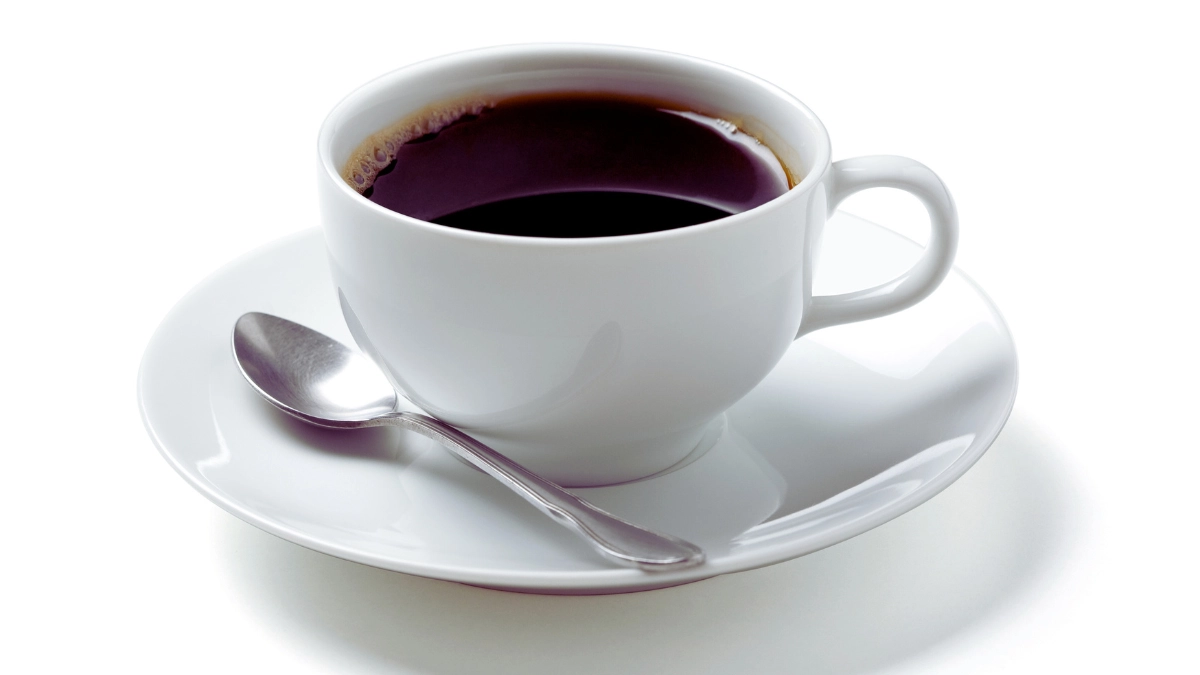
Coffee consumption timing matters for hormone balance. Having a cup of black coffee 30 minutes before meals might seem counterintuitive when you’re concerned about adrenal health, but research shows potential benefits for glucose metabolism and insulin sensitivity.
A comprehensive 2020 review published in Nutrients highlighted how coffee’s polyphenols, particularly chlorogenic acid, help regulate glucose metabolism.
Researchers found that these compounds improved insulin sensitivity when consumed before carbohydrate intake.
This timing allows the beneficial compounds to be present during digestion when they can have the most impact.
Morning coffee works best for most people, as afternoon consumption can interfere with sleep quality. Skip the cream and sugar to maximize benefits.
Those with anxiety or sleep issues should limit intake to one cup daily before noon. Always balance coffee consumption with adequate hydration throughout the day to support proper hormone transport in the bloodstream.
10. Including Soy Products
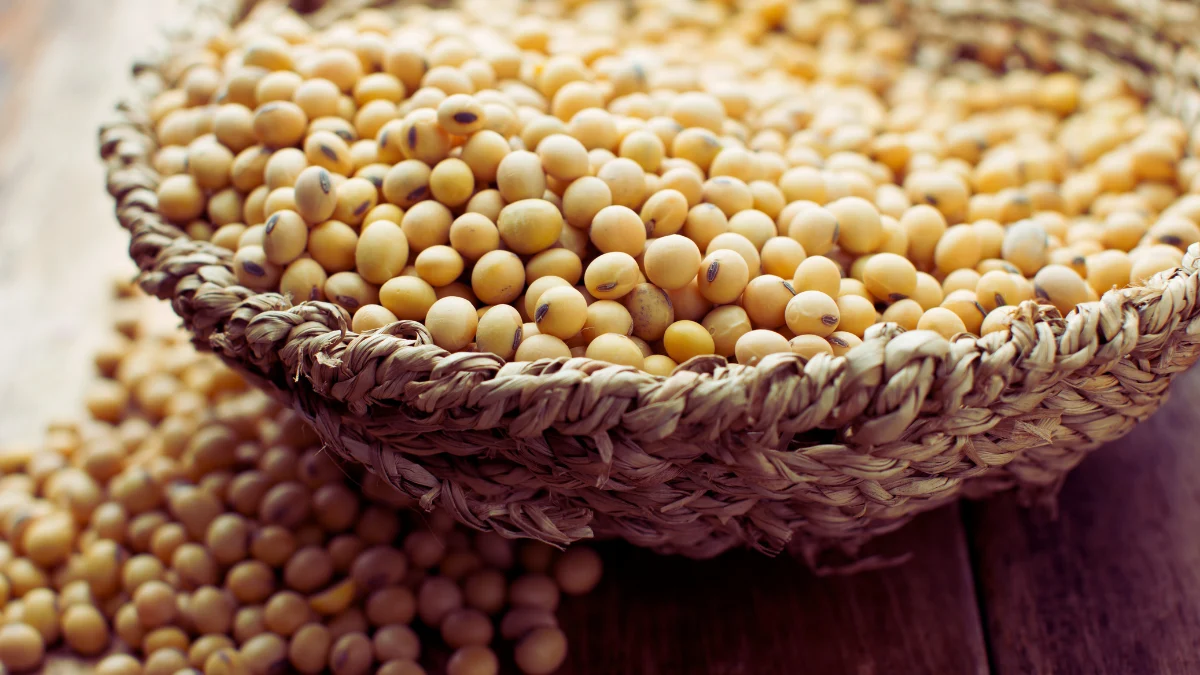
Soy foods have been unfairly maligned due to their phytoestrogen content. What many don’t realize is that these plant compounds can help balance hormones during midlife transitions.
Phytoestrogens bind weakly to estrogen receptors, potentially reducing hot flashes and other symptoms. Fermented soy offers additional benefits through improved nutrient absorption and probiotic content.
Tempeh, miso, and natto contain enzymes that make minerals more bioavailable. These traditional foods have been consumed for centuries in cultures with lower rates of menopausal complaints.
Moderation and quality remain important factors. Choose organic, minimally processed soy products to avoid GMOs and chemical residues.
A serving of edamame, a cup of miso soup, or a few ounces of tempeh several times weekly provides benefits without overdoing it. Avoid highly processed soy protein isolates that lack the fiber and balanced nutrition of whole soy foods.
11. Intermittent Fasting with Caution
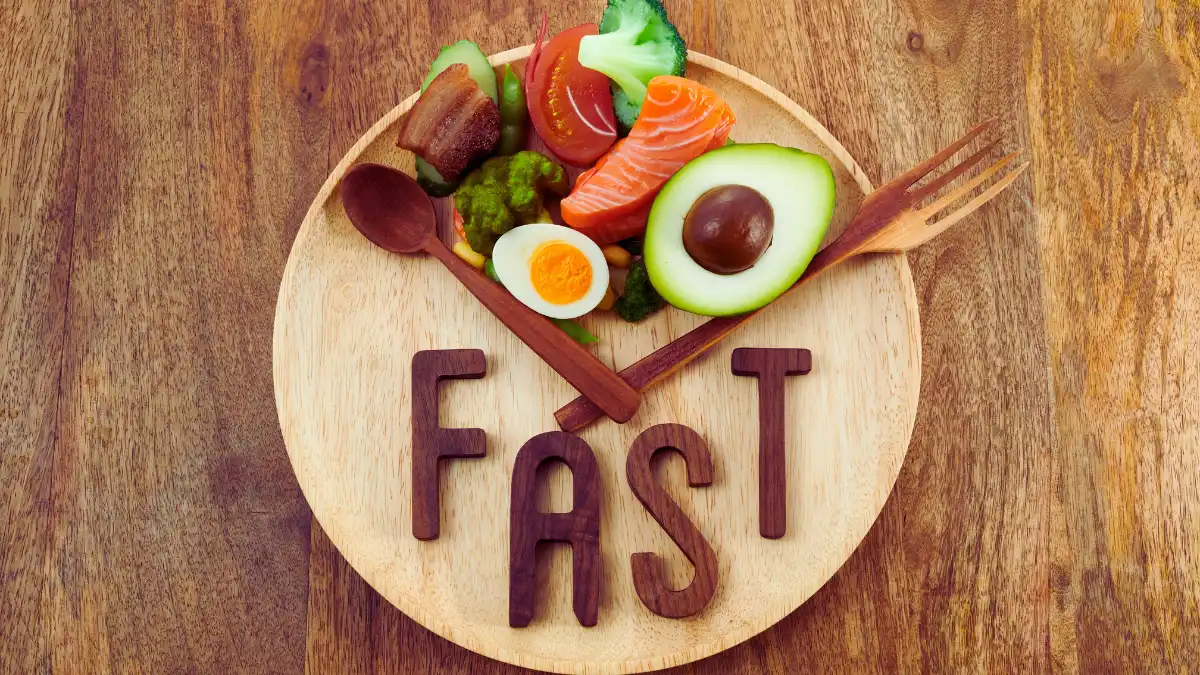
Extended fasting periods can stress hormones, especially for women of older age. Yet a gentle approach can yield benefits without the downside.
Short overnight fasts of 12-14 hours support insulin sensitivity while giving your digestive system needed rest.
Women’s bodies often respond differently to fasting than men’s. Hormonal fluctuations during perimenopause and menopause make lengthy food restrictions problematic.
Watch for signs of stress like sleep disturbances, mood changes, or fatigue. These symptoms suggest your fasting window might be too long.
Break your fast with protein-rich foods to prevent muscle loss, which accelerates during hormonal transitions. Eggs, Greek yogurt, or a protein smoothie provide the amino acids needed for tissue repair.
Consistency matters more than intensity—aim for the same eating window most days rather than extreme fasting followed by grazing. This gentle rhythm supports your body’s natural hormone cycles without triggering stress responses.
12. Eating Shellfish Regularly
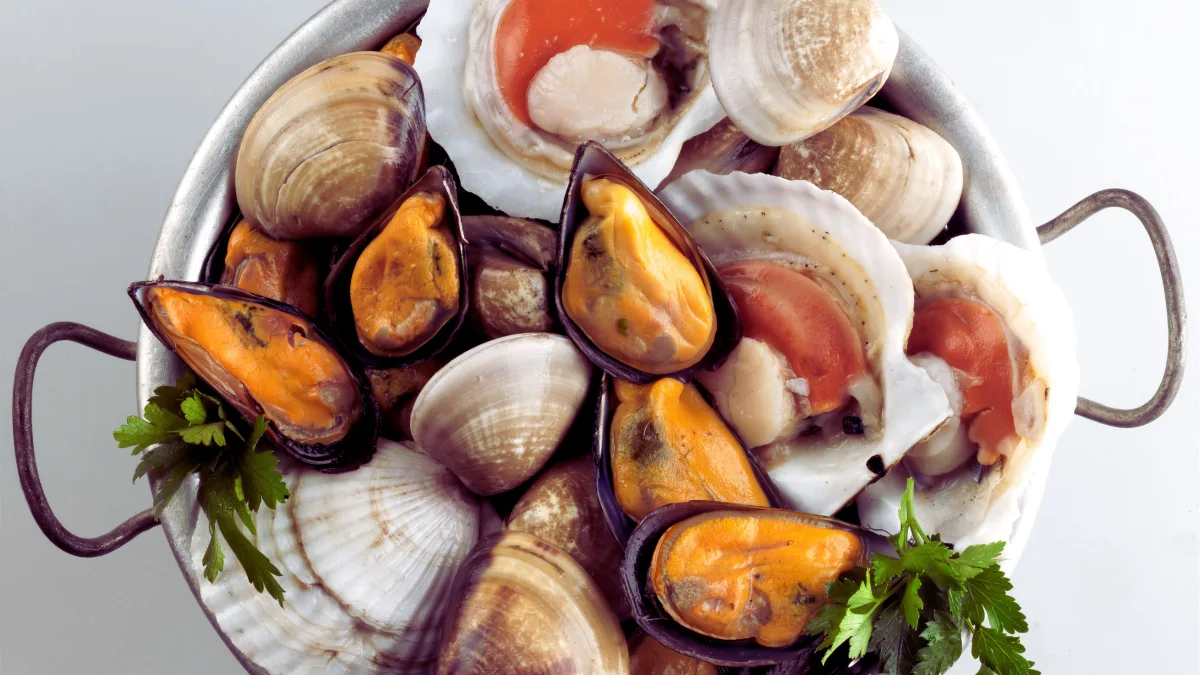
Many diet plans overlook shellfish, yet these sea treasures provide specific nutrients crucial for hormonal health.
Oysters contain more zinc per serving than any other food, supporting hundreds of enzyme reactions related to hormone production and metabolism.
Selenium in shellfish helps convert thyroid hormones to their active form. This mineral becomes increasingly important as metabolism naturally slows with age.
Mussels, clams, and scallops also provide vitamin B12, which many women become deficient in during midlife. Low B12 can mimic hormonal imbalance symptoms like fatigue and brain fog.
Concerns about cholesterol in shellfish lack scientific backing—these foods help your body produce hormones. Aim for two servings weekly, preferably from clean waters.
Canned options like wild-caught sardines provide similar benefits at a lower cost. Their high mineral content supports bone density during the years when estrogen protection diminishes.
13. Consuming Fermented Foods Daily

Gut health and hormone balance share a closer connection than previously understood. Fermented foods introduce beneficial bacteria that affect how your body processes and eliminates hormones.
This bacterial community, called the estrobolome, regulates estrogen circulation. Small daily servings create more impact than occasional large portions.
A tablespoon of sauerkraut with lunch, a few ounces of kefir in the morning, or kimchi as a spicy side dish can gradually reshape your gut microbiome.
These foods contain enzyme activators that become more important as natural digestive capacity decreases after 45.
Traditional fermentation methods preserve more beneficial bacteria than commercial shortcuts. Look for products with live cultures stored in refrigerated sections.
You can easily make these foods at home with minimal equipment. The slight tanginess may seem strange at first but typically becomes enjoyable as your palate adjusts. Most importantly, your hormones benefit from this microbial support during transitional years.
14. Using Cold-Pressed Oils Liberally
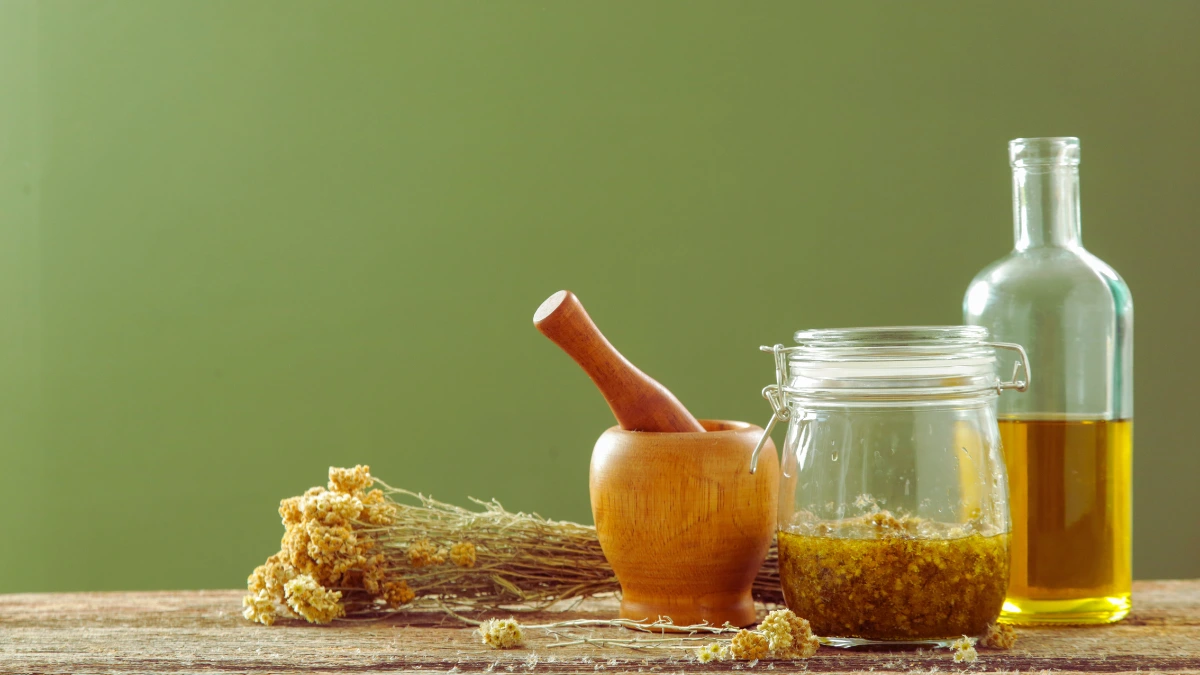
Fat-free cooking became popular decades ago, but removing fats from your diet can severely disrupt hormone production.
Cold-pressed oils retain compounds destroyed in heavily processed versions. These intact nutrients support cellular communication essential for endocrine function.
A study published in the British Journal of Nutrition found that extra-virgin olive oil increased sex hormone-binding globulin (SHBG) in postmenopausal women.
Researchers noted this change helped improve overall hormone balance and metabolic health. The polyphenols and oleocanthal in minimally processed olive oil reduce inflammation that can disrupt hormone signaling.
Store oils properly to prevent oxidation—dark glass bottles away from heat and light preserve their benefits. Use different oils for different purposes: extra-virgin olive oil for low-heat cooking and dressings, avocado oil for higher-heat cooking, and flaxseed oil (never heated) for omega-3 fatty acids.
The variety provides different fatty acid profiles that support various aspects of hormonal health during midlife changes.
15. Snacking on Dark Chocolate (70%+)
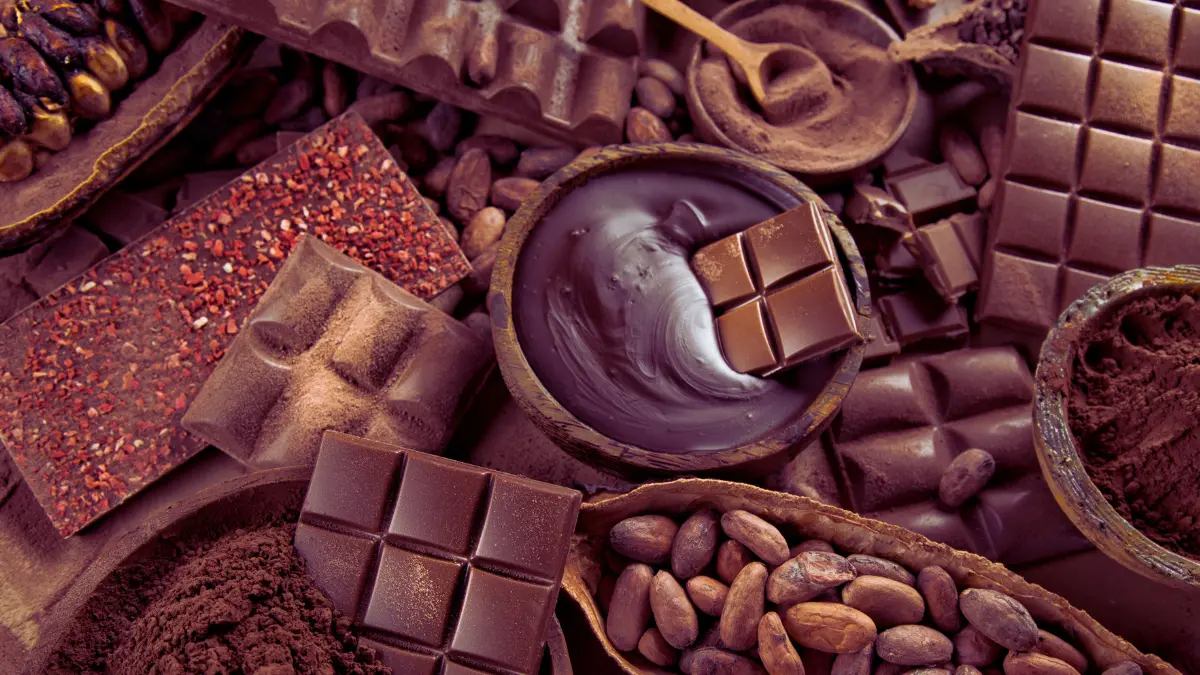
Chocolate cravings might signal a legitimate nutritional need. Dark chocolate with high cacao content provides magnesium, often depleted during hormonal fluctuations.
This mineral helps reduce cortisol and supports progesterone production, both crucial after 45. The flavanols in quality dark chocolate improve blood flow, potentially reducing hot flashes and supporting brain health during hormonal transitions.
Theobromine, a gentle stimulant in cacao, provides energy without the anxiety spike sometimes triggered by caffeine. This makes it an excellent afternoon option when energy typically dips.
Portion control matters—one or two squares daily provide benefits without excess sugar or calories. Choose varieties with at least 70% cacao and minimal added ingredients.
Savor it slowly rather than eating mindlessly. This small pleasure supports both physiological hormone balance and the psychological well-being that can suffer during midlife hormonal shifts. Allow yourself to enjoy this medicinal treat without guilt.